Cubism Image Generator
Cubism Image Generator is a free online tool to generate cubism style images. The tool is free to use, just enter prompt in cubism style and generate cubism image style in seconds similar quality to flux, midjourney, open ai, imagen, nano banana AI image quality.
Generate Cubism AI Image for Free
Receive our FREE AI updates via email once a week
What is a cubism Generator?
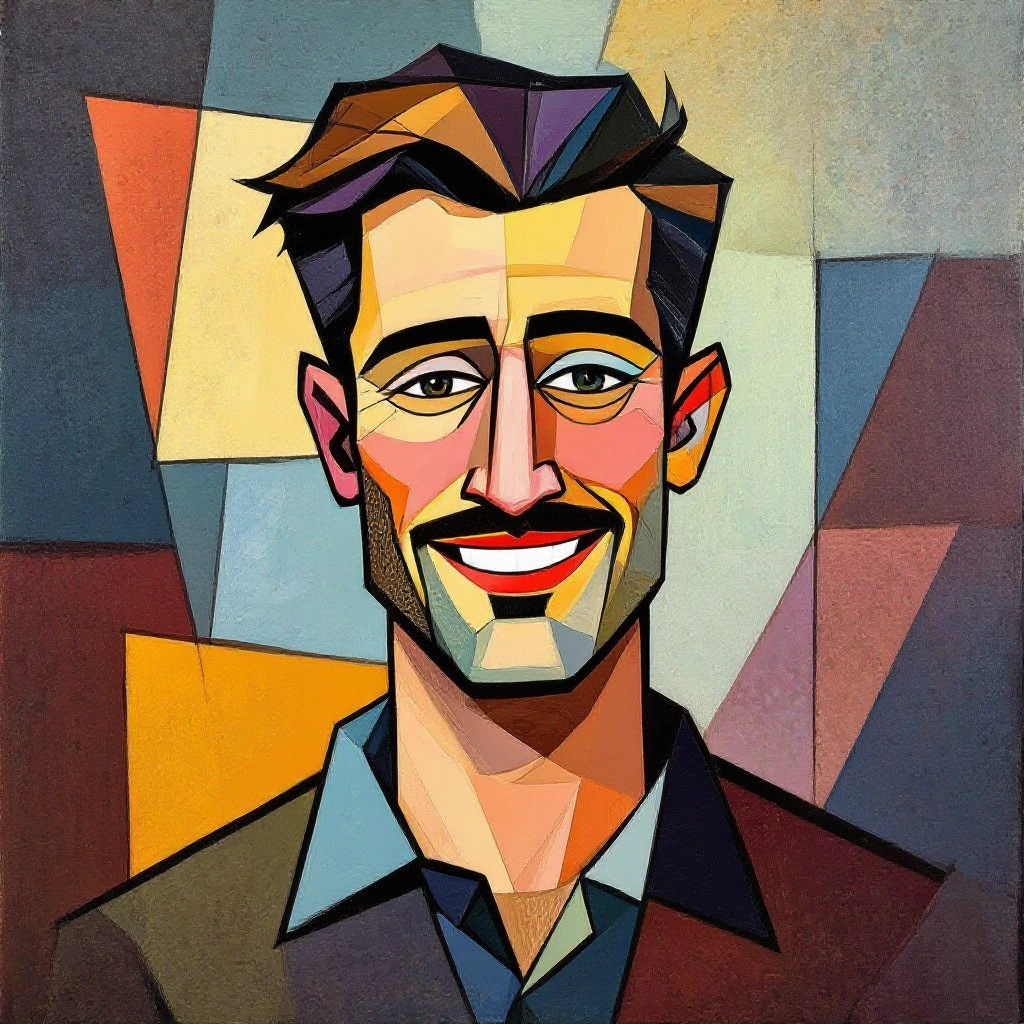
A Cubism Generator is an AI-powered image tool trained to recreate the formal language of cubism: fractured planes, overlapping viewpoints, flattened perspective, geometric faceting and collage-like texture. Instead of applying a simple filter, the generator composes scenes by reinterpreting shapes and spatial relationships to emphasize multiple simultaneous views and abstracted forms. Outputs preserve cubist hallmarks such as angular planes, interlocking facets and carefully dissonant color relationships to produce artwork that reads as deliberate cubist composition rather than conventional photorealism.
Artists, designers, educators and creative teams use a Cubism Generator to prototype cubist compositions, explore new visual motifs and adapt cubist techniques for modern media. Photographers and illustrators use it to transform subjects into analytical or synthetic cubist renderings for gallery prints, covers and branding. Game concept artists and motion designers use the tool to generate stylized assets that maintain cubism conventions while remaining usable in production. The generator accelerates experimentation, letting users test perspective fragmentation, palette shifts and collage elements without manual collage or lengthy painting sessions.
How to Create cubism Images with our AI tool
Start by writing a clear prompt that names the subject and specifies cubist attributes such as fragmentation level, viewpoint count and palette style; next choose settings for plane density, color harmony, texture collage and abstraction to steer the generator toward analytical or synthetic cubism; finally generate the image, review variations, refine prompts or settings and export the final high resolution cubist composition for print or web use.
Enter AI Cubism Prompt
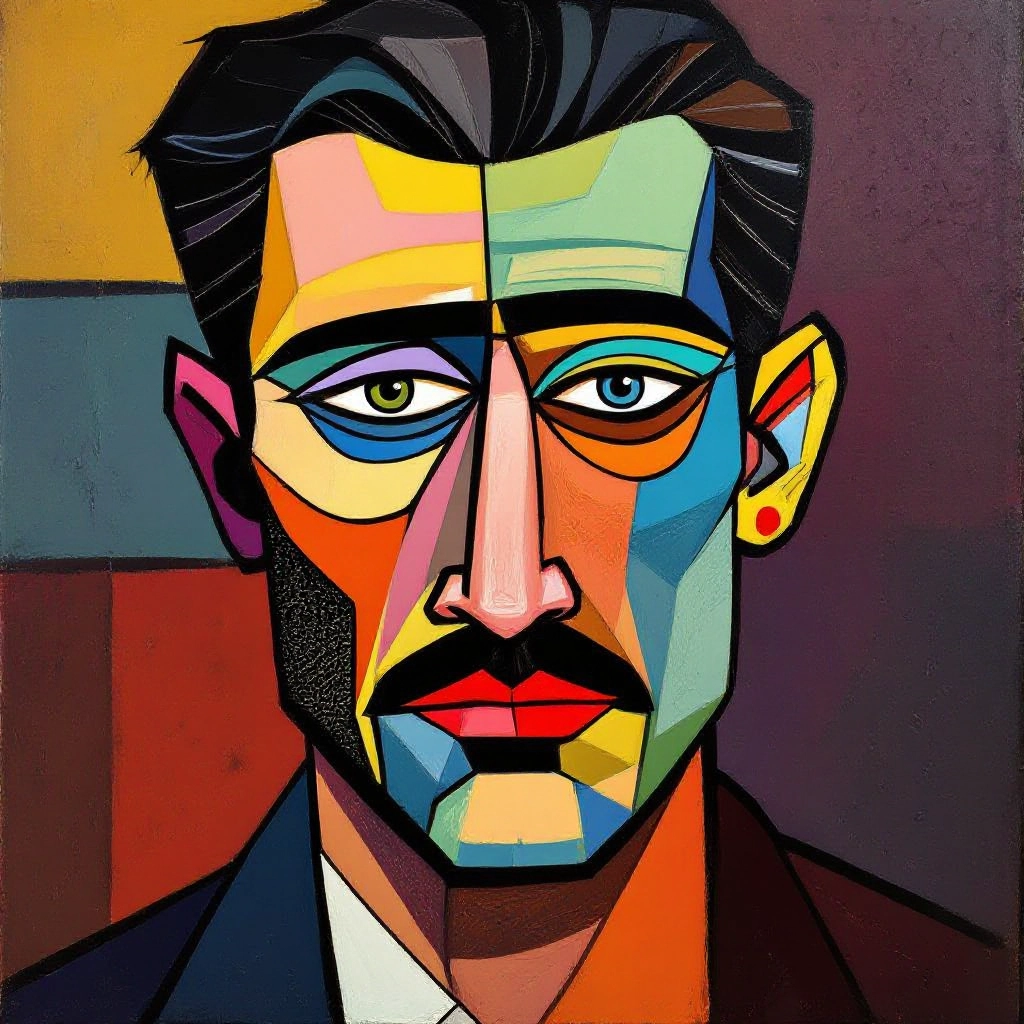
Type your cubism character or scene description in the prompt box. Include details like character appearance, clothing, expressions, and setting to get better AI cubism results.
Choose AI Model Settings

Select your preferred image size and aspect ratio. Our AI model delivers professional quality comparable to:
- • Flux AI Quality
- • Midjourney Standard
- • OpenAI DALL-E
- • Google Imagen
Download AI Cubism Image

Once your AI cubism image is generated, click the download button to save it to your device. The image will be in high quality format ready for use.
Features of our Free AI cubism Image Generator

Fragmentation Controls
Precise sliders to break subjects into planes and facets, allowing you to dial the degree of geometric decomposition from subtle angularity to full abstraction while preserving compositional balance. Generate a detailed painting prompt with our Free Painting Prompt Generator for best results.
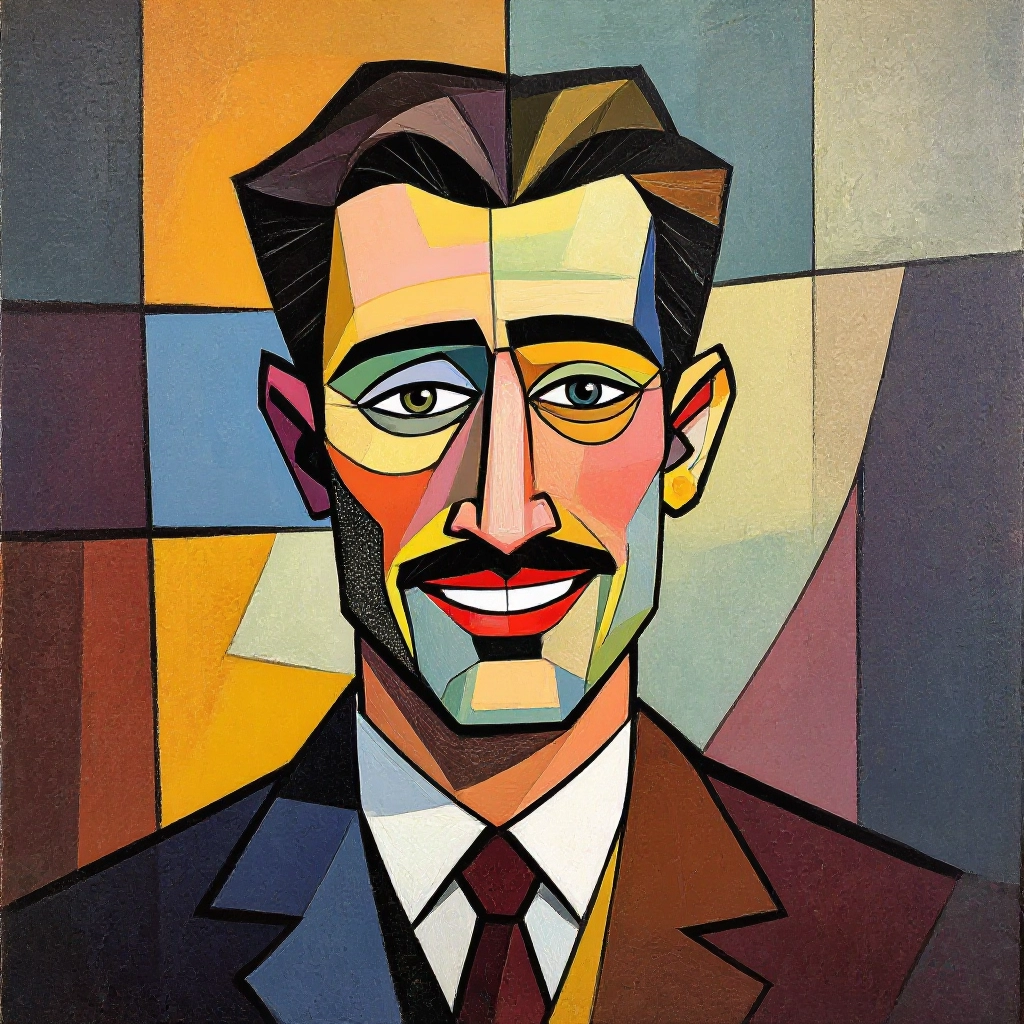
Multi-Viewpoint Composition
Algorithmic layering that simulates multiple simultaneous viewpoints, enabling faces, objects and still lifes to be reassembled into coherent cubist structures with overlapping perspectives.
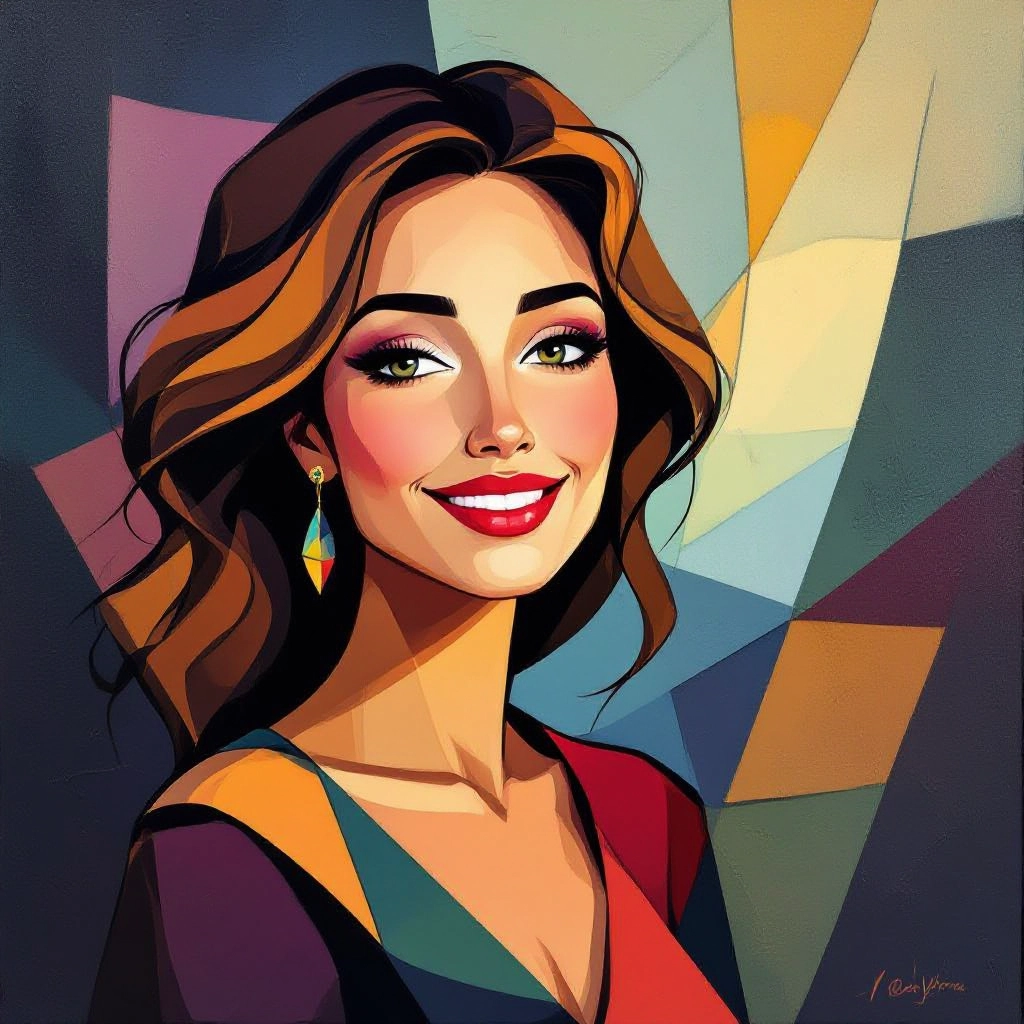
Palette & Tone Engine
A dedicated color module that applies traditional cubist palettes, contrasting harmonies and muted earth tones or bold synthetic colors to emphasize form and depth through hue and value relationships.
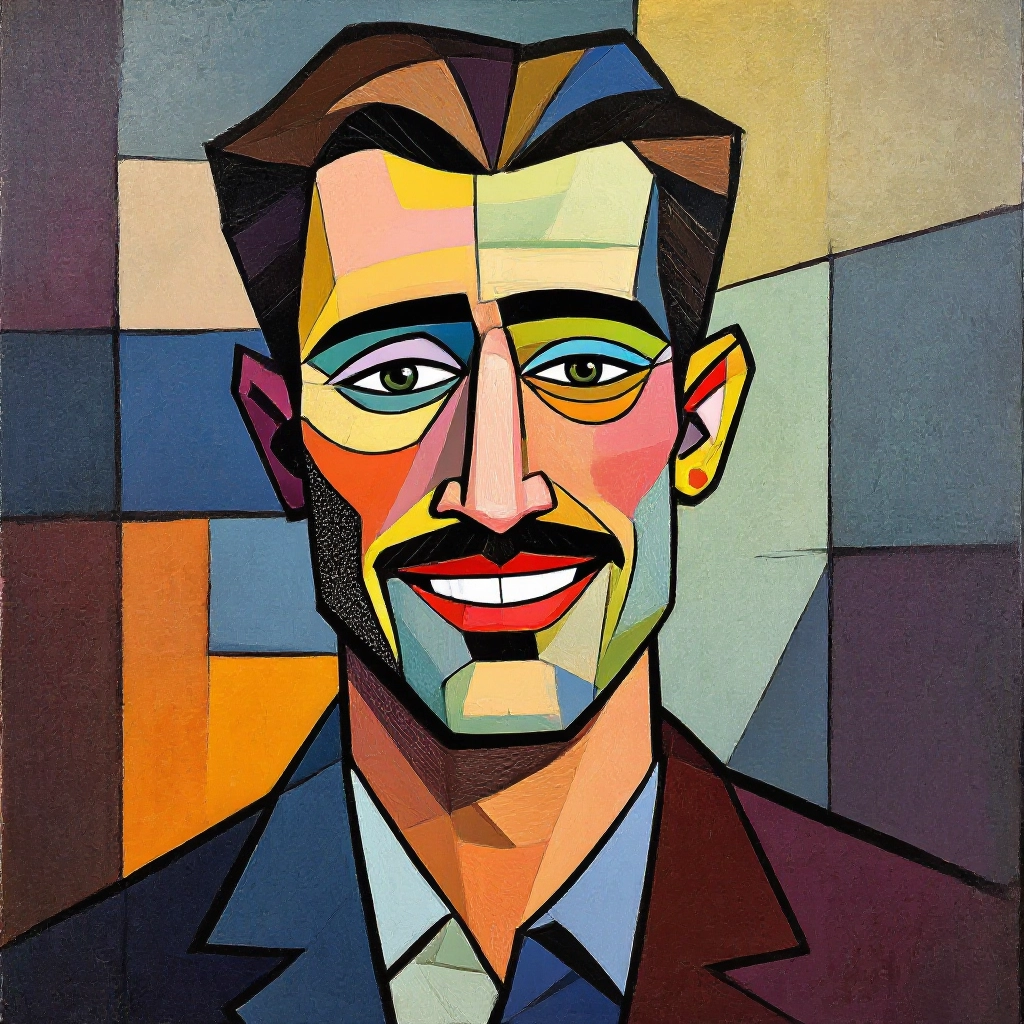
Texture and Collage Effects
Integrates collage elements such as paper grain, brush marks and printed ephemera textures to mimic synthetic cubism techniques and add tactile authenticity to digital outputs.
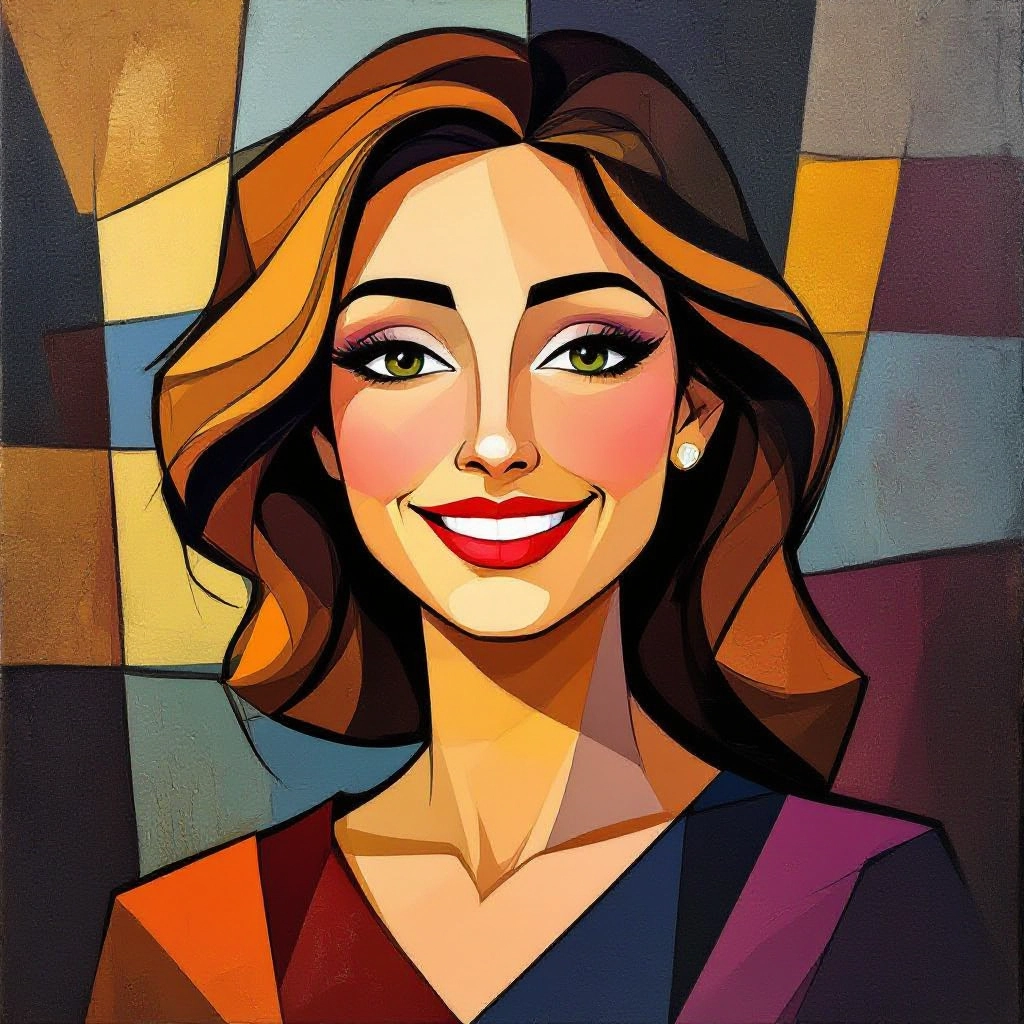
High Resolution Export and Variation
Export gallery-quality images in high resolutions and generate multiple variations or seeded series for consistent visual narratives, ideal for prints, packaging and multimedia projects.
Types of AI Powered Cubism Style Images
This generator supports distinct cubist dialects, each emphasizing different formal strategies from analytical dissection to synthetic collage. Choose a variation to target plane treatment, color strategy and compositional density for results that match historic or modern interpretations of cubism.
Analytical Cubism
Breaks objects into monochrome or muted planes, focusing on structure, internal geometry and multiple viewpoints to study form rather than color.
Synthetic Cubism
Reconstructs simplified shapes with bold color blocks and simulated collage fragments, emphasizing surface pattern and assembled motifs over dense deconstruction.
Orphic Cubism
Infuses cubist structure with strong color harmonies and rhythmic circular forms to create luminous, musical compositions that blend abstraction and chromatic energy.
Cubo-Futurism
Combines cubist fragmentation with dynamic motion cues and repeated facets to convey speed, technological motifs and sequential viewpoints in a single frame.
Geometric Cubism
Renders scenes with strict geometric tessellation and crisp edges, favoring mathematical plane relationships and architectural precision.
Monochrome Analytic
Focuses on value contrast and texture in a restricted palette, highlighting form, shadow and faceting without strong chromatic distraction.
Applications of AI cubism image style
Fine Art Prints
Produce gallery-ready cubist prints by exporting high-resolution compositions that retain authentic plane structure and texture for framing and exhibition.
Album and Book Covers
Create striking covers that use cubist fragmentation and bold palette choices to convey conceptual themes and visual identity for music and literature.
Branding and Packaging
Apply cubist motifs to logos, labels and packaging design to achieve a modern, abstract aesthetic that differentiates products on shelf and online.
Motion Graphics and Animation
Generate layered cubist assets that animate between viewpoints and planes, enabling kinetic sequences that preserve cubist grammar in video projects.
Game Concept Art
Use cubist renders to explore stylized environments, characters and props with flattened perspective and modular geometry suitable for stylized game worlds.
Art Education and Research
Support curricular work by producing examples of analytical and synthetic cubism for study, critique and visual analysis in classrooms and workshops.
FAQs about AI cubism image generator
How true to original cubist techniques are the results?
The generator models visual characteristics of cubism such as plane fragmentation, multiple viewpoints and collage texture, producing artworks that echo historic techniques while using modern algorithmic composition. It is an interpretation that emphasizes formal resemblance rather than a literal replication of any single artist's method.
Can I control the level of abstraction in outputs?
Yes. You can set fragmentation intensity, viewpoint count and abstraction sliders to move from lightly faceted portraits to fully abstracted compositions. Iterating prompts and adjusting parameters yields consistent control over how much the subject is deconstructed.
Are generated images free to use commercially?
Usage rights depend on the platform terms and any included assets. Typically you may use generated images commercially if the service grants a license, but always review the tool's licensing and attribution requirements before publishing or selling work.
Can I upload my own reference image to be cubized?
Many cubism generators accept uploads so the AI can reinterpret your photo into cubist form. Upload a clear reference and pair it with a descriptive prompt to guide the plane treatment, palette and collage choices.
What file formats and resolutions are supported?
The generator supports common export formats such as PNG and JPG and provides high resolution outputs suitable for print. Options often include multiple dimension presets and an upscale feature to preserve detail in gallery prints.
How do I get a consistent series of cubist images?
Use seed values or save preset parameter configurations for fragmentation, palette and texture. Reuse the same prompt structure and settings across runs to produce a coherent visual series with predictable cubist grammar.