Shape Poem Generator
A free AI shape poem generator creates concrete poetry where the words form a visual shape on the page. Choose a subject and shape to get a poem that looks like what it describes.
What Is a Shape Poem?
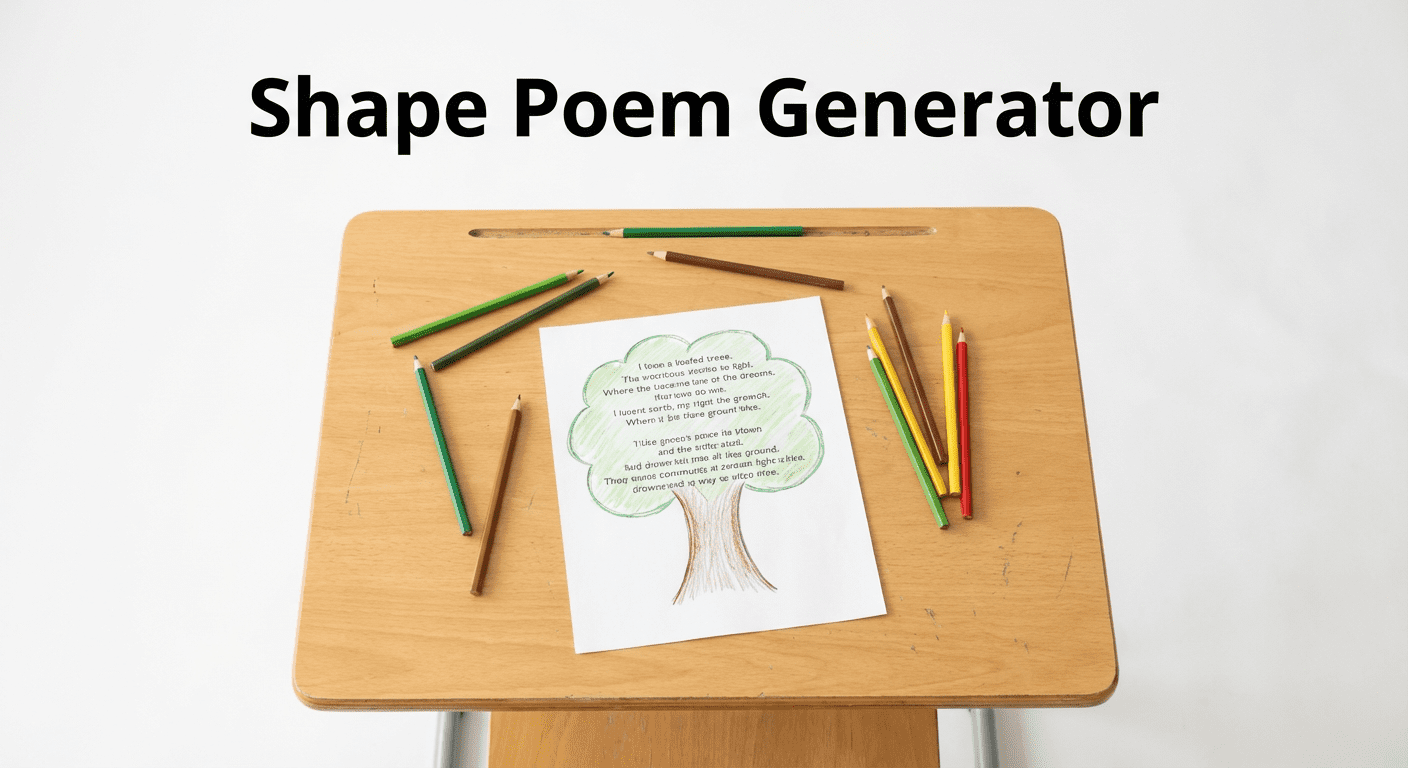
A shape poem is a form of concrete poetry where the words, lines, and spaces are arranged on the page to visually form the shape of the poem's subject. The visual form and the written content reinforce each other — a poem about a tree is arranged in the outline of a tree, a poem about a heart takes the shape of a heart. The meaning of the poem is carried not just by the words but by how they appear on the page.
Concrete poetry and shape poetry have roots stretching back to ancient Greek poets and have been explored seriously by modern literary movements throughout the twentieth century. Poetry Foundation concrete and visual poetry provides an excellent overview of this tradition and its key practitioners. For teachers and students working with this form in educational settings, ReadWriteThink shape poem educational resources offer structured lesson plans. For a broader literary context, Academy of American Poets concrete poetry traces the movement from its historical origins to contemporary practice.
Shape poems are distinct from other constrained poetry forms like haiku or acrostic poems in that the constraint is visual rather than syllabic or alphabetic. The page itself becomes part of the poem.
How the Shape Poem Generator Works
Choose a Subject
The Subject/Theme field is the starting point and the only required text input. Enter the topic, object, emotion, or scene your poem will be about. Be as specific or as broad as you like — "a rose," "loneliness," "the moon at midnight," "a dog waiting by the door" all work equally well. The more vivid your subject, the richer the language the AI will draw on. The subject also guides the word choices and imagery throughout the poem, so a nature-oriented subject like "a tall oak tree" will naturally produce different language than an abstract subject like "hope."
Select a Shape
Choose from eight shapes: Heart, Star, Circle, Tree, Cat, Dog, Butterfly, or Custom Shape. Each shape has different visual proportions that influence how the poem is laid out — a heart creates a wide upper section and a pointed base, while a tree creates a narrow trunk with an expanding canopy. Circular poems wrap in on themselves. Butterfly poems often produce two balanced wings of verse. The Custom Shape option allows you to describe any silhouette you want in your subject field, giving you complete creative control over the visual form.
Get a Visual Poem
After clicking Generate Shape Poem, the AI produces a poem arranged to form your chosen shape using line breaks and spacing, presented in a preformatted block to preserve the visual layout. The output includes a brief note explaining how the shape was constructed and how it relates to the poem's subject. You can continue the conversation to request a different mood, adjust the length, try an alternative shape, or ask for a version with different imagery.
Types of Shape Poetry
Outline Shape Poems
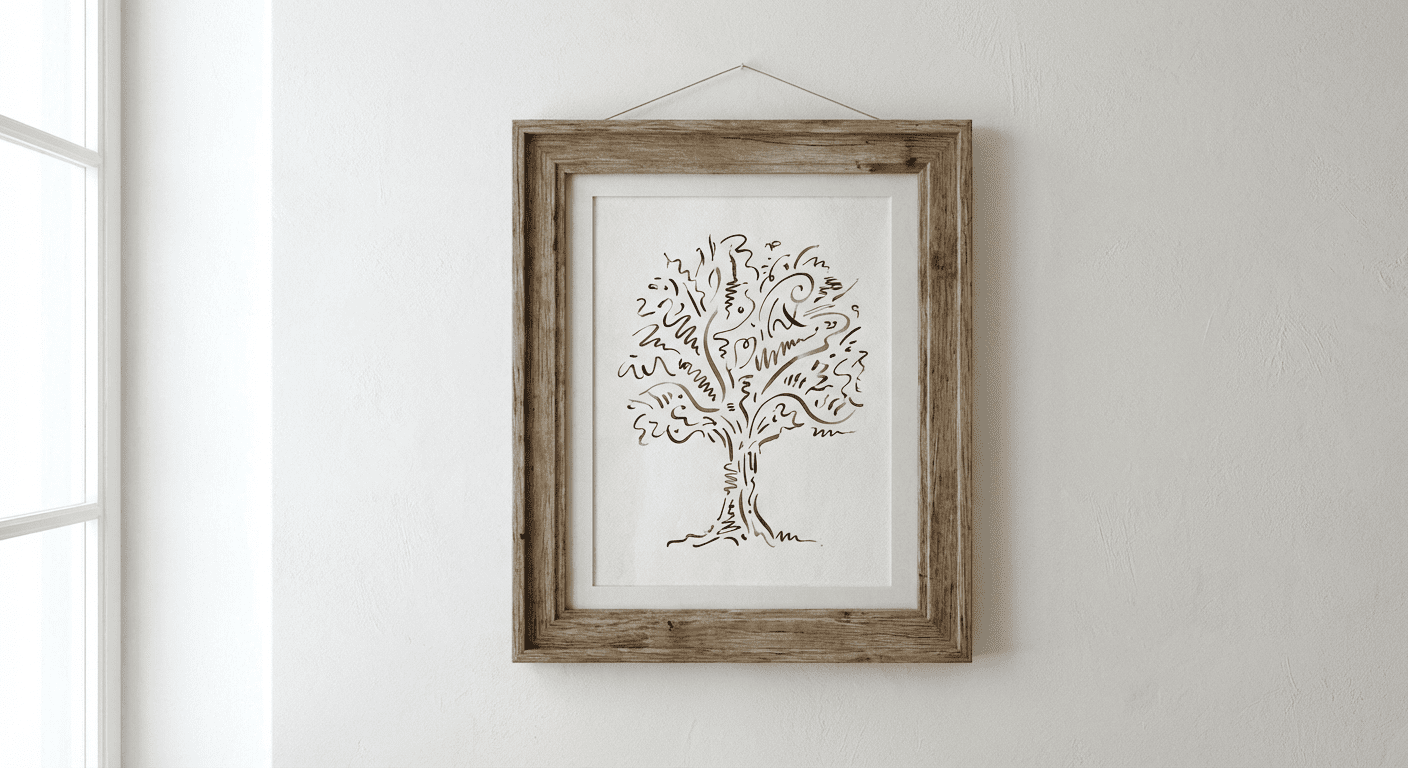
Outline shape poems arrange the words along the outer edge of a shape, tracing its silhouette without filling the interior. This approach works well for clean, recognizable shapes — hearts, stars, circles — where the outline itself creates a strong visual impression. The words follow the contour of the form, curving around corners and tapering to points where the shape demands it. Outline poems tend to have a lighter, more open visual quality than filled versions.
Filled Shape Poems
Filled shape poems pack text densely throughout the interior of a shape, using the mass of words to build up the visual form from the inside. This approach works particularly well for shapes with clear silhouettes — a tree filled with words about forest, bark, leaf, and root; a butterfly where each wing is a solid block of verse. Filled shape poems feel heavier and more substantial on the page and are often used when the subject itself is full of detail or emotional weight.
Calligrams
A calligram is a related but distinct form in which the letterforms themselves — not just the overall arrangement — create a picture or image. The term was coined by the French poet Guillaume Apollinaire, whose 1918 collection Calligrammes remains the most celebrated example of the form. In a calligram, individual letters may be stretched, curved, or repositioned to contribute to the visual image at the letterform level, not just the line-arrangement level. The AI shape poem generator focuses on line-based arrangement rather than letterform manipulation, but understanding calligrams helps place shape poetry in its full visual and literary tradition.
Free-Form Concrete Poetry
Not all concrete poetry follows a recognizable silhouette. Free-form concrete poetry uses the spatial arrangement of text on the page to create meaning without necessarily forming a specific object. Words may be scattered, stacked, mirrored, or broken across lines to represent ideas like fragmentation, movement, repetition, or chaos. This is the most experimental branch of concrete poetry and is closely associated with the international Noigandres group of poets in Brazil and the Fluxus movement in Europe and America during the 1950s and 1960s. For additional creative writing forms related to this tradition, the free AI poetry generator covers a wide range of poetic styles and forms.
Famous Shape Poems and Historical Examples
Historical Examples
The earliest known shape poems come from ancient Greece. Simias of Rhodes wrote three technopaegnia — shape poems in the forms of an egg, wings, and an altar — around 300 BCE. These are among the first recorded examples of visual poetry in any language. George Herbert, the seventeenth-century English metaphysical poet, wrote two famous shape poems in his collection The Temple: "Easter Wings," in which two stanzas form the outline of a pair of wings using indented lines, and "The Altar," arranged in the silhouette of a stone altar. These poems are still widely studied in schools and universities as examples of the form at its most disciplined and intentional.
Modern Concrete Poetry
In the twentieth century, concrete poetry emerged as a serious international literary movement. Eugen Gomringer, a Swiss-Bolivian poet, is often credited as the founder of modern concrete poetry with his 1953 collection konstellationen. In the United States, e.e. cummings experimented extensively with typographic arrangement and unconventional spacing, pushing the boundaries of what a poem could look like on the page. John Hollander's 1969 collection Types of Shape brought shape poetry into American academic literary culture, featuring poems in the shapes of a swan, a car key, a beach umbrella, and an hourglass, among others. Contemporary poets continue to explore the form, and shape poetry remains a standard component of creative writing curricula from elementary school through university level.
Shape Poem Examples
Example 1 - Heart-Shaped Love Poem
Subject: love | Shape: Heart | Mood: Romantic | Length: Short
  you fill              the silence
with warmth    and the kind of light
  that stays     long after you have
     gone and   I find your name
        still   rising
          in     me
            like
             a
            heart
The lines widen at the top of the heart and narrow to a point at the base, mirroring the poem's movement from expansive feeling to a concentrated, singular conclusion.
Example 2 - Tree-Shaped Nature Poem
Subject: an old oak tree | Shape: Tree | Mood: Reflective | Length: Medium
                   leaf
              green and gold and gone
         the canopy spreads its arms wide
    holding light between ten thousand fingers
 roots remember every drought every flood every storm
      bark carries the years in its quiet rings
           the trunk holds still
               and waits
                 and
                 is
The widest lines represent the crown of the tree. Lines narrow toward the trunk and further to a single word at the root — the tree's shape mirrors its weight, rooted and still.
Shape Poems for School and Education
Shape poetry is one of the most popular poetry forms taught in primary and secondary schools. It is often introduced in years three through six as a way to make creative writing feel accessible and visually engaging. Students who struggle with traditional poetry often find shape poems less intimidating because the visual element gives them a clear structural goal — they know the poem needs to look like something specific. This goal-oriented quality makes the form particularly effective for reluctant writers.
Teachers use shape poems to teach a range of skills: the connection between form and content, word economy (every word must work in the limited space of a shape), spatial awareness in writing, and the expressive possibilities of visual presentation. The generator can serve as a starting point for classroom discussion — students can analyze how the AI constructed the shape, suggest improvements, or use the output as inspiration for their own handwritten versions.
For students exploring other structured poem forms, our acrostic poem generator creates name poems and word poems for school assignments. The haiku generator produces syllable-structured nature poems, and the sonnet generator handles longer, rhymed formal verse. For general creative writing support, the free creative writing prompt generator provides topic ideas across all genres.
Using Shape Poems for Different Moods
The mood selector in this generator significantly changes the character of the output even when subject and shape remain the same. A heart-shaped poem on the subject of "loss" will read very differently in Romantic mode versus Dark mode versus Reflective mode. Understanding how mood filters shape the output helps you target the right emotional register for your intended use.
Romantic produces warm, intimate, emotionally open language — best for love poems, anniversary gifts, and personal expressions of feeling. Playful produces light, energetic, often rhythmically bouncy language — suitable for children, greeting cards, and casual creative writing. Reflective produces slow, meditative, image-focused language — well-suited for poems about nature, time, memory, and loss. Nature produces language grounded in sensory detail and the natural world regardless of the subject. Dark generates a more brooding, melancholy, or unsettling tone — appropriate for poetry about grief, fear, or the uncanny. Celebratory produces uplifting, joyful, high-energy language suited to occasions like birthdays, graduations, and achievements.
For more general AI-powered poetry across all moods and forms, our AI poetry generators hub collects the full range of poem tools available on this site. The poem generator handles free-form poetry requests without shape constraints, and the free AI rhyme generator helps find rhyming words and phrases for any line of verse.
Shape Poem vs Concrete Poetry vs Calligram
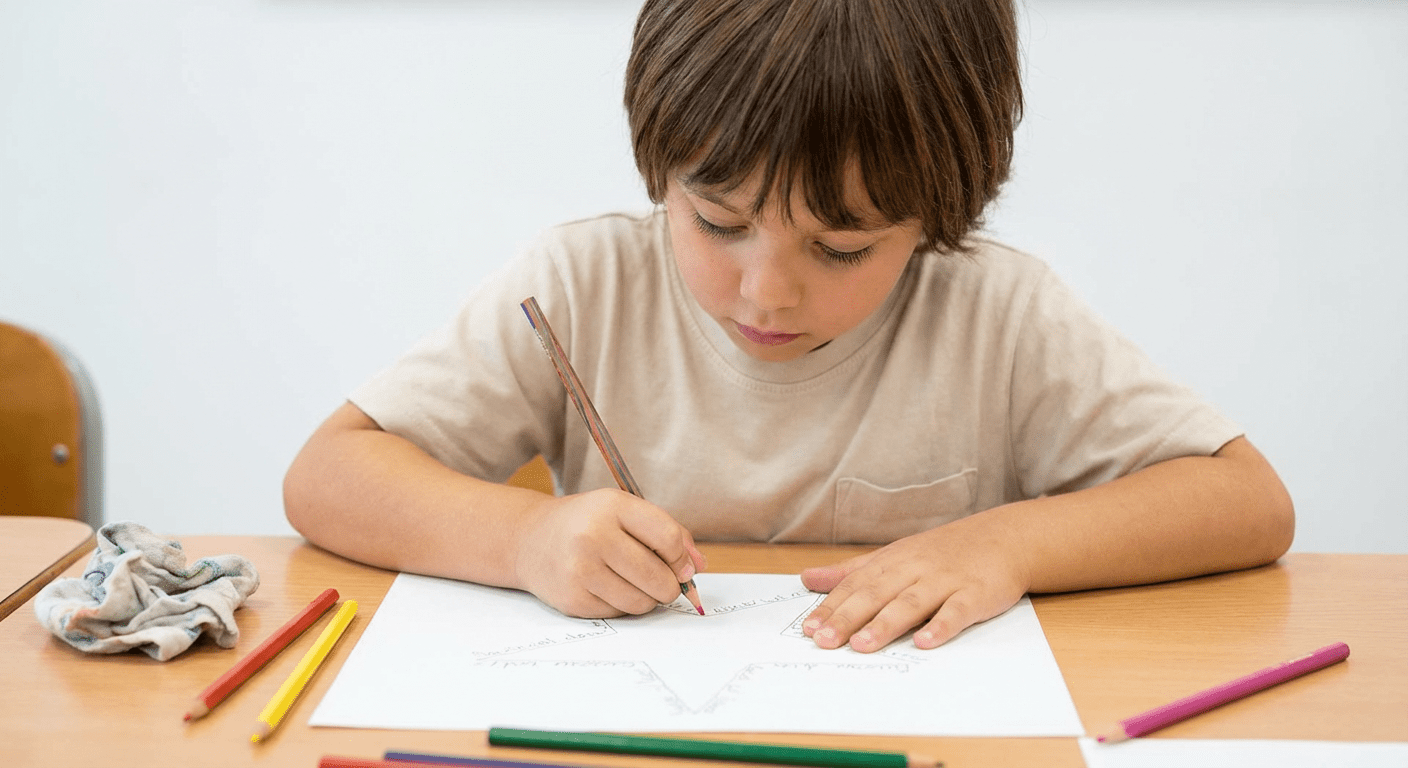
These three terms are closely related but refer to slightly different things, and the distinction matters for anyone researching or writing in this tradition. A shape poem uses the arrangement of lines of text to form a recognizable outline or silhouette — this is the most commonly taught form in schools. Concrete poetry is the broader category that encompasses any poetry in which the visual presentation of the text on the page is part of the poem's meaning — this includes shape poems but also purely typographic experiments, word grids, and spatial arrangements that do not form specific objects. A calligram is a specific type of concrete poem in which the text literally forms a picture — the words are bent, stretched, and curved so that the letterforms themselves create the image, not just the overall arrangement of lines.
This generator produces shape poems — the most readable and widely accessible form — where line arrangement creates the visual shape. For writers interested in exploring the full range of experimental visual poetry, the literary tradition is wide and deep. Start with George Herbert's "Easter Wings," then move to Apollinaire's calligrams, then to the Brazilian Noigandres group's pure visual typography, and you will see the full spectrum of what text can do on a page.
Frequently Asked Questions
Is this shape poem generator free?
Yes. Completely free with no signup required. Generate as many shape poems as you like across any subject, shape, mood, or length.
What shapes can I choose?
Heart, Star, Circle, Tree, Cat, Dog, Butterfly, and Custom Shape. The Custom Shape option lets you describe any form you want and the AI will attempt to arrange the poem accordingly.
Does it format the words into the shape?
Yes. The AI arranges lines and spacing to form the visual outline of the chosen shape. The poem is delivered in a preformatted code block to preserve the spacing. Copy it into a plain text editor or monospace font environment to see the shape clearly.
Can kids use it for school?
Yes. Shape poems are a standard creative writing exercise in primary and secondary education. Use school-appropriate subjects and the Playful or Reflective mood for classroom-ready output. The generator is simple enough for students to use independently.
What is concrete poetry?
Concrete poetry is poetry where the visual arrangement of text on the page is part of the poem's meaning. Shape poems are the most accessible form — words arranged into a recognizable shape. Calligrams are a more advanced form where the letterforms themselves create the image. For a full literary history, see the Academy of American Poets concrete poetry guide.