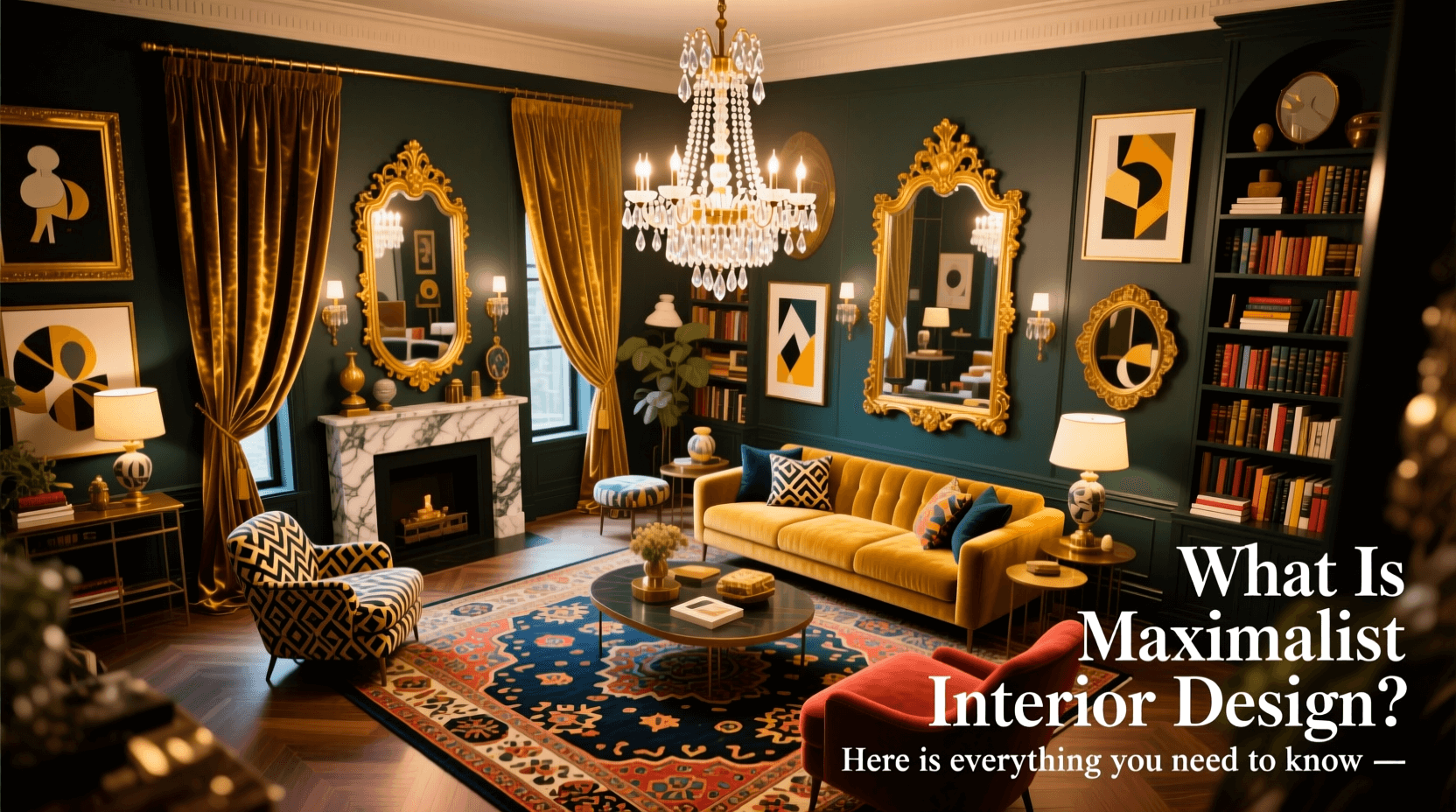
Maximalist interior design celebrates abundance, personality, and the courage to fill your space with everything you love. While minimalism dominated the design conversation for years, maximalism has emerged as a powerful counter-movement that lets homeowners express their full creative identity.
If you’ve ever felt constrained by the “less is more” philosophy, maximalist design offers a refreshing alternative where pattern, color, texture, and collected treasures come together to create spaces that tell your story.
Table of Contents
- What Is Maximalist Interior Design?
- Core Principles of Maximalism
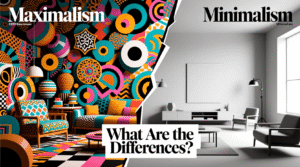
- Maximalist vs. Minimalist Design
- Key Elements That Define Maximalist Spaces
- Color and Pattern Strategies
- Room-by-Room Implementation
- 7 Mistakes to Avoid With Maximalist Design
- Using AI to Visualize Your Maximalist Space
- Frequently Asked Questions
Maximalist Interior Design
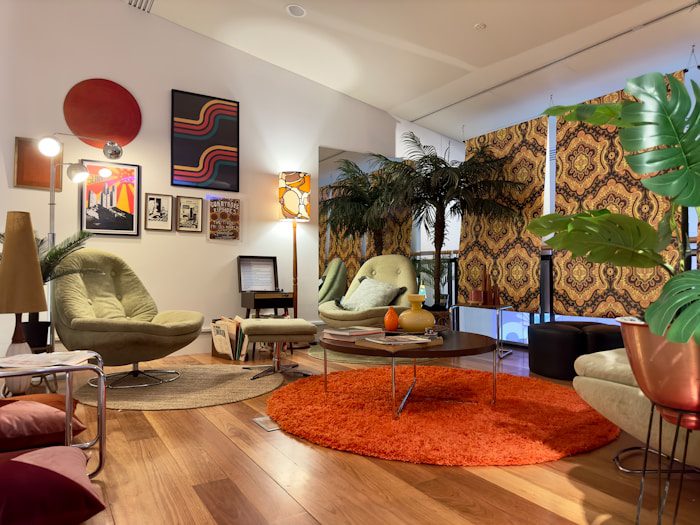
Maximalist interior design is an approach that embraces abundance through bold colors, mixed patterns, layered textures, and curated collections of decorative objects. The style rejects restraint in favor of rich visual experiences that reflect the homeowner’s personality, travels, and aesthetic preferences.
The maximalist meaning in design goes beyond simply adding more items to a space. It’s about intentional curation where every piece serves a purpose—whether functional or emotional. According to a 2025 Houzz survey, 43% of homeowners reported incorporating bolder color choices and eclectic design elements into their renovation projects, signaling maximalism’s growing influence.
The Philosophy Behind Maximalism
Maximalism operates on the belief that your home should be a reflection of who you are—not what magazines dictate. This design philosophy celebrates:
- Personal expression through collected objects and meaningful decor
- Visual storytelling that captures your experiences and interests
- Sensory richness created by layering textures, colors, and patterns
- Emotional connection to every item in your space
- Creative freedom to break traditional design rules
Interior designer Jonathan Adler describes maximalism as “minimum constraint, maximum pleasure.” This perfectly captures how the style prioritizes joy and personal satisfaction over conventional design principles.
Core Principles of Maximalism
While maximalist design might appear chaotic to the untrained eye, successful maximalist spaces follow specific principles that create harmony within complexity.
1. Intentional Curation Over Random Accumulation
Maximalism isn’t about hoarding or cluttering. Each piece should earn its place through beauty, function, or emotional significance. Designer Kelly Wearstler emphasizes that maximalism requires “editing with passion”—knowing when to add and when you’ve reached the perfect saturation point.
2. Layering With Purpose
Successful maximalist interiors layer elements across multiple dimensions:
- Visual layers through varied heights and scales
- Textural contrasts between smooth and rough surfaces
- Pattern mixing that shares common color threads
- Temporal layers combining vintage and contemporary pieces
3. Color as a Unifying Force
Bold color choices define maximalist spaces, but they need cohesion. Most maximalist rooms feature a dominant color palette (usually 3-5 colors) that threads through various elements, creating visual harmony despite the abundance of objects.
4. Scale and Proportion Play
Maximalist design thrives on contrasts in scale. Oversized artwork might hang above delicate furniture, or massive plants could anchor a corner filled with small decorative objects. This variation prevents visual monotony.
Maximalist vs. Minimalist Design
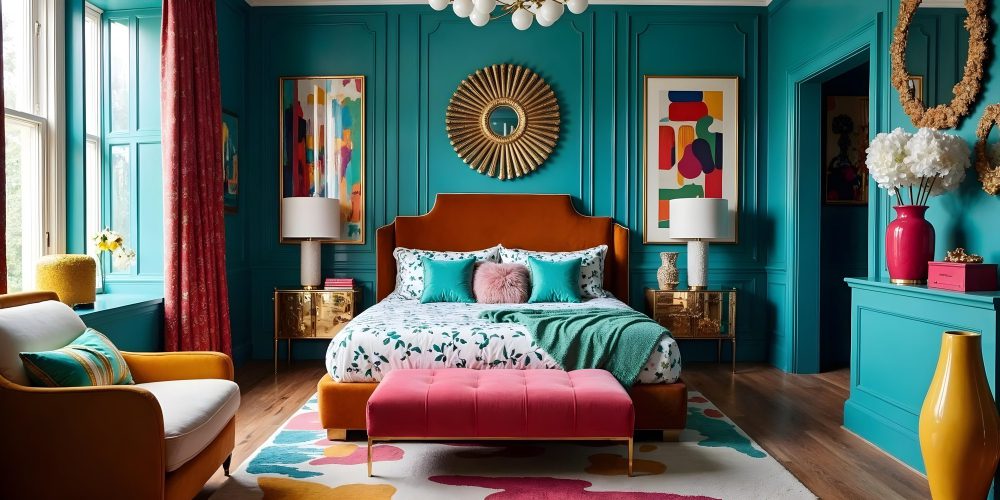
The maximalist style explained often involves comparing it to its opposite: minimalism. Both approaches have merit, but they serve different psychological and aesthetic needs.
| Aspect | Maximalist Design | Minimalist Design |
|---|---|---|
| Core Philosophy | More is more; celebrate abundance | Less is more; embrace simplicity |
| Color Palette | Bold, saturated colors with multiple hues | Neutral, monochromatic schemes |
| Pattern Use | Mixed patterns throughout the space | Minimal or no patterns; clean lines |
| Decorative Objects | Collections displayed prominently | Few carefully chosen pieces |
| Texture | Heavily layered and varied | Subtle, consistent textures |
| Furniture Style | Eclectic mix from various periods | Uniform, contemporary pieces |
| Visual Weight | Dense, full spaces | Open, airy environments |
A recent survey from Architectural Digest found that 38% of interior designers reported client requests for maximalist elements had increased since 2024, suggesting a significant shift in design preferences.
Can You Blend Both Styles?
Absolutely. Many designers advocate for “minimal maximalism” or “maximalist minimalism”—hybrid approaches that borrow from both philosophies. You might maintain minimalist furniture layouts while incorporating maximalist color and pattern choices, or create minimalist spaces with one maximalist focal wall.
Elements That Define Maximalist Spaces
Several recurring elements appear across successful maximalist interiors. Understanding these components helps you build your own maximalist aesthetic.
Wall Treatments
Maximalist walls rarely stay neutral. Common treatments include:
- Bold wallpaper with large-scale patterns or intricate designs
- Gallery walls featuring mixed frames, sizes, and art styles
- Saturated paint colors like emerald green, navy blue, or burgundy
- Decorative molding and architectural details
- Textile wall hangings such as tapestries or macramé
Furniture Mixing
Forget matching furniture sets. Maximalist spaces thrive on eclectic combinations:
- Victorian chairs paired with modern sofas
- Mid-century credenzas supporting ornate lamps
- Global influences from different cultures and time periods
- Upholstered pieces in contrasting fabrics and patterns
Textile Layering
Textiles add warmth and visual interest through:
- Multiple throw pillows in various patterns and textures
- Layered rugs (yes, you can stack them)
- Heavy curtains or dramatic window treatments
- Upholstered walls or fabric panels
- Vintage or handmade quilts and blankets
Lighting as Art
Maximalist lighting goes beyond function:
- Statement chandeliers that serve as sculptural focal points
- Multiple light sources at different heights
- Decorative lampshades in bold colors or patterns
- String lights or fairy lights for ambient layering
- Vintage or antique light fixtures
Collections and Displays
Your collections become the art in maximalist spaces:
- Book walls displaying both spines and covers
- Grouped ceramics or pottery on open shelving
- Plant collections creating indoor gardens
- Vintage finds from flea markets and antique shops
- Travel souvenirs arranged by theme or color
Color and Pattern Strategies
Color and pattern form the backbone of maximalist design. Mastering their interaction separates cohesive maximalism from chaotic clutter.
Building Your Color Story
Start with a primary color palette of 3-5 colors. These should appear repeatedly throughout your space in varying proportions. For example:
- Dominant color (40%): Covers large surfaces like walls or major furniture
- Secondary colors (30% each): Appear in textiles, artwork, and accent pieces
- Accent colors (remaining 10%): Pop up in smaller decorative objects
Designer Miles Redd, known for bold maximalist interiors, suggests choosing colors you genuinely love rather than following trends. “Your home should make you happy every time you walk through the door,” he notes in his design philosophy.
The Art of Pattern Mixing
Pattern mixing follows specific rules even in maximalist spaces:
- Vary the scale: Combine large-scale patterns with medium and small ones
- Share a color: Ensure patterns have at least one common color
- Mix pattern types: Combine geometric, floral, and abstract patterns
- Include a neutral: Use solid colors or textures to give the eye rest
- Test combinations: Lay fabrics together before committing
Color Psychology in Maximalism
Different color approaches create distinct maximalist moods:
- Jewel tones (emerald, sapphire, ruby) create luxurious, dramatic spaces
- Earth tones (terracotta, ochre, forest green) feel organic and grounded
- Bright primaries (red, yellow, blue) generate energetic, playful environments
- Pastels (blush, mint, lavender) offer softer, feminine maximalism
- Black and metallics add sophistication and visual weight
Room-by-Room Maximalist Implementation
Different rooms require adapted approaches to maximalism based on their function and how you use them.
Living Rooms
Living spaces offer the most freedom for maximalist expression:
- Create conversation areas with varied seating arrangements
- Build a statement wall with bold wallpaper or a gallery arrangement
- Layer rugs to define spaces and add warmth
- Style coffee tables and side tables with books, objects, and plants
- Mix lighting sources for different moods and activities
Bedrooms
Maximalist bedrooms balance stimulation with comfort:
- Focus pattern intensity on one area (either walls or bedding, not both)
- Layer bedding with multiple pillows, throws, and textures
- Use the ceiling as a “fifth wall” with paint or wallpaper
- Create bedside tablescapes with lamps, books, and personal items
- Incorporate soft lighting for relaxation
Kitchens
Maximalist kitchens combine function with personality:
- Install colorful or patterned tile backsplashes
- Display dishware and glassware on open shelving
- Paint cabinets in bold, unexpected colors
- Hang artwork and decorative items on available wall space
- Use vintage or unique hardware as jewelry for cabinets
Bathrooms
Small bathrooms can still embrace maximalism:
- Cover walls with dramatic wallpaper or tile patterns
- Display beautiful bottles, soaps, and accessories
- Install statement mirrors with ornate frames
- Add plants that thrive in humid environments
- Use patterned towels and bath mats as art
Home Offices
Maximalist workspaces inspire creativity:
- Create inspiration boards or mood walls
- Display books, magazines, and reference materials
- Use colorful storage solutions that double as decor
- Incorporate personal collections and meaningful objects
- Layer task lighting with decorative fixtures
7 Mistakes to Avoid With Maximalist Design
Even experienced designers can stumble when working with maximalist principles. Watch out for these common pitfalls.
1. Skipping the Planning Phase
The biggest mistake is diving in without a vision. Before you start acquiring and arranging, spend time defining your color palette, style influences, and overall mood. Create a mood board or Pinterest collection to clarify your direction.
2. Ignoring Scale and Proportion
Filling a space with small objects creates visual clutter rather than curated maximalism. Mix scales deliberately—pair large furniture pieces with small accessories, oversized art with delicate objects. This contrast creates interest and prevents the space from feeling overcrowded.
3. Forgetting About Negative Space
Yes, even maximalist rooms need breathing room. Negative space—empty wall areas, clear surfaces, or visual pauses—allows the eye to rest and helps featured items stand out. Designer Dabito of Old Brand New recommends the 70/30 rule: fill 70% of your space, leave 30% open.
4. Buying Everything New
Maximalism gains depth from vintage finds, inherited pieces, and collected treasures. Rooms filled entirely with new items from the same store lack the patina and personal history that make maximalist spaces compelling. Mix sources: thrift stores, estate sales, family heirlooms, and yes, new purchases.
5. Neglecting Lighting Design
Poor lighting ruins even the best maximalist schemes. Overhead lighting alone creates harsh shadows and flattens textures. Layer your lighting with table lamps, floor lamps, sconces, and accent lights to create depth and highlight your carefully curated collections.
6. Abandoning Cohesion Completely
Maximalism isn’t “anything goes.” Your space still needs unifying elements—whether that’s a consistent color thread, repeated materials, or a particular style era. Without these connections, rooms feel chaotic rather than intentionally abundant.
7. Refusing to Edit
Knowing when to stop is crucial. If you can’t see surfaces, walk through comfortably, or clean efficiently, you’ve crossed from maximalism into clutter. Regularly assess your space and remove items that no longer serve your vision or bring joy.
Using AI to Visualize Your Maximalist Space
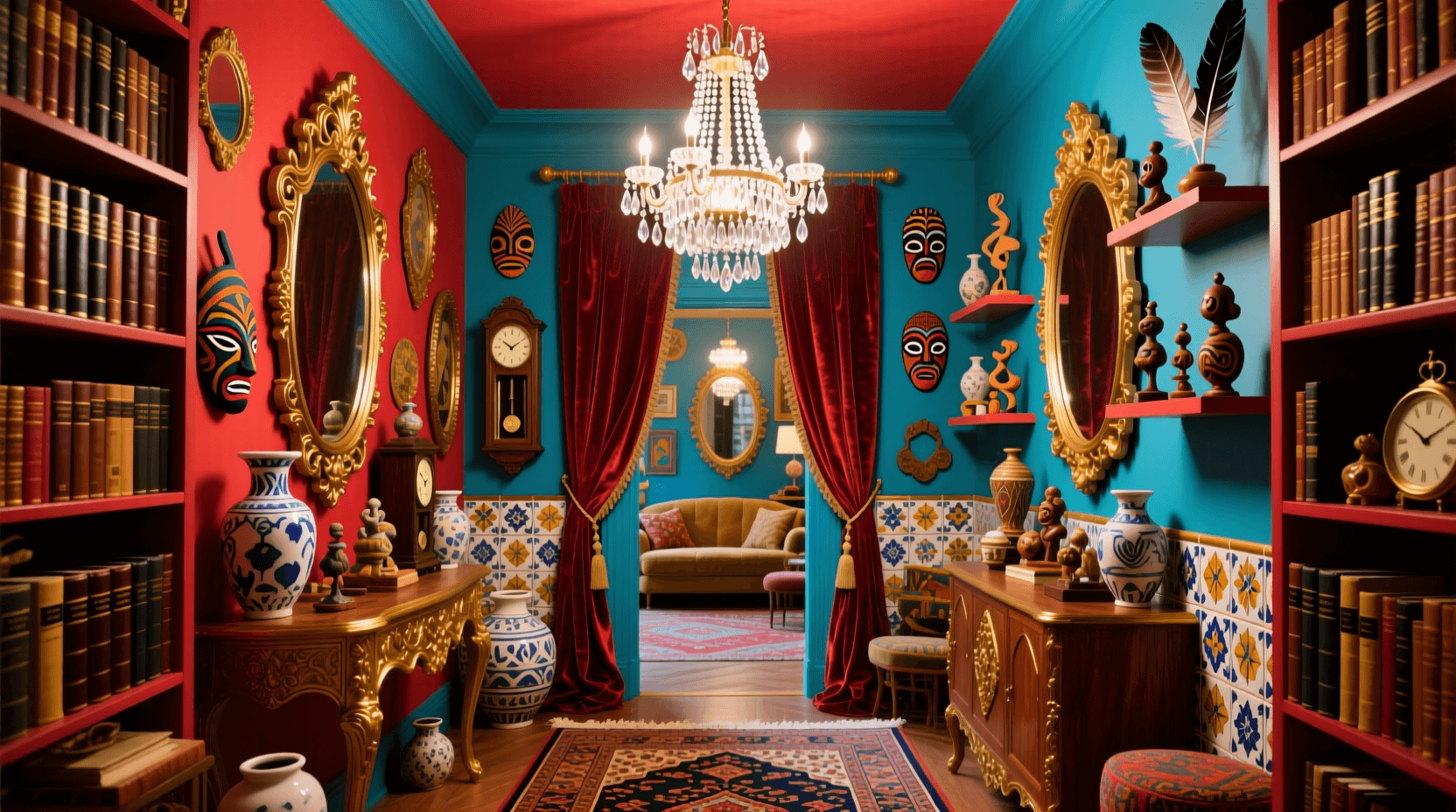
Planning a maximalist interior can feel overwhelming given the number of elements involved. AI image generators have become valuable tools for visualizing design concepts before making purchases or commitments.
How AI Helps With Maximalist Design
AI visualization tools offer several advantages:
- Quick concept testing: Generate multiple design variations in minutes
- Color exploration: See how different palettes work together
- Pattern combinations: Test bold pattern mixes before buying fabrics
- Spatial planning: Visualize furniture arrangements and density
- Style mixing: Experiment with combining different design eras
Creating Maximalist Designs With AI
Tools like our maximalist image generator let you describe your vision and see it rendered instantly. You can specify elements like:
- Your preferred color palette and intensity
- Pattern types and scales you want to combine
- Furniture styles and arrangements
- Architectural details and room dimensions
- Specific collections or decorative themes
This approach is particularly useful for:
- Testing bold ideas: See how that emerald green wall will look before painting
- Communicating with partners: Show your vision rather than describing it
- Planning purchases: Ensure new items will work with existing pieces
- Overcoming fear: Build confidence in maximalist choices through visualization
Related AI tools can help expand your vision. The vibrant image generator creates boldly colored concepts, while the eclectic image generator specializes in mixed-style compositions.
AI Concept to Reality
While AI-generated images provide inspiration, translating them to physical spaces requires adaptation:
- Use AI images as mood boards rather than exact blueprints
- Extract color palettes and pattern combinations from generated images
- Identify specific elements you love and search for real-world equivalents
- Consider scale adjustments for your actual room dimensions
- Remember that physical materials have different properties than digital renders
Designer and blogger Justina Blakeney, creator of the “Jungalow” style, regularly uses digital tools to plan her maximalist spaces before implementation. She emphasizes that these tools reduce expensive mistakes and help clients visualize bold concepts they might otherwise reject.
Frequently Asked Questions
What is the meaning of maximalist in interior design?
The maximalist meaning in interior design refers to an aesthetic approach that embraces abundance through bold colors, mixed patterns, layered textures, and curated collections of decorative objects. Rather than restraint, maximalism celebrates personal expression and creates rich, visually stimulating environments that reflect the inhabitant’s personality, interests, and experiences.
Is maximalist design expensive to achieve?
Not necessarily. While some maximalist rooms feature high-end pieces, the style actually works well with budget-friendly approaches. Thrift stores, flea markets, and DIY projects provide affordable ways to build layered, interesting spaces. The key is curation rather than cost—choosing pieces you love and arranging them thoughtfully matters more than their price tags.
How do I start creating a maximalist room?
Begin by establishing your color palette (3-5 colors) and gathering inspiration images that resonate with you. Start with one major element—perhaps a bold wallpaper or statement furniture piece—then build around it. Add layers gradually rather than all at once, which gives you time to adjust and ensures intentional curation rather than random accumulation.
Can small spaces work with maximalist design?
Absolutely. Small spaces can be wonderfully maximalist when you focus on vertical surfaces and careful curation. Use walls for gallery displays and open shelving, incorporate mirrors to expand the sense of space, and ensure furniture serves multiple purposes. The key is maintaining clear pathways and functional surfaces while still embracing bold colors and patterns.
What’s the difference between maximalism and clutter?
Maximalism involves intentional curation where every item serves an aesthetic or functional purpose, while clutter represents disorganized accumulation. Maximalist spaces maintain cohesion through repeated colors, thoughtful arrangements, and deliberate placement. You should still be able to clean, move through, and use the space comfortably. If you can’t, you’ve crossed into clutter territory.
How often should I update a maximalist room?
Maximalist spaces evolve naturally as you acquire new pieces and let go of others. Rather than scheduled redesigns, treat your space as a living collection that changes with your interests and experiences. Some designers suggest a seasonal edit where you rotate displayed items, keeping the space fresh while maintaining your established aesthetic framework.
Can maximalism work in professional or formal spaces?
Yes, maximalism adapts to formal environments through material choice and arrangement. Professional maximalist spaces might use rich woods, leather, brass accents, and sophisticated color palettes (deep greens, burgundy, navy) while maintaining the layered, abundant aesthetic. Law offices, boutique hotels, and upscale restaurants successfully employ maximalist principles.
How do I prevent maximalist design from looking dated?
Focus on quality pieces you genuinely love rather than following trends. Mix eras deliberately rather than committing entirely to one time period. Classic patterns like florals, geometrics, and stripes have staying power when executed well. Update your space by rotating accessories and art rather than overhauling entire rooms, which keeps things fresh without complete redesigns.
Should I hire a designer for a maximalist project?
While not required, designers experienced in maximalism can help establish cohesion and prevent common mistakes. They’re particularly valuable for major commitments like custom furniture or extensive renovations. However, many successful maximalist spaces are DIY projects. Consider consulting a designer for initial planning and color palette development, then executing the details yourself.
How do I maintain and clean maximalist spaces?
Maximalist spaces require more maintenance than minimalist ones due to additional surfaces and objects. Establish regular cleaning routines, use closed storage for items not currently displayed, and keep a duster handy. Consider collections that don’t require intense upkeep—books need occasional dusting but don’t require daily attention. Sealed shelving can protect delicate items while still displaying them.
Embracing Your Maximalist Vision
Maximalist interior design offers a joyful alternative to design restraint. By understanding its principles—intentional curation, cohesive color stories, thoughtful layering, and personal expression—you can create spaces that feel abundant without becoming chaotic.
The maximalist style explained throughout this guide shows that successful maximalism requires just as much planning and intention as any other design approach. The difference lies in the goal: creating environments that celebrate who you are rather than adhering to external standards of “appropriate” decoration.
Whether you start with a single bold wallpaper or gradually build collections over years, maximalism lets you surround yourself with things you love. In a world that often demands we simplify and pare down, maximalist design gives you permission to revel in abundance and create spaces that truly feel like home.
Ready to visualize your maximalist dream space? Try our maximalist image generator to explore color combinations, pattern mixes, and layout options before making your first purchase. You can also experiment with related styles using our vintage image generator for retro maximalist concepts or the AI art generator for custom artwork that complements your maximalist aesthetic.