Design trends shift constantly, yet maximalism has carved out lasting appeal. Recent data from the Design Council shows consumer preference for personalized, expressive interiors has grown 34% since 2023. People want homes that reflect their individuality, not catalog perfection.
This guide breaks down what maximalist design actually means, how it differs from simply cluttering a space, and practical ways to implement it successfully. By the end, you’ll understand the core principles that separate intentional maximalism from visual chaos.
Table of Contents
- What Is Maximalist Design?
- Maximalism vs. Minimalism: The Core Difference
- Where Maximalism Comes From
- 7 Principles That Define Maximalist Design
- Color Theory in Maximalist Spaces
- The Art of Pattern Mixing
- How to Create Maximalist Design
- 5 Mistakes That Ruin Maximalist Interiors
- Maximalism in Graphic and Digital Design
- Frequently Asked Questions
What Is Maximalist Design?
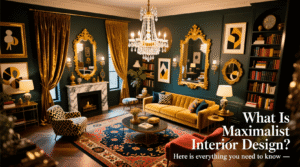
Maximalist design embraces abundance, complexity, and bold expression. Instead of reducing elements to their essence, maximalism adds layers—multiple colors, various patterns, diverse textures, and collected objects all coexisting in one space.
The maximalist meaning in design centers on three concepts:
- Intentional excess – Every item serves a purpose, even when the overall effect feels abundant
- Personal narrative – Collections tell stories about the inhabitant’s life, travels, and passions
- Visual richness – Surfaces, walls, and spaces showcase intricate details worth examining
Define maximalism through what it celebrates rather than what it rejects. A maximalist room doesn’t avoid white walls because they’re wrong—it chooses saturated colors because they’re right for expressing personality.
ArchDaily describes maximalism as “design democracy” where high and low culture mix freely. A vintage market find sits beside a designer piece. Family heirlooms share shelf space with contemporary art. This democratic approach removes hierarchy from design choices.
Maximalism vs. Minimalism: The Core Difference
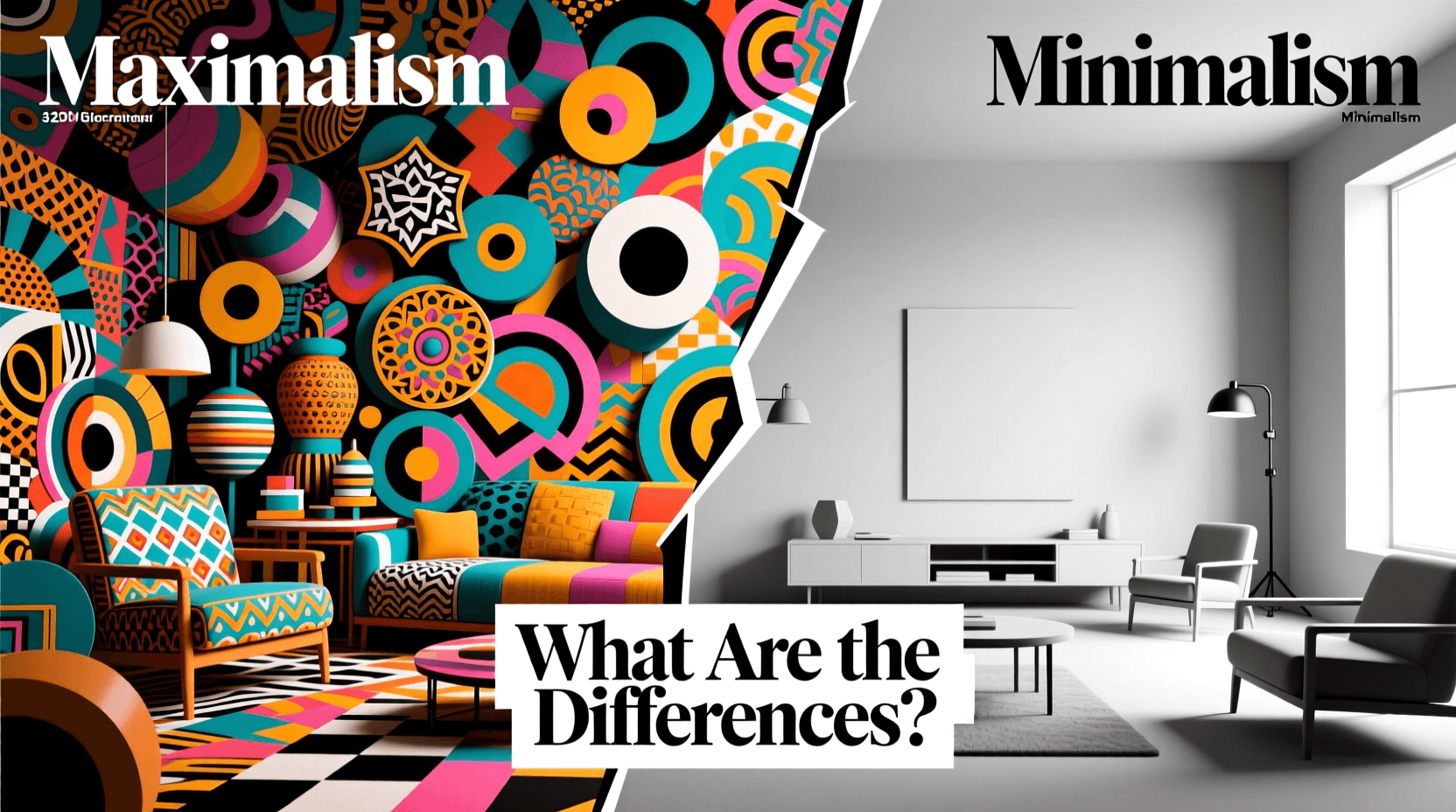
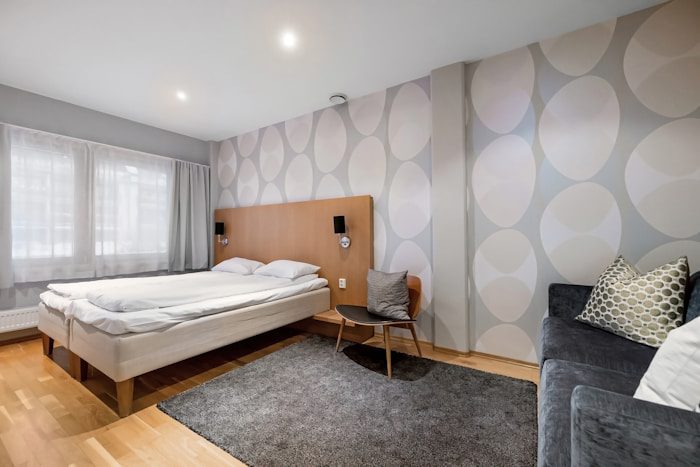
These design philosophies operate from opposite starting points. Minimalism asks “What can I remove?” while maximalism asks “What can I add that matters?”
Minimalist spaces pursue calm through reduction. Clean lines, neutral palettes, and carefully edited objects create visual quiet. The philosophy stems from “less is more”—a phrase architect Ludwig Mies van der Rohe popularized.
Maximalist spaces pursue stimulation through accumulation. Rich colors, layered patterns, and abundant objects create visual interest. The counter-philosophy insists “more is more”—rejecting the idea that restraint automatically improves design.
Both approaches require discipline. Poor minimalism feels cold and sterile. Poor maximalism feels cluttered and overwhelming. Success in either style demands intentional choices.
Some designers blend both approaches, using minimalist principles in public spaces and maximalist expression in private rooms. Or they create maximalist focal points within otherwise restrained environments. The contrast between minimalist and maximalist elements can heighten the impact of both.
Where Maximalism Comes From
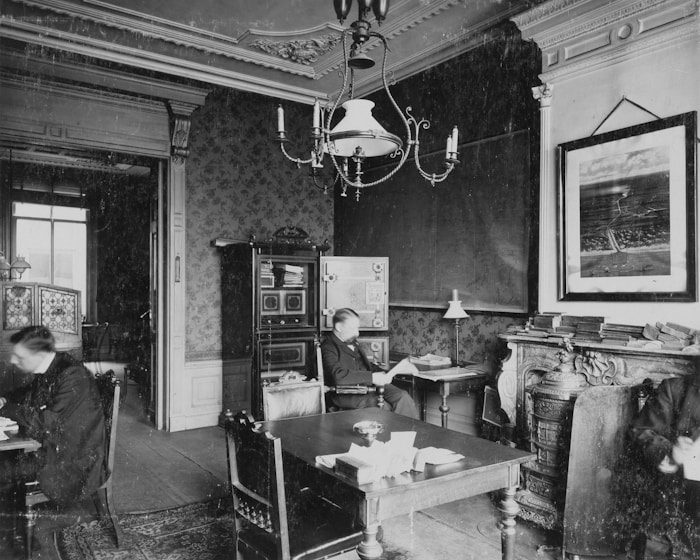
Maximalism has deep historical roots, though the term itself emerged relatively recently. Victorian interiors exemplified maximalist principles—ornate furnishings, patterned wallpapers, and displayed collections filled every available surface.
The Arts and Crafts movement (1880s-1920s) embraced decorative abundance as a reaction against industrial simplification. William Morris’s intricate wallpaper designs and textile patterns became maximalist icons.
Baroque architecture and design (1600s-1700s) showcased elaborate ornamentation, dramatic color contrasts, and theatrical spaces. These historical precedents inform contemporary maximalism.
Modern maximalism gained momentum as a counterpoint to mid-century minimalism’s dominance. By the 1980s, designers like Dorothy Draper and David Hicks championed bold patterns and fearless color combinations. Postmodernism’s playful rejection of modernist rules further legitimized decorative excess.
Today’s maximalism draws from global influences. Moroccan riads, Indian textiles, Japanese ukiyo-e prints, and Mexican folk art all contribute to the contemporary maximalist vocabulary. Dezeen tracks how designers blend these cultural elements into cohesive maximalist schemes.
7 Principles That Define Maximalist Design
1. Layer Different Textures
Maximalist spaces combine smooth and rough, shiny and matte, soft and hard surfaces. Velvet cushions sit on leather sofas. Brass fixtures contrast with reclaimed wood. Glass accessories catch light near ceramic sculptures.
Texture variety prevents visual boredom even when color schemes stay consistent. A room decorated entirely in blue still offers interest when textures range from silk to sisal.
2. Mix Pattern Scales
Large-scale florals work alongside small geometric prints. Stripe widths vary. Pattern density shifts across the space. This mixing creates rhythm rather than repetition.
The technique requires balance—if every pattern competes at the same scale, the eye finds no resting place. Vary the visual weight by including some bold, dominant patterns and other subtle, supporting ones.
3. Embrace Color Confidence
Maximalist color palettes reject neutrals as default choices. Jewel tones, vibrant hues, and unexpected combinations define the style. Emerald green walls might frame magenta furniture. Cobalt blue ceilings can ground terracotta floors.
Color confidence doesn’t mean color chaos. Successful maximalist schemes usually anchor around a cohesive palette, even if that palette includes six or eight colors instead of two or three.
4. Display Personal Collections
Maximalism celebrates objects with meaning. Book collections line walls floor-to-ceiling. Vintage cameras fill shelves. Travel souvenirs occupy every horizontal surface.
These displays serve dual purposes—they’re both decoration and autobiography. Visitors read the room as they would read about someone’s life.
5. Layer Lighting Sources
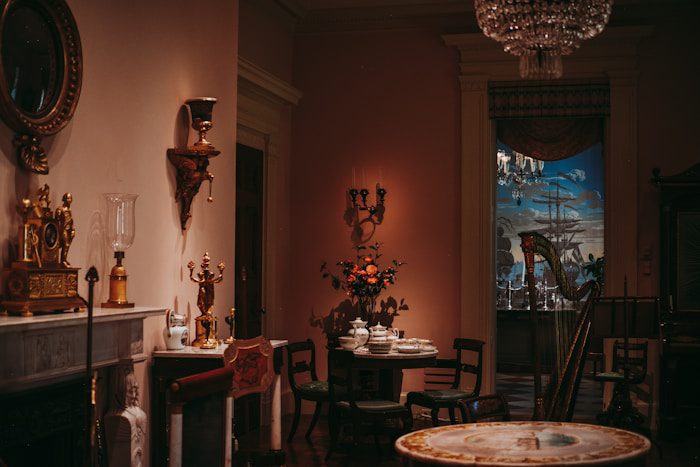
Multiple light sources at different heights create depth and drama. Table lamps, floor lamps, sconces, pendants, and candles all contribute to the lighting scheme. This layering ensures the space looks equally interesting at different times of day.
Maximalist lighting often includes decorative fixtures that double as sculpture. Chandeliers make statements. Lampshades feature patterns or colors that complement the overall scheme.
6. Fill Vertical Space
Maximalists use walls actively. Gallery walls extend from floor to ceiling. Wallpaper adds pattern. Shelving systems display collections. The goal is eliminating blank expanses that feel unfinished.
This vertical emphasis distinguishes maximalism from hoarding. The arrangement matters as much as the quantity. Objects get deliberately placed, not randomly accumulated.
7. Combine Style Periods
Maximalism rejects design purity. Mid-century modern chairs surround a farmhouse table. Art Deco mirrors reflect contemporary art. Vintage rugs anchor modern sofas.
This eclectic mixing requires a unifying thread—whether that’s color, scale, or material. Without connection between disparate pieces, the space fractures into unrelated vignettes.
Color Theory in Maximalist Spaces
Maximalist color schemes operate differently than traditional interior design color rules. Instead of the 60-30-10 ratio (60% dominant color, 30% secondary, 10% accent), maximalists might employ 40-20-20-20 distributions or even more complex ratios.
Several color strategies work well in maximalist design:
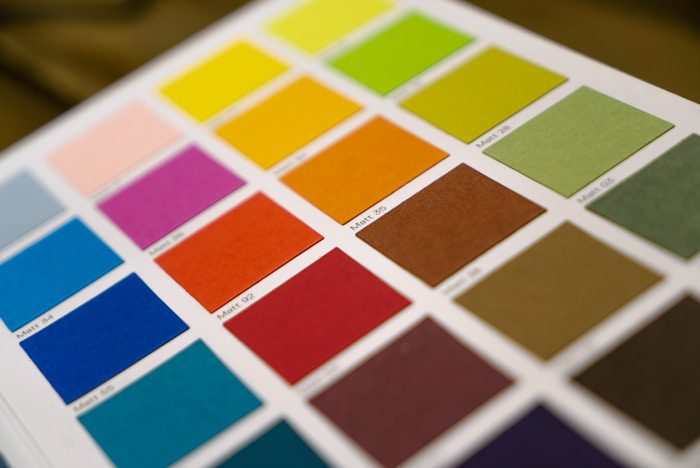
Jewel Tone Saturation – Deep, rich colors like sapphire, ruby, and emerald create luxurious atmospheres. These colors have enough weight to hold their own when combined.
Analogous Abundance – Using colors adjacent on the color wheel (like blue, blue-green, and green) allows for variety while maintaining harmony. The slight shifts in hue add interest without creating jarring contrasts.
Complementary Confidence – Pairing opposites on the color wheel (orange and blue, purple and yellow) generates energy. Maximalists use these combinations boldly, often in large quantities rather than small accents.
Rainbow Integration – Some maximalists incorporate the full spectrum, creating spaces that celebrate every color. This approach requires careful distribution to avoid appearing juvenile.
According to Pantone’s Color Intelligence research, consumers increasingly seek “chromatic complexity” in their environments. This shift supports maximalism’s multi-hued approach.
The Art of Pattern Mixing
Pattern mixing intimidates many people attempting maximalist design. How do you combine florals, geometrics, stripes, and abstracts without creating visual confusion?
Professional designers rely on these techniques:
Scale Variation – Combine one large-scale pattern with medium and small-scale patterns. If your sofa features oversized blooms, add pillows with tiny dots and medium geometric prints.
Color Bridges – Use color to connect disparate patterns. If orange appears in your floral curtains and your striped rug, those patterns relate even when their styles differ completely.
Style Consistency – While mixing patterns from different eras works, maintaining some stylistic thread helps. Folk patterns from various cultures might mix well because they share similar origins, even if they look different superficially.
Texture Breaks – Introduce solid-colored textured elements between competing patterns. A nubby solid-color throw blanket can rest between patterned pillows, giving the eye a place to pause.
Pattern density matters too. A room with pattern on every surface feels overwhelming. Leave some areas solid to balance the complexity elsewhere. Ceilings, floors, or one accent wall might stay pattern-free while other surfaces showcase prints.
How to Create Maximalist Design
Starting a maximalist design project requires strategy. These steps help you build intentional maximalism rather than accidental clutter:
Step 1: Choose Your Anchor
Select one element that defines your direction. This might be a treasured rug, an artwork, or an inherited furniture piece. Everything else builds around this anchor.
The anchor establishes your color palette and style boundaries. If your anchor is a psychedelic 1970s poster, that suggests certain color directions and pattern types.
Step 2: Build Your Color Story
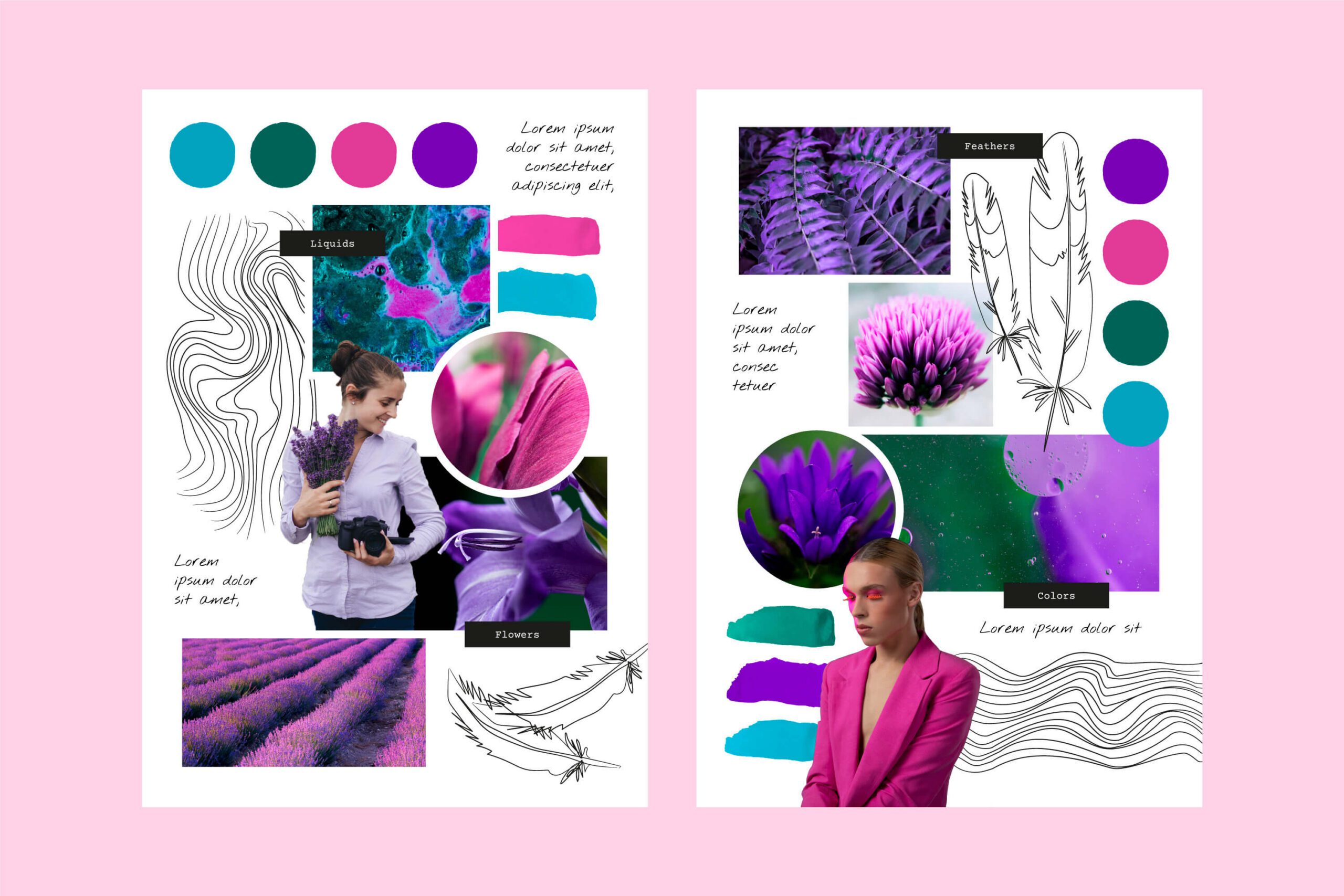
Pull 5-8 colors from your anchor piece. These become your palette. Having this defined range prevents the space from becoming completely chaotic.
Test your colors together before committing. Paint sample boards or create a digital mood board using tools like AI art generators to visualize how your chosen colors interact.
Step 3: Layer Gradually
Start with larger foundational pieces—furniture, rugs, window treatments. Add medium elements like artwork and lighting. Finish with accessories and collected objects.
This gradual approach lets you assess balance as you go. You might realize you need more pattern, or that you’ve reached visual saturation and should stop adding.
Step 4: Create Focal Points
Even maximalist rooms need hierarchy. Designate 2-3 focal areas that draw the eye first. These might be a gallery wall, a styled bookshelf, or a dramatically painted accent wall.
Other areas can be visually busy but less commanding. This variation in emphasis creates rhythm and prevents the space from feeling flat.
Step 5: Edit Thoughtfully
Maximalism allows abundance but not thoughtlessness. Remove items that don’t connect to your overall vision. If an object doesn’t serve a functional, aesthetic, or sentimental purpose, it probably doesn’t belong.
Professional maximalist designers often describe their process as “curated abundance.” Every piece gets chosen deliberately, even when the final result looks spontaneously collected.
Step 6: Maintain Some Consistency
Repeat certain elements throughout the space to create unity. This might mean using brass fixtures consistently, repeating a particular shade of green in each room, or choosing frames from the same family.
These repetitions act as threads connecting disparate elements. Without them, maximalist spaces can fragment into unrelated zones.
5 Mistakes That Ruin Maximalist Interiors
1. Confusing Clutter with Curation
The biggest maximalism failure comes from adding things without purpose. Clutter happens when objects accumulate without intention. Maximalism requires choosing each element deliberately.
Before adding something to your space, ask whether it enhances your vision or just fills space. If you can’t articulate why it belongs, it probably doesn’t.
2. Ignoring Scale Relationships
Putting only small objects in a large room creates visual weakness. Conversely, oversized furniture in a small space feels oppressive.
Maximalist design needs varied scales, but those scales must suit the room’s proportions. A grand chandelier looks perfect in a room with 12-foot ceilings but overwhelming in a space with 8-foot ceilings.
3. Forgetting About Negative Space
Even maximalism requires breathing room. Every surface doesn’t need decoration. Strategic empty spaces let the eye rest and make the decorated areas more impactful.
Think of negative space as the pause between musical notes. Without it, you get noise instead of melody.
4. Neglecting Lighting Adequacy
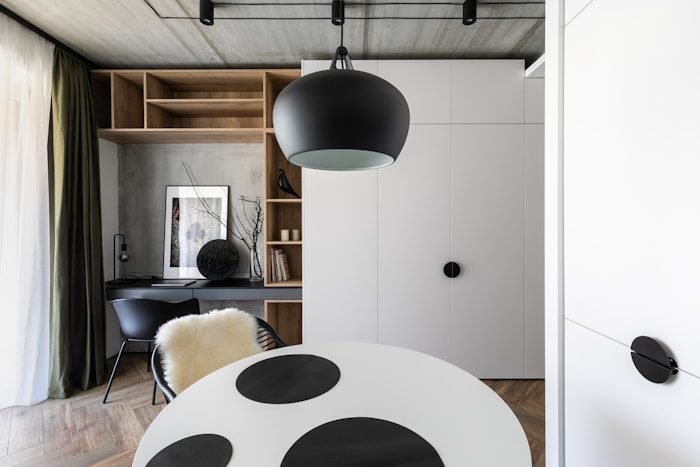
Dark, cluttered spaces feel oppressive rather than interesting. Maximalist rooms need substantial lighting to showcase their complexity.
Layer ambient, task, and accent lighting. Make sure you can see the details you’ve so carefully arranged. Poor lighting wastes maximalist efforts.
5. Following Trends Over Personal Taste
Maximalism works when it reflects genuine personality. Copying someone else’s maximalist style misses the point entirely.
Your maximalist space should tell your story, not replicate a designer’s vision. Include objects you love, colors that energize you, and patterns that resonate with your aesthetic sensibilities.
Maximalism in Graphic and Digital Design
Maximalist principles extend beyond interior spaces into graphic design, web design, and digital art. These applications share core maximalist values while adapting to different media.
Graphic Design Applications
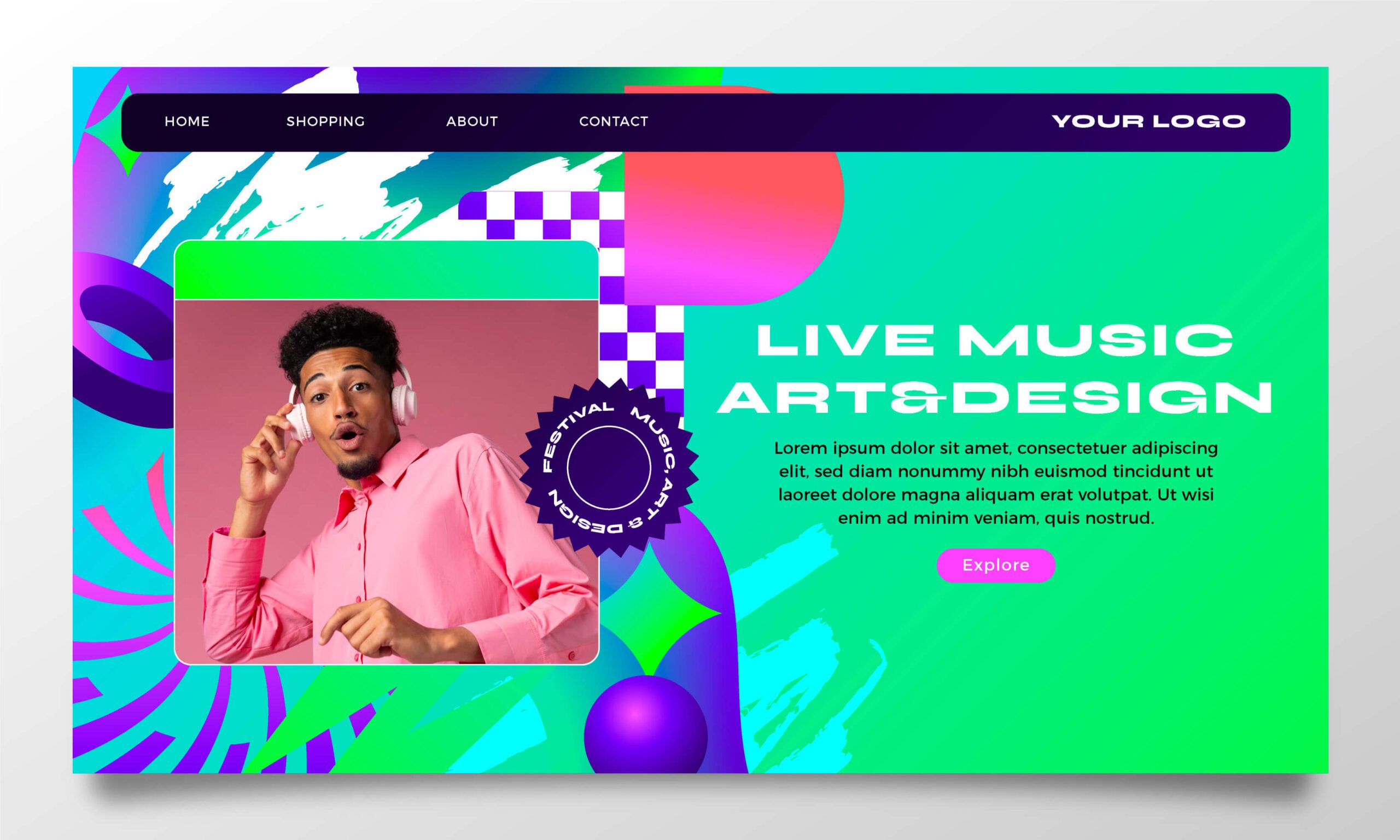
Maximalist graphic design layers type, image, color, and texture to create rich compositions. Album covers, event posters, and magazine layouts often employ maximalist techniques.
Digital tools make maximalism more accessible. Using a maximalist image generator lets designers quickly explore different compositions. You can test color combinations, pattern densities, and layout options before committing to final designs.
Key maximalist graphic design principles include:
- Type as texture – Using varied fonts, sizes, and orientations to create visual complexity
- Layered transparency – Overlapping semi-transparent elements to build depth
- Color saturation – Employing full-intensity colors rather than muted tones
- Pattern integration – Incorporating decorative patterns as background or foreground elements
- Border breaking – Letting elements extend beyond traditional boundaries
AIGA, the professional association for design, has documented maximalism’s growing influence in contemporary graphic work. Their case studies show how brands use maximalist approaches to stand out in crowded markets.
Web Design Considerations
Maximalist web design challenges conventional usability wisdom. Most web design advice emphasizes simplicity and whitespace. Maximalist sites deliberately complicate that formula.
Successful maximalist websites balance visual richness with functional clarity. Navigation must remain intuitive even when surrounded by decorative abundance. Loading times need optimization despite heavy visual elements.
Some brands that effectively employ digital maximalism include fashion retailers, creative studios, and cultural institutions. These organizations use maximalism to communicate creativity, luxury, or cultural richness.
Creating Digital Maximalist Content
Digital creators can explore maximalism through various tools and techniques. AI art generators and specialized vibrant image generators help visualize maximalist concepts quickly.
The process for digital maximalism mirrors physical space design:
- Define your core concept and anchor element
- Establish a cohesive color palette (even if that palette includes many colors)
- Layer elements intentionally rather than randomly
- Create visual hierarchy despite complexity
- Test readability and functionality throughout
Digital maximalism offers advantages over physical applications. You can experiment endlessly without material costs. Undo buttons eliminate risk. Version control lets you explore multiple directions simultaneously.