Maximalism flips the script on the “less is more” mantra. Instead of stripping away details, this bold design philosophy celebrates abundance, layering, and visual richness. Whether you’re decorating a room, building a brand identity, or generating AI artwork, maximalist design demands intentionality—not chaos.
This guide breaks down the core elements that separate stunning maximalist compositions from cluttered messes. You’ll learn practical techniques for layering patterns, selecting saturated color palettes, and balancing visual weight across your designs.
Table of Contents
- What Maximalism Actually Means in Design
- Bold, Saturated Color Palettes
- Pattern Mixing and Layering
- Texture Variation and Depth
- Ornamentation and Decorative Details
- Visual Density Without Chaos
- Contrast and Focal Points
- Cultural References and Eclecticism
- Scale and Proportion Play
- Generating Maximalist Art with AI
- Frequently Asked Questions
What is Maximalism?
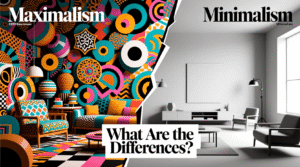
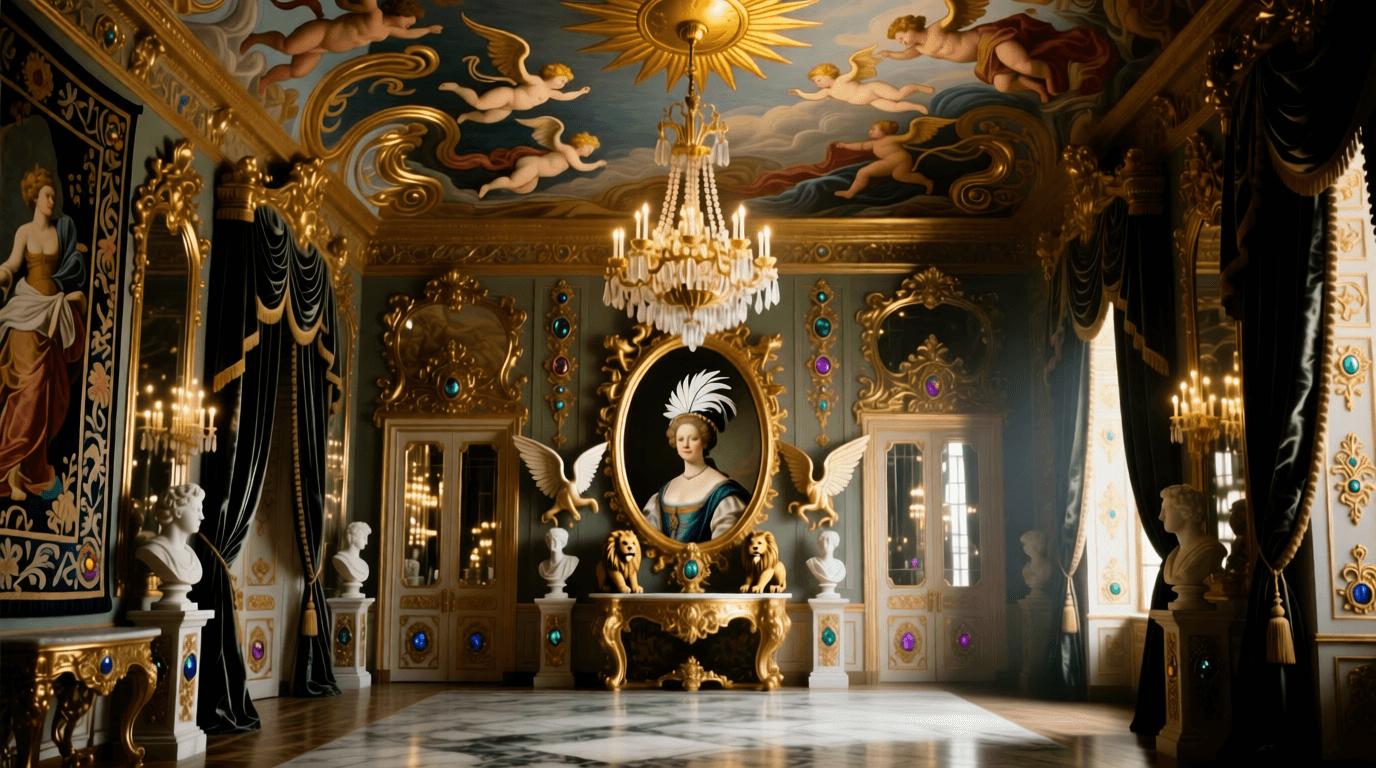
Maximalism emerged as a direct response to minimalism’s dominance in the early 2000s. Where minimalism values negative space and restraint, maximalism embraces excess as a form of expression. The style draws from historical movements like Baroque, Art Nouveau, and Victorian aesthetics—periods where ornate details signified craftsmanship and wealth.
According to Architectural Digest, maximalism has seen a 47% increase in search interest since 2023, driven partly by younger generations rejecting sterile, Instagram-perfect spaces. The style now influences everything from interior design to graphic design, fashion, and digital art.
But here’s the critical distinction: maximalism isn’t hoarding or visual noise. Every element serves a purpose. The goal is curated abundance—a space or composition where richness creates emotional impact rather than overwhelm.
Bold, Saturated Color Palettes
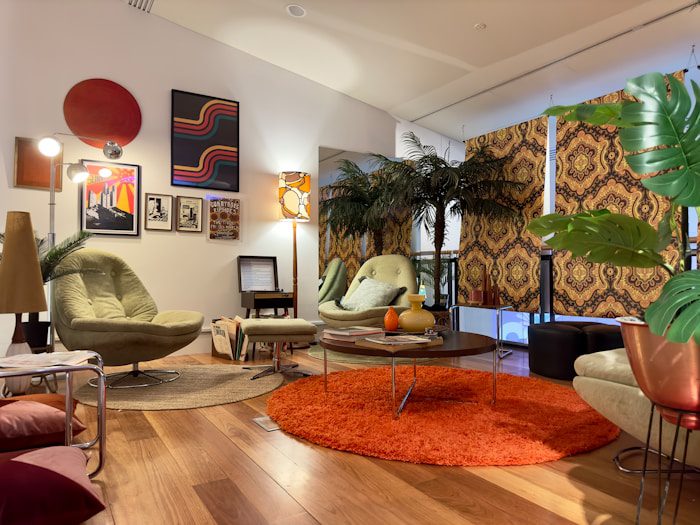
Color forms the backbone of any maximalist composition. Muted tones and pastels have their place, but maximalism thrives on saturation. Think jewel tones like emerald green, sapphire blue, ruby red, and amethyst purple. These hues command attention and create the visual intensity the style requires.
Color Combinations That Work
Successful maximalist palettes often follow one of these approaches:
- Analogous Abundance: Colors adjacent on the color wheel (orange, red-orange, red) layered in varying saturations
- Complementary Clash: Opposite colors (purple and yellow, blue and orange) creating deliberate tension
- Triadic Richness: Three colors equally spaced on the wheel for dynamic harmony
Designer Kelly Wearstler, known for her maximalist interiors, frequently pairs mustard yellows with deep teals and burgundy. The colors don’t match in the traditional sense—they converse. You can explore similar saturated palettes using our vibrant image generator to test combinations before committing to a design.
Avoiding Color Overwhelm
Even in maximalism, some grounding helps. One technique involves selecting a dominant color (covering roughly 60% of the composition), a secondary color (30%), and accent colors (10%). This ratio prevents visual fatigue while maintaining richness.
Pattern Mixing and Layering
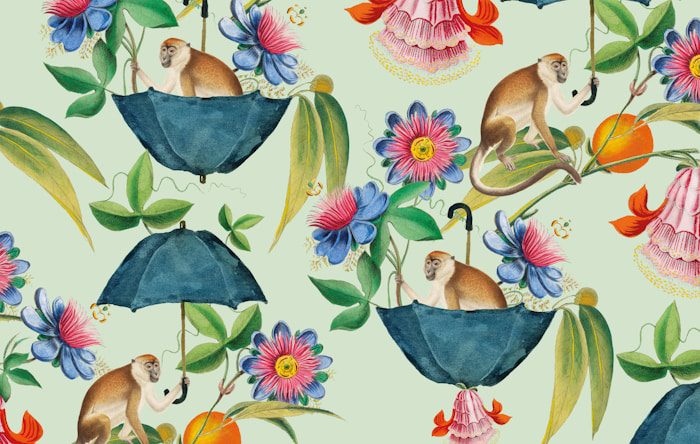
Single patterns feel safe. Maximalism rejects safety. The style demands that you combine florals with geometrics, stripes with animal prints, and damasks with abstract motifs.
Rules for Successful Pattern Mixing
Pattern clashing works when you maintain certain relationships:
- Vary the scale. Pair large-scale patterns with medium and small ones. A massive botanical print alongside a tight geometric creates rhythm, while same-scale patterns compete uncomfortably.
- Share a color thread. Patterns that share at least one color feel intentional together, even when their motifs differ completely.
- Mix pattern types. Combine organic patterns (florals, paisleys, nature motifs) with structured ones (stripes, plaids, geometrics) for visual interest.
The wallpaper brand House Beautiful notes that pattern mixing in maximalist spaces has increased by 62% among their customers since 2024. The approach creates personality that single-pattern rooms simply can’t achieve.
Texture Variation and Depth
Texture adds dimensionality that color and pattern alone cannot provide. Maximalist spaces and compositions layer smooth against rough, matte against glossy, soft against hard.
Texture Categories to Incorporate
| Texture Type | Examples | Visual Effect |
|---|---|---|
| Plush/Soft | Velvet, fur, chenille, wool | Warmth and luxury |
| Glossy/Reflective | Lacquer, mirrors, metallics, glass | Light bounce and glamour |
| Rough/Natural | Raw wood, stone, jute, rattan | Grounding and organic warmth |
| Smooth/Refined | Silk, polished marble, ceramics | Elegance and sophistication |
In digital design and AI-generated artwork, texture simulation achieves similar effects. Tools that render fabric folds, metallic sheen, or organic surfaces add the tactile quality maximalism craves. Our baroque image generator excels at producing ornate textures characteristic of historical maximalist movements.
Ornamentation and Decorative Details
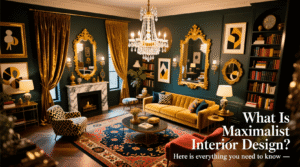
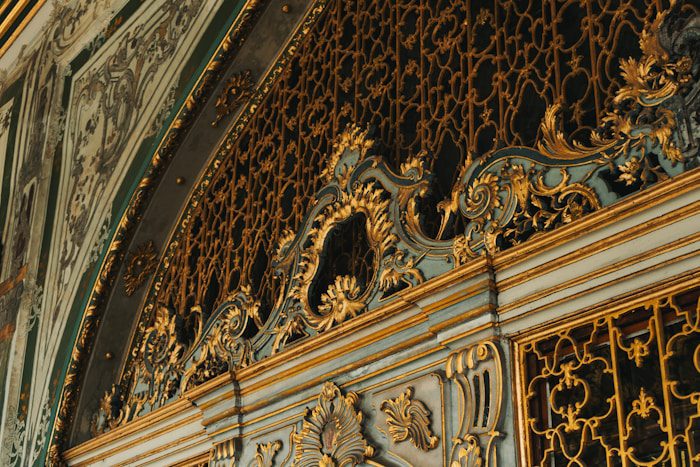
Maximalism treats ornamentation as essential, not excessive. Carved moldings, tassels, fringe, embroidery, and gilded frames all have their place. The style celebrates craftsmanship visible in decorative elements.
Ornamentation in Different Contexts
Interior design might feature carved furniture, ornate mirrors, and decorative objects displayed in abundance. Graphic design translates this through intricate borders, illustrated flourishes, and detailed typography. Fashion maximalism appears in embellishments, layered jewelry, and mixed prints worn together.
The key lies in quality over randomness. Each ornamental element should feel considered. A room full of cheap trinkets reads as cluttered; a room with curated decorative pieces reads as collected and intentional.
For digital artwork, the art nouveau generator produces the flowing organic ornamentation that defines maximalist aesthetics, while the art deco generator offers geometric decorative patterns.
Visual Density Without Chaos
Here’s where many maximalist attempts fail. Visual density doesn’t mean cramming every inch with content. Strategic density creates areas of intense activity balanced by moments of relative calm.
Achieving Controlled Density
Think of maximalist composition like music—you need both crescendos and quieter passages. A gallery wall packed with frames might sit against a solid-colored wall. A heavily patterned rug anchors furniture with simpler upholstery. The eye needs pathways through the visual information.
Spacing matters even in maximalism. Objects grouped together with intention read differently than objects scattered randomly. Clusters create focal points; random distribution creates noise.
The Role of Negative Space
Surprisingly, maximalism still uses negative space—just less of it. These breathing rooms prevent sensory overload and highlight the dense areas by contrast. A completely filled canvas with no hierarchy becomes wallpaper, not a composition.
Contrast and Focal Points
Without focal points, maximalist designs become visual buffets where nothing stands out. Effective maximalism creates hierarchy through contrast—some elements demand attention while others support.
Types of Contrast in Maximalism
- Scale contrast: One oversized element among smaller ones immediately draws focus
- Color contrast: A single contrasting hue amid a harmonious palette creates emphasis
- Texture contrast: A smooth surface in a sea of rough textures catches the eye
- Pattern contrast: A solid color block amid busy patterns provides relief and focus
Consider the approach of fashion designer Alessandro Michele during his tenure at Gucci. His maximalist collections featured overwhelming detail, yet always included focal pieces—a statement bag, distinctive eyewear, or standout footwear—that anchored the look.
Cultural References and Eclecticism
Maximalism draws freely from diverse cultural traditions, historical periods, and artistic movements. This eclecticism distinguishes curated maximalism from generic busyness.
Building Eclectic Compositions
A maximalist space might combine Moroccan tiles, Victorian furniture, Japanese screens, and African textiles. The elements shouldn’t share an origin—they should share a sensibility. Color relationships, similar levels of craftsmanship, or complementary patterns tie disparate pieces together.
Digital artists can explore this eclecticism through various style generators. Combining elements from the Japanese woodblock generator with outputs from the Victorian image generator creates the cross-cultural richness maximalism celebrates.
Respectful Eclecticism
Cultural borrowing in design requires thoughtfulness. Maximalism’s eclecticism works best when it honors the origins of its inspirations rather than treating cultures as aesthetic grab bags. Learn about the traditions you’re referencing and incorporate elements with awareness of their significance.
Scale and Proportion Play
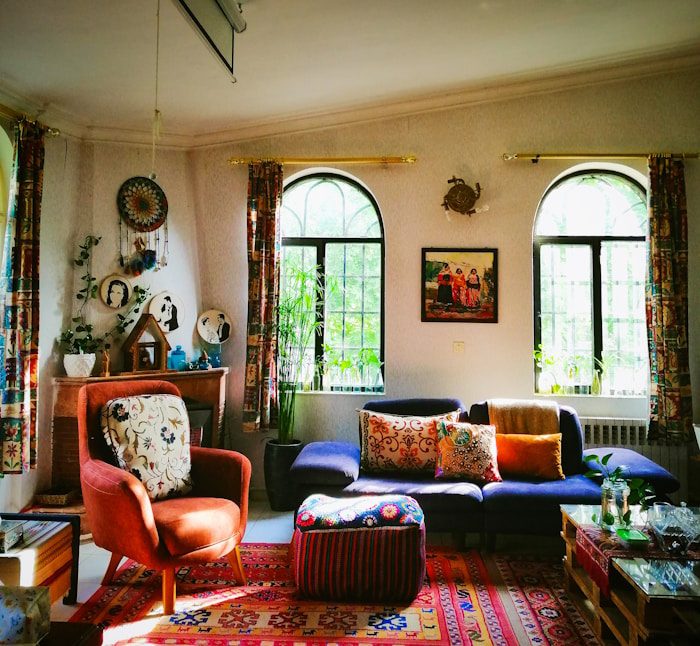
Maximalism loves the unexpected. Oversized elements surprise. Miniature collections delight. Playing with scale creates visual interest that conventional proportions cannot achieve.
Scale Strategies
Several approaches work particularly well:
- The Statement Piece: One dramatically oversized element (a giant mirror, an enormous artwork, an oversized chandelier) dominates while smaller pieces fill the supporting roles
- Collections at Scale: Multiples of similar objects in varying sizes create movement and depth
- Unexpected Proportions: Large items in small spaces, small items given prominence through presentation
Interior designer Miles Redd frequently uses oversized lampshades, monumental curtains, and generously scaled furniture to create drama in maximalist rooms. The proportion violations feel intentional, not mistaken.
Generating Maximalist Art with AI
AI image generation tools open new possibilities for maximalist experimentation. The technology excels at producing the layered, detailed, ornate compositions the style demands.
Prompting for Maximalist Results
When using AI generators, specific language produces maximalist output. Terms like “ornate,” “layered,” “detailed,” “dense,” “elaborate,” and “intricate” signal the aesthetic direction. Combining multiple style references in a single prompt—”baroque ornamentation with art nouveau florals and psychedelic colors”—creates the eclectic richness maximalism prizes.
Our maximalist image generator specifically optimizes for this aesthetic, producing compositions with the layered density and bold coloring the style requires. For even more elaborate results, try combining outputs from the psychedelic image generator with elements from ornate historical styles.
Iterative Maximalist Design
AI generation supports an iterative approach well-suited to maximalism. Generate a base composition, then layer additional elements. Add ornamentation in stages. Test color combinations rapidly. The technology lets you experiment with combinations that would take hours to execute manually.
For those developing prompts, the AI image prompt generator helps craft detailed descriptions that yield maximalist results.
Frequently Asked Questions
What’s the difference between maximalism and clutter?
Clutter happens accidentally; maximalism happens intentionally. In maximalism, every element serves a purpose—whether aesthetic, emotional, or functional. Items relate to each other through color, theme, or style. Clutter lacks these connections. If you can articulate why each element belongs, you’re probably practicing maximalism rather than hoarding.
Can maximalism work in small spaces?
Absolutely. Small spaces often benefit from maximalist approaches because they can feel cozy rather than cramped when done well. The key lies in vertical maximalism (using walls and ceilings fully), careful editing (fewer but more impactful pieces), and consistent color relationships that unify the abundant elements.
How do I start transitioning from minimalism to maximalism?
Begin with color. Introduce saturated tones through textiles, artwork, or accent pieces. Then layer patterns gradually—start with two complementary patterns before adding more. Add texture variety through pillows, throws, and decorative objects. The transition works best as an evolution, not a revolution.
Which design programs support maximalist work?
Any design program can produce maximalist results—the style depends on the designer’s choices, not the tools. That said, programs with strong layer management (Photoshop, Procreate, Affinity) handle the complexity well. For quick generation, AI tools like the AI art generator produce ornate compositions efficiently.
Is maximalism appropriate for branding and commercial design?
Certain brands thrive with maximalist aesthetics. Luxury brands, entertainment companies, ethnic restaurants, and creative agencies often use maximalism to convey personality and abundance. The style works less well for brands emphasizing efficiency, simplicity, or technology minimalism. Match the aesthetic to the brand personality.
How do I balance maximalism in web design?
Web maximalism requires particular attention to usability. Dense visuals shouldn’t obscure navigation or make content illegible. Effective web maximalism often concentrates richness in specific areas (headers, footers, backgrounds) while keeping functional elements cleaner. Animation and scroll-triggered effects can reveal maximalist elements progressively.
What historical periods inspire maximalist design?
The Baroque period (1600s-1700s) defined ornamentation in European design. Victorian era (1837-1901) celebrated pattern mixing and collected objects. Art Nouveau (1890-1910) contributed organic ornamentation. Art Deco (1920s-1930s) added geometric glamour. Each period offers inspiration for contemporary maximalist work.
Can I mix maximalism with other design styles?
Hybrid approaches work beautifully. “Maximalist minimalism” uses restrained space but fills it with intensely detailed focal pieces. “Boho maximalism” combines maximalist layering with bohemian casual elements. The framework accommodates adaptation—the core principles of boldness, layering, and intention remain while execution varies.