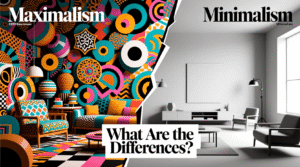
Ultra-minimalism had its moment. For years, interior design revolved around neutral palettes, sparse furnishings, and the philosophy that less was always more. That era is fading. According to House Digest, interior designers now say the ultra-minimalist aesthetic feels outdated and “a little bland” heading into 2026.
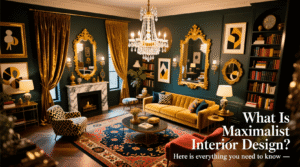
Maximalism offers the opposite: spaces bursting with personality, rich textures, and vibrant colors that tell your story. Decorilla reports that maximalism has become one of the leading living room trends, with homeowners embracing the idea that more is indeed more.
This collection of 30 maximalist living room ideas will show you exactly how to layer patterns, choose statement furniture, and create a bold living room design without tipping into visual chaos. Whether you’re drawn to jewel-toned velvet sofas or floor-to-ceiling gallery walls, you’ll find inspiration for a maximalist decor living space that feels uniquely yours.
Before diving in, if you want to visualize different maximalist aesthetics for your space, try our maximalist image generator to explore color combinations and design concepts.
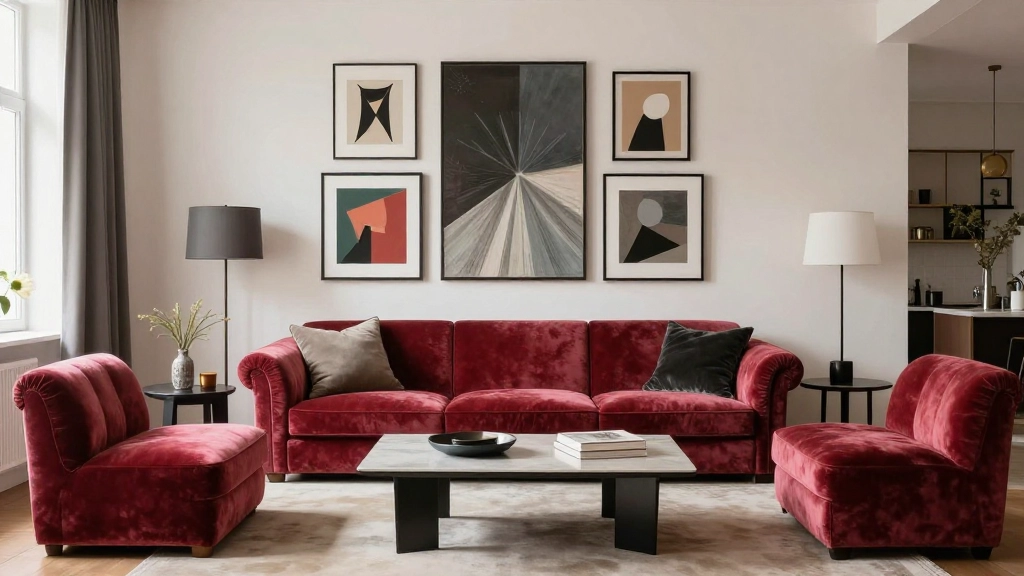
Table of Contents
- Emerald Velvet Sectional
- Mustard Yellow Statement Sofa
- Curved Sapphire Blue Lounger
- Burgundy Tufted Centerpiece
- Floral Upholstered Heirloom Sofa
- Ceiling-Height Gallery Wall
- Moody Portrait Collection
- Mixed Media Wall Display
- Salon-Style Heritage Display
- Color-Coordinated Art Cluster
- Floral and Geometric Pattern Pairing
- Full Room Pattern Drenching
- Stripes as Visual Anchor
- Traditional Meets Contemporary Mixing
- The 60-30-10 Pattern Ratio
- Velvet and Leather Combination
- Layered Rugs
- Textile Wall Hangings
- Mixed Metal Accents Throughout
- Embroidered and Beaded Details
- Jewel Tone Immersion
- Warm Earth Tones with Bright Pops
- Moody Dark Feature Walls
- Playful Mismatched Pastels
- Color Blocking Zones
- Abundant Houseplants
- Statement Chandeliers and Layered Lighting
- Curated Collections on Display
- Ornate Gilded Mirrors
- Books as Decorative Elements
1. Emerald Velvet Sectional
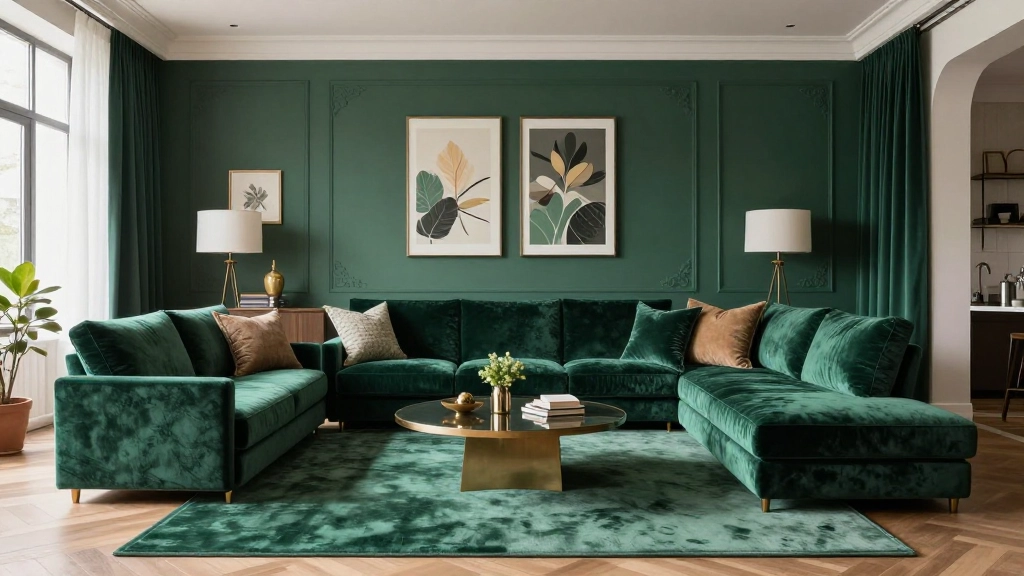
Deep green velvet has emerged as a defining choice for bold living room design in 2026. Pantone forecasts predict palettes full of rich, touchable hues inspired by nature, with greens drawn from the outdoors leading the charge.
A plush emerald sectional provides a sumptuous foundation for layered throw pillows in contrasting florals and geometric prints. The color reads as both grounding and luxurious—perfect for anchoring a maximalist decor living space. Pair with brass accents and warm wood tones for added richness.
2. Mustard Yellow Statement Sofa
A mustard-yellow velvet sofa creates instant warmth and visual impact in any living room. The golden undertones play beautifully against deep blues, rich burgundies, and forest greens in your accent pieces.
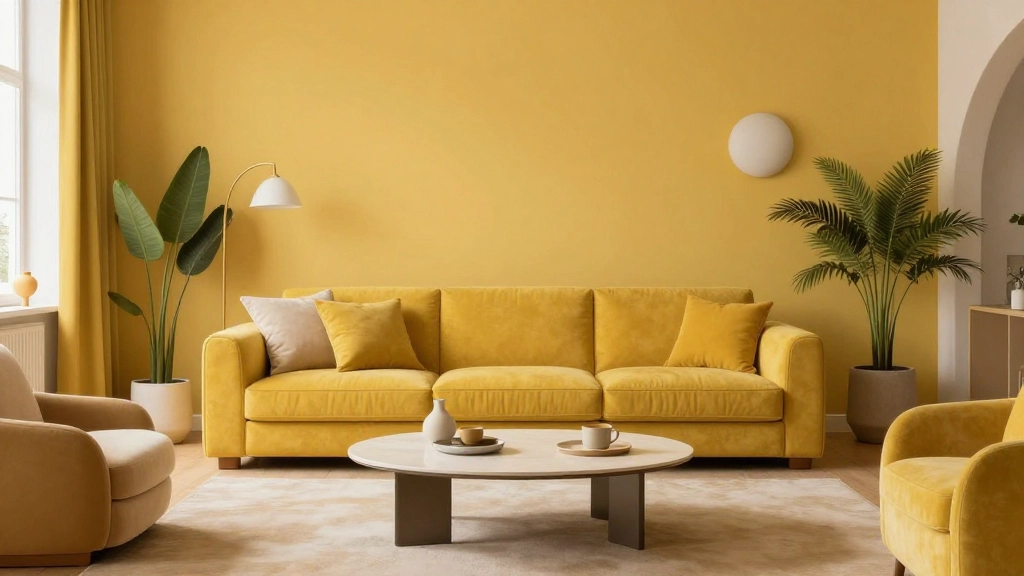
Layer patterned cushions featuring floral motifs and botanical prints for a curated maximalist aesthetic. This bold choice transforms even neutral rooms into personality-filled spaces. The key is balancing the sofa’s vibrancy with complementary textiles rather than competing colors.
3. Curved Sapphire Blue Lounger
Sculptural furniture dominates 2026 design trends. A curved blue sofa with low-slung proportions brings both drama and comfort to your maximalist living room. The flowing shape softens angular architecture while the jewel tone anchors a sophisticated color scheme.
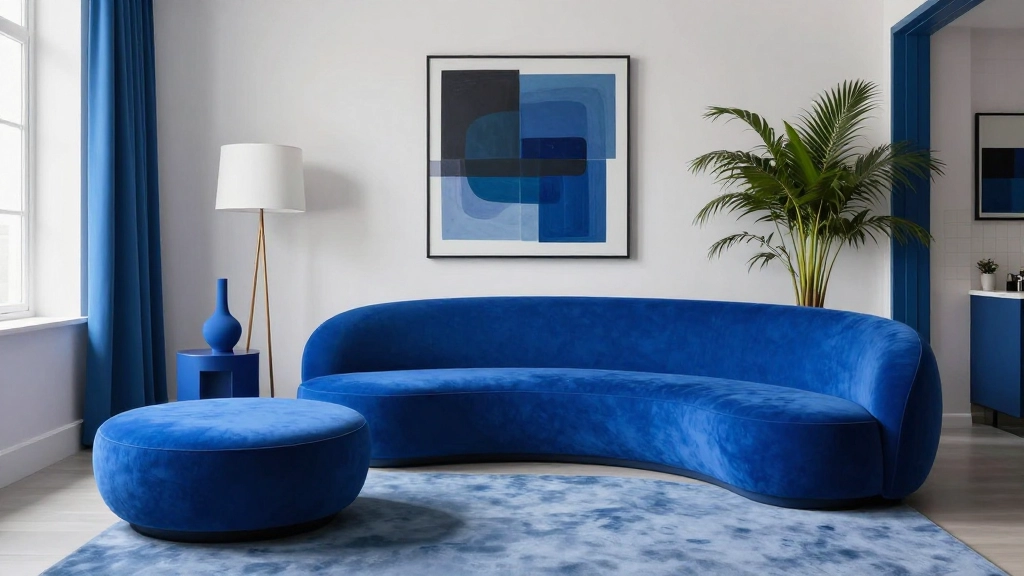
Position this piece as the room’s focal point, then build outward with complementary patterns and textures. The organic curve invites conversation and creates natural gathering space—functional beauty at its finest.
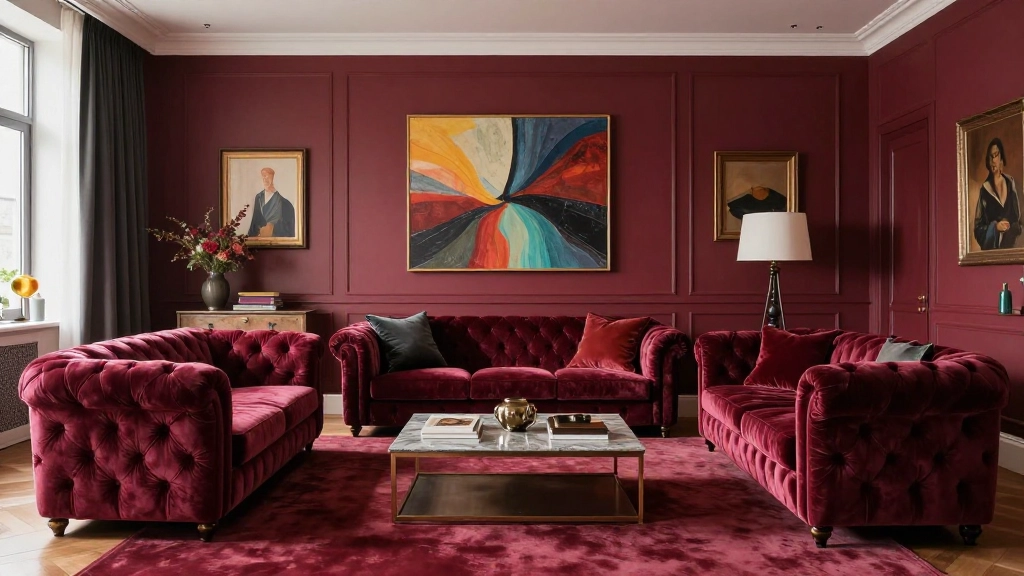
4. Burgundy Tufted Centerpiece
Button-tufted sofas in deep burgundy or aubergine deliver instant old-world glamour. The texture of tufting adds dimension while the rich color commands attention without overwhelming.
Balance with brass accents, darker wood tones, and creamy neutrals for cohesion. This approach channels Victorian elegance with contemporary sensibility—a signature maximalist combination that feels collected over time rather than decorated all at once.
5. Floral Upholstered Heirloom Sofa
Printed fabric on statement seating is making a strong comeback in 2026. A sofa upholstered in bold floral pattern becomes the room’s hero piece, demanding attention and setting the color palette for everything else.
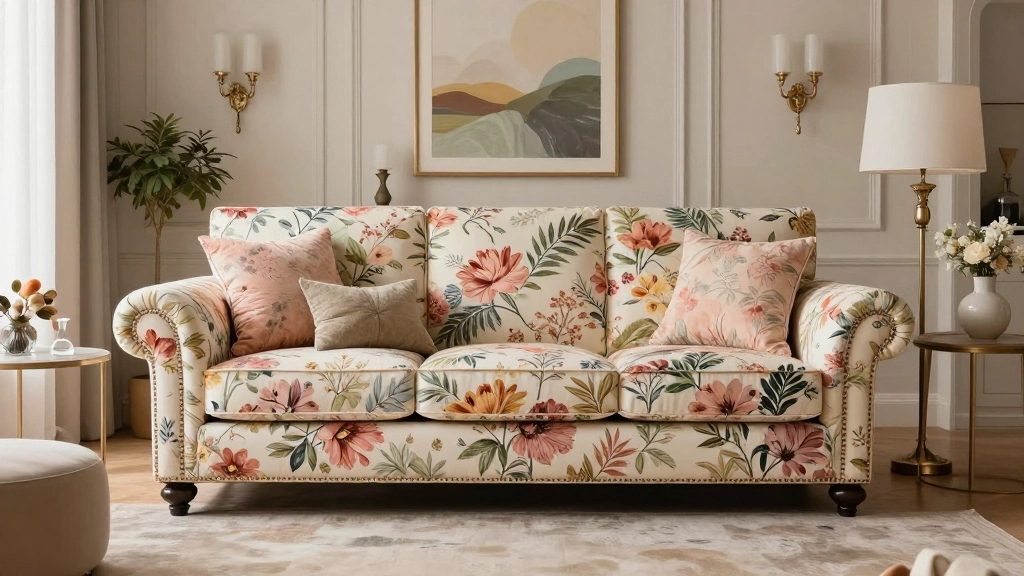
Keep other large furniture neutral to let this centerpiece shine, then echo its colors through smaller accessories throughout the space. This approach works particularly well in traditional or transitional maximalist rooms.
6. Ceiling-Height Gallery Wall
Push artwork all the way to the ceiling for maximum visual impact. According to Apartment Therapy, the key to ceiling-height galleries lies in frame harmony—stick to black, white, wood, and gold frames to create cohesion within the visual abundance.
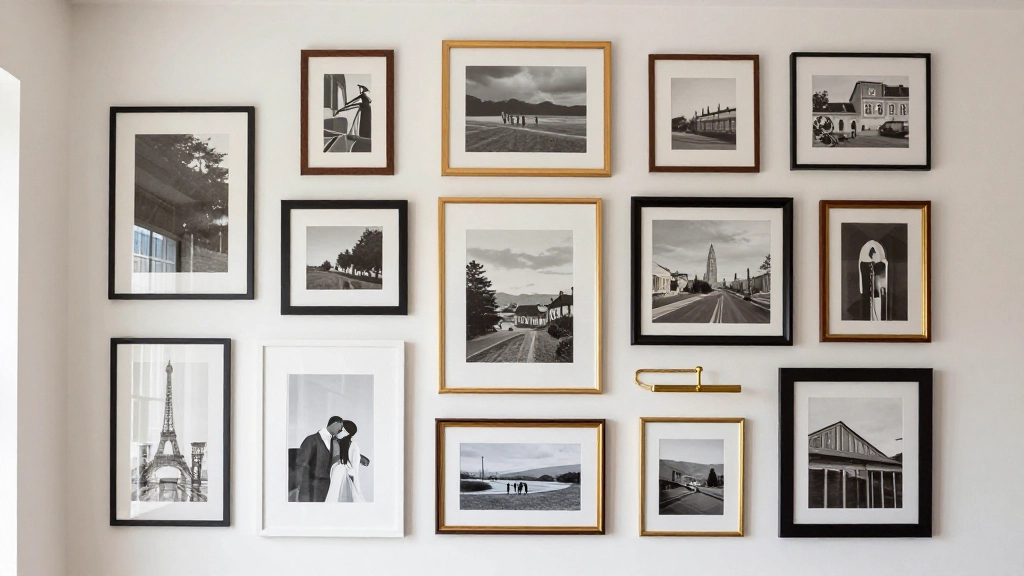
Vary frame sizes while maintaining a color family to prevent chaos. Start with your largest pieces at eye level, then expand upward and outward. The result reads as intentionally curated rather than randomly assembled.
7. Moody Portrait Collection
Curate a collection of vintage portraits and surrealist artwork for a gallery wall that feels like stepping into a painter’s studio. Dark, dramatic prints in chunky frames against deep-colored walls create an atmosphere rich with character.
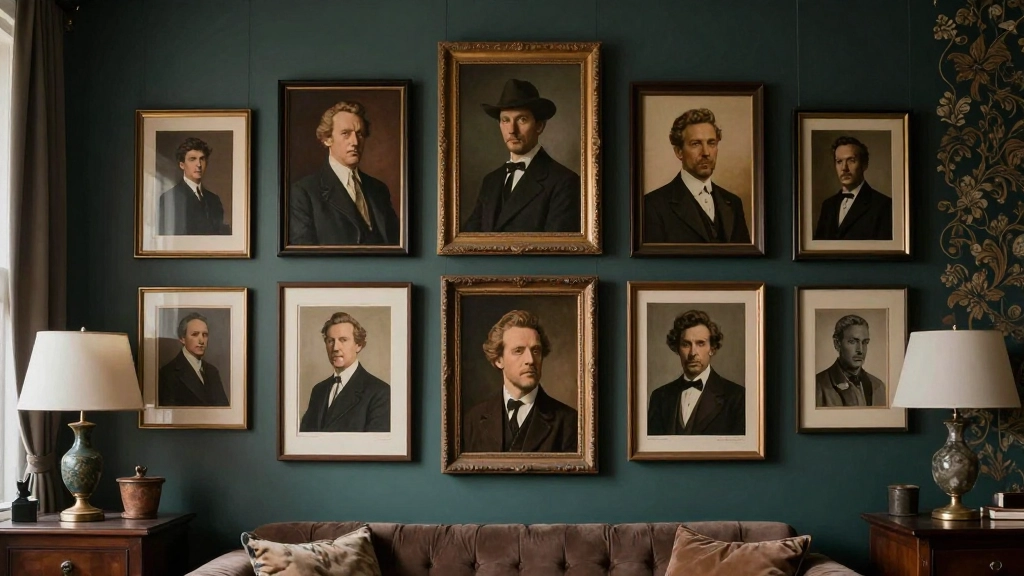
This approach works especially well in maximalist living rooms with jewel-toned walls or moody wallpaper. The portraits add human presence and historical weight to contemporary spaces.
8. Mixed Media Wall Display
Go beyond framed prints for your gallery wall. Incorporate three-dimensional elements: decorative plates, ornate mirrors, sculptural pieces, and textile hangings. This adds tactile appeal and breaks the visual pattern of rectangular frames in unexpected ways.
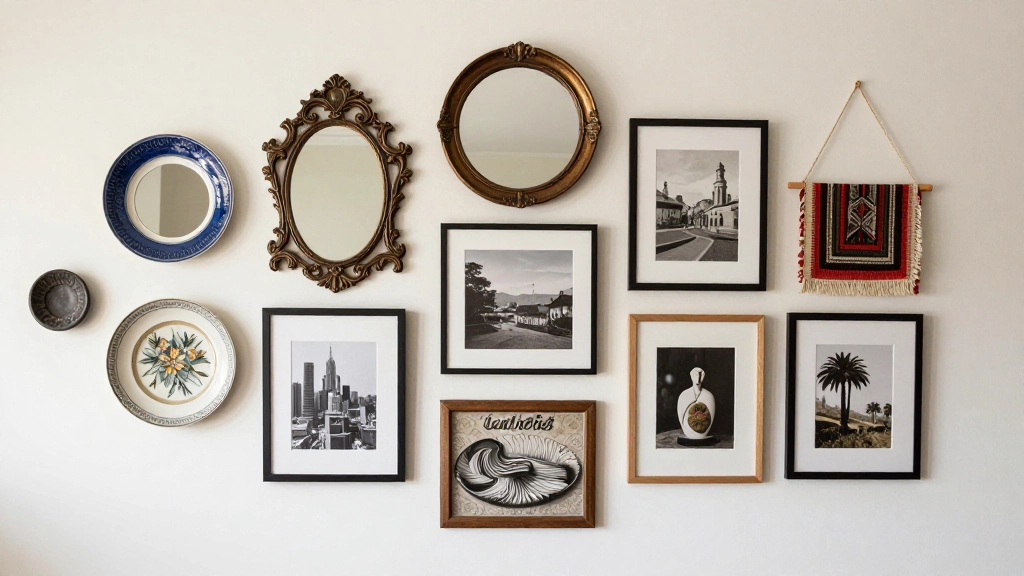
The key is maintaining some visual throughline—perhaps a consistent color or finish that appears across different media types. This creates cohesion without predictability.
9. Salon-Style Heritage Display
The salon hanging style covers entire walls with art arranged closely together, asymmetrically grouped without rigid alignment. Mix artwork sizes and orientations freely.
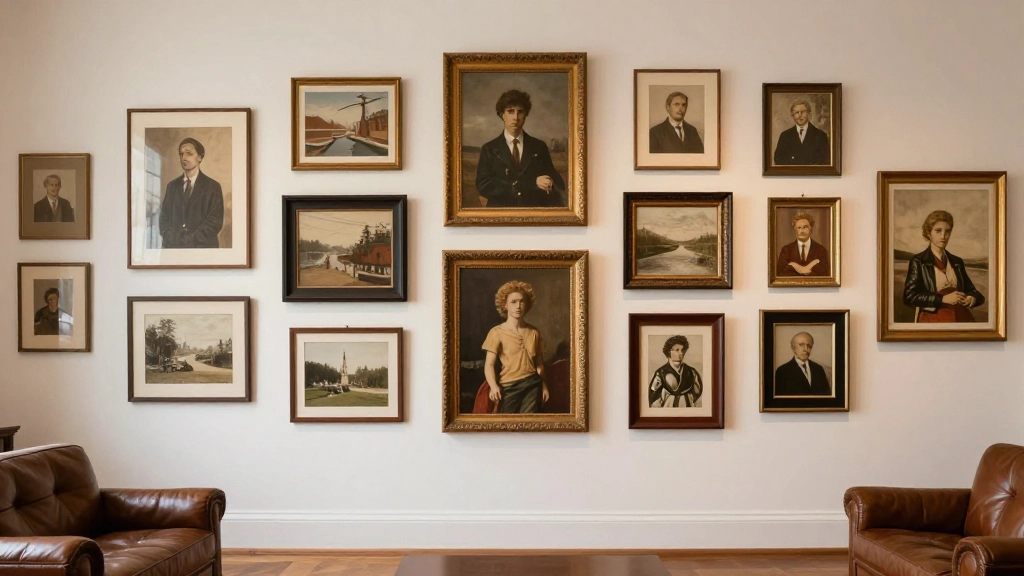
Include heirloom pieces alongside contemporary finds—the contrast between old and new enriches your maximalist decor living space. This approach invites viewers to explore each piece individually while appreciating the whole as a curated collection.
10. Color-Coordinated Art Cluster
Select artwork that shares a color palette with your room’s scheme for instant cohesion. A collection featuring pinks, teals, and golds creates visual unity even when styles vary dramatically from abstract to figurative.
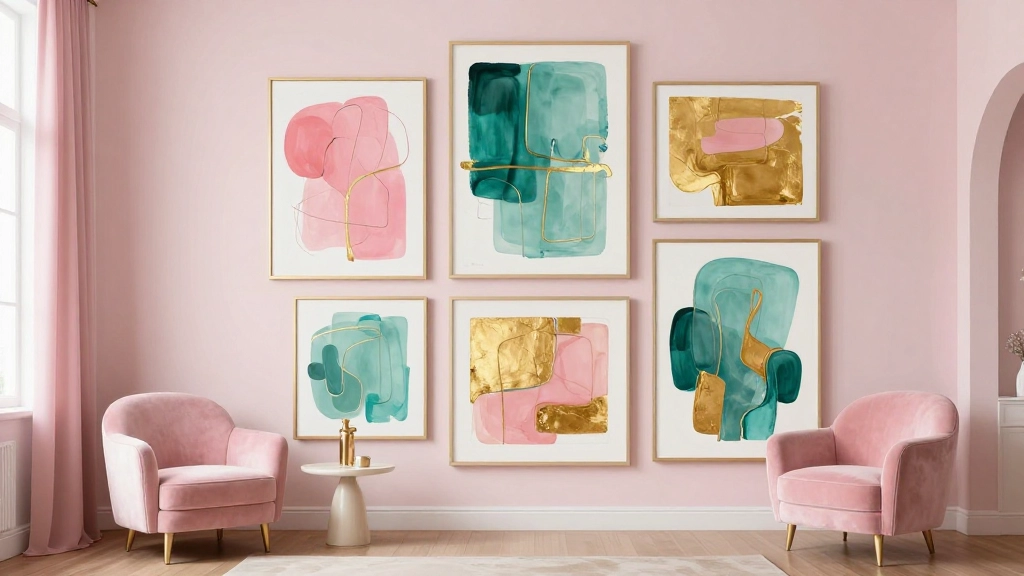
This approach works especially well when transitioning from traditional to modern pieces within the same wall display. The shared colors bind disparate works into conversation.
11. Floral and Geometric Pattern Pairing
Decorilla’s pattern mixing guide suggests pairing large-scale florals with smaller geometric patterns for balance. A botanical wallpaper with delicate stripes on upholstery and a graphic rug creates the perfect trio.
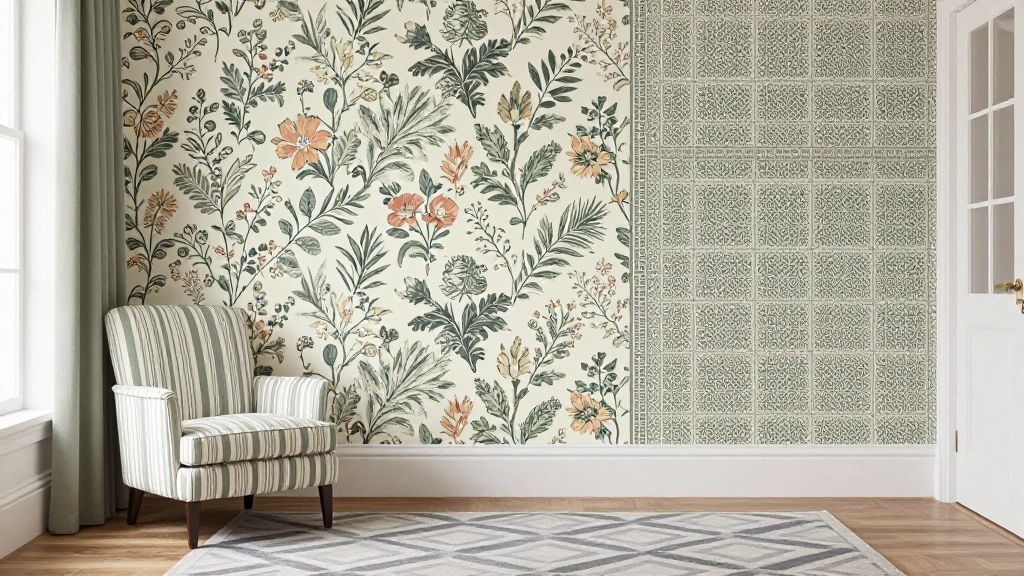
Scale contrast acts as the unsung hero of successful pattern mixing—large patterns dominate focus while smaller ones add detail without competing. This combination brings organic softness and structural order into harmony.
========= IMAGE: pattern mixing floral geometric living room =========
12. Full Room Pattern Drenching
House Beautiful identifies pattern drenching as one of the hottest maximalist design trends. This technique applies complementary patterns across multiple surfaces—walls, furniture, and accessories—creating an immersive environment.
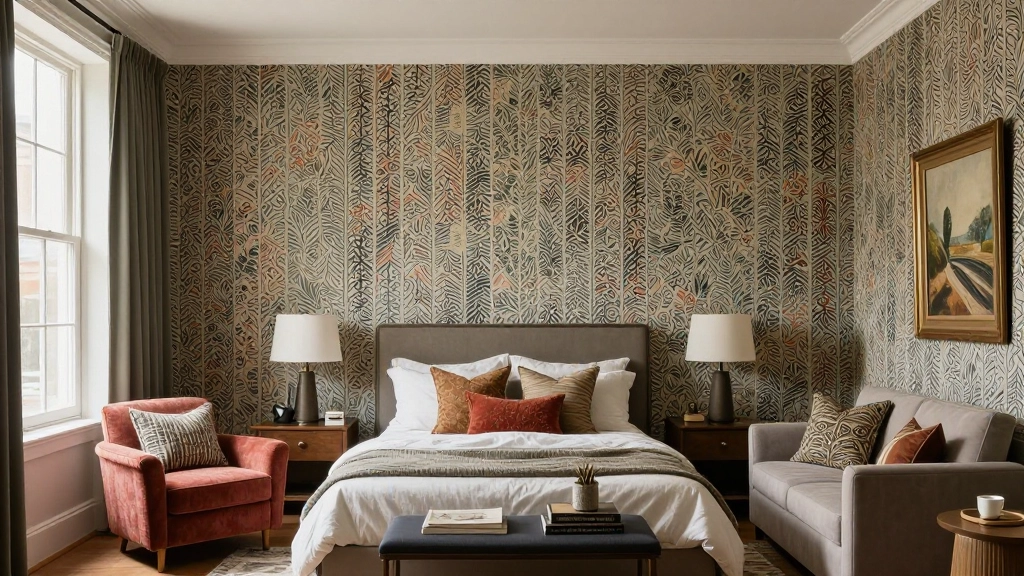
Success requires maintaining a consistent color thread throughout. Choose three to five colors that repeat across different patterns, preventing visual chaos while embracing abundance.
13. Stripes as Visual Anchor
Stripes function as design chameleons that pair well with virtually any pattern. Use striped curtains or rugs as a baseline that lets bolder prints shine without visual competition.
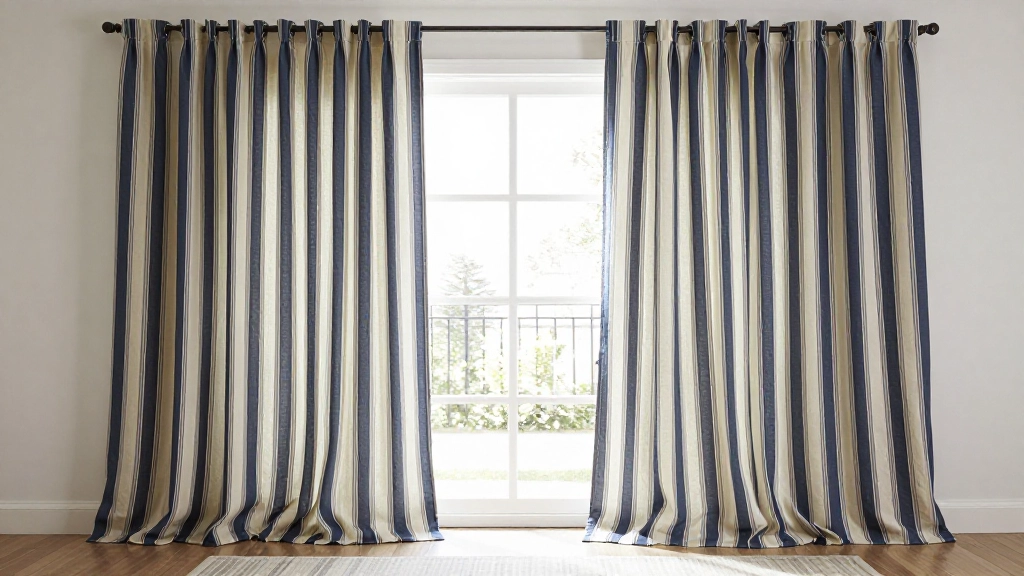
A striped velvet sofa with cushions in floral patterns creates a layered look that reads as sophisticated rather than busy. The linear rhythm of stripes grounds organic patterns beautifully.
14. Traditional Meets Contemporary Mixing
Combine vintage damask or toile fabrics with modern abstract prints for depth that single-era designs cannot achieve. The tension between classical and current creates visual interest that evolves over time.
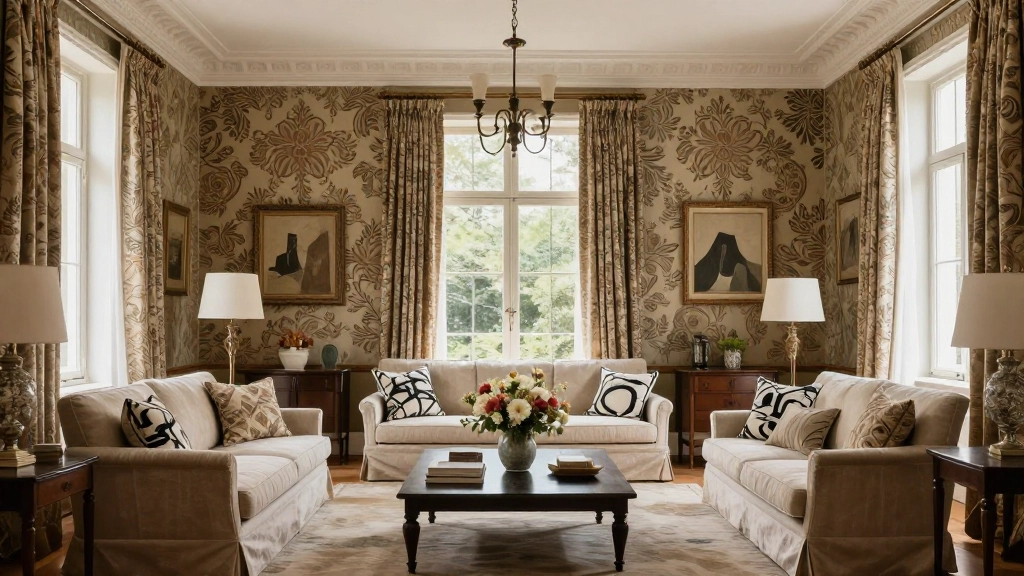
A Napoleon III settee trimmed in raspberry florals alongside chairs in bold ikat demonstrates this principle. The unexpected combinations tell stories about your taste and travels.
15. The 60-30-10 Pattern Ratio
Let one major pattern dominate approximately 60% of visible space—like a statement area rug. A second coordinating pattern fills 30%, perhaps striped draperies. The final 10% consists of a bold contrasting choice like marbled accent chairs or mixed throw pillows.
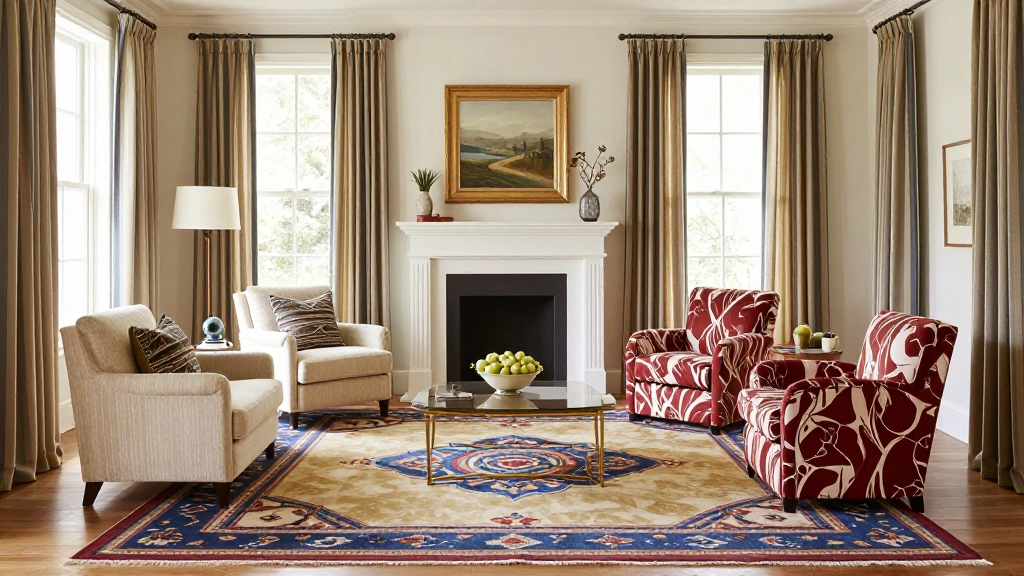
This mathematical approach creates structure within abundance. The proportions allow boldness while maintaining coherence across your maximalist living room.
16. Velvet and Leather Combination
Pair plush velvet seating with leather accent chairs or ottomans for sophisticated textural contrast. The interplay between soft and structured reads as intentional rather than accidental.
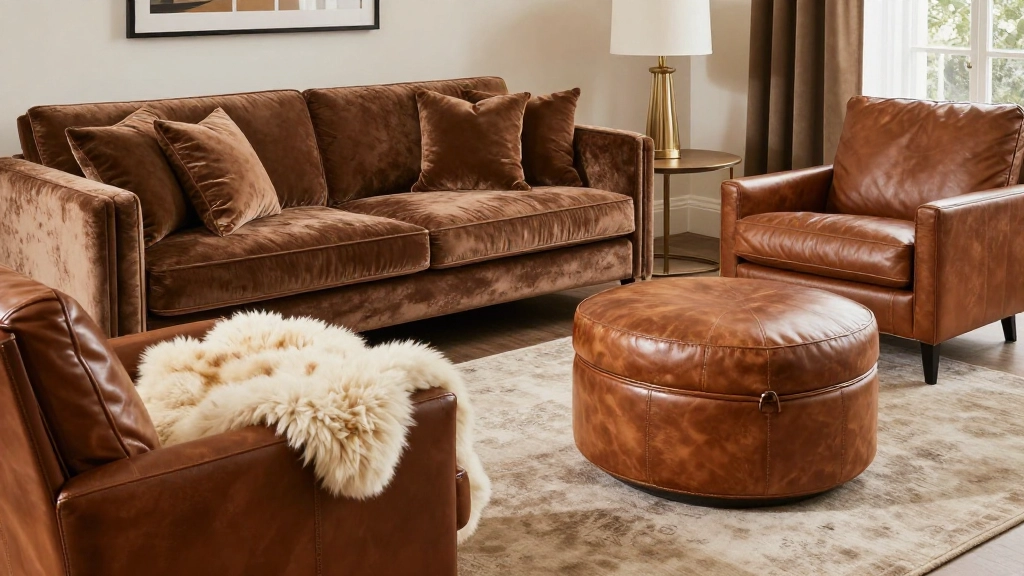
Add a sheepskin throw to introduce a third texture that bridges the gap between velvet’s luxury and leather’s ruggedness. This combination works across style genres from bohemian to modern.
17. Layered Rugs
Stack multiple rugs with different textures and patterns for grounded visual richness. Place a high-pile rug over a flat-weave base, or layer a smaller Persian carpet over a larger sisal foundation.
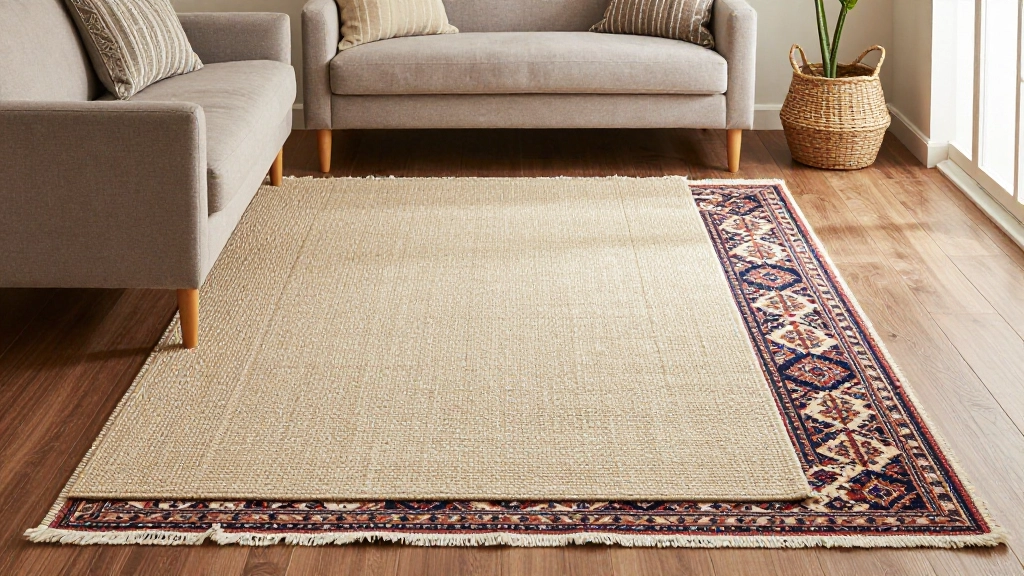
This technique defines furniture groupings while adding color and pattern interest to floors. The layering creates depth impossible to achieve with a single rug, no matter how beautiful.
18. Textile Wall Hangings
Macramé, woven tapestries, and embroidered fabric panels bring softness to walls while absorbing sound. These elements add bohemian warmth that paint and framed art cannot replicate.
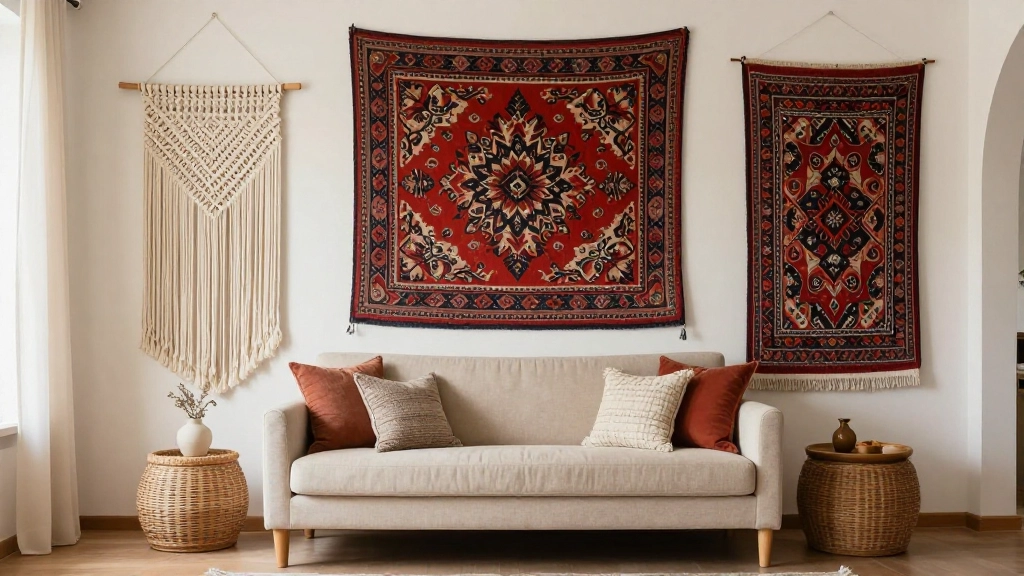
A vintage suzani or antique textile mounted above a sofa creates instant character. These pieces often carry cultural significance and craftsmanship stories that enrich your space’s narrative.
19. Mixed Metal Accents Throughout
Combine brass, copper, gold, and chrome throughout the room rather than matching metals precisely. Metallic elements—from lamp bases to picture frames to coffee table legs—catch light differently as the day progresses.
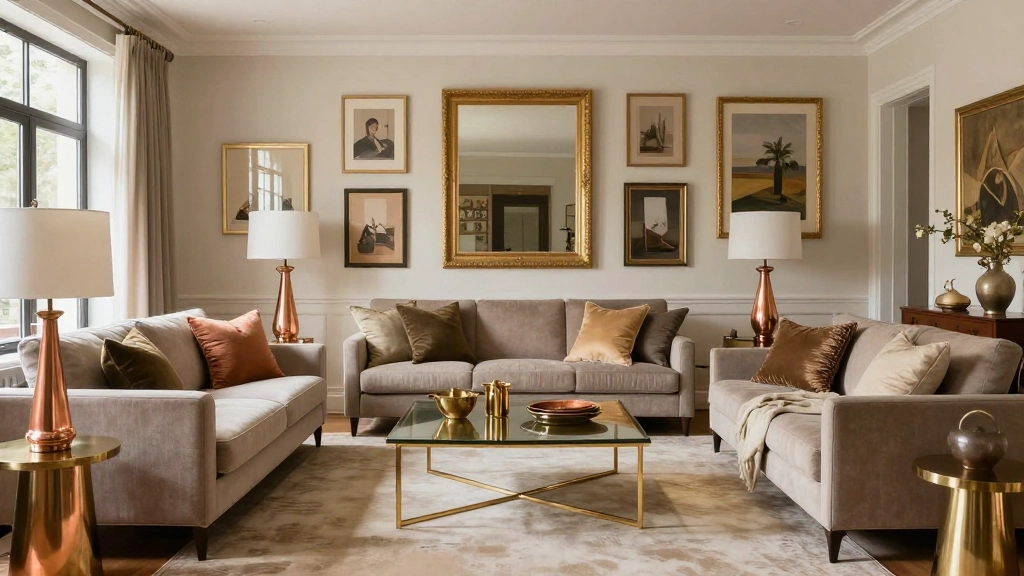
Intentionally mixing metals reads as collected and curated rather than mismatched. The variety adds visual interest while creating sparkle and warmth across your bold living room design.
20. Embroidered and Beaded Details
Seek out pillows, curtains, and upholstery featuring needlework, beading, or other handcrafted embellishments. These details reward close inspection and connect your space to artisanal traditions.
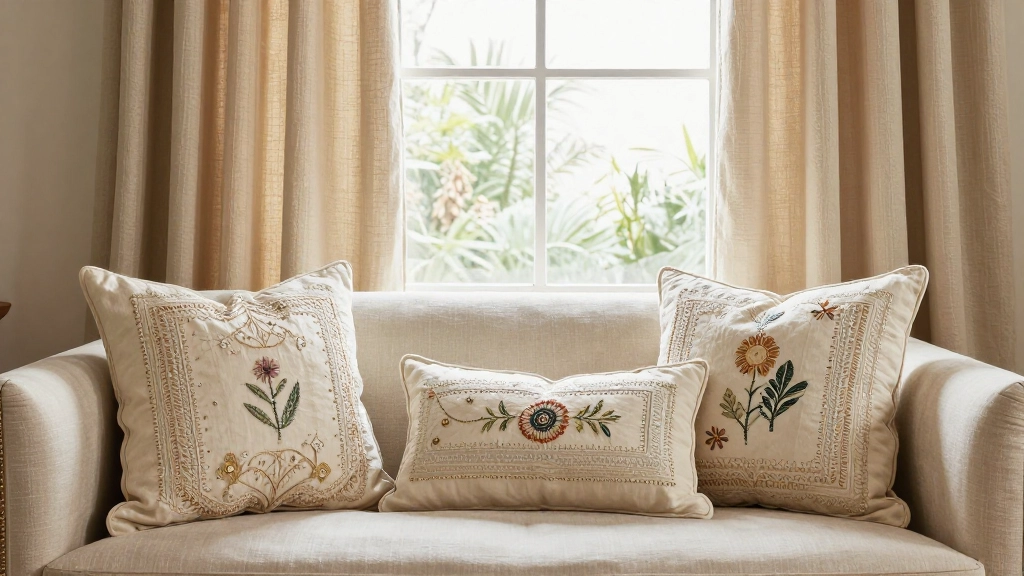
Handcrafted elements introduce subtle sparkle and dimensional interest that photographs rarely capture fully. They transform mass-produced items into unique pieces with tactile appeal.
21. Jewel Tone Immersion
Commit fully to jewel tones across your maximalist living room: emerald, sapphire, ruby, and amethyst.
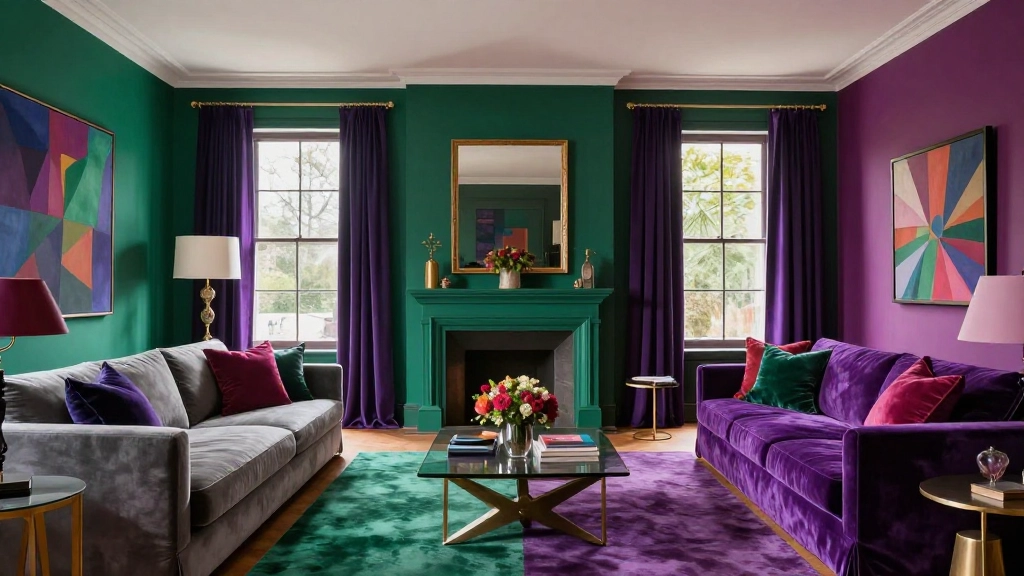
According to Decorilla’s 2026 forecast, saturated fields of electric blue, acid green, or orange are appearing boldly on walls and large furniture pieces.
Metal accents amplify these colors into every corner. The effect feels immersive and luxurious—like inhabiting a gemstone rather than simply decorating with color.
22. Warm Earth Tones with Bright Pops
Ground your palette in terracotta, rust, camel, and chocolate, then punctuate with unexpected bright accents. A deep brown leather sofa paired with turquoise throw pillows and a chartreuse lamp creates sophisticated contrast.
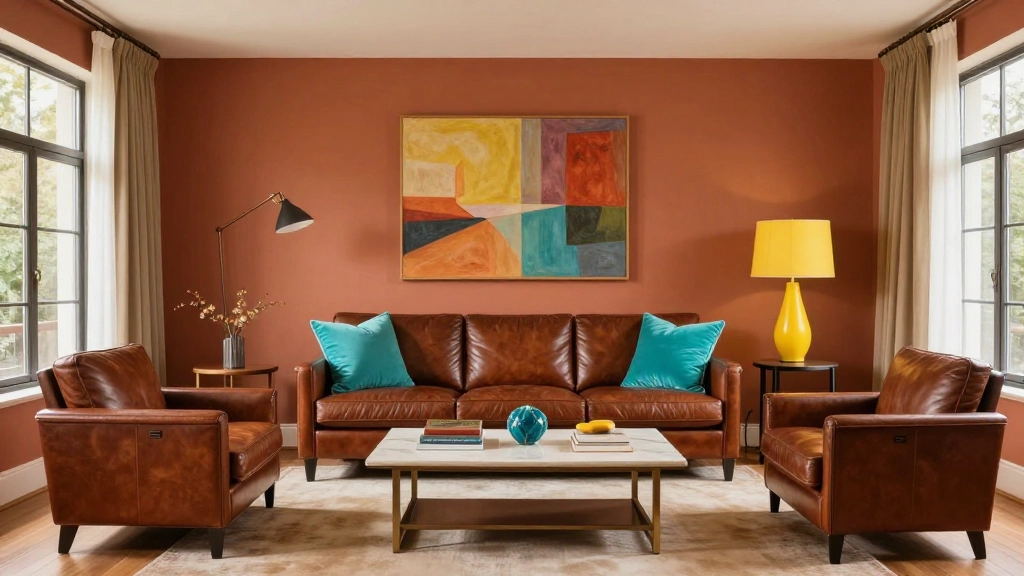
This approach offers warmth without heaviness. The earthy base feels grounding while the pops of brightness prevent the room from reading as dark or dated.
23. Moody Dark Feature Walls
Paint walls in deep forest green, midnight blue, or rich aubergine for dramatic backdrop. These saturated colors make artwork pop and create intimate, cocooning atmospheres that embrace rather than distance.
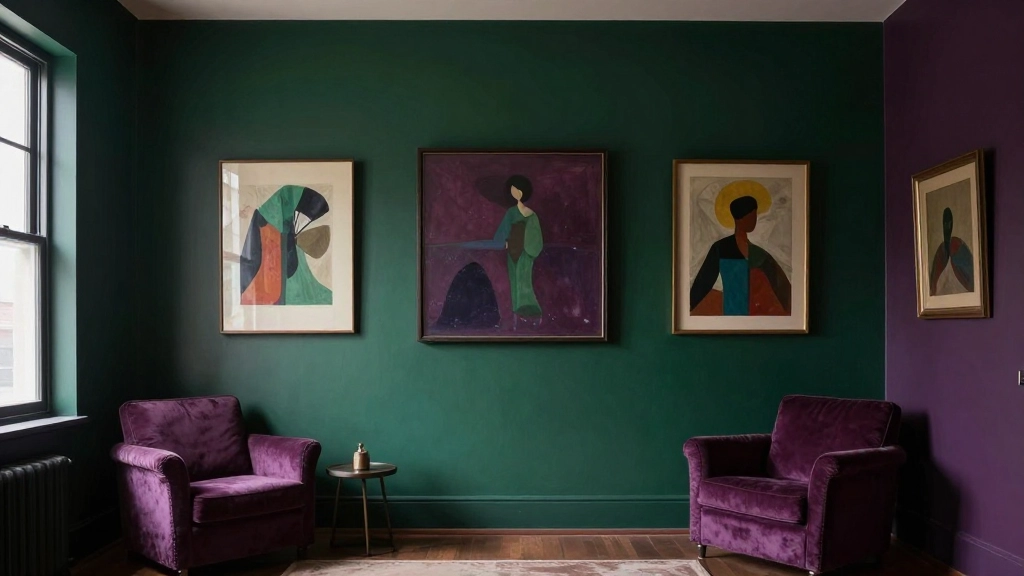
Balance with lighter furnishings and metallics to prevent the space from feeling cave-like. The contrast between dark walls and lighter elements creates visual depth impossible to achieve with neutral palettes.
24. Playful Mismatched Pastels
For cheerful maximalism, combine pale yellows, pinks, and blues in unexpected proportions. This approach leans toward dopamine decor—spaces designed to spark joy through color combinations that don’t follow traditional matching rules.
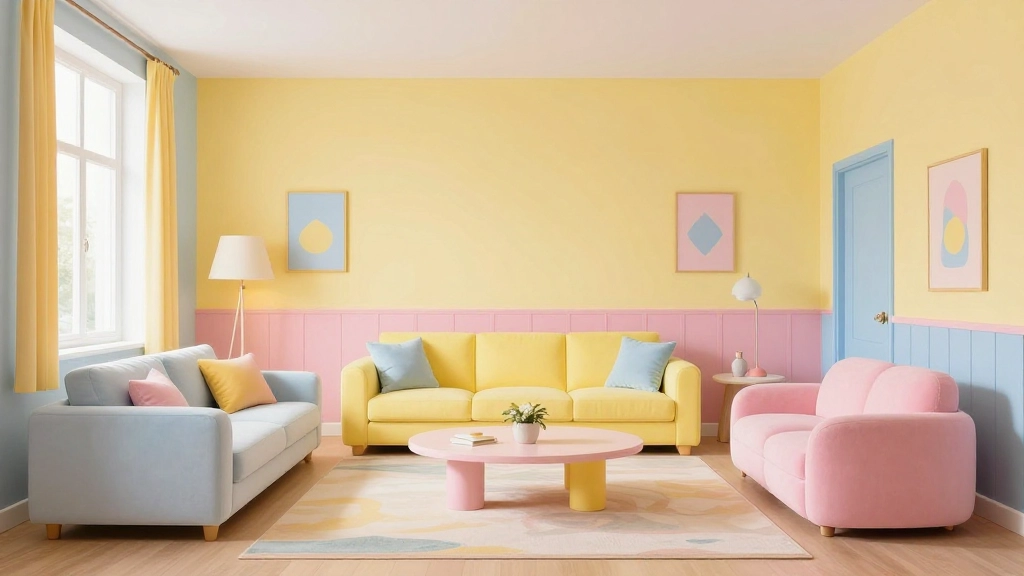
Balance with neutral grounding elements like white trim or natural wood to prevent the room from reading as childish. The key is confidence in color choices.
25. Color Blocking Zones
Divide your room into distinct color zones that transition smoothly. A deep blue seating area might flow into a coral reading nook. This technique works particularly well in open-concept spaces where you want to define areas without physical barriers.
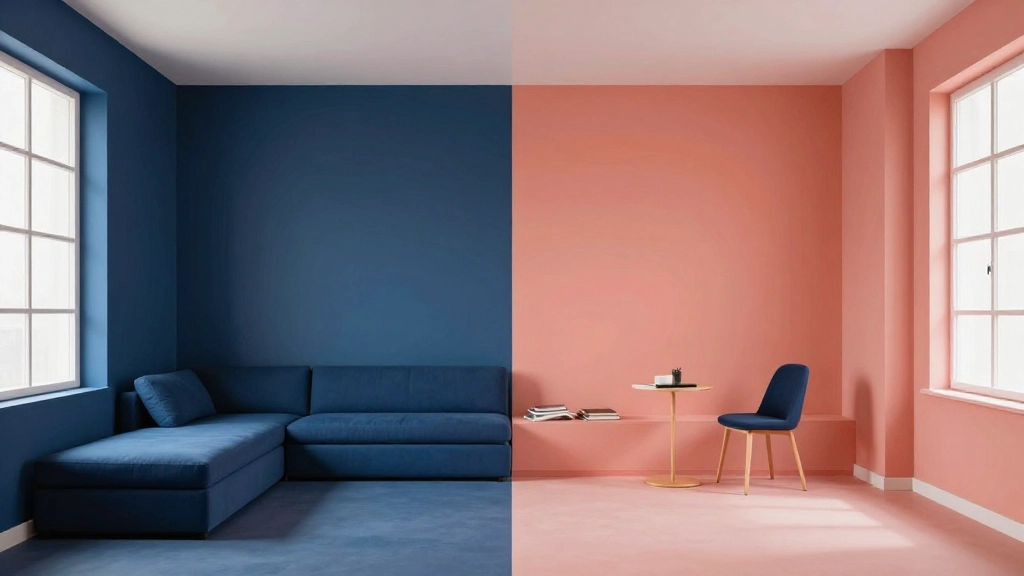
The zones create visual variety while maintaining overall cohesion through complementary color relationships.
26. Abundant Houseplants
Greenery breathes life into maximalist rooms like nothing else can. Trailing pothos, statement fiddle-leaf figs, and clusters of succulents introduce organic shapes and colors that complement manufactured decor.
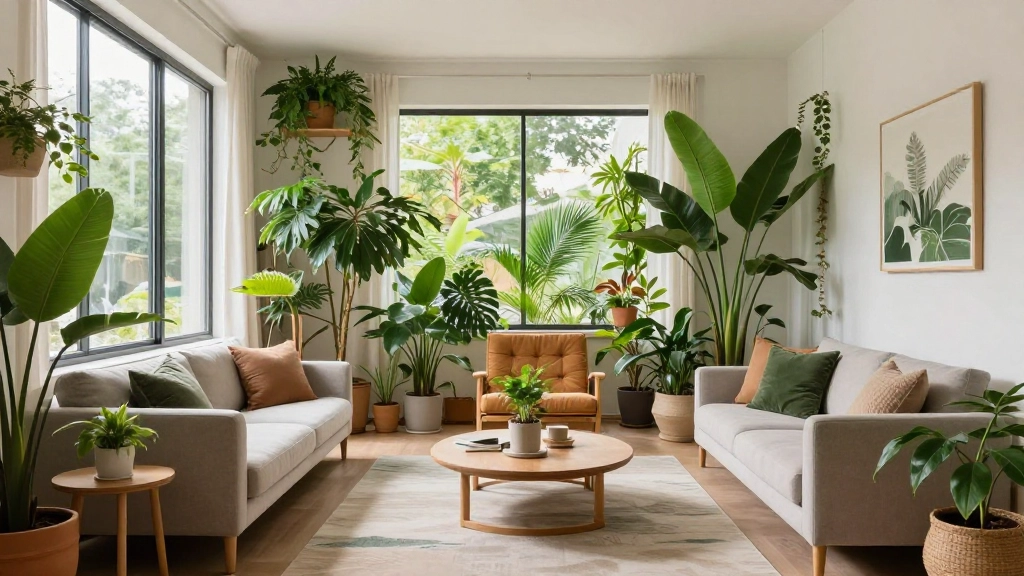
Use decorative planters in bold ceramics or brass to continue your maximalist theme. Group plants at varying heights for visual interest—floor plants, tabletop clusters, and hanging varieties create vertical layering.
27. Statement Chandeliers and Layered Lighting
Replace basic overhead fixtures with sculptural chandeliers, ornate pendant clusters, or art deco floor lamps. These pieces serve as art during daylight hours while illuminating your space after dark.
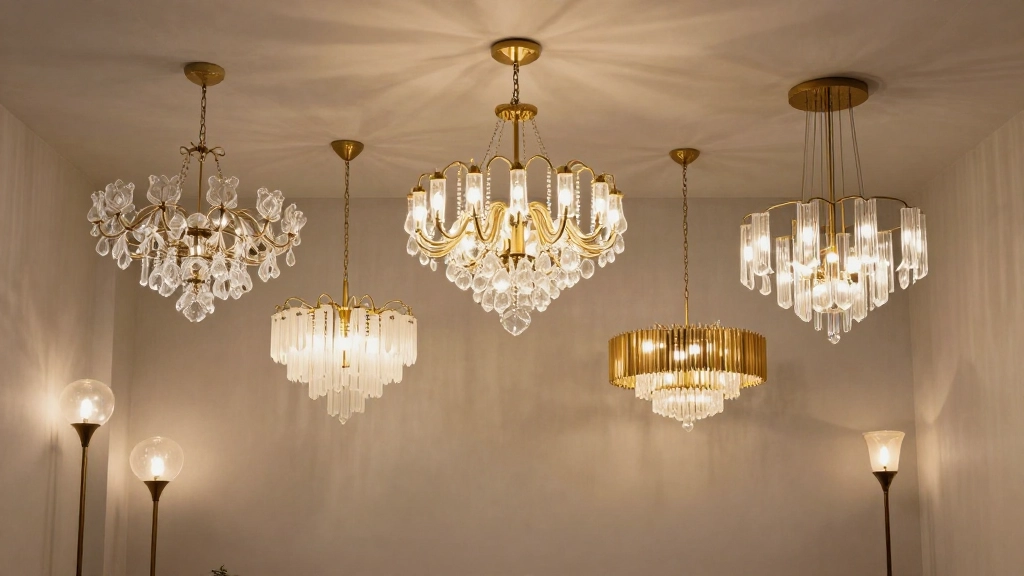
Layer ambient, task, and accent lighting throughout the room. Multiple light sources that can be adjusted independently create different moods as activities and times of day change.
28. Curated Collections on Display
Group related objects together for visual impact: vintage cameras, antique globes, ceramic vessels, or collected curiosities from travels. Display these collections on shelves, mantels, or in glass-front cabinets.
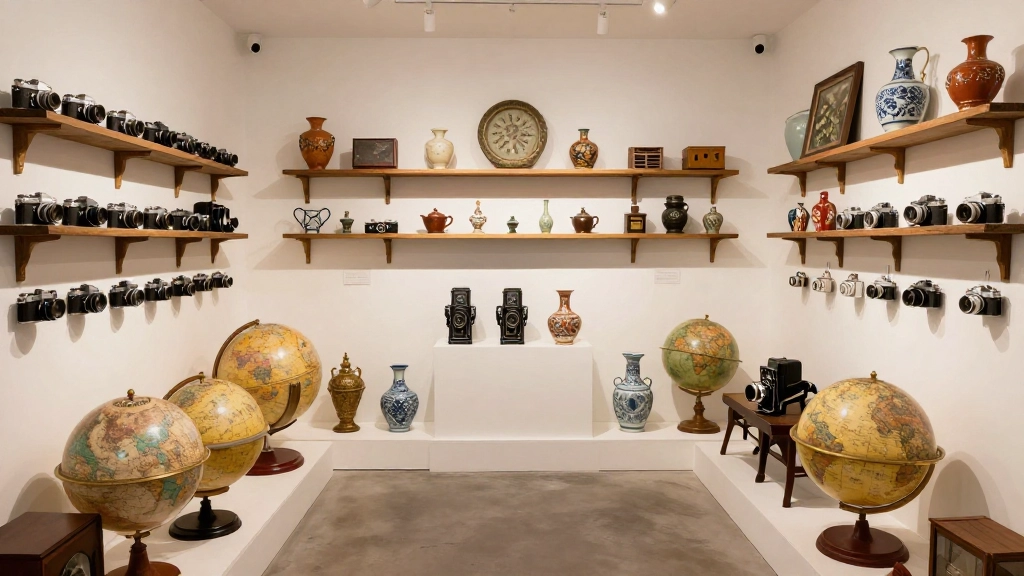
The accumulated effect of thoughtfully arranged objects tells your personal story in ways that individual pieces cannot. Collections become conversation starters and memory holders.
29. Ornate Gilded Mirrors
Large ornate mirrors in gilded frames serve dual purposes in maximalist spaces: they function as decorative art while reflecting light and visually expanding the room.
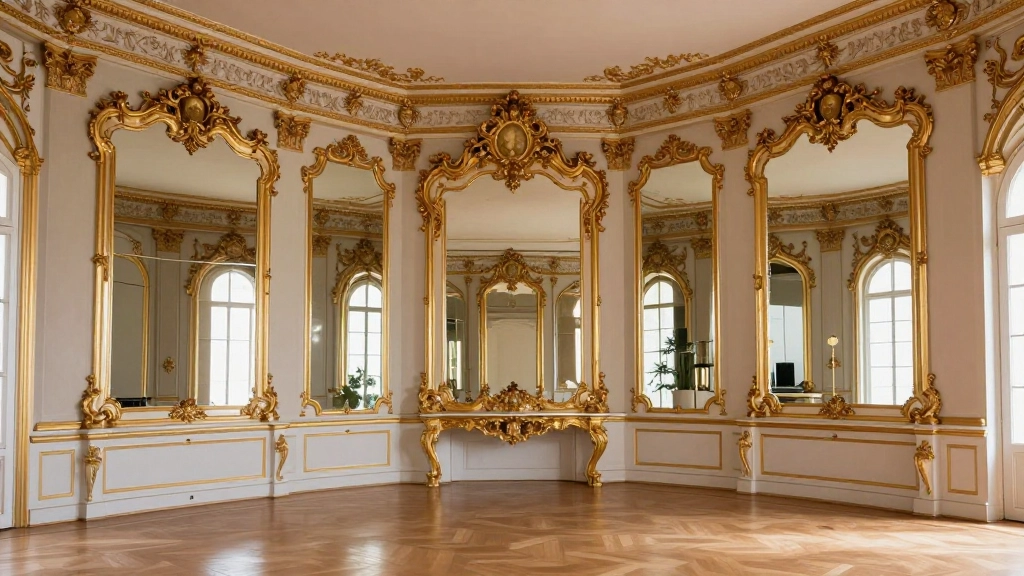
Position mirrors to reflect gallery walls or statement furniture, effectively doubling their impact. An oversized mirror with an intricate gold frame becomes a focal point that adds both glamour and function.
30. Books as Decorative Elements
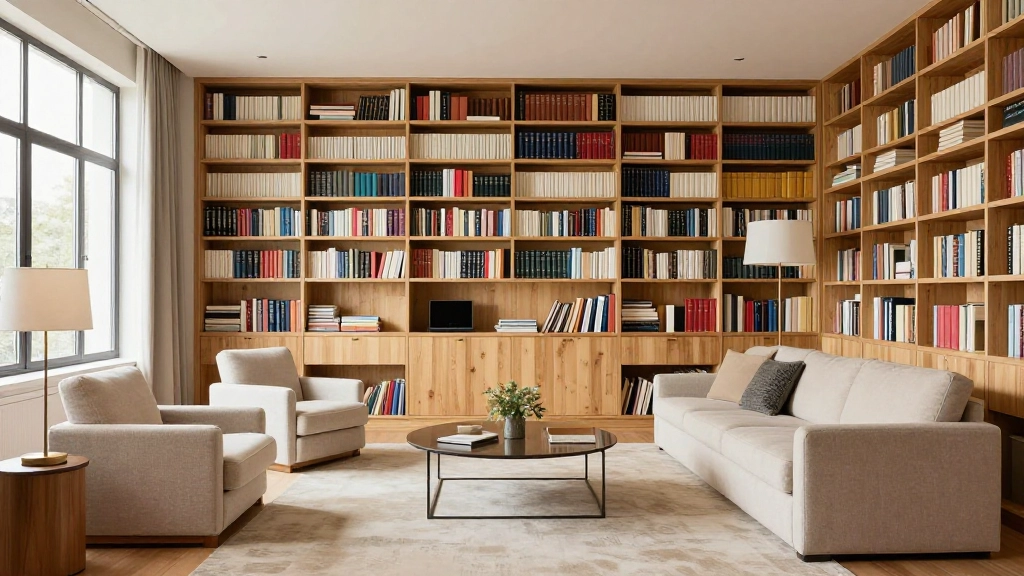
Stack coffee table books in colorful towers, arrange bookshelves by spine color, or create rainbow displays that double as art. Books add intellectual character while contributing pattern, texture, and color.
Don’t relegate reading material to shelves alone—pile books on ottomans, side tables, and window seats throughout your maximalist living room. They signal interests and invite browsing.
Frequently Asked Questions
How do I start a maximalist living room on a budget?
Begin with what you already own. Maximalism celebrates collected objects and layered accessories accumulated over time. Shop secondhand stores, estate sales, and online marketplaces for unique pieces. Invest in one statement furniture item—like a jewel-toned sofa—and build around it with thrifted finds. Gallery walls can incorporate inexpensive prints, personal photographs, and vintage frames found at flea markets.
What’s the difference between maximalism and clutter?
Intentionality separates the two. Clutter accumulates passively; maximalist decor results from deliberate choices. Every visible object in a maximalist room should spark joy or serve a purpose. If something doesn’t contribute to your visual story, it doesn’t belong. Regular editing keeps maximalist spaces feeling curated rather than chaotic.
Can maximalism work in small living rooms?
Absolutely. Small spaces often benefit from maximalist approaches more than minimal ones. Bold wallpaper, ceiling-height gallery walls, and jewel-toned paint create depth that makes compact rooms feel intentional rather than cramped. The key lies in choosing appropriately scaled furniture and maintaining clear pathways.
What colors work best for a maximalist living room in 2026?
Jewel tones dominate current trends: emerald green, sapphire blue, ruby red, and amethyst purple. Earth tones—terracotta, rust, and deep caramel—offer grounding warmth. Moody neutrals like charcoal and deep taupe function as sophisticated bases. Accent with metallics for reflective sparkle throughout.
How many patterns can I mix in one room?
Three to five distinct patterns typically work well. Follow the scale principle: include one large, one medium, and one or two small patterns. Ensure at least one color appears in each pattern to create cohesion. Beyond five patterns, visual overload becomes likely unless you maintain strict color discipline.
Where can I find inspiration for maximalist decor?
Designers like Mark D. Sikes and Noz Nozawa showcase fearless pattern and color mixing in their work. Our free AI tools can help you brainstorm concepts and visualize different design directions. Pinterest boards dedicated to maximalist interiors offer endless inspiration, while House Beautiful and Architectural Digest regularly feature maximalist projects.
How do I balance maximalism with my family’s practical needs?
Choose performance fabrics for upholstery—many velvets now resist stains and wear beautifully. Layer rugs so spills damage only top layers. Select closed storage options like decorative cabinets and woven baskets to corral everyday items while maintaining your aesthetic. Maximalism and functionality coexist beautifully when you plan for real-life use.
What lighting works best in maximalist living rooms?
Layer three types: ambient (overhead fixtures like chandeliers), task (reading lamps, desk lights), and accent (picture lights, candles). Maximalist spaces benefit from multiple light sources that can be adjusted independently. Statement fixtures serve as sculptural elements during daylight while creating atmosphere after dark.
Ready to visualize your own maximalist concept? Experiment with our Art Deco image generator or vibrant image generator to explore different aesthetic directions for your bold living room design.