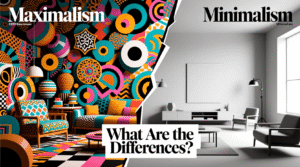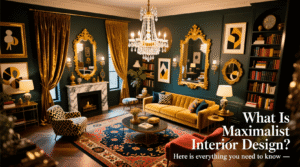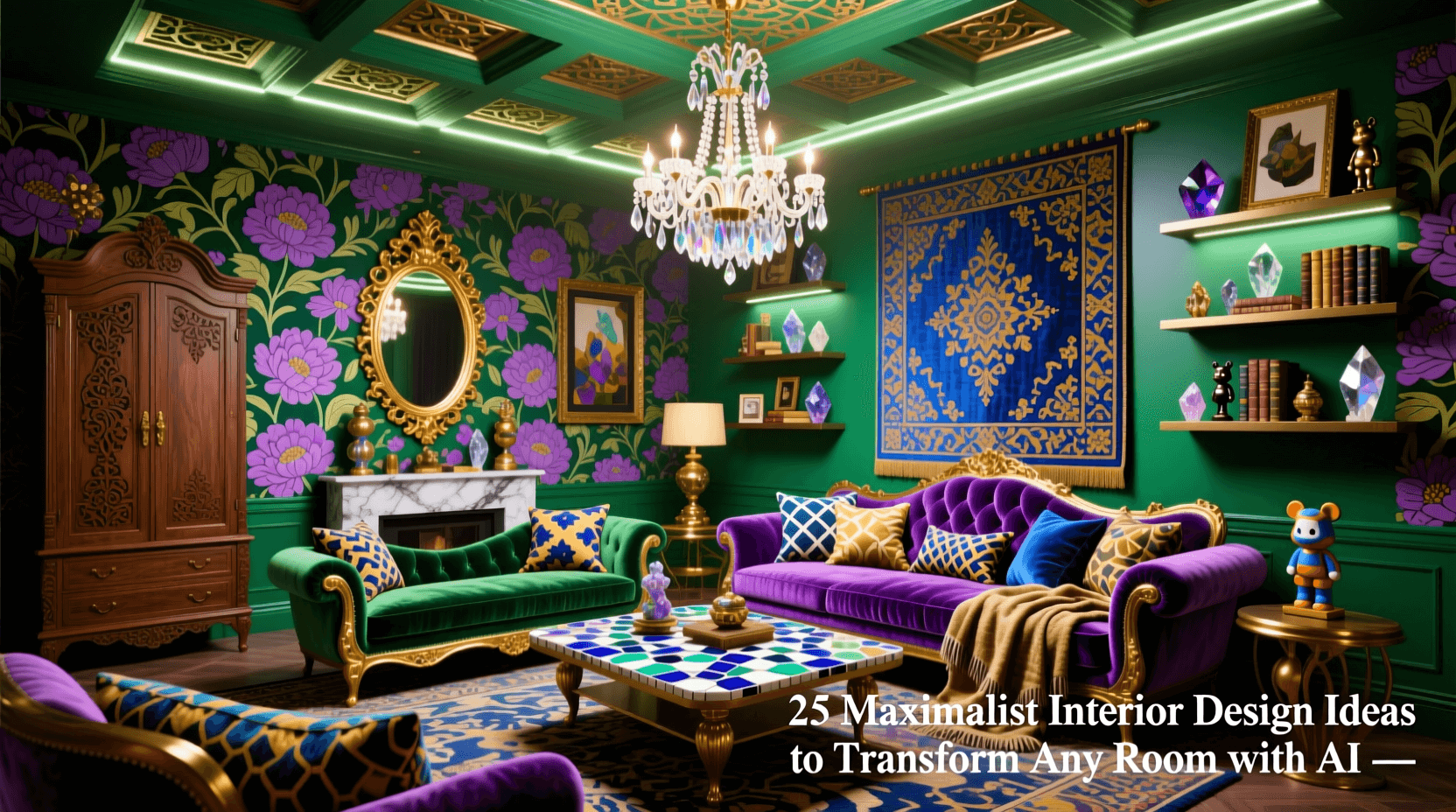
Maximalist interior design celebrates abundance, personality, and visual richness. Unlike its minimalist counterpart, maximalism encourages you to embrace bold colors, layered textures, and eclectic collections. If you’ve been holding back on expressing your true style because you thought “less is more” was the only way, it’s time to explore what happens when more becomes magnificent.
According to Architectural Digest, maximalist design has surged in popularity as homeowners seek spaces that reflect their unique personalities rather than conforming to stark, neutral trends. This shift represents a cultural embrace of self-expression through our living environments.
AI-powered tools now make it easier than ever to visualize maximalist concepts before committing to bold design choices. You can experiment with color combinations, pattern mixing, and layout arrangements digitally, saving time and reducing costly mistakes. This technological advancement has democratized interior design, allowing anyone to create professionally styled maximalist spaces.
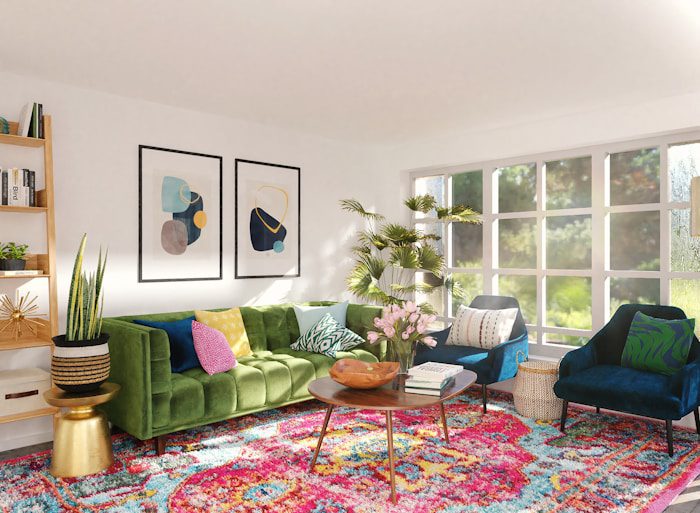
Table of Contents
- What Makes Design Truly Maximalist
- Bold Color Combinations That Work
- Pattern Mixing Techniques
- Furniture Selection and Arrangement
- Wall Treatments and Gallery Walls
- Textile Layering Strategies
- Statement Lighting Fixtures
- Curating and Displaying Collections
- Using AI to Visualize Maximalist Designs
- Room-by-Room Application
- Frequently Asked Questions
What Makes Design Truly Maximalist
Maximalism isn’t just about cramming as much stuff as possible into a room. The style follows specific principles that create intentional abundance rather than chaotic clutter. Think of it as curated excess—every item serves a purpose in building the overall aesthetic narrative.
The foundation of maximalist decor rests on three pillars: color confidence, pattern fearlessness, and personal storytelling. You’re creating a visual autobiography where each element represents something meaningful or beautiful to you. This approach explains why no two maximalist spaces look identical—they’re deeply personal reflections of individual taste.
Research from Houzz shows that 67% of homeowners now prefer spaces that showcase their personality over trend-driven neutrals. Maximalist design directly answers this desire by providing a framework for self-expression through home decor.
Core Elements of Maximalist Style
Successful maximalist rooms share several characteristics. They feature saturated color palettes that energize rather than overwhelm. Multiple patterns coexist harmoniously through careful scale variation and color thread connections. Surfaces display layered collections that tell stories rather than simply filling space.
Texture plays a critical role in preventing visual monotony. Velvet curtains might hang beside rattan furniture, which sits on a Persian rug, next to a glossy lacquered side table. These contrasts create depth and interest that flat, monochromatic spaces lack entirely.
Bold Color Combinations That Work
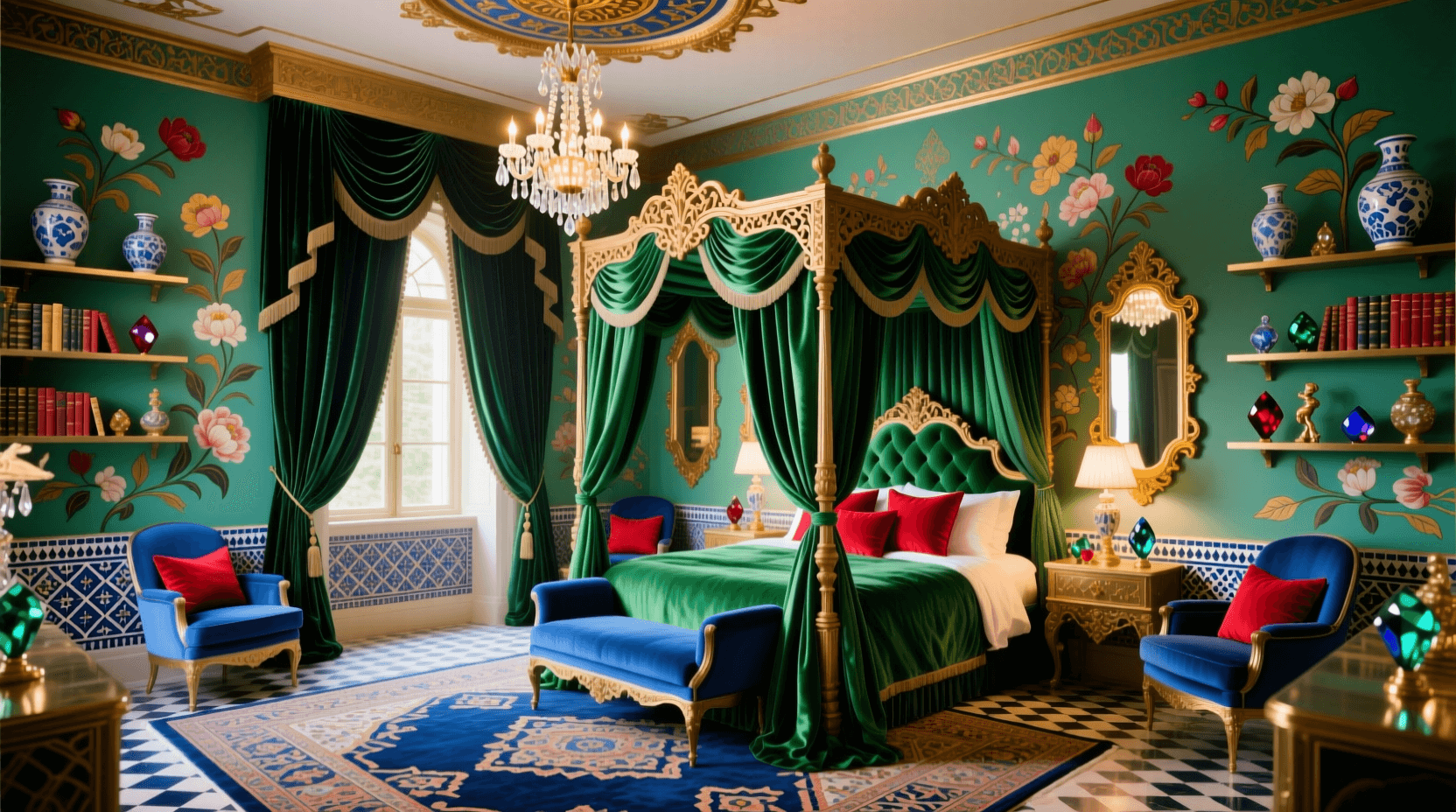
1. Jewel Tone Paradise
Emerald green, sapphire blue, ruby red, and amethyst purple form a luxurious palette inspired by precious stones. These rich hues create drama without feeling juvenile. Pair them with brass or gold metallic accents to enhance their regal quality.
Start with one jewel tone as your dominant color, then add two others as accents. For instance, a sapphire blue sofa against emerald walls with ruby throw pillows creates sophisticated depth. The vibrant image generator helps you test these combinations digitally before painting.
2. Sunset-Inspired Warmth
Tangerine orange, fuchsia pink, golden yellow, and coral create an energizing palette perfect for social spaces. This combination mimics the sky during golden hour, bringing warmth and optimism into your home.
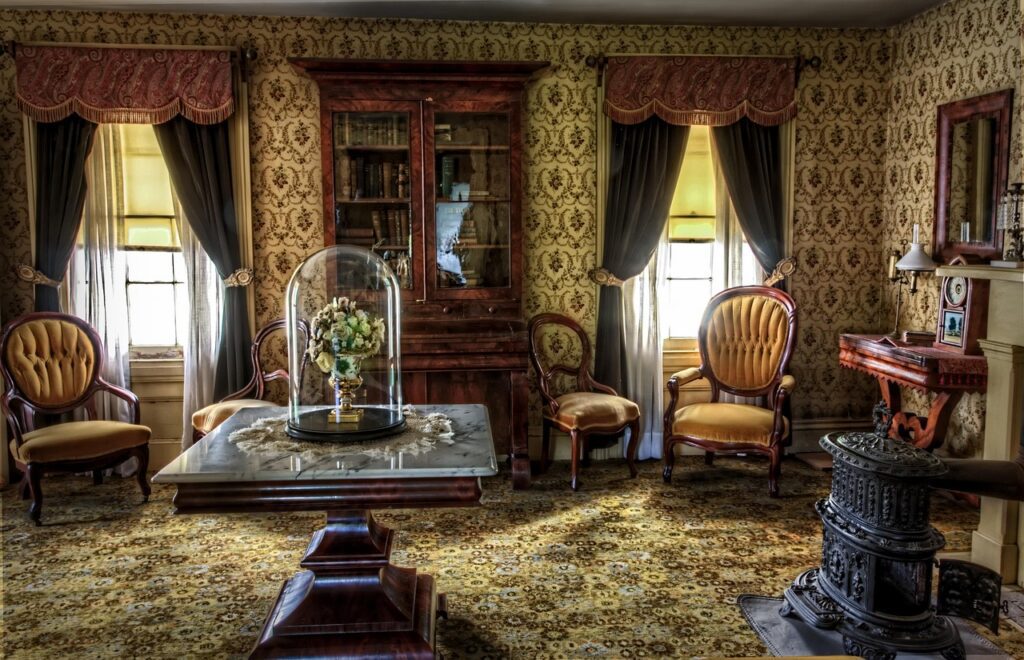
According to color psychology studies from Pantone, warm color palettes increase feelings of happiness and social connection by up to 23%. Your living room or dining area benefits most from this approach.
3. Botanical Garden Mix
Various shades of green—from lime to forest—combined with floral pinks, sunny yellows, and sky blues create a nature-inspired maximalist palette. This scheme works particularly well in rooms with abundant natural light.
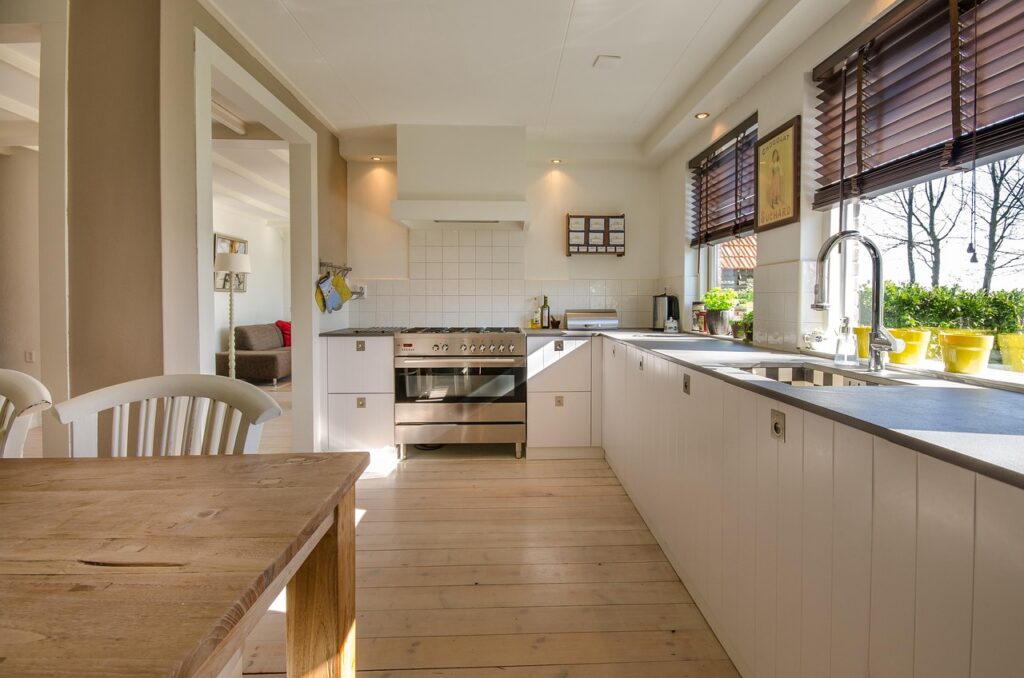
Layer different green tones through plants, wallpaper, upholstery, and accessories. Then punctuate with floral colors that would naturally appear in a garden setting. The result feels fresh rather than overwhelming.
4. Midnight Drama
Deep navy, plum purple, burgundy, and forest green create moody sophistication perfect for bedrooms or studies. Add metallic copper or bronze accents to prevent the space from feeling too dark.
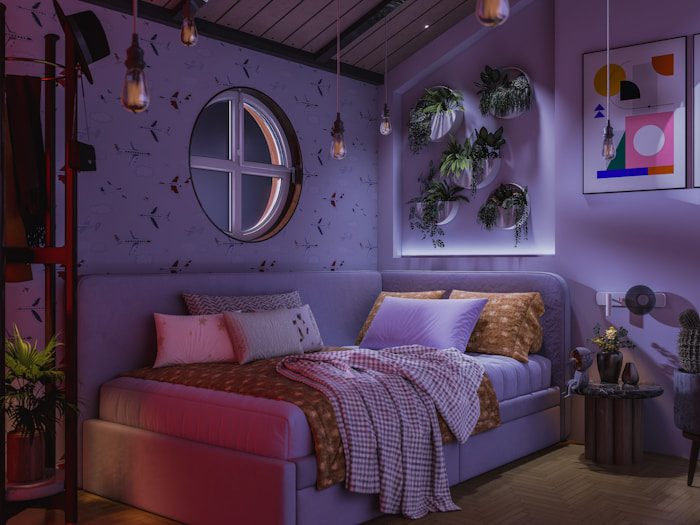
This palette works year-round but feels especially cozy during colder months. Balance the dark hues with lighter textiles and strategic lighting placement to maintain functionality.
5. Candy Shop Brights
Bubble gum pink, mint green, lemon yellow, and turquoise blue deliver playful energy ideal for children’s rooms or creative workspaces. Despite their intensity, these colors create cheerful rather than jarring environments when balanced properly.
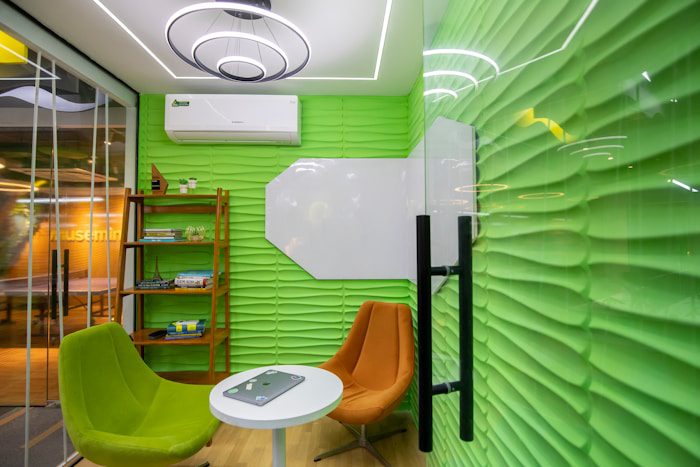
Use white or cream as a neutral buffer between the brightest shades. This prevents sensory overload while maintaining the fun, energetic vibe that defines this palette.
Pattern Mixing Techniques
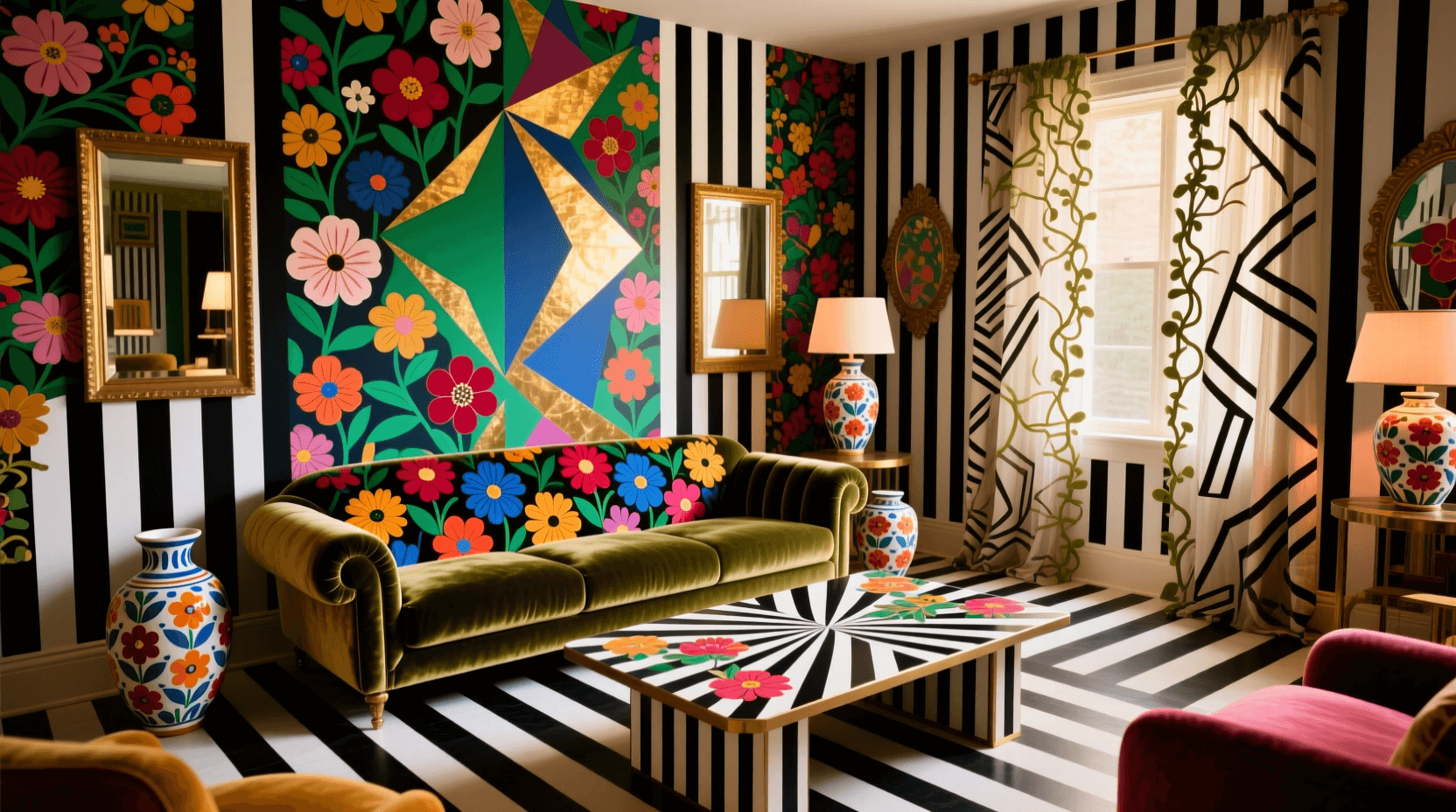
6. Scale Variation Strategy
Combine patterns of different scales—large florals with tiny geometrics, oversized stripes with small dots. This prevents visual competition between patterns by giving each its own distinct space.
A practical formula: use one large-scale pattern, one medium, and one small. For example, large floral curtains, medium ikat throw pillows, and small polka dot accent chairs. The maximalist image generator allows you to test these combinations before purchasing textiles.
7. Color Thread Connection
Select patterns that share at least one common color. This creates visual cohesion even when the patterns themselves differ dramatically. Your eye naturally connects elements through shared hues.
For instance, choose a floral print with pink flowers, geometric curtains with pink lines, and a striped rug with a pink stripe. The pink thread ties everything together despite the pattern diversity.
8. Style Family Grouping
Mix patterns from the same design era or cultural tradition. Combine various Art Deco patterns, or group different traditional Indian prints together. This creates thematic consistency that feels intentional.
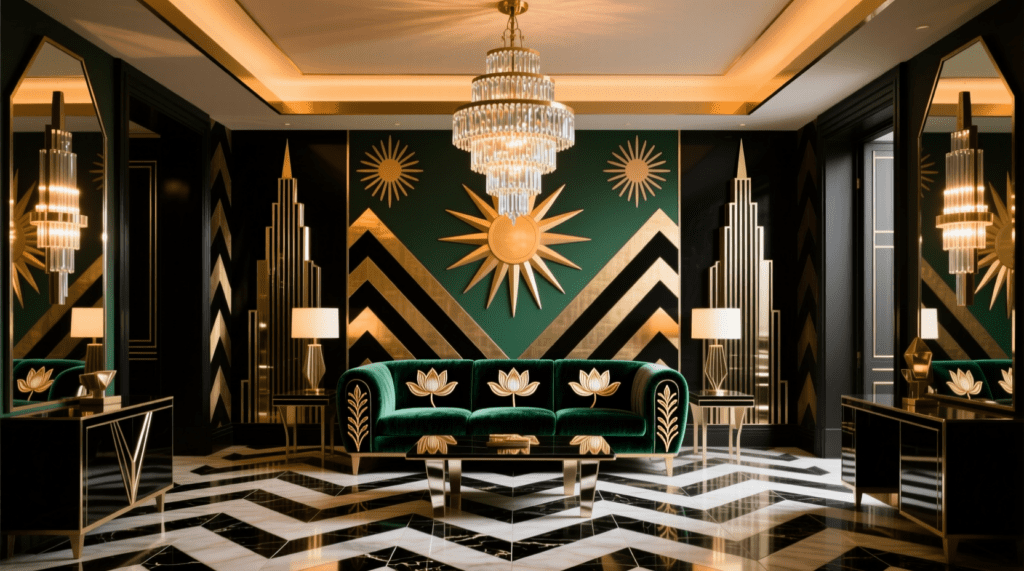
You can explore Art Deco designs or baroque patterns to find cohesive pattern families that work together naturally.
9. Neutral Pattern Buffers
Place neutral patterns between bold ones to give the eye resting spots. Black and white geometrics, beige textures, or cream stripes serve this purpose beautifully.
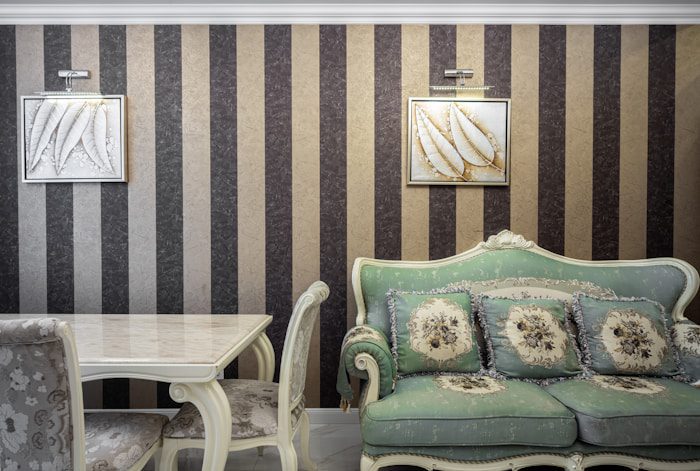
Think of neutral patterns as visual breathing room. They prevent maximalist spaces from crossing into chaos by providing structured pauses between colorful, complex elements.
10. Organic and Geometric Balance
Pair curved, flowing patterns (florals, paisleys) with structured geometrics (stripes, checks, hexagons). This contrast creates dynamic interest that keeps spaces visually engaging.
The human brain finds satisfaction in balancing organic and geometric forms. This principle extends from fine art to interior design, making your maximalist rooms feel naturally harmonious.
Furniture Selection and Arrangement
11. Era-Mixing Furniture Strategy
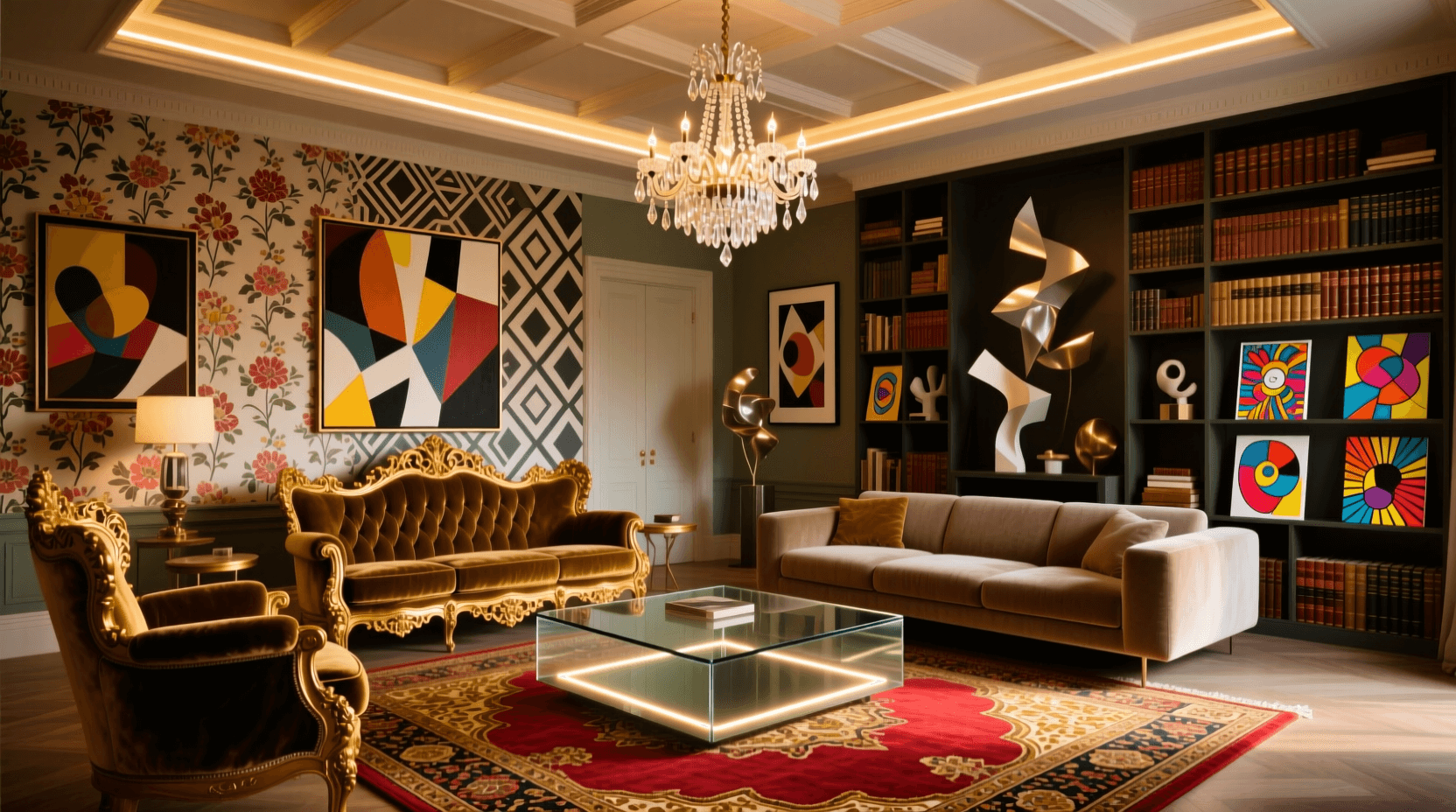
Combine furniture pieces from different time periods—a Victorian settee with mid-century modern chairs and a contemporary glass coffee table. This eclectic approach prevents your space from looking like a museum period room.
According to interior designers interviewed by Elle Decor, mixing furniture eras creates depth and prevents the “showroom” effect that makes homes feel impersonal. Your space should reflect accumulated life experience, not a single shopping trip.
12. Bold Upholstery Choices
Select furniture with eye-catching fabrics—velvet in jewel tones, printed chintz, embroidered textiles, or richly patterned tapestries. Plain, neutral furniture has no place in true maximalism.
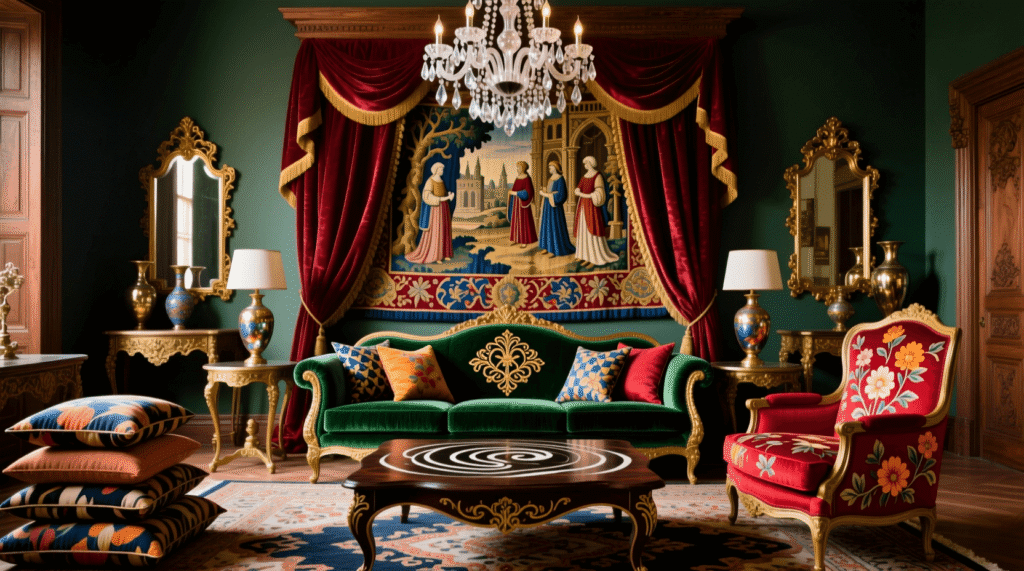
Don’t fear the combination of multiple patterned pieces. A floral sofa can absolutely coexist with striped chairs if they share a color thread connection. Trust the principles rather than playing it safe.
13. Furniture as Art Pieces
Choose pieces with sculptural qualities that function as both furniture and art. An ornately carved wooden chest, a velvet peacock chair, or a brass étagère adds visual interest beyond mere functionality.
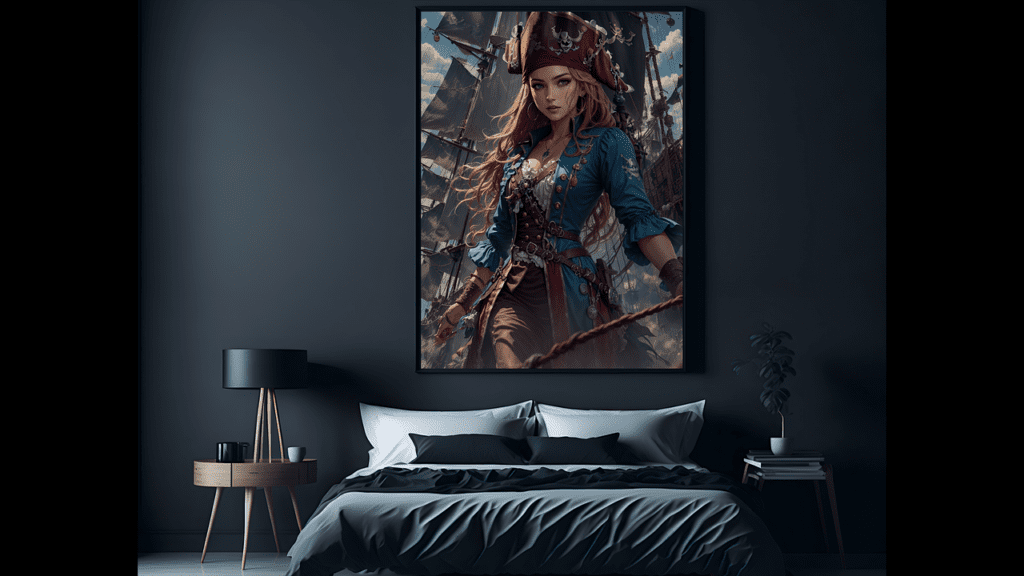
Statement furniture reduces your need for additional decor items. One stunning piece creates more impact than several mediocre ones, even in maximalist design.
14. Layered Seating Arrangements
Create conversation areas with multiple seating options at varying heights—a low pouf next to a standard chair beside a tall bar stool arrangement. This variation adds visual rhythm and practical flexibility.
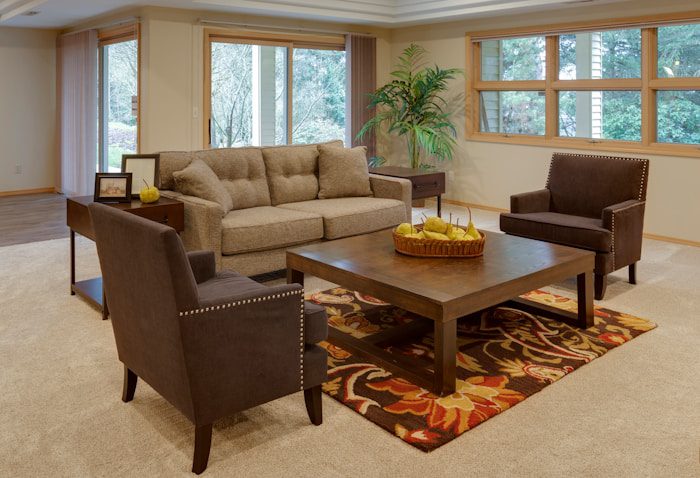
Layered seating also encourages social interaction by providing intimate groupings within larger rooms. Guests naturally gravitate toward these cozy, varied arrangements.
15. Functional Display Furniture
Use open shelving, glass-front cabinets, and display cases to showcase collections while keeping them accessible. This serves maximalism’s dual purpose—beauty and personality expression.
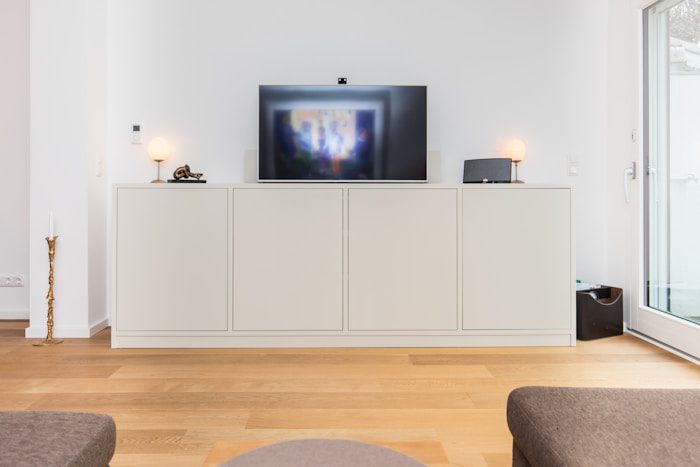
Your grandmother’s teacup collection, vintage cameras, or colorful book spines all become part of the room’s design when displayed intentionally on the right furniture pieces.
Wall Treatments and Gallery Walls
16. Wallpaper as Foundation
Bold, patterned wallpaper provides the perfect maximalist backdrop. Choose large-scale florals, damask patterns, or scenic murals that set the room’s tone immediately.
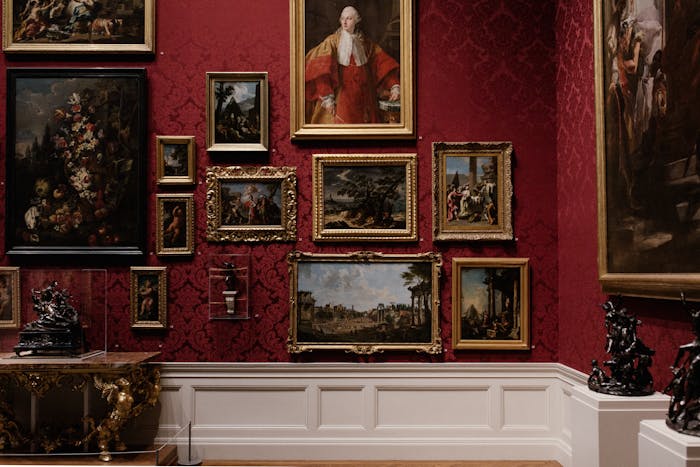
Modern peel-and-stick wallpaper makes this commitment less permanent, allowing you to experiment without major renovation. You can change patterns seasonally or whenever your style evolves.
17. Gallery Wall Abundance
Cover an entire wall with artwork, photographs, mirrors, and decorative objects in varying sizes and frame styles. Aim for 60-80% wall coverage in a maximalist gallery wall versus the sparse 30% typical of minimalist arrangements.
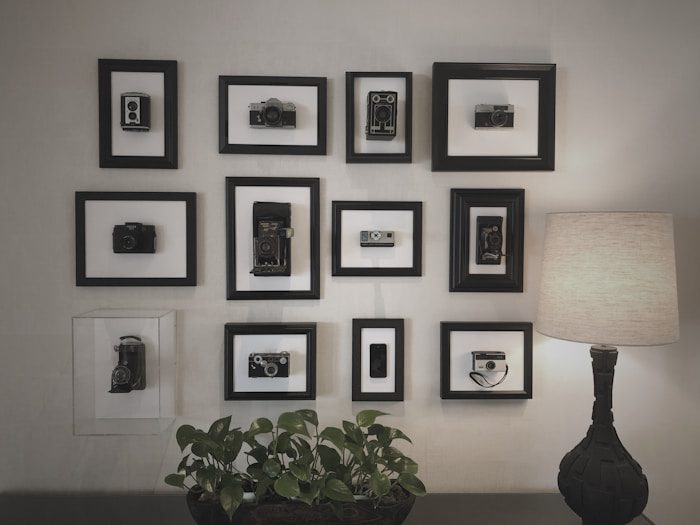
Start by laying out your arrangement on the floor first. Photograph it for reference, then replicate the pattern on your wall. This planning prevents excessive nail holes from trial and error.
18. Painted Murals
Commission or DIY a hand-painted mural that reflects your interests—a tropical jungle scene, cityscape, or abstract color-field painting. This ultimate personalization creates a one-of-a-kind space.
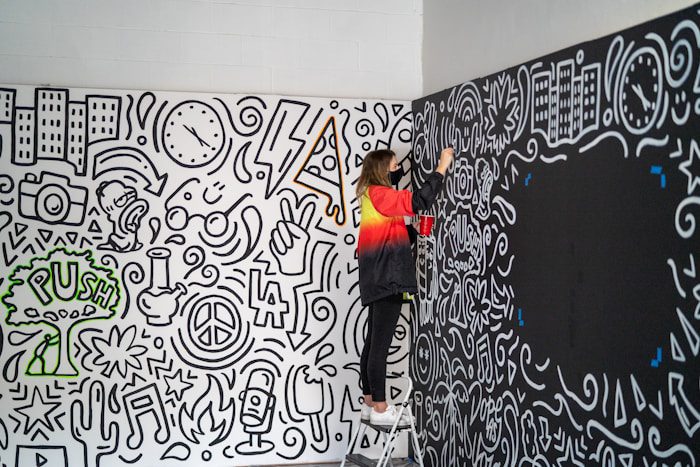
If painting intimidates you, consider using an AI art generator to design your ideal mural, then hiring a professional to execute it based on your digital mockup.
19. Architectural Molding and Trim
Add crown molding, picture rails, chair rails, and decorative ceiling medallions. These architectural elements provide structure that helps organize visual abundance.
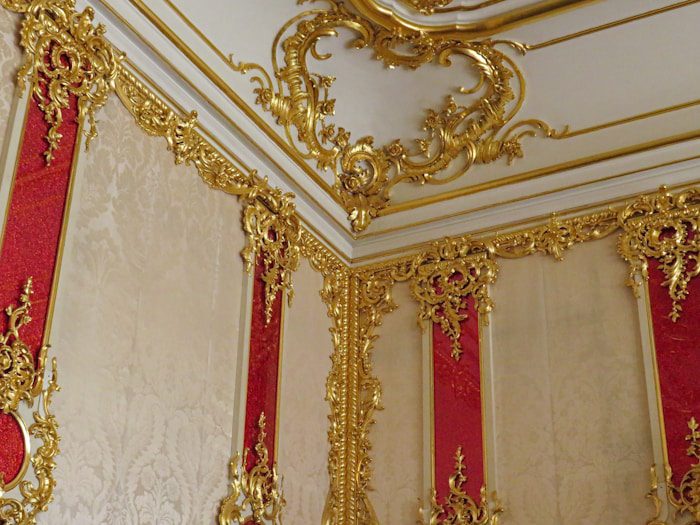
Paint moldings in contrasting colors—gold against navy walls, white against emerald, or even rainbow stripes for ultimate maximalism. These details read as intentional rather than excessive when properly executed.
20. Ceiling as Fifth Wall
Paint or wallpaper your ceiling in bold colors or patterns. This often-neglected surface offers prime real estate for maximalist expression, especially in bedrooms where you see it often.
According to traditional design wisdom from Veranda, decorated ceilings make rooms feel more finished and luxurious. Maximalism simply takes this principle to its logical extreme.
Textile Layering Strategies
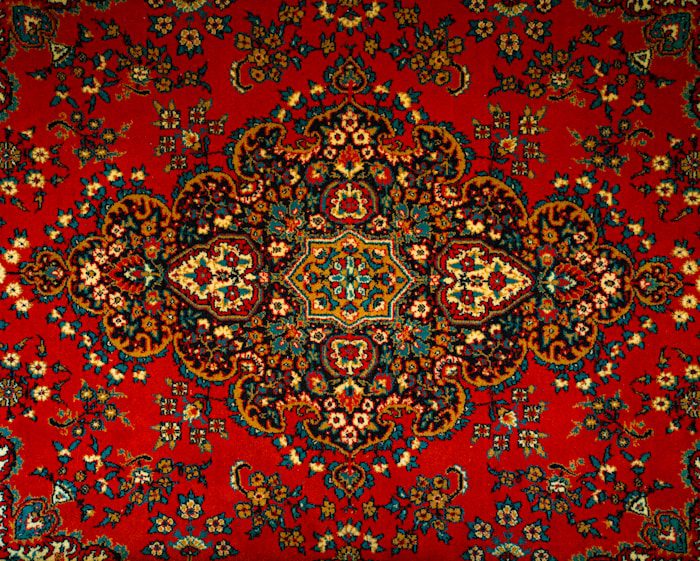
21. Rug Layering Technique
Place smaller rugs over larger ones to add dimension and pattern variation. A vintage Persian rug topped with a modern geometric runner creates unexpected visual interest.
This technique works particularly well in open floor plans where you need to define different zones within one continuous space. Each layered rug combination signals a new functional area.
22. Pillow Abundance
Go beyond the standard two or three throw pillows. Maximalist sofas can comfortably handle 7-10 pillows in various sizes, patterns, and textures. Mix velvets, silks, embroidered textiles, and printed cottons.
Arrange pillows by size with largest in back, graduating to smallest in front. Vary the pattern scale and ensure all pillows share at least one color to maintain cohesion.
23. Curtain Drama
Hang floor-to-ceiling curtains in bold prints or rich colors, even on windows that don’t require privacy coverage. Curtains soften hard architectural lines and add essential textile texture to maximalist rooms.
Consider double-hanging—sheer curtains layered under heavy drapes—for ultimate versatility and visual richness. This traditional technique has resurged in maximalist design applications.
24. Throw Blanket Collections
Drape multiple throw blankets over furniture—not folded neatly, but arranged in seemingly casual (though carefully planned) arrangements. Mix faux fur, chunky knits, woven textiles, and printed fleece.
These layers add warmth, texture, and color while serving the practical purpose of keeping you cozy. They also allow easy seasonal rotation to refresh your space.
25. Textile Wall Hangings
Hang tapestries, quilts, macramé, or fabric art on walls alongside framed pieces. This adds texture variation that flat prints can’t provide, creating dimensional interest.
Vintage textiles from markets or family heirlooms work particularly well in this application, adding personal history and uniqueness to your maximalist design.
Statement Lighting Fixtures
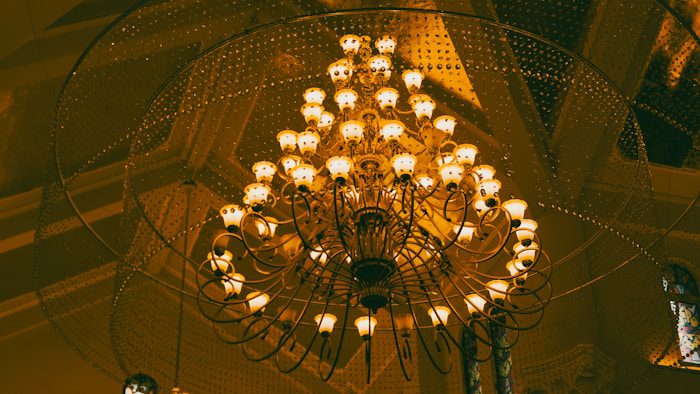
Lighting serves functional needs while acting as sculptural art in maximalist spaces. Oversized chandeliers, colorful pendant lights, and ornate table lamps all contribute to the overall aesthetic.
Layer your lighting with ambient ceiling fixtures, task lighting for specific activities, and accent lights to highlight artwork or architectural features. This creates depth and allows you to adjust the room’s mood.
Consider fixtures with colored glass, beaded details, metallic finishes, or unusual shapes. Standard builder-grade lighting feels invisible, which contradicts maximalist principles entirely.
According to lighting designers featured in Lighting Design Lab, statement fixtures have become key investment pieces as homeowners recognize their dual role in functionality and decoration.
Curating and Displaying Collections
Maximalism provides the perfect framework for displaying collections that would overwhelm minimalist spaces. Whether you collect vintage cameras, antique books, ceramic vases, or toy robots, there’s a place for your passion.
Group similar items together rather than scattering them throughout your home. A collection displayed en masse creates intentional impact instead of appearing random or cluttered.
Use risers, stands, and varying heights to create visual interest within displays. Items at the same level look static, while varied heights guide the eye naturally through the arrangement.
Rotate displayed items seasonally to keep your space feeling fresh. Store some pieces while showcasing others, then swap them quarterly. This prevents visual fatigue while honoring your entire collection.
Don’t hide your collections behind closed doors. Maximalism celebrates the things you love, making them central to your design rather than apologizing for their existence.
Using AI to Visualize Maximalist Designs
AI tools have revolutionized how we plan maximalist interiors. You can test bold combinations digitally before committing to expensive purchases or permanent changes.
The maximalist image generator allows you to input your room dimensions, preferred colors, and style preferences to generate realistic visualizations. This removes guesswork from design decisions.
Start by photographing your existing space from multiple angles. Upload these to AI visualization tools, then experiment with different maximalist elements—wallpaper, furniture arrangements, color schemes, and accessories.
Save multiple versions to compare side-by-side. Sometimes combinations that sound perfect in theory don’t translate visually, while unexpected pairings create magic. AI helps you discover these happy accidents without financial risk.
You can also use AI to generate custom art prints or patterns that perfectly match your color scheme. Design unique pieces that would be impossible to find in stores, ensuring your maximalist space remains truly one-of-a-kind.
Beyond static images, some AI tools now offer virtual room tours where you can “walk through” your designed space before executing the plan. This immersive experience helps you understand how designs will feel, not just look.
Room-by-Room Application
Living Room Maximalism
Living rooms handle maximalism beautifully since they’re designed for gathering and impression-making. Layer multiple seating options, bold artwork, patterned textiles, and displayed collections.
Create a focal point—a fireplace, gallery wall, or stunning sofa—then build around it with complementary elements. Every piece should relate to this anchor through color, style, or theme.
Don’t neglect corners or vertical space. Floor-to-ceiling bookshelves, tall plants, and corner cabinets ensure every inch contributes to the overall abundance.
Bedroom Maximalism
Bedrooms benefit from slightly restrained maximalism focused on creating cocoon-like comfort. Rich textiles, layered bedding, and bold wallpaper create intimacy without overstimulation.
Consider the Victorian design aesthetic for bedroom inspiration—ornate furniture, heavy drapes, and romantic color palettes translate perfectly to modern maximalist bedrooms.
Balance visual interest with restful areas. Your bed should be the room’s clear focal point, with other elements supporting rather than competing with it.
Kitchen and Dining Maximalism
Open shelving displays colorful dishware collections, creating functional art. Paint cabinets in bold colors, install patterned tile backsplashes, and hang statement lighting over tables.
Kitchens actually benefit from maximalist approaches since you need many items accessible. Instead of hiding everything, make your tools and ingredients part of the design.
Dining rooms should feel celebratory and abundant—perfect for maximalism. Layer table linens, mix chair styles, and create dramatic centerpieces that spark conversation.
Bathroom Maximalism
Small bathrooms become jewel boxes when treated to maximalist design. Bold wallpaper, colorful tiles, ornate mirrors, and displayed toiletries create luxury spa feelings.
Don’t fear pattern in bathrooms despite their size. Small spaces can handle bold design better than conventional wisdom suggests, as long as you maintain some consistent color threads.
Use open shelving to display pretty soaps, perfumes, and linens as part of your design. Functional items become decorative when thoughtfully arranged and presented.
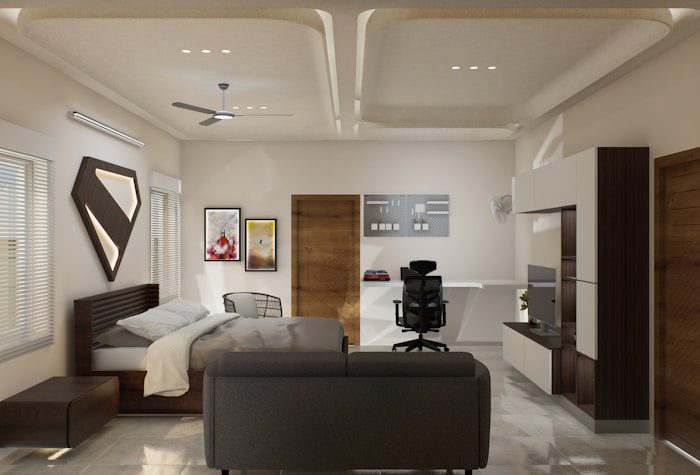
Home Office Maximalism
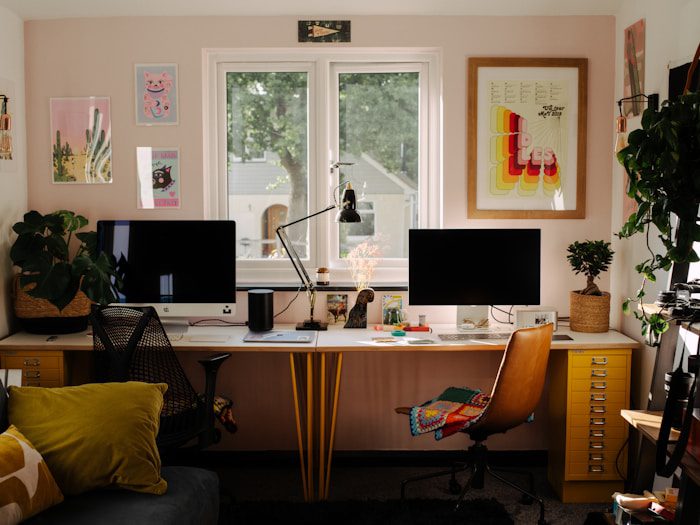
Creative work thrives in stimulating environments. Maximize your office with inspiration boards, colorful storage solutions, and personality-packed accessories.
Balance visual richness with functional organization. Use attractive containers, boxes, and shelving systems that keep necessities accessible while maintaining aesthetic cohesion.
Consider exploring AI image prompt generators to create custom motivational artwork that reflects your specific creative goals and maximalist style preferences.
Common Pitfalls to Sidestep
Maximalism done poorly becomes clutter rather than curated abundance. These pitfalls sabotage even well-intentioned designs.
The biggest mistake involves adding everything you own to every space. Successful maximalism still requires editing and curation. Each displayed item should earn its place through beauty, meaning, or functional contribution.
Another failure point comes from neglecting color theory entirely. While maximalism embraces multiple colors, they must relate through shared undertones, complementary relationships, or analogous positioning on the color wheel.
Ignoring scale creates visual confusion. Mix large, medium, and small elements rather than choosing all massive or all tiny items. This variation prevents monotony while maintaining interest.
Poor lighting undermines even the best maximalist design. Dark corners or harsh overhead lights make abundance look like mess rather than intentional design. Layer your lighting sources carefully.
Finally, copying someone else’s maximalist space exactly misses the style’s entire point. The beauty of maximalism lies in personal expression. Use inspiration as a starting point, not a blueprint to replicate.
Budget-Friendly Maximalism
Maximalist design doesn’t require unlimited funds, though it may seem that way when viewing professionally designed spaces. Strategic shopping and creative solutions achieve stunning results on any budget.
Thrift stores, estate sales, and online marketplaces provide treasure troves of unique maximalist pieces. Vintage items often cost less than new purchases while offering superior quality and character.
Paint transforms budget furniture into statement pieces. A $30 dresser from a yard sale becomes showpiece-worthy with the right color and updated hardware. This approach creates custom looks at fraction-of-retail prices.
DIY artwork fills walls inexpensively. Create abstract paintings, frame interesting fabric scraps, or print and frame your own photography. AI-generated art provides another cost-effective option for unique pieces.
Prioritize investment pieces where quality matters—sofas, rugs, mattresses—while going budget-friendly on accessories, artwork, and decorative items you’ll likely rotate seasonally anyway.
According to consumer research from Apartment Therapy, 78% of stylish homes were decorated gradually over time rather than through single large purchases. Maximalism particularly benefits from this accumulation approach.
Sustainability in Maximalist Design
Maximalism and sustainability complement each other naturally. The style celebrates unique vintage finds and repurposed items rather than demanding everything be new and matching.
Shop secondhand first. Vintage furniture, textiles, and accessories add character while reducing environmental impact. Each piece carries history that new items lack, adding depth to your maximalist narrative.
Repurpose items creatively. Old windows become wall art, vintage suitcases stack into side tables, and antique doors transform into headboards. This creative reuse defines sustainable maximalism.
Choose quality over quantity, even in abundance. Well-made items last longer, reducing replacement cycles and waste. Invest in pieces you’ll love for decades rather than trendy items you’ll discard quickly.
Support artisans and small makers when possible. Handmade items bring uniqueness while supporting sustainable production methods and fair labor practices.
Frequently Asked Questions
Is maximalist design going out of style?
Maximalism continues gaining popularity as people seek personal expression in their homes. Unlike trend-dependent styles, maximalism’s foundation in individual taste makes it essentially timeless. The specific colors and patterns may evolve, but the core principles remain relevant across decades.
Can small spaces work for maximalist design?
Absolutely. Small spaces often handle maximalism better than large ones because every element remains visible and contributes to the overall design. The key involves maintaining some organizational systems and ensuring good lighting so the space doesn’t feel cramped.
How do I start transitioning from minimalism to maximalism?
Begin gradually by adding one bold element—patterned curtains, a colorful rug, or statement artwork. Live with this addition for a week, then add another. This gradual approach helps you discover your comfort level with visual richness without overwhelming yourself.
What’s the difference between maximalism and hoarding?
Maximalism involves curated, intentional displays of items you love and use. Hoarding accumulates items without discrimination or organization. Maximalist spaces feel abundant but organized, while hoarded spaces become dysfunctional. If you can’t use your space comfortably, you’ve crossed into hoarding territory.
Do maximalist designs require professional help?
Not necessarily. Many successful maximalist spaces are designed by their owners using basic principles and personal taste. However, professional designers can help if you feel stuck or overwhelmed by choices. They offer expertise in color theory and space planning that accelerates the process.
How often should I update maximalist decor?
Maximalist spaces evolve naturally as you acquire new pieces and rotate displayed items. Many maximalists refresh accessories seasonally while keeping major elements (furniture, wallpaper) for years. This gradual evolution keeps spaces feeling fresh without requiring complete overhauls.
Can I combine maximalism with other design styles?
Yes. Maximalism pairs well with various aesthetics—bohemian maximalism, modern maximalism, traditional maximalism, or eclectic maximalism. The style provides a framework for abundance while allowing your personal aesthetic preferences to guide specific choices.
What if my partner prefers minimalism?
Compromise by designating certain rooms or areas for each preference. Your partner might prefer a minimalist bedroom while you maximize the living room. Alternatively, practice “edited maximalism” that incorporates more items than pure minimalism but maintains some breathing room.
How do I prevent maximalist spaces from looking dated?
Focus on quality pieces you genuinely love rather than chasing trends. Classic patterns, well-made furniture, and timeless colors age better than trendy items. Your space should reflect your personality, not magazine trends, making it inherently timeless.
Can I use AI tools even if I’m not tech-savvy?
Modern AI design tools feature user-friendly interfaces requiring no technical expertise. Most function like simple photo editors where you select options from menus rather than writing code. The free AI tools available make experimentation risk-free and accessible to everyone.
Creating Your Maximalist Journey
Maximalist interior design offers freedom to celebrate your personality, collections, and color preferences without apology. This style rewards boldness while providing structure through proven principles of scale, color theory, and intentional curation.
Start small if maximalism intimidates you. Add one bold element, assess how it makes you feel, then build from there. Trust your instincts about what brings you joy—that’s ultimately what maximalism celebrates.
AI visualization tools remove the risk from bold design choices. Test combinations digitally before committing resources, allowing you to experiment freely with ideas that might seem too daring to attempt without preview.
Your home should tell your story through the things you love. Maximalist design simply provides the framework to tell that story abundantly, colorfully, and unapologetically. Embrace the more-is-more philosophy and create spaces that energize rather than simply exist.
The 25 ideas presented here offer starting points, not rigid rules. Adapt them to your space, budget, and preferences. Successful maximalism reflects individual taste rather than following formulas, making your journey uniquely yours.