Monochromatic images strip away the distraction of color to reveal something deeper in the texture, emotion, contrast, and form. If you’re a photographer seeking to capture timeless elegance, a digital artist exploring tonal depth, or someone curious about AI-generated art, working with a single-color palette opens creative possibilities that full-color work simply cannot replicate.
This collection presents 30 monochromatic image ideas spanning traditional photography, digital painting, and AI-generated artwork. Each entry offers practical guidance you can apply to your own projects, along with techniques professional artists use to create compelling single-hue compositions.
Table of Contents
1. Misty Mountain Silhouettes in Grayscale
2. Urban Street Portrait with Deep Shadows
3. Sepia-Toned Vintage Architecture
4. Blue Monochrome Ocean Waves
5. High-Contrast Black and White Wildlife
6. Red Monochromatic Abstract Expressionism
7. Minimalist Desert Dunes in Sand Tones
8. Green Forest Canopy Study
9. Purple Twilight Cityscape
10. Charcoal Portrait Sketch
11. Golden Hour Landscape in Warm Amber
12. Ice Blue Frozen Texture Close-Up
13. Noir-Style Film Still
14. Pink Monochrome Product Photography
15. Teal Underwater Scene
16. Burnt Orange Industrial Decay
17. Lavender Floral Macro
18. Silver Metallic Still Life
19. Cyanotype Botanical Print
20. Warm Brown Coffee Shop Interior
21. Cool Gray Architectural Lines
22. Crimson Theatre Drama Portrait
23. Olive Earthy Landscape
24. Coral Tones Fashion Editorial
25. Midnight Blue Starscape
26. Moss Green Nature Abstract
27. Copper Mechanical Details
28. Dusty Rose Portrait with Soft Light
29. Slate Gray Moody Weather Scene
30. AI-Generated Surreal Monochrome Fantasy
What Makes Monochromatic Images Powerful?
Before getting into the inspiration gallery, it’s worth understanding why monochromatic color images continue to captivate artists and audiences alike. The Monochrome Photography Awards, now in its fourth year, draws entries from over 90 countries. This is proof of the enduring appeal of single-hue artistry.
When you remove color variety from an image, composition becomes paramount. The viewer’s eye travels across light and shadow rather than jumping between contrasting hues. This forces both the creator and the audience to engage more deeply with form, texture, and spatial relationships. Professional photographers competing in contests like the Black and White Photo Awards 2025 demonstrate that monochrome has the capacity to illuminate human stories and natural beauty with profound emotional resonance.
With that being saif lets get into the list of inspiring monochromatic images in this guide.
1. Misty Mountain Silhouettes in Grayscale
Few subjects demonstrate the power of grayscale monochromatic images better than layered mountain ranges disappearing into morning mist. The technique relies on atmospheric perspective—distant peaks appear lighter and less defined than foreground elements, creating natural tonal gradation without any manipulation.
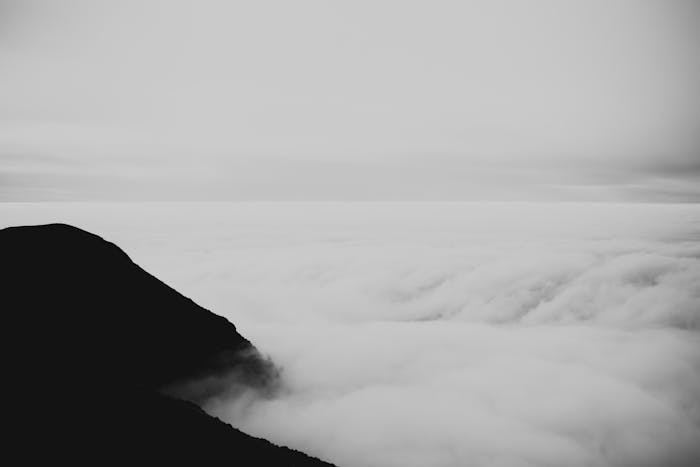
Capture this look by shooting during the hour after sunrise when valleys fill with fog. Position yourself at an elevated viewpoint where multiple ridgelines recede into the distance. In post-processing, convert to black and white while slightly boosting midtone contrast to separate the layers. The result feels both ancient and timeless, stripped of any temporal markers that color might introduce.
Digital artists can recreate this effect by painting layers of progressively lighter gray tones, using soft edges for distant elements and sharper definition for foreground details. AI art generators respond well to prompts specifying “atmospheric perspective” and “layered mountain silhouettes in grayscale.”
2. Urban Street Portrait with Deep Shadows
Street photography achieves dramatic intensity when reduced to pure black and white. Look for scenes where harsh directional light creates strong shadows—a figure emerging from a dark alleyway, sunlight cutting between buildings to illuminate a single face, or the geometric patterns cast by fire escapes and scaffolding.
The key lies in exposing for the highlights and letting shadows fall into true black. This high-contrast approach eliminates middle grays, creating graphic compositions that feel bold and immediate. Henri Cartier-Bresson and other masters of the form understood that monochrome street photography captures decisive moments with an urgency that color often dilutes.
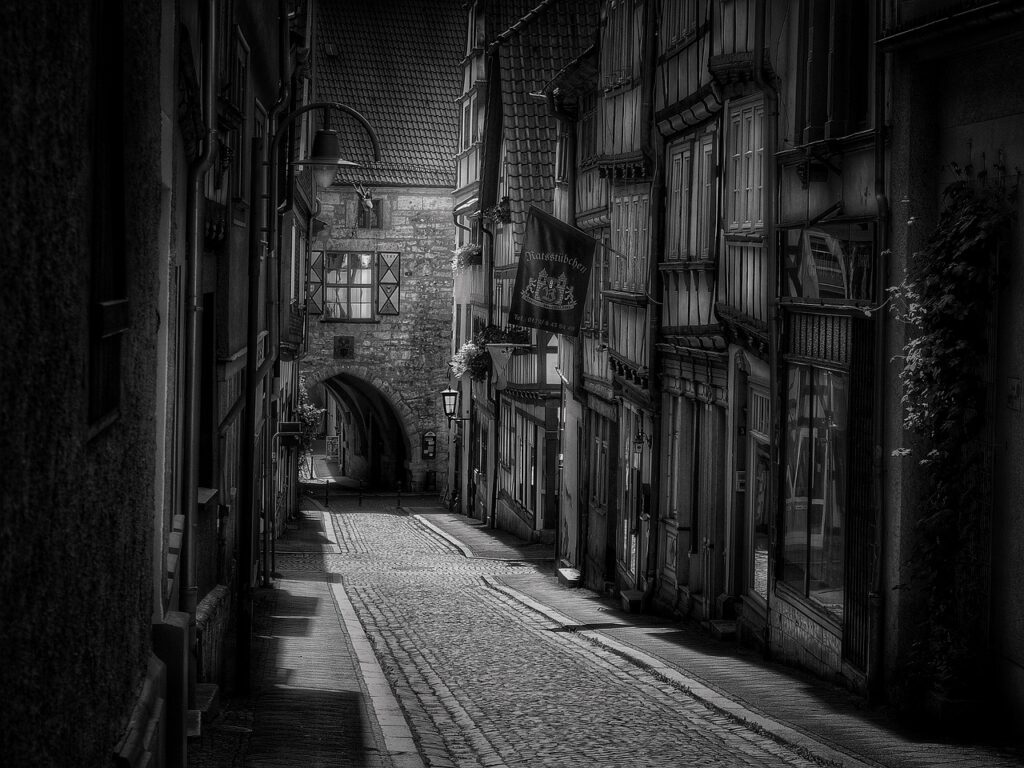
When shooting, meter off the brightest skin tone and let everything else fall where it may. The resulting image should feel carved from light and darkness, with your subject existing in that narrow band where detail survives.
3. Sepia-Toned Vintage Architecture
Sepia toning transforms ordinary architectural photography into something that feels discovered rather than created—as if pulled from an old leather portfolio found in an antique shop. This warm brown monochromatic palette works particularly well with Victorian buildings, Art Deco facades, and any structure built before the mid-twentieth century.
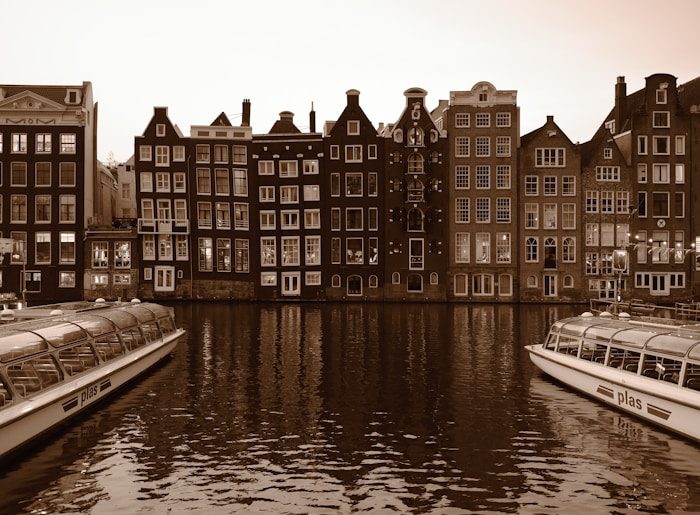
The authentic sepia process involved treating silver-based prints with chemicals that converted metallic silver to silver sulfide, producing those characteristic warm brown tones while also improving archival stability. Digital sepia mimics this effect but allows precise control over warmth and intensity.
For convincing results, add subtle vignetting at the corners and consider introducing slight film grain. The warmth of sepia makes cold stone feel approachable and gives harsh lines a nostalgic softness that pure black and white lacks.
4. Blue Monochrome Ocean Waves
Yves Klein spent his career exploring the emotional weight of a single blue—his trademarked International Klein Blue became synonymous with infinity and contemplation. Ocean wave photography in blue monochrome taps into similar territory, using various shades of a single hue to convey depth, movement, and elemental power.
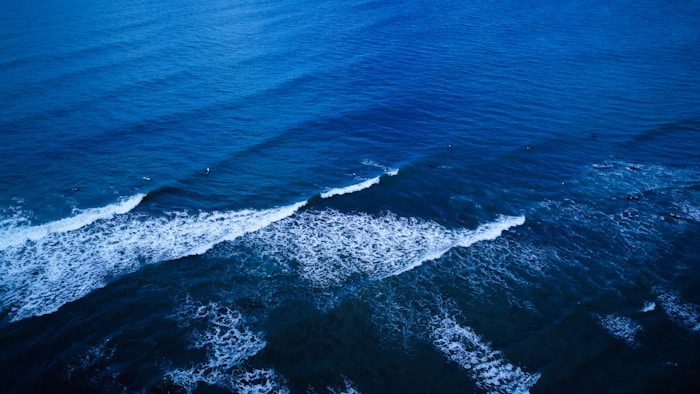
Shoot during overcast conditions when natural light already skews cool. In post-processing, shift all tones toward blue while maintaining the full range from nearly black depths to foam-white highlights. The monochromatic color scheme emphasizes the wave’s form and energy without the distraction of warm sand or green undertones.
Product photographers at Envato Elements note that blue evokes calmness and trust—qualities that translate beautifully to seascape imagery where the endless repetition of waves creates meditative compositions.
5. High-Contrast Black and White Wildlife
Wildlife photography in pure black and white demands patience and an eye for graphic shapes. The Black and White Photo Awards regularly celebrates fauna images that transform living creatures into sculptures of light and shadow.
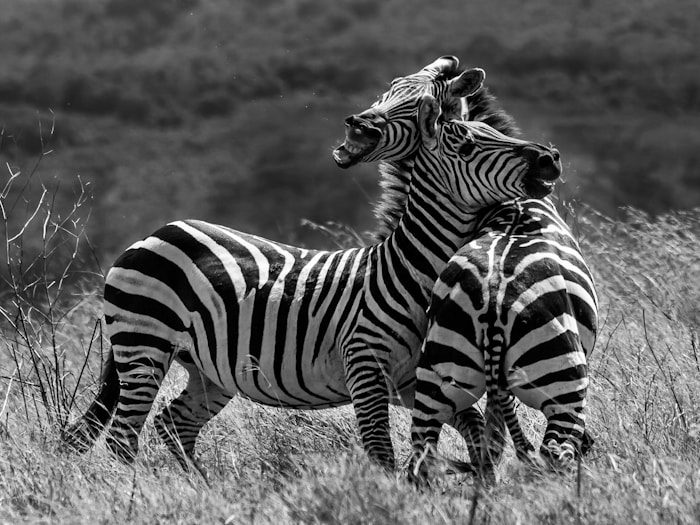
Zebras present the obvious choice, but consider less literal subjects: the curve of an elephant’s ear backlit against bright sky, a polar bear’s form dissolving into snow, or the silhouette of a raptor in flight. The absence of color removes the animal from its habitat in an interesting way, presenting it as pure form rather than ecological subject.
Post-processing should push blacks truly dark and whites genuinely bright. Wildlife monochrome works best with bold tonal separation rather than soft gradations—you want the viewer to feel the animal’s presence as a graphic statement.
6. Red Monochromatic Abstract Expressionism
Red carries emotional weight that other colors struggle to match—passion, danger, warmth, and urgency all live within its spectrum. A monochromatic image built entirely from reds and their tints creates immediate visceral impact that draws viewers into contemplation.
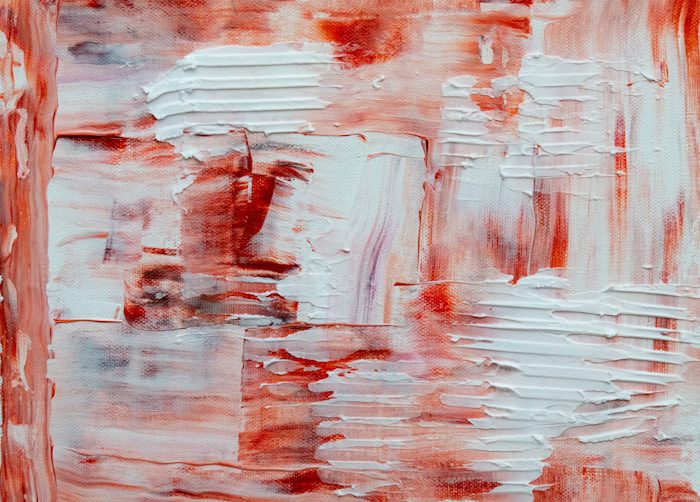
Mark Rothko’s color field paintings demonstrate how a single hue can occupy space with commanding presence. To create red monochromatic digital art, begin with a base of deep crimson and build upward through vermillion, scarlet, and rose into the palest blush tones. Texture becomes crucial when color variety is absent—consider layered brushwork, dripping effects, or geometric patterns that create visual interest through form alone.
AI generators like those at OpenArt and NightCafe can produce striking red abstract compositions when prompted with specific emotional keywords alongside the color specification.
7. Minimalist Desert Dunes in Sand Tones
Desert landscapes naturally present themselves in monochromatic palettes—endless variations of tan, ochre, and gold stretching to the horizon. Photographing dunes at dawn or dusk emphasizes this quality, as low-angle light creates pronounced shadows that define each ridge and ripple.
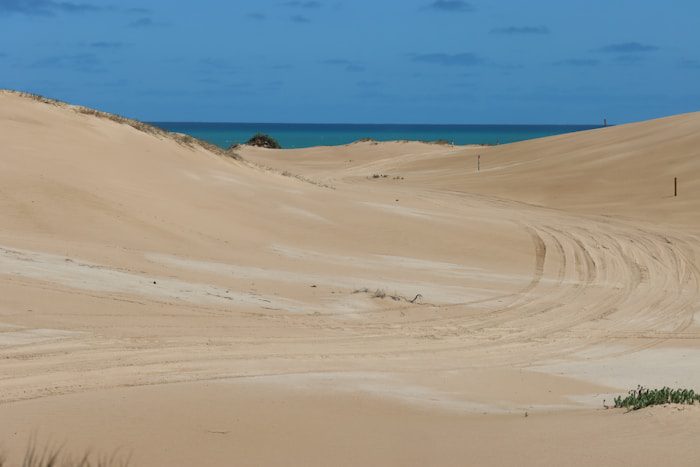
The minimalist approach requires careful framing. Exclude anything that doesn’t serve the composition: no scattered vegetation, no distant vehicles, no power lines. What remains should be pure shape—the sinuous curves of wind-sculpted sand rendered in a palette of warm earth tones.
Digital enhancement can push this effect further by unifying all tones toward a single sandy hue while preserving the tonal range that defines the dunes’ three-dimensional form. The result feels both real and abstracted, a meditation on landscape stripped to its essentials.
8. Green Forest Canopy Study
Looking up through forest canopy presents a monochromatic image opportunity that requires no post-processing—leaves upon leaves upon leaves, all variations of green filtering sunlight into a jade-toned cathedral. The technique involves lying on the forest floor and shooting straight up through the branches.
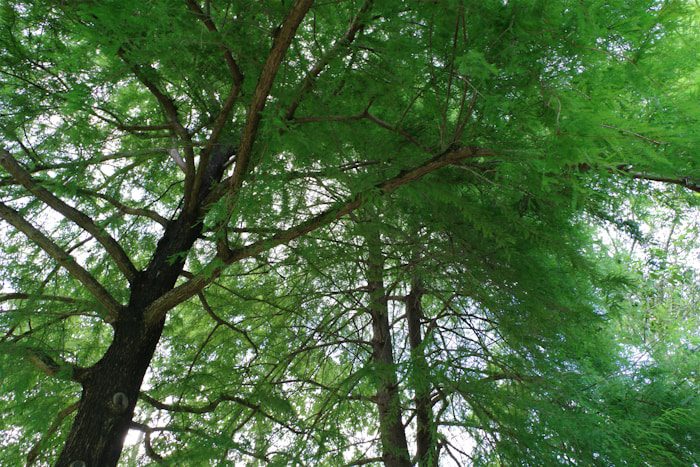
Spring offers the most luminous greens, when new growth hasn’t yet darkened to summer’s deep emerald. Overcast days provide even illumination that shows the layered translucency of overlapping leaves. Slight overexposure adds to the ethereal quality, making the canopy feel like light itself rather than solid matter.
For digital artists, forest canopy studies provide excellent practice in rendering organic shapes and translucent layers within a restricted palette. Build from dark forest floor shadows up through mid-tone foliage to bright sky glimpses, keeping everything within the green family.
9. Purple Twilight Cityscape
The period between sunset and full darkness paints cities in natural purple light—a phenomenon that makes urban monochromatic photography possible without extensive editing. During this brief window, ambient light and artificial illumination balance to create scenes dominated by violet and lavender tones.
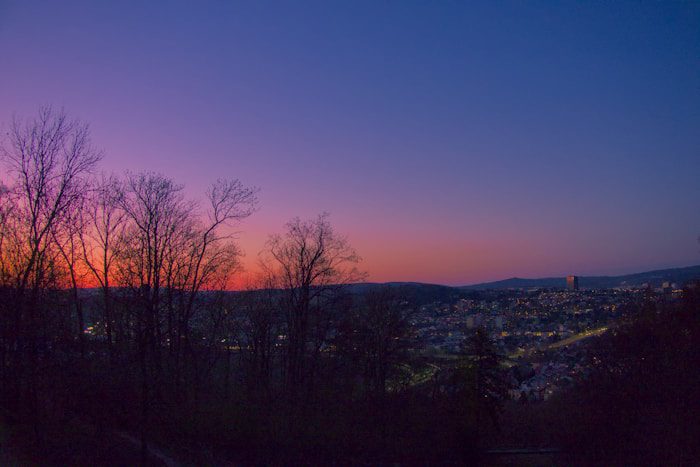
Capture this effect by shooting thirty to forty-five minutes after sunset, when the sky retains deep color but streetlights have already activated. Long exposures smooth traffic into flowing light trails while preserving the purple atmospheric quality. The monochromatic unity transforms busy streetscapes into dreamlike compositions.
Post-processing can enhance natural twilight tones by shifting all colors toward purple while maintaining luminosity differences. The result suggests a liminal moment—neither day nor night, but something altogether more magical.
10. Charcoal Portrait Sketch
Traditional charcoal drawing offers perhaps the purest form of monochromatic image creation. The medium naturally restricts the artist to blacks, whites, and grays while providing rich textural possibilities through smudging, erasing, and layering.
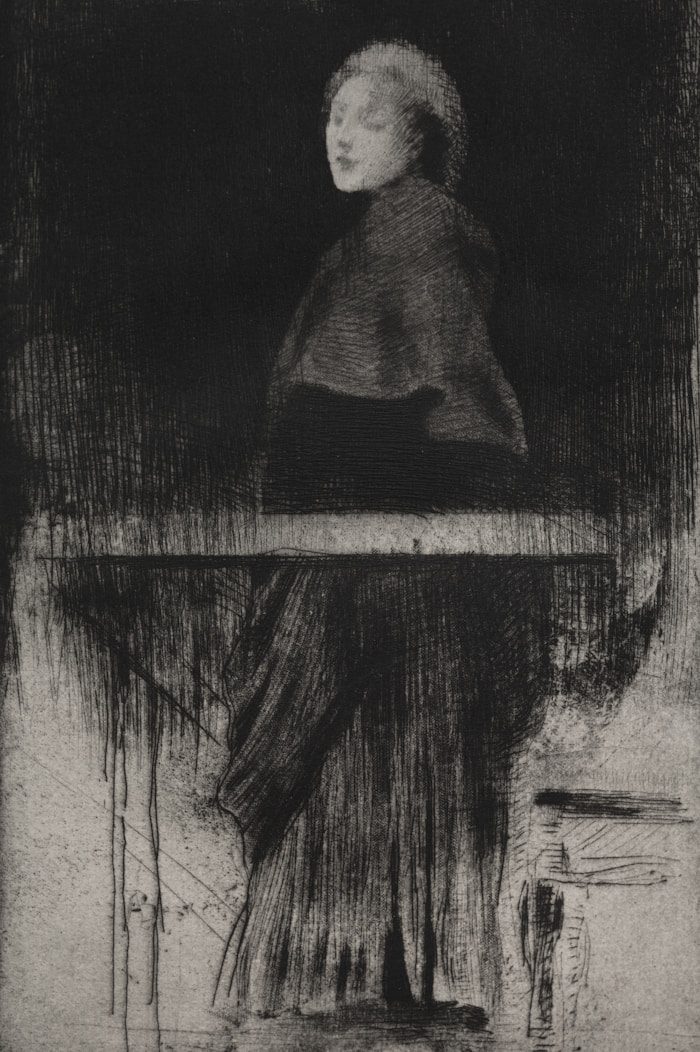
Portrait work in charcoal requires understanding how to suggest form through value alone. Study how artists like Kathe Kollwitz used the medium to capture psychological depth—the darkest blacks reserved for shadows that define cheekbones and eye sockets, the lightest touches of white bringing forward the bridge of a nose or the curve of a lower lip.
Digital artists can simulate charcoal effects using textured brushes and careful attention to edge quality. The best charcoal-style digital work maintains the medium’s characteristic blend of sharp marks and soft gradations rather than pursuing photorealistic smoothness.
11. Golden Hour Landscape in Warm Amber
Golden hour light already skews warm, but processing a landscape entirely in amber tones transforms a pleasant sunset into something otherworldly. The approach works particularly well with rural scenes—wheat fields, weathered barns, and dusty roads that already contain the yellows and oranges you’ll emphasize.
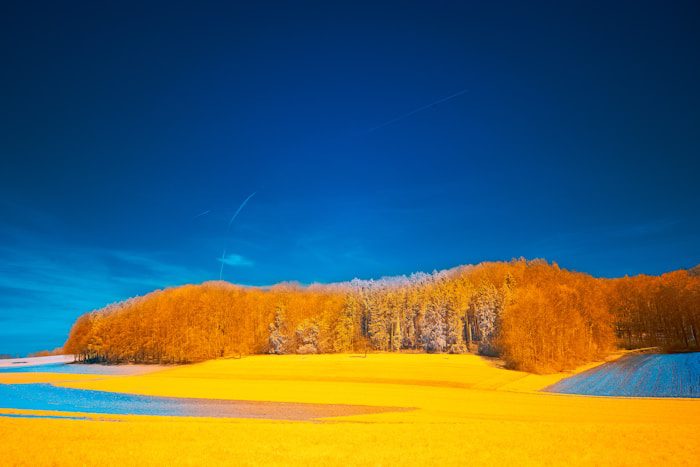
Start by shifting all tones toward amber while preserving highlight and shadow detail. The sky becomes burnished gold rather than blue; grass transforms from green to pale wheat. Shadows take on rich brown depth rather than cool gray. The entire scene feels bathed in honey-colored light that suggests eternal late afternoon.
This technique serves well for commercial work requiring warmth and optimism—advertising campaigns frequently employ amber monochromatic color images to suggest comfort, nostalgia, and wholesome values.
12. Ice Blue Frozen Texture Close-Up
Frozen water presents itself in infinite textural variety—air bubbles trapped in pond ice, frost crystals forming on window glass, the striated surface of glaciers. Photographing these subjects in blue monochrome emphasizes their alien beauty while unifying disparate textures into coherent compositions.
Macro photography reveals details invisib

le to casual observation. Get close enough to ice that individual crystals fill the frame, then process the image in cool blue tones that emphasize the subject’s frozen nature. The monochromatic treatment removes any competing warmth from ambient light, leaving pure cold rendered visible.
AI image generators produce compelling ice textures when prompted with specific structural descriptions—”hexagonal ice crystals forming on glass” or “air bubbles suspended in blue ice layers.” Combine these with monochromatic palette specifications for results that feel both natural and fantastical.
13. Noir-Style Film Still
Film noir established a visual vocabulary that remains influential nearly eighty years after its golden age. The style relies on extreme contrast, dramatic shadows, and compositions that suggest threat lurking just outside the frame. Creating noir-inspired monochromatic images requires understanding how cinematographers like John Alton and Gordon Willis used light as a storytelling tool.
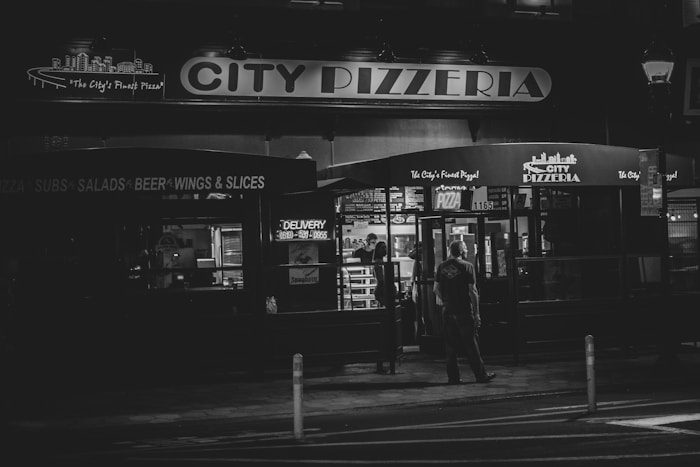
Key elements include single-source lighting that creates hard shadows, often at dramatic angles. Venetian blind shadows across a face or figure became a noir signature, suggesting imprisonment or moral ambiguity. Rain-slicked streets reflect neon signs, adding depth to otherwise flat night scenes.
Modern photographers recreate these effects using controlled studio lighting or by seeking out urban locations after rain. Post-processing should push contrast hard—true blacks and limited midtones create the graphic quality that defines the style.
14. Pink Monochrome Product Photography
Product photography increasingly embraces monochromatic color schemes to create brand-consistent, visually striking imagery. Pink monochrome particularly appeals to brands targeting playful, youthful, or feminine markets—cosmetics, confections, and fashion accessories all photograph beautifully in coordinated pink palettes.

The approach requires matching product, background, and props within the same color family. A pink lipstick photographed against a rose-toned background with blush-colored fabric creates unified compositions that feel curated and intentional. As noted by Envato Elements, monochromatic product photography has become a significant trend because it simplifies design decisions while creating bold, memorable images.
Light the scene to preserve tonal variation—flat lighting creates muddy images where products disappear into backgrounds. Directional light adds definition and separates elements through highlight and shadow even when hues match.
15. Teal Underwater Scene
Underwater photography naturally filters toward blue-green tones as depth absorbs red wavelengths. Embracing this effect and processing images entirely in teal creates otherworldly scenes that feel both aquatic and dreamlike.
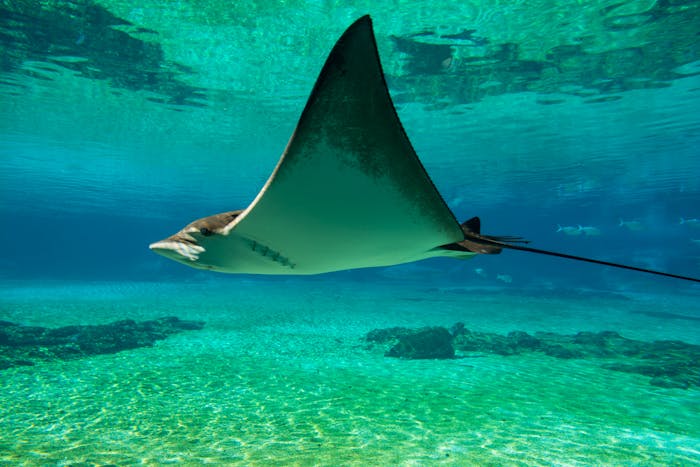
Natural light underwater shooting works best within the first ten meters, where enough light penetrates to create usable exposures. Deeper scenes require artificial lighting, which can be gelled teal to maintain the monochromatic effect. Subjects might include kelp forests, coral structures, or the graceful movement of marine life rendered in cool blue-green unity.
Digital artists find underwater scenes challenging because of the way light behaves differently than in air. Study how visibility decreases with distance—near elements should be crisp and saturated while distant features fade into murky teal haze.
16. Burnt Orange Industrial Decay
Rust naturally presents itself in burnt orange tones, making decaying industrial sites ideal subjects for warm monochromatic images. Abandoned factories, derelict ships, and weathered machinery offer textural richness that color photography can actually diminish—the eye jumps between rusted steel, concrete gray, and vegetation green, fracturing attention.
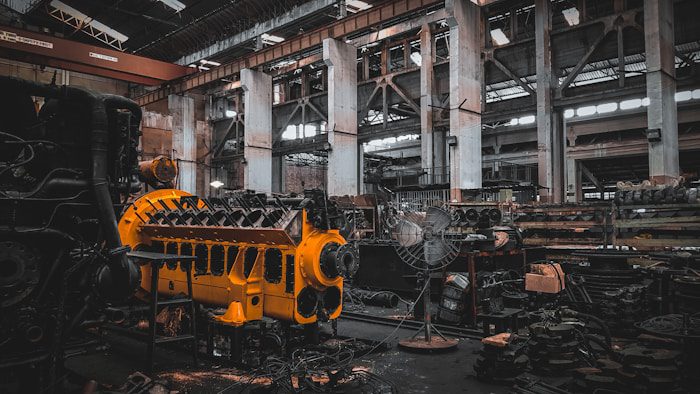
Processing entirely in burnt orange unifies these elements while emphasizing the decay that makes such locations compelling. Shadows become deep sienna; highlights take on amber warmth. The monochromatic treatment transforms documentation into meditation, making viewers linger on texture and form rather than cataloging materials.
Safety considerations matter when photographing industrial ruins. Scout locations carefully, bring appropriate footwear, and never photograph alone in structurally questionable spaces.
17. Lavender Floral Macro
Macro flower photography isolated in lavender tones creates images that hover between botanical documentation and abstract art. The approach works best with naturally purple flowers—actual lavender, iris, or clematis—though any subject can be shifted toward violet in post-processing.
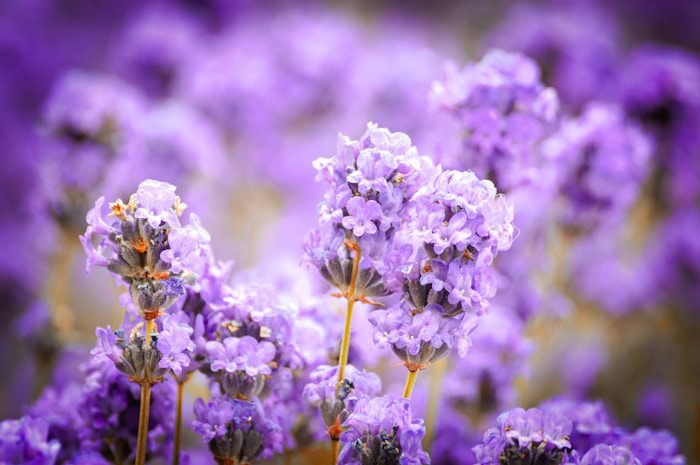
Shallow depth of field proves essential. Focus precisely on stamens or petal edges while allowing the rest of the bloom to dissolve into soft lavender blur. This technique creates ethereal images where the flower becomes suggestion rather than specimen, form rather than fact.
Consider complementary lighting—slightly warm illumination creates depth against the cool lavender palette, adding dimensional interest without breaking the monochromatic unity.
18. Silver Metallic Still Life
Metallic surfaces reflect their environment, making silver-toned still life photography a study in controlled lighting. Arrange objects with various surface textures—polished chrome alongside brushed aluminum, matte pewter near reflective mirrors—to create visual interest despite the restricted palette.
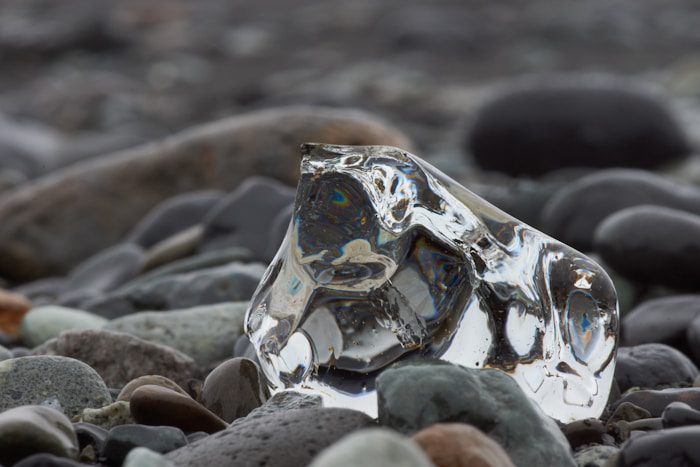
The challenge lies in managing reflections. Every light source, every studio element, every piece of equipment potentially appears in those gleaming surfaces. Professionals use scrims and careful positioning to create gradual tonal transitions across curved metallic objects rather than harsh hot spots.
Post-processing can push images toward true metallic silver by desaturating any color casts while maintaining the luminosity range that makes metal read as metal rather than gray paint.
19. Cyanotype Botanical Print
Cyanotype represents one of the oldest photographic processes, producing characteristic Prussian blue images through iron-based chemistry. The Monochromatic Awards specifically welcomes cyanotype among its accepted monochromatic tonalities, recognizing the process as a legitimate artistic approach rather than merely historical curiosity.
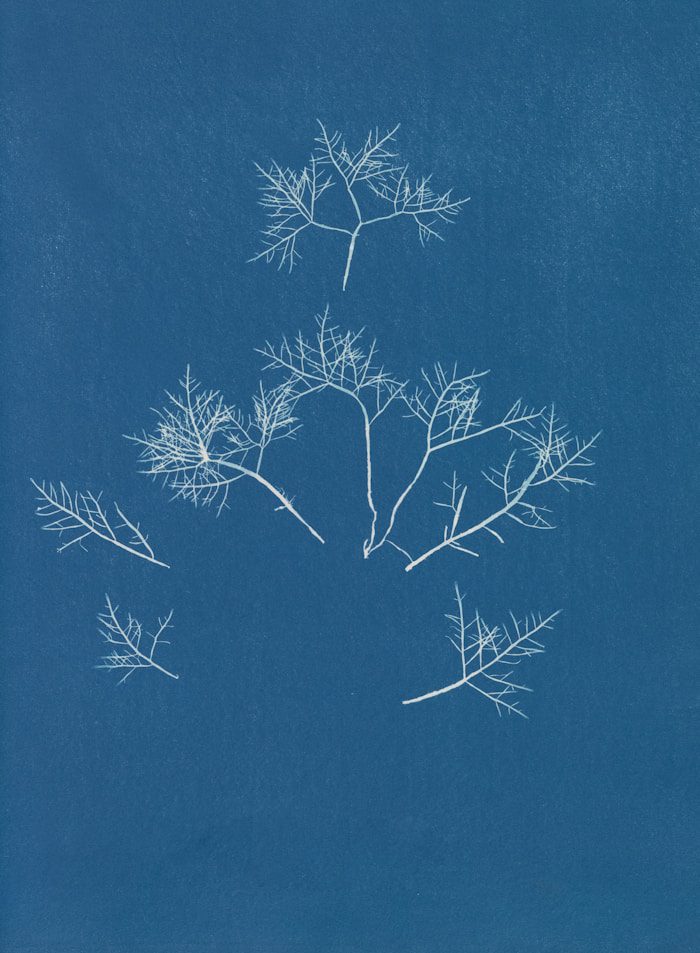
Traditional cyanotype involves coating paper with iron compounds, laying botanical specimens directly on the sensitized surface, and exposing to ultraviolet light. Where the specimen blocks light, the coating remains pale; exposed areas oxidize to deep blue. The result captures plant forms as white silhouettes against azure backgrounds.
Digital simulation of cyanotype effects can achieve similar aesthetics, though the physical process offers unique qualities—slight bleeding at edges, surface texture variations, and the irreproducible nature of analog work.
20. Warm Brown Coffee Shop Interior
Interior photography processed in warm brown tones creates inviting images perfect for hospitality marketing or personal projects celebrating cozy spaces. Coffee shops offer ideal subjects—already dominated by wood tones, leather seating, and amber lighting that translates naturally to brown monochrome.
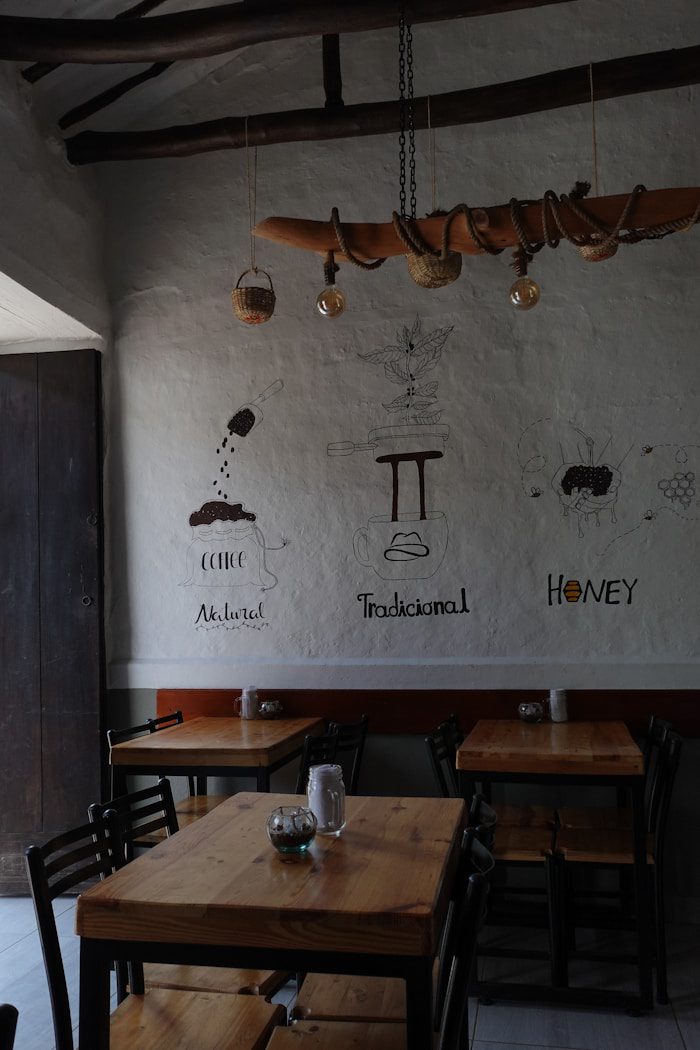
Wide-angle compositions capture the full environment, while detail shots—steam rising from cups, barista hands crafting latte art, worn wooden surfaces—add narrative depth. Process all images in the same brown palette to create cohesive series that feel curated rather than random.
This approach demonstrates how monochromatic treatment can strengthen brand identity. A coffee shop documented entirely in warm brown tones communicates its aesthetic more clearly than varied color photography where each shot looks different.
21. Cool Gray Architectural Lines
Modern architecture begs for grayscale treatment. The clean lines of contemporary buildings—concrete, glass, and steel in geometric arrangements—photograph beautifully when stripped of color to emphasize form and light.
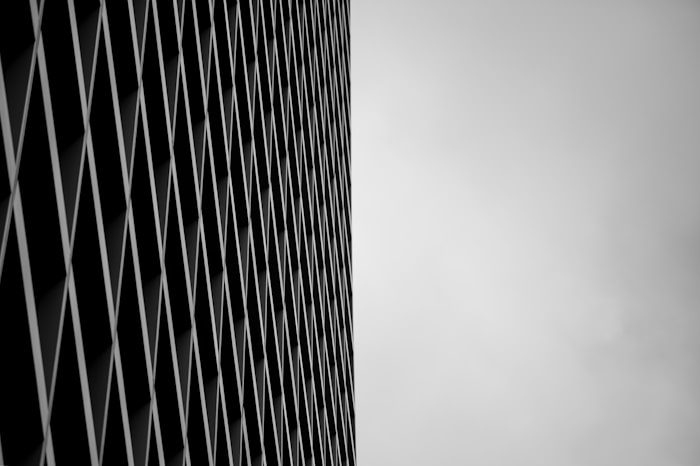
Look for buildings where architects have created interesting plays of light and shadow through recessed windows, protruding volumes, or perforated facades. Shoot during times when sunlight rakes across surfaces at angles that define three-dimensional form. Overcast days flatten architecture; direct sun sculpts it.
Post-processing should maintain the full grayscale range—bright sky gradations, mid-tone concrete, dark shadow recesses all working together. Avoid the temptation to push contrast too hard; architectural photography benefits from subtle tonal transitions that preserve material textures.
22. Crimson Theatre Drama Portrait
Stage lighting offers opportunities for monochromatic portraiture impossible in conventional settings. A performer bathed entirely in red light exists in a crimson world—skin, costume, and background all unified within a single dramatic hue.
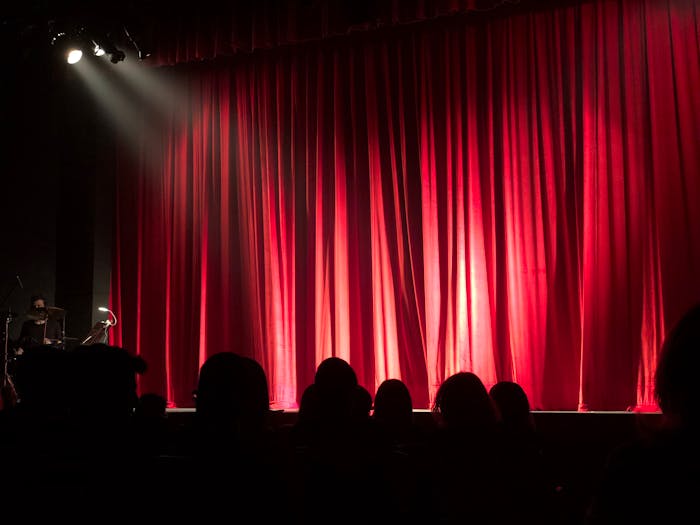
Theater photography requires working with available stage lighting rather than introducing your own. Position yourself where the crimson wash dominates, excluding any competing light sources from your frame. Fast lenses and high ISO settings compensate for the relatively dim illumination.
The resulting portraits capture performance energy in ways that conventional photography cannot—the red saturation reads as passion, danger, or intensity depending on the performer’s expression and the scene’s context.
23. Olive Earthy Landscape
Olive green monochrome suits landscapes where humanity and nature intersect—agricultural scenes, managed forests, parks, and gardens. The muted green feels less fantastical than saturated emerald, grounding images in recognizable earthiness.
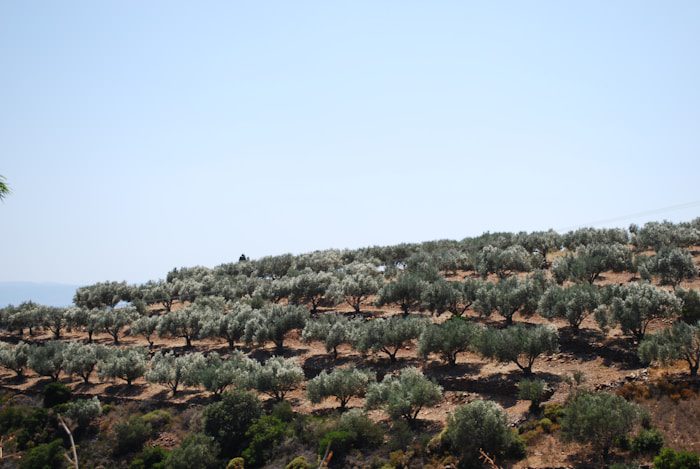
Process images to emphasize mid-tones where most landscape detail lives. Shadows can drop toward near-black olives; highlights might lift toward yellow-green without breaking the monochromatic unity. The result feels natural even though no landscape actually appears in single-hue olive.
This approach works particularly well for environmental messaging—the earthy palette suggests sustainability and careful stewardship without heavy-handed symbolism.
24. Coral Tones Fashion Editorial
Fashion photography thrives on color coordination, and coral monochrome creates warm, flattering images that work across skin tones. Style the entire shoot in coral—clothing, accessories, backgrounds, and props—for images where every element exists in harmonious relationship.
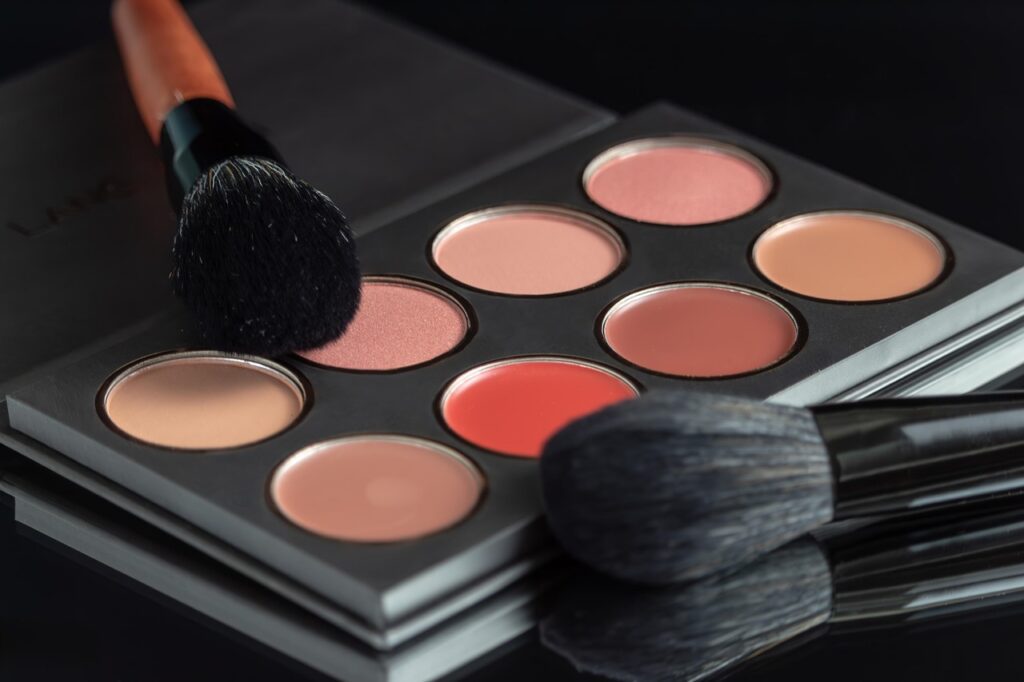
Lighting should enhance the coral palette. Golden-toned illumination emphasizes warmth; cooling gels might introduce unwanted color casts. Study how fashion editorials from major publications approach monochromatic styling for inspiration on coordinating garments, cosmetics, and settings.
Post-processing fine-tunes the unity, shifting any stray colors toward coral while maintaining the tonal variation that gives images dimension and life.
25. Midnight Blue Starscape
Night sky photography naturally tends toward blue, making deep midnight tones a logical choice for monochromatic treatment. Stars register as pale points against the dark expanse; the Milky Way stretches in luminous blue-white bands across the frame.
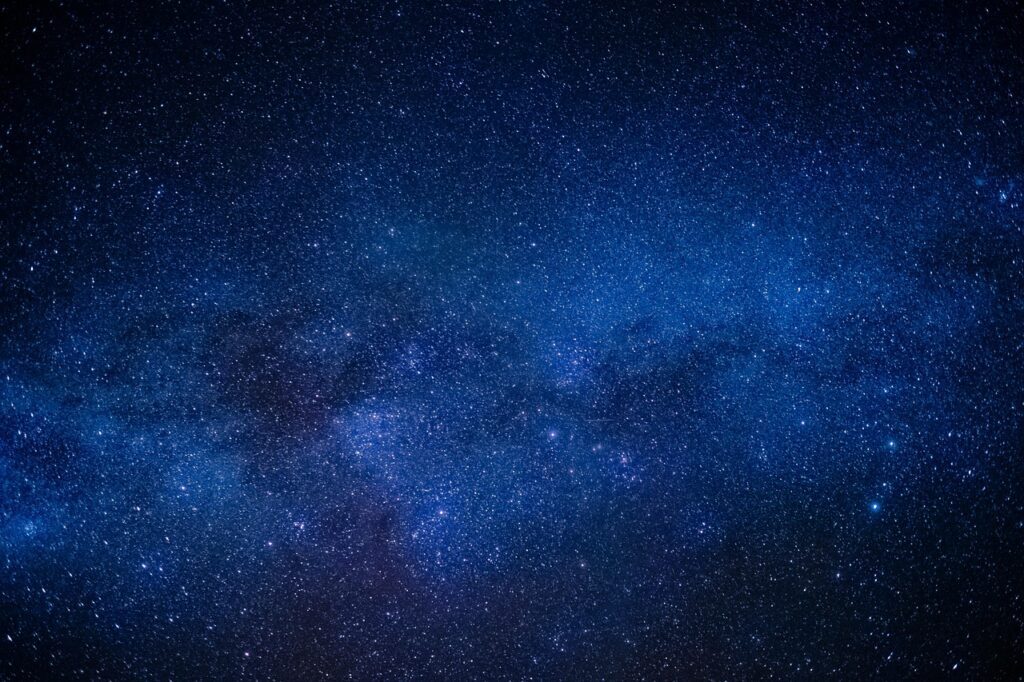
Long exposures capture starlight, but the Earth’s rotation limits exposure time before stars begin trailing. Either embrace the trails as design elements or use tracking mounts that follow celestial motion. Light pollution management matters—shoot from dark locations where the sky actually achieves midnight blue rather than orange-tinged urban haze.
Digital processing can shift any remaining color casts toward pure blue while boosting the contrast between star brightness and sky darkness.
26. Moss Green Nature Abstract
Extreme close-ups of moss reveal alien landscapes—tiny forests rising from miniature soil, dewdrops suspended on hair-thin stalks. Processing these images in unified moss green emphasizes their otherworldly quality while maintaining natural feeling.
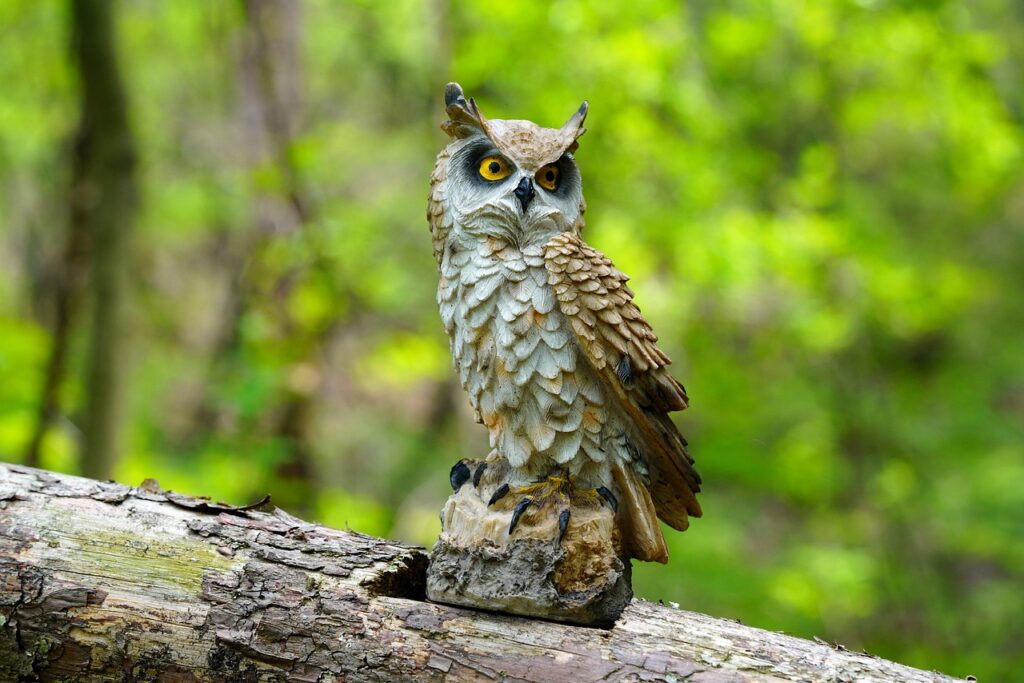
Focus stacking proves essential for macro work where depth of field measures in millimeters. Capture multiple images with progressively shifted focus points, then combine in post-processing for front-to-back sharpness that no single exposure can achieve.
The monochromatic treatment removes distracting color variations—no orange dead leaves, no gray rock intrusions—leaving pure green worlds where scale becomes ambiguous and tiny becomes vast.
27. Copper Mechanical Details
Vintage machinery often features copper and brass components that photograph beautifully in warm metallic monochrome. Clock mechanisms, antique scientific instruments, and early industrial equipment offer intricate details that reward close examination.

Side lighting reveals surface textures—tool marks, patina variations, wear patterns that tell stories of use and age. Position lights to create shadow detail within recessed areas while highlighting raised elements. The dimensional quality of well-lit mechanical subjects depends entirely on lighting placement.
Post-processing pushes all tones toward copper warmth while preserving the full range from bright highlights to dark shadows. The result celebrates craftsmanship through images that feel both documentary and artistic.
28. Dusty Rose Portrait with Soft Light
Dusty rose creates flattering portrait conditions—warm enough to complement skin tones, muted enough to avoid overwhelming subjects. Studio portraits in unified dusty rose require coordinating background, wardrobe, and lighting for seamless monochromatic results.
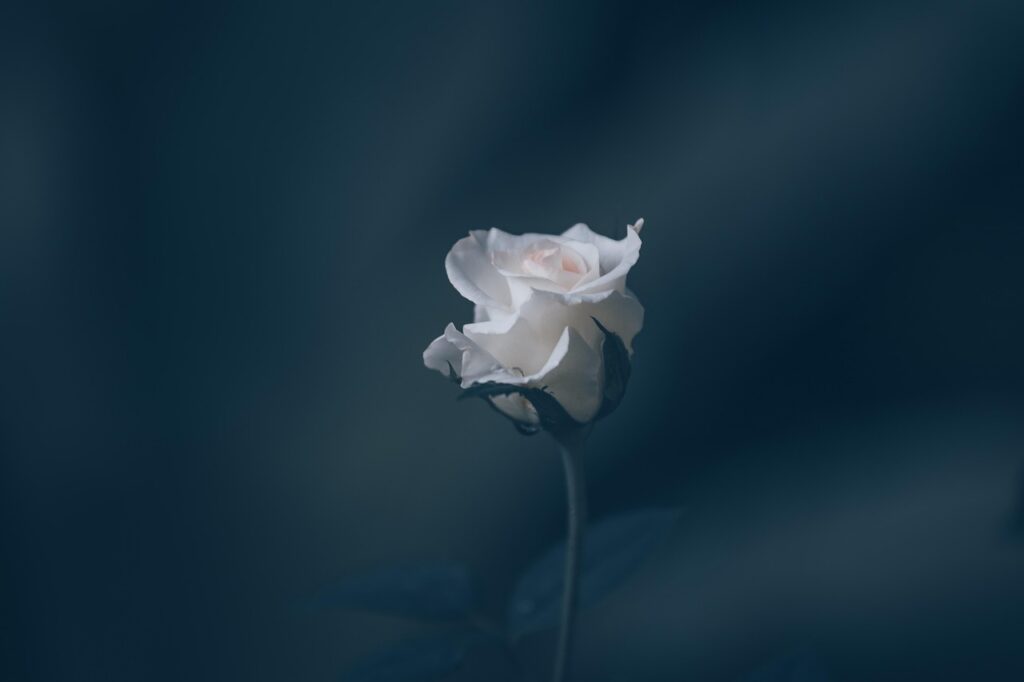
Soft, diffused light suits the palette’s gentle quality. Large softboxes or north-facing window light wrap around faces without harsh shadows. The romantic quality of dusty rose works particularly well for beauty portraits, engagement sessions, or any context requiring feminine elegance.
Color management in post-processing ensures skin tones retain natural variation within the pink palette—faces should glow rather than appear masked or artificial.
29. Slate Gray Moody Weather Scene
Stormy weather delivers ready-made monochromatic conditions. Overcast skies, rain-dampened surfaces, and muted light create naturally gray scenes that photograph beautifully with minimal processing.
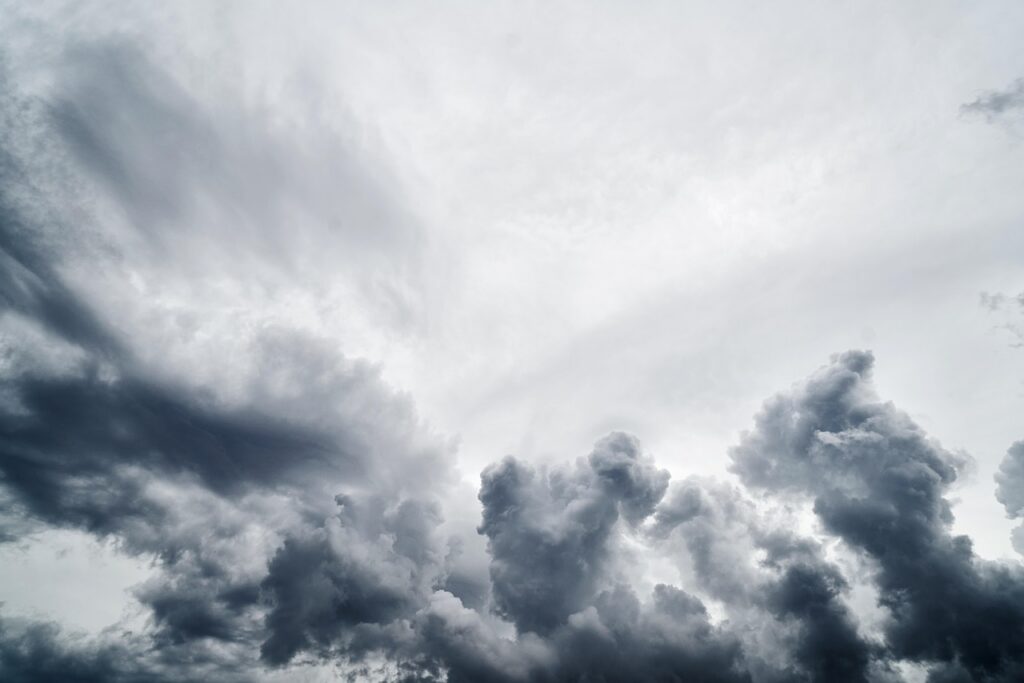
Seek out compositions that emphasize the weather’s mood—lone figures against vast gray skies, wet streets reflecting cloud cover, trees bending under wind. The monotone conditions that make most photographers stay home actually offer opportunities for atmospheric images impossible under sunny skies.
Post-processing can enhance the slate gray unity by desaturating any remaining color while maintaining tonal contrast. The result should feel heavy and atmospheric—you want viewers to sense the moisture in the air.
30. AI-Generated Surreal Monochrome Fantasy
AI image generators have opened new possibilities for monochromatic art creation. Platforms like NightCafe, OpenArt, and Deep Dream Generator can produce striking single-hue compositions from text prompts alone.
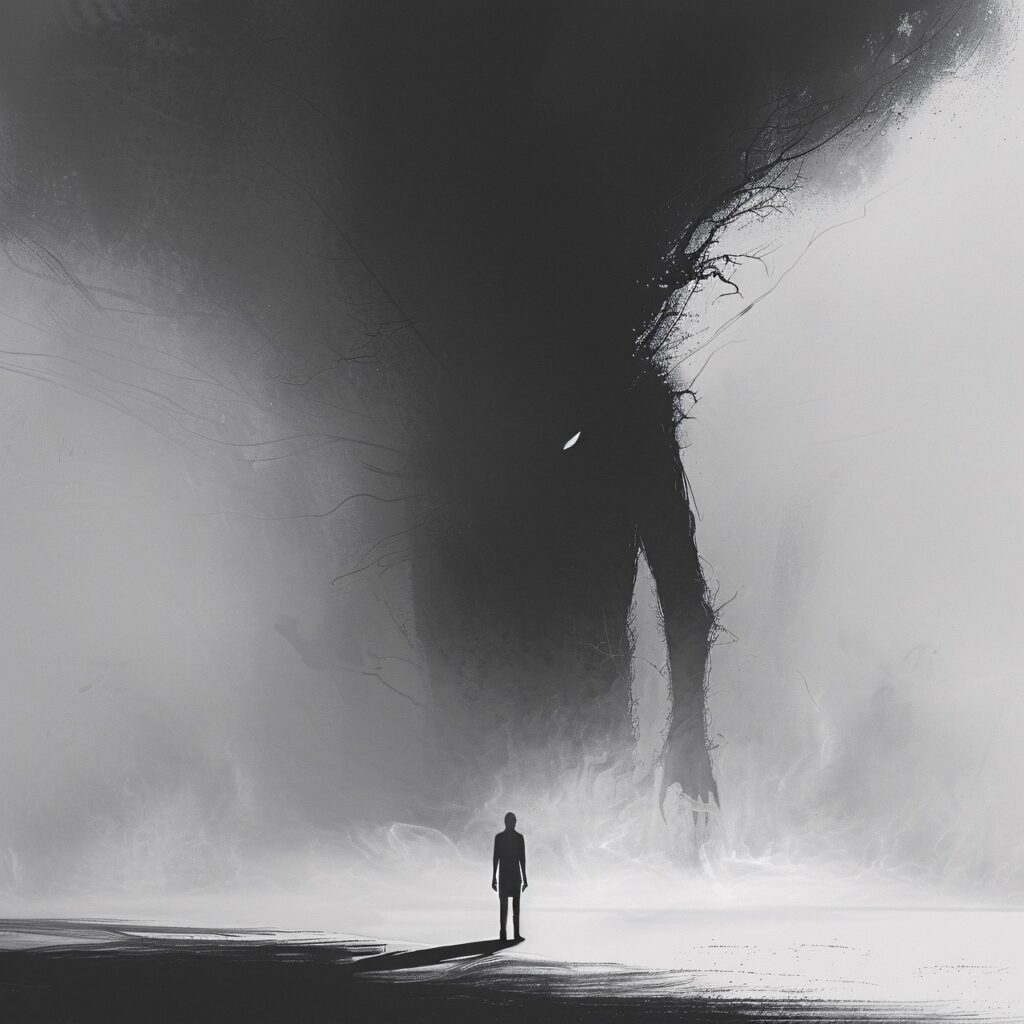
Effective prompts combine subject matter with specific monochromatic instructions: “surreal landscape in blue monochrome, deep shadows, ethereal atmosphere” produces different results than simply requesting “blue landscape.” The AI responds to stylistic modifiers—terms like “dramatic lighting,” “high contrast,” and “atmospheric” guide the generation toward more compelling outputs.
AI-generated monochromatic images excel at creating impossible scenes—architecture that defies physics, creatures from dreams, landscapes that exist nowhere but imagination. The single-hue treatment unifies fantastical elements, making impossible images feel visually coherent. For creators wanting to explore monochromatic aesthetics without photography equipment or traditional art skills, AI tools provide accessible entry points to this timeless form.
Creating Your Own Monochromatic Images
The examples above demonstrate the range of monochromatic possibility, but they’re starting points rather than endpoints. Your own monochromatic images will develop from your specific interests, available subjects, and creative vision. Here’s how to begin developing your own monochromatic style.
Start by observing the world in terms of tonal value rather than color variety. Train your eye to see light and dark relationships, noticing how shadows define form and highlights draw attention. This observation skill transfers directly to monochromatic image creation regardless of whether you work in photography, painting, or digital media.
Technical execution varies by medium. Photographers should master exposure control—monochromatic images depend heavily on captured tonal range since color no longer contributes to visual interest. Digital artists benefit from creating value studies before adding any color, ensuring compositions work in grayscale before committing to specific hues. Those using AI generators should experiment with detailed prompts, iterating to understand how specific terms influence output.
Our monochromatic image generator offers a free starting point for anyone curious about AI-assisted creation. The black and white image generator focuses specifically on grayscale outputs, while tools like the sepia image generator provide warm vintage aesthetics.
Frequently Asked Questions
What exactly is a monochromatic image?
A monochromatic image uses only one base color, including all its tints (lighter versions made by adding white), shades (darker versions made by adding black), and tones (variations made by adding gray). Black and white photography is one form, but monochromatic images can be built from any single hue—all blues, all greens, all reds.
How is monochromatic different from grayscale?
Grayscale specifically refers to images using only blacks, whites, and grays—essentially, variations of neutral tones with no color. Monochromatic is broader, encompassing grayscale plus single-hue images in any color. All grayscale images are monochromatic, but not all monochromatic images are grayscale.
Why do artists choose monochromatic palettes?
Removing color variety focuses attention on composition, texture, light, and form. Monochromatic images often carry stronger emotional impact because viewers engage more deeply with these fundamental visual elements. The approach also creates visual unity that can strengthen brand identity or artistic cohesion.
Can AI generate high-quality monochromatic art?
Modern AI image generators produce impressive monochromatic results when prompted effectively. Include specific color instructions in your prompts—”in blue monochrome” or “grayscale with high contrast”—along with style and mood descriptors. Iteration improves results; generate multiple versions and refine your prompts based on outputs.
What equipment do I need for monochromatic photography?
Any camera capable of capturing full tonal range works for monochromatic photography. The conversion to single-hue happens in post-processing, so focus on exposure technique and composition. A calibrated monitor helps ensure you’re seeing accurate values during editing.
How do I choose which color for my monochromatic image?
Consider the emotional associations of different hues. Blues suggest calm, depth, or coldness; reds convey passion, danger, or warmth; greens evoke nature and growth. The subject matter also guides color choice—ocean scenes suit blue, autumn forests work in amber or brown, industrial subjects might call for cool metallic gray.