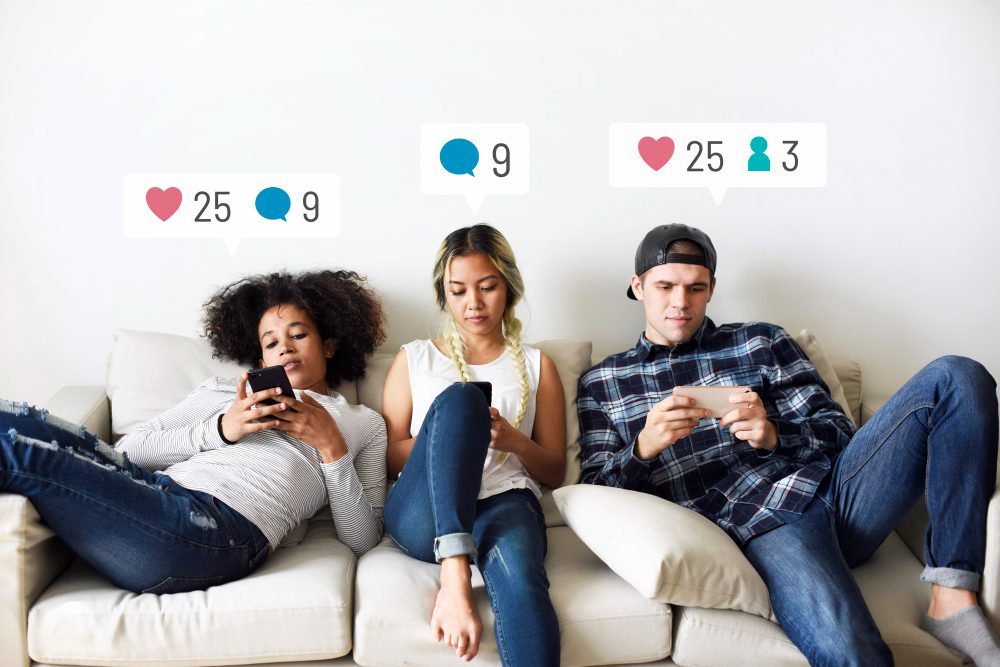
Influencer marketing happens when brands team up with social media creators to show products or services to their followers. These creators have built loyal communities who trust their advice. In 2026, this strategy has become one of the most powerful ways to reach customers online.
The numbers tell the story. The industry hit $32.55 billion in 2025, jumping from $24 billion in 2024. That’s a 35.63% increase in just one year. More brands now put serious money into working with creators because it actually works.
What makes this different from old-school celebrity ads? Influencers talk to their fans like real people. They share honest reviews and build actual relationships. When someone you follow on TikTok or Instagram suggests a product, it feels like advice from a friend, not a commercial.
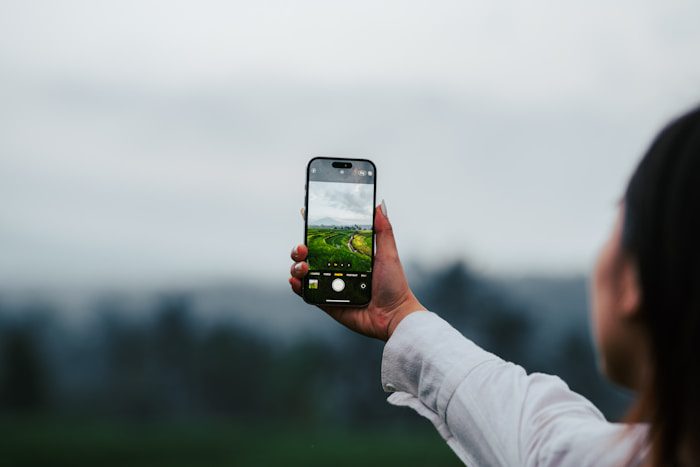
Around 86% of US marketers now use influencer campaigns. Brands spent $9.29 billion on sponsored content in 2025, and that number keeps climbing. The return on investment? Companies get $6.50 back for every dollar they spend on influencer partnerships.
Here’s what changed: consumers got smarter. They can spot fake ads from miles away. In 2026, the winners are brands who work with creators who actually care about what they’re promoting. Not scripted talking points, but real experiences and honest takes.
Why Influencer Marketing Crushes Traditional Ads
Banner ads are dead. Pop-ups get blocked. TV commercials get skipped. But influencer content? People actually watch it.
The data backs this up. Studies show influencer marketing delivers 11 times better ROI than banner ads. When asked, 64% of consumers said they’re more willing to buy when brands work with their favorite creators.
Traditional advertising talks at people. Influencer marketing starts conversations. A makeup tutorial showing your product beats a glossy magazine ad every time. Why? Because viewers see the product in action, hear real feedback, and trust the person showing it.
Think about your own habits. When was the last time an ad made you buy something? Now think about the last time you bought something because someone you follow online recommended it. That’s the difference.
The shift is massive. Social media advertising hit $266.92 billion by the end of 2025, passing paid search as the world’s largest ad channel. Influencer content drives that growth because it actually connects with people.

Content People Want to See
Here’s what works in 2026. Short videos rule everything. TikToks, Instagram Reels, YouTube Shorts – these formats get the most views and shares. About 87% of content that brands request from influencers comes as short videos, typically 20-40 seconds long.
Product reviews remain popular, especially on YouTube. Beauty content alone generates over 169 billion views on influencer channels. People want to see products in real life before buying.
Behind-the-scenes content beats polished ads. Followers want to see the messy process, the honest opinions, the real person behind the camera. In 2026, raw and relatable wins over perfect and plastic.
Table of Contents
- Types of Creators and Which Ones Work Best
- Platform Strategy: Where Your Audience Lives
- How to Plan Your Influencer Campaign Step by Step
- Budget Planning and ROI Tracking
- Finding the Right Creators for Your Brand
- Content Strategies That Actually Convert
- Legal Stuff You Can’t Ignore
- How to Measure Campaign Success
- Best Tools for Managing Campaigns
- What’s Coming Next in Influencer Marketing
- Frequently Asked Questions
Types of Creators and Which Ones Work Best
Not all influencers are created equal. In 2026, size doesn’t always matter. What counts is connection.
Nano-influencers have under 10,000 followers. Micro-influencers range from 10,000 to 100,000. Macro-influencers sit between 100,000 and 1 million. Mega-influencers have over 1 million followers.
Smaller often beats bigger. Micro-influencers generate 60% higher engagement than macro-influencers. Their followers actually read comments, respond to stories, and trust recommendations.
Brands work with 33% more micro-influencers each year. Why? Because a creator with 15,000 engaged followers in your exact niche delivers better results than a celebrity with millions of passive scrollers.
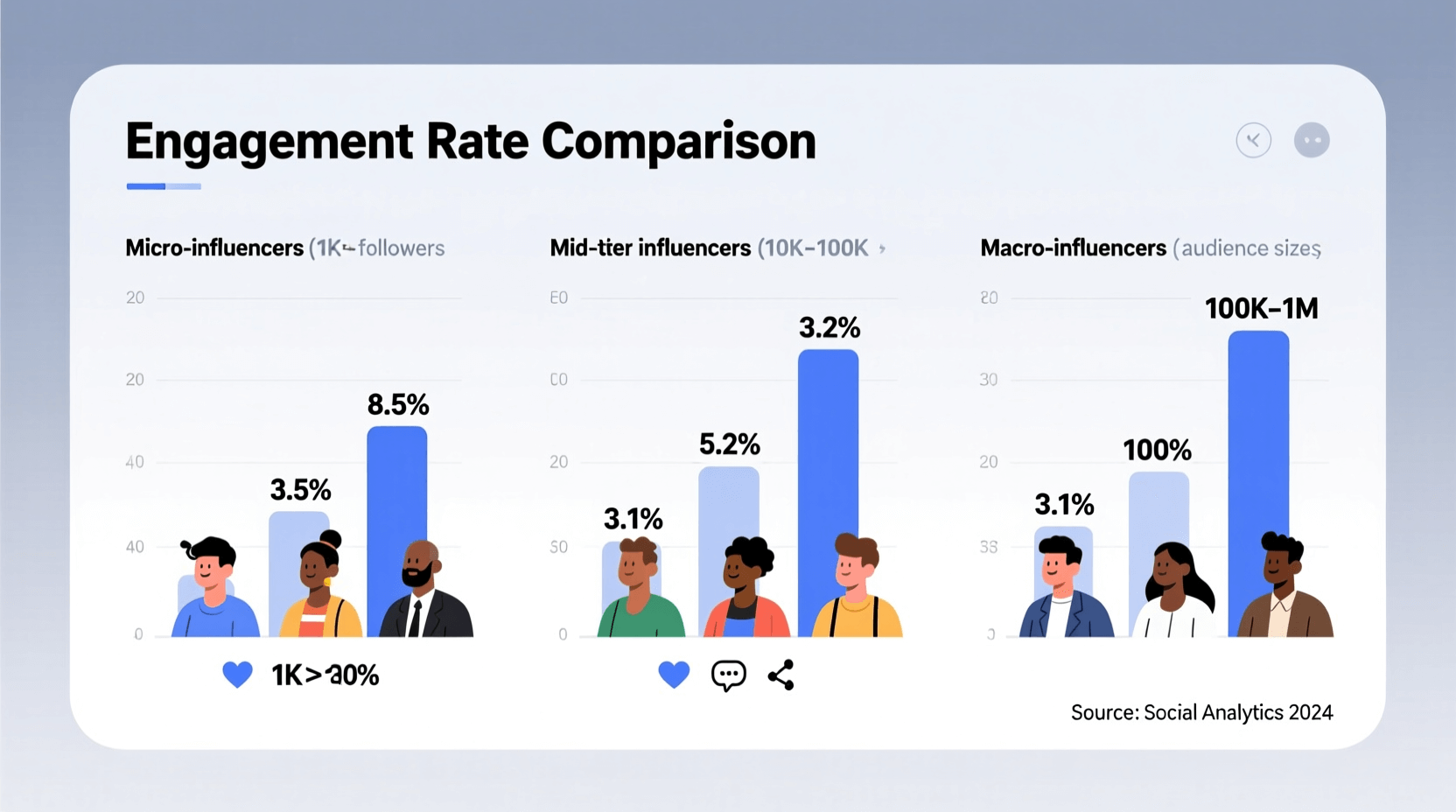
Let’s look at the numbers. On TikTok, nano-influencers get about 18% engagement rates. Micro-influencers hit 12%. Macro drops to 8%. Mega-influencers? Just 4%. The smaller the audience, the tighter the community.
This doesn’t mean forget big creators entirely. They serve different purposes. Mega-influencers build massive awareness fast. Launch a new product? A mega-influencer can put it in front of millions overnight. But for actual sales and community building, smaller creators win.
Matching Creator Type to Your Goals
Building brand awareness? Partner with macro or mega-influencers. Their reach spreads your name far and wide.
Want actual conversions and sales? Go with micro and nano-influencers. Their recommendations feel personal. When they say “buy this,” their followers listen.
Testing a new market or niche? Start with nanos and micros. They’re affordable, authentic, and their audiences match specific interests perfectly.
Most successful brands in 2026 use a mix. They might work with one macro-influencer for reach, then support that with 10-20 micro-influencers who drive conversions in specific communities.
Platform Strategy: Where Your Audience Lives
Each platform works differently. Success means knowing where your customers hang out and how they use each app.
Instagram remains huge for influencer marketing. About 80.8% of marketers use Instagram for campaigns. The platform excels at lifestyle content, fashion, beauty, and anything visual.
Reels dominate the feed now. Short video content gets more reach than static posts. Stories create urgency with their 24-hour limit. Regular posts still matter for evergreen content that stays on profiles.
Instagram influencers charge anywhere from $20 to $7,000+ per post, depending on follower count. For context, someone with 100,000-150,000 followers typically asks for $400 per post or $1,500 per Reel.
The platform works best for products people want to see. Fashion, food, travel, beauty, fitness – these categories thrive on Instagram. The app’s shopping features also let followers buy directly from posts.
TikTok
TikTok changed everything. The algorithm shows content to anyone, not just followers. A creator with 500 followers can hit millions of views if the content connects.
Short-form video rules here. The best performing content runs 20-40 seconds. Quick hooks, fast pacing, trending sounds – that’s the formula.
TikTok creators charge median rates of $700 per video, with prices ranging from $250 to $1,700. Macro-influencers on TikTok ask between $150 and $3,500 per post.
The platform excels at discovery and virality. Products can blow up overnight. A dance, a sound, a trend – if it catches on, sales explode. That’s both the opportunity and the challenge. Success here requires staying on top of trends and moving fast.
YouTube
YouTube plays a different game. Longer videos, deeper reviews, tutorial content – this platform builds lasting relationships between creators and viewers.
About 33% of brands use YouTube for influencer campaigns. Product reviews remain the most popular content type. Beauty alone generates over 169 billion views on influencer channels.
The trust factor matters here. Around 60% of YouTube subscribers say they’d follow buying advice from their favorite creator over traditional celebrities.
YouTube works for products that need explanation. Tech, software, complex items, anything that benefits from a deep dive does well here. The videos also stick around forever, generating views long after posting.
Don’t sleep on Facebook. While younger users moved to TikTok and Instagram, Facebook remains the second most-used platform for influencer marketing.
The audience skews older. If your target customer is over 35, Facebook matters. Parent bloggers, lifestyle creators, local community influencers – they thrive here.
Facebook Groups create tight communities. Influencers who run active groups build incredibly loyal followings. The platform also offers robust ad tools to boost influencer content.
Emerging Platforms Worth Watching
New platforms pop up constantly. In 2026, keep eyes on whatever’s next. Early adoption can give brands huge advantages before platforms get saturated.
The key? Don’t spread yourself too thin. Pick 2-3 platforms where your audience actually spends time. Go deep rather than shallow everywhere.
How to Plan Your Influencer Campaign Step by Step
Random influencer partnerships don’t work. Successful campaigns follow clear steps from start to finish.
Set Clear Goals
What do you actually want? More brand awareness? Direct sales? Email signups? Product launches? Community building?
About 56% of brands say their main goal is creating user-generated content. Another 23% focus on driving sales. Whatever your goal, write it down specifically.
Bad goal: “Get more exposure.” Good goal: “Generate 500 new email signups from customers interested in sustainable fashion.”
Bad goal: “Increase sales.” Good goal: “Drive 200 purchases of our new product line through influencer discount codes in the next 30 days.”
Clear goals guide everything else – which creators you pick, what content you ask for, and how you measure success.
Know Your Audience Inside Out
Who are you trying to reach? Get specific. Age, location, interests, problems they face, content they consume – map it all out.
Your target audience determines which platforms matter and which creators fit. A Gen Z skincare brand needs different influencers than a B2B software company.
Research shows 72% of Gen Z and Millennials follow influencers for product recommendations. But each generation uses platforms differently and trusts different creator types.
Set Your Budget
Money talk comes early. About 26% of brands allocate more than 40% of their marketing budget to influencer partnerships. Another 26% spend less than 10%.
Budget factors include creator fees, product costs, campaign management time, and content rights. Small campaigns might run $5,000-$10,000. Medium ones hit $20,000-$50,000. Large campaigns can cost $100,000+.
Don’t forget hidden costs. Shipping products, legal review of contracts, platform fees if using management tools – these add up.
Find Your Creators
This step takes work. You need creators who match your brand values, reach your audience, and create quality content.
Start by researching manually. Search hashtags related to your niche. Look at who your competitors work with. Check who your target customers follow.
Use creator marketplaces like Collabstr, TikTok Creator Marketplace, or specialized platforms. These tools filter by niche, engagement rates, and audience demographics.
Around 63.2% of brands work with the same influencers across different campaigns. Building long-term relationships beats constantly finding new partners.
Reach Out and Negotiate
First contact matters. Personalized messages work better than generic templates. Show you actually follow their content.
Mention specific posts you liked. Explain why you think they’d be a good fit. Be clear about what you’re offering – payment, free products, commission structure.
About 40.8% of partnerships now involve direct payment rather than just product exchange. The most common payment method is a percentage of sales value.
Contract basics: deliverables, timeline, payment terms, content rights, exclusivity clauses, and disclosure requirements. Get everything in writing.
Brief Without Killing Creativity
Here’s the balance: you need consistency with your brand, but you also need authentic creator voice.
Data shows 65% of influencers prefer being involved in creative conversations early rather than following rigid briefs. Let them help shape the campaign.
Give guidelines, not scripts. Share brand values, key messages, and must-avoid topics. Then trust them to make content their audience will actually engage with.
Creators know their audience better than you do. When they say “my followers won’t respond to that,” listen.
Launch and Monitor
Content goes live. Now track everything. Engagement rates, click-throughs, conversions, comments, shares – all of it matters.
Stay responsive. Answer questions in comments. Repost content to your brand channels. Engage with the community that forms around the campaign.
Problems will come up. Maybe content needs tweaking. Maybe results lag behind projections. Stay flexible and communicate with your creators.
Measure and Learn
Campaign ends. Time to analyze everything. What worked? What flopped? Why?
About 54.3% of brands track ROI from influencer campaigns. The most common tracking methods include email addresses, referral links, coupon codes, and product SKUs.
Document lessons learned. Which creators delivered best results? What content formats performed? Which platforms drove the most conversions? Use this data to plan better next time.
Budget Planning and ROI Tracking
Money makes campaigns possible. Smart spending makes them profitable.
How Much Should You Spend?
No universal answer exists. Budget depends on your goals, industry, and existing marketing spend.
Industry data shows 85% of marketers now have dedicated influencer budgets. Among those, 59.4% plan to increase spending in 2026.
Start small if you’re new. Run a test campaign with 3-5 micro-influencers for $5,000-$10,000. Learn what works before dropping bigger money.
Established brands often allocate 10-20% of total marketing budget to influencer partnerships. Some aggressive brands push that to 40% or more.
What Influences Pricing?
Creator fees vary wildly. Factors include follower count, engagement rate, platform, content type, and usage rights.
General ranges for Instagram posts: Nano (under 10K followers): $10-$100. Micro (10K-100K): $100-$500. Macro (100K-1M): $500-$5,000. Mega (1M+): $5,000-$50,000+.
Video content costs more than static images. Multiple posts cost more than one-offs. Exclusivity clauses bump prices up.
Some creators charge flat fees. Others prefer commission structures – they make money when sales happen. Hybrid models combining base pay plus performance bonuses are getting popular.
Calculating ROI
Return on investment tells you if campaigns actually work. The basic formula: (Revenue Generated – Campaign Cost) / Campaign Cost x 100.
Average businesses make $6.50 for every dollar spent on influencer marketing. Top performers hit $20 or more for each dollar invested.
Track these metrics: clicks, conversions, sales, customer acquisition cost, lifetime value of acquired customers, and engagement rates.
About 80% of brands now track sales from influencer campaigns using referral links, coupon codes, and unique email addresses.
Hidden Costs to Remember
Creator fees are obvious. Other costs sneak up on you.
Product costs if you’re sending items to influencers. Shipping expenses, especially for international creators. Platform fees if using management software. Legal review for contracts. Employee time managing relationships. Content rights if you want to reuse creator content in ads.
Build buffer into budgets. Campaigns rarely cost exactly what you project. Having 10-15% cushion prevents panic when unexpected expenses pop up.
Finding the Right Creators for Your Brand
Good matches make or break campaigns. Bad fits waste money and damage reputation.
What Makes a Good Match?
Audience alignment comes first. Does their follower base match your target customer? Check demographics – age, location, interests.
Brand values matter. If you sell eco-friendly products, partner with creators who care about sustainability. Mismatches feel forced and audiences see through them.
Content quality counts. Look at their feed. Is it professional? Creative? Consistent? Would you want your product featured in that style?
Engagement beats follower count. Someone with 50,000 followers and 10% engagement beats someone with 500,000 followers and 2% engagement.
Red Flags to Avoid
Fake followers and engagement are everywhere. Check for these warning signs: huge follower counts but low engagement, generic comments like “Nice post!”, sudden spikes in followers, tons of followers from random countries that don’t match their content.
Past brand conflicts matter. If they promoted your direct competitor last week, think twice. If they’ve been involved in scandals or controversies, consider the risk.
Oversaturation is real. Some creators post sponsored content constantly. Their audiences tune out recommendations. Look for creators who balance sponsored posts with organic content.
Where to Find Creators
Manual search works for small campaigns. Use platform search features and hashtags. Check competitors to see who they work with. Ask customers who they follow.
Creator marketplaces simplify the process. Platforms like Collabstr, AspireIQ, and Upfluence let you filter by niche, engagement, and budget. TikTok and Meta both offer official creator marketplaces.
Agencies handle everything for you. They find creators, negotiate rates, manage campaigns, and track results. This costs more but saves huge amounts of time.
AI tools are getting better. About 63% of marketers plan to use AI in campaign execution. Tools help with influencer identification, content discovery, and fraud detection.
Vetting Process
Never skip research. Watch or read at least 10-20 of their recent posts. Check comment sections for genuine engagement. Look at their past brand partnerships.
Use analytics tools to verify their stats. Many creators provide media kits, but always verify independently. Tools like Social Blade, HypeAuditor, or platform-native analytics help spot fakes.
Have conversations before committing. A quick call or video chat reveals if they understand your brand and can communicate professionally.
Content Strategies That Actually Convert
Great content drives results. Bad content wastes money.
Content Types That Work
Product reviews remain gold. People want honest takes before buying. Detailed reviews with pros and cons build trust more than pure praise.
Tutorial content shows products in action. How-to videos, step-by-step guides, tips and tricks – these formats engage viewers and demonstrate value.
Behind-the-scenes content feels authentic. Show product creation, company culture, or creator’s genuine experience using items.
User-generated content amplifies reach. When customers create content about your products, it carries huge weight. Studies show 56% of brands prioritize creating UGC through influencer campaigns.
Challenge and trend participation gets massive visibility. When creators join viral trends featuring your product, reach explodes.
Platform-Specific Content Strategies
Instagram needs variety. Mix Reels for reach, Stories for urgency, and feed posts for evergreen content. Carousel posts sharing tips or transformations work well.
TikTok demands entertainment first. Educational content works, but make it snappy and fun. Trend participation is almost mandatory here.
YouTube allows depth. Longer reviews, detailed tutorials, and storytelling content thrive. Timestamps in descriptions help viewers find specific info.
Facebook works for community-focused content. Longer posts with personal stories connect with the older demographic.
Timing and Frequency
Don’t post everything at once. Spread content throughout campaign periods. This maintains visibility without overwhelming audiences.
Multi-post campaigns work better than one-offs. Data shows brands working with the same influencers across multiple campaigns see better results.
Match posting times to when audiences are active. Each platform has peak hours. Instagram sees high engagement mornings and evenings. TikTok stays active throughout the day.
Authenticity Over Perfection
Polished content is losing in 2026. Audiences want real, not rehearsed.
Let creators show products honestly. If something has limitations, acknowledge them. This builds credibility more than claiming everything is perfect.
Raw footage outperforms professional production on some platforms. TikTok especially rewards authentic, unedited moments.
Encourage creators to share personal stories about why they chose or use your product. Stories connect emotionally in ways product features never can.
Legal Stuff You Can’t Ignore
Regulations are getting stricter. Mistakes can cost thousands in fines.
Disclosure Requirements
The Federal Trade Commission requires clear disclosure of sponsored content. “Ad,” “#ad,” or “Sponsored” must appear where people can easily see them.
Platform-specific tools exist. Instagram and TikTok both offer paid partnership labels. Use them. They’re the clearest disclosure method.
Disclosure needs to be obvious. Burying “#ad” in a sea of hashtags doesn’t count. Place it at the beginning of captions or clearly in video content.
Non-compliance brings real consequences. The FTC can fine both brands and creators. Beyond fines, disclosure failures damage trust and reputation.

Contract Essentials
Always use written contracts. Verbal agreements lead to disputes and confusion.
Include these elements: scope of work, deliverables, timeline, payment terms, content usage rights, exclusivity clauses, disclosure requirements, termination conditions, and dispute resolution methods.
Content rights matter hugely. If you want to reuse creator content in your ads, specify that in contracts. Many creators charge extra for usage rights.
Exclusivity prevents creators from promoting competitors. But it costs more. Be clear about how long exclusivity lasts and which competitors it covers.
Data Privacy and GDPR
Privacy laws affect how you track campaign performance. GDPR, CCPA, and other regulations limit what data you can collect.
First-party data strategies matter more than ever. Work directly with creators to gather insights through their natural audience interactions rather than invasive tracking.
Be transparent about data collection. If campaign landing pages use cookies or tracking, disclose it clearly.
How to Measure Campaign Success
You can’t improve what you don’t measure. Track the right metrics from day one.
Vanity Metrics vs Real Results
Likes and follower counts look good but don’t pay bills. Focus on metrics that connect to business goals.
Vanity metrics include likes, follower counts, and views. These might indicate reach but don’t prove value.
Real metrics include conversion rate, cost per acquisition, customer lifetime value, return on ad spend, and actual sales generated.
Key Performance Indicators
Engagement rate shows how audiences interact. Calculate it: (Likes + Comments + Shares) / Total Followers x 100. Rates above 3% are generally considered good.
Click-through rate measures how many people actually visit your site. Track unique clicks from influencer content.
Conversion rate reveals purchase behavior. Of people who clicked through, how many bought something?
Cost per acquisition tells you how much each new customer costs. Divide total campaign spend by number of customers acquired.
Customer lifetime value matters for long-term thinking. A customer acquired for $50 who spends $500 over time is a win.
Attribution Challenges
Tracking gets messy. Customers might see influencer content, then buy days later through a different channel.
Use unique discount codes for each creator. This tracks direct conversions clearly.
Custom landing pages with UTM parameters help attribution. Create specific URLs for each influencer.
Survey new customers. Ask how they heard about you. Simple but effective.
Accept that perfect attribution is impossible. Some impact can’t be measured directly but still matters.
Long-Term Brand Impact
Some benefits take time. Brand awareness, reputation, and community building don’t show in immediate sales.
Track branded search volume. Do more people search your company name after campaigns launch?
Monitor social mentions and sentiment. Are people talking about you more? What are they saying?
Measure share of voice in your industry. How much of the conversation are you capturing compared to competitors?
Best Tools for Managing Campaigns
The right tools save time and improve results.
1. AI FREE FOREVER – Free AI Marketing Tools
AI FREE FOREVER offers free AI-powered tools that help with various aspects of campaign creation. Need to write engaging social media captions? Their Instagram Caption Generator creates compelling copy. Planning YouTube content? The YouTube Script Generator helps structure videos. For TikTok campaigns, their TikTok Caption Generator crafts viral-worthy text.
The platform includes tools for all aspects of content creation. The Email Writer Generator helps with outreach messages to creators. Need product descriptions? The Product Description Generator creates compelling copy. For brainstorming, try their Content Topics Generator.
2. Influencer Discovery Platforms
AspireIQ, Upfluence, and Traackr help find creators matching specific criteria. Filter by niche, engagement rates, audience demographics, and past brand partnerships.
These platforms provide detailed analytics on creator performance. See real engagement rates, audience authenticity scores, and past campaign results.
Pricing varies widely. Some charge monthly subscriptions starting at $200-$500. Others charge based on campaign size or creator tiers.
3. Campaign Management Software
Sprout Social offers comprehensive influencer marketing features including discovery, campaign management, and analytics tracking.
Creator.co specializes in managing relationships with multiple influencers simultaneously. Track conversations, deliverables, and payments in one dashboard.
Grin focuses on eCommerce brands. It integrates directly with Shopify to track sales generated by specific creators.
4. Analytics and Tracking Tools
HypeAuditor verifies creator authenticity. Check for fake followers, engagement pods, and other fraud indicators.
Social Blade provides historical data on creator growth. Spot sudden follower spikes that indicate bought followers.
Platform-native analytics from Instagram Insights, TikTok Analytics, and YouTube Analytics provide direct data from sources.
5. Content Creation Tools
Canva helps create campaign briefs, mood boards, and branded assets for creators.
CapCut and InShot offer mobile video editing for quick content adjustments.
Linktree and similar tools create landing pages that consolidate multiple campaign links.
What’s Coming Next in Influencer Marketing
The industry keeps changing. Stay ahead of trends to maintain competitive advantage.
AI Integration Accelerates
About 63% of marketers plan to use AI in executing campaigns. AI helps with influencer identification, content optimization, fraud detection, and performance prediction.
Virtual influencers exist but remain controversial. The global AI influencer market is expected to reach $1.5 billion by 2025. However, only 23% of US adults trust how AI is being used in social media.
The sweet spot? AI as assistant, not replacement. Use AI to find creators, optimize posting times, and analyze data. Let humans handle relationships and creativity.

Long-Term Partnerships Replace One-Offs
Brands increasingly want ongoing relationships with creators. About 63.2% of brands now work with the same influencers across different campaigns.
Long-term deals build authenticity. When audiences see repeated partnerships, they believe the creator genuinely likes the brand.
These relationships also save time and money. No constant searching for new creators. Established partners understand your brand better with each campaign.
Social Commerce Integration Deepens
Social commerce is projected to reach $2 trillion by 2026. In the US alone, it’ll hit $145 billion.
Platforms keep adding shopping features. Instagram Shopping, TikTok Shopping, YouTube Shopping – all let viewers buy without leaving the app.
Live shopping events combine entertainment with sales. Creators host live streams where viewers can purchase featured products in real-time.
Niche Communities Over Mass Reach
Generic influencers lose ground to niche specialists. A beauty creator with 8,000 followers focused on sustainable skincare delivers better results than a general lifestyle creator with 100,000 mixed followers.
Community engagement matters more than follower counts. Brands recognize that nano-influencers with 5,000 genuinely engaged followers often convert better than celebrities with millions of passive scrollers.
Superfans drive results. These are audiences who comment, remix content, and rally others. Identifying and nurturing superfan communities becomes crucial.
Video Content Dominance Continues
About 87% of content brands request from influencers comes as short videos. This trend only intensifies.
Short-form video remains king. TikToks, Reels, Shorts – these formats get the most engagement and shares.
But longer content still matters. YouTube maintains strong performance for detailed reviews and tutorials. The key is matching format to purpose.
Transparency and Authenticity Become Non-Negotiable
Audiences got smarter. They spot fake enthusiasm instantly. Only genuine partnerships survive.
Disclosure requirements get stricter. Expect more regulations requiring clear labeling of sponsored content.
Creators who maintain authenticity win. Those who promote everything lose credibility. Quality over quantity matters more each year.
Frequently Asked Questions
How much does influencer marketing cost in 2026?
Costs vary wildly based on creator size and platform. Nano-influencers might charge $10-$100 per post. Micro-influencers typically ask $100-$500. Macro-influencers charge $500-$5,000. Mega-influencers can demand $5,000-$50,000+ per post. Complete campaigns range from $5,000 for small tests to $100,000+ for major initiatives.
Which social media platform works best for influencer marketing?
No single answer fits everyone. Instagram leads with 80.8% of marketers using it, excelling at visual products like fashion and beauty. TikTok dominates for viral reach and younger audiences. YouTube works best for detailed reviews and tutorials. Choose platforms where your target audience actually spends time.
How do you measure influencer marketing ROI?
Track metrics that matter to your business goals. Use unique discount codes, custom landing pages with UTM parameters, and referral links to monitor conversions. Calculate ROI by dividing revenue generated minus costs by total campaign costs. The average return is $6.50 for every dollar spent, though top performers see $20 or more.
Should you work with mega-influencers or micro-influencers?
Both serve different purposes. Mega-influencers build massive awareness quickly but cost more and get lower engagement rates (around 4% on TikTok). Micro-influencers generate higher engagement (12% on TikTok), feel more authentic, and cost less. Most successful brands use a mix – one or two big names for reach, supported by multiple smaller creators for conversions.
How long should an influencer campaign run?
Short campaigns run 2-4 weeks for product launches or promotions. Medium campaigns last 1-3 months for sustained awareness. Long-term partnerships extend 6-12 months, building deeper connections. Data shows brands working with the same influencers across multiple campaigns see better results than one-off partnerships.
What’s the difference between influencer marketing and traditional advertising?
Traditional advertising talks at consumers through paid placements. Influencer marketing starts conversations through trusted voices. Influencer content feels like recommendations from friends rather than corporate messages. Studies show influencer marketing delivers 11 times better ROI than banner ads because audiences actually trust creator recommendations.
How do you find the right influencers for your brand?
Start with manual research using hashtags and competitor analysis. Use creator marketplaces like Collabstr or TikTok Creator Marketplace to filter by niche and engagement. Check for audience alignment, brand value fit, and content quality. Verify stats independently using tools like Social Blade. Watch for red flags like fake followers or oversaturation of sponsored posts.
Do influencer contracts need to be in writing?
Yes, always use written contracts. Include scope of work, deliverables, timeline, payment terms, content usage rights, exclusivity clauses, disclosure requirements, and termination conditions. Written agreements prevent disputes and protect both parties. Non-compliance with FTC disclosure requirements can result in significant fines.
Can small businesses afford influencer marketing?
Absolutely. Start with nano and micro-influencers who charge $10-$500 per post. Run test campaigns with 3-5 creators for $5,000-$10,000 total. Many micro-influencers also accept product-for-post deals. The key is starting small, learning what works, then scaling up investment as you prove ROI.
How important is engagement rate versus follower count?
Engagement rate matters far more than follower count. A creator with 50,000 followers and 10% engagement delivers better results than someone with 500,000 followers and 2% engagement. Higher engagement means active, interested audiences who actually pay attention to recommendations. Always prioritize engagement when choosing creators.
What content formats work best in 2026?
Short-form video dominates, with 87% of brand requests coming for videos under 40 seconds. Product reviews remain popular, especially on YouTube. Behind-the-scenes content builds authenticity. User-generated content carries huge weight. Tutorial and how-to content demonstrates product value. Match format to platform – Reels for Instagram, quick TikToks, detailed videos for YouTube.
How do you handle negative comments on influencer posts?
Address concerns quickly and professionally. Acknowledge valid criticism. Correct misinformation politely. Never delete comments unless they’re abusive or violate terms. Genuine engagement with both positive and negative feedback builds trust. Work with creators to develop response strategies before campaigns launch.
Should you give influencers complete creative freedom?
Balance is key. Provide brand guidelines, key messages, and must-avoid topics. But let creators make content their audience will engage with. Studies show 65% of influencers prefer being involved in creative conversations early rather than following rigid scripts. Creators know their audience better than you do – trust their expertise.
What are the biggest mistakes brands make with influencer marketing?
Common mistakes include choosing creators based only on follower count, not setting clear goals, skipping written contracts, trying to control creative too much, ignoring disclosure requirements, running one-off campaigns instead of building relationships, and failing to track meaningful metrics. Many brands also spread budgets too thin across too many small partnerships instead of focusing on quality over quantity.
How has AI changed influencer marketing?
AI helps with creator discovery, fraud detection, performance prediction, and content optimization. About 63% of marketers now use AI tools in campaign execution. However, AI influencers themselves remain controversial – only 23% of adults trust AI-generated content. The best approach uses AI as assistant for efficiency while maintaining human authenticity in actual partnerships.
Key Takeaway: Successful influencer marketing in 2026 requires strategic planning, authentic partnerships, and data-driven optimization. Start with clear goals, choose creators carefully, let them maintain creative control, and track metrics that matter to your business. The industry continues growing, with brands earning $6.50 for every dollar invested when campaigns are executed well.