Korean names usually come from the Korean language and are often built from hanja, the Chinese characters once used in Korea for writing personal names, family records, and official documents. A full Korean name normally places the family name first, followed by a given name, and many given names are made from two syllables, each with its own hanja meaning. That means one name can carry ideas such as wisdom, beauty, virtue, or strength depending on the characters chosen.
Some names in Korea have a clear hanja origin, while others are chosen for sound, modern style, or native Korean roots. Well-known examples such as Kim, Lee, Park, and Choi show how common family names can be, while given names like Min-jun, Seo-yeon, Ji-woo, and Ha-neul show how meaning is built into everyday naming.
This article gives 65 Korean names with their hanja meanings and origins, so you can see how the characters work and what each name suggests. The list includes familiar male, female, and unisex names, along with the background needed to understand names used by people like BTS member Jimin, actor Lee Min-ho, singer IU, and characters from Korean dramas and films. It is a practical guide for anyone studying korean names, choosing a name, or simply learning how meaning and tradition fit together.
Popular Korean Names With Hanja Meanings
- Jihoon
- Seojun
- Minseo
- Hyunwoo
- Jisoo
- Yejin
- Taeyang
- Sooyoung
- Jiwon
- Daehyun
- Haeun
- Sunwoo
[cfury_download slug=”65-korean-names-with-hanja-meanings-and-origins-fo4ljq” label=”Download 65 Korean Names With Hanja Meanings And Origins.pdf”]
Next, you will find 65 Korean names with Hanja meanings and origins, arranged to make the table easy to scan. The list blends popular and rarer choices, with entries drawn from traditional naming records, historical references, and modern usage. It moves through given names, surname roots, gender-neutral options, and familiar name styles, so you can compare meanings, origins, and Hanja forms side by side.
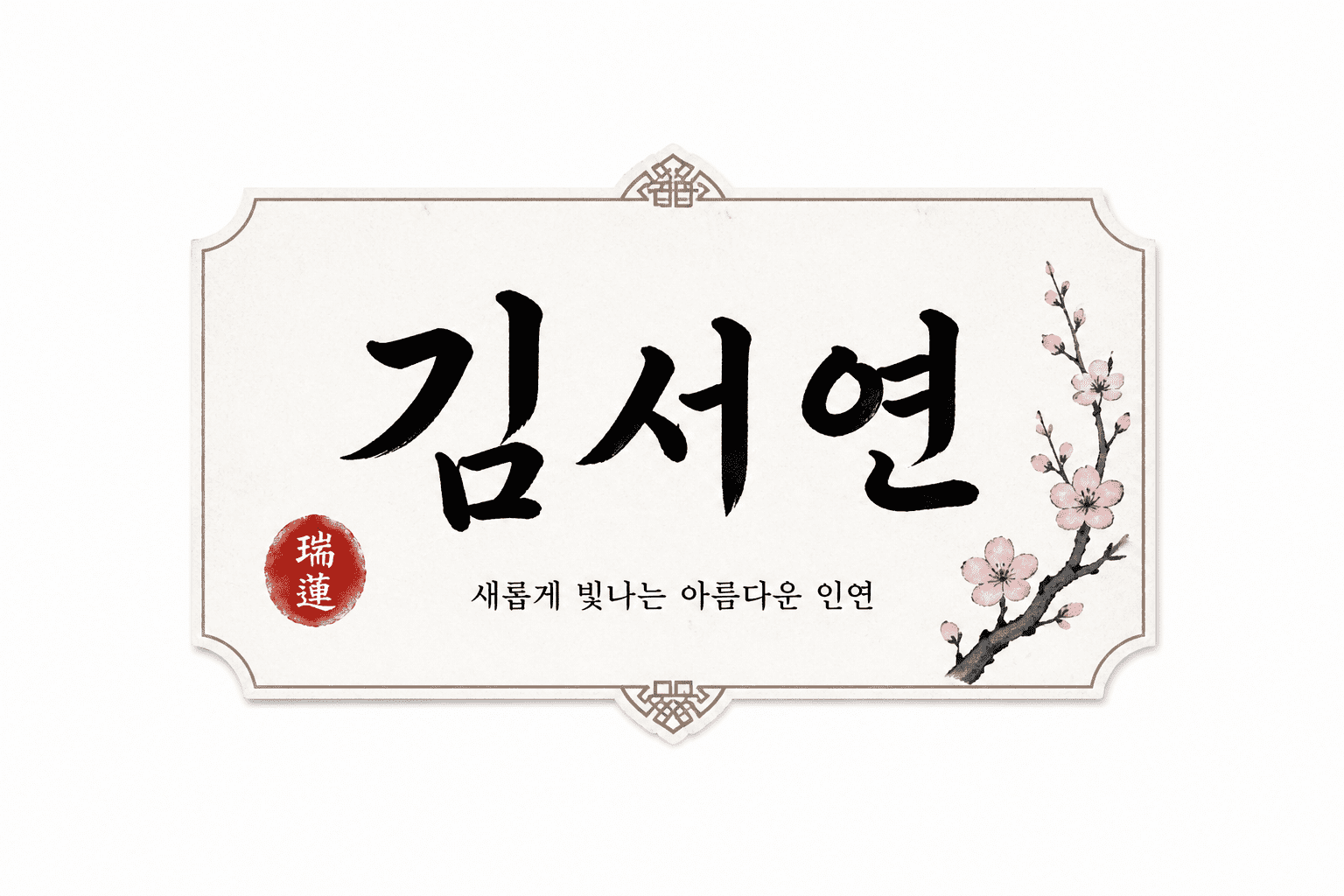
63 korean names sorted by Feminine, Masculine and Unisex
| # | Name | Category | Meaning and Origin |
|---|---|---|---|
| 1 | Hana | Feminine | One; from Korean hanja and native roots |
| 2 | Min-jun | Modern | Bright and talented; common modern Korean name |
| 3 | Ji-woo | Modern | Wisdom and universe; versatile hanja choices |
| 4 | Seo-yeon | Feminine | Auspicious and graceful; popular modern name |
| 5 | Joon-ho | Masculine | Talented and excellent; traditional hanja spelling |
| 6 | Ye-jin | Feminine | Precious and truthful; widely used Korean name |
| 7 | Hyun-woo | Masculine | Wise and shining; common in South Korea |
| 8 | Su-bin | Unisex | Elegant and refined; flexible hanja meaning |
| 9 | Seung-woo | Masculine | Victory and grace; strong traditional meaning |
| 10 | Ji-ho | Masculine | Wisdom and great; popular boy name |
| 11 | Da-eun | Feminine | Great kindness; meaningful modern Korean choice |
| 12 | Taeyang | Nature | Sun; native Korean word and name |
| 13 | Bo-ram | Nature | Valuable; native Korean name with warm tone |
| 14 | Arin | Modern | Pure and bright; modern Korean usage |
| 15 | Eun-ji | Feminine | Kindness and wisdom; classic hanja-based name |
| 16 | Jae-hyun | Masculine | Talented and virtuous; common formal meaning |
| 17 | So-yeon | Feminine | Beautiful and graceful; popular among women |
| 18 | Hye-jin | Feminine | Wise and precious; established Korean name |
| 19 | Won-bin | Masculine | Primarily wealth and refinement; elegant hanja |
| 20 | Yuna | Feminine | Gentle and graceful; modern Korean favorite |
| 21 | Seo-jun | Masculine | Auspicious and talented; very popular modern name |
| 22 | Chae-won | Feminine | Colorful and origin-filled; stylish Korean name |
| 23 | Ha-neul | Nature | Sky; native Korean word name |
| 24 | Jisoo | Unisex | Wisdom and excellence; widely used Korean name |
| 25 | Min-seo | Feminine | Bright and auspicious; common modern choice |
| 26 | Seung-min | Masculine | Victory and cleverness; strong traditional meaning |
| 27 | Rina | Feminine | Often modern; graceful sound and flexible hanja |
| 28 | Dong-wook | Masculine | East and rising; classic Korean masculine name |
| 29 | Bo-hyun | Unisex | Treasure and virtue; balanced hanja meaning |
| 30 | Na-ra | Modern | Country or world; native Korean style |
| 31 | Young-hee | Feminine | Flourishing and joy; traditional older generation name |
| 32 | Chan-woo | Masculine | Shining and helpful; strong modern appeal |
| 33 | Mi-yeon | Feminine | Beautiful and bright; graceful Korean origin |
| 34 | Jun-seo | Masculine | Talented and auspicious; common contemporary boy name |
| 35 | Hae-won | Nature | Sun and garden; poetic Korean name |
| 36 | Yeo-jin | Feminine | Lovely and precious; elegant hanja-based name |
| 37 | Kyu-hyun | Masculine | Standard and wise; refined traditional meaning |
| 38 | Ryu-jin | Unisex | Dragon and treasure; strong symbolic name |
| 39 | Soo-yeon | Feminine | Excellent and elegant; classic Korean favorite |
| 40 | Jung-woo | Masculine | Correct and helpful; traditional hanja meanings |
| 41 | Harin | Modern | Pure and calm; modern Korean-style name |
| 42 | Yeon-woo | Unisex | Lotus and grace; popular soft-sounding name |
| 43 | Seol | Nature | Snow; native Korean word and name |
| 44 | Il-seong | Masculine | One and star; traditional hanja combination |
| 45 | Ae-rin | Feminine | Beloved and refined; modern Korean elegance |
| 46 | Gun-woo | Masculine | Strong and helpful; widely liked boy name |
| 47 | Sun-hee | Feminine | Goodness and joy; familiar traditional name |
| 48 | Kyung-soo | Masculine | Respect and excellence; classic Korean meaning |
| 49 | Ra-on | Modern | Joyful; cheerful modern Korean-style name |
| 50 | Jae-woo | Masculine | Talented and helpful; strong modern favorite |
| 51 | Mi-ra | Feminine | Beautiful and future; elegant hanja usage |
| 52 | Woo-jin | Masculine | Universe and truth; very popular boy name |
| 53 | Hye-won | Feminine | Wise and garden-like; gentle Korean meaning |
| 54 | Boram | Nature | Valuable; pure native Korean given name |
| 55 | Chan-mi | Feminine | Bright and beautiful; cheerful Korean meaning |
| 56 | Do-yun | Masculine | Great and smooth; modern hanja favorite |
| 57 | Seo-ah | Feminine | Auspicious and elegant; trendy Korean name |
| 58 | Young-ja | Feminine | Flourishing child; traditional older Korean name |
| 59 | Ha-ru | Nature | Day; simple native Korean word name |
| 60 | In-woo | Masculine | Kind and helpful; thoughtful hanja meaning |
| 61 | Chae-young | Feminine | Colorful and flourishing; polished Korean name |
| 62 | Jin-woo | Masculine | Precious and helpful; common modern meaning |
| 63 | So-bin | Unisex | Gentle and refined; concise modern choice |
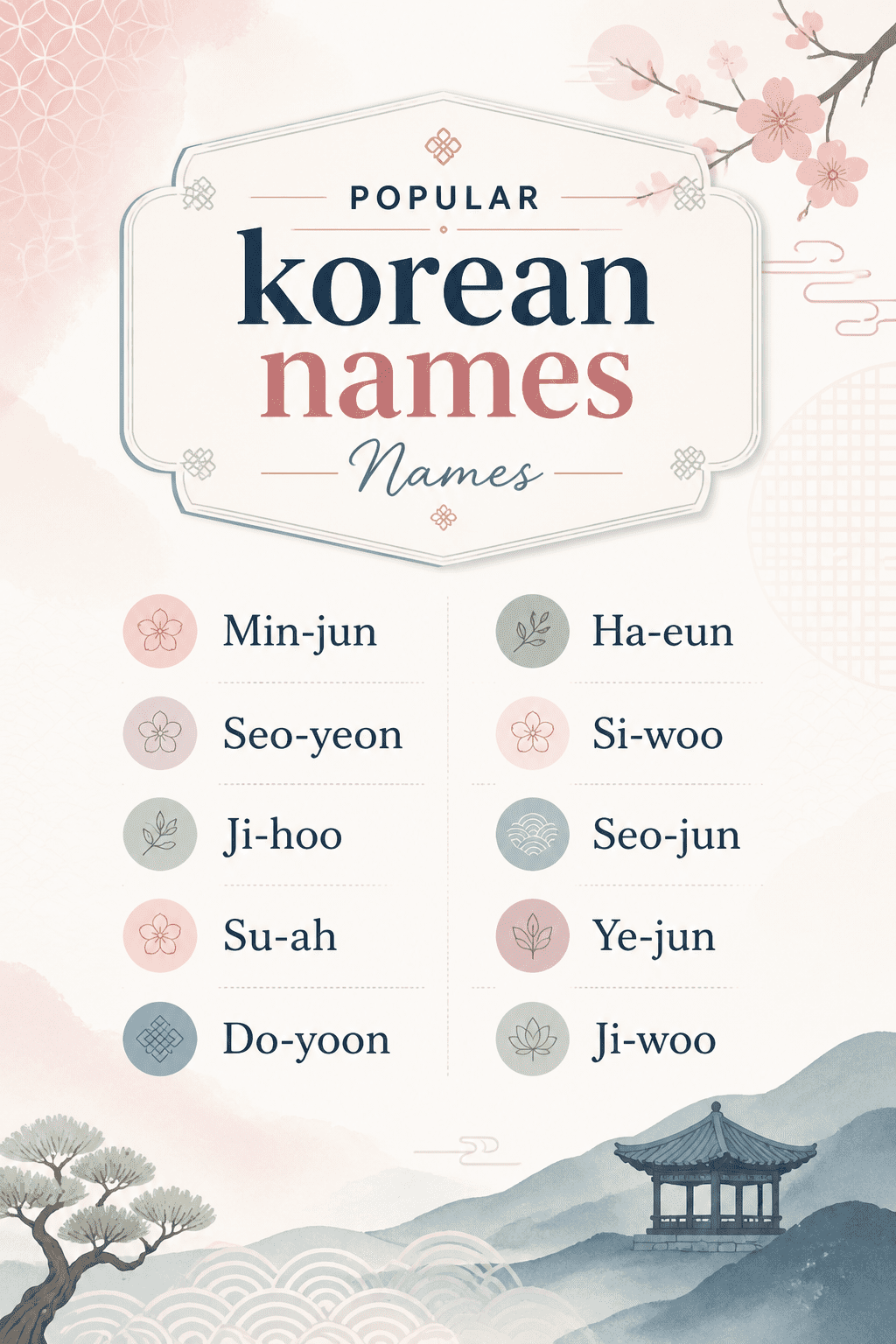
If you are choosing from Korean names, the next step is usually not picking the prettiest sound. It is checking how the name will work in real life, especially with hanja, pronunciation, and whether it fits a child, character, or pen name.
Korean Names With Hanja Meanings
In Korean names, the same pronunciation can be written with different hanja, so the meaning can change even when the name sounds identical. That is why a name like Ji-ho can have more than one possible reading, depending on which characters are chosen. In everyday use, Koreans often focus on the sound first, then look at the hanja when the exact meaning matters for family naming, official records, or tradition.
- Meaning depends on hanja: A single syllable such as min, seo, or hyun can be written with several characters, each with a different sense like cleverness, auspiciousness, or virtue.
- Family input is common: Some families ask a parent, grandparent, or naming specialist to choose hanja that match the child’s birth details or family preferences.
- Official records matter: In South Korea, a name must use hanja from the approved list if it is registered with Chinese characters, so not every character is available.
- Sound and spelling can differ: Romanization may make a name look simple in English, but the Korean spelling and hanja decide the true form and meaning.
- Modern names often mix styles: Many current Korean names feel contemporary in sound while still keeping classical hanja roots, which is why the same name can feel both modern and traditional.
How To Read Korean Names
If you want to use Korean names correctly, start with the structure. Most full Korean personal names use a one-syllable family name and a two-syllable given name, though there are exceptions. The family name comes first in Korean order, so Kim Min-jun is written and spoken with the surname before the given name in Korean contexts.
- Check the surname first: Common Korean family names include Kim, Lee, Park, Choi, and Jung.
- Separate sound from meaning: Two names that sound alike may use different hanja, so do not assume the meaning from the romanized spelling alone.
- Watch the order: In Korean usage, the family name comes first, but in English contexts it is often flipped to fit Western reading habits.
- Think about context: A name that works for a baby may not feel right for a novel character, stage name, or brand, even if the meaning is attractive.
- Use respectful pronunciation: If you are saying someone’s Korean name aloud, take a moment to learn the natural stress and syllable breaks instead of reading it as if it were English.
- Ask about preferred spelling: Romanized Korean names can have more than one accepted spelling, so the person’s preferred version is the one to follow.
Frequently Asked Questions
What does Hanja mean in Korean names?
Hanja refers to Chinese characters used in Korean writing, especially in names. Each character carries its own meaning and pronunciation, so a Korean name can have different meanings depending on which Hanja are chosen.
Why do some Korean names have multiple meanings?
Many Korean given names are written with syllables that can be matched to several Hanja characters. Because each character may have a different meaning, the same spoken name can represent different interpretations and family preferences.
How are Korean names with Hanja chosen?
Parents often choose Hanja based on meaning, sound, family naming traditions, and sometimes consultation with naming experts. The goal is usually to select characters that express positive qualities, virtues, or hopes for the child’s future.
Are Hanja meanings still important in modern Korea?
Yes, Hanja meanings remain important for many families, especially when registering legal names or selecting names with symbolic value. Although Korean names are written in Hangul in everyday use, Hanja can still provide deeper meaning and help distinguish names with the same pronunciation.
Can the same Korean name have different origins?
Yes, some Korean names may share the same pronunciation but have different Hanja combinations and historical roots. This means a name can be associated with multiple meanings or origin stories depending on the characters used.
- [cfury_download slug=”65-korean-names-with-hanja-meanings-and-origins-fo4ljq” label=”PDF list”]
- [cfury_download slug=”65-korean-names-with-hanja-meanings-and-origins-fo4ljq-image” label=”Hero image”]
- [cfury_download slug=”65-korean-names-with-hanja-meanings-and-origins-fo4ljq-table” label=”Excel table”]