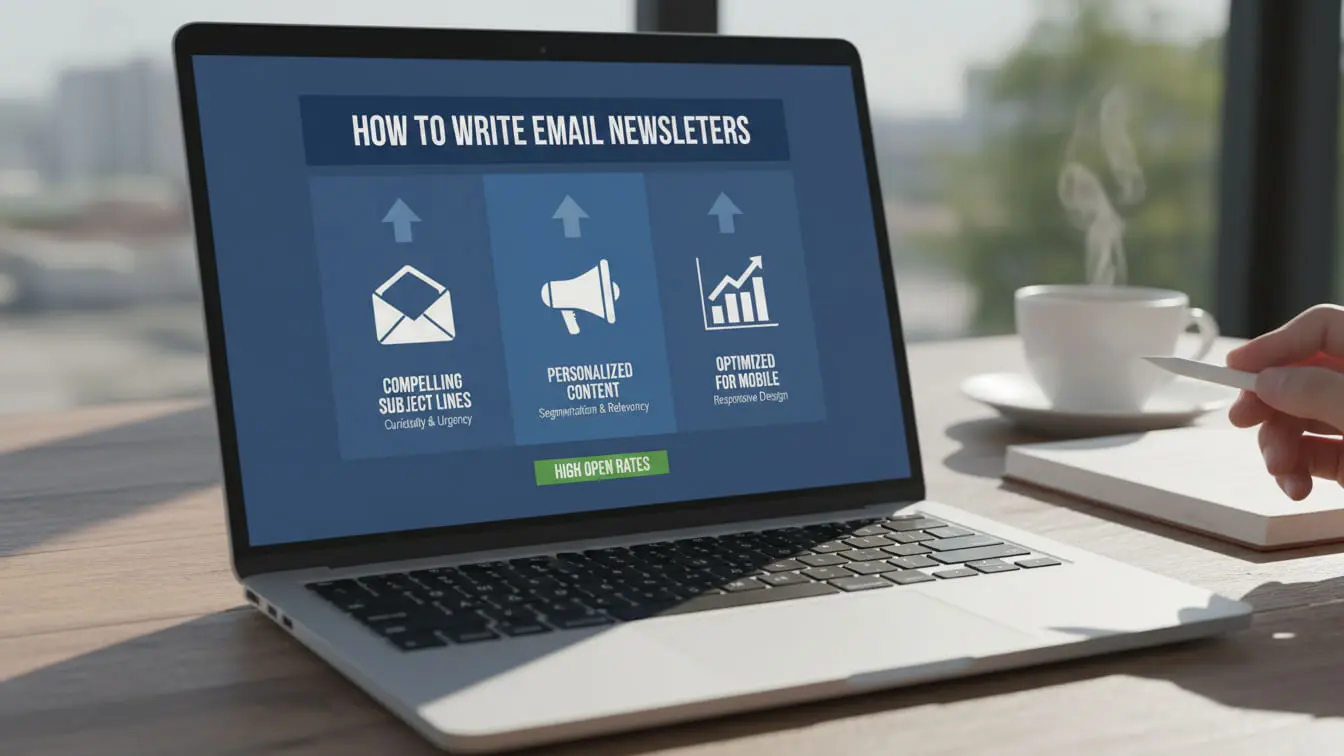
Getting people to open your emails is harder than ever. With 347 billion emails sent daily, your newsletter fights for attention in crowded inboxes. The average email open rate sits around 26.64% across industries, but some newsletters crack 50% or more.
The difference? They know the rules. This guide shows you how to write newsletters people can’t ignore—from subject lines that get clicks to content that keeps readers coming back. By the end, you’ll have a clear plan to boost your open rates and turn subscribers into engaged fans.
What You’ll Learn
- Why your current open rate might be lower than you think
- Subject line tactics that increase opens by 26%
- Content formats that get 40-50% open rates
- Send time tricks that can bump engagement by 22%
- List management strategies used by top newsletters
- Free tools to create better newsletters faster
What Counts as a Good Open Rate
An open rate tells you how many people opened your email out of everyone who got it. If you send to 1,000 people and 300 open it, that’s a 30% open rate. Simple math: opens divided by sends, times 100.
But what number should you aim for? Industry research shows the average sits at 39.64%, though this varies widely by sector. Newsletters specifically hit around 40.08%, while triggered emails (like welcome messages) reach 45.38%.
Here’s where it gets tricky: location matters. Oceania leads with 57.25% in Australia, while Asia lags at 21.67%. Your industry plays a huge role too. Religious organizations see 48.62% opens, while media companies struggle at 22.15%.
Don’t chase someone else’s numbers. Track your own baseline and work to beat it. If you’re at 20% now, push for 25%. Already at 40%? Aim for 45%. Growth matters more than hitting arbitrary benchmarks.
1. Newsletter Generator
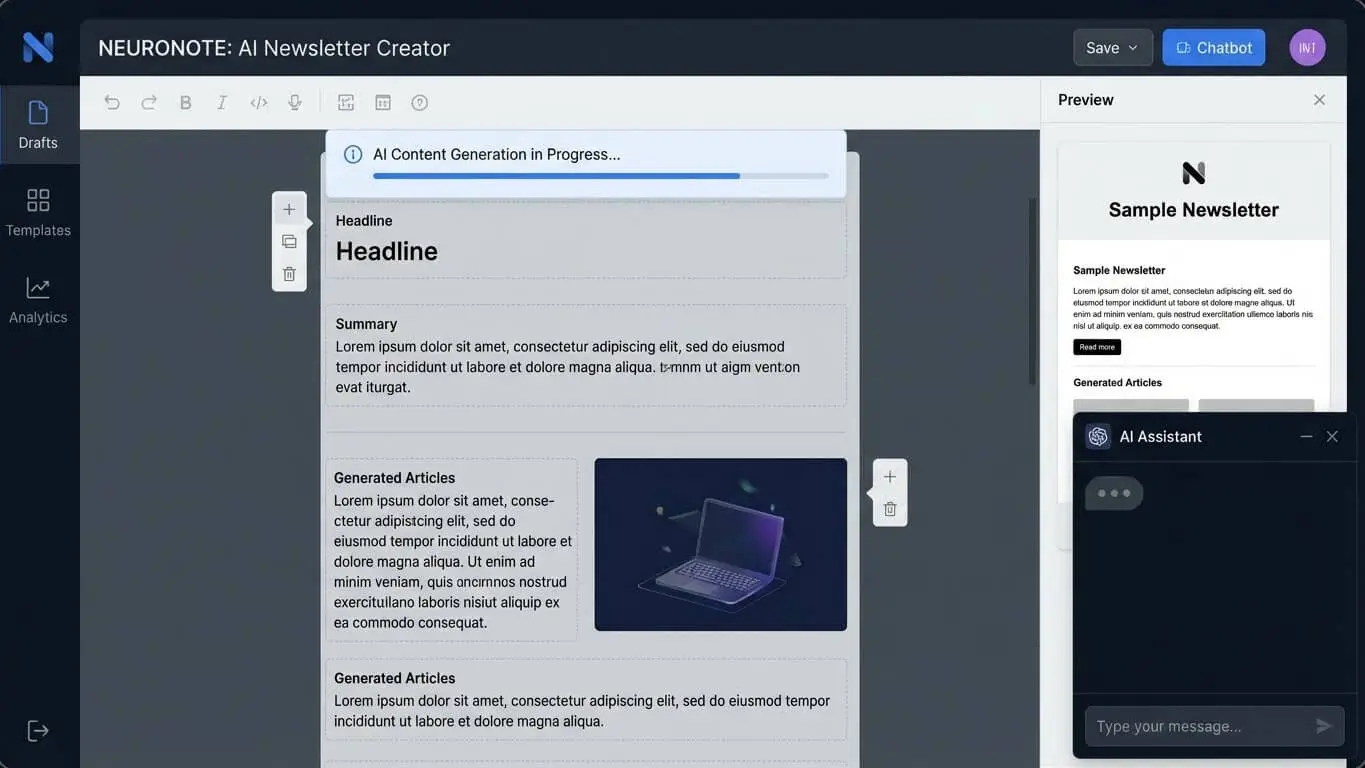
Start with the right tools. This Newsletter Generator creates complete newsletter drafts in minutes, not hours. You input your topic and audience, and it produces content structured for high engagement.
This tool tackles the hardest part: getting words on the page. It generates headlines, body copy, and call-to-action suggestions based on proven newsletter formats. You get a solid first draft that you can tweak and personalize, cutting your writing time by 70%.
The generator understands newsletter structure. It creates scannable sections, adds natural transitions, and suggests where to place images or links. For busy creators, this means publishing consistently without burning out.
2. Crack the Subject Line Code
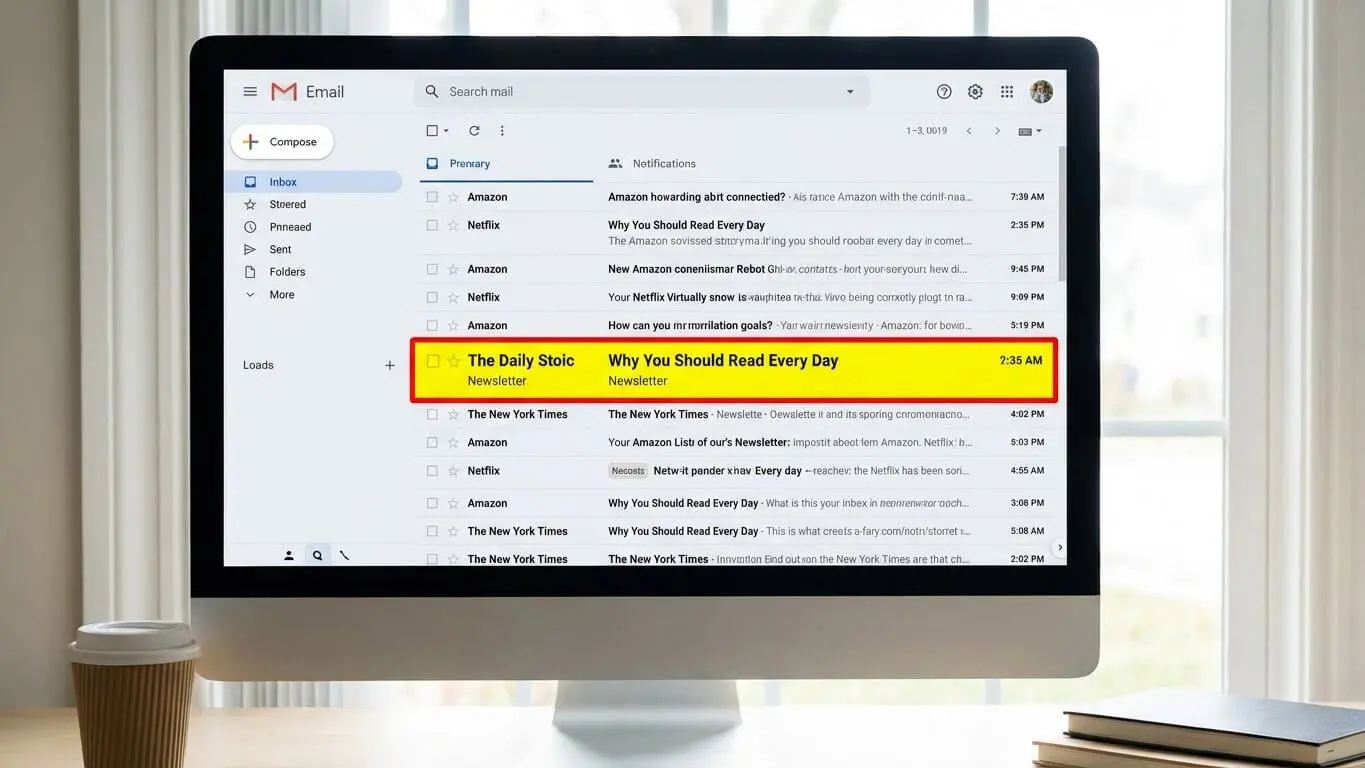
Your subject line is a make-or-break moment. Studies show that personalized subject lines lift opens by 26%. But personalization means more than slapping in a first name.
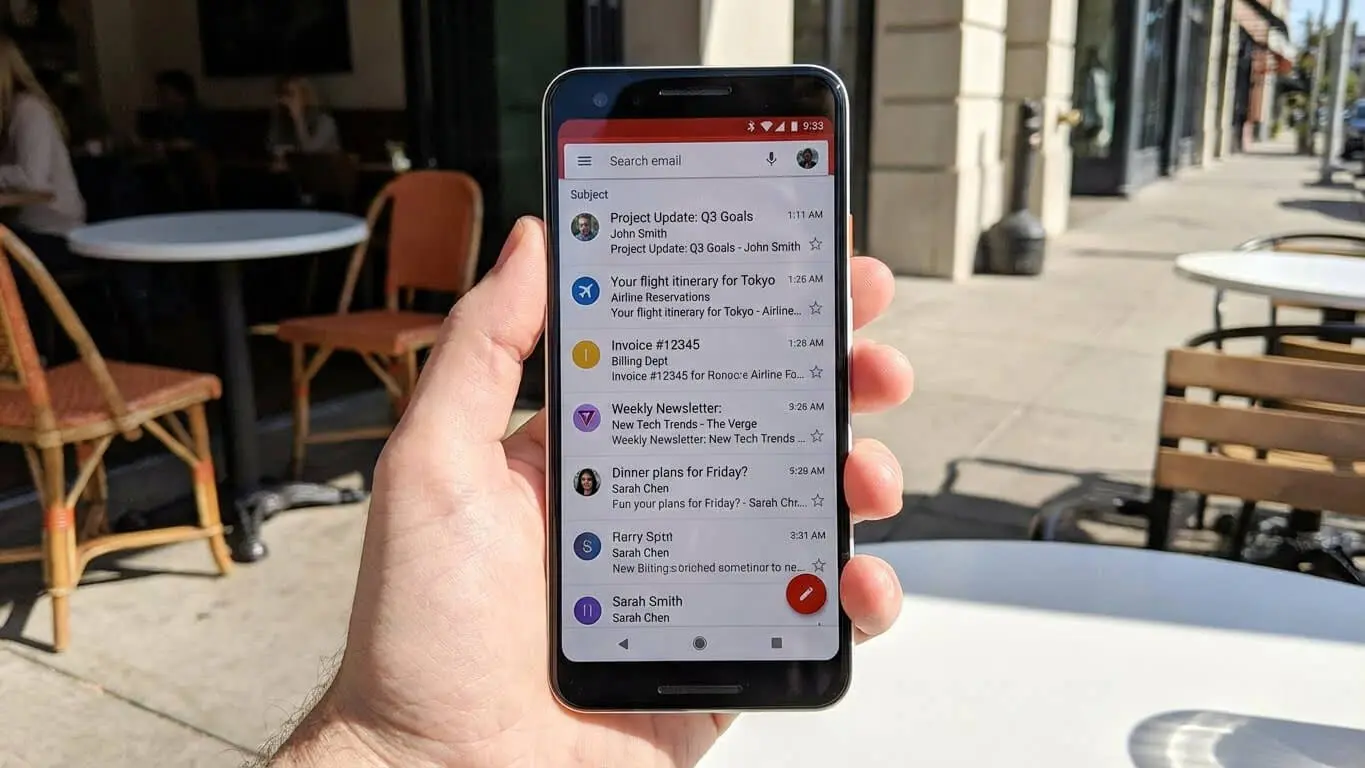
Keep it short. Under 50 characters works best since mobile devices (which handle 41% of opens) cut off longer text. That’s about 6-10 words maximum.
Numbers grab attention. “5 Tips for Better Sleep” beats “Tips for Better Sleep” every time. Questions work too: “Still Wasting Money on Ads?” makes readers curious. Urgency creates action: “Sale Ends Tonight” can boost opens by 22%.
Avoid spam triggers. Words like “FREE!!!” or “ACT NOW!!!” send your email to the junk folder. Same with too many exclamation points or ALL CAPS. Write like you’re texting a friend, not shouting at them.
Test everything. Try curiosity-driven lines against benefit-focused ones. Compare questions to statements. One subject line might perform 30% better than another with the same audience.
| Subject Line Type | Example | When to Use |
|---|---|---|
| Question | “Ready to 3x Your Sales?” | When you have a solution to offer |
| Number List | “7 Mistakes Killing Your ROI” | Educational or how-to content |
| Urgency | “Last Call: Workshop Closes Tonight” | Time-sensitive offers |
| Curiosity | “The One Thing You’re Missing” | When you have surprising insights |
| Personalized | “Sarah, Your Report Is Ready” | Individual updates or resources |
3. Send at the Right Time
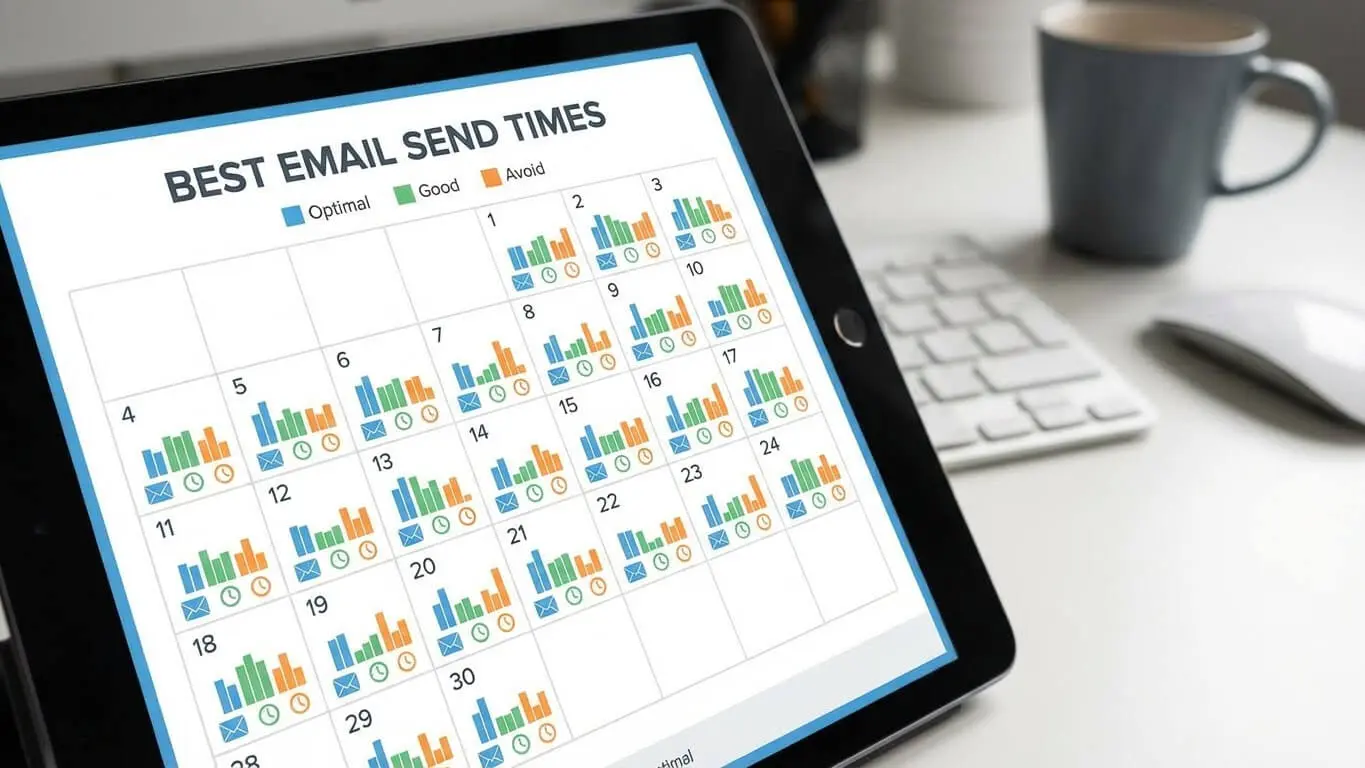
Timing can make or break your open rate. Research indicates emails sent between 4-6 AM and 5-7 PM get higher engagement. Why? People check email during their morning routine and evening wind-down.
Day of the week matters too. Monday and Tuesday perform best for most industries, though Friday edges ahead in some sectors. Avoid weekends unless your audience specifically engages then.
But don’t just follow generic advice. Your audience has unique habits. Run tests sending at different times and track which slots get the most opens. A B2B newsletter might crush it at 8 AM Tuesday, while a fitness newsletter could peak at 6 PM Thursday.
Consistency builds habit. Pick a schedule and stick to it. If subscribers know you send every Tuesday at 9 AM, they’ll watch for your email. Sporadic sending trains people to ignore you.
4. Write Content People Actually Want
Here’s the truth: people don’t open emails to be sold to. They open because they expect value. The 90/10 rule works: 90% helpful content, 10% promotional.
Lead with benefits, not features. “This tool saves you 5 hours per week” beats “This tool has automated scheduling.” Readers care about what’s in it for them.
Use the preview text wisely. This snippet appears next to your subject line in most email clients. It’s extra space to hook readers. Don’t waste it on “View this email in your browser” or other junk.
Structure matters. Break up walls of text with short paragraphs (3-4 lines max), bullet points, and subheadings. Readers scan before committing to read. Make scanning easy and they’ll stick around.
Stories beat stats. Instead of “Our customers see 40% better results,” try “Sarah doubled her revenue in 3 months using this approach.” Real examples connect emotionally.
Content Formats That Work
- How-to guides: Step-by-step instructions solve specific problems
- Curated links: Save readers time by finding the best resources
- Behind-the-scenes: Show your process or company culture
- Case studies: Prove your methods work with real results
- Quick tips: Actionable advice readers can use immediately
5. Personalize Beyond First Names
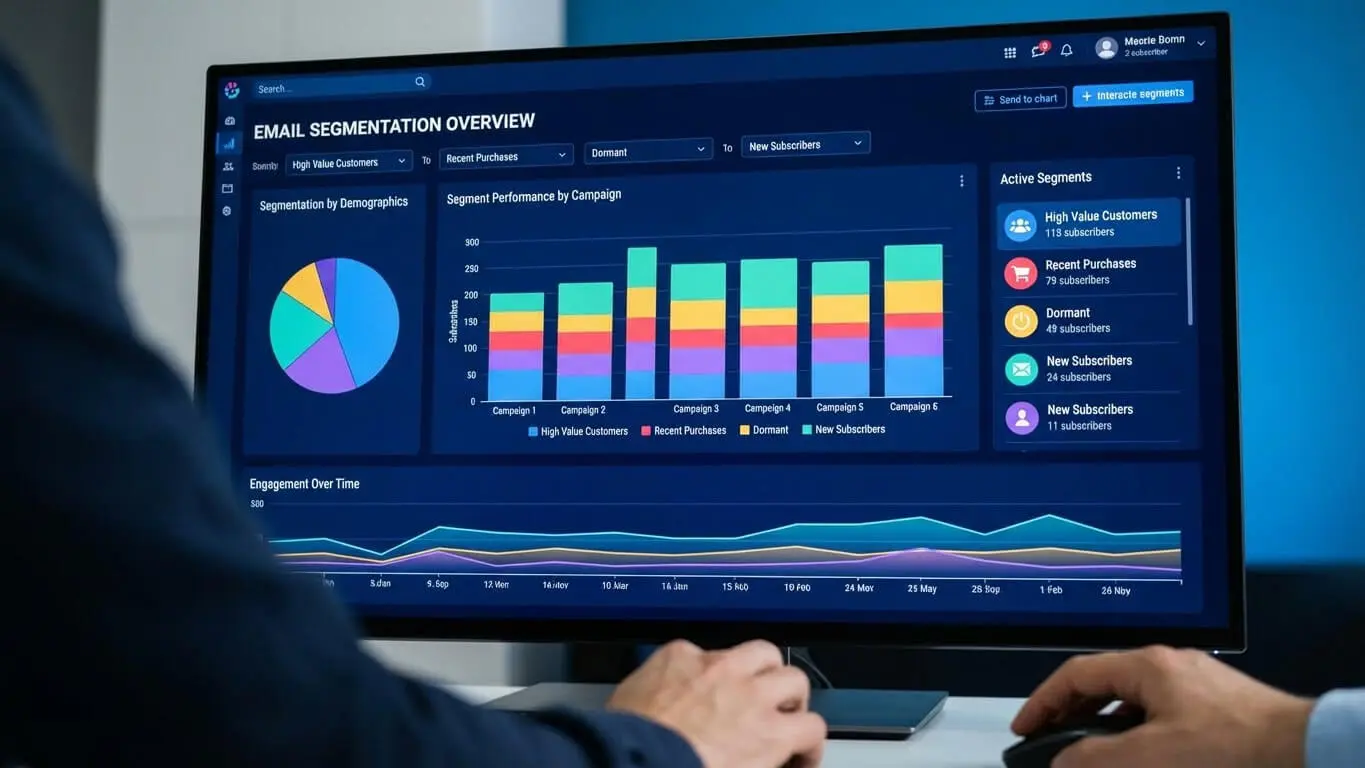
Everyone personalizes with names now. It’s table stakes, not a competitive edge. Go deeper. Segment your list based on behavior, interests, or purchase history.
Segmentation strategies can increase revenue by 760%. Someone who bought from you needs different content than someone still deciding. Someone interested in SEO wants different tips than someone focused on social media.
Use your email platform’s data. Track clicks, opens, and purchases. Create segments like “Engaged Last 30 Days” or “Interested in X Topic.” Send each segment content that matches their needs.
Let subscribers choose. Give them a preference center where they pick topics, frequency, and content types. When people control their experience, they’re more likely to stay subscribed and engaged.
6. Design for Mobile First
Over half of all email opens happen on mobile devices. If your newsletter looks broken on phones, you’ve lost before you started.
Single-column layouts work best. Multiple columns get messy on small screens. Stack everything vertically and keep it clean.
Make buttons finger-friendly. Tiny links are impossible to tap on mobile. CTAs should be at least 44 pixels tall and easy to hit with a thumb.
Images should load fast and scale properly. Test your newsletter on multiple devices before sending. What looks great on desktop might be unreadable on iPhone.
Keep file size under 102KB when possible. Heavy emails take forever to load on mobile networks, and impatient readers will delete them.
7. Clean Your List Regularly
A smaller, engaged list beats a large, dead one. Recent data shows open rates are dropping partly because people hold onto inactive subscribers too long.
Remove people who haven’t opened in 6 months. Yes, it feels scary cutting your list. But inactive subscribers hurt your sender reputation, which means fewer emails land in inboxes.
Try a re-engagement campaign first. Send a “We miss you” email with a compelling offer to come back. If they still don’t open, let them go.
Make unsubscribing easy. It sounds counterintuitive, but a clear unsubscribe option improves deliverability. People who don’t want your emails will mark you as spam instead, which tanks your reputation.
8. Test One Thing at a Time
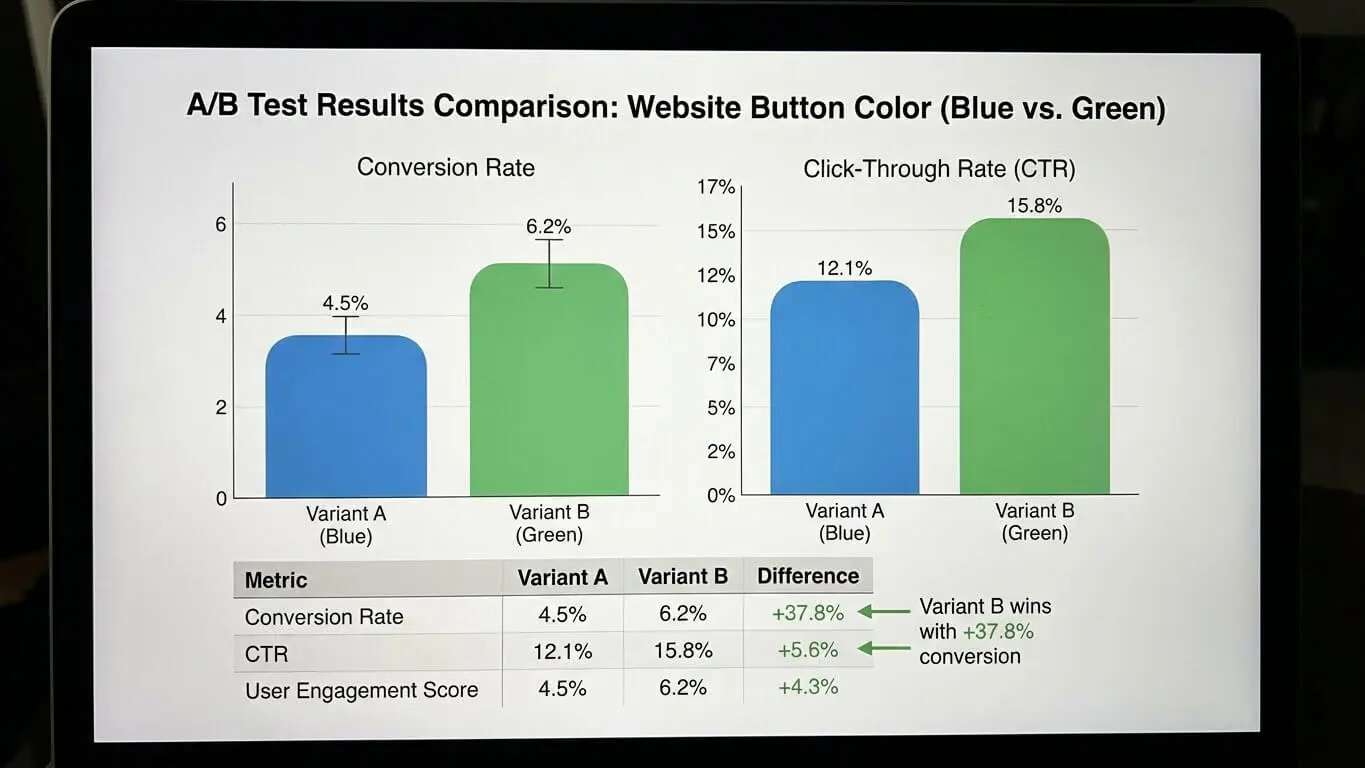
A/B testing reveals what actually works with your audience. But test smart. Change one variable per test—subject line, send time, content format, or CTA placement. Testing multiple changes makes it impossible to know what drove results.
Split your list randomly. Send version A to half, version B to the other half. Track which performs better. Once you have a winner, use that approach going forward.
Common tests to run:
- Two different subject lines
- Send time variations (morning vs evening)
- Long vs short content
- Text-only vs image-heavy
- Different CTA copy
Let tests run long enough. Don’t call a winner after 50 opens. Wait for at least 500-1,000 opens to get statistically meaningful results.
9. Use AI-Powered Email Tools
Beyond the newsletter generator, AI FREE FOREVER’s Email Writer helps you craft individual sections, responses, and promotional content. It adapts to different tones and styles based on your needs.
These tools don’t replace your creativity. They speed up the grunt work—outlining, drafting, and formatting—so you can focus on strategy and personalization.
The Cold Email Generator works great for initial outreach sequences before people join your main newsletter. It creates compelling first-touch emails that convert strangers into subscribers.
10. Write Scannable Copy
Most readers skim emails first. If they can’t quickly grasp the value, they delete. Make skimming easy.
Use descriptive subheadings. “How to Fix Your Landing Page” tells readers exactly what that section covers. “The Solution” tells them nothing.
Bold key points. When readers scan, bolded text catches their eye. Highlight the most important takeaways or action items.
Keep sentences short. Long, winding sentences lose readers. Break complex ideas into digestible chunks. One idea per sentence works best.
White space is your friend. Dense paragraphs look like work. Space out your content so it feels easy to consume.
11. Add Clear Calls to Action
Every newsletter should drive readers toward one main action. Read a blog post. Buy a product. Reply with feedback. Don’t stuff in five different CTAs and confuse people.
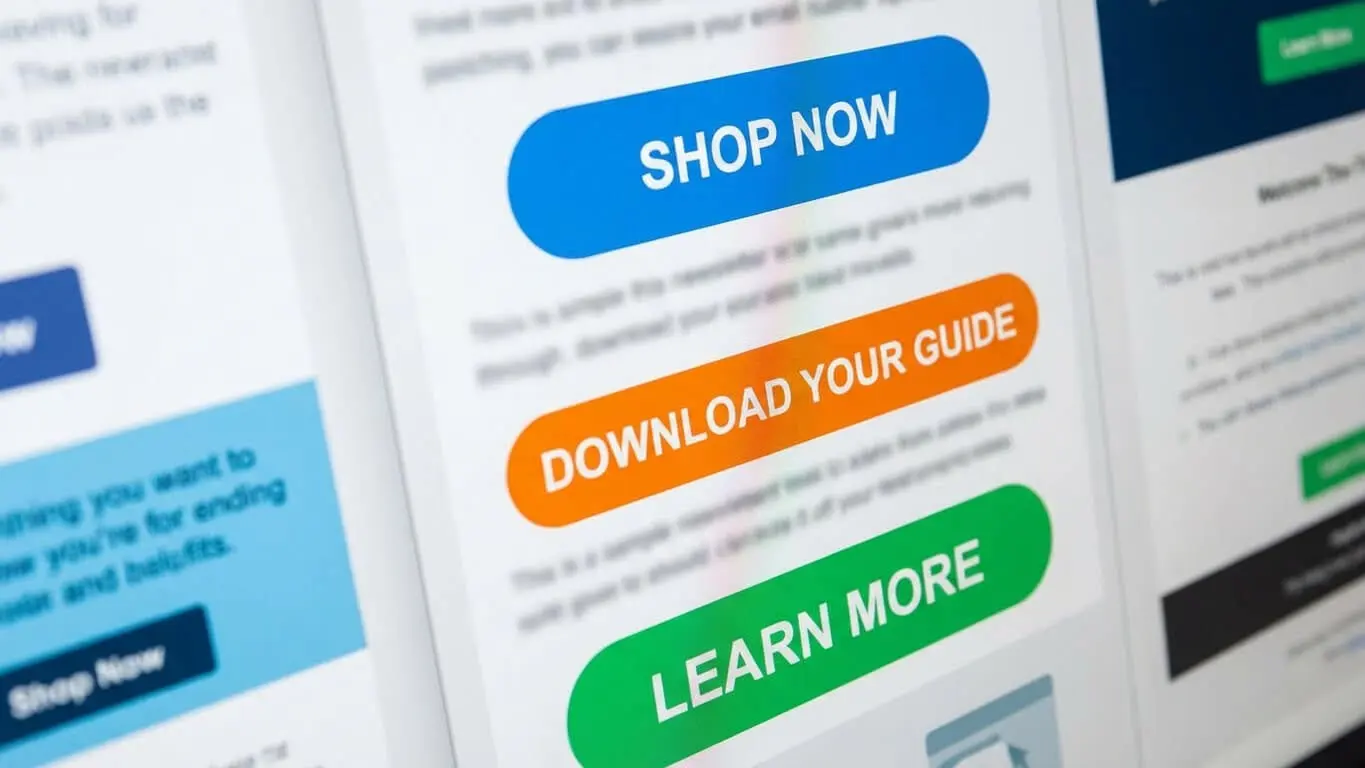
Make your CTA specific. “Learn More” is vague. “Download the Free Template” tells readers exactly what happens when they click.
Place CTAs strategically. One at the top for skimmers, one at the bottom for readers who made it through. Too many CTAs dilute your message.
Use action verbs. “Start Your Free Trial” beats “Free Trial Available.” “Grab Your Seat” beats “Register Here.” Active language creates momentum.
12. Track the Right Metrics
Open rate matters, but it’s not the only number to watch. Click-through rate (CTR) shows how many people engaged with your content. Average CTR sits around 3.84% for newsletters.
Click-to-open rate (CTOR) tells you how compelling your content is. It measures clicks divided by opens. High opens but low clicks mean your subject line works but your content doesn’t deliver.
Bounce rate reveals list health. Soft bounces (temporary delivery issues) happen. Hard bounces (invalid addresses) need to be removed immediately.
Unsubscribe rate shows content-audience fit. Some churn is normal—around 0.82% on average. But sudden spikes mean something’s wrong.
Track these numbers over time. Week-to-week fluctuations are normal. Focus on trends across months to see if your changes are working.
13. Write Subject Lines People Can’t Ignore
Let’s get specific about subject lines because they’re that important. Here are proven formulas that consistently perform:
The curiosity gap: “The One Newsletter Mistake Everyone Makes” creates intrigue without revealing everything.
The personal win: “How I Tripled My Open Rates in 30 Days” promises a relatable achievement.
The surprise: “Your Newsletter Is Probably Broken” challenges assumptions.
The countdown: “3 Days Left to Join” creates FOMO.
The question: “Tired of Low Open Rates?” speaks directly to pain points.
Mix these formulas. Don’t use the same pattern every send. Variety keeps your subject lines fresh and prevents pattern blindness.
Avoid these subject line killers:
- Generic: “Newsletter #42” or “Weekly Update”
- Vague: “Check This Out” or “You’ll Love This”
- Salesy: “Buy Now!!!” or “Limited Time Offer!!!”
- Misleading: Don’t promise what you won’t deliver
- Too long: Cut anything past 50 characters
14. Learn from Your Best Performers
Your email platform tracks which sends get the most opens. Study them. What did those subject lines have in common? What content format did you use? What time did you send?
Look for patterns. Maybe your list responds better to questions than statements. Maybe Monday mornings crush it while Wednesday afternoons flop. Maybe short emails (under 300 words) perform better than long ones.
Double down on what works. If how-to guides consistently get 45% opens while news roundups get 25%, make more how-to guides.
But keep testing. What works today might not work in six months. Audiences evolve, inboxes change, and competition increases. Never stop experimenting.
15. Nail Your From Name
People open emails from people they recognize. “John from Marketing Tips” beats “newsletter@marketingtips.com” every time.
Use a real person’s name when possible. Personal names build relationships. Generic company names feel corporate and cold.
Keep it consistent. Changing your from name confuses subscribers. They signed up expecting emails from “Sarah’s SEO Tips,” not “SEO Company LLC.”
Add your company name for clarity. “John at WidgetCo” gives context while maintaining the personal touch.
16. Understand Send Frequency
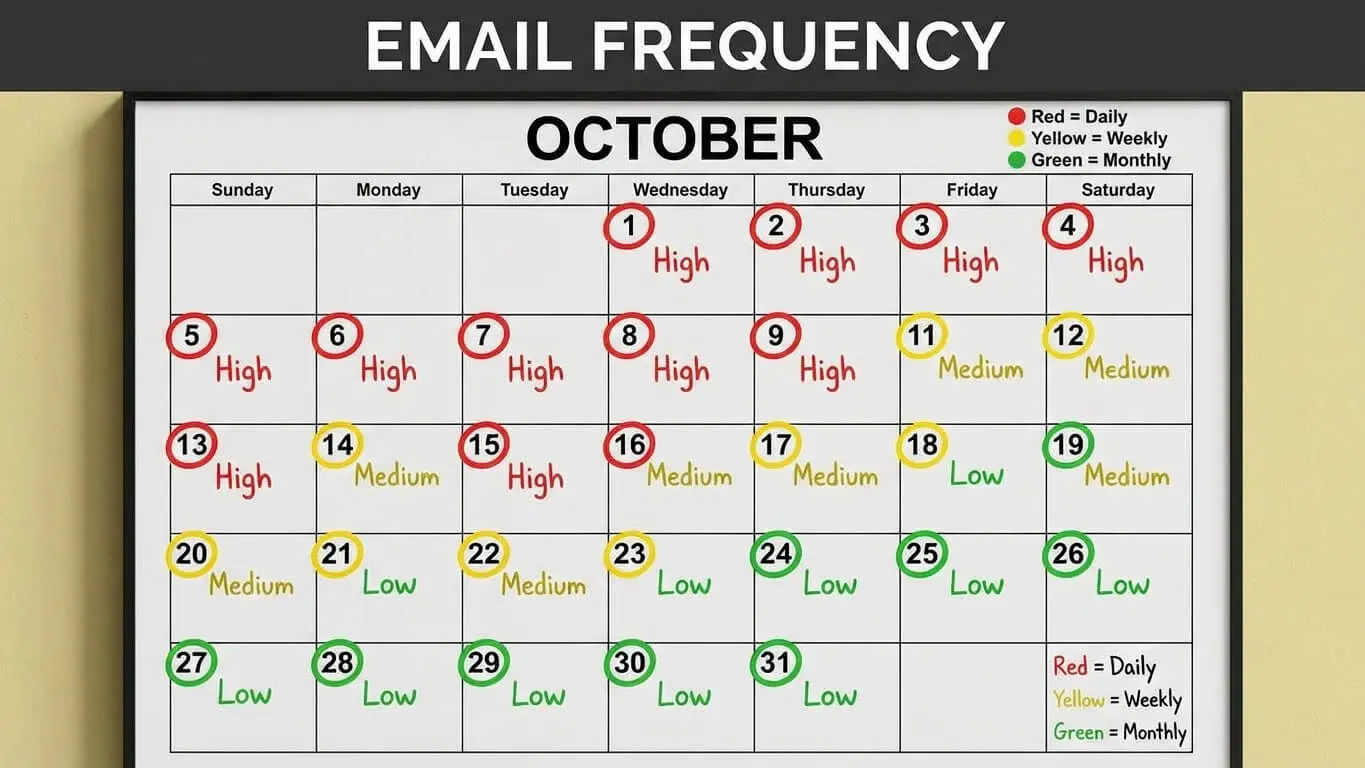
There’s no perfect frequency. Some audiences want daily emails. Others prefer weekly or monthly. The key is consistency more than frequency.
Start with once per week. It’s manageable for you and not overwhelming for subscribers. Track engagement. If open rates stay high, you might add a second send. If they drop, pull back.
Let subscribers control frequency when possible. Offer daily, weekly, and monthly options. Some superfans want every update. Others prefer digests.
Watch for list fatigue. If open rates steadily decline, you might be over-sending. Try cutting frequency by 25% and see if engagement rebounds.
17. Create Content That Stands Alone
Your newsletter should deliver value inside the email itself. Don’t make readers click to get the payoff. Zero-click content is gaining traction because it respects readers’ time.
This doesn’t mean never linking out. It means giving enough value in the email that readers feel satisfied, and links become optional extras for those who want to go deeper.
For example, share three complete tips in your email rather than “Click here for 3 tips.” Readers get immediate value, build trust, and are more likely to click your links next time.
18. Avoid the Spam Folder
Landing in spam destroys your open rate. Spam filters flag emails based on content, sending behavior, and user complaints.
Trigger words to avoid: Free, Guarantee, Winner, Cash, Prize, Click here, Limited time, Act now. These phrases scream spam.
Don’t use all caps or excessive punctuation. “FREE GIFT FOR YOU!!!” gets filtered fast. Write like a normal human.
Authenticate your domain. Set up SPF, DKIM, and DMARC records. These technical steps verify you’re a legitimate sender. Your email platform can help with this.
Encourage engagement. When subscribers open, click, and reply to your emails, it signals to email providers that you’re legitimate. Ask questions and invite responses.
19. Use Social Proof
People trust other people. Include social proof in your newsletters to build credibility and engagement.
Share subscriber numbers: “Join 50,000+ marketers getting these tips” makes people want in.
Include testimonials: “This newsletter saves me 3 hours every week” – Real Reader
Highlight results: “Our readers increased open rates by an average of 18%”
Show engagement metrics: “Last week’s guide got 500 shares”
20. Build a Welcome Sequence
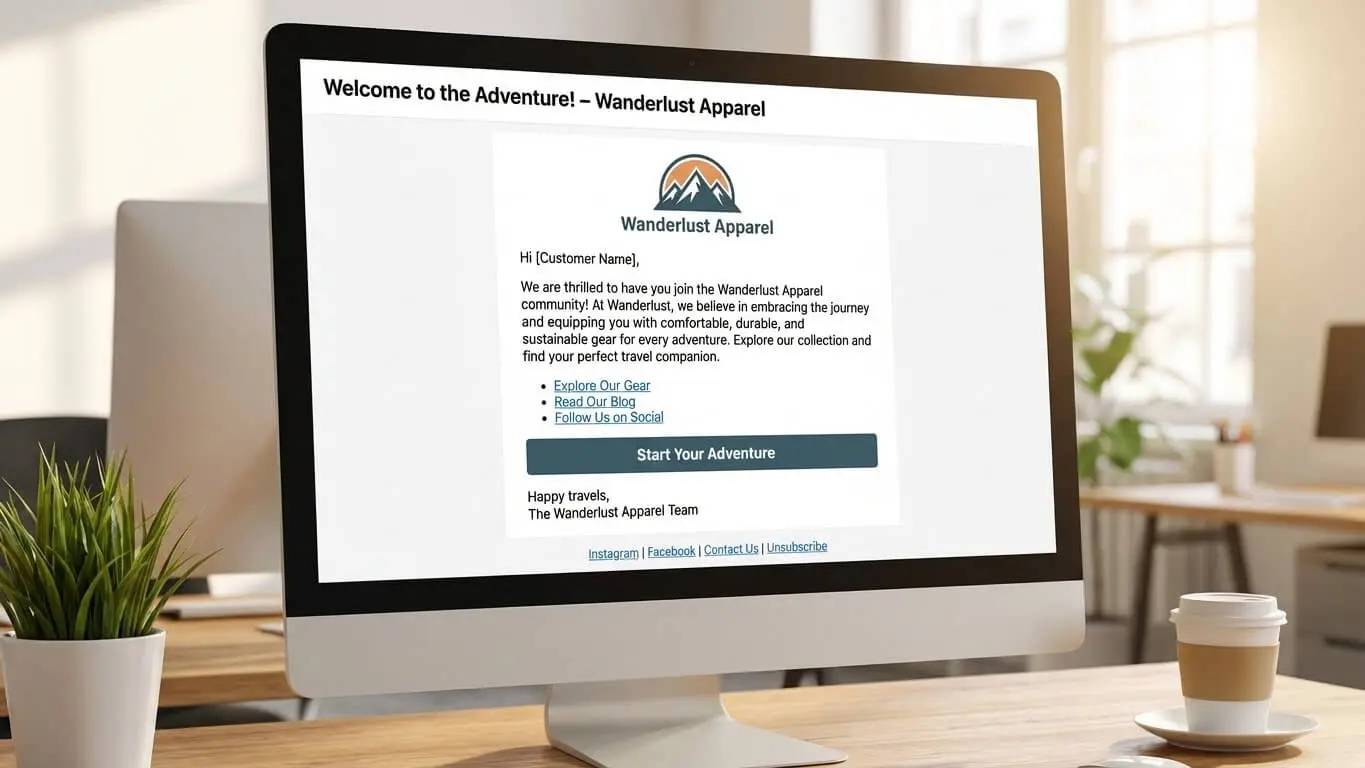
Your welcome email is your highest-performing message. Welcome emails see 83.63% open rates—more than double regular newsletters.
Don’t waste this opportunity. Send a welcome email immediately after signup. Thank new subscribers, set expectations for what they’ll receive, and deliver immediate value.
Consider a welcome series: three to five emails over the first two weeks. Introduce yourself, share your best content, explain what makes your newsletter different, and ask what topics they care about most.
This sequence builds engagement from day one. Subscribers who engage with your welcome series are 33% more likely to stay active long-term.
21. Write for Your Actual Audience
Too many newsletters try to please everyone and end up pleasing no one. Niche-focused newsletters regularly hit 50%+ open rates because they speak directly to specific interests.
Know exactly who you’re writing for. What problems keep them up at night? What goals are they chasing? What language do they use?
Write like you’re emailing one person, not a crowd. Use “you” and “I” instead of “subscribers” and “we.” Conversational tone beats corporate speak every time.
Survey your list regularly. Ask what topics they want covered, what’s working, and what’s not. Then actually use that feedback.
22. Make It Easy to Share
Word-of-mouth grows your list organically. Make sharing frictionless.
Include social sharing buttons. One click to post on LinkedIn, Twitter, or Facebook.
Add a “Forward to a Friend” link. Some people prefer direct sharing to social media.
Create shareable quotes or graphics. Pull key insights into standalone images subscribers can post.
Incentivize referrals. “Refer 3 friends and get our bonus guide” turns readers into recruiters.
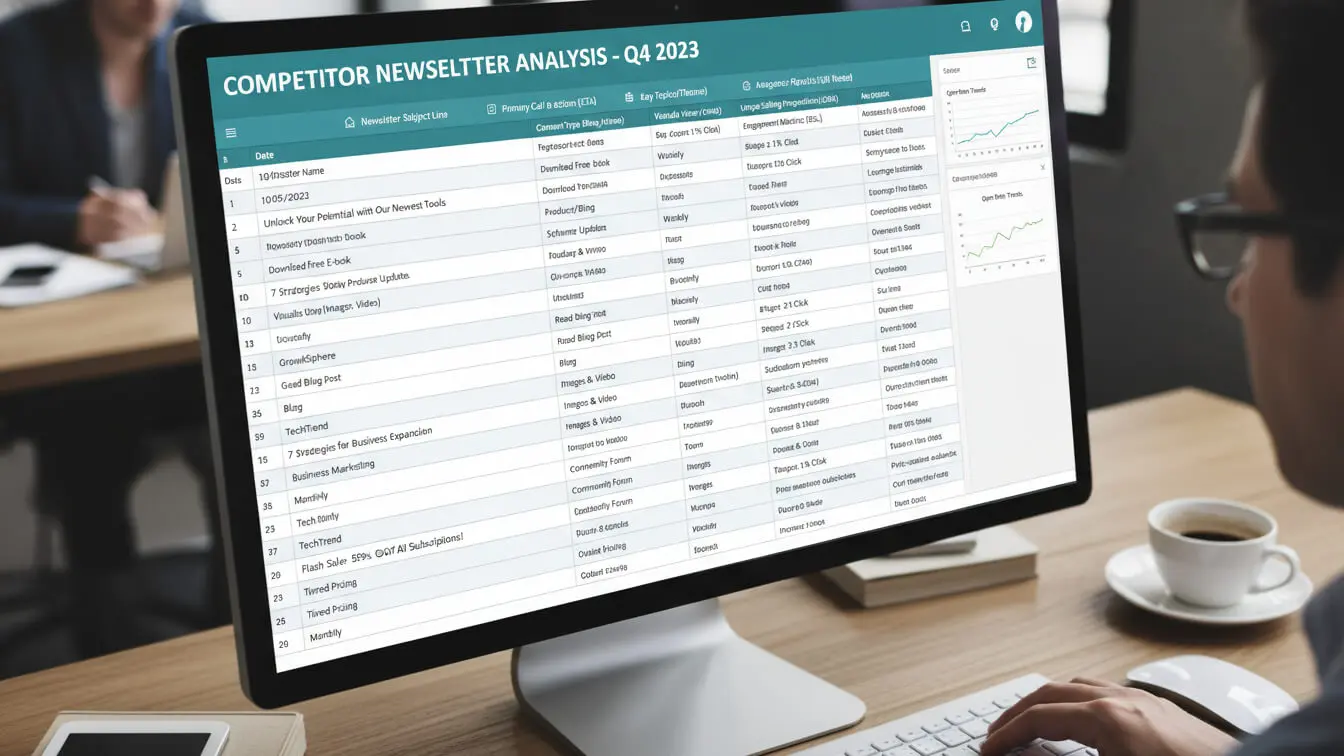
23. Monitor Your Competition
Subscribe to newsletters in your space. Study what they do well and where they fall short. Don’t copy them—learn from them.
Notice their send frequency, subject line style, content mix, and design choices. If everyone in your niche sends on Tuesday morning, maybe Monday evening gives you an edge.
Look for gaps. What topics aren’t they covering? What questions aren’t they answering? Fill those holes and you’ll stand out.
24. Use Progressive Profiling
Don’t ask for everything at signup. A name and email address are enough to start. Collect more information gradually.
After someone’s been on your list for a month, send a quick survey. Ask about their role, industry, or specific interests. Use that data to improve personalization.
Each interaction gives you more insight. Track which links they click, which topics they engage with, and which emails they ignore. Build a profile over time without annoying people with long forms upfront.
25. Leverage Email Tools That Save Time
The right tools transform newsletter creation from a time sink into a streamlined process. Start with AI FREE FOREVER’s suite of free tools.
Use the Catchy Title Generator when you’re stuck on subject lines. It creates dozens of options in seconds based on your topic.
The Content Topics Generator helps you never run out of ideas. Feed it your niche and get a month’s worth of newsletter topics.
For formatting, the AI Text Humanizer takes stiff, formal copy and makes it conversational and engaging.
These tools work together. Generate topics, create drafts, write subject lines, and polish your copy—all without starting from scratch each time.
FAQ
What’s the average email newsletter open rate in 2024?
The average sits around 26-40%, depending on your industry and source. Newsletters specifically average about 40%, while automated emails hit 45%. But focus on beating your own baseline rather than hitting general benchmarks.
How long should my email subject line be?
Keep it under 50 characters (about 6-10 words). Mobile devices, which handle over 40% of email opens, cut off longer subject lines. Shorter lines also force you to be clear and direct.
How often should I send newsletters?
Start with once per week and adjust based on engagement. Consistency matters more than frequency. Some audiences want daily updates while others prefer monthly. Watch your open rates—if they drop, you might be over-sending.
Should I use emojis in subject lines?
Yes, but sparingly. Emails with emojis see 56% higher open rates, but limit yourself to one per subject line. Emojis should enhance your message, not replace words. Test them with your audience since reactions vary.
What time should I send my newsletter?
Early morning (4-6 AM) and early evening (5-7 PM) typically perform best. Monday and Tuesday see higher engagement than other weekdays. But test with your specific audience since habits vary by industry and demographics.
How do I stop my emails from going to spam?
Avoid spam trigger words (FREE, ACT NOW, WINNER), set up proper email authentication (SPF, DKIM, DMARC), clean your list regularly, and encourage engagement. When subscribers open and click your emails, it signals you’re legitimate.
What should I include in a newsletter?
Follow the 90/10 rule: 90% valuable content, 10% promotional. Include how-to tips, industry insights, stories, or curated resources. Each newsletter should solve a problem or teach something useful. Add one clear call-to-action.
How do I grow my email list?
Create valuable lead magnets (guides, templates, checklists) and offer them in exchange for email addresses. Add signup forms to your website, promote your newsletter on social media, and make sharing easy for current subscribers.
Why did my open rate suddenly drop?
Common causes: over-sending, boring subject lines, content quality decline, seasonal changes, or deliverability issues. Check your spam score, survey inactive subscribers, and review your recent emails for patterns.
Should I segment my email list?
Absolutely. Segmentation can increase revenue by 760%. Split your list by interests, behavior, purchase history, or engagement level. Send targeted content to each segment rather than blasting everyone with the same message.
What’s the best email service for newsletters?
Popular options include Mailchimp, ConvertKit, Substack, and Beehiiv. The “best” depends on your needs: Substack works great for paid newsletters, ConvertKit for creators, Mailchimp for beginners. Most offer free tiers to start.
How many links should I include?
Keep it focused. One primary CTA works best, with maybe 2-3 supporting links. Too many links dilute your message and confuse readers. Decide on the one action you want people to take and make that obvious.
Do images hurt deliverability?
Not if used properly. Keep your text-to-image ratio high (more text than images), compress images for fast loading, and always include alt text. All-image emails look spammy. Balance visuals with solid copy.
Should I A/B test every email?
Test regularly but not necessarily every send. Focus on testing major variables: subject lines, send times, content formats. Once you find winners, use them consistently. Test again when performance drops or you want to try something new.
How do I re-engage inactive subscribers?
Send a re-engagement campaign asking if they still want your emails. Offer something valuable: a discount, exclusive content, or the chance to update preferences. If they don’t respond after 2-3 attempts, remove them from your list.
Key Takeaways
High email open rates aren’t magic—they’re the result of testing, learning, and consistently delivering value. Start with these core principles:
- Subject lines make or break you: Keep them under 50 characters, use personalization and numbers, create urgency without being spammy
- Timing matters but isn’t everything: Test send times, but consistency beats optimization. Stick to a schedule
- Content must deliver value first: Use the 90/10 rule—90% helpful, 10% promotional. Focus on solving problems
- Mobile design is mandatory: Over 40% of opens happen on phones. Single-column layouts, big buttons, fast loading
- List quality beats list size: Remove inactive subscribers. A small engaged list outperforms a large dead one
- Segmentation drives engagement: Send relevant content to specific groups instead of blasting everyone with the same message
- Test one variable at a time: A/B test subject lines, content, timing. Let results guide your strategy
- Track the right metrics: Watch open rate, CTR, CTOR, and unsubscribe rate. Focus on trends over time
- Tools speed up everything: Use AI-powered generators to draft faster and maintain consistency
- Welcome sequences set the tone: Your first email gets 83% opens. Use it to build engagement from day one
Start small. Pick three tactics from this guide and implement them this week. Track your open rates for a month. Double down on what works. Ditch what doesn’t. Repeat.
Your newsletter won’t go from 20% to 50% overnight. But consistent improvement—1-2% per month—adds up. Six months from now, you could see double the engagement you have today.
The tools exist. The strategies work. Now it’s about putting them into practice. Create value, respect your readers’ time, and keep showing up. That’s how you build a newsletter people actually want to open.