Concept art is one of the coolest creative careers out there. Imagine getting paid to design characters for video games, create worlds for movies, or sketch out ideas that eventually become real products. That’s what concept artists do every single day. If you love drawing and have a wild imagination, this career path might be perfect for you.
But here’s the thing – becoming a concept artist isn’t just about being good at drawing. You need the right skills, tools, and portfolio to land jobs in this competitive field. The good news? With the right approach and dedication, you can break into this exciting industry.
This guide will walk you through everything you need to know about becoming a concept artist, from education and skills to building a killer portfolio and landing your first job.
Table of Contents
- Why Become a Concept Artist in 2025?
- Education Requirements for Concept Artists
- Essential Skills You Need to Develop
- Best Software and Tools for Concept Artists
- How AI Tools Can Help Your Concept Art Journey
- Building Your Concept Art Portfolio
- Step-by-Step Guide to Becoming a Concept Artist
- How Much Do Concept Artists Make?
- Finding Your First Concept Art Job
- Staying Motivated and Improving Your Skills
- Frequently Asked Questions
- Key Takeaways
What Is a Concept Artist?
A concept artist is someone who creates visual ideas and designs before a project actually gets made. They work on video games, movies, TV shows, animations, and even advertising campaigns.
Think of concept artists as visual problem solvers. When a director says “I want a scary alien creature,” the concept artist sketches out different versions until everyone agrees on the perfect design. When a game developer needs a futuristic city, the concept artist creates the visual blueprint that 3D modelers and environment artists will follow.
According to industry reports, concept artists typically work on:
- Character designs for games and movies
- Environment and world-building concepts
- Props, weapons, and vehicle designs
- Costume and clothing concepts
- Key scenes and storyboards
- Architecture and interior spaces
The work happens early in production. Your drawings and paintings become the reference material that guides everyone else on the team. That’s why concept art is so important – it sets the visual direction for entire projects.
Types of Concept Artists
Not all concept artists do the same work. Many specialize in specific areas:
- Character Concept Artists – Focus on designing people, creatures, and characters
- Environment Concept Artists – Create landscapes, buildings, and worlds
- Prop Concept Artists – Design objects, weapons, and vehicles
- Creature Concept Artists – Specialize in monsters, aliens, and fantasy creatures
- Visual Development Artists – Work on the overall look and style of projects
Why Become a Concept Artist in 2025?
The entertainment industry keeps growing, and so does the demand for talented concept artists. The video game industry alone is worth billions, and streaming services are producing more content than ever before.
Here are some reasons why this career rocks:
- Creative Freedom – You get to bring imaginary worlds and characters to life
- Good Pay – Entry-level positions start around $40,000-$60,000, while experienced artists can make $80,000-$120,000 or more
- Flexible Work – Many concept artists work remotely or freelance
- Exciting Projects – You might work on the next big game or blockbuster movie
- Always Learning – New tools and techniques keep the work fresh and interesting
- Growing Industry – More games, movies, and digital content means more opportunities
Of course, it’s not all fun and games. The work can be repetitive, deadlines are tight, and you’ll face tons of criticism and revisions. But if you’re passionate about art and storytelling, the rewards make it worth it.
Education Requirements for Concept Artists
Here’s some good news: you don’t technically need a college degree to become a concept artist. What really matters is your portfolio – the actual art you can create.
That said, most professional concept artists do have formal education. Here’s what you should know:
Do You Need a Degree?
According to industry professionals, your portfolio matters more than your diploma. However, getting a degree offers several advantages:
- Learn fundamental art principles (perspective, composition, color theory, anatomy)
- Get hands-on experience with industry-standard software
- Build connections with instructors and classmates who might help you land jobs later
- Develop a strong portfolio with guidance from experienced artists
- Some studios prefer or require candidates to have degrees
Best Degrees for Concept Artists
If you decide to pursue formal education, consider these degree programs:
- Fine Arts (BFA)
- Graphic Design
- Animation
- Illustration
- Digital Arts
- Game Design
- Computer-Aided Design
Alternative Learning Paths
College isn’t the only way to learn. Many successful concept artists are self-taught or learned through alternative methods:
- Online Courses – Sites like Schoolism, Learn Squared, and Gumroad offer professional-level instruction
- Specialized Art Schools – Smaller schools like FZD School of Design, Concept Design Academy, and Brainstorm School focus specifically on concept art
- YouTube Tutorials – Free video lessons from professional artists
- Books and Workshops – Self-study materials and in-person training
- Mentorships – Learning directly from working professionals
The most important thing is learning from working professionals who actually do concept art for a living. They know what studios are looking for and can teach you practical, real-world skills.
Essential Skills You Need to Develop to become a concept artist
Becoming a great concept artist requires mastering several key skills. Let’s break down what you need to focus on:
Fundamental Art Skills
Industry experts agree that these basics are non-negotiable:
- Perspective Drawing – Creating depth and three-dimensional space on a flat surface
- Anatomy – How humans, animals, and creatures are built and move
- Composition – Arranging elements in a visually pleasing and effective way
- Color Theory – How colors work together and affect mood
- Lighting – How light and shadow create form and atmosphere
- Form and Shape – Building objects that look solid and believable
- Texture – Making surfaces look real (metal, fabric, skin, etc.)
Technical Skills
Modern concept art is mostly digital, so you need to master technology:
- Digital painting and illustration
- Photo manipulation and compositing
- Basic 3D modeling (helps with complex designs)
- Understanding of how designs get built in 3D
- Quick sketching and iteration
- Working with layers and adjustment tools
Soft Skills That Matter
The best technical skills won’t help if you can’t work well with others. Studios look for artists who have:
- Communication Skills – Explaining your ideas clearly to directors and teammates
- Taking Criticism – Your work will get revised constantly – don’t take it personally
- Collaboration – Working as part of a larger creative team
- Time Management – Meeting tight deadlines while maintaining quality
- Problem-Solving – Finding creative solutions to design challenges
- Adaptability – Changing your style to match different projects
- Research Skills – Finding reference material and inspiration
Specialized Knowledge
Depending on what you want to design, you might need to learn about:
- Architecture and structural engineering (for buildings)
- Fashion and clothing construction (for costumes)
- Vehicle mechanics (for cars, ships, spacecraft)
- Historical periods and cultures (for period pieces)
- Biology and anatomy (for creatures)
- Materials and manufacturing (for props and objects)
Best Software and Tools for Concept Artists
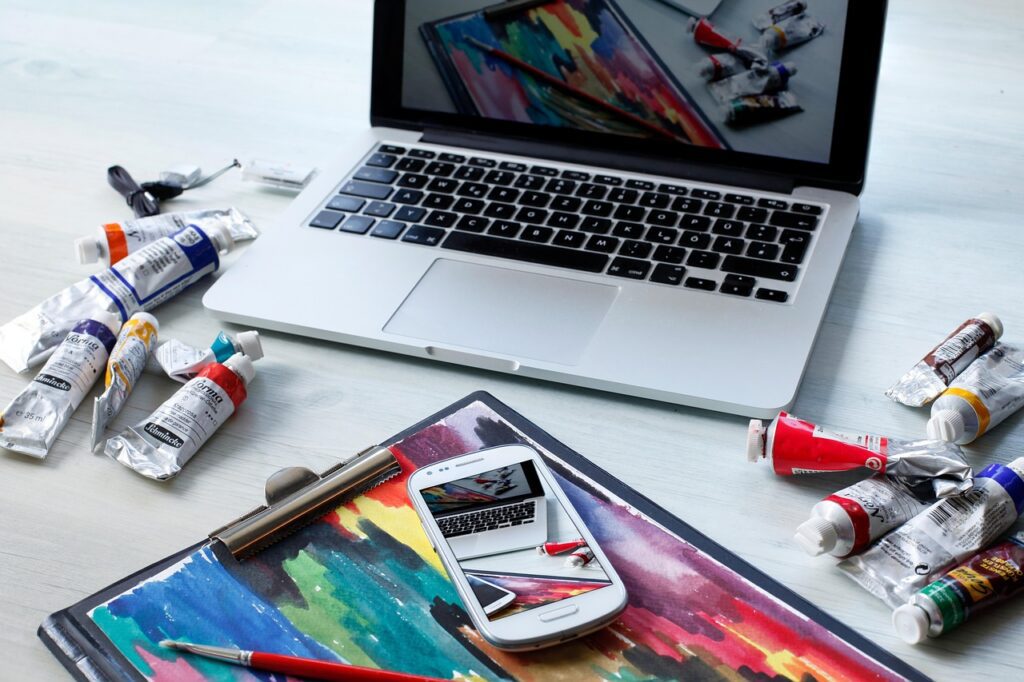
You need the right tools to create professional concept art. Here are the most popular programs used in the industry:
Essential 2D Programs
Adobe Photoshop – The industry standard for digital painting and concept art. Nearly every professional concept artist uses Photoshop. It offers powerful brushes, layer management, and endless customization options. Cost: $22.99/month with Creative Cloud.
Procreate – Perfect for iPad users who want to draw on the go. It feels natural and intuitive, with great brush options and recording features. Many artists sketch ideas in Procreate before finishing them in Photoshop. Cost: $12.99 one-time purchase.
Clip Studio Paint – Excellent for concept art and character design. It has amazing brush engines and is surprisingly affordable at around $25-$50 depending on the version.
Krita – A completely free option that’s powerful enough for professional work. It has over 100 brushes, great animation features, and works well for matte painting and concept design.
Corel Painter – Best if you want tools that mimic traditional painting. Great for artists who prefer a painterly style. More expensive than some alternatives.
3D Software
Many concept artists use 3D programs to create base models or test designs:
- Blender – Free and powerful 3D software
- Maya – Industry standard for 3D modeling and animation
- ZBrush – Perfect for sculpting detailed characters and creatures
- 3ds Max – Great for architectural and environment design
Hardware You’ll Need
To create digital art, you need decent equipment:
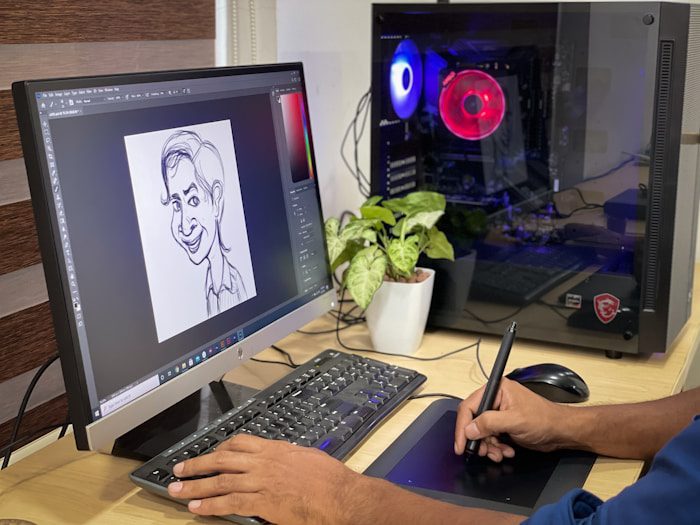
- Drawing Tablet – Wacom tablets are industry favorites (Intuos, Cintiq)
- Powerful Computer – Enough RAM and processing power to handle large files
- Good Monitor – Color-accurate display for viewing your work
- Stylus – Pressure-sensitive pen for natural drawing
For beginners, you don’t need the most expensive gear. Start with what you can afford and upgrade as your skills improve.
How AI Tools Can Help Your Concept Art Journey
AI image generation tools are changing the concept art landscape. While they won’t replace human artists, they can speed up your workflow and help generate ideas.
Top AI Tools for Concept Artists
AI FREE FOREVER – Our platform offers the best free AI art generator for concept artists. You can quickly generate reference images, explore different styles, and create base concepts to paint over. It’s completely free and perfect for brainstorming ideas.
How to Use AI in Your Workflow
Professional concept artists are using AI tools to:
- Generate quick reference images
- Explore different design directions faster
- Create background elements
- Test color schemes and compositions
- Overcome creative blocks
- Speed up the ideation phase
Remember: AI is a tool, not a replacement. Studios hire concept artists for their creativity, artistic vision, and ability to iterate based on feedback. Use AI to enhance your work, but develop your fundamental skills.
You can also use our AI Art Prompt Generator to create better prompts for any AI art tool, or try our Image Prompt Generator to turn your ideas into detailed descriptions.

Building Your Concept Art Portfolio
Your portfolio is the single most important thing you’ll create. It’s more important than your resume, your degree, or your connections. Art directors spend only minutes looking at portfolios, so yours needs to make an immediate impact.
What to Include in Your Portfolio
Quality beats quantity every time. Here’s what you should include:
- 15-20 of Your Best Pieces – Don’t overwhelm viewers with dozens of images
- Variety in Your Work – Show you can handle different subjects (characters, environments, props)
- Process Work – Include some sketches and iterations to show your thinking
- Finished Pieces – Polished art that looks production-ready
- Personal Projects – Original ideas that show your creativity
- Professional Work – Any paid projects (if you have them)
Portfolio Organization Tips
Industry professionals recommend organizing your work strategically:
- Lead with your absolute best piece – make a strong first impression
- Group similar work together (all characters in one section, all environments in another)
- End with another strong piece – leave a lasting impression
- Include brief descriptions explaining the project, your role, and design decisions
- Make navigation simple and intuitive
Choosing a Portfolio Platform
Most concept artists use online portfolios. Popular platforms include:
- ArtStation – The #1 choice for game and entertainment artists
- Behance – Adobe’s platform with good visibility
- Personal Website – Gives you complete control (use Squarespace, WordPress, or Wix)
- Instagram – Good for building a following, but not a replacement for a full portfolio
Many artists maintain both an ArtStation profile and a personal website. Having a PDF version of your portfolio is also smart for email applications.
Common Portfolio Mistakes
Avoid these errors that can hurt your chances:
- Including too much work – more isn’t better
- Showing weak or old pieces – only include your best
- Having no focus – trying to show you can do everything
- Ignoring the job requirements – tailor your portfolio to the position
- Poor presentation – messy layouts or low-quality images
- No contact information – make it easy for people to reach you
- Forgetting to update – keep adding new and better work
Portfolio Do’s and Don’ts
DO:
- Show concept art, not just illustrations
- Include process sketches and iterations
- Tailor your portfolio to the specific studio or job
- Get feedback from working professionals
- Update regularly with your latest and best work
DON’T:
- Fill it with fan art (one or two pieces max)
- Include art from high school or early college
- Make it hard to navigate
- Forget to explain your thought process
- Neglect your contact info and resume
Step-by-Step Guide to Becoming a Concept Artist
Ready to start your journey? Follow these steps to build your career as a concept artist:
Step 1: Master the Fundamentals
Before anything else, focus on core art skills. Study perspective, anatomy, composition, color theory, and lighting. Professional artists emphasize that strong fundamentals separate good artists from great ones.
Practice drawing from life, study master artists, and complete structured exercises. Spend at least 6-12 months building these foundations.
Step 2: Learn Digital Tools
Get comfortable with Photoshop or another professional painting program. Learn how to use brushes, layers, masks, and adjustment tools effectively.
Start with simple exercises and gradually work up to complex paintings. Watch tutorials, follow along with professional artists, and practice every day.
Step 3: Study Concept Art Specifically
Concept art is different from illustration. Learn how to:
- Design variations quickly
- Create readable silhouettes
- Work with reference and photo manipulation
- Communicate ideas clearly and fast
- Think about how designs will be built in 3D
Take specialized courses or find mentorship from working concept artists.
Step 4: Choose Your Specialization
Decide what you want to focus on – characters, environments, creatures, or props. While versatility is good, having a specialty makes you more hireable.
Study your chosen area deeply. Look at anatomy books if you’re doing characters. Research architecture if you’re doing environments.
Step 5: Build Your Portfolio
Create 15-20 strong pieces that showcase your skills in your chosen area. Focus on quality over quantity. Each piece should look like it could be used in a real production.
Get feedback from professionals and revise based on their advice.
Step 6: Network and Get Involved
Join online communities, attend art events, and connect with other artists. Follow concept artists on social media and engage with their work.
Participate in art challenges like Inktober or concept art competitions. This builds visibility and helps you improve.
Step 7: Gain Experience
Look for internships, freelance gigs, or entry-level positions. Your first job might not be your dream job, but it gets your foot in the door.
Consider working on indie games, student films, or small projects to build your resume and get real-world experience.
Step 8: Keep Learning and Improving
The industry changes constantly. New tools, techniques, and styles emerge all the time. Successful concept artists never stop learning.
Take online courses, watch tutorials, and study new work from top artists. Stay curious and keep pushing your skills forward.
How Much Do Concept Artists Make?
Salaries for concept artists vary widely based on experience, location, and industry. Here’s what you can expect:
Average Salary Ranges
According to recent salary data from 2025:
- Entry Level (0-2 years): $40,000 – $60,000 per year
- Mid-Level (3-6 years): $60,000 – $85,000 per year
- Senior Level (7+ years): $85,000 – $120,000 per year
- Lead Concept Artist: $120,000 – $150,000+ per year
The average concept artist salary in the United States is around $73,000-$85,000 annually. However, this can vary significantly.
Factors That Affect Your Salary
- Location – Artists in California, New York, and Washington typically earn more than those in other states
- Industry – Game studios and film companies often pay differently
- Company Size – Major studios like Riot, Disney, and Blizzard pay premium salaries
- Experience Level – Your years in the industry matter a lot
- Specialization – Some areas (like character design) may command higher rates
- Employment Type – Full-time employees usually earn more than freelancers, but freelancers have flexibility
Top-Paying Companies for Concept Artists
Based on industry reports, these companies offer competitive salaries:
- Meta (Facebook)
- Riot Games
- Netflix
- The Walt Disney Company
- Microsoft
- BioMarin Pharmaceutical
- BANDAI NAMCO Entertainment
Freelance Concept Artist Rates
Freelance artists typically charge by the hour or project:
- Beginner: $25-$50 per hour
- Intermediate: $50-$100 per hour
- Expert: $100-$200+ per hour
Project rates vary widely depending on complexity and usage rights. A character design might cost anywhere from $500 to $5,000+.
Location-Based Salary Differences
Top-paying cities for concept artists include:
- San Francisco Bay Area, CA
- Los Angeles, CA
- Seattle, WA
- New York, NY
- Austin, TX
Remote work is becoming more common, which can give you access to high-paying jobs regardless of where you live.
Finding Your First Concept Art Job
Getting your first job as a concept artist can feel challenging, but with the right approach, it’s definitely achievable.
Where to Look for Jobs
- ArtStation Jobs – The best place for entertainment art positions
- Indeed – General job board with many game/film listings
- LinkedIn – Good for networking and finding opportunities
- Company Websites – Check career pages at studios you admire
- Game Developer Magazine – Lists industry jobs
- Animation Career Review – Focus on film and animation work
- Polycount Forums – Community job boards
Types of Entry-Level Positions
You might not land a concept artist title right away. Look for these related positions:
- Junior Concept Artist
- Concept Art Intern
- Associate Concept Artist
- Visual Development Artist
- Illustration Artist
- 2D Artist
How to Apply Effectively
- Customize Your Portfolio – Tailor it to match the studio’s style and needs
- Write Strong Cover Letters – Explain why you’re perfect for this specific job
- Follow Instructions – If they ask for specific file types or formats, follow exactly
- Apply Directly – Don’t rely only on job boards – reach out to studios directly
- Be Professional – Proofread everything and be polite in all communications
- Follow Up – Send a polite follow-up email after a week or two
Networking Strategies
Many jobs come through connections, not job boards:
- Attend industry events and conferences (GDC, E3, Comic-Con)
- Join online communities (Discord servers, Reddit groups)
- Engage with artists on social media
- Participate in art challenges and competitions
- Reach out to artists for informational interviews
- Join professional organizations like the Concept Art Association
Building Your Freelance Career
If full-time jobs are hard to find, consider freelancing:
- Start with small projects on Fiverr or Upwork
- Reach out to indie game developers
- Offer your services to local businesses
- Build client relationships and ask for referrals
- Create packages and pricing for your services
Freelancing can eventually lead to full-time opportunities and helps you build a professional network.

Staying Motivated and Improving Your Skills
The path to becoming a concept artist is long and sometimes frustrating. Here’s how to stay motivated and keep improving:
Set Realistic Goals
Don’t try to master everything at once. Focus on one skill at a time:
- This month: Improve character proportions
- Next month: Study color theory
- Following month: Practice environment composition
Small, achievable goals keep you moving forward without feeling overwhelmed.
Practice Strategies
- Daily Sketching – Draw something every single day, even if it’s just for 15 minutes
- Master Studies – Copy work from artists you admire to learn their techniques
- Speed Paintings – Set a timer (30 min – 2 hours) and create finished pieces
- Challenges – Participate in monthly art challenges
- Personal Projects – Work on ideas that excite you
Getting Feedback
You can’t improve if you don’t know what needs work. Seek constructive criticism from:
- Online art communities
- Mentors or teachers
- Other artists at your skill level
- Professional concept artists (be respectful of their time)
Learn to separate your ego from your work. Criticism is about improving your art, not attacking you personally.
Overcoming Creative Blocks
Every artist faces creative blocks. Try these strategies:
- Take breaks and rest your mind
- Study other artists’ work for inspiration
- Try a completely different art style or subject
- Use our Random Art Prompt Generator for fresh ideas
- Work on a different part of the creative process (sketching instead of painting)
- Get outside and experience new things
Learning Resources
Never stop learning. Great resources include:
- Books – “How to Draw” by Scott Robertson, “Color and Light” by James Gurney
- YouTube Channels – Sinix Design, Proko, FZD School
- Online Schools – Schoolism, CGMA, New Masters Academy
- Courses – Gumroad tutorials from professional artists
- Workshops – In-person or online masterclasses
Staying Inspired
- Follow concept artists you admire on social media
- Visit museums and galleries
- Play video games and watch movies critically
- Explore different cultures and historical periods
- Keep a reference library of inspiring images
- Share your work and connect with other artists
Remember: Every professional concept artist started exactly where you are now. The difference between them and beginners is thousands of hours of practice and persistence.
Frequently Asked Questions
How long does it take to become a concept artist?
It typically takes 2-4 years of dedicated practice and study to reach a professional level. If you pursue a 4-year degree, expect to spend that time plus 1-2 additional years building your portfolio. Self-taught artists might take 3-5 years depending on how much time they invest daily.
Can I become a concept artist without going to art school?
Yes! Many successful concept artists are self-taught. What matters most is your portfolio, not your degree. However, formal education provides structure, feedback, and networking opportunities that can accelerate your learning.
Do I need to be good at drawing traditionally before learning digital art?
It helps, but it’s not required. Many artists start directly with digital. However, learning fundamental drawing skills (whether traditional or digital) is essential. The medium matters less than mastering the basics.
What’s the difference between a concept artist and an illustrator?
Concept artists create designs that will be used as blueprints for production (games, movies, products). Illustrators create finished artwork for publication. Concept art is often rough and focuses on clear communication of ideas, while illustration is more polished and standalone.
Should I specialize in one area or be a generalist?
Studios increasingly prefer specialists who excel in one area (characters, environments, etc.). However, having some breadth in your skills makes you more employable. Focus on becoming excellent at one thing, while maintaining competence in others.
How important is 3D knowledge for concept artists?
It’s becoming increasingly important. While not all concept artists need to be 3D experts, understanding how 3D modeling works helps you create designs that are practical to build. Some studios now require concept artists to create 3D blockouts.
Can concept artists work remotely?
Yes! Remote work has become much more common, especially after 2020. Many studios now hire remote concept artists, though some positions still require being on-site, especially at major studios during production.
What’s the job market like for concept artists?
The field is competitive but growing. The video game industry, streaming services, and continued film production create steady demand. However, there are many talented artists competing for positions, so you need a strong portfolio to stand out.
Do I need a powerful computer to be a concept artist?
You need a computer that can handle painting software smoothly, but it doesn’t need to be top-of-the-line. A mid-range laptop with 16GB RAM, a decent processor, and a drawing tablet will work fine for most concept art.
Should I include fan art in my portfolio?
One or two pieces max. Studios want to see your original ideas and creativity. Too much fan art suggests you can only work with existing properties rather than creating new ones.
How do I handle art theft and protect my work online?
Watermark portfolio pieces subtly, use lower-resolution images online, and include copyright information. However, understand that sharing work online always carries some risk. The exposure and networking benefits usually outweigh the risks.
What if I’m older – can I still become a concept artist?
Absolutely! While many enter the field young, age is not a barrier. What matters is skill level, portfolio quality, and dedication. Many successful concept artists started their careers later in life.
Key Takeaways
Becoming a concept artist is challenging but achievable with dedication and the right approach. Here’s what you need to remember:
- Focus on fundamentals first – Master perspective, anatomy, composition, color, and lighting before worrying about style
- Your portfolio is everything – It matters more than your degree or resume. Make it focused, professional, and showcase your best work only
- Learn industry-standard tools – Get comfortable with Photoshop or similar professional software. Consider learning basic 3D as well
- Practice consistently – Draw every single day, even if just for 30 minutes. Consistent practice beats occasional marathons
- Specialize in something – Become excellent at one thing (characters, environments, creatures) rather than mediocre at everything
- Build your network – Connect with other artists, attend events, and engage with the community. Many jobs come through connections
- Use AI tools wisely – Tools like AI FREE FOREVER can help speed up your workflow, but they’re supplements to skill, not replacements
- Never stop learning – The industry evolves constantly. Keep taking courses, watching tutorials, and studying new techniques
- Be professional – Respond promptly to emails, meet deadlines, take criticism well, and be easy to work with
- Stay persistent – Rejection is normal. Every professional faced it. Keep improving, keep applying, and don’t give up
The journey to becoming a concept artist takes time, but the destination is worth it. You’ll get to create amazing worlds, characters, and ideas that millions of people might enjoy. Whether you’re designing the next iconic video game character or helping visualize the world of a blockbuster film, concept art is one of the most exciting creative careers available.
Start today by picking up your stylus and drawing. Use tools like our free image generators for inspiration, study the work of professionals, and most importantly – practice consistently. Your future as a concept artist starts with the decisions you make right now.
Remember: Every expert was once a beginner who refused to quit. Your journey begins today!