Today we are going to look at 5 print-on-demand ideas that you can start for less than $100 in 2026. For each idea, you will learn how it works, what it costs, how to start, and what the numbers could look like.
But first, what is print on demand?
Print on demand is a type of online business where a supplier makes an item only after a customer orders it. Instead of buying stock in advance, you upload the artwork. The supplier then prints, packs, and ships each product when it sells.
 Is print on demand still worth starting in 2026?
Is this still worth starting in 2026, or is the market already too crowded? According to an estimate published by Prodigi in 2026, roughly 228,000 print-on-demand stores operate worldwide. That tells you the market is crowded, so a generic slogan on a generic product will be difficult to sell.
However, the same Prodigi estimate says only 3.8% of those stores generate more than $50,000 in monthly revenue. If you are planning to start, focus on a specific profession, hobby, place, relationship, or occasion. Sellers who understand a narrow audience have a better chance of creating relevant products. Sellers uploading unrelated slogans will struggle to get seen.
Now that you know how print on demand works, we can examine 5 specific products for anyone who wants to sell online without holding stock.
5. Custom T-Shirt Store on Etsy
What is a custom T-shirt store?
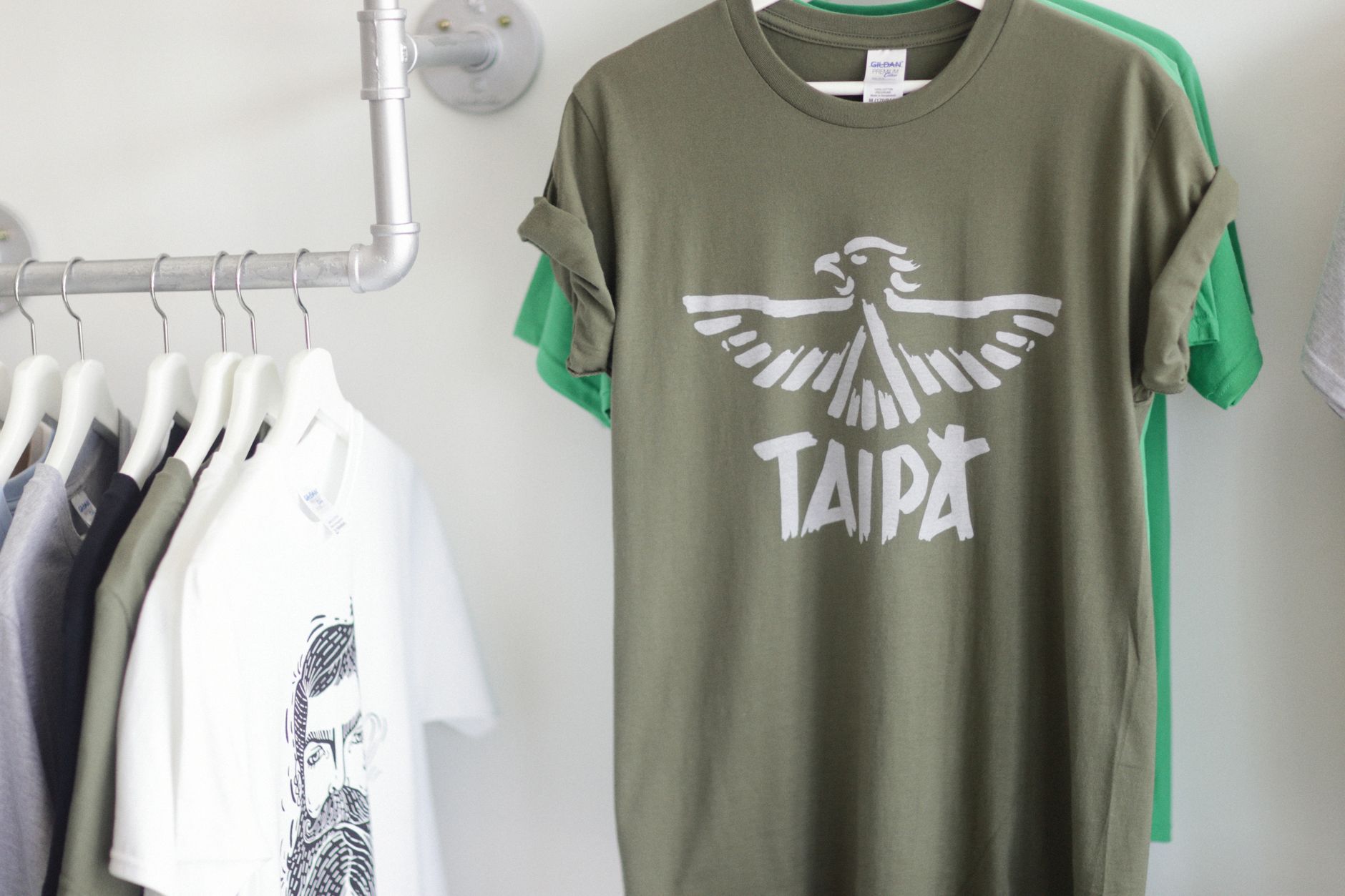
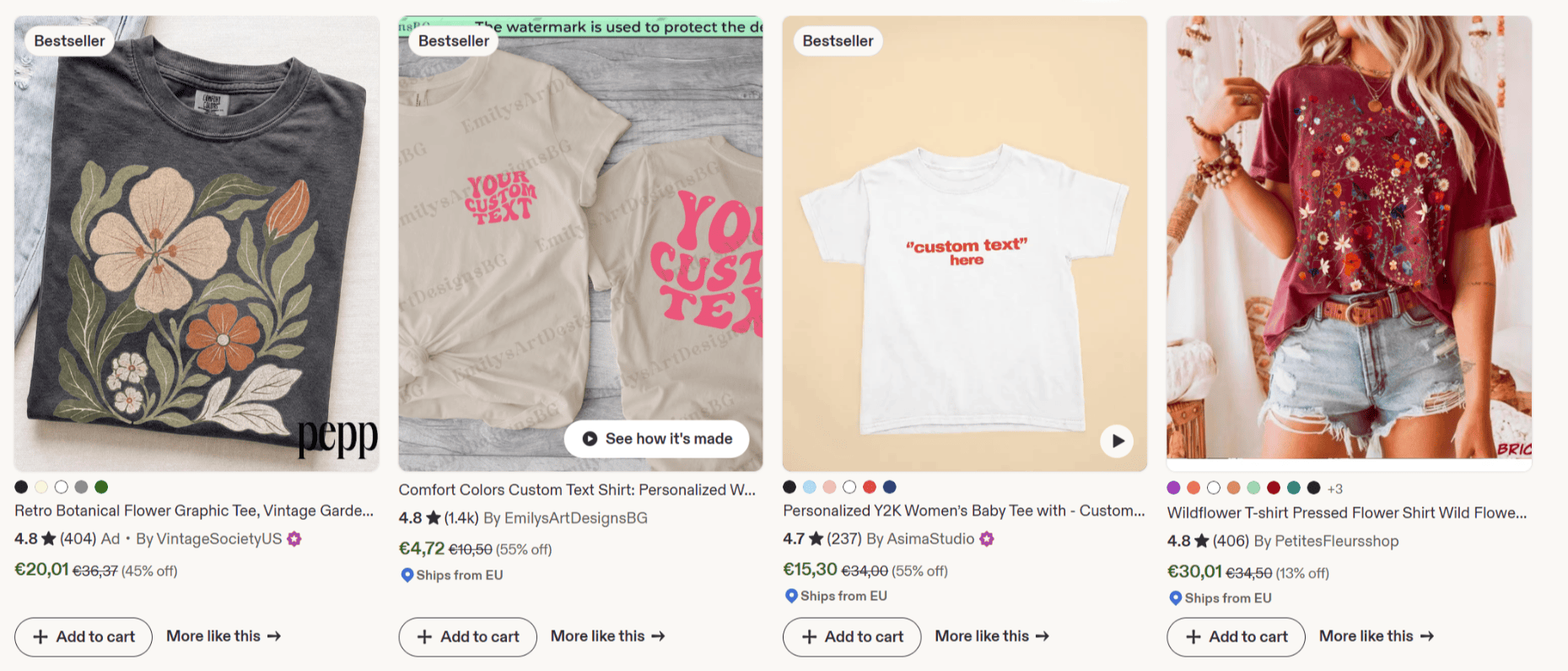
A custom T-shirt store sells printed clothing made after each order. You create a focused catalog for buyers on Etsy, while a fulfillment supplier prints and ships the shirts. For example, you could sell reunion shirts carrying a family name and date..
What does it take to start a custom T-shirt store?
You need listings, artwork, a fulfillment account, and product mockups. For your marketplace, use Etsy to publish listings and collect payment. For artwork, use Canva or the free AI tools available through AIFreeForever. For fulfillment, choose Printful or Printify, which both offer free starting plans. Finally, you can create digital mockups before ordering a sample.
How much does a custom T-shirt store cost?
The starter bill looks like this.
| Cost | What it costs |
|---|---|
| Etsy listings | 20 listings cost $4 because Etsy charges $0.20 per listing. |
| Design software | Canva has a free plan suitable for basic artwork and mockups. |
| Fulfillment account | Printful and Printify are free to connect at the basic level. |
| Payment and marketplace fees | Etsy charges a 6.5% transaction fee, plus payment processing when an order sells. |
| Sample | This can wait until a design sells, so the launch cost is $0. |
| Marketing | Organic posts on Pinterest, Instagram, or TikTok cost $0. |
The cheap route costs $4, mainly because the design and fulfillment tools have free plans. Ask yourself whether you have $4 available and can use the tools this store runs on. If Canva is new to you, take a free introductory course. Then open a free Printful or Printify account and walk 1 product through the setup before publishing it.
How do you start a custom T-shirt store?
Follow these 6 moves.
- Choose 1 specific buyer group.
- Create 10 original designs.
- Open Etsy and a fulfillment account.
- Connect the 2 platforms.
- Publish your listings.
- Promote them with organic videos.
What income can a custom T-shirt store produce?
For example, a shirt selling for $25 might leave about $5 after fulfillment and ordinary platform fees. At $5 per shirt and 50 shirts a month, the store can produce about $250 a month before refunds and taxes. To aim for $1,000 a month at that margin, you would need about 200 monthly sales. Reaching $10,000 would require about 2,000 sales.
4. Phone Case Brand on Shopify
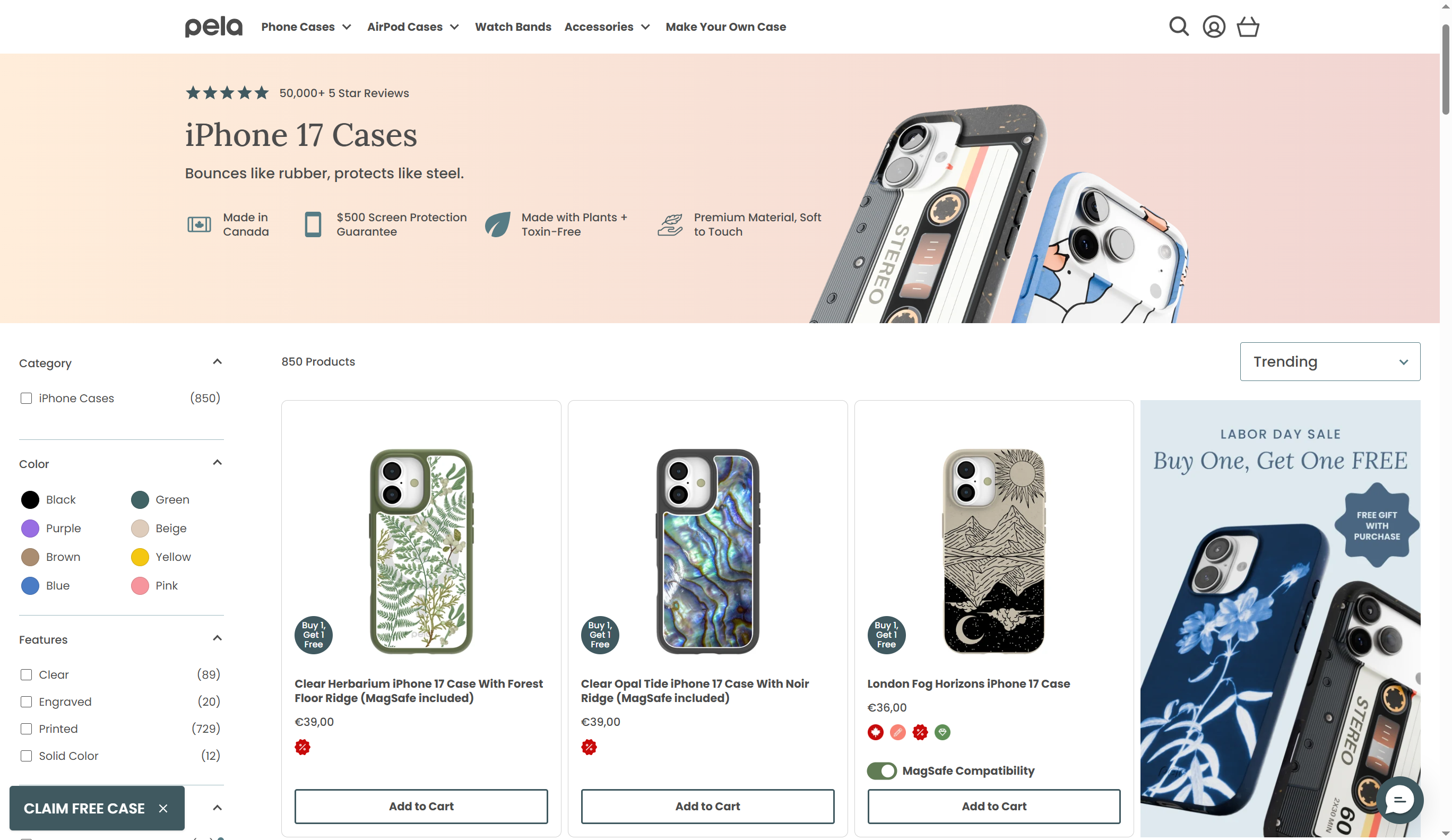
What is a phone case brand?
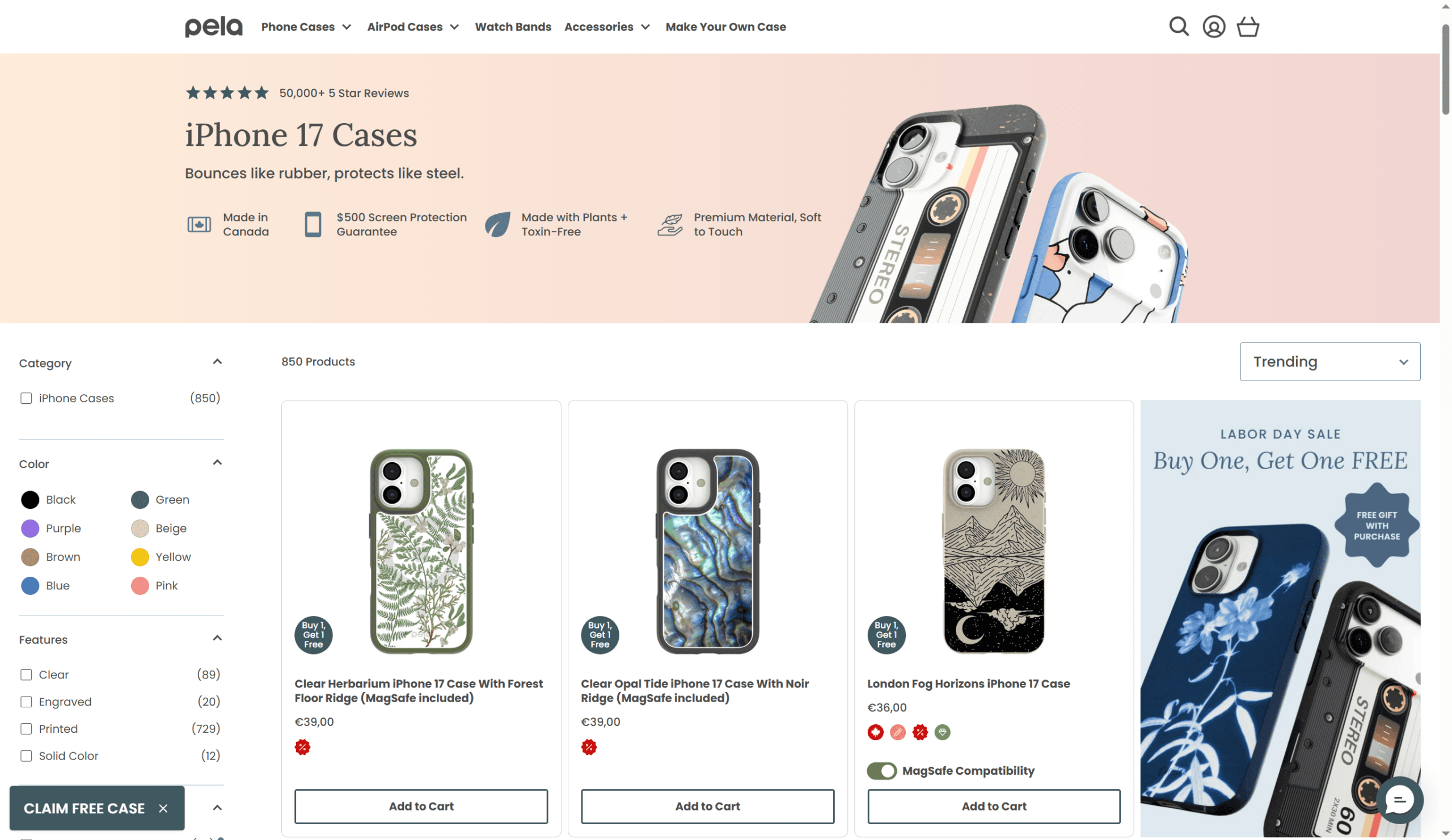
In plain terms, a phone case brand places original artwork on protective cases made after purchase. Instead of relying on marketplace searches, you sell through a private website. For example, you could build a coordinated collection around the skyline of 1 city.
What does it take to start a phone case brand?
You need a storefront, a domain, designs, fulfillment, and clear model choices. For the storefront, use Shopify. Canva can handle the designs, while Printful can handle fulfillment. Finally, restrict the catalog to phone models you can label and support clearly.
What does a phone case brand cost to launch?
Here is the low-budget setup.
| Cost | What it costs |
|---|---|
| Shopify subscription | The Basic plan costs about $39 for 1 month. |
| Domain | A typical domain costs about $15 for 1 year. |
| Design software | Canva can cost $0 on its free plan. |
| Fulfillment account | Printful costs $0 to connect on its free plan. |
| Product and shipping | A case starts at $12.17, while shipping costs about $4.99 after a sale. |
| Payment processing | Shopify Payments deducts about 3% from an online payment. |
| Marketing | Organic Instagram and TikTok videos cost $0. |
The starter route costs about $54 because the store and domain are the only upfront charges. Be honest with yourself: have you got $54 ready, and can you operate Shopify and Printful? If not, learn the basic product and checkout screens first. A sample can wait until the first sale, although ordering one later can help you inspect fit and print quality.
How do you start a phone case brand?
Do these 6 actions in order.
- Choose 2 supported phone families.
- Create 3 coordinated designs.
- Open Shopify and Printful accounts.
- Connect fulfillment and payments.
- Publish the product pages.
- Post demonstrations on social media.
How much profit can a phone case brand bring in?
For example, a case sold for $29 can leave about $10 after a $13 product cost, $5 shipping, and roughly $1 in payment fees. At $10 per case and 30 cases a month, the business can produce about $300 before refunds, taxes, and customer acquisition. To target $1,000 a month, you would need about 100 sales. Reaching $10,000 would need about 1,000 sales.
Now let us move to a product sold through Etsy.
3. Mug and Drinkware Store
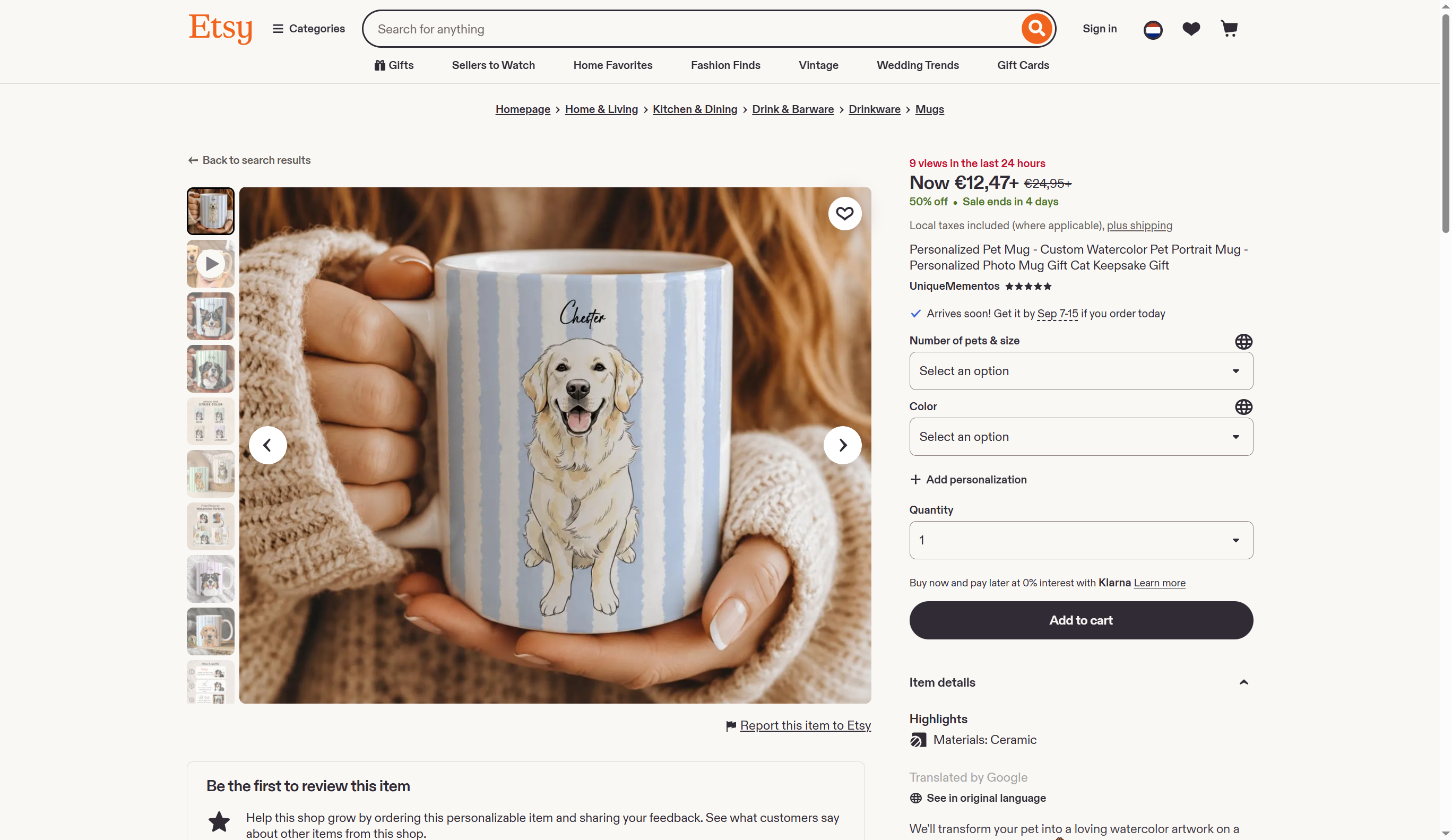
What is a mug and drinkware store?
At its core, a mug store sells printed drinkware produced after customers order it. It can operate through Etsy while a fulfillment partner makes each item. For example, you could sell a personalized mug showing a pet portrait and the animal’s name.
How does a mug store work?
This is what happens after a customer orders. An Etsy shopper uploads a photograph and enters a name. You turn the image into suitable artwork and approve the spelling. Etsy then sends the order to the fulfillment supplier, which prints and ships the mug. Although the supplier manages production, a cracked parcel or spelling mistake still becomes your customer-service problem.
What does it take to start a mug store?
You need a defined mug format, clear artwork, Etsy listings, and a fulfillment account. Choose 1 mug shape, use Canva for artwork and mockups, and then connect Etsy to Printify or Printful. You can also use Google Sheets to calculate profit.
How much money starts a mug store?
The costs are close to the T-shirt setup.
| Cost | What it costs |
|---|---|
| Etsy listings | 20 listings cost $4. |
| Design software | Canva can cost $0. |
| Fulfillment account | Printify and Printful have free starting plans. |
| Product cost | An 11-ounce ceramic mug starts at about $7.95 after it sells. |
| Shipping | Printful mug shipping costs about $5.19, and mugs ship separately. |
| Marketplace fees | Etsy charges $0.20 per listing and 6.5% per transaction, plus payment processing. |
| Marketing | Organic Pinterest and Instagram posts cost $0. |
The upfront total is $4 because you can postpone the sample and pay fulfillment from the order revenue. Set up the listings, learn how personalization flows into the supplier, and order a sample after a design receives its first sale.
How do you start a mug store?
Take these 6 steps.
- Choose 1 gift audience.
- Create 10 mug designs.
- Open Etsy and a fulfillment account.
- Connect the order settings.
- Publish clear mockups.
- Promote the listings organically.
Can a personalized mug store make profit?
According to Printify, mugs can start near $6 to $8 and may carry margins from 25% to 55%, depending on pricing and fulfillment. A personalized mug sold for $24 might leave about $5 after production, shipping, and ordinary Etsy fees. At $5 per mug and 40 monthly orders, the store can produce about $200 before refunds and taxes. To aim for $1,000 a month, you would need around 200 sales. Reaching $10,000 would require roughly 2,000 sales.
Next is a product with universal sizing.
2. Tote Bag and Accessories Store
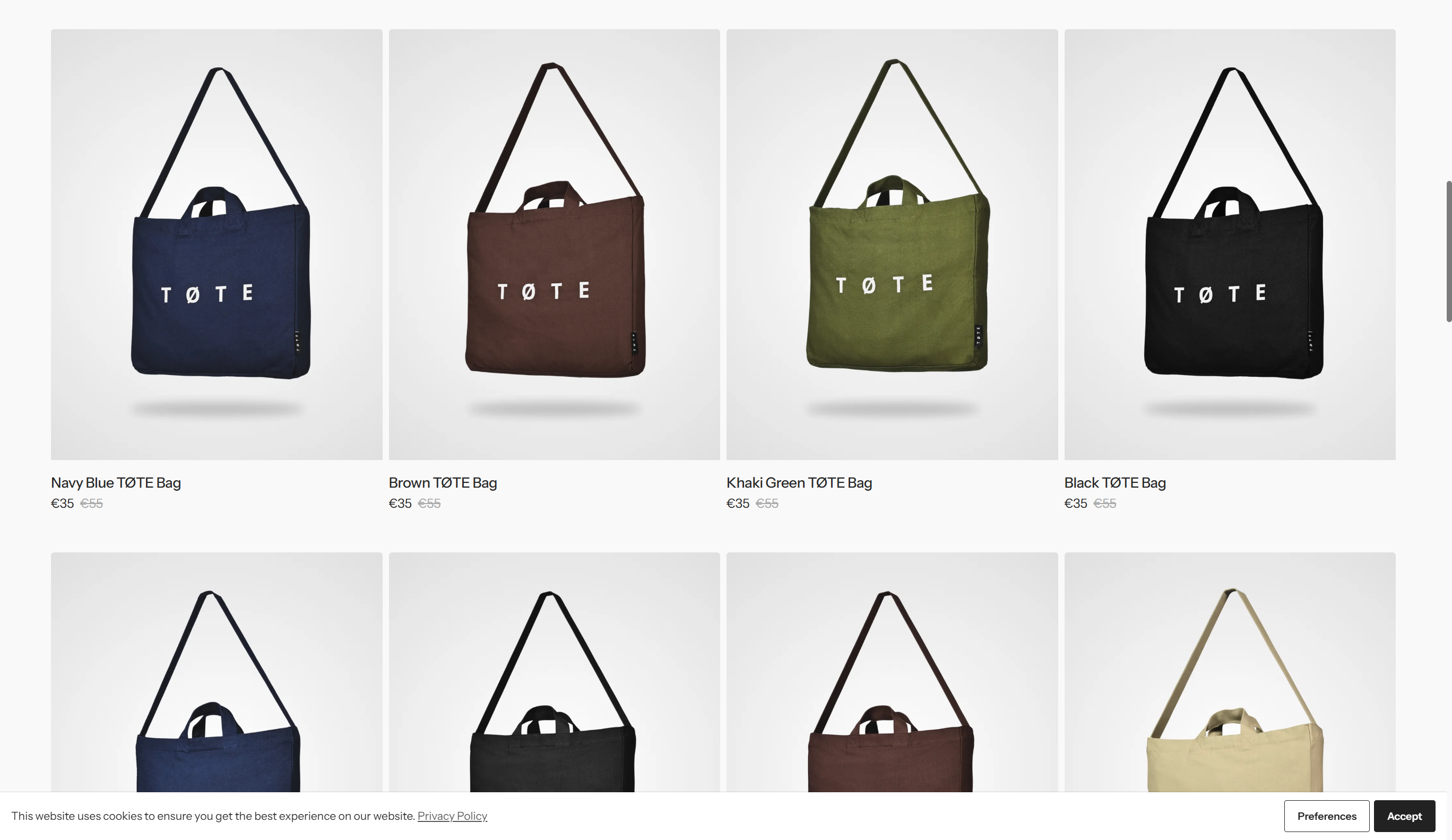
What is a tote bag store?
Here is the short answer: a tote store prints artwork on reusable bags after each sale. You can use Etsy for discovery and a fulfillment partner for production. For example, you could sell a book-club tote personalized with a reader’s name and meeting year.
How does a tote bag store work?
Let us follow a typical order. A buyer chooses a design and enters any personalization on Etsy. The order moves to your fulfillment provider, which prints and ships the bag.
Your main work is matching the design to the material and showing the bag’s real dimensions. A buyer should know what it can carry before ordering.
What does it take to start a tote bag store?
You need 1 material choice, print-ready artwork, a marketplace, fulfillment, and useful mockups. Use Canva for designs, Etsy for checkout, and a free fulfillment partner like Printify. Your mockups should show the bag against a person or common objects so its size is easy to understand.
What is the starter cost for a tote bag store?
This uses the same basic stack as the earlier Etsy products.
| Cost | What it costs |
|---|---|
| Etsy listings | 10 listings cost $2. |
| Design software | Canva has a free plan. |
| Fulfillment account | Printify can cost $0 to connect. |
| Product cost | A standard tote starts at about $8 after it sells. |
| Marketplace fees | Etsy takes its listing, transaction, and payment fees. |
| Marketing | Organic Pinterest and Instagram posts cost $0. |
The launch total is $2 because the product is made only after a sale. Since money should not be the obstacle, spend an afternoon learning the listing and fulfillment tools. Then study successful tote listings to see how sellers photograph size, handles, and fabric.
How do you start a tote bag store?
Use this 6-step sequence.
- Pick 1 buyer group.
- Choose 1 tote format.
- Create 6 related designs.
- Connect Etsy to fulfillment.
- Publish accurate mockups.
- Share the collection organically.
What can a tote bag store realistically earn?
PrintDoors places standard tote economics near an $8 base cost, a $22 retail price, and about $10 in profit before other deductions. At $10 per tote and 25 sales a month, the store can produce about $250 before marketplace fees, refunds, and taxes. To target $1,000 a month, you would need about 100 sales. Reaching $10,000 would require about 1,000 monthly sales.
The final idea can begin as a digital product and add physical fulfillment later.
1. Wall Art and Poster Store
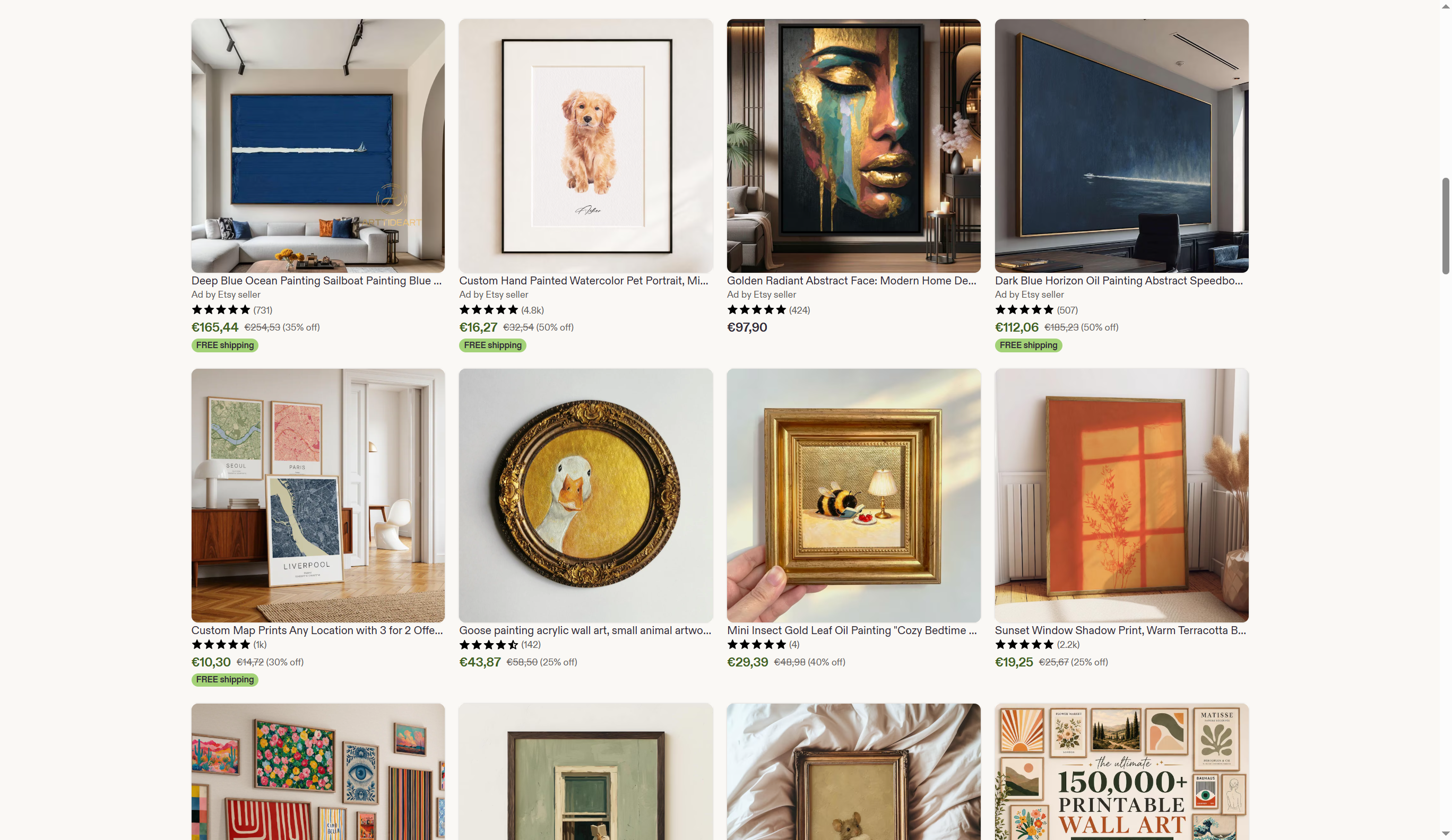
What is a wall art and poster store?
In simple terms, a wall art store sells downloadable or physically fulfilled images for walls. You can offer digital files, posters, framed prints, or canvas products through Etsy. For example, you could sell a coordinated set of 4 botanical prints for a home office.
How does a wall art store work?
Here is how the 2 order types differ. A buyer who chooses a digital product pays through Etsy and receives downloadable files. However, a buyer who chooses a physical print places the order through Etsy, and the connected supplier prints and ships it. Your main work is producing original art, exporting usable dimensions, and displaying scale honestly in room mockups.
What does it take to start a wall art store?
You need original artwork, export sizes, room mockups, Etsy listings, and commercial-use records. Create the artwork with software that allows commercial use, export several common print sizes, and show them in room scenes. Etsy can deliver digital files automatically, while Printful can fulfill physical posters. Finally, keep records showing that you have permission to use every font, image, and element.
How cheaply can you start a wall art store?
A digital-first launch has the smallest bill.
| Cost | What it costs |
|---|---|
| Etsy listings | 20 listings cost $4. |
| Design software | Canva and the AI tools on AIFreeForever can cost $0. |
| Digital fulfillment | Etsy delivers the files without a production or shipping charge. |
| Physical fulfillment | Printful has a free account and charges only when a physical item sells. |
| Marketplace fees | Etsy charges $0.20 per listing, 6.5% per transaction, and payment processing. |
| Marketing | Organic Pinterest, Instagram, and TikTok content costs $0. |
The digital-first route costs $4 because no sample, stock, or parcel is required. Learn how to export a clean file, inspect it at full print size, and study how successful Etsy sellers display dimensions and room scale.
Across all 5 ideas, the T-shirt, mug, tote, and digital wall-art stores can open for $4 or less in listing fees. The Shopify phone-case store needs about $54 for its store and domain.
How do you start a wall art store?
Complete these 6 actions.
- Choose 1 room or buyer theme.
- Create 1 coordinated collection.
- Export practical print sizes.
- Open an Etsy shop.
- Publish digital listings first.
- Add physical prints after sales.
How profitable can a wall art store be?
According to MyDesigns, digital wall-art bundles have no production or shipping cost and a set of 4 prints can sell from $8. For example, 20 bundles at $10 each can produce $200 in monthly revenue before Etsy fees and taxes. To aim for $1,000 in digital revenue, you would need about 100 sales at $10 each. Reaching $10,000 would require about 1,000 sales.
Risks to consider before starting
If you are thinking of starting any of these ideas, remember that none of them is passive income. A fulfillment company handles printing and shipping, but you still own the intellectual-property checks, customer messages, damaged-order replacements, tax records, and pricing errors.
If the startup money would come from rent, food, debt payments, or emergency savings, wait. You can research for free with Etsy search, Google Trends, trademark searches, and competitor listings. A Google Sheets row containing the sale price, production, shipping, platform fees, refunds, and tax will tell you more than a screenshot showing revenue alone.