Everyone can access digital visibility, thanks mainly to today’s increasingly barrier-free internet. While previously the privilege of big brands and society’s upper class, anyone can now be visible in the digital world. People from all walks of life are creating content, many of whom aim to establish and maintain their online presence using tech tools.
Video avatars have become a viable solution that allows individuals to communicate faster and more efficiently, even when they cannot go in front of the camera every day, preserving efficiency and reducing actual identity exposure. When successful, avatar videos increase trust, enhance productivity, and allow scaling of personal branding while remaining authentic.
Why is this relevant? This is important since people, at the back of their minds, trust consistent images and designs. When people don’t encounter anything unpleasant in what they see online, they tend to understand and retain the message. This is the point at which contemporary artificial intelligence is no longer a gadget but a useful tool, allowing one to make the same video again and again with little effort.
Benefits of Consistent Avatars in AI Videos

In hectic timelines, hectic webinars, and hectic learning portals, a stable avatar also offers comfort. Even when the conversation takes place asynchronously, people are likely to relate to and trust messages that are straightforward, personalized, and human-like due to the ongoing digitalization of the economy.
Stable visuals decrease social distance sociologically. A 2023 Pew Research Center study showed that the same digital likeness, when repeatedly seen, is associated with greater trust and understanding in prominent mediated communication contexts such as school and the workplace. This finding has direct implications for the comparative advantage of avatars over slideshows or standard text-based progress reports.
The Role of Artificial Intelligence in Avatar Creation
The efficient yet advanced machine learning systems that drive today’s video avatars, modeling facial expressions, movements, speech tempo, and timing, have made this form of digital technology possible. Thanks to practical artificial intelligence tools, modern video creation without cameras, studio setups, or multiple takes is now possible.

These systems are most effective when sought as workflow infrastructure instead of creativity shortcuts; clearly, the aim is not to conserve human conversation either. Rather than sacrificing clarity or the ability to maintain the previous communicative tone, these systems aim to enhance communication by reducing repetition in repeated delivery.
How Scalable Communication Is Supported by AI-Powered Avatars
- Establish the communication goal first because avatars work best when tied to a clear goal or given a specific task, such as training, onboarding, or a product launch.
- Avoid improvisation in favor of structured scripts. Over time, predictable phrasing improves message consistency and lip-sync accuracy.
- Establishing a consistent visual identity from the beginning, including lighting and framing, and avoiding any minor deviations, is crucial for maintaining a recognizable style.
- Before increasing distribution, it is helpful to test the avatar with smaller audience segments to get early indications on pacing and realism.
Choosing the Right Tools Without Overengineering
However, not every creator requires enterprise-level solutions. The best solutions strike a perfect balance between usability, costs, and productivity. Many professionals use the handpicked Al productivity guide to compare different tools, avoid unnecessary functionalities, and achieve the desired production level.
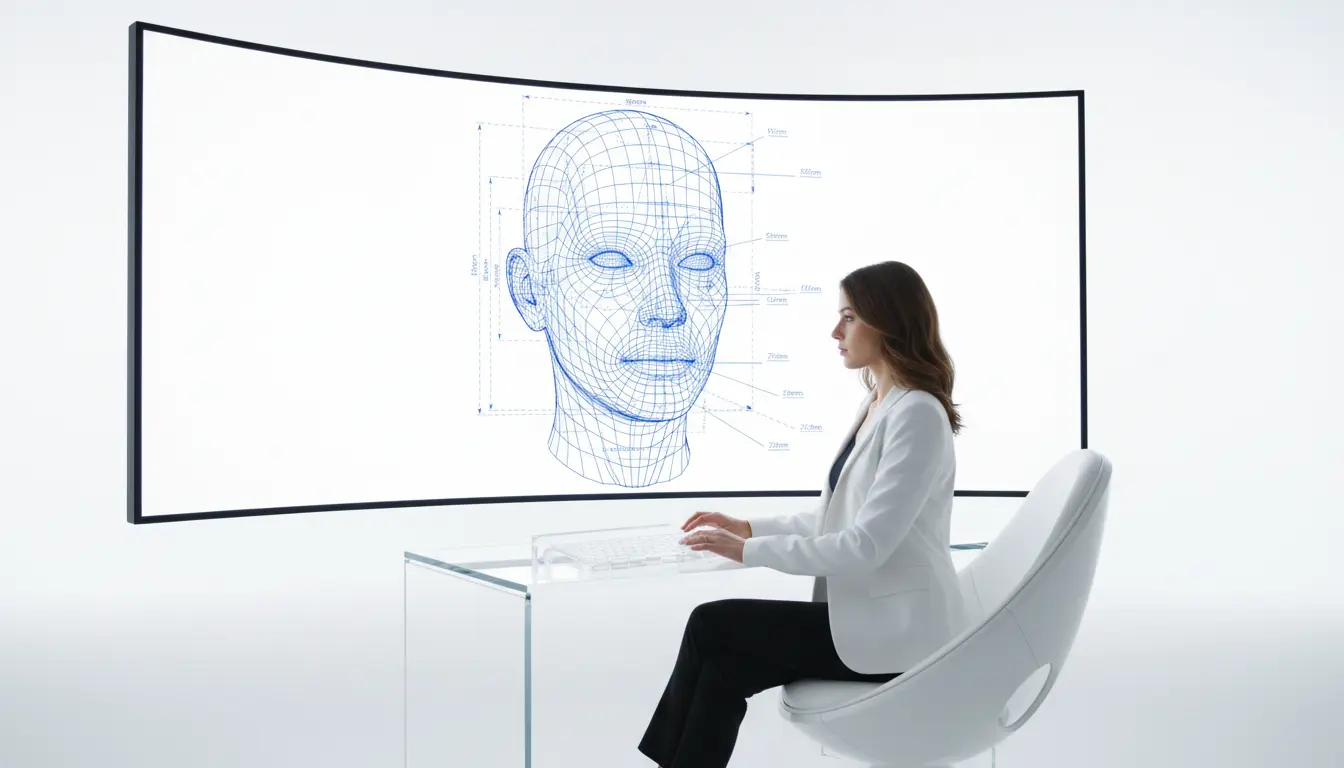
One helpful area is looking into niche sites intended for creators and not for developers, such as the list of AI tools for content creators, which provides a relevant side-by-side comparison not of raw technology but of its impact on workflow.
Expert Tips for Tool Selection
- Select tools that create voice continuity in successive versions, as aural identity is as vital as visual identity.
- Because different platforms require different aspect ratios and captioning preferences, export flexibility should be carefully considered.
- A long-term content library should be portable, so avoid proprietary products whose formats might eventually become unavailable.
- Establish an iterative time budget because improving an avatar requires optimization rather than a single click.
Talking Avatars and Human Perception
Another crucial factor of human comfort is realistic motion and timing. For instance, users may become uneasy and lose faith in the avatar if there is even a small discrepancy between the avatar’s facial and auditory movements, even if they are unaware of the reason. For this reason, modern talking avatars prioritize micro-expressions along with temporal and spatial accuracy.
By comprehending how these systems work and modifying their expectations accordingly, users can lessen their distractibility. The best option for avatars is to maximize emotional neutrality and clarity rather than striving for an ideal.
Designing for Trust and Accessibility
But trust signals are not limited to visuals; other elements, such as language clarity, tempo or pace, and accessibility features, also affect audience perception. In professional and educational landscapes, avatars should facilitate understanding and consideration of other cognitive abilities and diverse cultural backgrounds.
These days, many organizations employ avatar-enabled learning mobility in a sequential, systematic format, particularly in an artificial intelligence degree online, where adaptability and reproducibility are critical for delivering the course to different groups.
Data-Informed Design Principles
- Avoid complex and novel sentence structures, as non-native readers and assistive technologies comprehend simple language better.
- Use a neutral facial expression by default when exchanging information. An excessive amount of emotion could be interpreted as dishonest.
- Regularly use captions because accessibility features also improve audience retention for those who are distracted.
- Check engagement statistics over a longer period, as even a slight enhancement in pacing may lead to a leap in completion rates.
AI Video Generation Models and Long-Term Consistency
Every avatar tool relies on a model trained on large datasets of speech and facial gesturing. A basic understanding of the architecture of an AI video generation model enables end users to make more informed choices about model updates, retraining, and visual consistency.
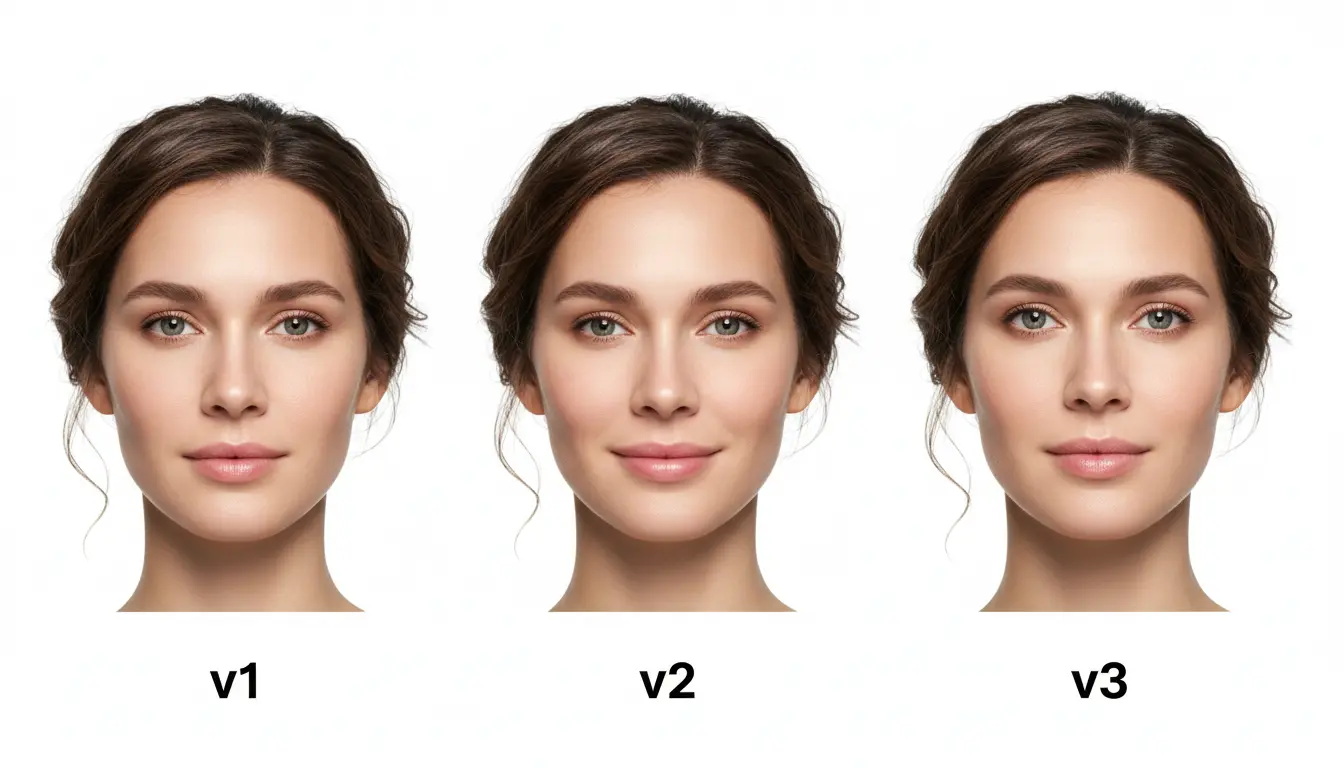
Version control enables consistency across time. Even small model updates can lead to subtle changes in outputs. Professionals managing brand assets should document settings and regularly check avatar outputs.
How to Maintain Avatar Consistency at Scale
- Archive original voice and visual inputs securely, because recreating them later may not yield identical results.
- Conduct regular audits of avatar output. This will sustain the pacing and tone, matching what users expect.
- Limit frequent tool switching, as each platform interprets input data slightly differently.
- Ensure the use of the avatar corresponds to organizational guidelines to prevent any gradual shifts. This applies to both freelance and enterprise content creators
Financial and Organizational Impact
The avatars also lower the marginal production cost. They can be updated quickly and don’t require advance bookings, equipment, or third-party personnel. For the organization, this means improved budget forecasting and quicker deployment times.
Finally, from a sociology-of-work perspective, avatars limit burnout. Workers can communicate uninterrupted, without the added cognitive strain of perpetual performance — a factor that also contributes to the productivity methods promoted by Al productivity resources.
Key Takeaways
- A stable interface avatar fosters trust by lowering cognitive friction and visual ambiguity. Al tools designed for practical use fit naturally into organized work processes.
- Sociological studies reveal that the inclusion of digital representations multiple times enhances understanding and trustworthiness.
- Innovation, like nearly everything of substance, is fleeting. What matters is versioning, access, and iterative progress that can be assessed across time.
- Viewing avatar development as a system, and not just a novel trick, can enable individuals to create effective communication, responsible scalability, and a consistent identity in an increasingly digital world.