AI video generation models have reached a turning point. What once required expensive production crews, specialized equipment, and weeks of editing can now be accomplished in minutes with a single text prompt. The technology has matured rapidly, infact most models now capable of generating 4K resolution videos, synchronized audio, and cinematic motion quality that rivals professional footage. In this roundup, we reveal the most powerful AI video generation models available in 2026. Each ai video model offers unique capabilities for creating videos from text descriptions, transforming images into motion, and producing content for social media, marketing, product demos, advertisements, and creative storytelling. You will find direct links to official websites, key features, and practical use cases for each platform.
Table of Contents
- What Are AI Video Generation Models?
- How Does Text-to-Video AI Work?
- Top 25 AI Video Generation Models
- Use Cases for AI Video Generation
- How to Choose the Right AI Video Model
- Frequently Asked Questions
What Are AI Video Generation Models?
AI video generation models are machine learning systems that create video content from various inputs like text prompts, images, or reference videos. These models use advanced architectures, primarily diffusion transformers, to understand the relationships between language, visuals, and motion. When you describe a scene in text, the model interprets your words and generates frames that depict your description with realistic movement, lighting, and physics.
How Does Text-to-Video AI Work?
Text-to-video generation typically follows a multi-stage process. First, a large language model processes your text prompt to extract semantic meaning, identifying subjects, actions, settings, and styles. This understanding guides a video generation model, usually based on diffusion transformer architecture, that creates video frames by progressively refining noise into coherent imagery.
AI Video Generation Models complete list
1. Google Veo 3.1
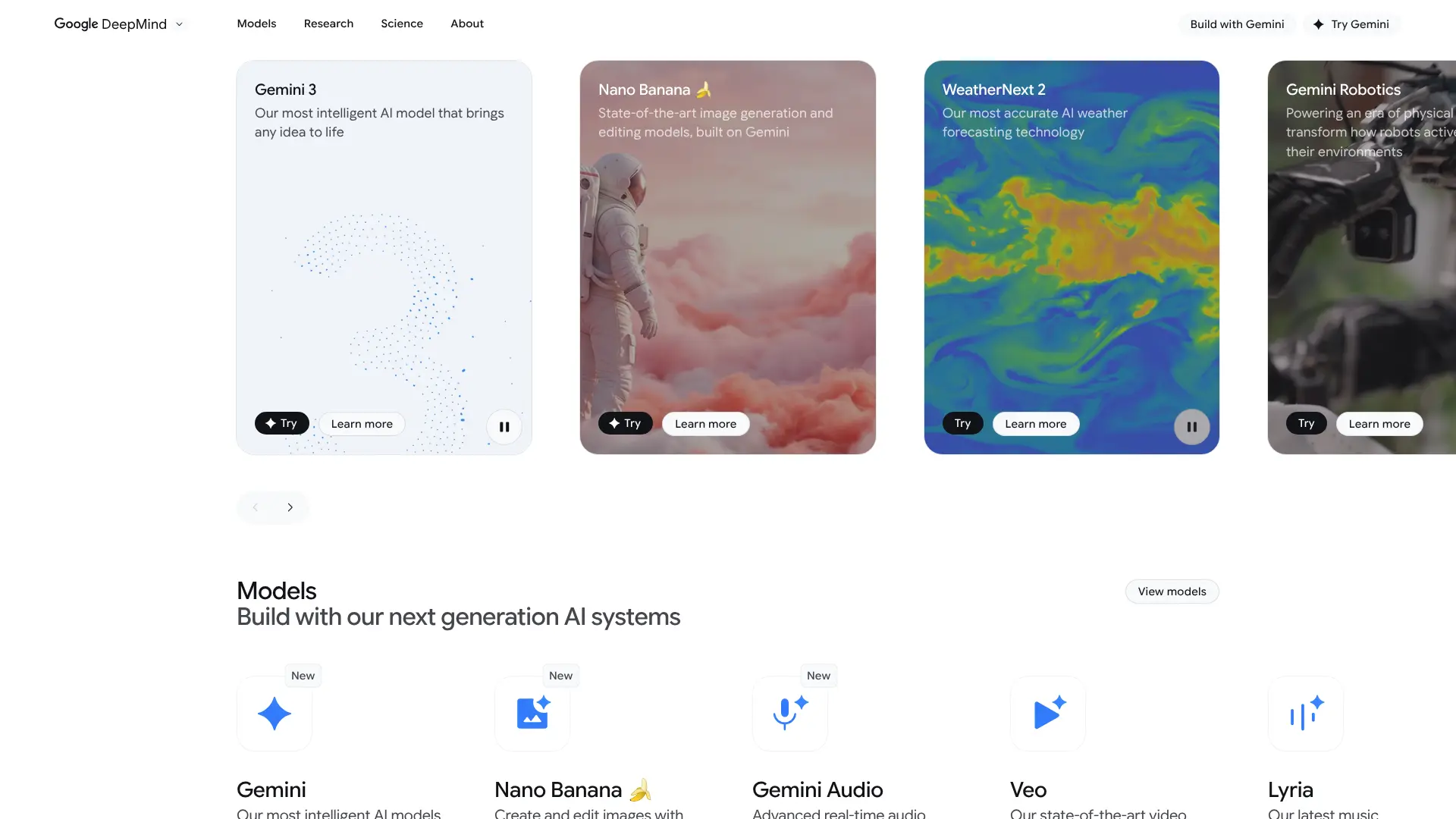 Google Veo 3.1 represents the current state of the art in text-to-video generation from a major technology company. Released in October 2025, this model delivers broadcast-quality 1080p video with native audio generation that includes synchronized dialogue, sound effects, and ambient noise. Users can generate videos up to 60 seconds in duration, significantly longer than most competitors. The model excels at maintaining character consistency across extended sequences and offers object insertion capabilities that achieved top rankings against competing models in blind evaluations. Veo 3.1 supports both horizontal and vertical aspect ratios, making it versatile for different platforms. Access is available through the Gemini app, Google Flow filmmaking tool, and Vertex AI for enterprise implementations. Pricing starts at $0.15 per second for the Fast version and $0.40 per second for Standard through the Gemini API. Official Website: deepmind.google/models/veo
2. Flow by Google
 Flow remains available as a highly capable predecessor to Veo 3.1, offering strong visual quality and motion coherence at potentially lower costs for users who do not require the newest features. This version established many of the techniques that Veo 3.1 builds upon, including cinematic camera control and detailed physics simulation. Official Website: gemini.google/overview/video-generation
3. OpenAI Sora 2
 Official Website: openai.com/sora-2
OpenAI released Sora 2 on September 30, 2025, marking a significant advancement in AI video generation with a focus on world simulation capabilities. The model produces videos up to 25 seconds with the storyboard feature for Pro users, featuring more accurate physics, sharper realism, and synchronized audio with dialogue and sound effects. Sora 2 introduces a unique social app experience where users can create videos, share generations, and discover content in a TikTok-style feed. The character cameos feature allows users to insert themselves or custom characters into generated scenes after a brief recording session. Videos include both visible watermarks and C2PA metadata for content verification. Access requires a ChatGPT Plus or Pro subscription, with the Pro plan offering higher usage limits and longer video durations.
4. OpenAI Sora 2 Pro
 Official Website: help.openai.com/sora-release-notes
Sora 2 Pro provides enhanced capabilities for professional users, including access to the storyboard feature that enables frame-by-frame creative control. Users can build videos from scratch or have Sora generate detailed storyboards that can be edited before generation. This tier offers 25-second video generation on web with storyboard mode, compared to 15 seconds for standard users.
5. Kuaishou Kling 2.6
Official Website: klingai.com
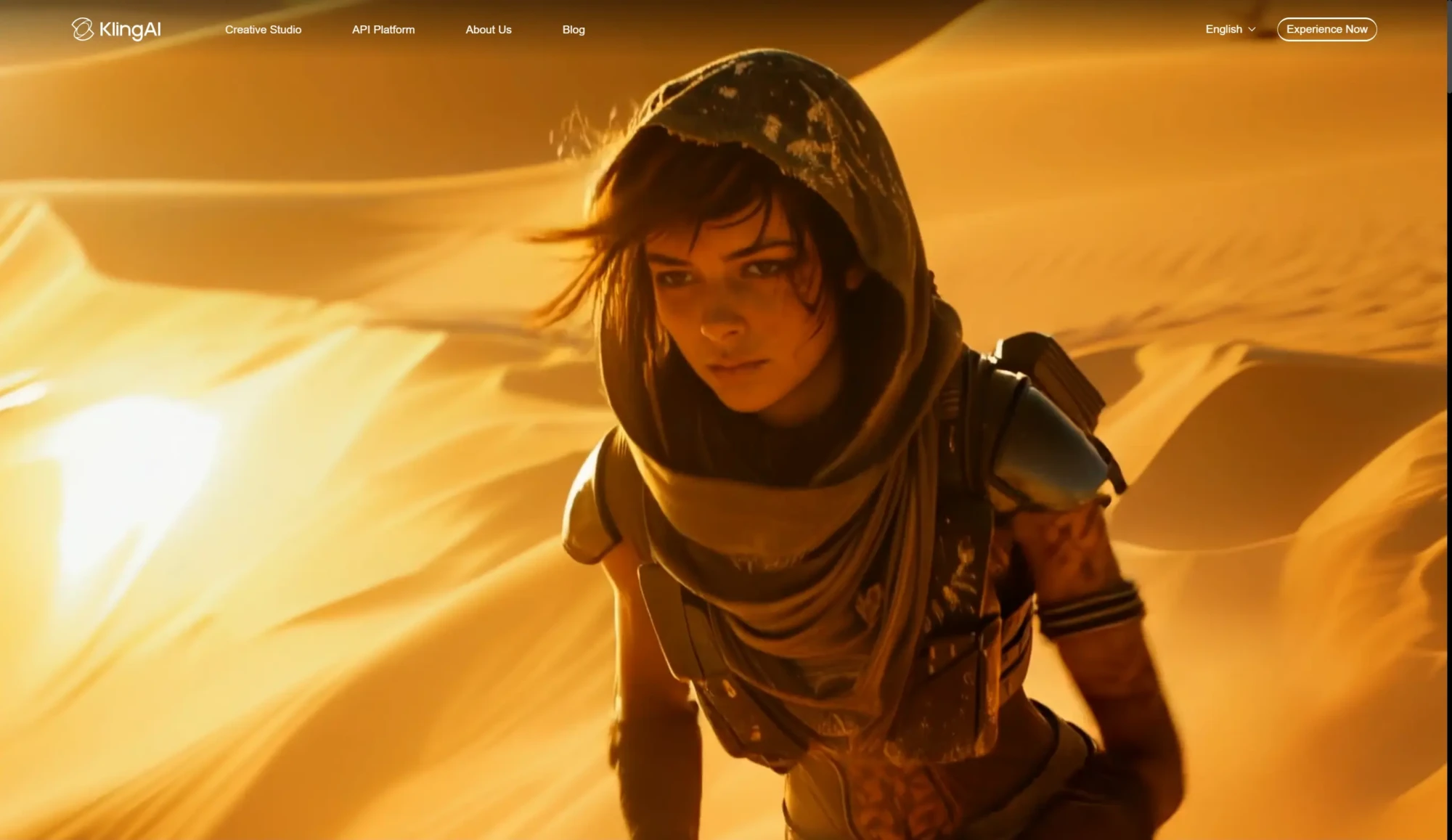
Kling 2.6 from Kuaishou Technology introduced simultaneous audio-visual generation in December 2025, fundamentally transforming AI video workflows. Rather than generating silent video and adding audio separately, Kling 2.6 produces voiceovers, sound effects, and ambient atmosphere in a single pass, creating naturally synchronized content. The model demonstrates world-leading performance in Chinese voice generation while supporting diverse audio types including speech, dialogue, narration, singing, rap, and ambient sounds. Users can train custom voice models using their own audio samples or upload audio files to guide generation. Motion control has been enhanced to capture full-body movements with greater fidelity, accurately rendering fast actions like martial arts and dance. API pricing runs approximately $0.07 to $0.14 per second depending on resolution and speed settings.
6. Kuaishou Kling 2.5 Turbo Pro
 Official Website: klingai.com
Kling 2.5 Turbo Pro offers a balanced option between speed and quality, designed for creators who need reliable results with faster turnaround times. This version maintains the visual stability and character preservation that Kling models are known for while providing optimized generation speeds for iterative creative workflows.
7. Kuaishou Kling O1
 Official Website: klingai.com
Kling O1, announced December 1, 2025, is positioned as the world’s first unified multimodal video model. This system combines generation, editing, and understanding capabilities in a single workflow. Users can input text, video, images, and specific subjects while the model handles pixel-level semantic reconstruction instantly. The model supports skill combos that execute multiple creative variations simultaneously, such as inserting subjects while modifying background context or generating from reference images while shifting artistic style. Video duration is user-defined between 3 and 10 seconds. The dedicated Kling O1 image model enables seamless end-to-end workflows from basic image generation to advanced detail editing.
8. Runway Gen-4.5
 Official Website: runwayml.com/research/gen-4.5
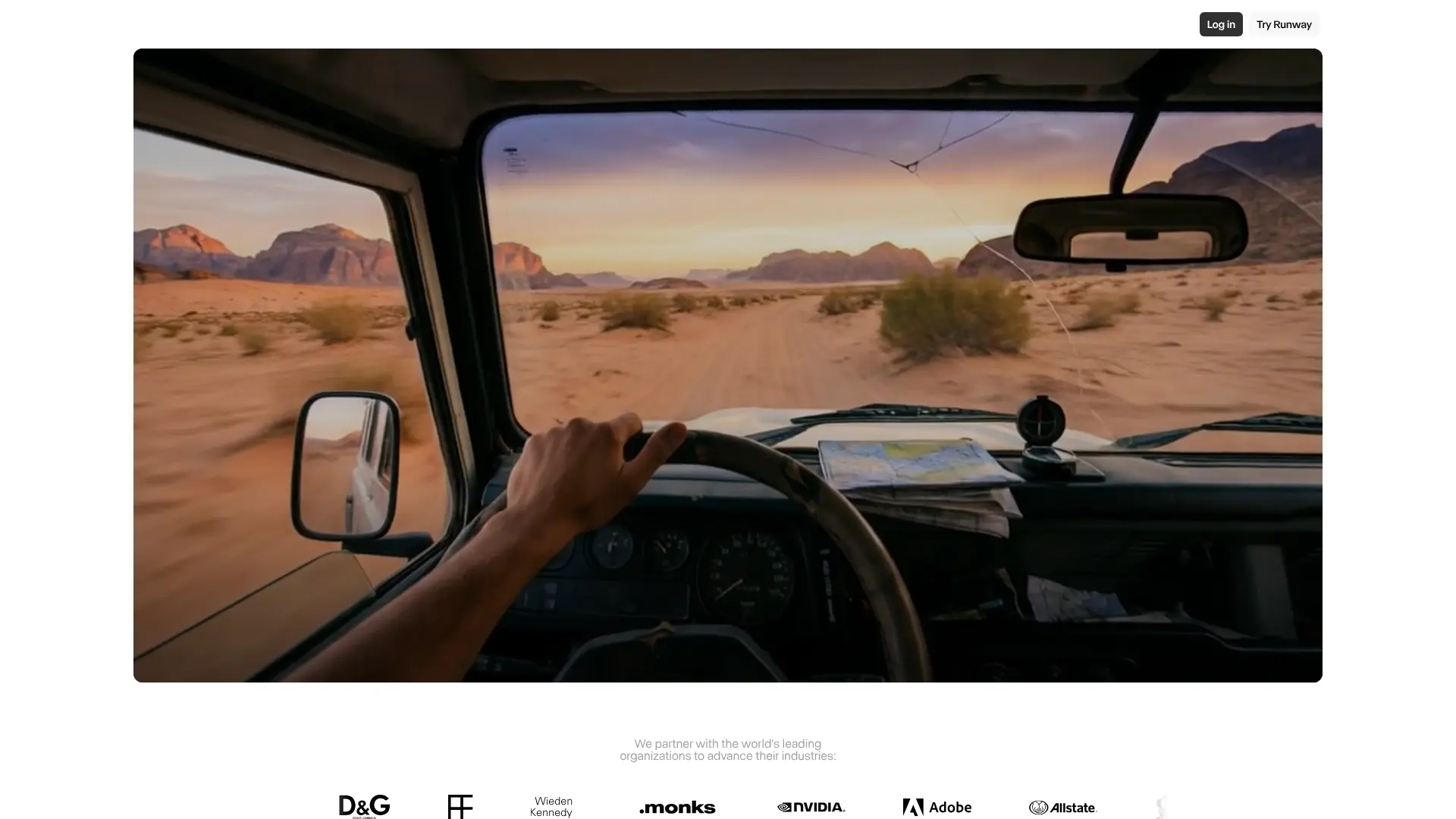
Runway Gen-4.5 achieved the top position on the Artificial Analysis Text to Video benchmark with 1,247 Elo points upon its December 2025 release. This model focuses on physical accuracy, motion quality, and prompt adherence, producing cinematic outputs where objects move with realistic weight, momentum, and force. Liquids flow with proper dynamics, and surfaces render with fine detail. The model offers unprecedented control through text-to-video, image-to-video, video-to-video, and keyframes modes. Character expressions maintain emotional continuity across shots, with accurate facial performances and body language. Despite quality improvements, Gen-4.5 maintains similar speed to its predecessor, generating videos without prohibitive compute costs. Runway offers subscription tiers from free to enterprise, with recent updates adding native audio generation, multi-shot sequencing, and character-consistent long-form video support up to one minute.
9. Runway Gen-3 Alpha
Official Website: runwayml.com
Gen-3 Alpha remains a solid option for users who need proven reliability at potentially lower costs than Gen-4.5. This version offers comprehensive creative tools including motion brush and consistent character generation, making it suitable for professional video production workflows. The model integrates well with existing creative pipelines and supports various output formats.
10. Pika 2.5
 Official Website: pika.art
Pika 2.5 delivers an excellent balance between accessibility, creative effects, and affordability. The platform runs on its latest generation model with sharper visuals up to 1080p, smoother motion, and more natural physics. Movements feel less stiff, and transitions appear intentional rather than random. The standout features include Pikaffects for creative transformations like melting, inflating, and exploding objects within videos. Pikaframes helps extend scenes and guide narrative connections, while Pikaswaps allows replacement of objects or characters without starting over. Scene Ingredients enables uploading custom characters, objects, and backgrounds for integration into generated content. Pika uses a credit-based subscription model with free access for basic features and paid plans for HD resolution, faster generation, and extended video lengths.
11. Luma Dream Machine Ray3
 Official Website: lumalabs.ai/ray
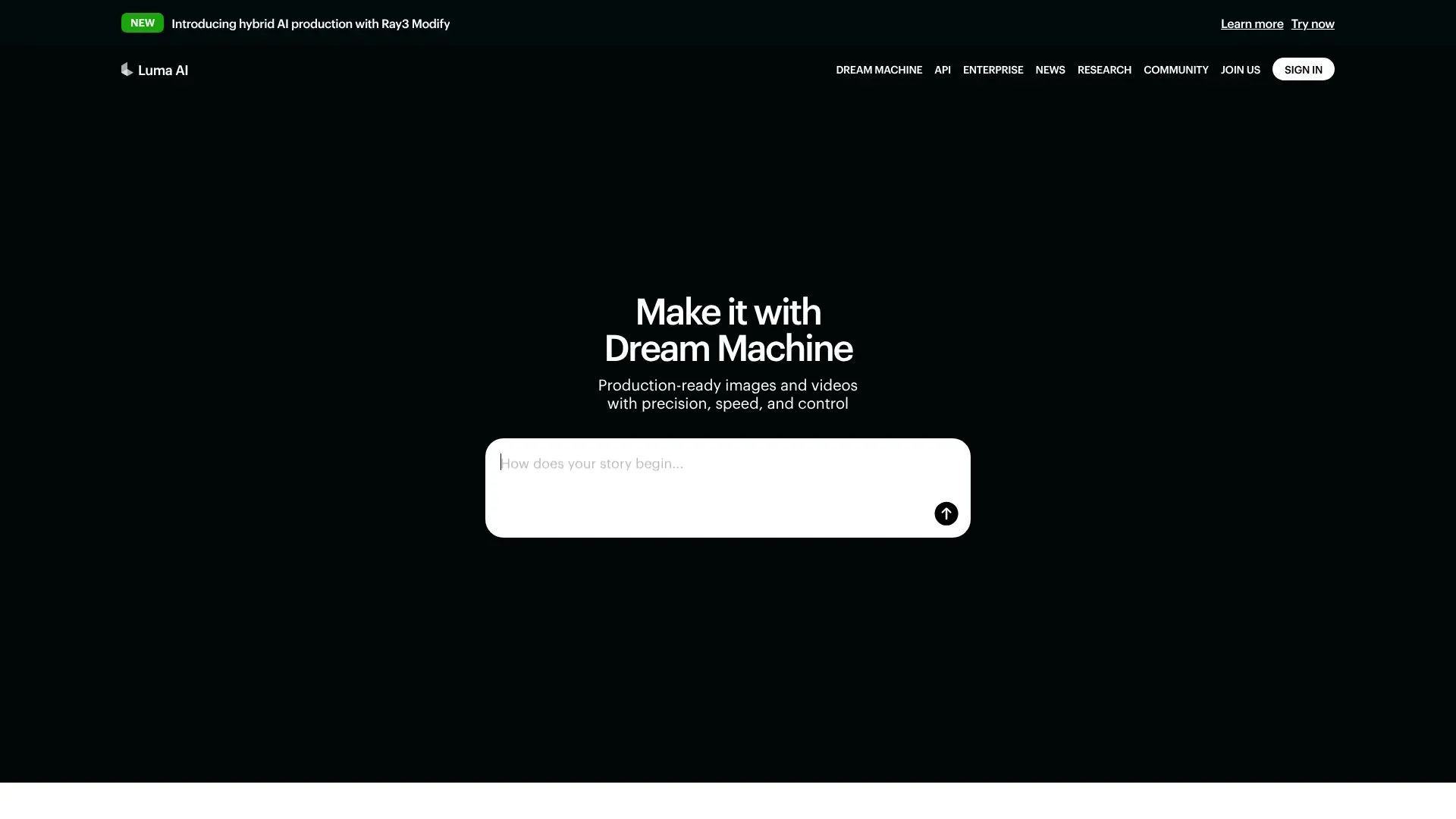
Luma AI introduced Ray3 as the world’s first reasoning video model, capable of thinking in visuals and concepts, evaluating its own outputs, and iterating to deliver better results. The model features native high dynamic range generation, producing 16-bit HDR videos from text prompts or standard dynamic range inputs that can be exported as EXR files for professional workflows. Ray3 Modify extends these capabilities with performance preservation technology that maintains actor timing, motion, eye line, and emotional delivery while transforming visual elements. Users can provide start and end frames to guide transitions with unprecedented control over scene evolution. Draft Mode enables rapid iteration, generating ideas in seconds for creative flow before mastering selected shots into production-ready 4K HDR footage. Luma raised $900 million in November 2025 and partners with Adobe and AWS for distribution.
12. MiniMax Hailuo 02
 Official Website: hailuoai.video
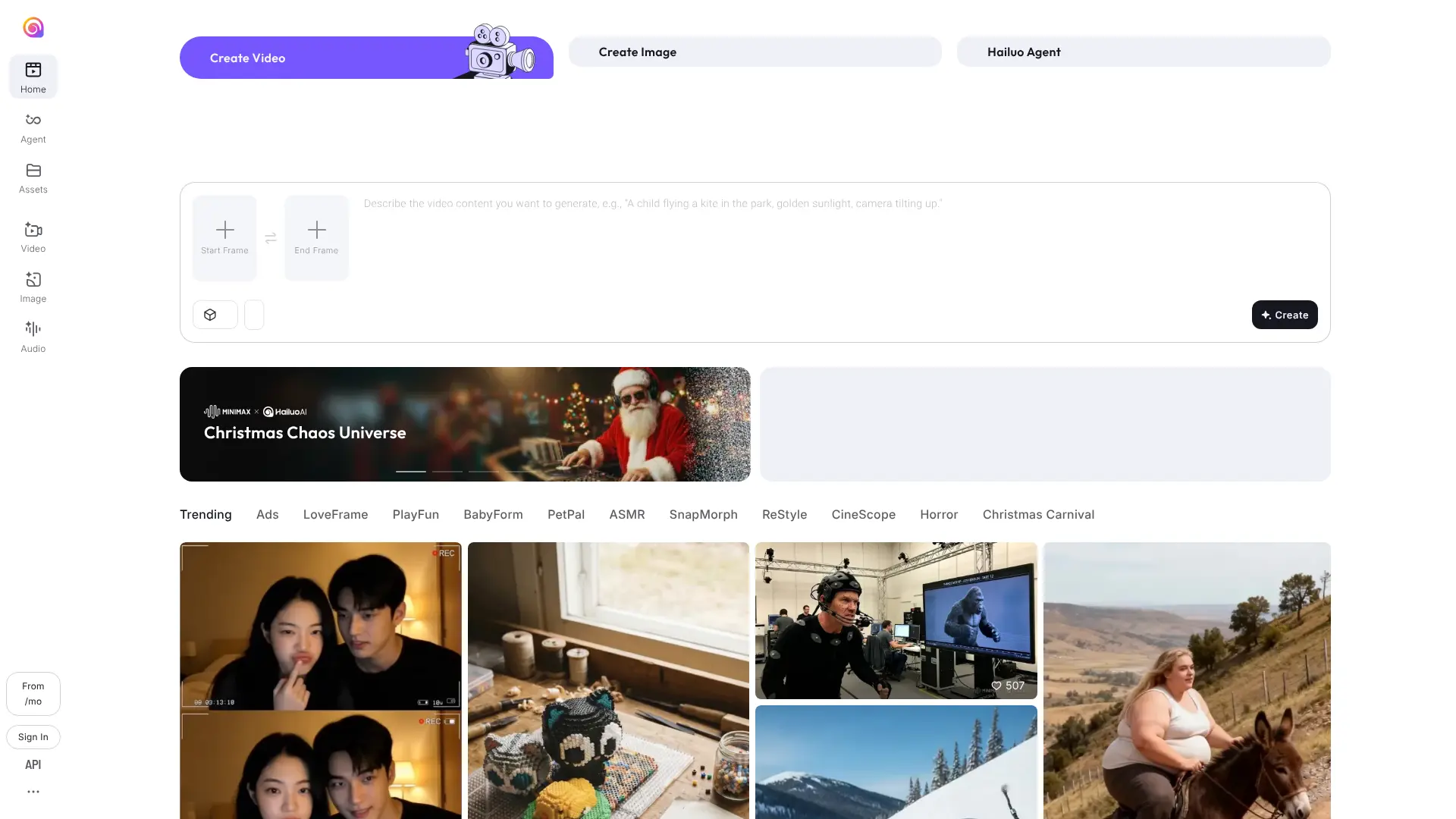
MiniMax Hailuo 02 rose to prominence with its Noise-aware Compute Redistribution architecture, which increased training and inference efficiency by 2.5 times. This allowed expansion to three times more parameters and four times more training data while maintaining cost efficiency. The model ranks second globally on the Artificial Analysis benchmark, surpassing Google Veo 3 in several metrics. Hailuo 02 supports native 1080p generation with state-of-the-art instruction following and extreme physics mastery. The model accurately handles complex movements like gymnastics while maintaining high visual fidelity. Last-frame conditioning enables supported durations of 6 or 10 seconds at 768p and 6 seconds at 1080p. Generation costs approximately $0.28 per video through various API platforms.
13. MiniMax Hailuo 2.3
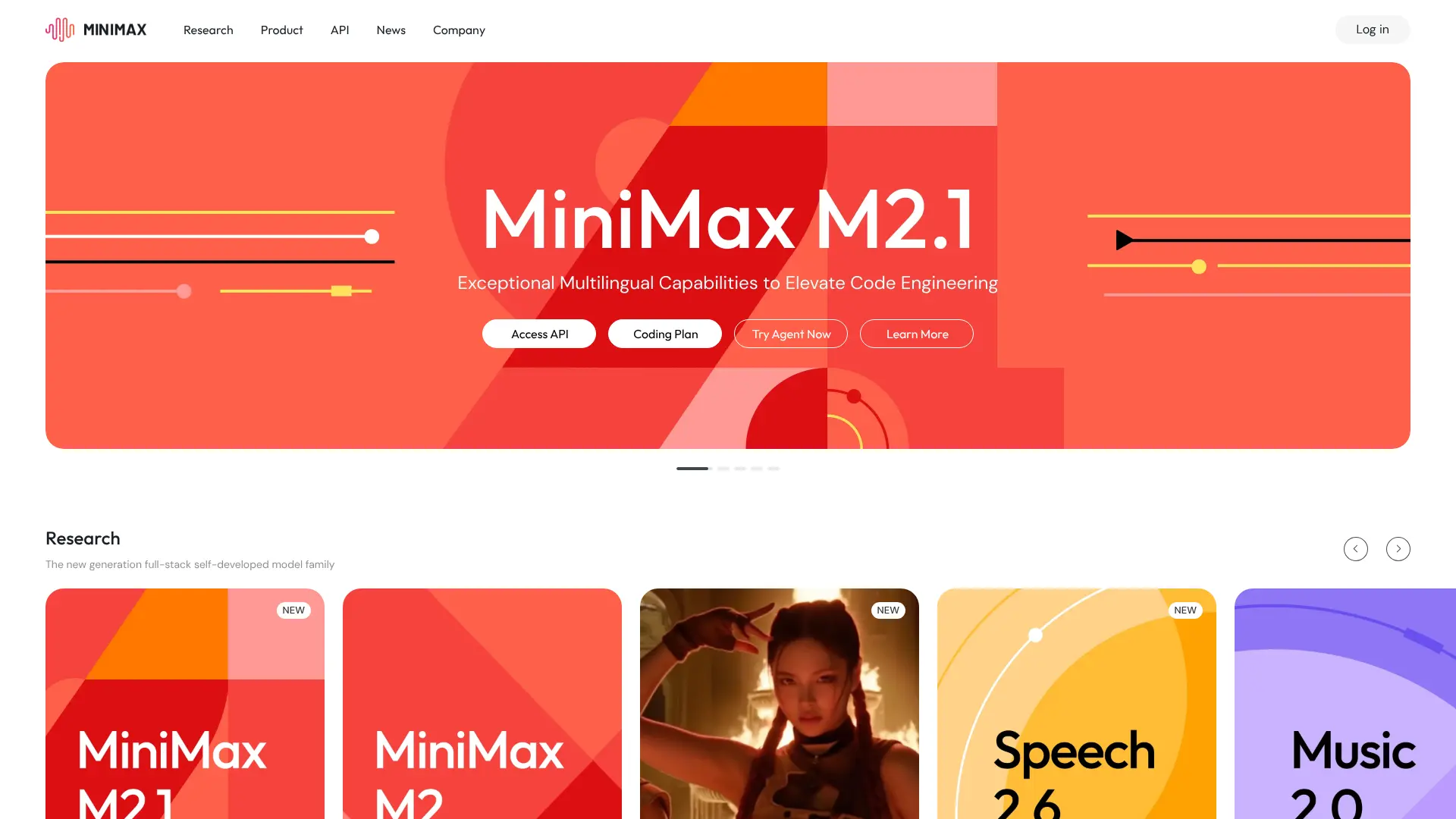 Official Website: minimax.io/news/minimax-hailuo-23 Hailuo 2.3, released October 2025, builds on the Hailuo 02 foundation with enhanced dynamic expression for more realistic and stable visuals. Improvements span physical actions, stylization, and character micro-expressions while optimizing response to motion commands. The model renders complex body movements with greater fluidity and precision. Stylization options expanded to include anime, illustration, ink wash painting, and game CG art styles with vivid outputs across diverse aesthetics. A Fast variant offers quicker generation at reduced costs, cutting batch creation expenses by up to 50%. Pricing remains the same as Hailuo 02, providing better performance at equivalent cost.
14. Tencent Hunyuan Video 1.5
 Official Website: github.com/Tencent-Hunyuan/HunyuanVideo-1.5
Tencent released HunyuanVideo-1.5 as an open-source model with just 8.3 billion parameters, significantly lowering the barrier to high-quality video generation. The model runs on consumer-grade GPUs with as little as 14GB VRAM, making advanced video generation accessible to independent creators and researchers. The architecture combines an 8.3B parameter Diffusion Transformer with a 3D causal VAE achieving 16x spatial compression and 4x temporal compression. Selective and Sliding Tile Attention reduces computational overhead for long sequences, achieving 1.87x speedup for 10-second 720p synthesis compared to FlashAttention-3. A dedicated video super-resolution network upscales outputs to 1080p while correcting distortions. The model supports both text-to-video and image-to-video generation with bilingual understanding through glyph-aware text encoding.
15. PixVerse v5
 Official Website: app.pixverse.ai
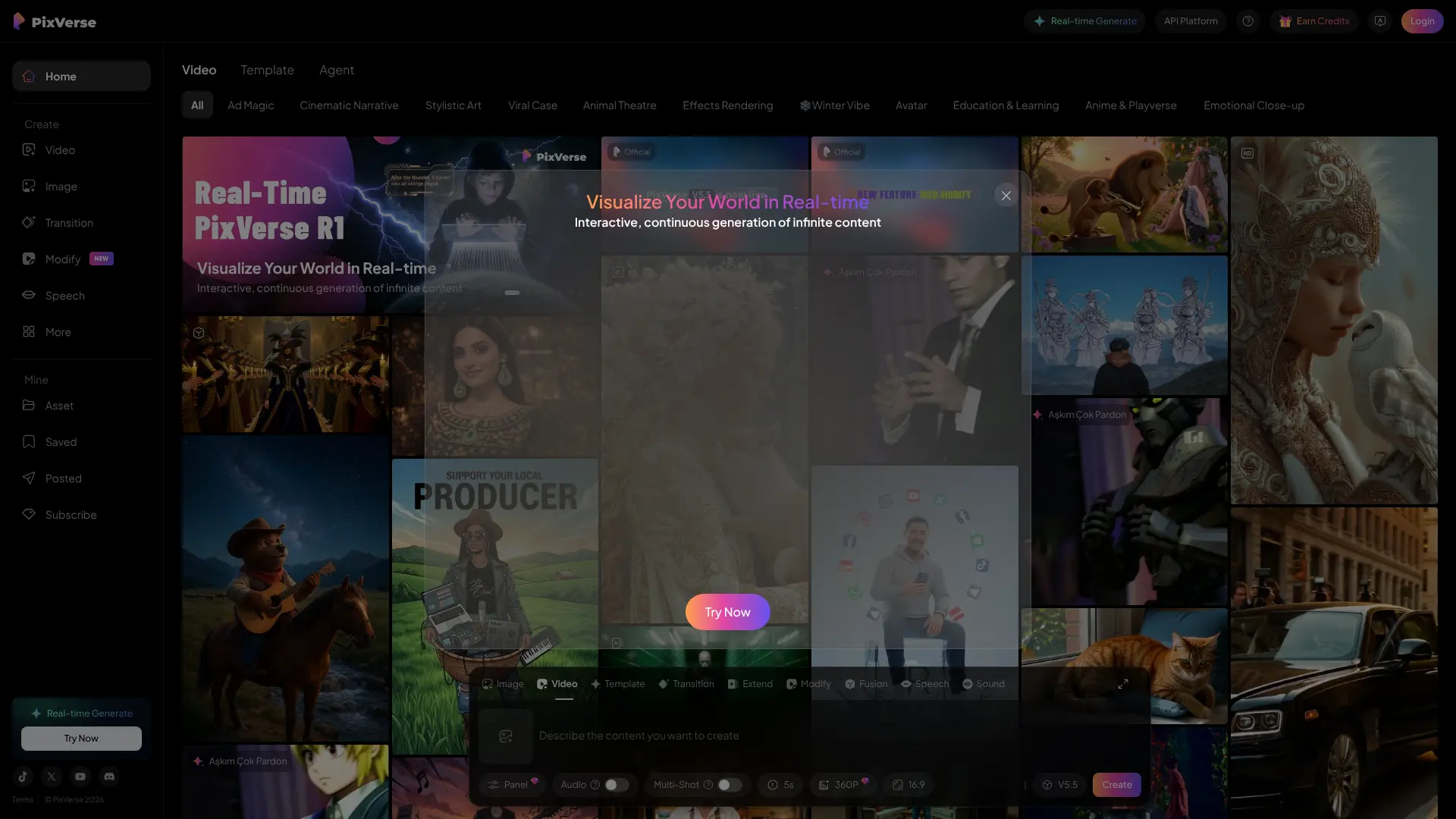
PixVerse v5 achieved second place in image-to-video and third in text-to-video rankings on Artificial Analysis benchmarks. The platform now serves over 100 million users worldwide who have produced more than 800 million videos. The viral Venom Effect template alone generated over one billion social media views. Key improvements include enhanced motion quality with smoother camera movements and natural animations, sharper resolution with richer details and realistic textures, and improved lighting for cinematic finish. Key Frame Control allows uploading custom first and last frames to ensure videos flow according to specific visions. Trending AI effects like Earth Zoom Challenge and Old Photo Revival enable quick creation of viral content. The platform supports resolutions from 360p to 1080p with video lengths of 5 to 8 seconds, with 1080p limited to 5 seconds. Version 5.5 adds multi-shot storytelling, native audio generation, and 10-second duration options.
16. Genmo Mochi 1
 Official Website: genmo.ai
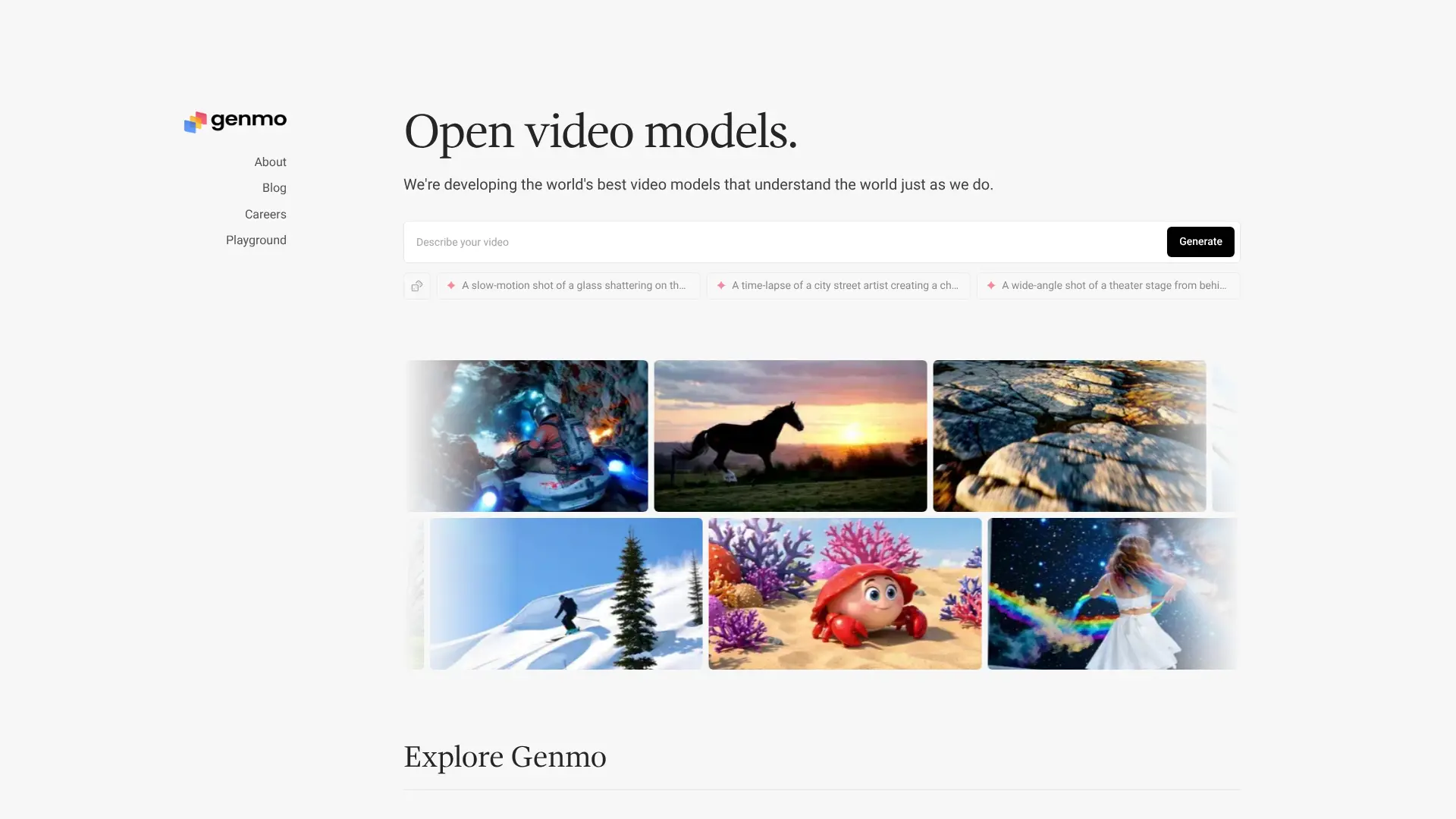
Mochi 1 from Genmo offers an open-source approach to video generation, providing accessible tools for developers and creators who want to integrate AI video capabilities into custom applications. The model focuses on smooth motion and coherent scene generation while maintaining reasonable computational requirements.
17. Haiper AI
 Official Website: haiper.ai
Haiper AI provides text-to-video conversion, image animation, and video repainting capabilities through an accessible platform. Haiper 2.0, launched October 2024, introduced hyper-realistic video generation with faster processing times and improved temporal coherence for smoother movements. The platform offers free video generation with basic features and premium options for watermark-free exports and faster processing. While Haiper AI has been discontinued as a standalone platform, its technology continues through partnerships with tools like VEED, making its capabilities accessible through other creative applications. Users looking for similar functionality can explore alternatives through platforms that have integrated Haiper’s approaches.
18. Stable Video Diffusion
 Official Website: stability.ai
Stable Video Diffusion from Stability AI offers open-source video generation that can run locally on consumer hardware. The model builds on the success of Stable Diffusion for images, extending those capabilities to video with a focus on accessibility and customization. Developers can fine-tune the model for specific use cases and integrate it into custom workflows without API dependencies.
19. Adobe Firefly Video

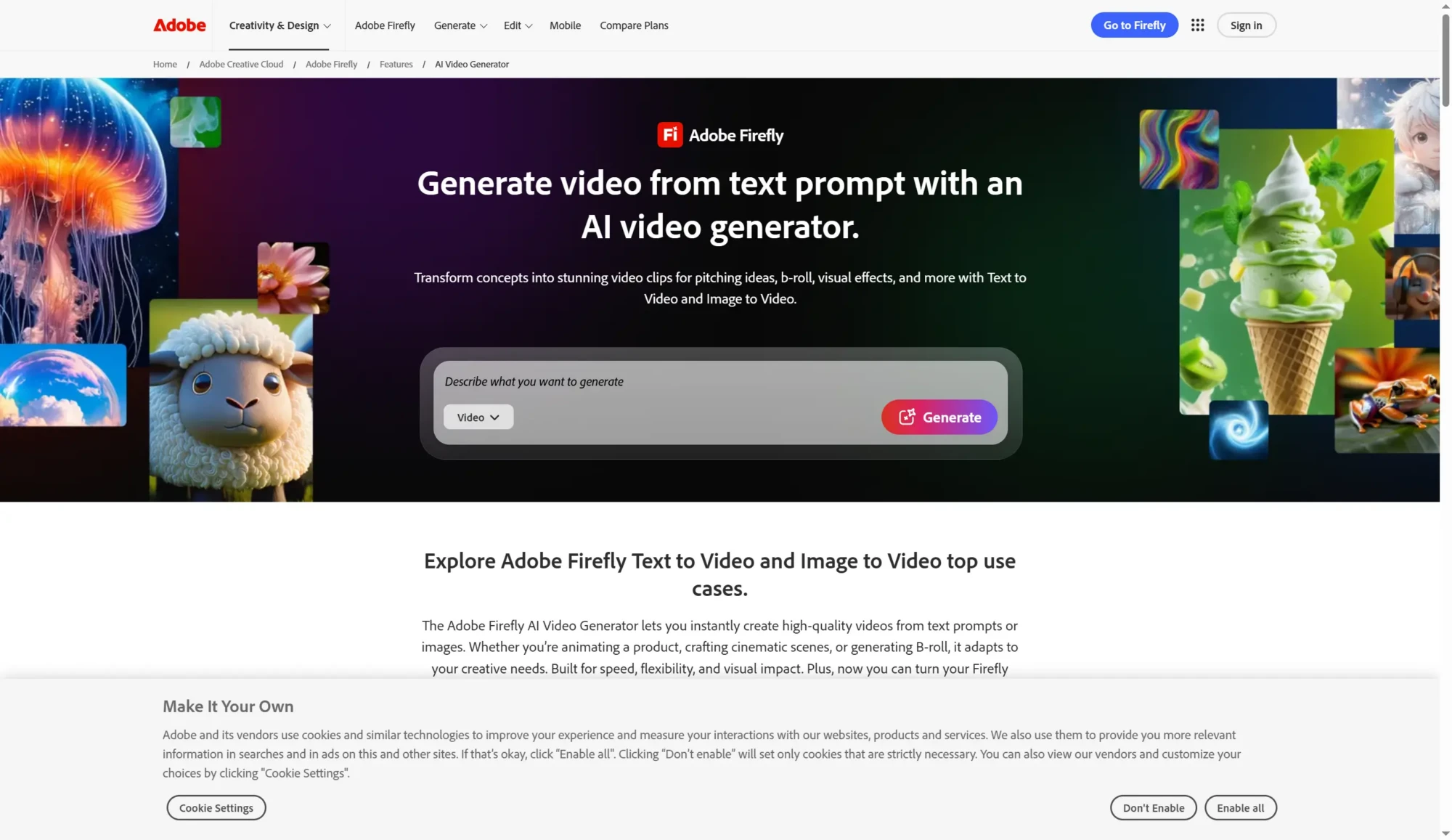 Official Website: adobe.com/products/firefly
Adobe Firefly Video integrates directly into the creative ecosystem used by professionals worldwide. The platform now features prompt-based video editing, allowing users to modify video elements, colors, and camera angles through text instructions without regenerating entire clips. Camera motion reference enables uploading reference videos to recreate specific movements in generated content. Firefly brings together multiple industry-leading models including its own commercially safe video model, Runway Gen-4.5, Luma Ray3, and Topaz Astra for upscaling. Generate Soundtrack creates fully licensed audio tracks, while Generate Speech produces crystal-clear voiceovers in multiple languages. The Firefly video editor provides a timeline-based environment for assembling generated clips into polished stories. Subscription plans range from Firefly Standard at $9.99 per month to Premium at $199.99 per month, with Creative Cloud Pro integration available.
20. Vidu
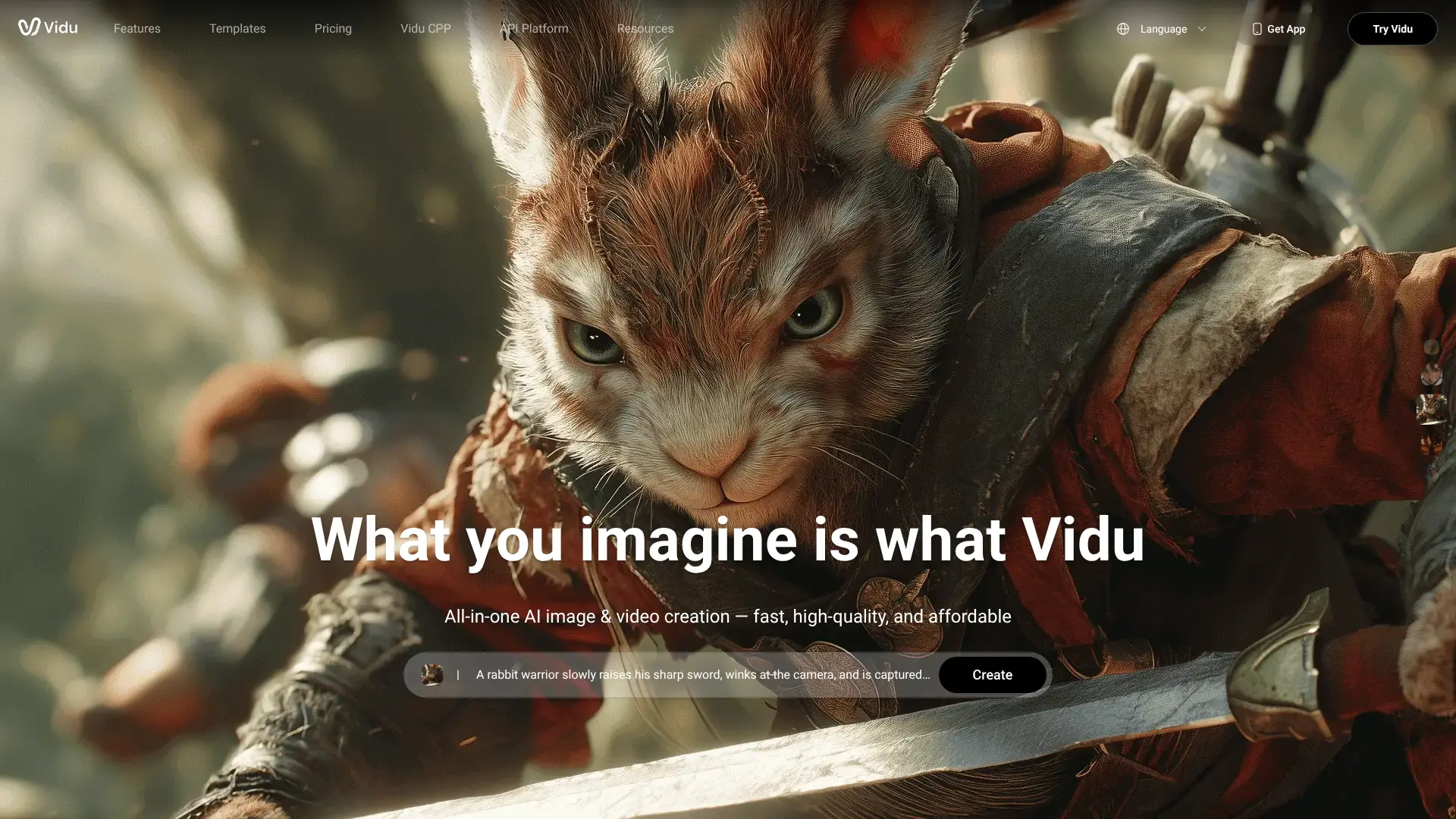 Official Website: vidu.com
Vidu from ShengShu Technology and Tsinghua University pioneered multi-entity consistency, keeping characters, objects, and environments stable across multiple frames and scenes. This capability enables believable narratives with consistent characters throughout a video. Vidu 2.0 achieved record-breaking generation times, creating clips in as little as 10 seconds. The Reference to Video feature allows uploading several reference images for characters, props, and backgrounds that the AI uses consistently within generated videos. Vidu Q2, announced September 2025, enhanced emotional realism with nuanced facial expressions and eye contact while improving camera control. Clip durations range from two to eight seconds at up to 1080p resolution. The platform includes anime style optimization and unlimited free video creation in Off-Peak Mode.
21. ByteDance Seedance 1.5
 Official Website: seed.bytedance.com/en/seedance1_5_pro Seedance 1.5 Pro from ByteDance delivers synchronized audio-video generation using a Dual-Branch Diffusion Transformer architecture with 4.5 billion parameters. The model creates video and audio in one pass with perfect lip-sync, sound effects, and dialogue that match every frame automatically. The system supports multiple languages and dialects with accurate lip synchronization, including Mandarin with regional Chinese dialects, English, Korean, Spanish, Portuguese, and Indonesian. Multi-shot video generation maintains consistency in main subjects, visual style, and atmosphere across shot transitions. Camera scheduling enables professional zooms, tracking shots, and pans autonomously. The model excels at photorealism, cyberpunk, illustration, and felt texture styles while accurately parsing complex action sequences.
22. Invideo
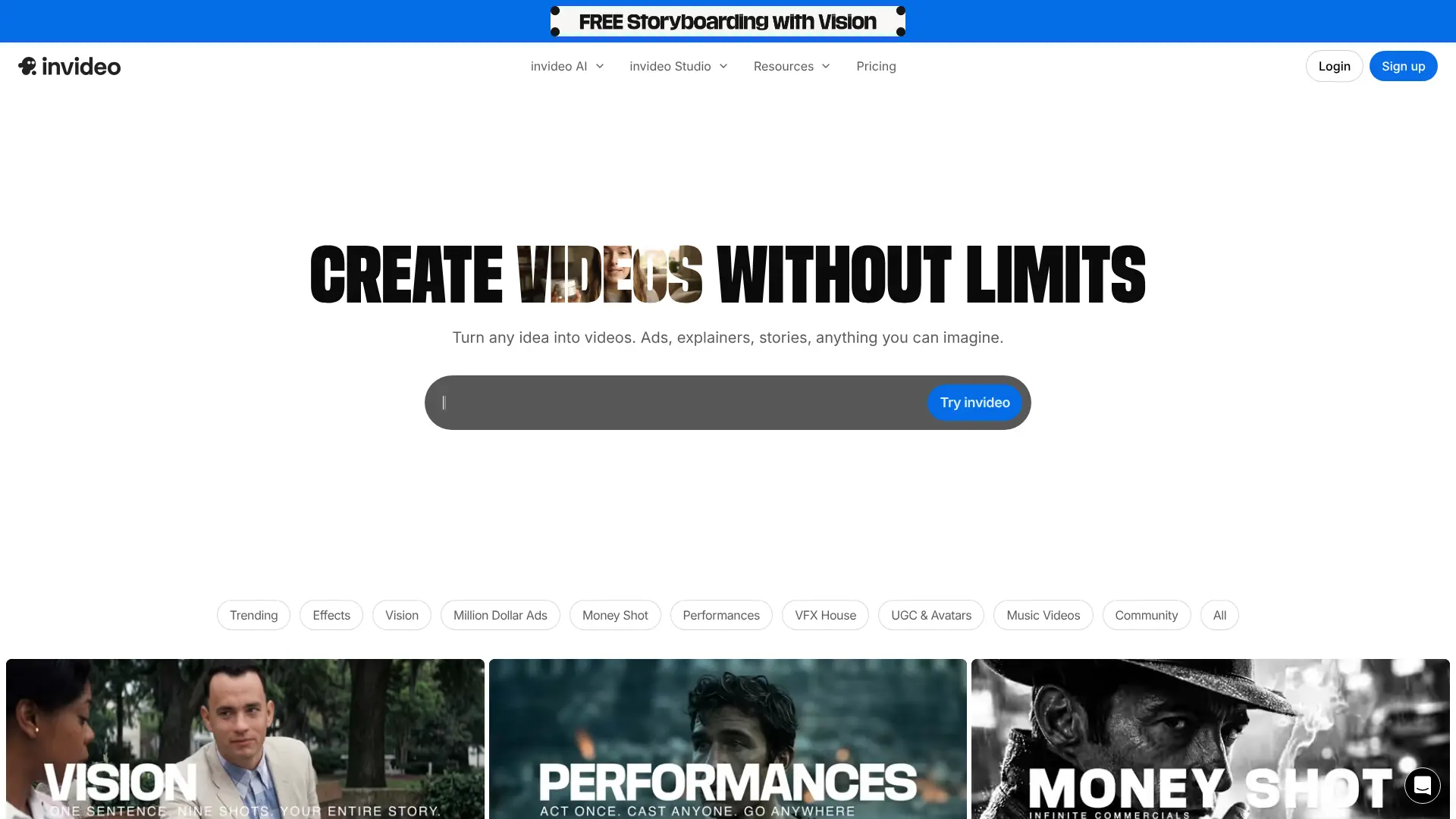
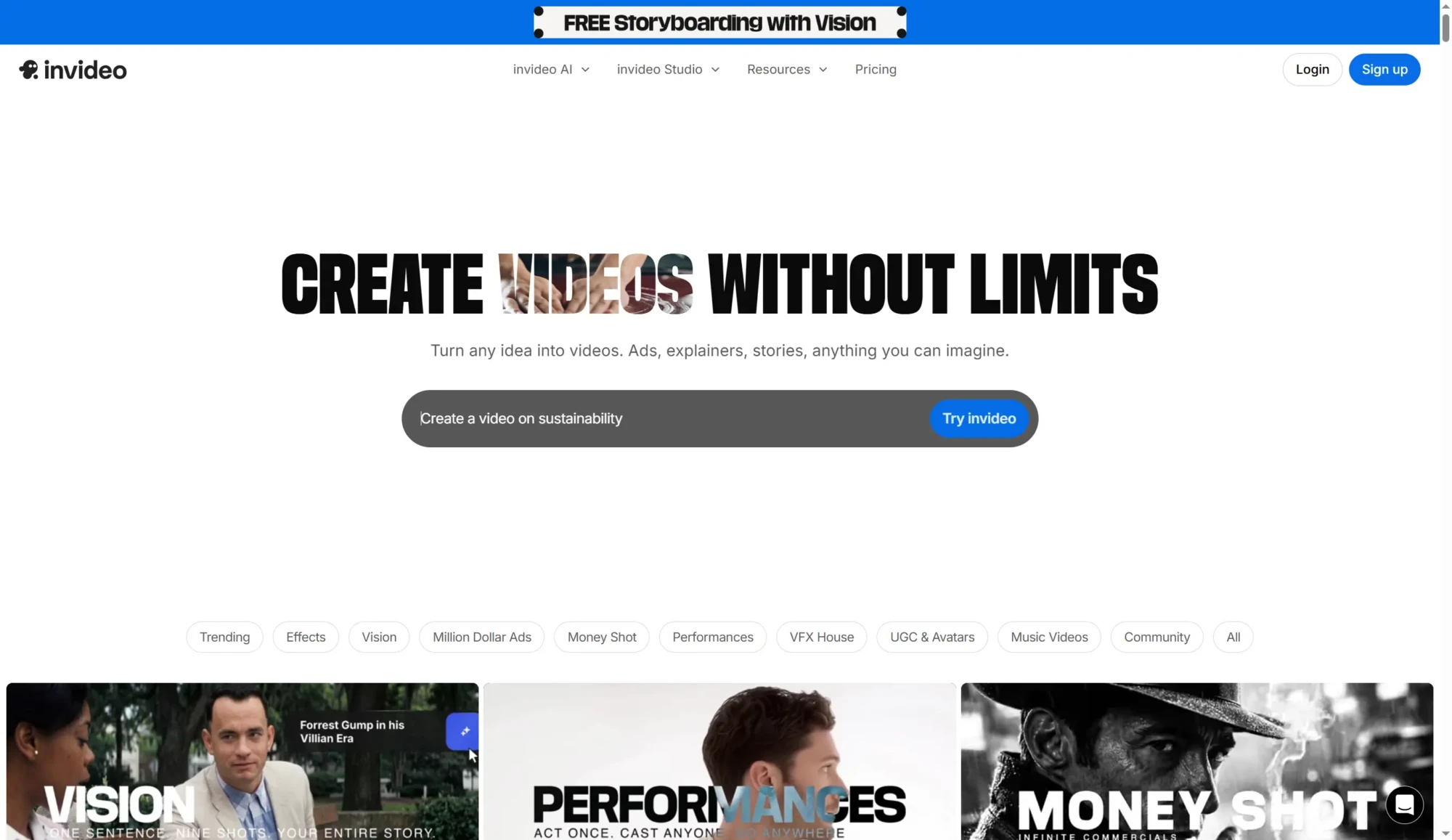
Invideo create innovation in AI video generation, offering text-to-video capabilities with a focus on artistic styles and creative expression. The model supports multiple languages and provides accessible video generation for users seeking alternatives to Western platforms.
23. Amazon Nova Reel
 Official Website: aws.amazon.com/ai/generative-ai/nova Amazon Nova Reel provides video generation capabilities through AWS services, designed for enterprise integration and scalable content production. The model focuses on reliability and consistency for business applications, with direct integration into Amazon’s cloud infrastructure for streamlined deployment and management.
24. Lightricks LTX-2 19B
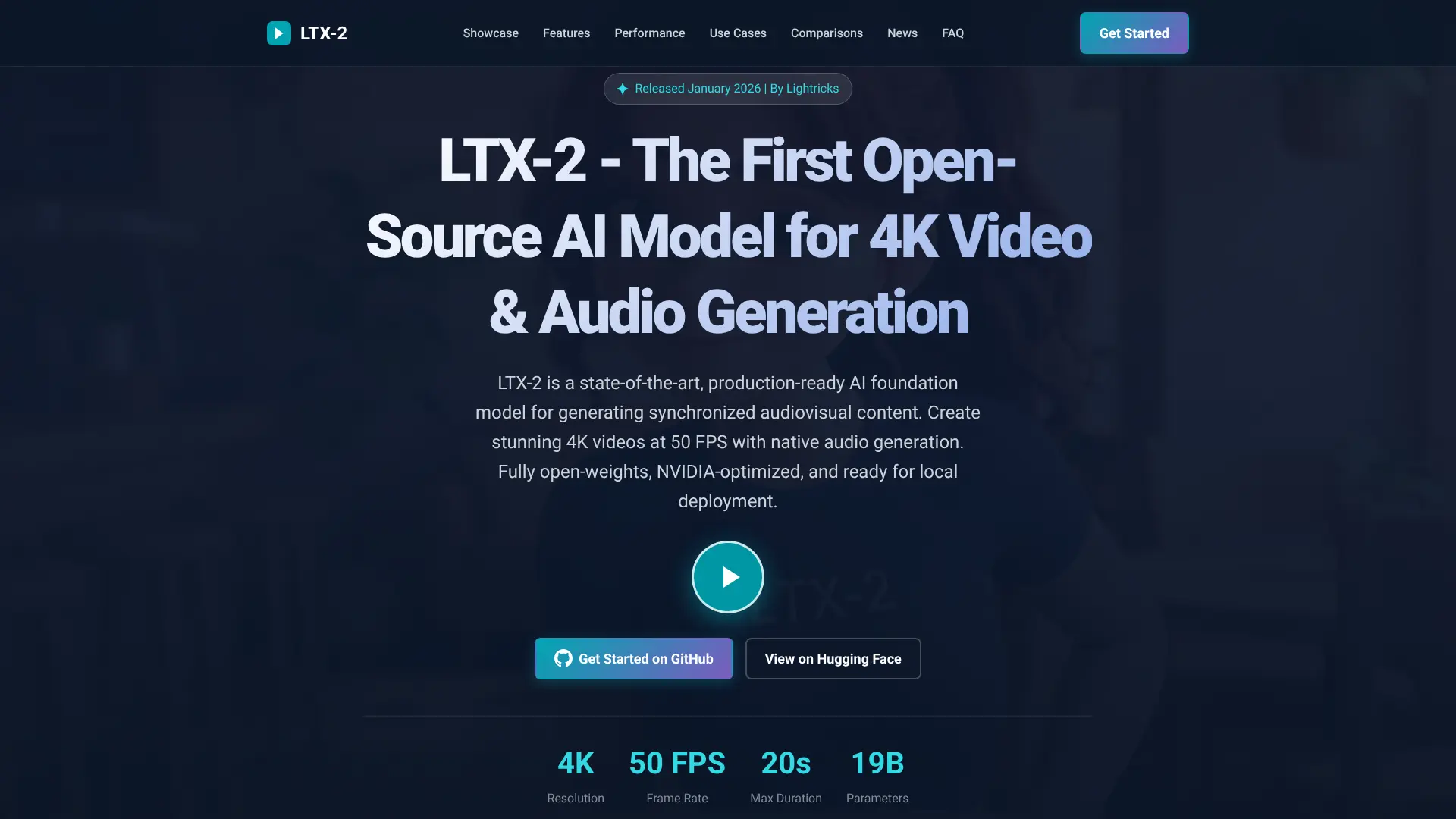 Official Website: ltx-2.ai
LTX-2 stands as the first production-ready open-source model for synchronized 4K video and audio generation. The 19 billion parameter architecture generates up to 20-second clips at 50 FPS, longer than Google Veo 3 at 12 seconds or OpenAI Sora 2 at 16 seconds. The asymmetric dual-stream transformer allocates 14 billion parameters to video and 5 billion to audio. Benchmark testing shows LTX-2 achieves 18 times faster inference than comparable systems like Alibaba’s Wan2.2-14B on Nvidia H100 GPUs. Full model weights, training code, and documentation are available under Apache 2.0 license, enabling researchers and developers to customize freely. NVIDIA announced NVFP8 and NVFP4 format support enabling 3x faster performance and 60% VRAM reduction on RTX GPUs. API pricing starts at $0.04 per second for Fast mode, $0.08 for Pro, and $0.16 for Ultra at maximum 4K fidelity.
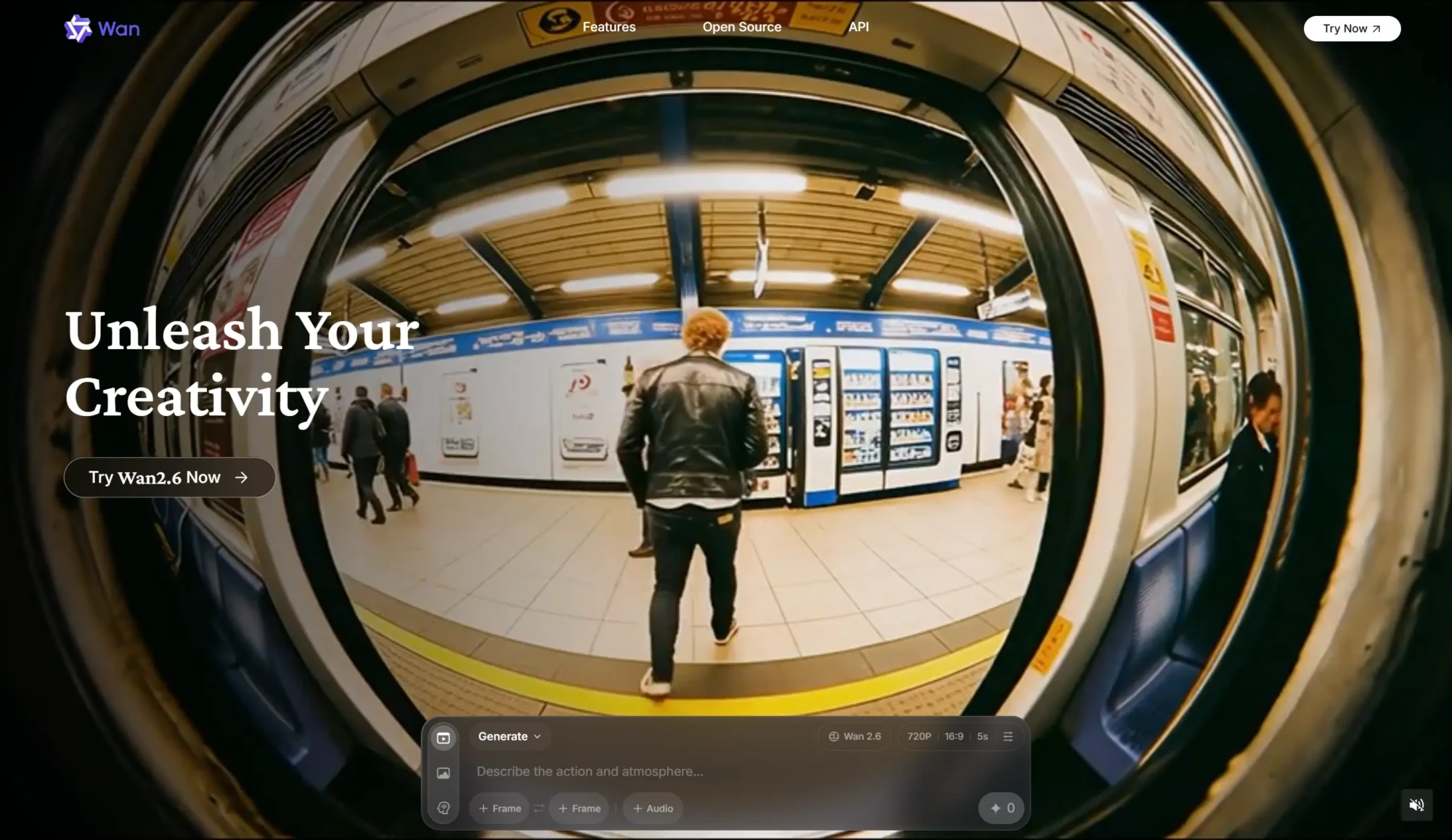
25. Wan2.1
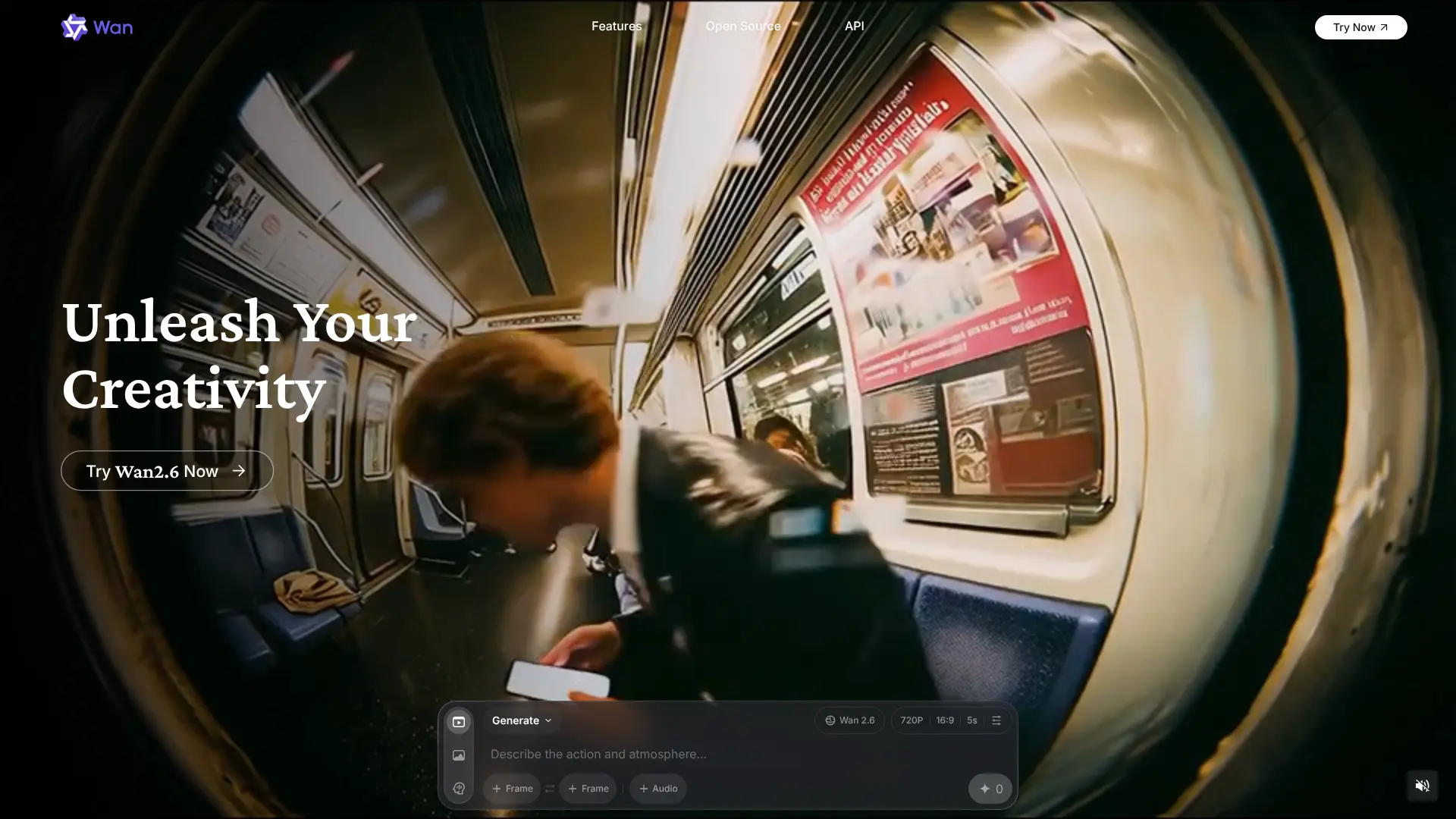
Official Website: https://wan.video/ Wan2.1 continues ByteDance’s expansion in AI video generation, offering strong performance for various creative applications. The model supports multi-modal inputs and provides competitive quality for users working within the ByteDance ecosystem or seeking alternatives to other major platforms.
AI Video Generation use cases
Social Media Content
AI video generators enable rapid creation of content for TikTok, Instagram Reels, and YouTube Shorts. Native vertical format support from models like Veo 3.1 and PixVerse v5 ensures outputs match platform requirements without additional cropping. Creators can generate multiple variations of concepts quickly, testing what resonates with audiences before investing in full production.
Marketing Videos and Advertisements
Businesses use AI video for product showcases, brand stories, and promotional content. The simultaneous audio-visual generation in models like Kling 2.6 and Seedance 1.5 creates complete advertisements with voiceovers and sound effects in single passes. Marketing teams can produce localized versions in multiple languages using lip-sync capabilities without reshooting.
Product Demos and Explainer Videos
E-commerce and software companies benefit from AI-generated product demonstrations. Models can animate product images, show features in action, and create consistent brand visuals across multiple assets. The controllability of platforms like Runway Gen-4.5 ensures products appear as intended throughout demonstrations.
Music Videos and Short Films
Creative professionals use AI video for visual storytelling that was previously cost-prohibitive. Multi-shot consistency features maintain character and environment continuity across scenes. HDR support in Luma Ray3 enables cinematic quality that integrates with professional post-production workflows.
Educational Content
Educators create engaging video materials for courses and training programs. Complex concepts can be visualized through AI generation, making abstract ideas tangible. Avatar features in platforms like Adobe Firefly enable consistent presenter characters for video series without requiring on-camera appearances.
Animation and Motion Graphics
Animators use AI video as starting points for creative work or to generate assets that would take hours to produce manually. Style presets in platforms like Pika support anime, illustration, and artistic looks while maintaining motion quality. The technology accelerates previsualization and concept exploration.
How to Choose the Right AI Video Model
Consider Your Output Requirements
If you need broadcast-quality footage with synchronized audio, models like Veo 3.1, Seedance 1.5, or LTX-2 offer native audiovisual generation. For silent video that you will score separately, options like Runway Gen-4.5 or Hunyuan Video 1.5 may provide better visual quality per dollar. Maximum video duration varies significantly, from 8 seconds in some models to 60 seconds in Veo 3.1.
Evaluate Physics and Motion Quality
Applications involving complex movements like sports, dance, or product interactions benefit from models with strong physics simulation. Hailuo 02 handles extreme physics scenarios like gymnastics, while Runway Gen-4.5 leads in motion quality benchmarks. Test prompts involving your specific use cases before committing to a platform.
Match Budget to Volume
Pricing structures vary from credit-based subscriptions to per-second API charges. Heavy users generating hundreds of videos monthly should calculate costs across platforms. Open-source models like Hunyuan Video 1.5 and LTX-2 eliminate API costs but require hardware investment. Several platforms offer free tiers for testing before commitment.
Assess Integration Requirements
Professional workflows benefit from models that integrate with existing tools. Adobe Firefly connects directly to Premiere Pro and After Effects. API access from platforms like Runway, Veo, and LTX-2 enables custom integrations. Consider whether you need direct export to specific formats or platforms.
Frequently Asked Questions
What Is the Best AI Video Generator in 2026?
The best AI video generator depends on your specific needs. Runway Gen-4.5 leads benchmarks for motion quality and prompt adherence. Google Veo 3.1 offers the longest duration with synchronized audio. Hailuo 02 excels at physics simulation. For open-source deployment, LTX-2 and Hunyuan Video 1.5 provide professional quality without API costs.
How Do Text-to-Video and Image-to-Video Differ?
Text-to-video generates content entirely from written descriptions, giving the AI full creative control over visual elements. Image-to-video animates a provided image, preserving its composition and style while adding motion. Image-to-video typically offers more predictable results since the starting visual is defined, while text-to-video provides greater creative freedom but more variation between generations.
Can AI-Generated Videos Be Used Commercially?
Most paid subscription plans include commercial usage rights. Adobe Firefly emphasizes commercially safe generation. Free tiers often restrict commercial use or include watermarks. Always verify licensing terms for your specific platform and plan before using AI-generated content in commercial projects.
What Resolution and Duration Can AI Video Models Achieve?
Leading models support native 1080p generation, with LTX-2 offering up to 4K at 50 FPS. Duration ranges from 5-10 seconds for most models to 60 seconds for Veo 3.1 and unlimited extension through scene stitching features. Higher resolutions often limit maximum duration, requiring trade-offs based on project requirements.
How Does Native Audio Generation Work?
Models like Veo 3.1, Kling 2.6, Seedance 1.5, and LTX-2 generate audio and video simultaneously rather than as separate steps. This creates natural synchronization between visual actions and sounds, with lip movements matching dialogue and environmental audio responding to on-screen events. The technology eliminates traditional post-production audio syncing requirements.
What Are the Differences Between Text-to-Video AI Models from Different Companies?
Each company brings distinct strengths. Google Veo offers longer durations and strong multi-modal integration. OpenAI Sora emphasizes world simulation and social features. Runway focuses on creative control and professional workflows. Chinese models from Kuaishou and MiniMax lead in physics accuracy and efficiency. Adobe prioritizes commercial safety and Creative Cloud integration. Open-source options from Tencent and Lightricks enable customization and local deployment.