Twitter (now X) remains one of the most powerful platforms for coaches and consultants who want to attract clients without paid ads. A single thread can reach thousands of potential clients, establish your expertise, and drive traffic to your offers.This guide gives you 27 ready-to-use thread ideas specifically designed for coaching and consulting businesses, plus the framework to execute them well.

Proven Thread Ideas to Build Your Authority
Case Study and Results Threads
1. Client Transformation Story
Walk through a specific client result without naming them. Start with their situation before working with you, the key interventions you made, and the measurable outcomes. These threads consistently perform well because they provide social proof while teaching your methodology.
2. “What I Learned From My Biggest Client Win”
Share the story behind your most impressive result. What made this engagement different? What did you discover that changed how you work with future clients?
3. Failed Project Breakdown
Counter-intuitively, threads about your failures often outperform success stories. Walk through what went wrong, why it happened, and what you’d do differently. This builds trust through vulnerability.

Framework and Process Threads
4. Your Signature Framework
Break down your core methodology into digestible steps. If you have a 5-step process for helping clients achieve results, dedicate one tweet to each step with practical details.
5. “How I Audit a [Client Type]’s [Problem Area]”
Give readers a peek behind the curtain. When you first start working with a new client, what do you look at? What questions do you ask? This positions you as thorough and methodical.
6. Common Problem + Your Solution
Identify a frustration your ideal clients experience constantly. Dedicate the first few tweets to validating that frustration, then reveal your approach to solving it.
7. “The Exact Script/Template I Use For…”
Share actual tools from your practice. Email templates, conversation frameworks, decision matrices—whatever templates you use with clients can become valuable threads.
Industry Insight Threads
8. “Unpopular Opinion About [Your Industry]”
Take a stance that challenges conventional wisdom in your field. Back it up with reasoning and evidence. These threads spark conversation and help you stand out from coaches who play it safe.
9. Trend Analysis
What patterns are you seeing across your client base? What’s changing in your industry that most people haven’t noticed yet? Position yourself as someone who sees around corners.
10. “What Most [Your Target Clients] Get Wrong About…”
Call out common misconceptions. This works because it immediately signals that you understand your audience’s struggles better than they do themselves.

Educational Deep-Dive Threads
11. Concept Explainer
Take a complex topic in your field and break it down for beginners. Use analogies and real-world examples. These threads get saved and shared because they genuinely help people understand something new.
12. “Everything I Know About [Topic] In One Thread”
Create a comprehensive guide on one specific subject. This format works particularly well for consultants because it demonstrates depth of knowledge.
13. Book Summary + Your Take
Summarize a relevant book in your field and add commentary from your professional experience. This provides value while positioning you as well-read and thoughtful. You can use a book summary generator to create the initial outline, then add your personal insights.
14. “X Lessons From Y Years in [Your Field]”
Share accumulated wisdom from your career. “15 lessons from 15 years of executive coaching” or “10 things I wish I knew when I started consulting.” These threads perform well because they compress years of experience into digestible takeaways.
Personal Story Threads
15. Origin Story
How did you become a coach or consultant? What pivotal moments shaped your approach? People connect with narratives, and sharing your journey humanizes your expertise.
16. “The Day Everything Changed”
Focus on a specific turning point in your career or personal development. What happened? What did you learn? How did it shape who you are today?
17. Career Pivot Story
If you transitioned from another career into coaching or consulting, that journey itself is compelling content. Many of your ideal clients may be considering similar transitions.

Practical How-To Threads
18. Step-by-Step Tutorial
Walk through a specific process your clients struggle with. Make it actionable enough that someone could implement it themselves. This builds trust by proving you actually know what you’re talking about.
19. “Do This, Not That”
Contrast ineffective approaches with effective ones. Show both what to avoid and what to do instead. This format is highly shareable because it’s immediately applicable.
20. Tool Stack Breakdown
Share the tools, apps, and resources you use in your practice. People love seeing behind the scenes of how professionals operate.
21. Morning/Weekly Routine
Detail your professional routines. How do you structure your days? What habits keep you performing at a high level? Routine threads consistently attract engagement.
List and Resource Threads
22. Curated Resource List
Compile the best books, podcasts, tools, or courses in your area of expertise. These threads get bookmarked and referenced repeatedly, driving long-term impressions.
23. “Questions to Ask Before…”
Create a checklist of questions for a specific decision or situation. “Questions to ask before hiring a business coach” or “Questions to ask yourself before pivoting your consulting niche.”
24. Red Flags Thread
What warning signs indicate a problem in your area of expertise? “Red flags that your leadership team is misaligned” or “Signs your business needs a strategy overhaul.”
Engagement-Focused Threads
25. “Hot Take Followed by Explanation”
Start with a provocative statement, then spend the rest of the thread supporting your position with nuanced reasoning. The initial hook drives engagement, and the explanation demonstrates thoughtfulness.
26. Prediction Thread
Make specific predictions about where your industry is heading. Be bold but back up your reasoning. These threads age well when your predictions prove correct.
27. “Ask Me Anything” Recap
After hosting a Q&A session, compile the best questions and answers into a thread. This repurposes engagement content into evergreen material.
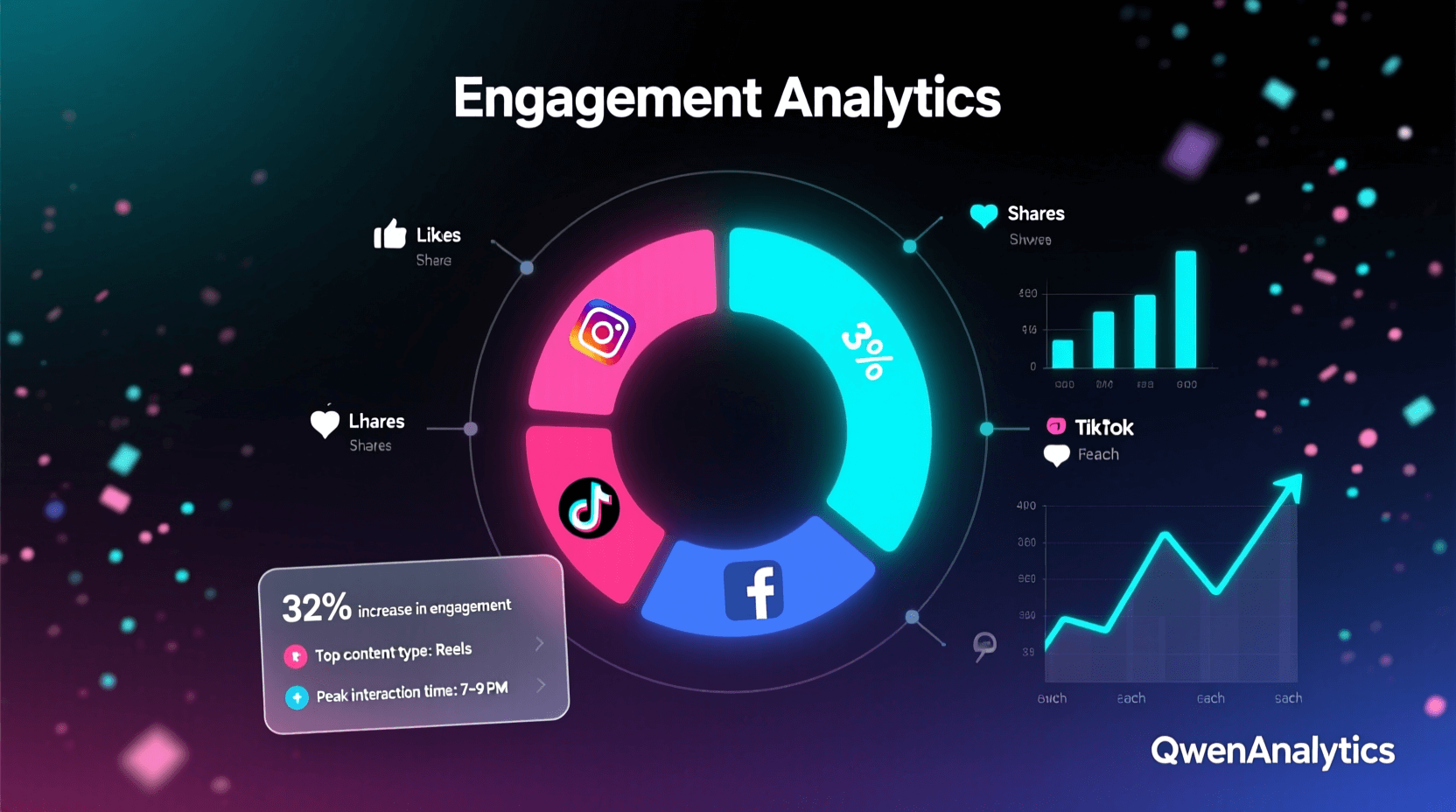
Anatomy of a High-Performing Thread
Great threads follow a consistent structure that maximizes both initial engagement and long-term reach.
The Hook (Tweet 1)
Your first tweet determines whether anyone reads the rest. It needs to stop the scroll and create curiosity. Effective hooks often use numbers (“7 mistakes I see in every coaching call”), make bold claims (“Most consultants price their services wrong”), or promise specific value (“Here’s exactly how I landed a $50K client from one tweet”).
The Setup (Tweets 2-3)
Establish context and stakes. Why does this topic matter? What will readers gain by continuing? This section should validate that clicking into your thread was worth their time.
The Meat (Tweets 4-8+)
Deliver on your promise. Each tweet should contain one clear idea or step. Use line breaks for readability. Include specific examples rather than abstract principles.
The Close
End with a clear call to action. Ask for a follow, encourage engagement, or direct readers to a resource. Don’t let threads fade out—finish strong.
Mistakes That Kill Your Thread Engagement
- Starting weak. If your hook doesn’t grab attention within the first two seconds of reading, nobody sees your brilliant insights in tweet seven. Spend more time crafting that first tweet than any other.
- Being too abstract. “Leadership matters” is forgettable. “The CEO who saved her company by canceling all meetings for a month” is memorable. Specificity wins every time.
- Writing walls of text. Each tweet should be scannable. Use short sentences. Break up ideas. White space is your friend on mobile screens.
- Forgetting the CTA. You’ve earned attention—now what should people do with it? Follow you? Reply? Visit your website? Tell them explicitly.
- Inconsistent posting. One viral thread means nothing if you disappear for three weeks. Consistent thread publishing builds compounding momentum. Aim for at least 2-3 threads per week when building your presence.
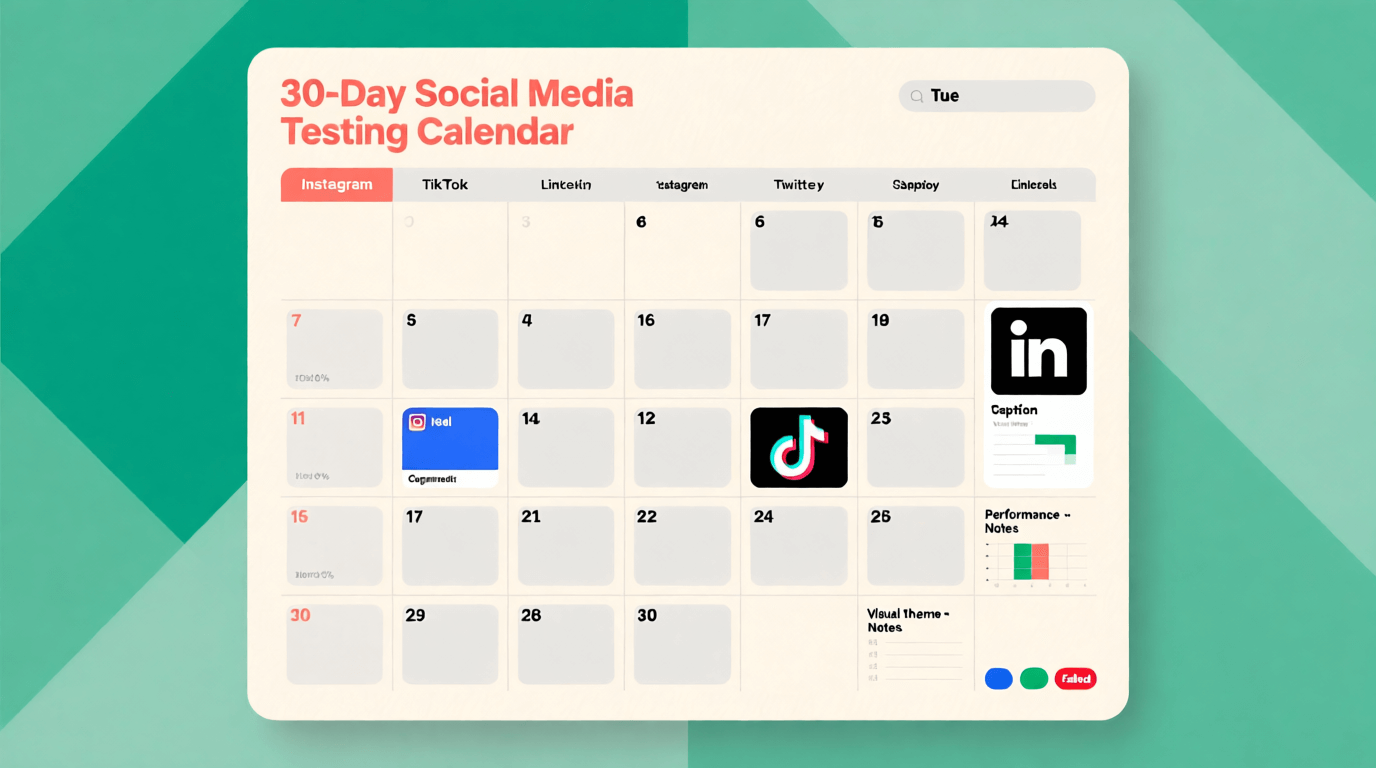
AI Tools to Speed Up Thread Creation
Creating threads consistently takes time. AI tools can help you draft faster while maintaining your voice and expertise.
A Twitter thread generator can help you structure your ideas into the thread format quickly. Input your main concept, and the tool organizes it into tweet-sized chunks with proper hooks and transitions.
For coaches who also want to repurpose content across platforms, tools like a LinkedIn post generator can adapt your thread content for different audiences. What works on Twitter often needs adjustment for LinkedIn’s more professional tone.
If you’re creating bios or brand statements to complement your social presence, AI tools can generate starting points that you then refine with your personal voice.
The key is using AI for efficiency, not replacement. Generate the skeleton, then inject your unique experiences, voice, and expertise. Your clients are hiring you—not an algorithm.
Frequently Asked Questions
How long should a Twitter thread be?
Effective threads typically range from 5-12 tweets. Shorter threads may not demonstrate enough depth, while longer threads risk losing readers. Focus on saying exactly what needs to be said—no more, no less.
What’s the best time to post threads?
For B2B audiences (typical for coaches and consultants), weekday mornings between 8-10 AM in your target timezone generally perform well. However, test different times with your specific audience. Your analytics will tell you what works.
Should I number my tweets?
Numbering (1/, 2/, etc.) helps readers track progress through longer threads and encourages completion. It also signals immediately that this is a thread worth clicking into, not just a standalone tweet.
How often should I publish threads?
Consistency matters more than frequency. Two quality threads per week will outperform seven mediocre ones. Start with whatever pace you can maintain long-term, then increase as you develop your process.
Can I repurpose threads into other content?
Absolutely. A strong thread can become a blog post, newsletter issue, YouTube script, or podcast episode. Many successful consultants use threads as the first draft for all their long-form content.
What if I run out of thread ideas?
Pay attention to questions clients ask repeatedly. Browse through old notes and documents for frameworks you’ve developed. Check what’s working for others in your space and put your spin on similar topics. You can also use a content generator to spark new angles on familiar subjects.
Do threads still work with Twitter’s algorithm changes?
X continues to favor content that keeps users engaged on the platform. Threads accomplish this by design. While specific algorithm weights may shift, the fundamental value of threads—extended engagement time and high reply rates—remains algorithmically rewarded.