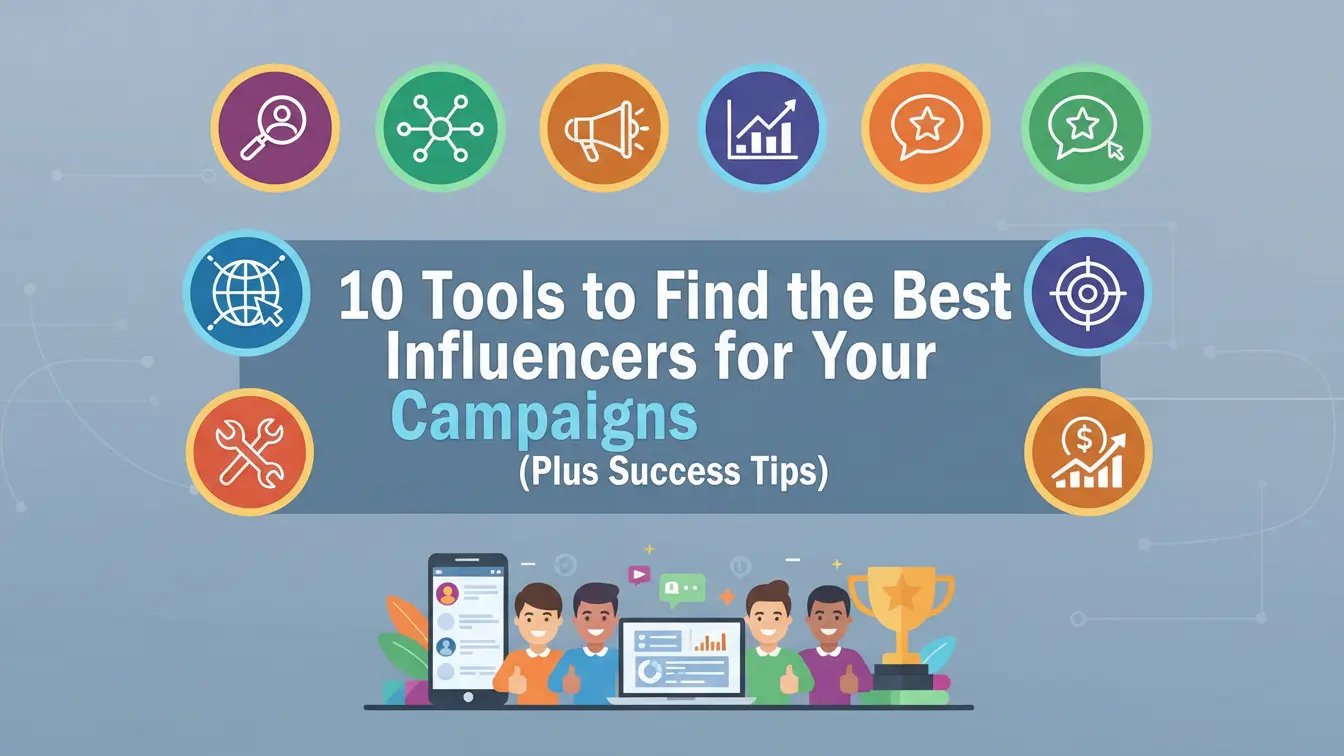
Finding the right influencers can make or break your marketing campaign. By the end of 2026, the influencer marketing industry is expected to grow to $32.55 billion, up from $21.1 billion in 2023. That explosive growth means more brands are fighting for the same creator attention, and you need the right tools to stand out.
This guide walks you through the top platforms that help you discover, vet, and connect with influencers who actually align with your brand. You’ll learn practical strategies for running campaigns that drive real results, not just vanity metrics. By the end, you’ll know exactly which tools to use and how to build partnerships that turn followers into customers.
What You’ll Learn
Throughout this article, we’ll cover the essential tools brands are using right now to find qualified influencers. You’ll discover how to match creators to your specific campaign goals, whether that’s driving sales, building awareness, or generating authentic content. We’ll also share proven tips for structuring partnerships that work for both sides, plus mistakes to avoid that waste time and money.
What Makes an Influencer Marketing Tool Worth Using
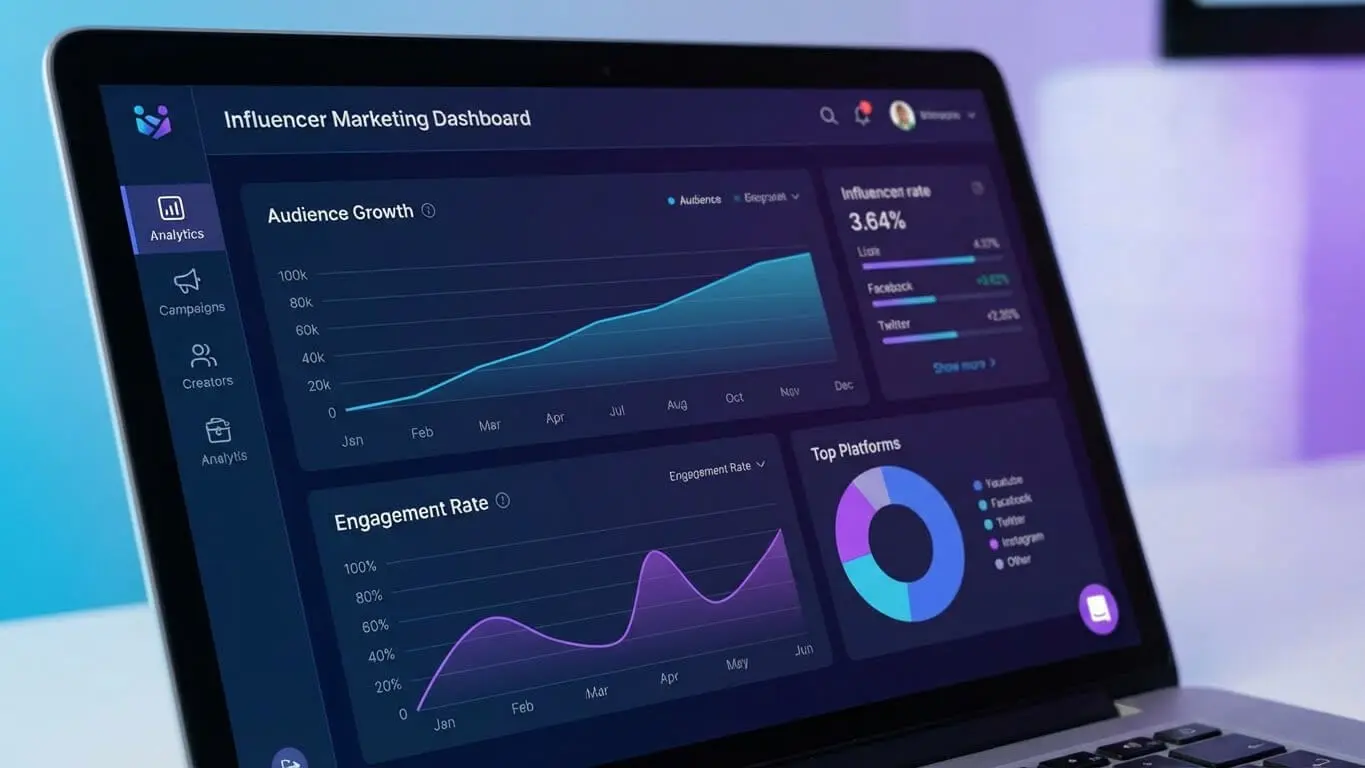
An influencer marketing tool should do more than just show you a list of popular accounts. The best platforms analyze audience demographics, track engagement quality, and help you predict campaign ROI before you spend a dime. Instead of researching influencers across a bunch of native platforms, then handling manual outreach and reporting, brands can use influencer marketing tools to reach their goals faster.
Smart tools let you filter by niche, location, engagement rate, and audience authenticity. They spot fake followers before you waste money on inflated numbers. Many platforms now use AI to match you with creators whose audience actually overlaps with your target customers, not just creators who happen to post about your industry.
The real value shows up in campaign management. Top platforms handle contracts, content approvals, payment processing, and performance tracking in one dashboard. That means less time drowning in spreadsheets and more time building relationships that scale. Influencer marketing tools help you automate tasks, streamline processes and use business intelligence to run more successful influencer marketing campaigns.
Why You Need Specialized Tools for Influencer Discovery
Manual research eats hours you don’t have. Scrolling through Instagram hoping to stumble on the perfect creator is like trying to find a specific grain of sand on a beach. The numbers back this up: 63% of consumers trust influencer recommendations more than traditional brand ads, but only if you partner with the right voices.
Specialized platforms solve three critical problems. First, they give you access to databases with millions of vetted creators across every platform from TikTok to LinkedIn. Second, they provide fraud detection that flags accounts with bot followers or engagement pods. Third, they track historical performance so you can see how a creator’s past partnerships actually converted.
The manual approach also misses micro and nano-influencers who often deliver better ROI than celebrity accounts. A nano-influencer often has less than 10,000 followers, but their niche audience tends to be very engaged. Tools surface these hidden gems that traditional searches overlook.
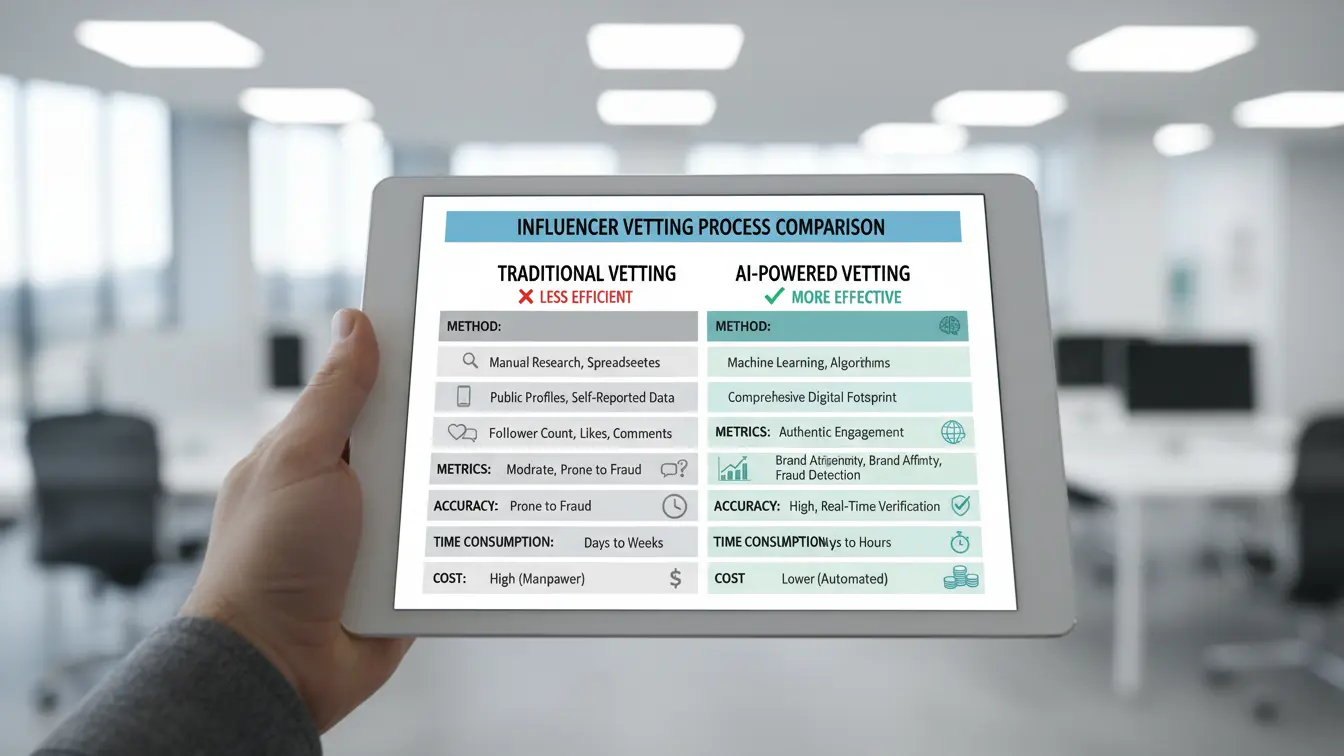
1. AI Influencer Outreach Generator
When you need to craft personalized outreach messages at scale, the AI Influencer Outreach Generator streamlines your initial contact strategy. This free tool helps you create customized pitch templates that respect each creator’s unique voice and audience, making your brand stand out in their crowded inbox.
The generator works by analyzing your campaign goals and target creator profile to suggest messaging approaches that feel authentic rather than generic. You can adjust tone, campaign details, and compensation structure to match different influencer tiers. This saves hours compared to writing individual cold emails from scratch, especially when you’re reaching out to dozens of potential partners.
Smart brands combine this tool with their research platforms to personalize each message with specific references to the creator’s recent content. That human touch, enabled by AI efficiency, significantly boosts response rates compared to mass templated emails that scream automation.
2. Brandwatch Influence
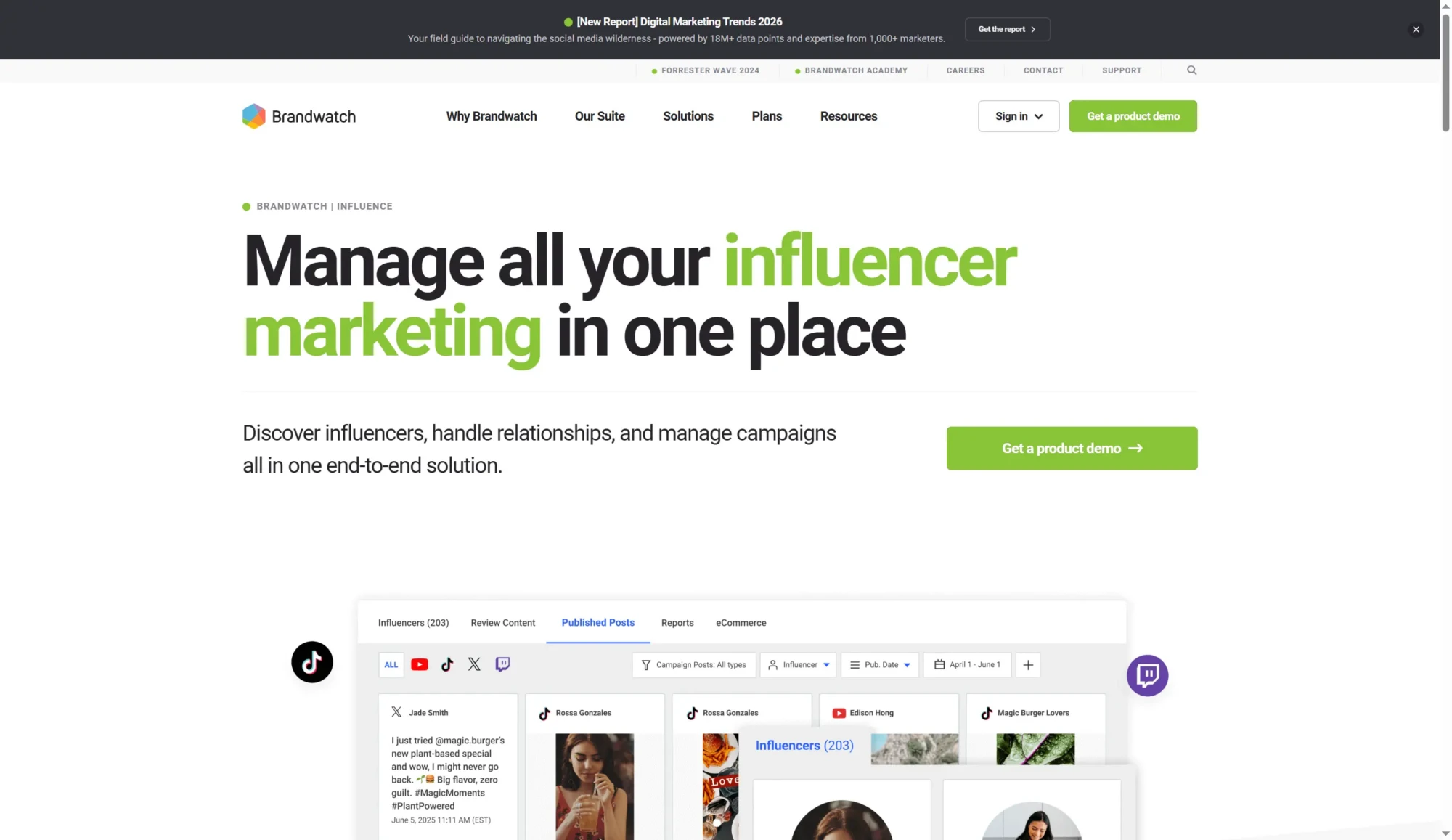
Brandwatch Influence tracks over 50 million creators across major platforms like TikTok, Instagram, YouTube, Twitch, Facebook, and X, making it one of the most comprehensive databases available. The platform excels at enterprise-scale campaign management, giving you tools to coordinate multiple influencer partnerships simultaneously without losing track of deliverables or payments.
What sets Brandwatch apart is its Brand Safety feature launched in 2025, which gauges risks associated with individual influencers before you sign contracts. This protects your brand from associating with creators whose past content or behavior might create controversy. The platform also centralizes all influencer communications and offers bulk email capabilities with personalization touches that maintain authentic connection at scale.
Mid-to-large brands and agencies running global programs find Brandwatch particularly valuable because it integrates influencer marketing with broader social listening and analytics. You can track how influencer content performs compared to your owned media, giving you a complete picture of your social ROI.
3. Upfluence
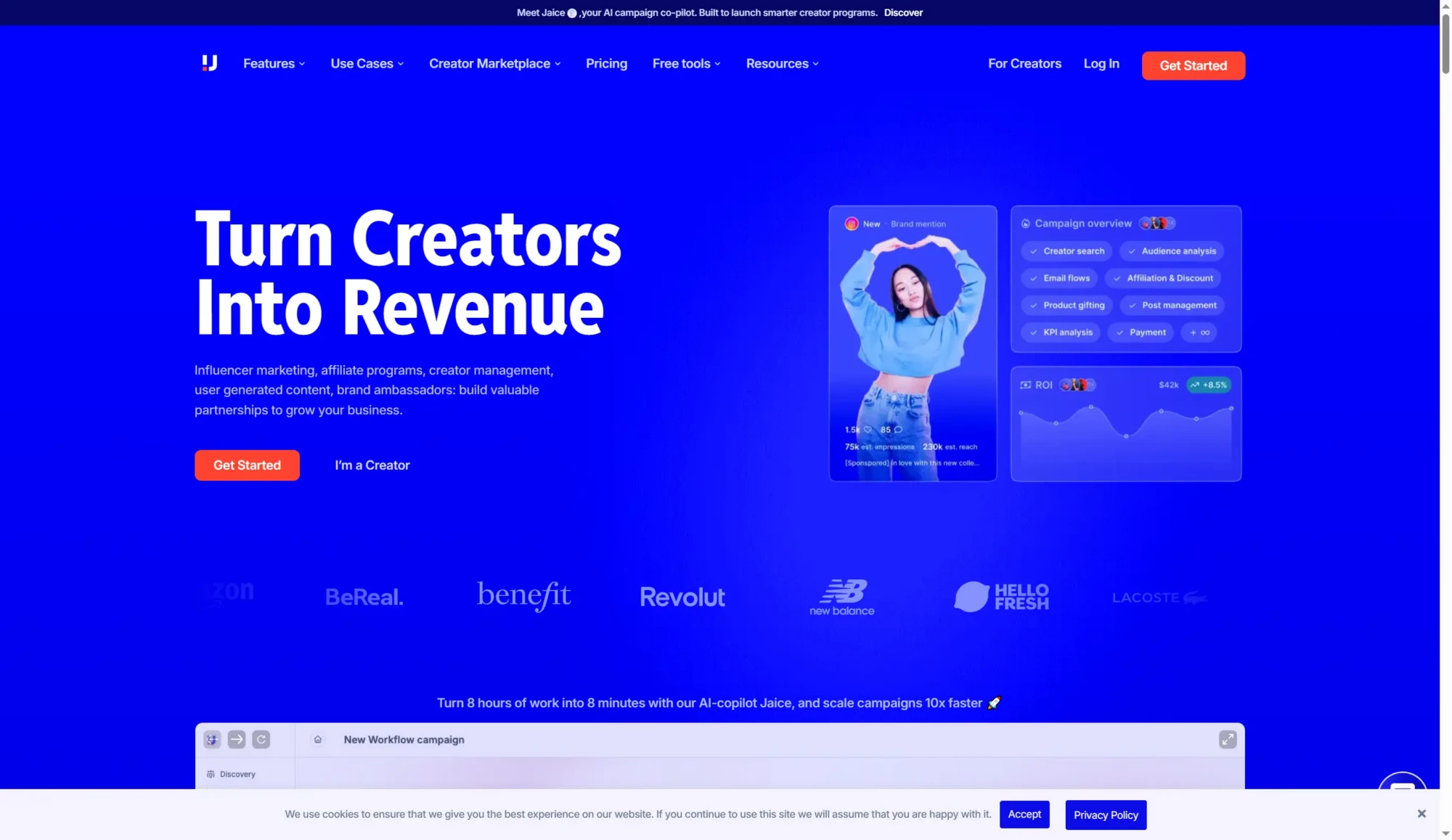
E-commerce brands love Upfluence because it offers an end-to-end solution from discovering influencers to managing campaigns, affiliate programs, and tracking core metrics. The platform’s Shopify integration is remarkably smooth, automating influencer gifting, syncing store data, and tracking influencer-driven sales without manual data entry.
The Chrome extension deserves special mention. You can analyze any Instagram or YouTube profile instantly while browsing, checking engagement rates, audience demographics, and estimated reach without switching between tools. For e-commerce, Upfluence’s Shopify app stands out—automating influencer gifting, syncing store data, and tracking influencer-driven sales.
Upfluence also lets you discover influencers within your existing customer base. By analyzing your email list or social followers, you can identify customers who already have an audience and might become authentic brand advocates. This approach creates partnerships with people who genuinely use and love your products, leading to more credible content.
4. CreatorIQ
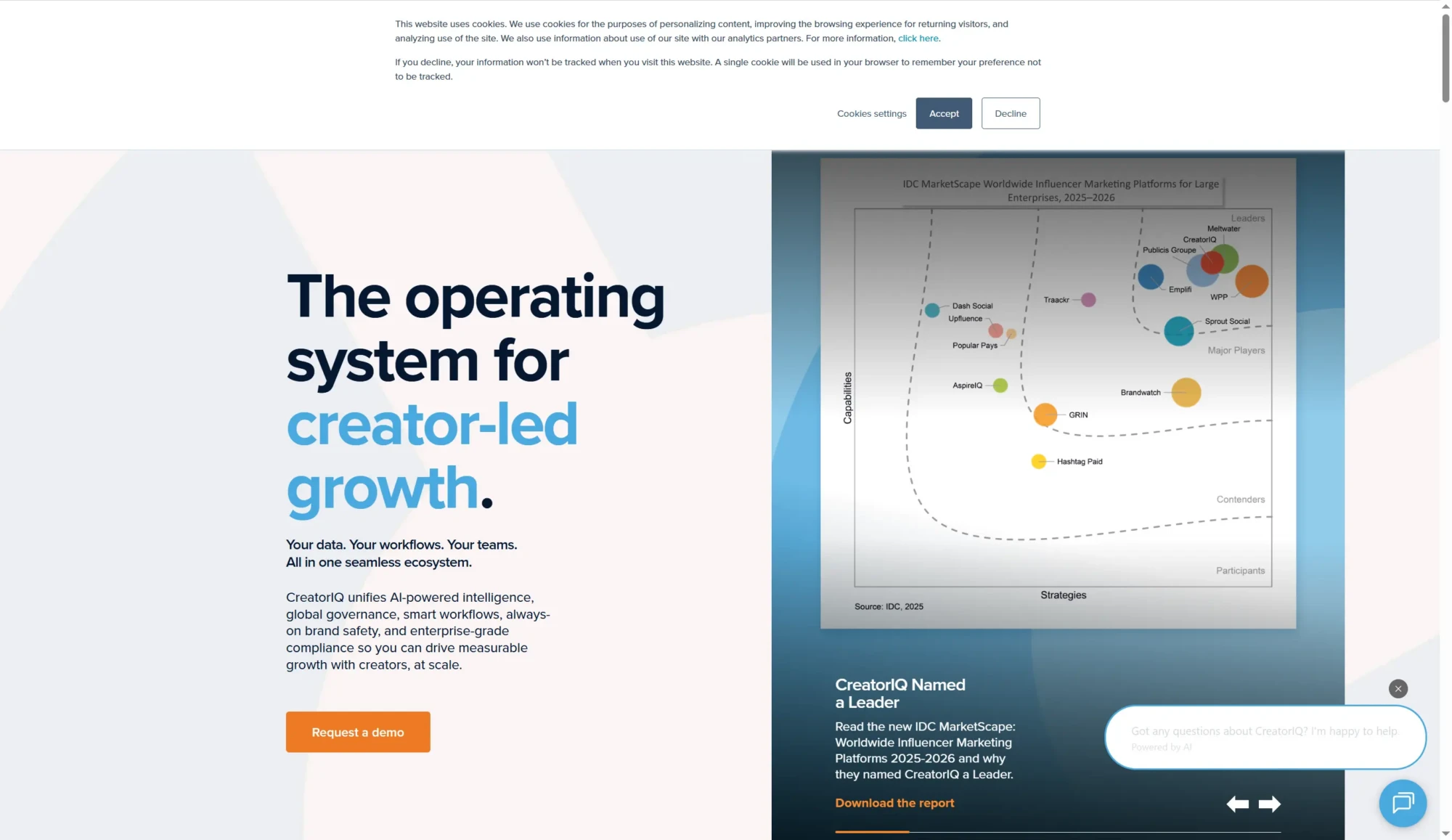
CreatorIQ targets enterprise brands managing influencer relationships across multiple markets and platforms. It enables companies to manage influencer relationships and campaigns at scale, across multiple markets and social networks. The platform launched an improved beta version in early 2025, focusing on better workflow automation and creator relationship management.
The standout feature is the creator CRM functionality. It’s designed to increase creator loyalty and maintain relationships for the long term. You can identify at-risk creator relationships that need some extra attention. This prevents valuable partnerships from going cold because someone forgot to follow up or check in.
CreatorIQ works best for brands treating influencer marketing as infrastructure rather than one-off campaigns. If you’re building ambassador programs or maintaining ongoing partnerships with dozens of creators, the relationship management tools justify the enterprise pricing.
5. Aspire (formerly AspireIQ)
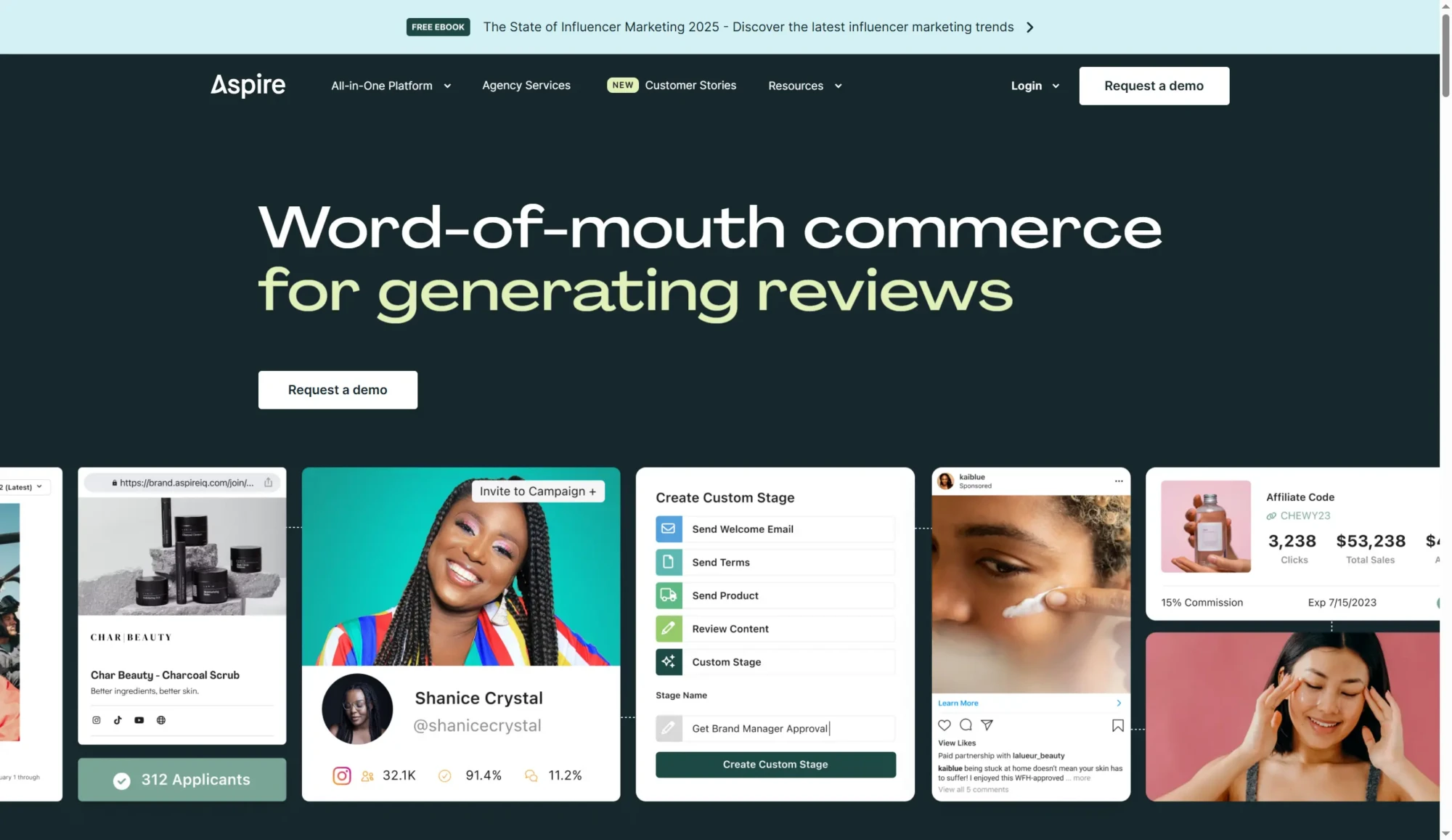
Aspire shines for fast-growing DTC brands aiming to build creator communities. Its user-friendly dashboard, creator CRM, and streamlined UGC collection make it ideal for brands focused on repeat, long-term collaborations. The platform emphasizes relationship building over transactional partnerships, which aligns perfectly with the shift toward ambassador programs.
The UGC collection features simplify content rights management. When influencers create great content, you can easily secure usage rights and repurpose those assets across your owned channels. Many brands overlook that they can maximize their investment by securing usage rights to repurpose creator content. Aspire makes this process straightforward with built-in contracting and rights acquisition tools.
Shopify and Shopify Plus integrations make campaign attribution seamless. You can track which influencers drive actual purchases, not just engagement, and adjust your strategy based on real revenue data rather than guessing.
6. Heepsy
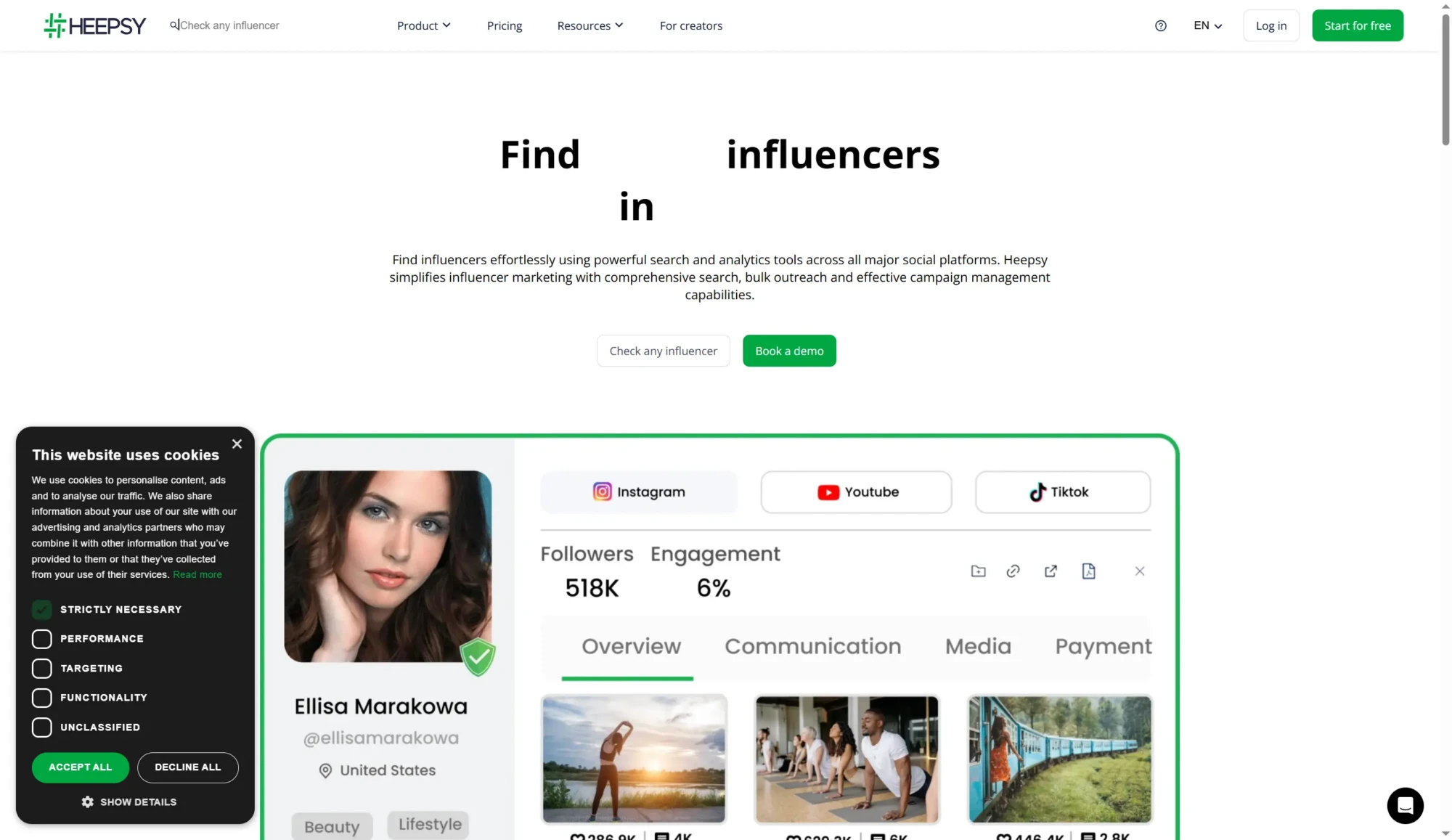
Heepsy is an influencer marketing tool that helps you find influencers on TikTok, Instagram, YouTube and Twitch. The software lets you filter influencers and check profile analytics for every social network individually. The fraud detection feature is particularly valuable for catching fake influencers before you invest time in outreach.
Heepsy serves lean teams and brands entering emerging markets exceptionally well. It offers speed and reach without heavy infrastructure—ideal for rapid testing and localized activation, especially in underrepresented geographies. The straightforward interface means you don’t need extensive training to start finding creators.
The platform works well for brands testing influencer marketing for the first time or those with smaller budgets who need essential features without enterprise complexity. You get solid search, filtering, and analytics without paying for advanced features you might not use yet.
7. Later Influence (formerly Tagger)
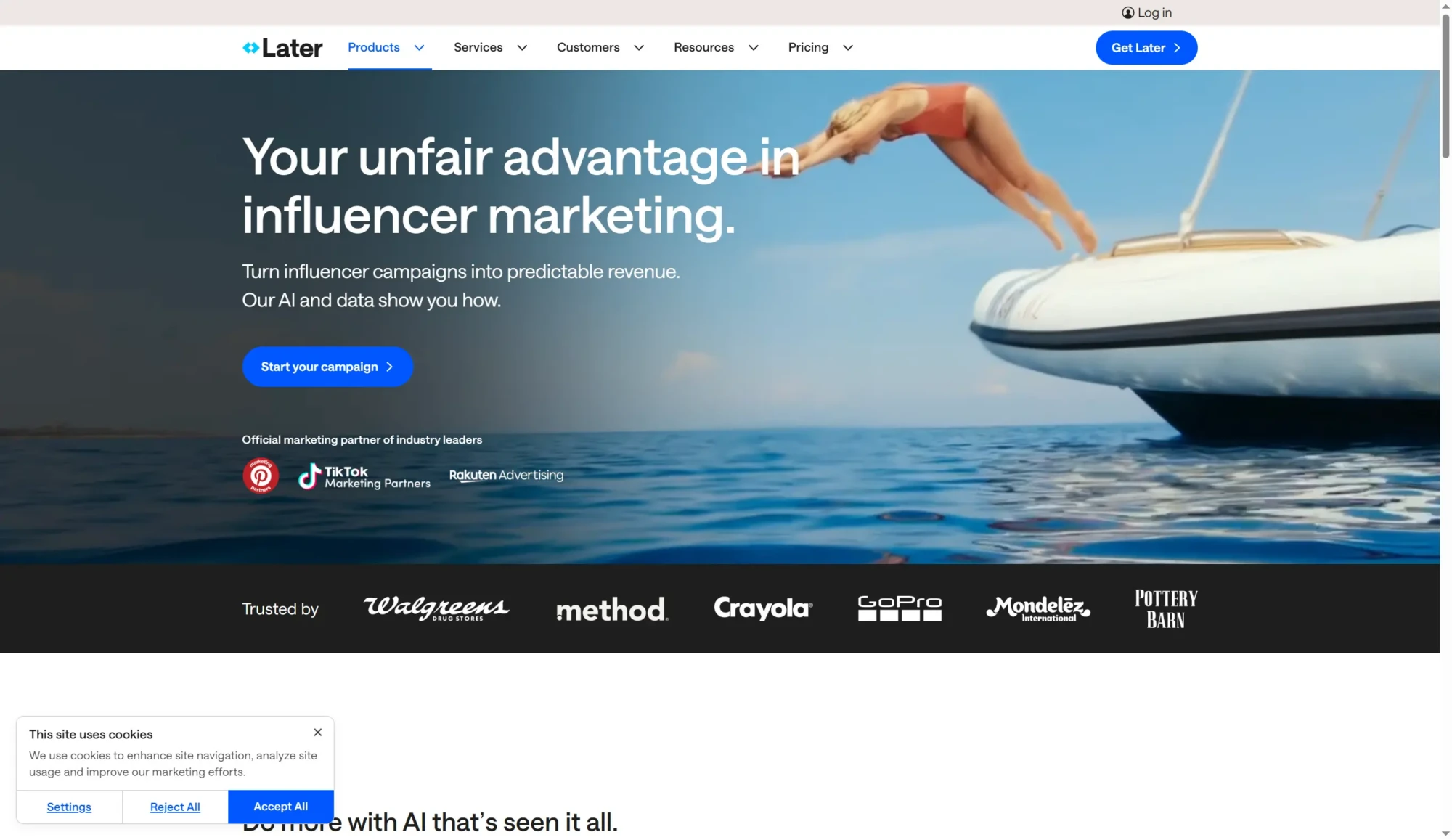
Later acquired Tagger and rebranded it as Later Influence, creating a comprehensive platform that connects influencer discovery with content scheduling and social media management. This integration means you can find influencers, manage campaigns, and schedule collaborative content alongside your brand’s regular posts in a single dashboard.
The platform excels at simplifying campaign workflows. With the right tools, your brand can turn social media into successful conversions by tracking how influencer content performs against your broader social strategy. You can measure which creator partnerships drive the most engagement and sales, then double down on those relationships.
Later Influence particularly shines for brands already using Later for social scheduling. The unified platform eliminates the hassle of switching between tools, and you can use their Ow.ly link shortener to manage UTM parameters and track traffic from creator and affiliate links with precision.
8. Captiv8
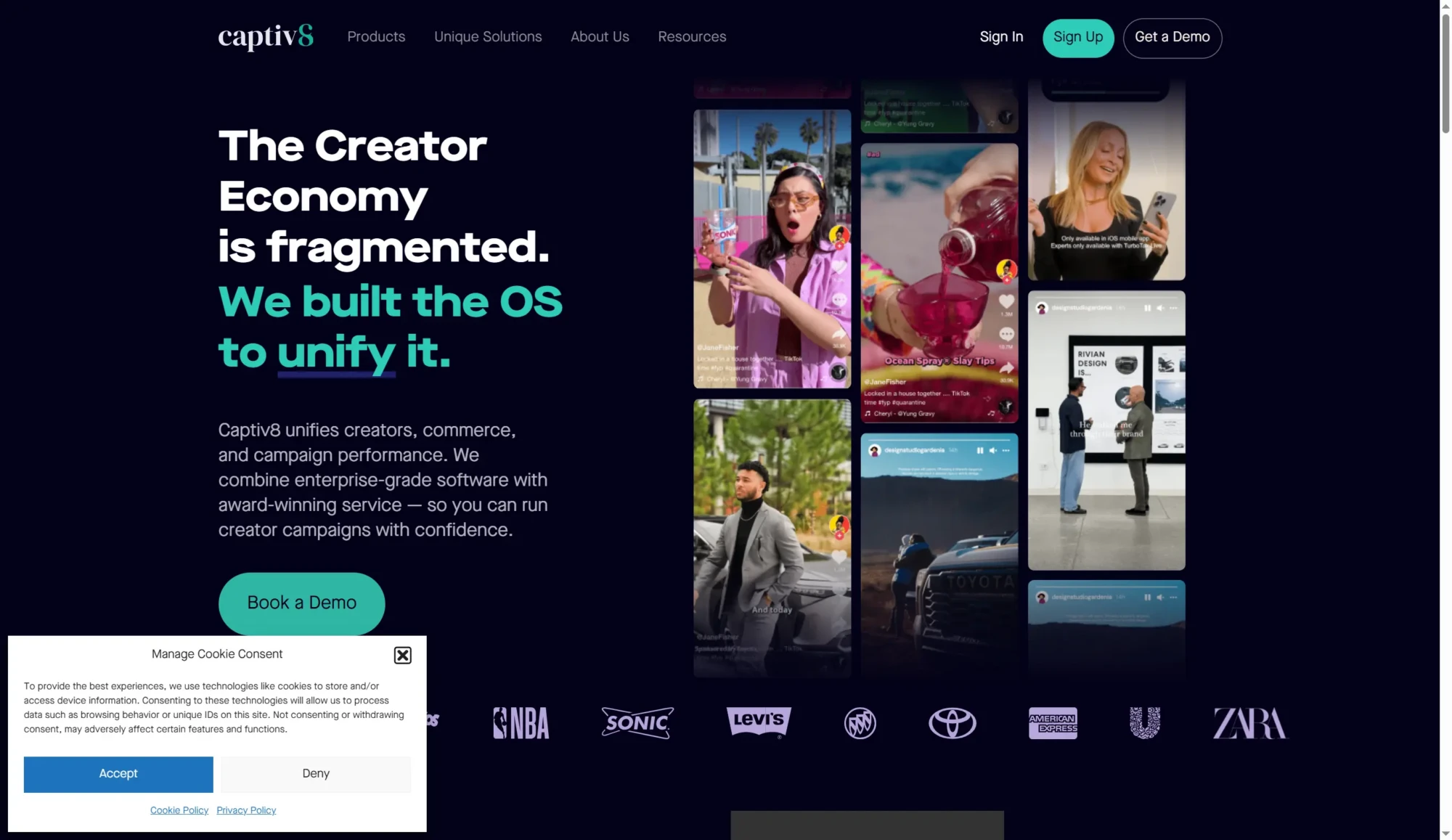
Captiv8 blends cultural trend analysis with AI-powered discovery. For brands that want to be early to moments (not just quick to respond), this platform helps map influence as it emerges—not after the fact. This predictive capability gives you a competitive edge in identifying trending creators before they blow up and become expensive.
The platform analyzes audience engagement rates, follower demographics, and content categories with remarkable precision. You can sort by audience psychographics, brand affinity, and even fake follower detection, ensuring partnerships with authentic creators who align with your values.
Captiv8 works best for brands prioritizing cultural relevance and timing. If your strategy involves jumping on trends or positioning your brand at the forefront of movements, the trend mapping features justify the investment.
9. GRIN
GRIN positions itself as a multi-functional platform with particularly strong campaign management features. It offers integrated contracting, content management, and rights acquisition. There’s also detailed ROI reporting and conversion tracking. This comprehensive approach means you can handle every aspect of an influencer partnership without switching between tools.
The platform includes a free Chrome extension for quick influencer analysis when browsing social platforms. This lightweight tool lets you evaluate potential partners without committing to a full database search, making spontaneous partnership opportunities easier to assess.
GRIN particularly appeals to brands focused on ROI measurement and proving the value of influencer spend. The detailed conversion tracking helps justify budgets and optimize spend toward the creators and content types that actually drive business results.
10. Traackr
Traackr takes a long-view approach to measurement. Its emphasis on cost-efficiency and brand fit supports strategic investment in creators—less chasing virality, more building equity. The platform helps you identify creators who align with your brand values and audience demographics, then maintain those relationships over time for sustained impact.
The relationship management tools in Traackr help you track long-term influencer performance, manage ongoing collaborations, and build sustainable partnerships. Use relationship management tools like Traackr to track long-term influencer performance, manage collaborations, and build sustainable partnerships.
Brands serious about building creator networks rather than running one-off campaigns find Traackr’s strategic approach valuable. The platform encourages thinking about influencer marketing as a long-term investment in authentic brand advocates rather than renting attention for quick wins.
11. kolsquare
Kolsquare is an all-in-one influencer marketing platform. It helps brands and agencies find creators. You can analyze their profiles and collaborate with them. All of this happens in one place.
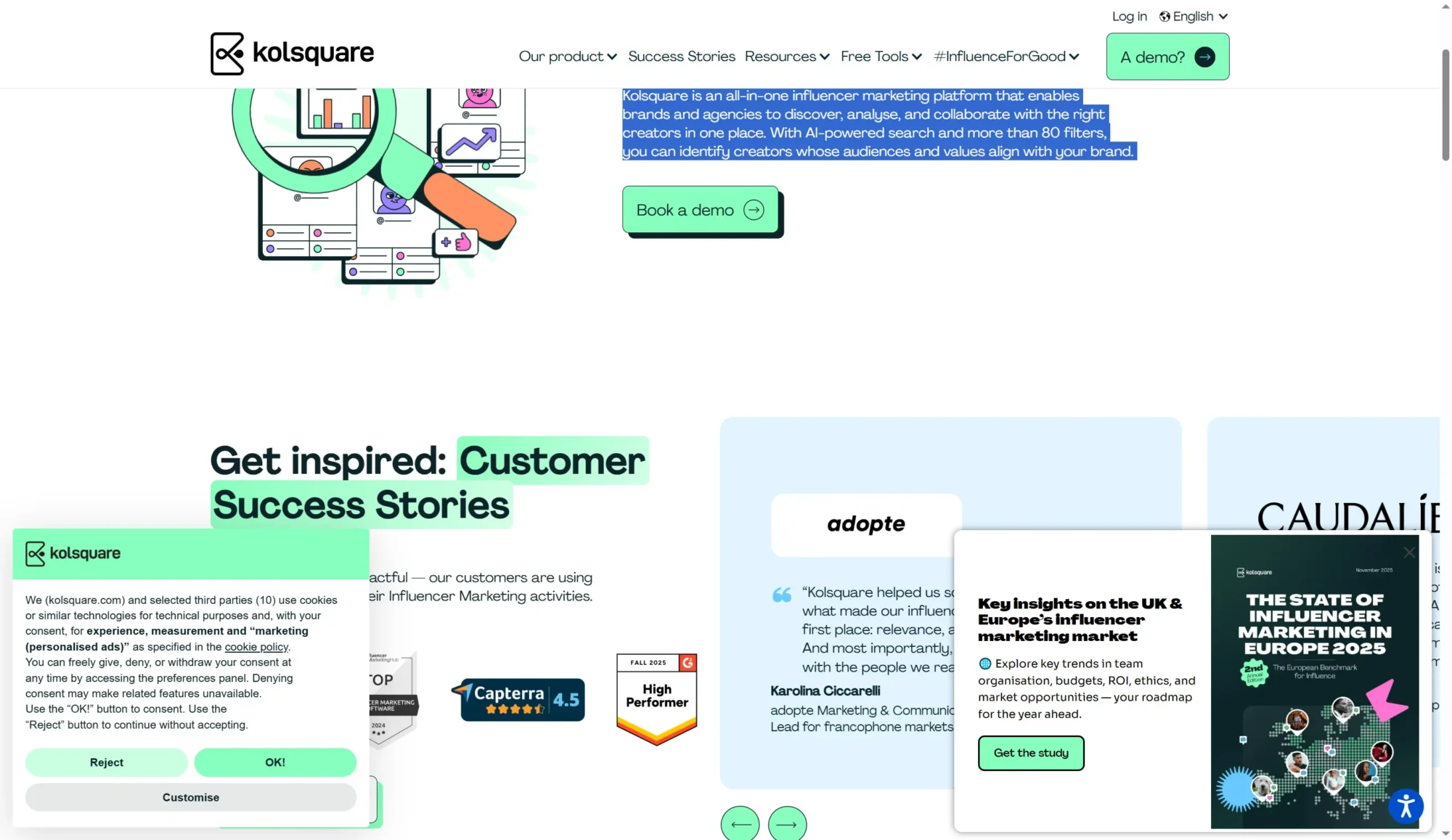
The platform uses AI-powered search to find creators. It offers more than 80 filters. You can identify creators whose audience matches your brand. You can also check if their values align with yours. This helps you build the right partnerships.
Native Platform Tools You Shouldn’t Ignore
Before investing in third-party platforms, check what TikTok and Instagram offer natively. TikTok and Instagram both offer built-in creator marketplaces. These can help you find the right influencer for your campaign. Creators on these platforms must meet specific follower, post, and view minimums, plus adhere to community guidelines.
Native tools update follower counts and performance data in real-time since they’re pulling directly from platform databases. If your campaign focuses exclusively on Instagram or TikTok, starting with the built-in marketplace makes sense before exploring broader databases.
The limitation is reach. Native tools only show you creators on that specific platform, while third-party tools let you discover influencers across multiple networks simultaneously. For cross-platform campaigns, you’ll need more comprehensive solutions.
Choosing the Right Influencer Type for Your Campaign
Your campaign goals should dictate which influencer tier you target. Match creator types to your specific campaign objectives. Choose one primary business goal—it could be driving sales, building brand awareness, generating user-generated content, or increasing app downloads.
Nano-influencers (under 10,000 followers) work brilliantly for niche products or localized campaigns. Their audiences trust them deeply because they feel like real friends rather than celebrities. Micro-influencers (10,000 to 100,000 followers) balance reach with authenticity, offering engaged communities at reasonable rates. Macro and mega-influencers bring massive reach but cost significantly more and may generate less genuine engagement.
A 5% engagement rate on a TikTok post might seem low until you realize it’s two times the industry average. Context matters more than raw numbers. A nano-influencer with 5,000 highly engaged followers in your exact niche might deliver better ROI than a macro-influencer with 500,000 loosely interested followers.
How to Vet Influencers Beyond Follower Count
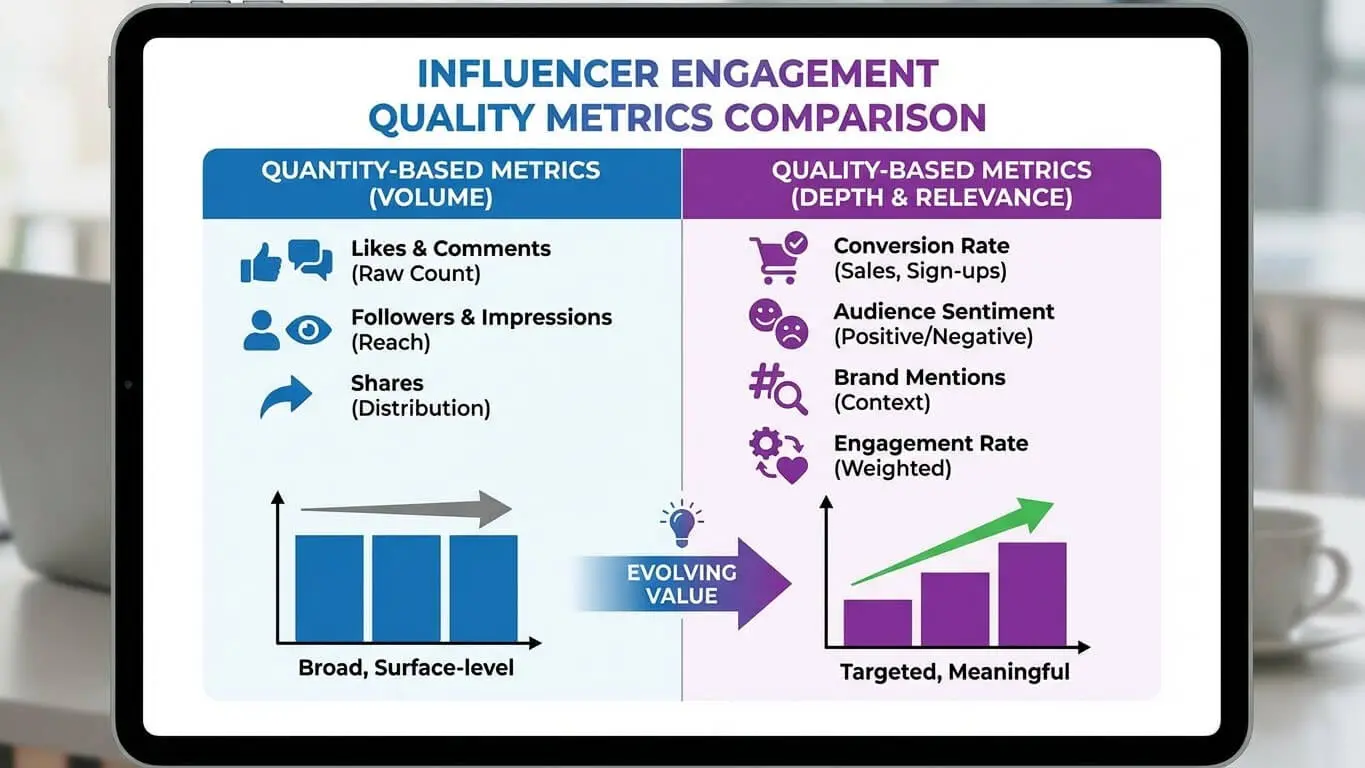
Follower count is the least important metric when choosing partners. High engagement often signals authentic interest and can predict better conversion rates. Calculate engagement rate by dividing total engagements (likes, comments, shares, saves) by total followers, then multiply by 100.
Examine the quality of comments on their posts. Real engagement includes thoughtful responses and conversations, not just generic emojis or spam. Check whether the creator responds to their audience, which indicates genuine community building rather than broadcasting to passive followers.
Review their past brand partnerships. An influencer’s personality should reflect the brand persona to create a seamless and authentic partnership. If they’ve promoted conflicting brands or products that clash with their usual content, their audience might be skeptical of sponsored posts.
Setting Clear Campaign Goals and Expectations
Vague partnerships produce vague results. Defining goals helps you identify the specific characteristics and qualities you need in an influencer to achieve those outcomes. Decide upfront whether success means brand awareness, direct sales, content generation, or something else entirely.
For sales campaigns, track return on ad spend, conversion rates, and customer lifetime value. For awareness campaigns, monitor reach, brand lift surveys, and sentiment analysis. Your goal determines which creators you partner with, the compensation structure, and which metrics matter.
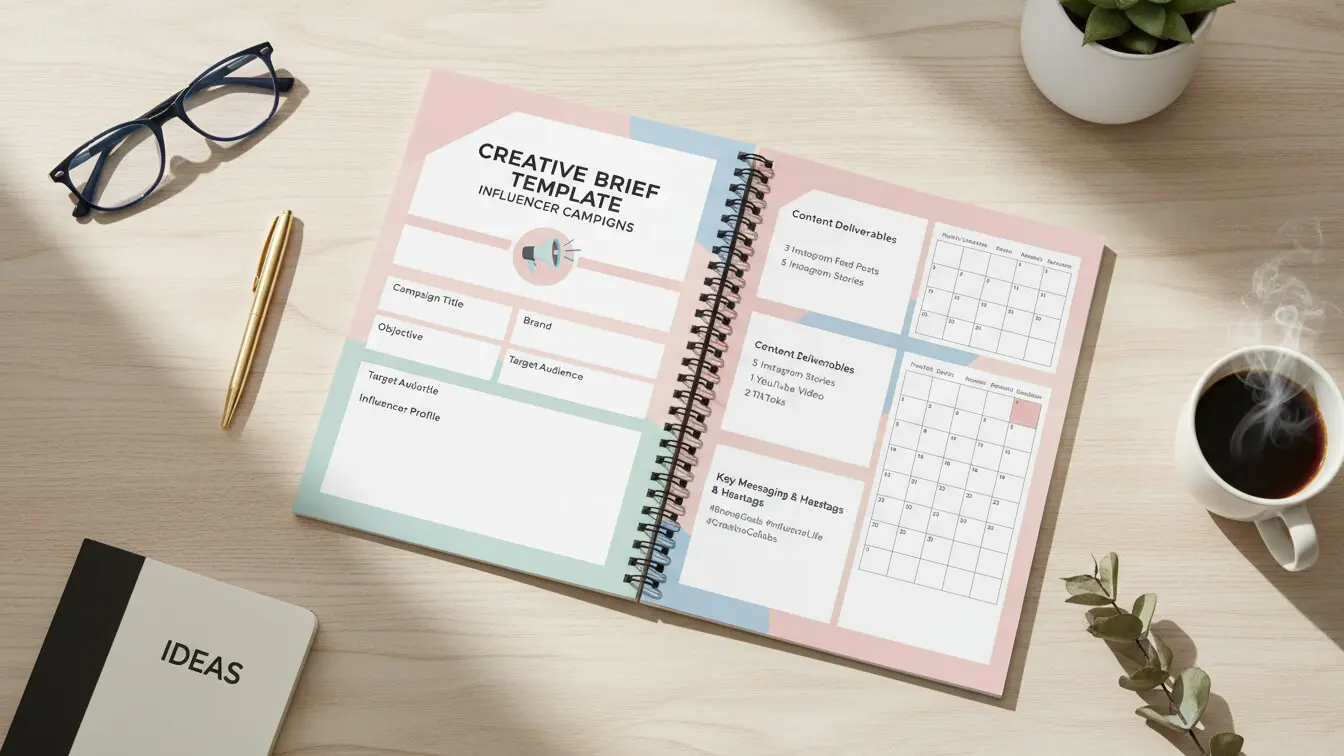
Document everything in a campaign brief before reaching out. Every great campaign starts with an airtight brief that includes an overview, your campaign goals, how you’ll measure success, the creative ask (with an example), timelines, and expectations. This clarity prevents misunderstandings and ensures both sides know what success looks like.
Crafting Effective Partnership Agreements
Clear contracts protect both parties and set partnerships up for success. Clearly outline the campaign timeline, including start and end dates, as well as any deadlines for content submission and publication. Also, specify the required deliverables, such as the number of posts, stories or videos the influencer needs to create.
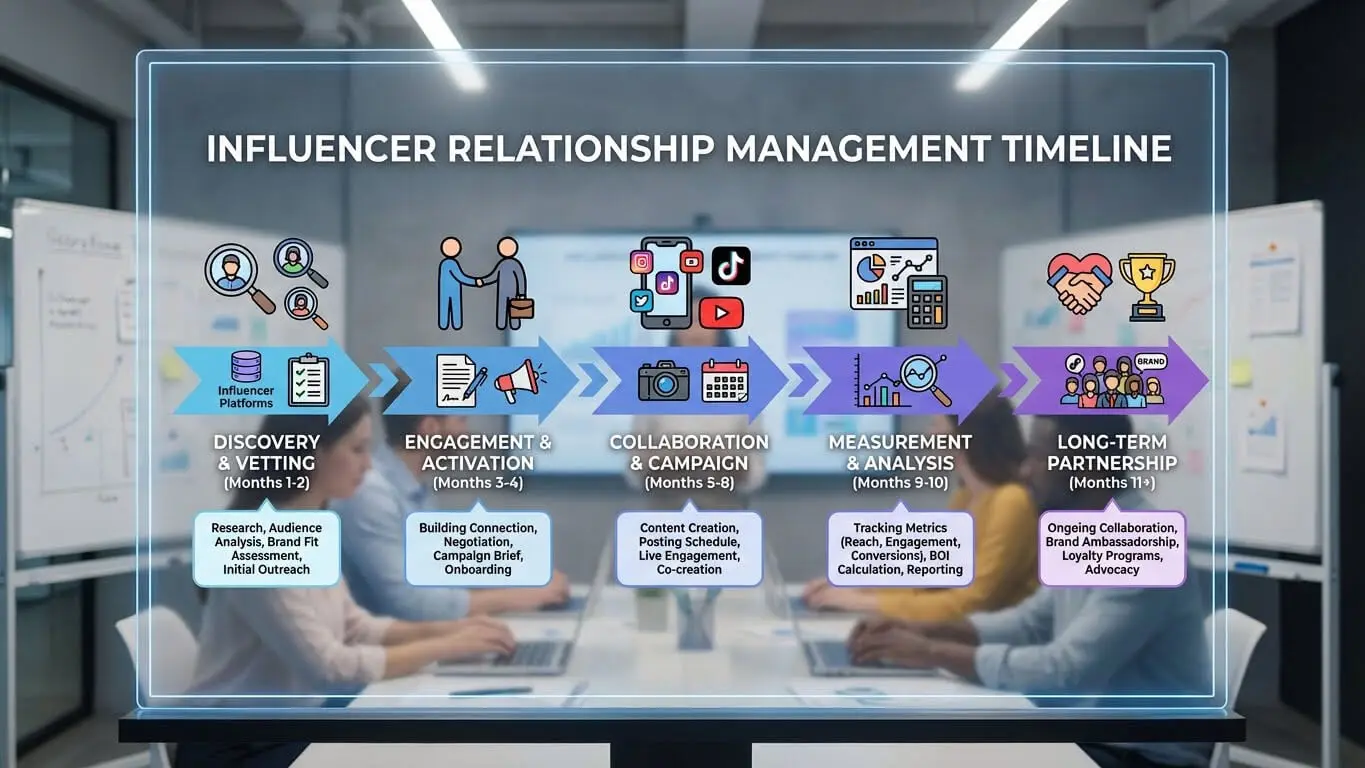
Discuss payment structure upfront. Options include one-time fees, ongoing retainers, performance-based compensation, or hybrid models. Agree on the payment structure, whether it’s a one-time fee, ongoing retainer or performance-based compensation. Many brands are shifting toward pay-for-performance models that align incentives and ensure you’re paying for results.
Address content rights explicitly. Specify whether you can repurpose creator content, where you can use it, and for how long. One of the things brands often overlook is that they can maximize their investment by securing usage rights to repurpose creator content across owned channels, paid ads, and other marketing materials.
Giving Creators Creative Freedom
Micromanaging creators kills authenticity. Remember, influencers are the experts in creating content their audience loves and trusts. Your brand just needs to support them with resources they need to create great content. Provide clear guidelines and brand messaging, then let them translate that into content that resonates with their specific audience.
The best partnerships balance brand requirements with creator autonomy. Share your must-haves (product features to mention, hashtags to include, disclosure requirements) and your nice-to-haves, then trust the creator to know what will perform best on their channel.
Influencers who genuinely believe in the products or services they promote can avoid the dangers of inauthenticity. Encourage partners to actually use your product before creating content so their endorsements feel genuine. Authentic enthusiasm shines through and drives better results than scripted promotions.
Tracking Performance and Measuring ROI
You can’t improve what you don’t measure. Without clear metrics, it’s difficult to assess what worked, what didn’t, and where to optimize for future campaigns. Define your key performance indicators before launching campaigns, not after.
Track engagement rate first. Engagement Rate = (Total Engagements ÷ Total Followers) × 100. High engagement often signals authentic interest and can predict better conversion rates. This metric tells you how actively the influencer’s audience interacts with content.
Monitor reach and impressions to understand brand visibility. Reach counts unique people who saw content, while impressions track total views including repeat views. Both metrics help quantify awareness impact. For conversion-focused campaigns, use UTM parameters and affiliate links to track website traffic, sign-ups, and purchases directly attributed to each influencer.
Building Long-Term Influencer Relationships
One-off partnerships are transactional. Long-term relationships build trust. 79% of influencers prefer long-term partnerships as opposed to single-campaign collaborations. When creators consistently feature your brand over months or years, their audience perceives the endorsement as genuine rather than just another paid promotion.
Long-term agreements are often more cost-effective too. Established partners may accept revenue-sharing arrangements or reduced rates in exchange for consistent work. They also require less onboarding time since they already understand your brand voice and product details.
Stay connected with influencers by resharing their content, supporting their personal projects, and maintaining open communication. Treat creators as collaborators rather than contractors. Comment on their posts unrelated to your partnership, celebrate their milestones, and look for ways to support their growth beyond compensation.
Avoiding Common Influencer Marketing Mistakes
The biggest mistake is prioritizing follower count over fit. Common influencer marketing mistakes to avoid include failing to define clear goals and expectations, prioritizing follower-count over engagement, neglecting influencer research and sharing unclear briefs. An influencer with millions of followers but no audience overlap with your target market will waste your budget.
Another trap is measuring the wrong metrics. Likes and followers are vanity metrics that don’t necessarily correlate with business results. Focus on metrics that tie to your actual goals: conversions for sales campaigns, reach for awareness campaigns, or content quality for UGC generation.
Neglecting audience research costs campaigns. Determine if creators influence your target customers. While younger demographics are generally more receptive to creator recommendations, don’t automatically discount older audiences. Different platforms and creator types appeal to different age groups, so match your partnerships to where your customers actually spend time.
Emerging Trends Shaping Influencer Marketing in 2025
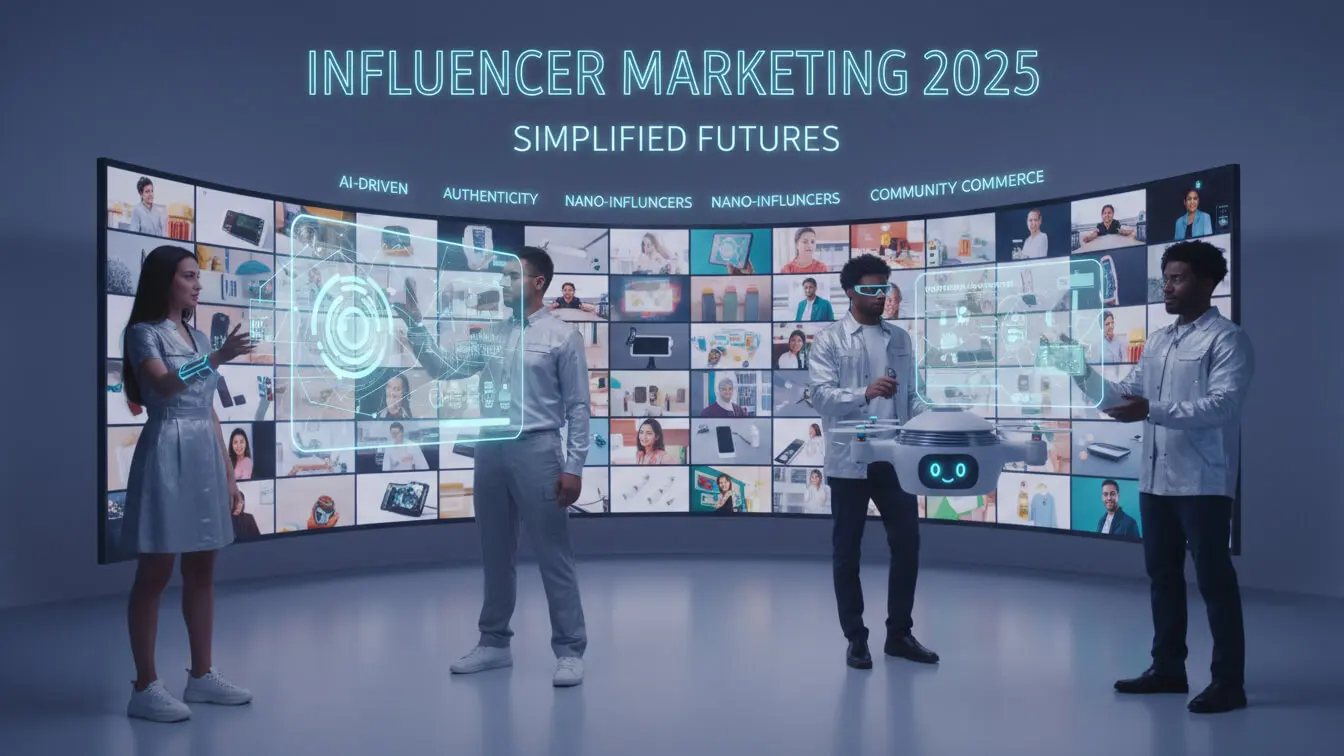
AI-powered discovery tools are becoming standard. Platforms like Hypefy, Influencity, and Tagger are integrating machine learning to help marketers make faster, data-driven decisions. These tools identify which creators align best with your brand and estimate campaign ROI before you commit resources.
Social commerce integration is exploding. Brands can now track how influencer content directly impacts sales through platform-native shopping tools on TikTok, Instagram, Pinterest, and YouTube. When selecting influencers, prioritize those who are skilled at live product demos, authentic reviews, and interactive selling.
Sustainability and values-driven partnerships are gaining traction. Audiences are actively seeking out brands and influencers that reflect environmentally responsible values. Partnering with creators who authentically advocate for causes that align with your brand values builds credibility and strengthens consumer trust, especially with Gen Z and Gen Alpha audiences.
FAQ: Influencer Marketing Tools and Strategies
How much should I budget for influencer marketing tools?
Tool costs vary dramatically based on features and scale. Basic platforms like Heepsy start around $50-100 per month for small teams. Mid-tier solutions like Upfluence typically range from $500-2,000 monthly. Enterprise platforms like Brandwatch and CreatorIQ require custom quotes but generally start at several thousand dollars monthly. Many tools offer free trials or Chrome extensions you can test before committing to paid plans.
Should I work with micro-influencers or celebrity influencers?
Micro-influencers usually deliver better ROI for most brands. Their audiences trust them more because they seem accessible and authentic. Nano and micro-influencers also cost significantly less, allowing you to partner with multiple creators for the price of one celebrity endorsement. Reserve celebrity partnerships for major product launches or campaigns where massive reach matters more than engagement depth.
How do I calculate influencer marketing ROI?
Track the metrics that align with your campaign goals. For sales-focused campaigns, divide revenue generated by total campaign cost (influencer fees plus product costs and platform fees). For awareness campaigns, calculate cost per impression or reach. Use UTM parameters and affiliate links to attribute website traffic and conversions to specific influencers, giving you precise data on which partnerships drive results.
What engagement rate should I look for in influencers?
Engagement rates vary by platform and follower count. Instagram posts typically see 1-3% engagement for larger accounts, while smaller accounts often achieve 5-10%. TikTok generally has higher engagement, sometimes reaching 10-20% for successful creators. Focus more on engagement quality than the raw percentage. Thoughtful comments and saves indicate genuine interest more than generic emoji reactions.
How long should an influencer campaign run?
Campaign length depends on your goals. One-off product launches might only need a single week of coordinated posts. Brand awareness campaigns benefit from 1-3 months of consistent content. Long-term ambassador programs run 6-12 months or longer, building sustained visibility and trust. Start with shorter campaigns to test partnerships, then extend relationships with creators who deliver strong results.
Do I need contracts with every influencer?
Yes, always use written agreements even for small partnerships or free product exchanges. Contracts protect both parties by clarifying deliverables, timelines, payment terms, content rights, disclosure requirements, and what happens if either side needs to cancel. Simple one-page agreements work for straightforward collaborations, while complex campaigns need detailed contracts addressing all contingencies.
How do I find influencers in a specific niche?
Use influencer discovery tools to filter by content category, audience demographics, and engagement patterns. Search relevant hashtags on your target platforms to find creators already discussing your industry. Check who your competitors are partnering with and analyze their audience overlap with your target customers. Join industry-specific creator communities or networks where influencers in your niche congregate.
What’s the difference between influencer marketing platforms and talent agencies?
Influencer marketing platforms are self-service or semi-managed software tools that give you direct access to creator databases and campaign management features. Talent agencies represent specific influencers and negotiate deals on their behalf. Platforms offer more control and usually cost less, while agencies provide hands-off campaign execution but charge higher fees or take commissions from creator payments.
Can influencer marketing work for B2B brands?
Absolutely. B2B influencer marketing focuses on industry thought leaders, LinkedIn creators, and niche experts rather than lifestyle influencers. Look for professionals with engaged followings in your industry who regularly share insights, speak at conferences, or run podcasts. B2B partnerships often emphasize credibility and expertise over entertainment value, making content style and audience relevance even more critical.
How do I spot fake followers on an influencer’s account?
Check for sudden follower spikes without corresponding content that would justify growth. Review comment quality: accounts with fake followers often have generic comments like “Great post!” or emoji spam. Compare follower count to engagement numbers. If someone has 100,000 followers but only gets 200 likes per post, something’s off. Most influencer marketing tools include fraud detection that flags suspicious accounts automatically.