Running an Etsy shop means fighting for attention against 5.6 million other sellers. Most shops fail because they skip basic optimization steps.Etsy search optimization directly controls how many shoppers find your items. With 95.5 million active buyers on Etsy, the customers are there. They just can’t find you yet.
Your product photos matter less than your keyword choices. Your pricing strategy falls flat without proper tags. Everything connects to visibility in Etsy’s search engine, which now uses machine learning to rank listings based on buyer behavior, not just keywords.
This guide breaks down every factor that affects your Etsy shop’s performance. You’ll learn how Etsy’s algorithm actually works, which tools find the best keywords, and how to structure listings that convert browsers into buyers. No fluff about “building your brand story” or “finding your creative voice.” Just tactical moves that boost your search ranking and drive sales.
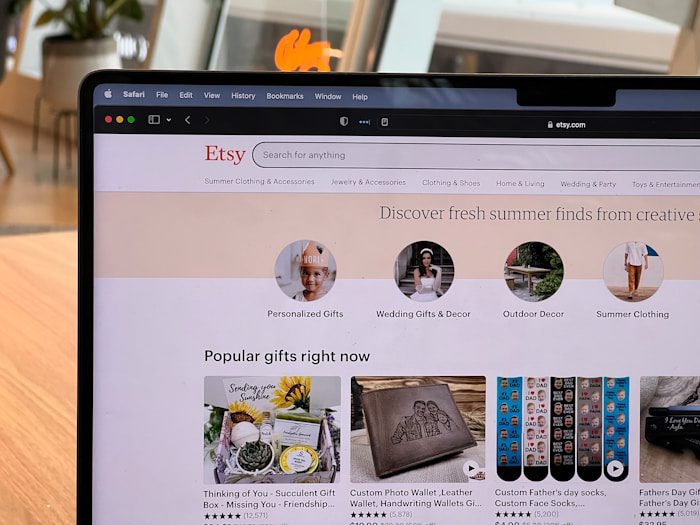
Table of Contents
- How Etsy Search Actually Works in 2025
- Find Keywords That Actually Get Searches
- Write Listings That Convert Clicks to Sales
- Take Photos That Stop the Scroll
- Use Tags and Categories Smart
- Set Up Your Shop to Build Trust
- Price Right and Ship Fast
- Turn Buyers Into Repeat Customers
- Drive Traffic From Outside Etsy
- Track What’s Working With the Right Tools
- Skip These Mistakes That Kill Sales
- FAQ
How Etsy Search Actually Works in 2025
Etsy changed its search algorithm in early 2025. The old rules about keyword stuffing your titles are dead. Search now prioritizes three main factors: listing quality, customer satisfaction, and your shop’s track record. Here’s what that means for your daily work.
Query Matching: Getting in Front of Shoppers
When someone types “handmade leather wallet,” Etsy scans every listing for those words. The algorithm checks your title, tags, descriptions, categories, and even customer reviews. But matching words isn’t enough anymore. Etsy also looks at whether people actually click your listing and buy your product.
Think about search like this: you need the right words to show up, but you need the right listing to get the sale. A title stuffed with 15 random keywords might get you in the results, but if nobody clicks it, Etsy learns your listing isn’t relevant. Your ranking drops. That’s why Etsy recommends clear, buyer-friendly titles over keyword-heavy ones.

Ranking Factors That Control Your Position
Getting into search results is step one. Ranking high is step two. According to Etsy’s official guidance, these factors determine your spot in search results:
Listing quality score measures how complete your listing is. Fill out every field: all 13 tags, detailed descriptions, multiple high-quality photos, shipping info, and processing times. Etsy rewards thorough listings.
Customer and market experience score tracks your shop’s reputation. This includes your review ratings, how fast you ship, whether you respond to messages quickly, and your order completion rate. One bad review won’t kill you, but a pattern of problems will tank your search ranking.
Recency gives newly listed items a small boost. That’s why some sellers renew listings regularly, though this costs $0.20 per listing. Don’t abuse this by constantly relisting the same item. Etsy’s algorithm catches that.
Shipping price and speed matter more than you think. Free shipping gets a ranking boost. So does offering expedited options. If your shipping costs $15 while competitors charge $5, you’re fighting uphill.
Personalization means Etsy shows different results to different shoppers based on their browsing history, past purchases, and saved items. You can’t control this directly, but it’s why your listings might rank differently for different people.
Mobile-First Means Visual-First
Here’s a stat that changes everything: 44.5% of all Etsy sales happen on mobile. That’s nearly half. Mobile shoppers scroll through feeds like Instagram, not traditional search results. Your first photo is now more important than your title for getting clicks.
Etsy’s machine learning watches which listings people click, favorite, and buy. If your listing gets skipped over and over, the algorithm assumes it’s not relevant and shows it less. This is why having a scroll-stopping first image matters just as much as picking the right keywords.
Find Keywords That Actually Get Searches
Most sellers guess at keywords. They type what they think sounds good, then wonder why nobody finds their stuff. Here’s how to find keywords that shoppers actually use, backed by real search data.
Start With Etsy’s Search Bar
Type the main word for your product into Etsy’s search bar. Don’t hit enter. Watch the autocomplete suggestions that drop down. These are real searches people type. Etsy only shows suggestions that get enough search volume to matter.
For example, type “coffee mug” and you’ll see: coffee mug personalized, coffee mug with lid, coffee mug funny, coffee mug set. These are your starting keywords. Write them all down. Now type each one and see what new suggestions appear. You’re building a list of phrases actual buyers search for.

Use Keyword Tools for Search Volume Data
Free research only takes you so far. Tools show you how many people search each phrase and how hard it is to rank. The best Etsy keyword tools for 2025:
1. AI Free Forever’s Etsy Keyword Generator – Completely free tool that generates relevant keyword ideas for your Etsy products. Input your main product and get dozens of keyword variations instantly.
2. Marmalead – Shows search volume, competition, and engagement for Etsy-specific keywords. Costs money but gives you exact numbers. Worth it if you’re serious about scaling your shop.
3. eRank – Free tier available. Analyzes your shop and suggests keywords based on your products. The paid version unlocks detailed search analytics.
4. EtsyHunt – Focuses on product research. Shows which items are trending and what keywords they rank for. Helps you spot opportunities before they get crowded.
5. Alura – All-in-one tool for keyword research, competitor analysis, and listing optimization. Monthly subscription includes unlimited searches.
Target Long-Tail Keywords
Broad keywords like “necklace” or “wall art” are too competitive. You’re competing against 100,000 other listings. Instead, target long-tail keywords that are 3-5 words specific. Examples:
- Instead of “necklace” → “vintage gold chain necklace”
- Instead of “wall art” → “minimalist black white line drawing”
- Instead of “mug” → “ceramic mug with lid and straw”
These longer phrases get fewer searches, but they also have less competition. More importantly, they match buyer intent better. Someone searching “ceramic mug with lid and straw” knows exactly what they want. They’re ready to buy, not just browsing.
Check What Keywords Work for You
Etsy gives you free data on what’s already working. Go to Shop Manager > Stats > Search terms. This shows you which keywords people used to find your listings. Look for patterns. If certain phrases bring traffic, use those keywords in more listings.
According to SEO.com’s Etsy guide, sellers should review their search terms monthly. Keywords that worked in January might be dead by June. Seasonal products need keyword updates before each peak season.
Steal Keywords From Competitors
Find shops that sell similar products and rank high in search. Open their top listings. Read their titles, tags, and descriptions. Write down every keyword they use. Tools like eRank and Marmalead let you analyze competitor listings automatically.
Don’t copy their exact titles. That’s lazy and it won’t work anyway. Instead, identify which keywords they use that you’re missing. Maybe they rank for “boho style” while you only use “bohemian.” Add both variations.
Write Listings That Convert Clicks to Sales
You got a shopper to click your listing. Now you need to close the sale. Your listing has one job: answer their questions and make them feel safe buying. Here’s how to structure each element.
Write Titles That Grab Attention Fast
Etsy allows 140 characters for titles. Use the first 60. That’s what shows up in search results and mobile feeds. Etsy’s new 2025 guidance says to write titles that are clear, not stuffed with keywords.
Good title structure: Product + Main Feature + Material + Size/Color
Examples:
- Handmade Leather Journal – Refillable A5 Brown Notebook
- Personalized Cutting Board – Engraved Bamboo Kitchen Gift
- Sterling Silver Ring – Minimalist Band Size 7
Bad titles that hurt your ranking:
- Amazing Beautiful Stunning Gorgeous Leather Journal Gift For Her Him Anyone
- Cutting Board | Chopping Board | Wood Board | Kitchen Board | Gift
- Ring Silver Jewelry Handmade Gift Stackable Thin Delicate Band
The bad examples either spam adjectives or repeat the same concept five ways. Etsy’s algorithm now penalizes this. Write like you’re describing the product to a friend, not gaming a search engine.
Descriptions That Sell Without Sounding Desperate
Your description needs to cover three things: what it is, what makes it special, and practical details. Start with a one-sentence summary that includes your main keyword. Then break into sections.
Section 1: What it is and why someone wants it. Don’t write poetry about your creative process. Tell them how the product solves their problem or meets their need.
Section 2: Specifications. Dimensions, materials, colors available, customization options. Bullet points work great here. Make it easy to scan.
Section 3: Care instructions and shipping details. This reduces message questions and returns.
Natural keyword placement matters for SEO, but don’t force it. According to LitCommerce’s research, keyword density should stay under 2%. That means if your description is 100 words, use your main keyword phrase 1-2 times max.
Use All 13 Tags Smart
Etsy gives you 13 tags. Use all of them. Each tag can be up to 20 characters. Etsy’s official guidance says to mix specific and broad terms.
Tag strategy for a leather wallet:
- mens leather wallet (main keyword)
- bifold wallet
- minimalist wallet
- slim wallet
- card holder
- brown leather
- genuine leather
- wallet for men
- father’s day gift
- birthday gift men
- handmade wallet
- personalized wallet
- engraved wallet
Notice the mix: Some tags target the product itself (bifold wallet, card holder). Others target the material (brown leather, genuine leather). Some target gift occasions (father’s day, birthday). This spreads your reach across different search patterns.
Avoid these tag mistakes: Repeating the same phrase multiple times, using single generic words like “gift” or “handmade,” including your shop name, or using phrases that don’t match what shoppers actually search.
Pick Categories That Match Buyer Habits
Categories work like built-in tags. Choose the most specific category that fits your product. If you sell leather wallets, don’t just pick “Bags & Purses.” Go deeper: Bags & Purses > Wallets > Men’s Wallets.
Etsy shows different categories in different countries. If you ship internationally, consider how buyers in other markets might search. A “sidewalk” in the US is a “pavement” in the UK. These little differences matter for international sales.
Attributes Add Hidden Search Power
Attributes are the checkboxes Etsy shows based on your category. For jewelry, you’ll see chain style, metal type, gemstone. For home decor, you’ll see room type, color palette, style. Fill out every attribute.
Why? Shoppers filter search results by attributes. If someone checks “Sterling Silver” and “Minimalist” in the sidebar, only listings with those attributes selected will show up. You’re invisible to filtered searches if you skip attributes, even if your title mentions sterling silver.
Take Photos That Stop the Scroll
Your first photo decides whether someone clicks your listing. Mobile shoppers scroll fast. Your product needs to jump off the screen in a thumbnail smaller than a postage stamp. Here’s what works in 2025.
First Photo Rules Everything
According to EcomClips’ analysis, Etsy’s 2025 algorithm downranks listings with text overlays, collages, or busy backgrounds in the first photo. The AI can’t parse them properly. Your ranking suffers.
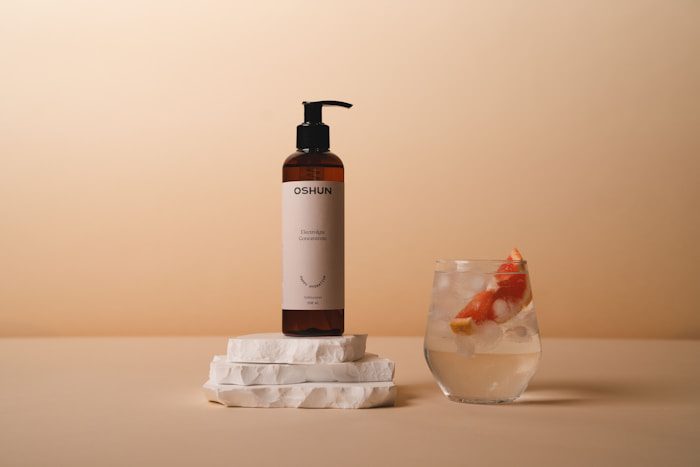
What works: Clean, bright photos showing the product clearly. White or neutral background. Natural lighting. Product fills most of the frame. No text, no graphics, no decorative borders.
Test this: Look at your first photo as a tiny thumbnail. Can you tell what the product is in 1 second? If not, retake it.
Show the Product From Multiple Angles
Use all 10 photo slots. Show front, back, sides, details, size comparisons, and the product in use. Every additional photo you add increases your conversion rate. Shoppers want to see everything before buying.
Photo checklist for a physical product:
- Main product shot on clean background
- Angled view showing depth
- Close-up of details or texture
- Size comparison next to common object (coin, ruler, hand)
- Product in use or styled in a scene
- Back view if relevant
- Packaging if you include nice packaging
- Color options laid out together
- Customization examples if you offer personalization
- Lifestyle shot showing the product in context
Add Video to Beat the Algorithm
Etsy now allows video in listings. Sellers uploaded 13 million videos in 2021 and that number keeps growing. Why? Videos show up bigger in search results and feeds. They catch attention.
Keep videos short: 5-15 seconds. Show the product rotating, being used, or different angles. No need for fancy production. Phone video with good lighting works fine. Just make sure the first frame is eye-catching since that’s the thumbnail.
Lighting Makes or Kills Photos
Shoot near a window on a cloudy day. Seriously. Cloudy light is soft and even. Bright sun creates harsh shadows. Indoor lights create yellow or blue color casts. Natural indirect light fixes both problems and costs nothing.
Can’t shoot during the day? Get two cheap LED lights from Amazon. Position one on each side of your product at 45-degree angles. This eliminates shadows and gives you consistent lighting any time.
White Balance Matters More Than You Think
Colors need to match reality. If your product is navy blue but photos show it as black or purple, you’ll get returns and bad reviews. Use the white balance setting on your camera or phone. Most phones have it in the camera settings under “WB” or “White Balance.”
Set it to daylight if shooting near a window. Set it to tungsten if using indoor lights. Or use auto white balance and adjust in editing. Just make sure the final color matches the physical product.
Use Tags and Categories Smart
Tags and categories work differently but both affect your visibility. Get them wrong and you’re invisible to half your potential customers. Here’s the tactical breakdown.
Tag Strategy: Mix Broad and Specific
You have 13 tags. Don’t waste them on synonyms of the same thing. Spread your reach. Use 4-5 tags that directly describe your product. Use 4-5 tags for related search terms. Use 3-4 tags for occasion or use cases.
For a ceramic coffee mug:
Direct product tags: ceramic mug, coffee cup, tea mug, handmade mug
Related searches: mug with handle, pottery mug, stoneware mug, wheel thrown
Occasion/use tags: gift for her, housewarming gift, birthday present, mother’s day
This strategy casts a wider net. Someone searching “pottery mug” finds you. So does someone searching “housewarming gift.” You’re visible to both.
Avoid These Tag Mistakes That Kill Your Reach
Don’t use single generic words: “gift,” “handmade,” “unique,” “custom.” These are too broad and too competitive. Everyone uses them. They add no value.
Don’t repeat your title exactly: If your title says “sterling silver ring,” don’t waste a tag on “sterling silver ring.” Break it into “sterling silver” and “stacking ring” instead. You get more coverage.
Don’t use your shop name or brand: Unless you’re already famous, nobody searches for your shop name. That tag slot does nothing.
Don’t include misspellings: Some guides say to add common misspellings as tags. Etsy’s search is smart enough to correct typos now. This hasn’t worked since 2020.
Multi-Word Phrases Beat Single Words
Tags can be 20 characters. Use the space. “Blue dress” is better than “blue” and “dress” as separate tags. Why? When someone searches “blue dress,” Etsy matches your two-word tag exactly. That’s a stronger signal than having the words separated across your listing.
Think in phrases: vintage leather jacket, minimalist wall art, personalized cutting board, handmade baby blanket. These match how real people search.
Seasonal Tags Need Regular Updates
If you sell products that make good gifts, update tags based on upcoming holidays. In October, add “Halloween costume” or “Halloween decor.” In November, switch to “Thanksgiving table” or “fall decor.” January hits, update to “New Year gift” or “winter wedding.”
This takes 10 minutes per listing but dramatically expands your reach during peak buying seasons. According to Link My Books’ data, 44% of Etsy purchases are gifts. Seasonal tags capture that traffic.
Categories Unlock Filter Traffic
Pick the most specific category available. Etsy’s category system goes 3-4 levels deep. Don’t stop at the top level. For jewelry:
- Bad: Jewelry
- Better: Jewelry > Necklaces
- Best: Jewelry > Necklaces > Pendant Necklaces
Why specificity matters: When shoppers use category filters in the sidebar, Etsy only shows products in that specific category. If you’re in the broad “Jewelry” category while competitors are in “Pendant Necklaces,” they show up in filtered results and you don’t.
Cross-Category Opportunities
Some products fit multiple categories. A leather bag could go in Bags & Purses or Men’s Accessories. A wooden cutting board could go in Kitchen & Dining or Home & Living. Test both. Create similar listings in different categories and see which performs better.
Watch out for Etsy’s duplicate listing policies though. You can’t list the exact same item twice. But if you have variations (different colors, sizes, or slight design changes), you can list them separately in appropriate categories.
Set Up Your Shop to Build Trust
Your shop pages matter for SEO and conversions. Etsy ranks complete shops higher. Buyers trust shops that look professional. These elements take an hour to set up properly but pay off for years.
Shop Name Affects SEO
Your shop name appears in URLs and search results. Including a keyword helps, but don’t force it. “LeatherWorksStudio” is better than “Shop12345,” but “BestLeatherWalletsShop” sounds spammy.
According to LitCommerce research, shops with keyword-rich names rank slightly higher for those keywords. But it’s a small factor. Don’t stress if you already have an established shop name without keywords. Your listing optimization matters 10x more.
About Section Builds Buyer Confidence
Shoppers read your About section before buying, especially for higher-priced items. Tell them who you are, how you make your products, and why they should trust you. Skip the flowery language about your creative journey. Focus on credentials and process.
Include: Years of experience, materials you use, where you’re located (builds trust for shipping times), what makes your products different from mass-produced alternatives, and any awards or features if relevant.
Add photos of your workspace or yourself making products. This proves you’re a real person, not a drop shipper. It matters more than you think for conversions.

Shop Policies Reduce Message Overload
Fill out every policy section: shipping, returns, exchanges, payment, and processing time. Etsy’s official guidance says complete policies improve your search ranking. They also cut down on customer messages asking basic questions.
Be specific about processing times. If it takes you 3-5 days to make and ship an item, say that. Don’t promise next-day shipping if you can’t deliver. One late order tanks your shop reputation faster than ten good ones build it up.
Return policy: Be clear but don’t give away the farm. Many handmade sellers don’t accept returns on custom items. That’s fine. State it clearly. If you do accept returns, specify the timeframe and who pays return shipping.
Banner and Logo Create First Impressions
Your shop banner shows up at the top of your shop page. It should match your product style and include your shop name. Keep it simple. A cluttered banner with 10 different fonts and colors looks amateurish.
Logo appears as your profile picture in messages and reviews. Make it readable at small sizes. Simple shapes and clean fonts work better than intricate designs that turn into blurry blobs at 100×100 pixels.
Shop Sections Organize Your Inventory
If you sell different types of products, use shop sections to organize them. This helps shoppers find what they want and reduces bounce rates. Categories like “Necklaces,” “Bracelets,” “Earrings” make more sense than dumping everything into one big pile.
Shop sections also give you more chances to include keywords. Each section name is searchable. Use descriptive names: “Minimalist Silver Jewelry” instead of “New Arrivals.”
FAQ Cuts Down on Messages
Add a Frequently Asked Questions section to your shop. Answer the questions you get over and over: shipping times, customization options, material care, sizing information, gift wrapping availability.
This saves you time answering the same messages repeatedly. It also helps buyers make decisions faster, which increases conversion rates. Plus, it’s one more place to naturally include keywords about your products.
Price Right and Ship Fast
Pricing affects more than profit. It affects your search ranking, conversion rate, and perceived quality. Shipping impacts all three even harder. Get these wrong and you’re leaving money on the table.
Research Competitor Pricing
Search for products similar to yours. Look at the top 20 results. What’s the price range? Where do successful shops price their items? If most charge $30-$40 and you’re at $70, you need a reason buyers will pay more.
Higher price isn’t always worse. Some shoppers filter by price ascending (cheapest first), but many sort by “most relevant” or “recommended.” If your photos, reviews, and listing quality are better, you can charge more than competitors.
Free Shipping Boosts Your Ranking
Etsy gives ranking preference to listings with free shipping on orders over $35. This is stated in their seller documentation and confirmed by multiple SEO analyses. Shops offering free shipping see better placement in search results.
How to offer free shipping without losing money: Build the shipping cost into your product price. If your item costs $25 and shipping is $5, list it at $30 with free shipping. Buyers see “FREE SHIPPING” and click more often, even though they’re paying the same total.
For international sellers, you can offer free shipping on domestic orders only. Etsy’s algorithm still gives you the boost for domestic searches.
Processing Time Affects Customer Experience Score
Set realistic processing times and ship early when possible. If you say 3-5 business days, shipping on day 6 counts as late. Etsy tracks this and late shipments hurt your shop’s quality score, which affects your search ranking.
Better to set 5-7 days and ship in 4 than promise 1-2 days and miss the deadline. Under-promise and over-deliver builds your reputation faster than anything else.
Shipping Upgrades Increase Average Order Value
Offer multiple shipping speeds. Standard, expedited, and overnight if possible. Some buyers will pay $15 extra for 2-day shipping. That’s pure profit if your actual cost difference is $8.
Etsy makes it easy to add shipping upgrades. Set them up once and they appear as options at checkout. No extra work for you, and some customers will always pick the fastest option regardless of cost.

Package Products to Reduce Returns
Damaged products lead to returns, bad reviews, and lower search rankings. Invest in proper packaging. Bubble wrap for fragile items. Sturdy boxes that won’t crush. Waterproof bags for items that could get wet.
According to Capital One Shopping’s research, product quality (which includes arriving undamaged) is the top factor in Etsy reviews. One return costs you more than the packaging would have.
Turn Buyers Into Repeat Customers
Customer service directly affects your search ranking through Etsy’s Customer Experience Score. This metric tracks response times, review ratings, order issues, and case resolution. Here’s how to keep your score high.
Respond to Messages Within 24 Hours
Etsy tracks your response time. Shops that respond within 24 hours rank higher. Respond within a few hours if possible. Fast responses show you’re active and reliable.
Use templates for common questions. Save responses about shipping times, customization options, material details, and size questions. When someone messages, copy the template and personalize it slightly. Takes 30 seconds instead of 5 minutes.
Reviews Drive Future Sales
Positive reviews increase conversions by 30-50%. Shoppers trust other shoppers more than they trust your product description. A listing with 100+ five-star reviews outsells an identical listing with 10 reviews, even if both have perfect ratings.
How to get more reviews: Include a thank-you note in your package asking for a review. Message buyers a week after delivery asking if they’re happy with their purchase. Make the review process easy by including the direct review link.
Don’t beg, don’t offer bribes (against Etsy policy), and don’t harass people who don’t leave reviews. But a polite reminder works. Many happy customers forget to leave reviews unless prompted.
Handle Problems Before They Become Cases
If something goes wrong (wrong size shipped, item damaged in transit, longer processing time), message the buyer immediately. Don’t wait for them to complain. Apologize, explain what happened, and offer a solution: replacement, refund, or discount on a future order.
Buyers who get proactive problem-solving often leave better reviews than buyers who never had issues. “I ordered the wrong size but the seller immediately sent the right one free” is a common positive review pattern.
Make Returns Easy
Even if your policy says no returns, sometimes accepting one saves your review rating. If a buyer is upset enough to threaten a bad review or open a case, offering a return often de-escalates the situation.
Think of it this way: One bad review costs you future sales worth way more than the value of one returned item. Swallow the loss on the individual order to protect your long-term revenue.
Drive Traffic From Outside Etsy
Etsy search is competitive. Bringing your own traffic gives you an edge. More traffic means more sales, which improves your search ranking. It compounds. Here are the channels that actually work for Etsy sellers.
Pinterest is a visual search engine, not just social media. People search for “bedroom decor ideas” or “handmade jewelry,” find pins, and click through to buy. Create pins for each listing. Link directly to your Etsy product page.
Pin design tips: Vertical images (2:3 ratio). Clear product photo. Text overlay with benefit or use case. Brand name at the bottom. Use Pinterest’s built-in analytics to see which pins drive the most clicks.
According to TapStitch’s research, Pinterest traffic has higher intent than most social media. People are actively looking for products to buy, not just scrolling to kill time.
If your products photograph well (jewelry, home decor, clothing, art), Instagram can drive significant traffic. Post photos of your products styled in different ways. Use relevant hashtags: product-specific ones (#handmadeearrings) and broader ones (#jewelrylover).
Stories and Reels get more reach than regular posts now. Short videos showing your making process or products in use perform better than static photos. Link to your Etsy shop in your bio. Use the “link in bio” call-to-action in captions.
TikTok
TikTok’s algorithm shows your content to people who don’t follow you. One video can hit millions of views if it catches on. Focus on behind-the-scenes content, making process videos, or satisfying visual content (like pouring resin or cutting soap).
Don’t just advertise. Show something interesting. TikTok users scroll past obvious ads. But they’ll watch a 60-second video of you making a product start to finish, then click your profile to buy it.
Email List
Social media platforms can ban your account overnight. Etsy can change their policies and hurt your sales. An email list is yours. No one can take it away.
Include a flyer in every order: “Join our email list for exclusive discounts.” Link to a simple signup form. Use a free email service like Mailchimp or ConvertKit. Send updates when you release new products, seasonal reminders, or sale announcements.
Email subscribers have already bought from you once. They trust you. They convert 5-10x higher than cold traffic. Build this asset from day one.
Blog Content for Long-Term SEO
Creating content related to your products can drive Google traffic to your Etsy shop. If you sell wedding invitations, write blog posts about “How to word wedding invitations” or “Wedding invitation timeline.” Link to your Etsy shop in the article.
This takes time to work. Google needs 3-6 months to rank new content. But once it ranks, it drives consistent traffic without ongoing work. One good blog post can bring you customers for years.
Track What’s Working With the Right Tools

You can’t improve what you don’t measure. These tools show you exactly which changes increase sales and which waste your time.
Etsy Stats: Your Free Analytics Dashboard
Shop Manager > Stats shows your traffic sources, which listings get the most views, conversion rates, and search terms people use. Check this weekly minimum. Look for patterns.
Key metrics to watch: Views (how many people see your listings), visits (how many come to your shop), conversion rate (what percentage buy), and revenue per visit. If views are up but conversion is down, your listings aren’t compelling enough. If views are down but conversion is up, you need better SEO to get more traffic.
Search Visibility Page Shows Your SEO Score
Etsy’s Search Visibility page (in Shop Manager) gives you a score on listing quality, customer service, and shop completeness. It also suggests specific improvements. This is basically Etsy telling you exactly how to rank higher. Use it.
The page updates regularly as you make changes. Fix the issues it highlights and your score improves, which correlates with better search placement.
Keyword Tools Track Your Ranking
Tools like eRank, Marmalead, and Alura show where your listings rank for different keywords. Track your top 5-10 keywords per listing. If you’re on page 5 for “leather wallet” but page 1 for “minimalist wallet,” you know which keyword to double down on.
These tools also show search volume trends. You can see when certain keywords are about to spike (like “graduation gift” ramping up in April) and optimize your listings before the surge hits.
Changes Report Connects Actions to Results
eRank’s Changes report (and similar features in other tools) tracks every edit you make to listings: title changes, tag updates, price changes, photo swaps. Then it shows how those changes affected your views and sales.
This turns guesswork into data. You changed your title to include “boho” instead of “bohemian.” Did it help? The Changes report shows you. If views dropped, revert the change. If views increased, apply the same change to similar listings.
Google Analytics for External Traffic
If you’re driving traffic from Pinterest, Instagram, or a blog, set up Google Analytics to track it. You can see which sources send the most traffic, which ones convert best, and where people drop off.
This helps you focus your effort on the channels that actually drive sales instead of wasting time on platforms that look good (high views) but don’t convert (no sales).

Skip These Mistakes That Kill Sales
Most struggling Etsy sellers make the same errors. Fix these and you’ll jump ahead of 80% of your competition.
Keyword Stuffing Hurts More Than It Helps
Titles like “Handmade Custom Personalized Unique Beautiful Stunning Amazing Leather Wallet Gift” look spammy. Etsy’s 2025 algorithm actively penalizes keyword stuffing. Write natural, clear titles that describe your product. One or two key phrases is enough.
Ignoring Mobile Optimization
Nearly half of Etsy sales happen on mobile. If your first photo doesn’t look good as a tiny thumbnail, you’re invisible to mobile shoppers. Test every listing on your phone. Can you tell what the product is at a glance? If not, fix the photo.
Setting Unrealistic Processing Times
Promising 1-2 day shipping when you need 5-7 days sets you up for failure. Late shipments tank your shop score and hurt your ranking. Better to set conservative times and ship early. Shoppers love getting orders sooner than expected.
Using the Same Tags for Every Listing
If you sell 50 different items but use identical tags on all of them, you’re competing against yourself. Each listing should target slightly different keywords based on that specific product’s features. Differentiate them.
Neglecting Customer Messages
Every unanswered message or slow response hurts your shop score. Set up notifications on your phone. Respond within a few hours when possible. If you can’t answer immediately, send a quick “I’ll get back to you within 24 hours” message.
Not Testing and Iterating
Too many sellers set up their listings once and never touch them again. Markets change. Keywords trend up and down. Competitors adjust prices. You need to review and update your shop regularly.
Set a monthly reminder to: Check which keywords are trending for your products, update seasonal tags, review your pricing vs competitors, refresh photos for your worst-performing listings, and analyze which listings get views but don’t convert (fix those descriptions).
Copying Competitors Exactly
Researching competitors is smart. Copying their exact titles, descriptions, and photos is lazy and doesn’t work. Etsy’s algorithm recognizes duplicate content. More importantly, if you look exactly like 50 other shops, why would anyone choose yours?
Learn from competitors. See what works. Then put your own spin on it. Differentiation matters as much as optimization.
Focusing Only on SEO, Not Conversions
Getting traffic is step one. Converting that traffic into sales is step two. You can rank #1 for your keywords, but if your photos are terrible, your description is confusing, or your price is too high, nobody buys.
Balance SEO work with conversion optimization. Track not just views, but conversion rate. A listing with 100 views and 5 sales (5% conversion) is better than a listing with 1000 views and 10 sales (1% conversion).
FAQ
How long does it take to see results from Etsy SEO?
Most shops see traffic changes within 1-2 weeks of making optimizations. Sales improvements usually take 4-6 weeks because Etsy needs time to accumulate data on your updated listings. New shops take longer—expect 2-3 months to build momentum.
Should I renew listings to boost search ranking?
Renewing gives a small temporary boost but costs $0.20 per listing. Only renew underperforming listings or before major shopping seasons. Don’t renew your whole shop at once. Etsy’s algorithm recognizes this pattern and the boost diminishes over time.
How many listings do I need to make sales?
There’s no magic number, but data shows shops with 20+ listings perform better than shops with fewer than 10. More listings mean more chances to show up in different searches. Start with your best 5-10 products and expand from there.
Can I use AI tools to write Etsy descriptions?
AI can help draft descriptions, but Etsy’s algorithm detects generic AI-generated content and may downrank it. Use AI as a starting point, then heavily edit to add specific details, personality, and accurate product information. Never copy-paste AI output directly.
What’s the best time to list new products on Etsy?
New listings get a small ranking boost for the first 24-48 hours. List products in the morning (9-11 AM in your target market’s timezone) so they’re fresh when shoppers browse during the day. Avoid listing at 2 AM when traffic is low.
How do I compete with cheaper products from overseas sellers?
Don’t compete on price. Emphasize what makes your products different: handmade vs mass-produced, better materials, faster shipping, personalization options, supporting small businesses. Many Etsy shoppers specifically seek out handmade items and will pay more for them.
Should I offer discounts and sales?
Occasional sales can boost traffic and sales velocity, which helps your search ranking. But constant discounts train customers to wait for sales. Run sales strategically: major holidays, your shop anniversary, or to clear old inventory. Don’t discount your best sellers.
Do Etsy Ads help with organic search ranking?
Etsy Ads drive immediate traffic but don’t directly affect organic ranking. However, if ads lead to sales, those sales do improve your ranking. Start with a small daily budget ($1-5) on your best listings and track whether the sales profit exceeds the ad cost.
How important are shop policies for SEO?
Etsy confirms that complete shop policies factor into search ranking. More importantly, clear policies reduce buyer questions, prevent misunderstandings, and lead to fewer cases—all of which protect your shop’s quality score.
Can I change my shop name without hurting SEO?
Yes, but your shop URL changes and any external links to your shop break. If you have significant external traffic or social media presence, consider the tradeoff. New shop name means starting over on brand recognition. Only change if your current name actively hurts your business.
What’s more important: listings or shop setup?
Listings drive 80% of your results. Get your product listings optimized first. Once those are solid, polish your shop pages. A perfect shop with terrible listings gets no sales. Good listings with a basic shop still convert.
How do I track which keywords customers actually use to find me?
Go to Shop Manager > Stats > Search terms. This shows the exact phrases shoppers typed before clicking your listings. Review this monthly. If certain terms bring lots of traffic, use those keywords in more listings. If expected keywords don’t appear, your SEO needs work.
Etsy shop optimization isn’t complicated, but it requires consistent work. Most sellers set up their shop once and wonder why sales never come. The shops that win treat optimization like a monthly task, not a one-time project. Review your stats, update your keywords, refresh underperforming listings, and stay current with Etsy’s algorithm changes. Do this and you’ll stay ahead of the competition.
Start with the biggest impact moves: fix your product photos, fill out all 13 tags on every listing, write clear titles, and respond to customer messages quickly. These four actions alone will boost your visibility more than any advanced tactic. Once you’ve got the basics locked in, move to the detail work: tracking keyword performance, testing different photos, optimizing for seasonal trends.
The shops crushing it on Etsy aren’t doing anything magical. They’re just doing the basics consistently while their competitors skip steps and wonder why they’re stuck on page 10. Be the seller who shows up, does the work, and watches the sales compound over time.