
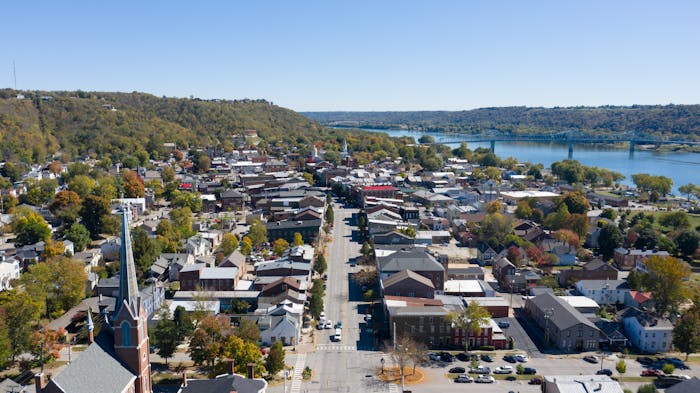
What Makes Minnesota an Ideal State for Retirement?
Before exploring specific cities, understanding Minnesota’s statewide advantages helps frame why retirees are choosing the Land of 10,000 Lakes. The cost of living in the Twin Cities metro runs approximately 7% below the national average according to PayScale, with housing costs 14-18% lower than typical American cities.
Minnesota’s healthcare infrastructure ranks among the nation’s best, anchored by the Mayo Clinic system with 16 locations statewide. The state also offers partial Social Security tax exemptions for retirees below certain income thresholds.
| Rank | City | Best For | Median Home Price | Key Feature |
|---|---|---|---|---|
| 1 | Rochester | Healthcare access | $328,000-$342,000 | Mayo Clinic headquarters |
| 2 | Duluth | Nature & outdoors | Record highs in 2024 | Lake Superior waterfront |
| 3 | Minneapolis | Urban amenities | Varies by neighborhood | #1 ranked park system |
| 4 | St. Paul | Historic charm | 15-20% below Minneapolis | State capital, 170+ parks |
| 5 | Stillwater | Small-town charm | Premium pricing | Historic river town |
| 6 | Northfield | Intellectual culture | Below state average | Two liberal arts colleges |
| 7 | Mankato | Affordability | Below state average | Mayo Clinic regional hub |
| 8 | Red Wing | River views & arts | Below state average | Mississippi River bluffs |
| 9 | Alexandria | Lake living | Varies by lake access | 100+ lakes within 20 miles |
| 10 | Winona | Budget-friendly | $220,000 median | Three colleges, river bluffs |
| 11 | Ely | Wilderness access | Most affordable | Boundary Waters gateway |
1. Rochester
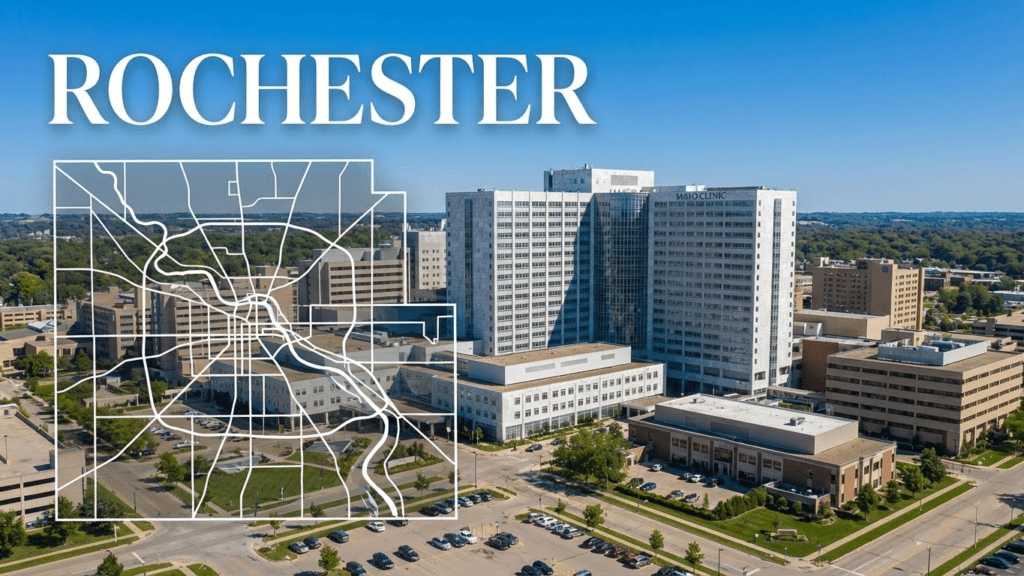
Home to the world-renowned Mayo Clinic, Rochester stands as Minnesota’s premier retirement destination for those prioritizing healthcare access above all else. Mayo Clinic employs over 40,000 people and serves more than 1.3 million patients annually from all 50 states and nearly 140 countries.
Rochester Cost of Living and Housing
According to Forbes’ Rochester profile, the city’s cost of living runs approximately 6-7% below the national average. The median home price sits around $328,000 based on Forbes data, while Ark7’s 2025 analysis reports median home prices at $341,634 with homes selling within about 13 days on market.
| Rochester Metric | Value | Source |
|---|---|---|
| Median Home Price | $328,000 – $342,000 | Forbes / Ark7 (2024-2025) |
| Cost of Living Index | 94 (6% below national avg) | Forbes Best Places to Retire |
| Population | ~122,000 | Forbes / Ark7 |
| Days on Market | ~13 days | Ark7 (2025) |
What Healthcare Options Exist in Rochester?
Beyond Mayo Clinic’s main campus, Rochester offers diverse senior living options including Charter House, a continuing care retirement community directly connected to Mayo Clinic. The city’s healthcare ecosystem means specialists in virtually every field are available locally, eliminating the need to travel for specialized care.
Rochester Recreation and Culture
The city’s extensive trail system includes over 85 miles of paved paths, perfect for walking, cycling, and cross-country skiing. Cultural amenities include the Rochester Art Center and Rochester Civic Theatre.
2. Duluth

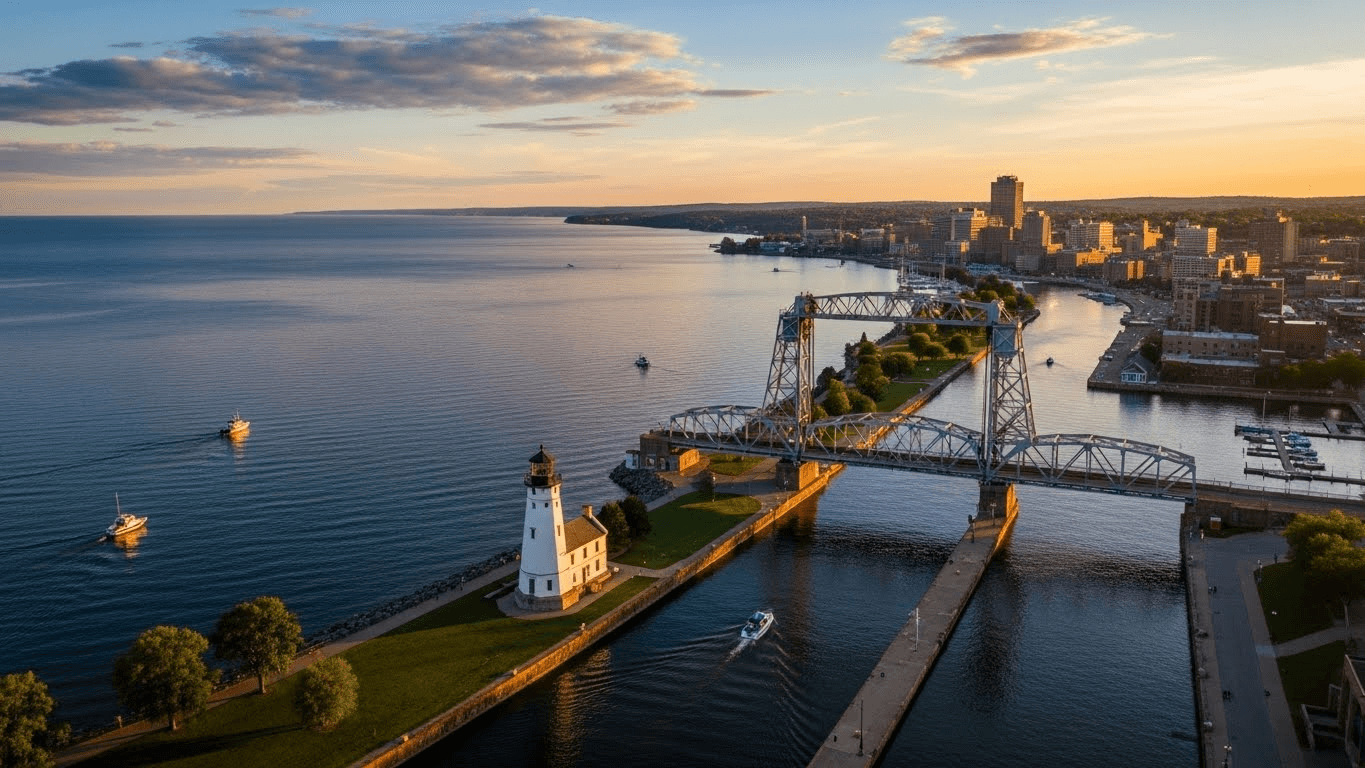
Perched along the shores of Lake Superior, Duluth offers retirees a unique combination of natural beauty, outdoor recreation, and growing cultural amenities. According to the Star Tribune, Duluth saw record high home prices in 2024, reflecting strong demand for this scenic waterfront community.
Duluth Housing Market
The city’s housing market has been active, with the Federal Reserve Economic Data (FRED) tracking steady appreciation in the Duluth metro area. A comprehensive 2025 housing needs analysis commissioned by the City of Duluth provides detailed market insights for prospective residents.
- Market trend: Record high prices in 2024
- Demand: Strong, particularly for waterfront properties
- Housing study: Available through City of Duluth planning department
What Outdoor Activities Can Retirees Enjoy in Duluth?

The Superior Hiking Trail runs directly through the Duluth area, offering 310 miles of footpaths along the Lake Superior ridge. Cross-country skiing, kayaking, and fishing opportunities abound year-round.
Duluth Healthcare and Arts
Essentia Health and St. Luke’s Hospital ensure robust healthcare access, with both facilities offering geriatric care programs. Cultural pursuits include the Duluth Playhouse, one of the oldest continuously operating community theaters in America, and the Tweed Museum of Art at the University of Minnesota Duluth.
3. Minneapolis
For retirees seeking metropolitan amenities, cultural institutions, and world-class healthcare, Minneapolis delivers on every front. According to PayScale, Minneapolis cost of living is 7% lower than the national average, with housing 18% below national norms.
Minneapolis Housing Market 2024-2025
The Minneapolis Area Association of Realtors 2024 Annual Report shows home sales increased in 2024 compared to 2023, with buyers overcoming higher rates and tight inventory. The detailed Twin Cities Housing Market Report PDF provides neighborhood-level data.

| Minneapolis Cost Factor | vs. National Average | Source |
|---|---|---|
| Overall Cost of Living | 6-7% below | PayScale / Apartments.com |
| Housing Costs | 14-18% below | PayScale / Apartments.com |
| Typical Rent Range | $1,103 – $2,341 | Apartments.com |
| 2024 Home Sales | Up 1.8% vs 2023 | MN Realtors Association |
How Does Minneapolis Healthcare Compare Nationally?
Healthcare access in Minneapolis is exceptional, with Hennepin Healthcare, Abbott Northwestern Hospital, and the University of Minnesota Medical Center all providing nationally ranked specialty care.
Minneapolis Cultural Attractions
The city’s park system encompasses over 6,800 acres and has been ranked the nation’s best park system by the Trust for Public Land. Cultural amenities include the Walker Art Center, Minneapolis Institute of Art, and the Guthrie Theater.
4. St. Paul
Minnesota’s capital city offers a distinctly different character from its twin across the river. St. Paul features historic Victorian architecture, tree-lined streets, and a more intimate urban atmosphere. Housing costs run approximately 15-20% lower than Minneapolis while maintaining similar access to healthcare and cultural amenities.

St. Paul Housing Affordability
St. Paul provides excellent value for a metropolitan area, with housing costs notably below Minneapolis while offering similar urban amenities. The city maintains over 170 parks covering 3,400 acres.
What Cultural Experiences Does St. Paul Offer?
For continuing education, Macalester College and Hamline University offer senior audit programs. The Saint Paul Chamber Orchestra and Ordway Center for the Performing Arts provide world-class cultural experiences.
5. Stillwater
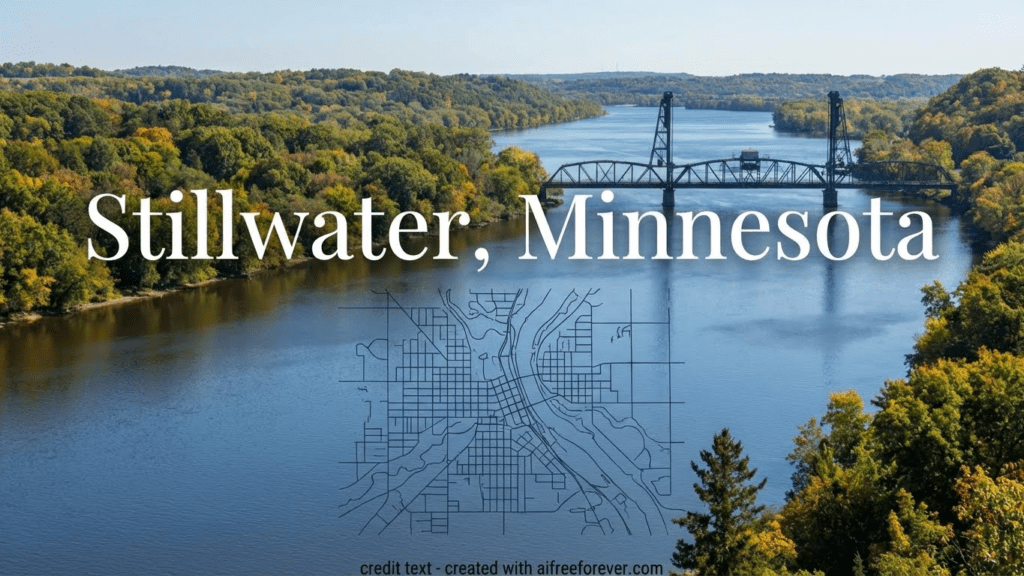
Nestled along the St. Croix River just 25 miles east of St. Paul, Stillwater represents Minnesota’s best option for retirees seeking small-town charm with metropolitan accessibility. Known as the “Birthplace of Minnesota,” the city’s downtown features beautifully preserved 19th-century buildings.
Stillwater Quality of Life
The St. Croix Valley region offers excellent recreational opportunities, including the St. Croix National Scenic Riverway managed by the National Park Service. Housing costs are higher than state averages, reflecting the area’s desirability and proximity to the Twin Cities.
6. Northfield
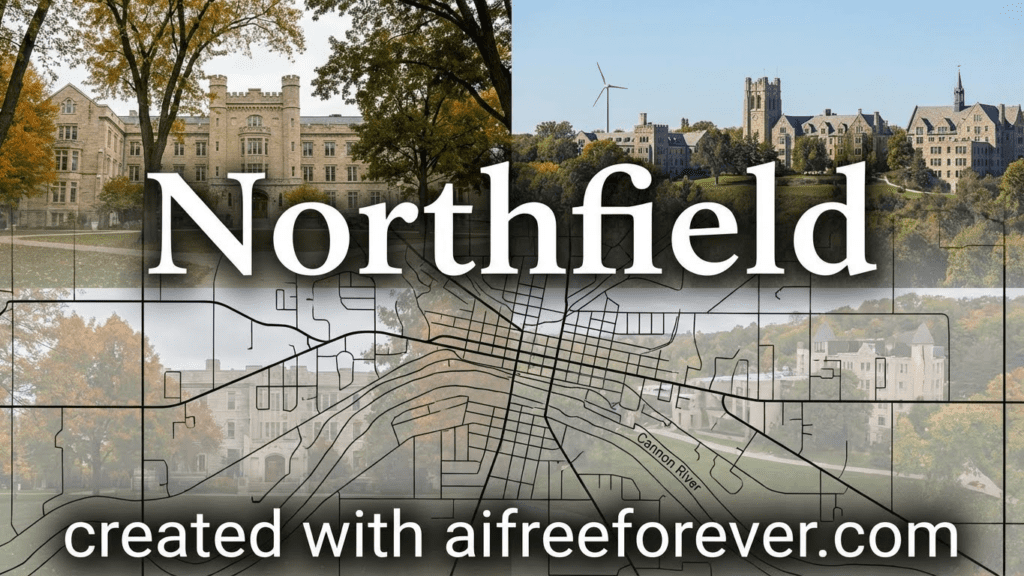
Home to two distinguished liberal arts colleges—Carleton College and St. Olaf College—Northfield offers retirees an intellectually stimulating environment rarely found in cities of similar size. The town’s motto, “Cows, Colleges, and Contentment,” captures its unique blend of agricultural heritage and academic culture.
Northfield Intellectual and Cultural Life
Both colleges welcome community members to lectures, concerts, and cultural events. St. Olaf hosts the world-famous St. Olaf Christmas Festival, while Carleton’s Weitz Center brings nationally recognized artists to southern Minnesota. Cost of living sits below the national average.
7. Mankato
Located in south-central Minnesota, Mankato serves as the regional hub for a 12-county area, offering big-city amenities at small-city prices. Minnesota State University, Mankato anchors the community with cultural programming, sporting events, and continuing education opportunities.

What Healthcare Is Available in Mankato?
The Mayo Clinic Health System has a major presence in Mankato, bringing Mayo Clinic’s renowned care to the region with specialty services including cardiology, oncology, and orthopedics.
Mankato Recreation and Nature
The city maintains over 100 parks and 65 miles of trails. Minneopa State Park features stunning waterfalls and a restored bison herd.
8. Red Wing
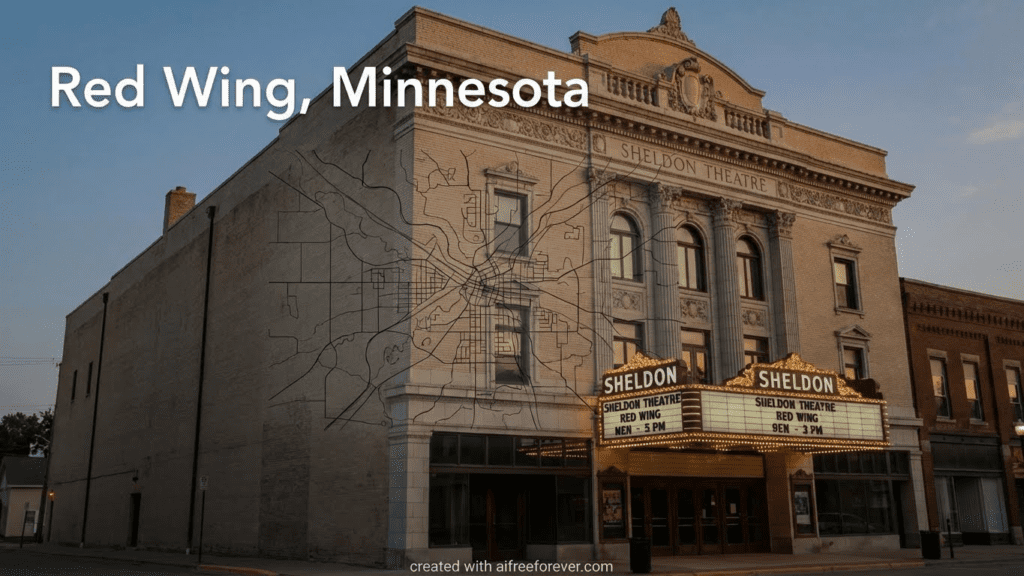
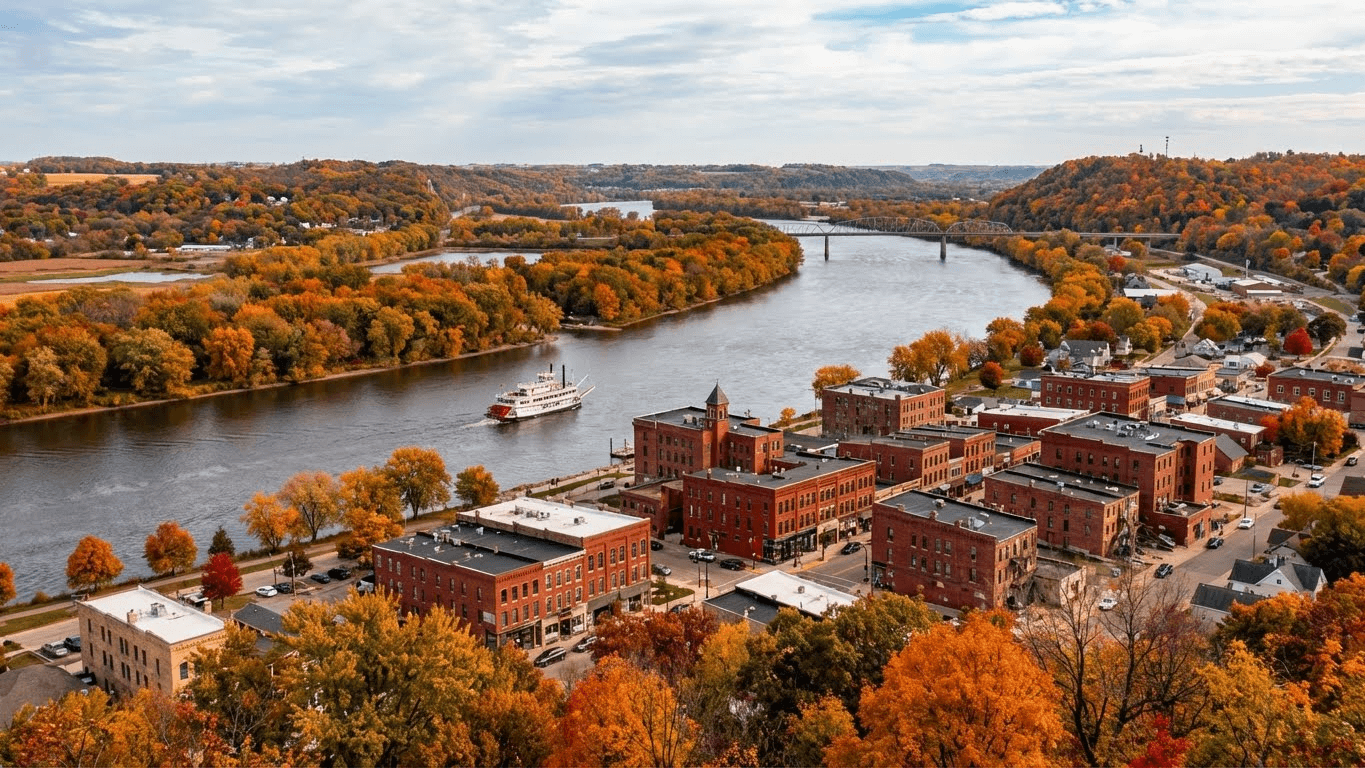
Situated dramatically along the Mississippi River bluffs, Red Wing combines natural beauty, historic character, and artistic heritage. The city’s pottery tradition, dating to the 1870s, continues through local arts organizations and the iconic Red Wing Shoe Company.
Red Wing Arts and Recreation
The Sheldon Theatre, a beautifully restored 1904 performance hall, hosts concerts, plays, and films. Barn Bluff offers hiking with panoramic river views, while the Cannon Valley Trail provides 20 miles of paved path. Healthcare is provided by Mayo Clinic Health System – Red Wing.
9. Alexandria
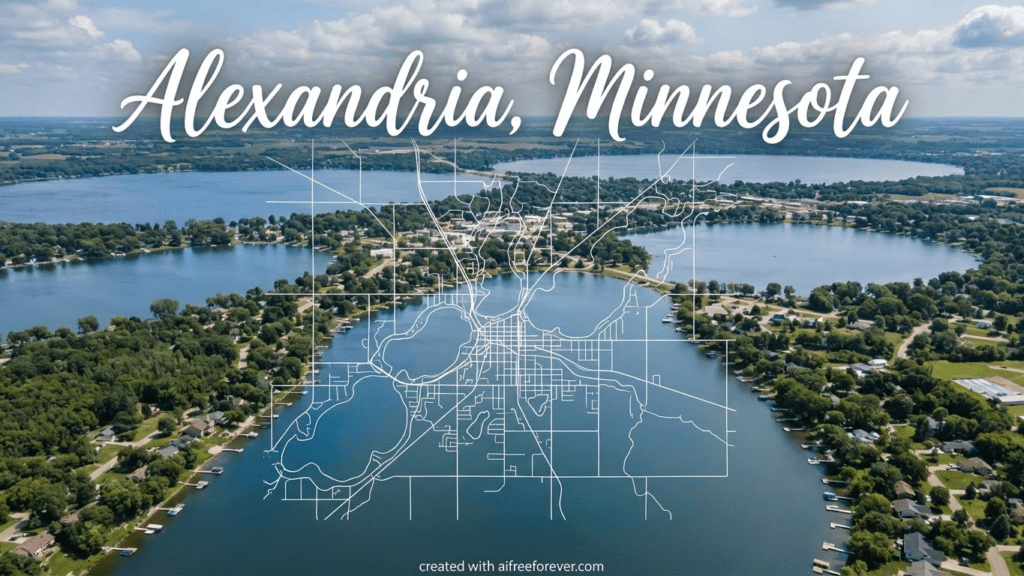
Located in west-central Minnesota, Alexandria sits at the heart of a region containing over 100 lakes within 20 miles. This concentration of recreational water makes it a premier destination for retirees who prioritize fishing, boating, and waterfront living.
Alexandria Lake Properties
Lake Darling, Lake Carlos, Lake Ida, and Lake Le Homme Dieu are among the most popular, with lakefront property prices varying significantly based on lake size and amenities. Non-lakefront housing remains more affordable.
10. Winona
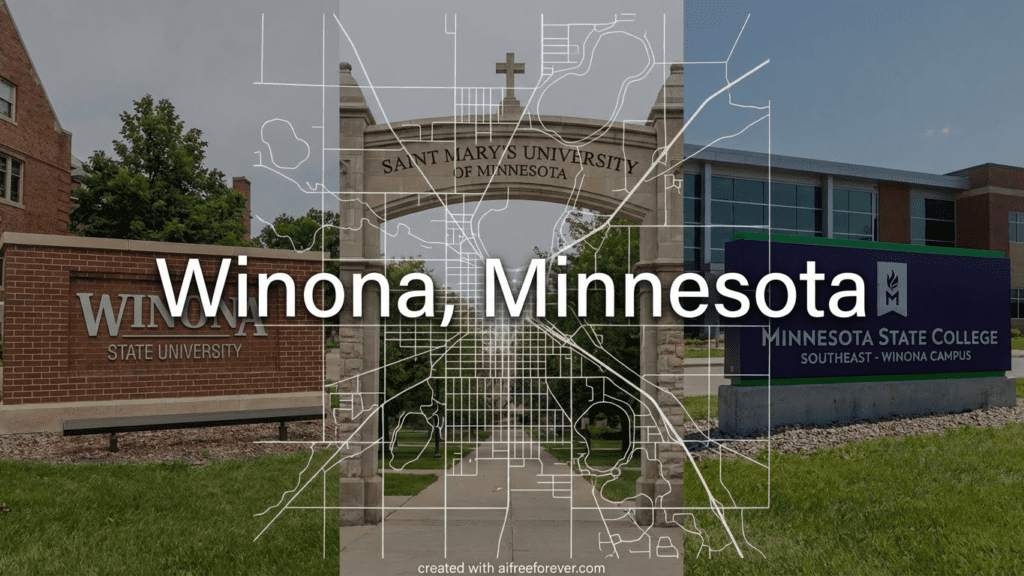
Tucked between towering bluffs and the Mississippi River in southeastern Minnesota, Winona offers retirees an extraordinary setting enhanced by three colleges. Winona State University, Saint Mary’s University, and Minnesota State College Southeast create a vibrant academic community.
Winona’s Exceptional Affordability
According to Redfin’s Winona market data, the median sale price sits around $220,000, making it one of the most affordable cities on this list. The Winona Post reported that average home prices jumped 30% from 2023 to 2024, reflecting strong demand despite limited inventory.
| Winona Housing Metric | Value | Source |
|---|---|---|
| Median Sale Price | ~$220,000 | Redfin (2025) |
| YoY Price Change (2023-2024) | +30% | Winona Post / County Recorder |
| Homes Sold (2024) | 553 | Winona County Recorder |
| Days on Market | ~15 days | Redfin |
What Makes Winona’s Geography Unique?

Sugar Loaf, a 500-foot rock formation rising above the river, defines the city’s dramatic landscape. The Minnesota Marine Art Museum houses an impressive collection including works by Monet, Renoir, and O’Keeffe. Winona Health provides comprehensive local care, with Mayo Clinic in Rochester accessible within an hour.
11. Ely
For retirees seeking genuine wilderness immersion, Ely serves as the gateway to the Boundary Waters Canoe Area Wilderness, one of North America’s most pristine natural areas. This small city of approximately 3,300 residents offers a lifestyle centered on outdoor adventure and the profound quiet of northern forests.

Ely Lifestyle Considerations
| Consideration | Details | Impact on Retirees |
|---|---|---|
| Winter Temperatures | Among coldest in lower 48 | Requires cold-weather preparation |
| Nearest Major City | Duluth: ~110 miles | Planning needed for major shopping/medical |
| Housing | Most affordable on list | Limited inventory |
| Community | ~3,300 residents | Strong community bonds |
What Wildlife and Nature Experiences Does Ely Offer?
The International Wolf Center provides educational opportunities and volunteer positions. Ely-Bloomenson Community Hospital offers local healthcare, though major medical needs require travel to Duluth or the Twin Cities.

Minnesota Retirement Tax Considerations
Understanding Minnesota’s tax structure is essential for retirement planning. According to the Minnesota House Research Department (March 2024), the state offers a means-tested income tax subtraction for Social Security benefits.
How Does Minnesota Tax Social Security?
In tax year 2024, taxpayers with adjusted gross incomes below $105,380 (married filing jointly) or $82,190 (single/head of household) do not pay state income tax on Social Security benefits. This information comes directly from the Minnesota House Research Department’s official publication on Social Security taxation.
| Tax Type | Minnesota Treatment | Source |
|---|---|---|
| Social Security (below income threshold) | Fully exempt from state tax | MN House Research (2024) |
| Social Security (above threshold) | Partially taxable | MN House Research (2024) |
| Income Threshold – Married Joint | $105,380 AGI | MN House Research (2024) |
| Income Threshold – Single | $82,190 AGI | MN House Research (2024) |
| 401(k)/IRA Distributions | Fully taxable | SmartAsset |
| Pension Income | Fully taxable | SmartAsset |
What Tax Relief Programs Exist for Seniors?
Property tax relief programs exist through the state’s Property Tax Refund and Senior Citizens Property Tax Deferral Program. Visit the Minnesota Department of Revenue Senior Citizens page for current program details, or consult with a tax professional familiar with Minnesota law.
Statewide Healthcare Resources
Minnesota consistently ranks among the healthiest states in America, and its healthcare infrastructure reflects this priority.
Major Health Systems Serving Minnesota Retirees
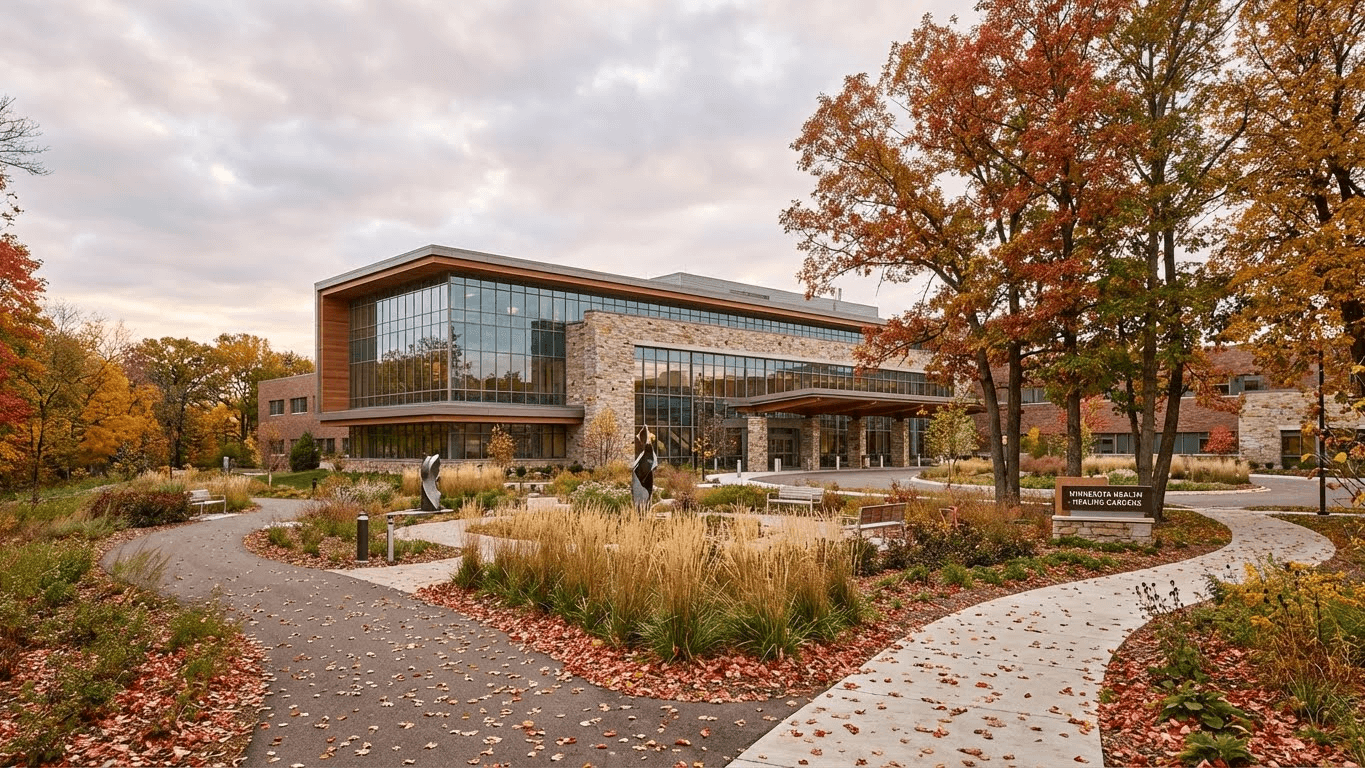
- Mayo Clinic Health System — 16 locations statewide, including Rochester headquarters
- Allina Health — Twin Cities and southern Minnesota
- Fairview Health Services — University of Minnesota affiliated
- Essentia Health — Northern Minnesota
How Do Retirees Navigate Medicare in Minnesota?
Medicare Advantage plans are widely available through Blue Cross Blue Shield of Minnesota, HealthPartners, and UnitedHealthcare. The Senior LinkAge Line (1-800-333-2433) provides free assistance navigating Medicare options and benefits.
Frequently Asked Questions About Retiring in Minnesota
Is Minnesota a good state to retire in?
Yes, Minnesota ranks among the top states for retirement quality of life according to Niche’s 2025 Best Places to Retire rankings, which analyze U.S. Census, FBI, and CDC data. The state offers exceptional healthcare, cost of living below the national average, and abundant recreational opportunities.
What is the most affordable place to retire in Minnesota?
Winona offers the lowest verified median home prices on this list at approximately $220,000 according to Redfin data. Ely and smaller outstate communities also provide exceptional affordability, though with trade-offs in access to major healthcare and amenities.
Does Minnesota tax Social Security benefits?
According to the Minnesota House Research Department (March 2024), taxpayers with adjusted gross incomes below $105,380 (married joint) or $82,190 (single) pay no state income tax on Social Security benefits. Above these thresholds, benefits may be partially taxed.
What is the best city in Minnesota for healthcare access?
Rochester is unquestionably Minnesota’s best retirement city for healthcare access, home to Mayo Clinic which serves over 1.3 million patients annually and employs more than 40,000 people.
How cold are Minnesota winters?
Minnesota winters are significant, with northern cities like Ely among the coldest in the lower 48 states. Twin Cities average January lows hover around 5-10°F. However, communities are well-prepared with heated skyways, snow removal, and indoor recreation.
What outdoor activities can retirees enjoy in Minnesota?
The state offers year-round outdoor recreation including 10,000+ lakes for fishing and boating, the 310-mile Superior Hiking Trail, extensive cross-country skiing networks, and the Boundary Waters Canoe Area Wilderness.
Are there college towns good for retirement in Minnesota?
Northfield stands out with both Carleton College and St. Olaf College providing intellectual stimulation, cultural events, and continuing education. Winona offers similar benefits with three institutions of higher education.
What resources help seniors transition to Minnesota?
The Senior LinkAge Line (1-800-333-2433) provides free assistance with Medicare, housing, and community services. The Minnesota Department of Revenue Senior Citizens page offers tax guidance specific to retirees.
Where can I find current housing market data?
The Minneapolis Area Association of Realtors publishes annual housing reports for the Twin Cities metro. For outstate cities, Redfin and Zillow provide current median prices and market trends.
How do I find senior living communities in Minnesota?
Each city featured in this guide has local senior living options. The Senior LinkAge Line (1-800-333-2433) provides personalized assistance matching your needs with available communities statewide.

Choosing Your Minnesota Retirement Destination
Selecting the ideal Minnesota retirement destination depends on your personal priorities, budget, and lifestyle preferences. For those prioritizing healthcare access, Rochester stands unmatched with Mayo Clinic. Retirees seeking metropolitan culture will find Minneapolis and St. Paul deliver everything from professional sports to world-class museums at costs below national averages.
Those drawn to natural beauty should explore Duluth on Lake Superior or the Ely wilderness gateway. Budget-conscious retirees will find verified value in Winona (median ~$220,000 per Redfin), while intellectual stimulation seekers gravitate toward Northfield’s college-town atmosphere.
To begin exploring, visit potential communities during different seasons and contact the Senior LinkAge Line (1-800-333-2433) for personalized assistance with Medicare, housing, and community services throughout Minnesota.