Running an online store means constantly juggling new customer acquisition with keeping existing shoppers engaged. You’ve probably noticed how some customers buy once and disappear, while others keep coming back. The difference often comes down to one thing: how you communicate after that first purchase.
Email marketing remains one of the most powerful tools for keeping customers engaged. Research shows it costs significantly more to find new customers than to retain existing ones, making retention-focused email campaigns essential for sustainable growth. When done right, email sequences can transform occasional shoppers into brand advocates who return repeatedly.
This guide walks you through proven email marketing strategies that actually work for ecommerce businesses. You’ll discover which tools deliver results, how to structure automated sequences that feel personal, and what types of campaigns generate the highest returns.
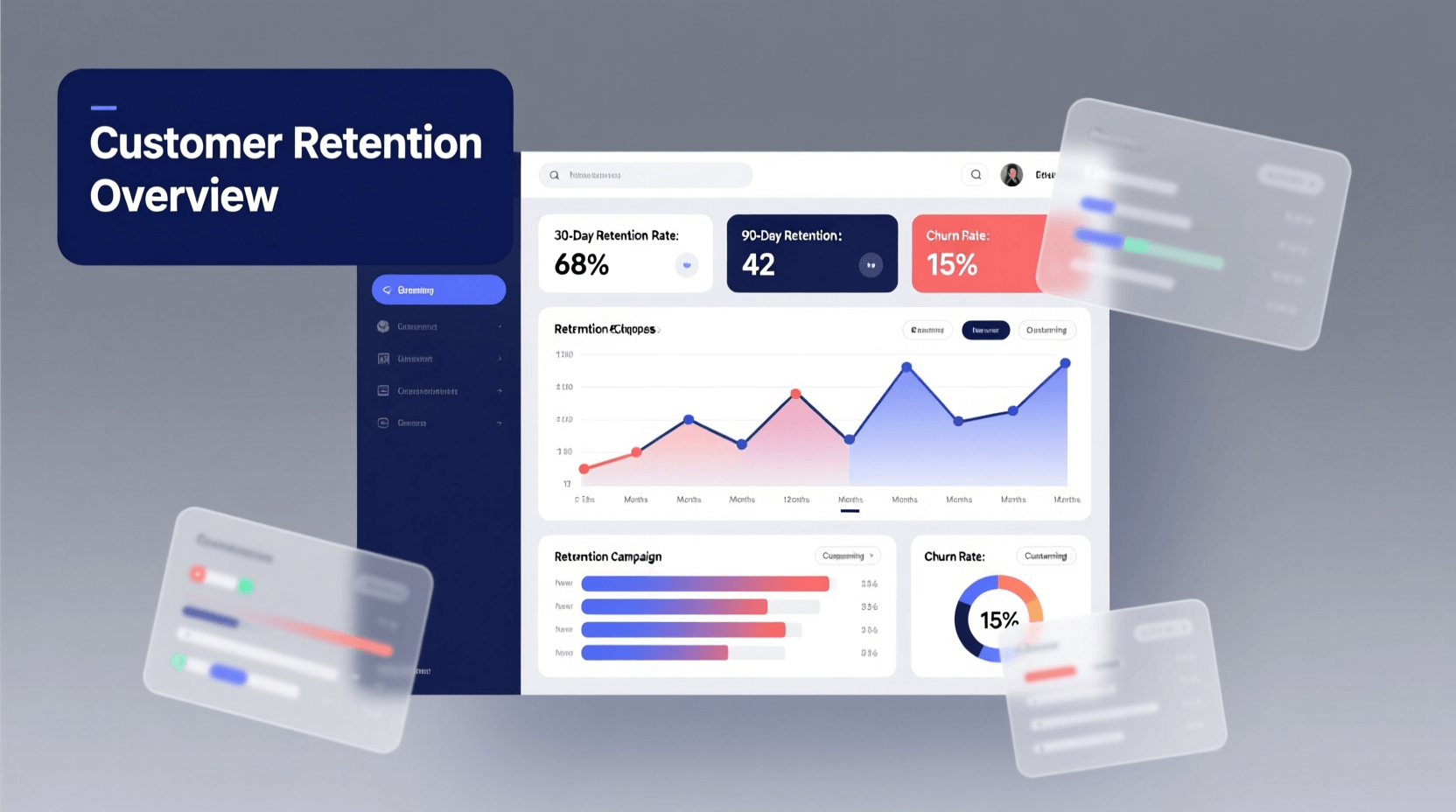
Table of Contents
- Understanding Email Marketing for Customer Retention
- Essential Email Sequences Every Store Needs
- Top Email Marketing Tools for Ecommerce
- Smart Segmentation Strategies
- Personalization That Converts
- Building Effective Automation Workflows
- Measuring Success and Optimization
- Best Practices That Drive Results
- Frequently Asked Questions
Email Marketing for Customer Retention
Email marketing for retention works differently than campaigns designed to attract new customers. You’re building on an existing relationship rather than starting from scratch. The person receiving your email already knows your brand, has experienced your product, and has formed an opinion about your business.
What makes email marketing so effective for retention? Studies indicate retention emails achieve 70.5% higher open rates and 152% higher click-through rates compared to standard promotional newsletters. These numbers reflect the fact that customers want to hear from brands they’ve purchased from, especially when the content adds value.
Customer retention emails serve several purposes. They remind shoppers about your brand when they’re ready to make another purchase. They provide helpful information about products customers already own. They offer exclusive deals that reward loyalty. Most importantly, they maintain an ongoing conversation that keeps your brand top-of-mind.
The financial impact speaks for itself. Increasing customer retention by just 5% can boost profits by 25% to 95%. This dramatic difference exists because returning customers typically spend more per order, require less marketing investment, and often refer friends and family.
Why Traditional Marketing Emails Fall Short
Many businesses send the same generic newsletters to everyone on their list. This approach misses opportunities because it treats all customers the same way. Someone who purchased yesterday has different needs than someone who bought six months ago. A customer who regularly buys from one category might not care about promotions in another.
Effective ecommerce email marketing recognizes these differences. It adapts based on customer behavior, purchase history, and engagement patterns. This targeted approach respects the customer’s time by delivering relevant content they actually want to receive.
Essential Email Sequences Every Store Needs
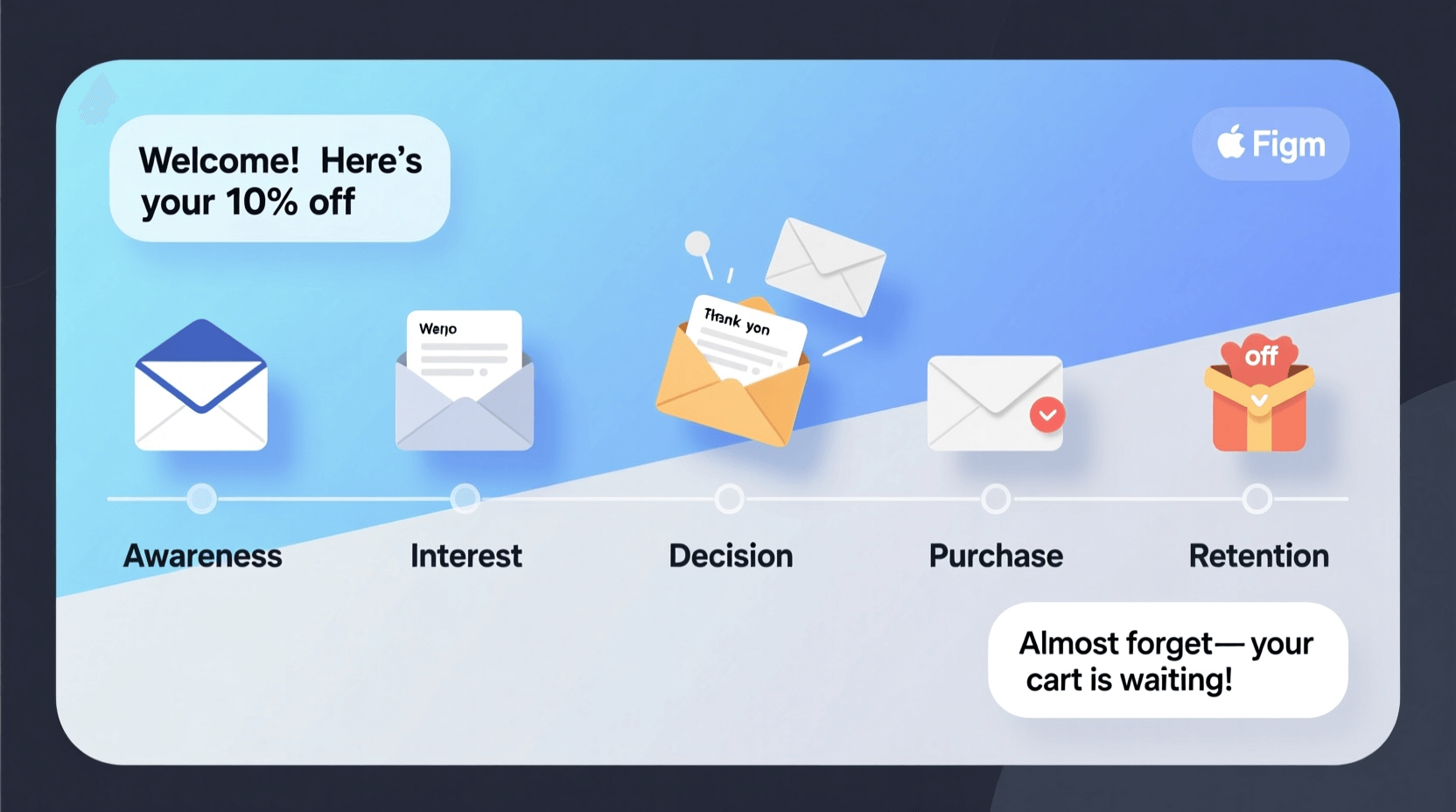
Building a solid email marketing foundation starts with several key automated sequences. These workflows run in the background, triggering at the right moments to guide customers through their journey with your brand.
Welcome Email Series
Your welcome sequence creates first impressions that stick. When someone subscribes to your list or creates an account, they’re most engaged with your brand. Research shows 74% of new subscribers expect a welcome email immediately after signing up.
A strong welcome series typically includes three to five emails spread over several days. The first email arrives within minutes, thanking subscribers and setting expectations for future communications. Follow-up emails introduce your brand story, showcase popular products, and often include a first-purchase discount to convert subscribers into buyers.
What goes into an effective welcome sequence:
- Immediate acknowledgment of subscription within 5-10 minutes
- Brand story and values that connect emotionally
- Best-selling products or customer favorites
- Exclusive welcome offer or discount code
- Social proof like reviews or customer testimonials
Abandoned Cart Recovery
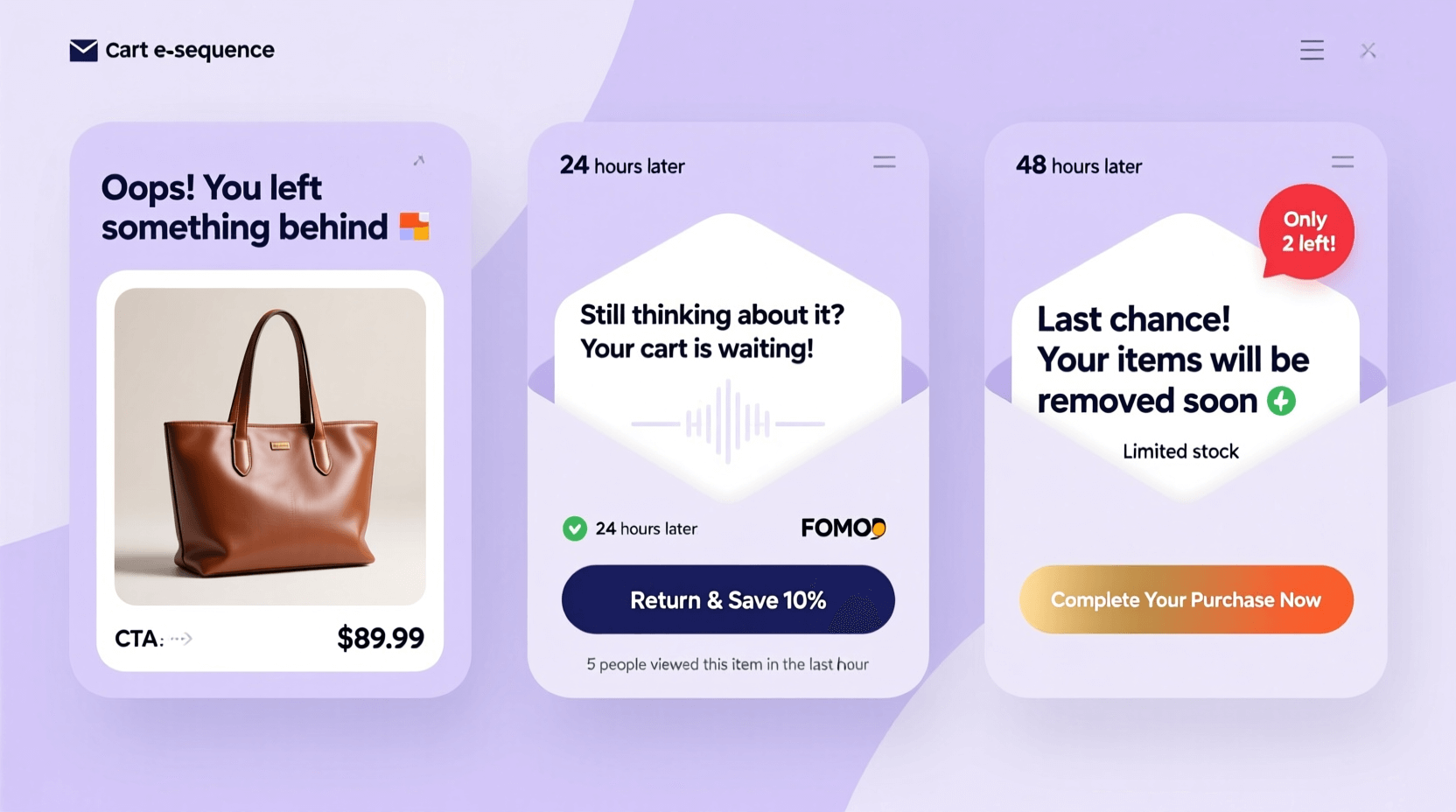
Shopping cart abandonment averages around 70% across ecommerce stores. That means seven out of ten people who add items to their cart leave without completing the purchase. Cart abandonment emails recover a significant portion of these potentially lost sales.
The timing matters. Most successful sequences send the first reminder within 30 minutes to an hour after abandonment, when the shopping session is still fresh in the customer’s mind. Subsequent emails follow at strategic intervals, typically 24 hours and 72 hours later.
Your cart recovery sequence should include:
- First email (30-60 minutes): Simple reminder showing the exact items left behind with direct checkout link
- Second email (24 hours): Address common objections with free shipping, easy returns, or customer service information
- Third email (72 hours): Final nudge with limited-time discount if the customer hasn’t returned
Post-Purchase Follow-Up
The relationship doesn’t end when someone buys from you. Post-purchase emails continue the conversation, confirm orders, provide tracking information, and set the stage for the next purchase. These transactional messages actually have some of the highest open rates because customers actively want this information.
Smart post-purchase sequences go beyond basic order confirmations. They include product care instructions, related product suggestions, and review requests. According to HubSpot research, 90% of customers are more likely to make repeat purchases from companies that offer excellent customer service, and proactive post-purchase communication demonstrates that service.
Win-Back Campaigns
Customers naturally drift away over time. Life gets busy, priorities change, or they simply forget about your brand. Win-back campaigns target inactive customers who haven’t purchased in a specific timeframe, typically 60-90 days depending on your product category.
These emails work best when they acknowledge the absence without sounding desperate. A friendly “We miss you” message combined with an exclusive offer performs better than aggressive “Last chance” language. Studies show dollars-off discounts convert twice as well as percentage-based offers in win-back campaigns.
Replenishment Reminders
For consumable products, replenishment emails arrive at just the right time to prompt reorders. If your typical customer uses a product within 30 days, a reminder at the 25-day mark catches them before they run out and potentially buy from a competitor.
These emails should make reordering effortless. Include a direct “Reorder” button that adds the previous purchase to their cart with one click. Consider offering a subscription option that automates future deliveries.
Top Email Marketing Tools for Ecommerce
Choosing the right email marketing platform significantly impacts your results. Different tools excel at different things, so the best choice depends on your specific needs, budget, and technical comfort level.
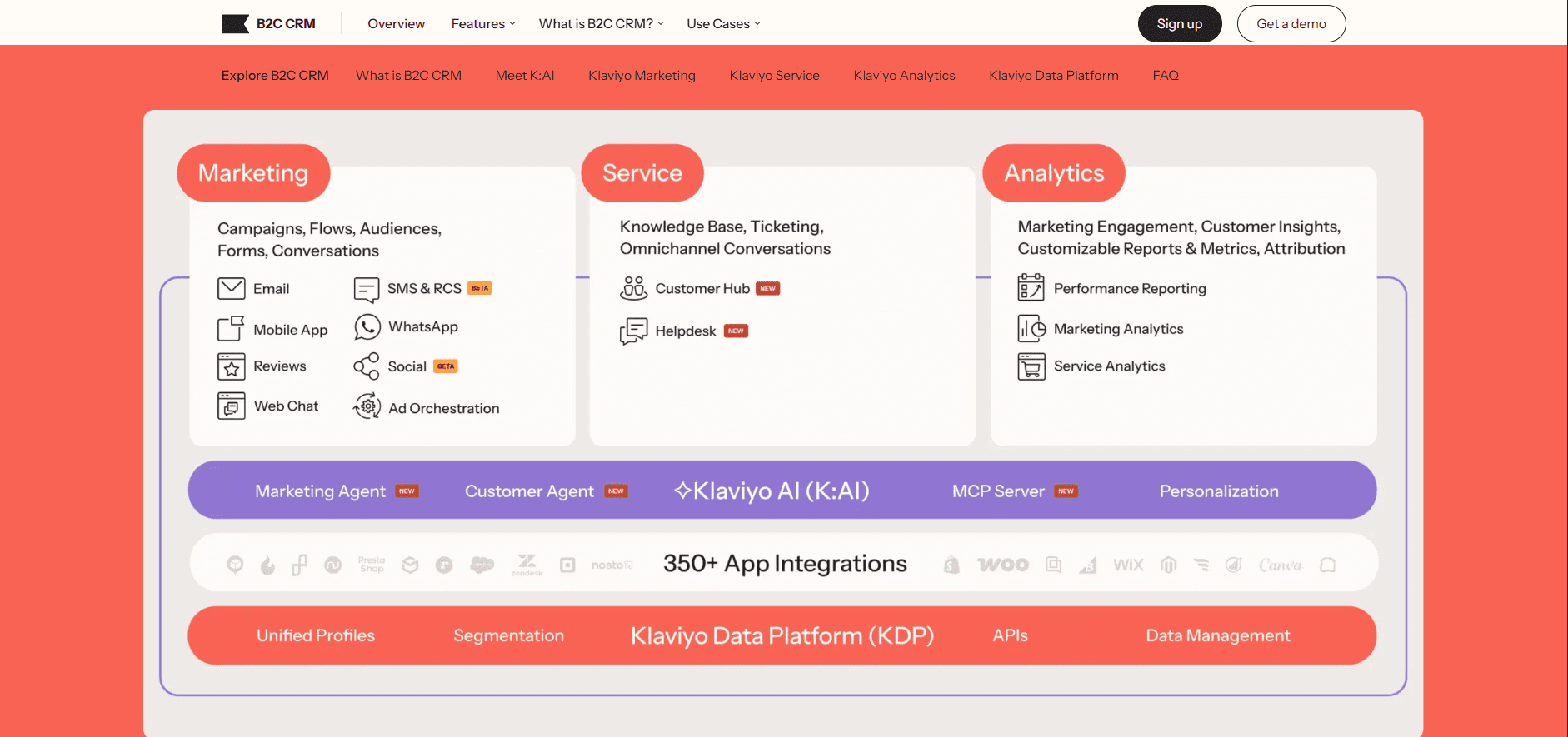
Klaviyo
Klaviyo dominates the ecommerce email marketing space for good reasons. Built specifically for online retailers, it offers deep integrations with Shopify, WooCommerce, BigCommerce, and other major platforms. Shopify store owners particularly appreciate how Klaviyo pulls purchase data to enable sophisticated segmentation and personalization.
Key features include:
- Advanced segmentation based on purchase history and browsing behavior
- Pre-built flows for common ecommerce scenarios
- Robust A/B testing capabilities
- Revenue attribution tracking showing exactly which emails drive sales
- Dynamic product recommendations
Klaviyo offers a free tier for up to 250 contacts, then charges based on your list size. While not the cheapest option, brands report generating 20-30% of their revenue from Klaviyo email campaigns.
The learning curve is steeper than simpler tools, but the capabilities justify the investment. Klaviyo scales effectively from startup to enterprise, meaning you won’t outgrow it as your business expands.
Omnisend
Omnisend specializes in combining email, SMS, and push notifications into coordinated campaigns. This omnichannel approach reaches customers on their preferred platforms. Recent testing shows Omnisend excels in reporting functionality, making it easy to track ROI across all channels.
What makes Omnisend stand out:
- Unified dashboard for email, SMS, and push notifications
- 350+ professionally designed email templates
- Visual automation builder that’s easier than Klaviyo
- Advanced audience segmentation tools
- Real-time revenue tracking
Omnisend’s free plan includes unlimited automation workflows and 500 emails per month, making it accessible for smaller stores. Paid plans start at $16 monthly and scale with your contact list size.
ActiveCampaign
ActiveCampaign brings CRM functionality alongside email marketing, creating a complete customer management system. EmailTooltester rated ActiveCampaign #1 in email deliverability with an 89.6% average inbox placement rate.
ActiveCampaign excels at complex automation sequences. The visual automation builder lets you create sophisticated workflows with multiple paths based on customer actions. Site tracking functionality captures detailed behavior data for precise segmentation.
Pricing starts at $29 monthly for 1,000 contacts. The platform offers more features than most ecommerce businesses need initially, but the room to grow makes it valuable for ambitious brands.
Mailchimp
Mailchimp remains popular thanks to its user-friendly interface and free starter plan. Small stores appreciate the straightforward setup process and template library. The drag-and-drop email builder requires no technical skills.
Mailchimp’s ecommerce features include abandoned cart emails, product recommendations, and purchase-based automation triggers. The free plan supports up to 500 contacts and 1,000 monthly sends, giving new businesses room to grow before needing a paid plan.
Limitations appear as your needs grow more sophisticated. Advanced segmentation and automation features require higher-tier plans. Many businesses eventually migrate to Klaviyo or Omnisend for more robust ecommerce capabilities.
MailerLite
MailerLite delivers solid email marketing features at prices below most competitors. The free plan includes automation, A/B testing, and up to 1,000 subscribers. Paid plans start at just $9 monthly with unlimited emails.
Despite the low price, MailerLite includes ecommerce integrations, product blocks in emails, and revenue tracking. The interface stays clean and intuitive, earning recognition for ease of use. Small ecommerce businesses find this combination of affordability and capability particularly attractive.
Choosing Your Emai Marketing Platform
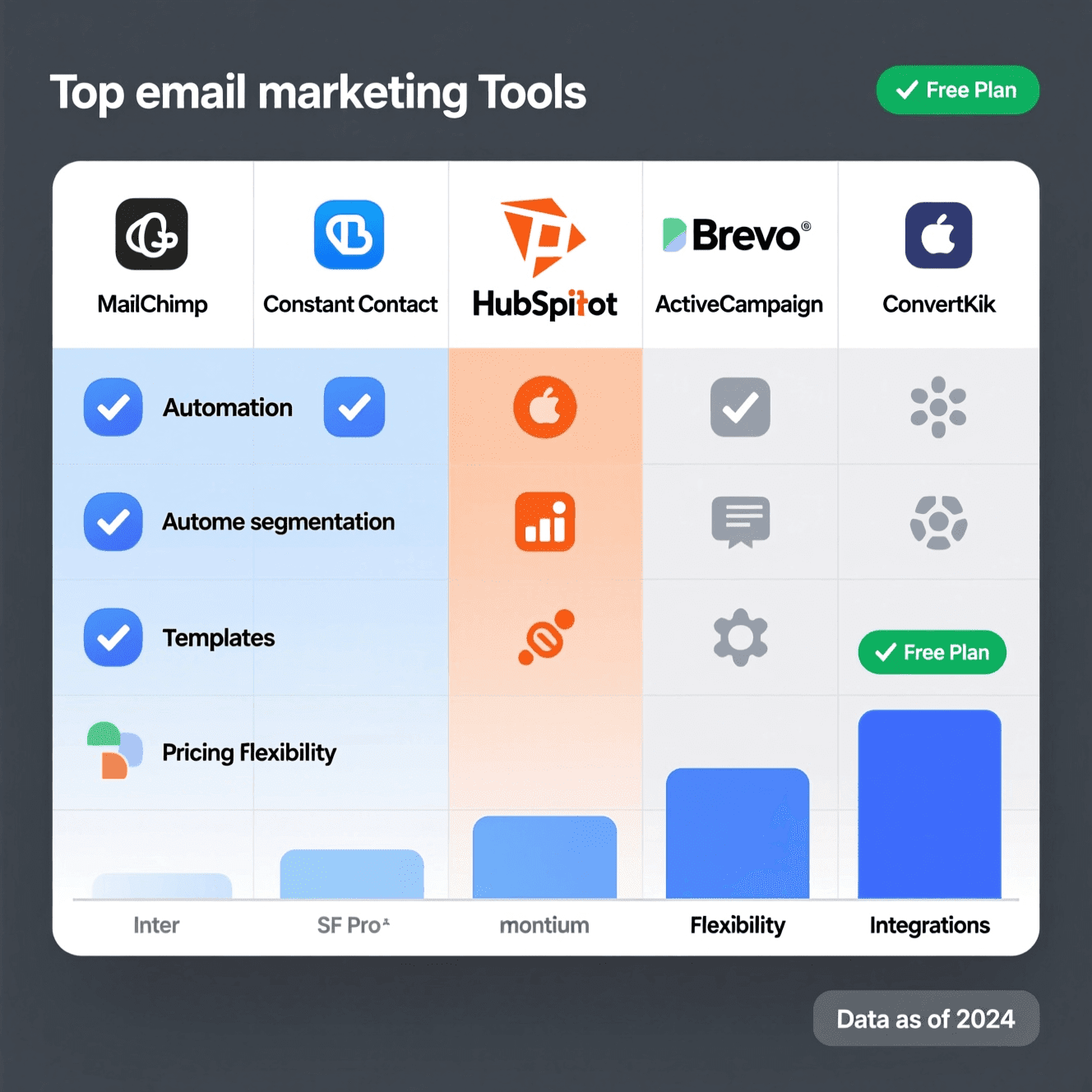
Consider these factors when selecting an email marketing tool:
| Factor | What to Consider |
|---|---|
| Budget | Free plans work for starting out; expect $30-100 monthly as you grow |
| Ecommerce Platform | Ensure native integration with Shopify, WooCommerce, etc. |
| List Size | Most tools charge based on subscribers; project your growth |
| Technical Skill | Beginners benefit from simpler tools; experienced users want advanced features |
| Scalability | Choose a platform you won’t quickly outgrow |
Smart Segmentation Strategies
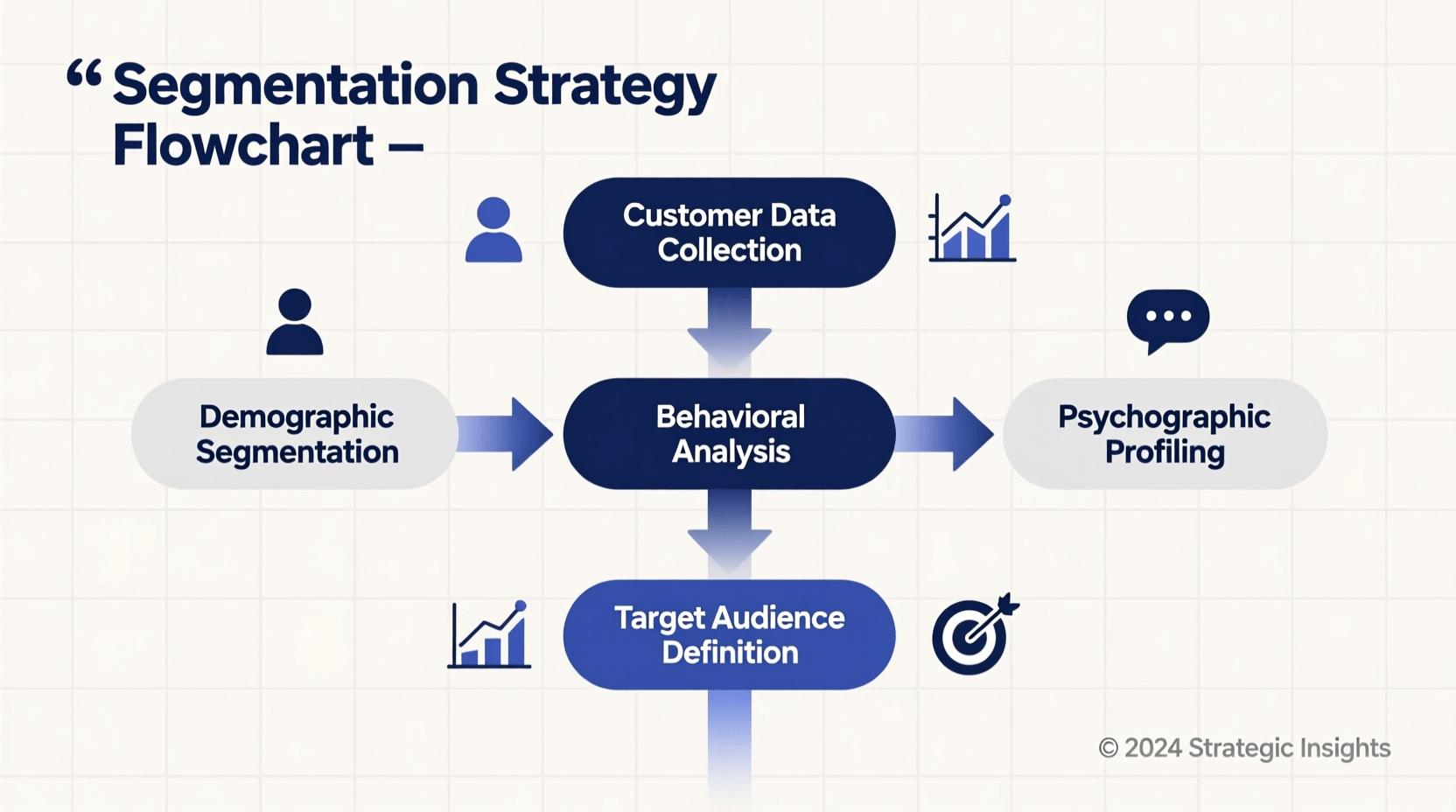
Sending the same email to everyone on your list wastes opportunities. Segmentation divides your audience into groups based on shared characteristics, allowing you to tailor content that resonates with each segment.
Purchase-Based Segmentation
Group customers by what they’ve bought, how much they’ve spent, and when they last purchased. This creates obvious opportunities for relevant messaging. Someone who bought winter coats should receive different emails than someone who bought swimwear.
Common purchase-based segments include:
- New customers (first purchase within 30 days)
- Repeat customers (2+ purchases)
- VIP customers (spending above average)
- At-risk customers (haven’t purchased in 90+ days)
- Category-specific buyers
Behavior-Based Segmentation
Customer actions tell you what they’re interested in. Someone who visits your site weekly but hasn’t purchased shows different intent than someone who bought once and never returned. Marketing experts recommend segmenting based on behavior for more targeted messages.
Track these behaviors for segmentation:
- Email engagement (opens, clicks, ignores)
- Website browsing patterns
- Cart additions without purchase
- Product page views
- Time since last visit
RFM Analysis
RFM stands for Recency, Frequency, and Monetary value. This framework scores customers on three dimensions to identify your most valuable segments. Klaviyo research shows RFM analysis helps brands prioritize marketing efforts toward customers most likely to respond.
How RFM scoring works:
- Recency: How recently did they purchase? (Recent buyers are more likely to buy again)
- Frequency: How often do they purchase? (Frequent buyers have higher lifetime value)
- Monetary: How much do they spend? (High spenders deserve VIP treatment)
Each dimension receives a score from 1-3, creating customer profiles like 3-3-3 (your best customers) or 1-1-1 (needs immediate attention). This guides how aggressively to market and what offers to present.
Demographic Segmentation
Basic demographic information creates useful segments when relevant to your products. Age, gender, and location can inform timing, product selection, and messaging tone. A winter gear promotion makes sense for customers in cold climates but not for those in tropical regions.
Email Personalization That Converts
Personalized emails generate significantly better results than generic blasts. Studies show personalized emails achieve 29% better open rates and 10% better conversion rates compared to non-personalized versions.
Beyond First Names
Including someone’s first name in the subject line represents basic personalization. Effective personalization goes much deeper, using customer data to make emails feel custom-created for each recipient.
Advanced personalization tactics include:
- Product recommendations based on purchase history
- Location-specific content and offers
- Browsing behavior triggers
- Anniversary and milestone celebrations
- Preference-based content selection
Dynamic Content Blocks
Dynamic content changes within emails based on who’s viewing them. One customer sees recommended products based on their browsing history while another sees items related to their past purchases, all within the same email template.
This approach maintains efficiency while delivering personalized experiences. You create one email that automatically adapts rather than building dozens of variations.
Behavioral Triggers
Trigger-based emails respond to specific customer actions in real-time. When someone views a product page three times without buying, send a targeted email highlighting that product. When they purchase, follow up with complementary product suggestions.
These timely, relevant messages feel like helpful nudges rather than random marketing. The context makes them more welcome and effective.
Building Effective Email Automation Workflows
Email automation eliminates manual work while ensuring customers receive the right message at the right time. Modern email platforms make building these workflows surprisingly straightforward.
Setting Up Your First Automation
Start with high-impact workflows that require minimal setup. Most email platforms include pre-built templates for common scenarios like welcome sequences and cart abandonment.
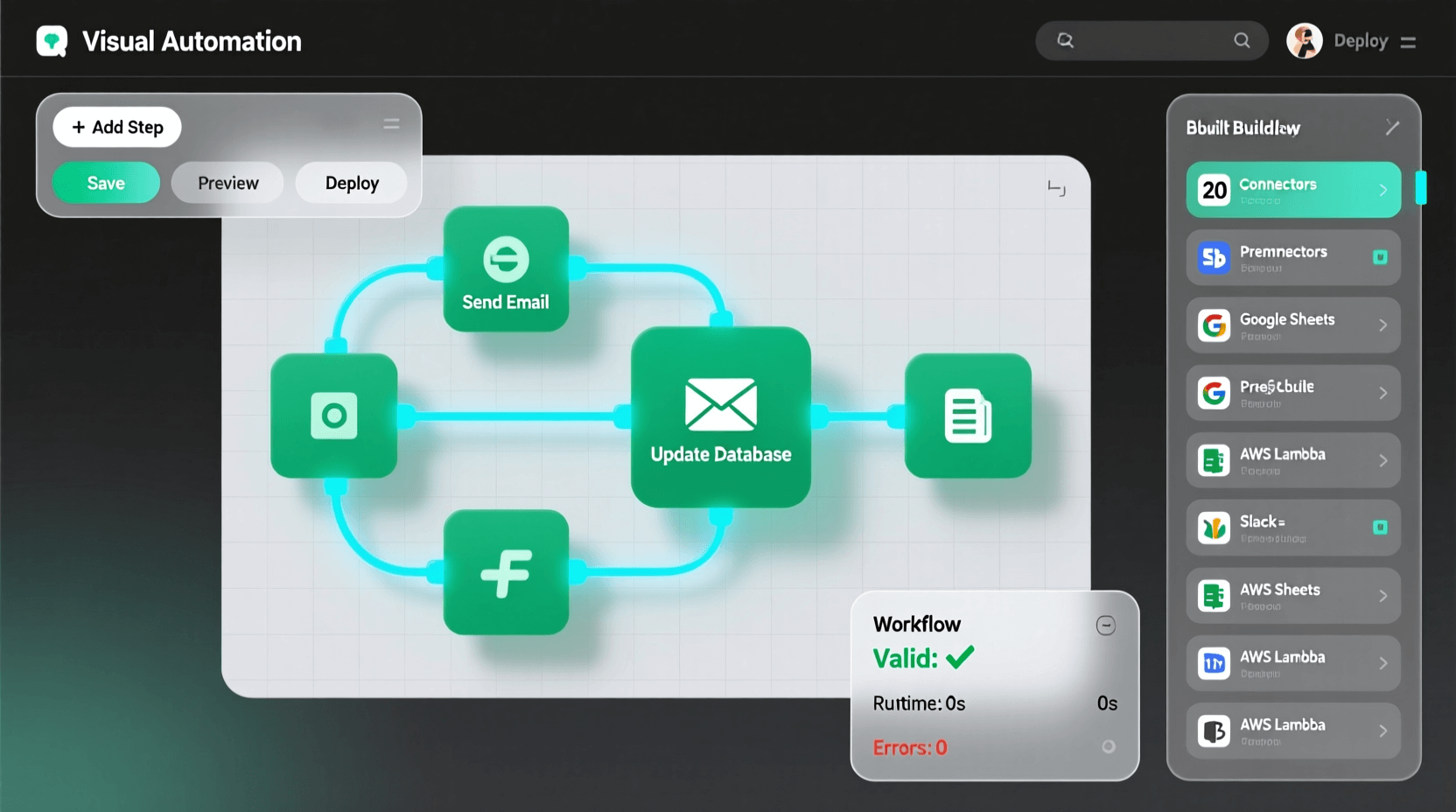
The basic workflow structure includes:
- Trigger: The event that starts the sequence (subscription, purchase, cart abandonment)
- Delay: Time wait before sending the next email
- Conditions: Rules that determine who receives which messages
- Actions: The emails sent or other steps taken
For example, a welcome workflow might trigger when someone subscribes, wait 1 hour, then send the first email. If they don’t open within 3 days, send a follow-up with a different subject line. If they do open, send the next email in the series after 2 days.
Common Automation Triggers
Understanding available triggers helps you build relevant automations. Most ecommerce platforms support these trigger types:
- Subscription to email list
- Account creation
- First purchase
- Repeat purchase
- Cart abandonment
- Browse abandonment
- Product view
- Category interest
- Specific date (birthday, anniversary)
- Inactivity period
Workflow Best Practices
Follow these guidelines to create automations that perform well:
Test everything before activating. Click through every link, check that personalization fields populate correctly, and verify images display properly on mobile devices. Small mistakes multiply across hundreds of automated sends.
Build in exit conditions. If someone makes a purchase, they should exit the abandoned cart sequence. If they unsubscribe, all automations should stop. These safeguards prevent annoying customers with irrelevant messages.
Monitor performance regularly. Check analytics weekly to identify underperforming emails. Look at open rates, click rates, conversion rates, and revenue generated. Marketing automation experts recommend continuous optimization rather than set-and-forget approaches.
Keep sequences concise. Three to five emails typically perform better than longer sequences that risk overwhelming customers. Each email should have a clear purpose and strong call-to-action.
Time delays appropriately. Space emails far enough apart to avoid inbox fatigue but close enough to maintain momentum. For welcome sequences, 2-3 days between emails works well. For cart abandonment, send the first reminder within an hour.
Measuring Email Marketing Success and Optimization
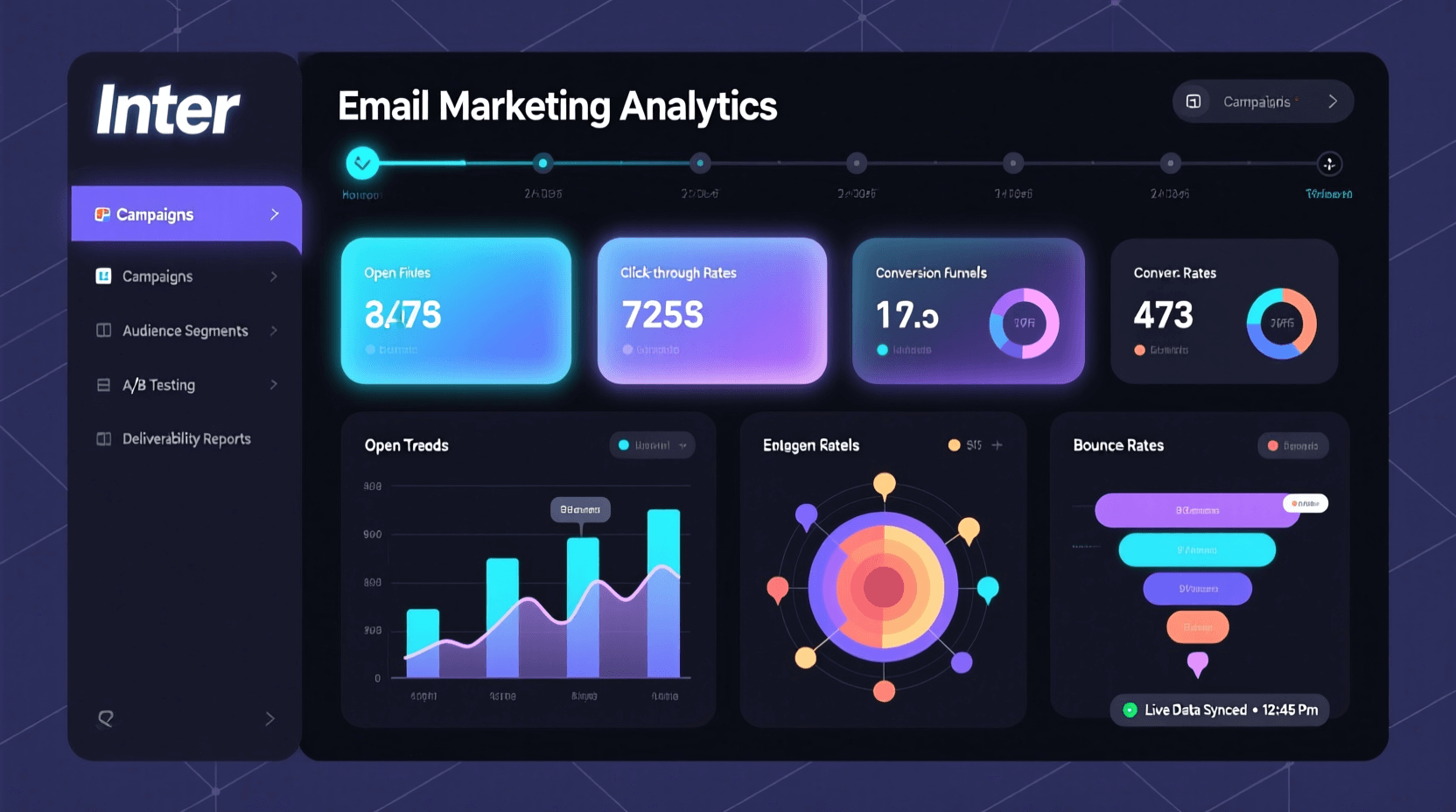
Tracking the right metrics shows what’s working and where to focus improvement efforts. Email marketing platforms provide extensive analytics, but not all numbers matter equally.
Essential Email Metrics
Open Rate measures what percentage of recipients open your emails. Industry averages hover around 15-25% for ecommerce. Higher open rates indicate compelling subject lines and strong sender reputation. Lower rates suggest testing different subject lines or sending times.
Click-Through Rate (CTR) shows the percentage of recipients who click links in your emails. This metric reveals whether your content resonates and your calls-to-action compel action. Ecommerce emails typically see 2-5% click rates.
Conversion Rate tracks the percentage of email recipients who complete a desired action, usually making a purchase. This metric directly connects email efforts to revenue. Strong conversion rates range from 1-5% depending on email type and audience segment.
Revenue Per Email divides total revenue generated by emails sent. This metric helps compare campaign performance and calculate ROI. Automated sequences typically generate higher revenue per email than broadcast campaigns.
Unsubscribe Rate indicates what percentage of recipients opt out after receiving an email. While some unsubscribes are natural, rates above 0.5% suggest problems with frequency, relevance, or content quality.
A/B Testing for Optimization
Testing different elements systematically improves performance over time. Successful ecommerce brands regularly test subject lines, preview text, email content, calls-to-action, send times, and sender names.
Effective A/B testing follows these principles:
- Test one variable at a time for clear results
- Use large enough sample sizes for statistical significance
- Run tests long enough to capture behavioral patterns
- Document results and apply learnings to future campaigns
- Continuously test rather than assuming past winners remain optimal
Common elements worth testing include:
- Subject lines (length, emojis, personalization, questions vs. statements)
- Preview text that appears in inbox listings
- Sender name (brand name, founder name, team name)
- Email content structure and length
- Call-to-action button color, size, and text
- Send time and day of week
- Image vs. text-heavy layouts
Revenue Attribution
Understanding which emails generate sales justifies your email marketing investment. Most ecommerce email platforms track revenue attribution automatically when integrated with your store.
Look beyond last-click attribution. Customers often interact with multiple emails before purchasing. First-click, last-click, and multi-touch attribution models each tell different parts of the story. Platforms like Klaviyo show comprehensive attribution across the customer journey.
Best Practices for Email Marketing
Certain practices consistently improve email marketing performance across different businesses and industries.
Send Frequency
Finding the right email frequency balances staying top-of-mind against annoying subscribers. Most ecommerce brands succeed with 2-4 marketing emails per week plus automated sequences.
Let customers control frequency when possible. Preference centers allow subscribers to choose weekly digests instead of daily emails, or select only certain content types. This autonomy reduces unsubscribes while maintaining engagement.
Mobile Optimization
More than 50% of emails are opened on mobile devices. Your emails must look good and function properly on small screens. Use responsive design templates that adapt to different screen sizes. Keep subject lines under 40 characters so they don’t truncate. Make buttons large enough to tap easily.
Test on actual mobile devices, not just preview tools. iPhone, Android, and various email clients render designs differently.
Subject Line Strategies
Subject lines determine whether emails get opened. Keep them concise, clear, and compelling. Create curiosity without being clickbaity. Use personalization when relevant but don’t overdo it.
Winning subject line approaches include:
- Urgency without fake scarcity (“24 hours left” only when true)
- Benefit-focused messaging (“Save 25% on your favorite products”)
- Personalized recommendations (“Based on your recent purchase…”)
- Questions that spark curiosity (“Ready for something new?”)
- Emojis used sparingly for visual interest
Content Quality
Every email should provide value, whether through exclusive deals, helpful information, or entertaining content. Customers ignore or unsubscribe from emails that feel like spam.
Strong email content includes:
- Clear, scannable formatting with short paragraphs
- High-quality product images
- Compelling copy focused on customer benefits
- Single clear call-to-action (multiple CTAs confuse)
- Social proof like reviews and testimonials
Deliverability Best Practices
Emails can’t convert if they land in spam folders. Maintain strong deliverability by following these guidelines:
- Use double opt-in to ensure subscribers want your emails
- Regularly clean your list by removing inactive subscribers
- Authenticate your domain with SPF, DKIM, and DMARC records
- Avoid spam trigger words and excessive punctuation
- Make unsubscribing easy to reduce spam complaints
- Monitor your sender reputation score
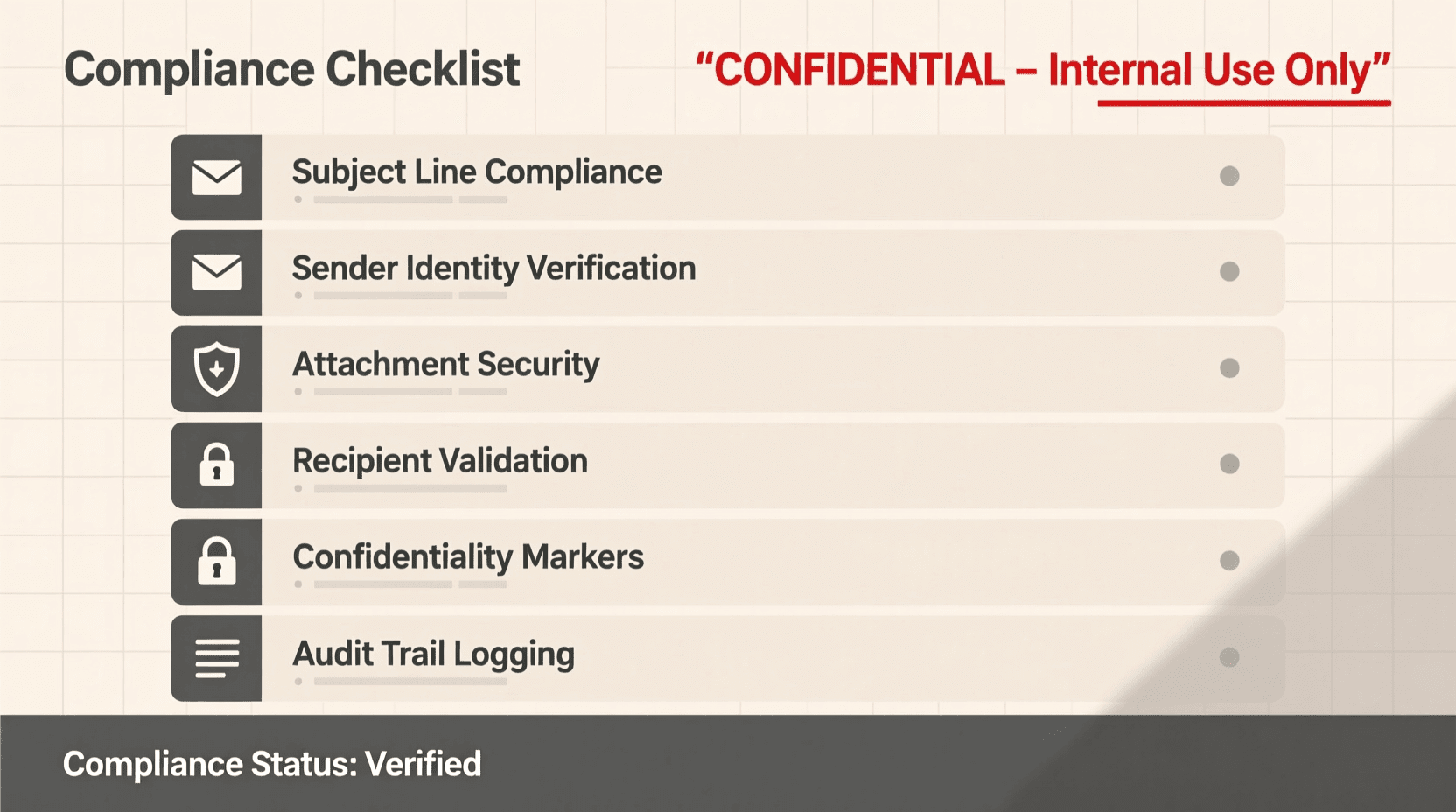
Privacy and Compliance
Email marketing must comply with regulations like GDPR, CAN-SPAM, and CASL. These laws protect consumer privacy and establish rules for commercial email.
Key compliance requirements include:
- Clear opt-in consent before sending marketing emails
- Easy-to-find unsubscribe links in every email
- Accurate sender information and physical address
- Honest subject lines that reflect email content
- Prompt processing of unsubscribe requests
Frequently Asked Questions
How often should I send marketing emails to customers?
Most ecommerce businesses perform well with 2-4 marketing emails per week plus automated sequences triggered by customer actions. The optimal frequency depends on your industry, product category, and customer preferences. Monitor unsubscribe rates and engagement metrics to find your sweet spot. If engagement drops or unsubscribes spike, reduce frequency.
What’s the best time to send ecommerce emails?
Email send times vary by audience, but general patterns emerge. Tuesday through Thursday mornings (9-11 AM) typically perform well for B2C ecommerce. Weekend mornings can work for certain products. Test different send times with your specific audience rather than assuming industry averages apply. Your customers’ behaviors may differ from general trends.
How long should automated email sequences be?
Most effective sequences include 3-5 emails. Welcome sequences might include a welcome message, brand story, best-sellers showcase, and exclusive offer. Cart abandonment typically uses three reminders spread over 72 hours. Longer sequences risk overwhelming customers while shorter ones may not fully nurture the relationship. Focus on quality over quantity.
Should I offer discounts in every retention email?
No. While discounts work well for specific campaigns like cart abandonment or win-back sequences, overusing them trains customers to wait for deals before buying. Balance promotional emails with value-driven content like product care tips, customer stories, and helpful information. This approach maintains profitability while keeping customers engaged.
How do I grow my email list without buying contacts?
Build your list organically through website signup forms, checkout opt-ins, social media promotions, and lead magnets like discount codes or free guides. Make the value proposition clear with what subscribers will receive. Never purchase email lists as they produce poor results, damage sender reputation, and often violate privacy regulations.
What’s the difference between email marketing and marketing automation?
Email marketing encompasses all communications sent via email. Marketing automation refers specifically to emails triggered by customer behaviors or conditions rather than manually scheduled campaigns. Automation allows for personalized, timely messaging at scale. Most successful ecommerce email strategies combine both broadcast campaigns and automated sequences.
Which email marketing platform is best for Shopify stores?
Klaviyo and Omnisend lead for Shopify integration. Klaviyo offers more advanced segmentation and analytics, making it ideal for growing stores willing to invest time learning the platform. Omnisend provides easier setup and lower starting costs, working well for smaller stores or those wanting multi-channel capabilities. Both integrate natively with Shopify, pulling customer data automatically.
How can I reduce email unsubscribe rates?
Reduce unsubscribes by sending relevant, valuable content at appropriate frequencies. Segment your audience to ensure messages match interests. Give subscribers control through preference centers where they can choose email frequency and content types. Always make it easy to unsubscribe rather than frustrating people into marking messages as spam.
What subject line length works best?
Keep subject lines under 50 characters to avoid truncation on mobile devices, where most emails are opened. The most important words should appear in the first 30 characters. Test different lengths with your audience, as optimal length varies by industry and customer behavior patterns.
How important is mobile optimization for email marketing?
Extremely important. Over half of all emails are opened on mobile devices. If your emails don’t display properly on smartphones, you’re losing conversions. Use responsive email templates, large tappable buttons, and concise content that works on small screens. Always test emails on actual mobile devices before sending.
Should I use emojis in subject lines?
Emojis can increase open rates when used appropriately and sparingly. They add visual interest in crowded inboxes and can convey emotion or urgency. However, overuse appears unprofessional and some audiences respond better to emoji-free subject lines. Test with your specific audience to see what works best.
How do I measure email marketing ROI?
Calculate ROI by dividing revenue generated by email campaigns by your total email marketing costs (platform fees, design costs, time investment). Most email platforms track revenue attribution automatically when integrated with your ecommerce store. Look at both direct revenue and assisted conversions where email played a role in the customer journey.
Email marketing continues evolving but remains one of the most reliable channels for customer retention. By implementing these strategies, choosing the right tools, and continuously optimizing based on data, you can build an email program that turns occasional buyers into loyal brand advocates. Start with the fundamentals like welcome sequences and cart abandonment, then expand into more sophisticated personalization and segmentation as you grow.