Search is changing fast, If you still think Google is the only place people look for answers, you’re missing out on a huge shift happening right now. In 2026, AI-powered search engines like ChatGPT, Perplexity, and Google’s AI Overviews are changing how people find information online.
Here’s what’s happening: Gartner predicts traditional search will drop 25% by 2026 as people move to AI chatbots and virtual agents. That means one in four searches that used to go to Google will now happen somewhere else. ChatGPT alone processes 400 million people every week.
This shift creates three new ways you need to think about being found online: SEO (the traditional way), GEO (getting cited by AI engines), and AEO (appearing in direct answer boxes). Each one works differently, and you need tools that understand all three.
This guide breaks down 25 AI tools that actually help you show up across these platforms. No fluff, just what works in 2026.
Table of Contents
- What Are SEO, GEO, and AEO?
- Why These Three Matter in 2026
- 25 Best AI Tools for SEO, GEO, and AEO
- How to Choose the Right Tool for Your Business
- What’s Coming Next in AI Search
- Getting Started: First Steps with AI Tools
- Frequently Asked Questions
- Key Takeaways
What Are SEO, GEO, and AEO?
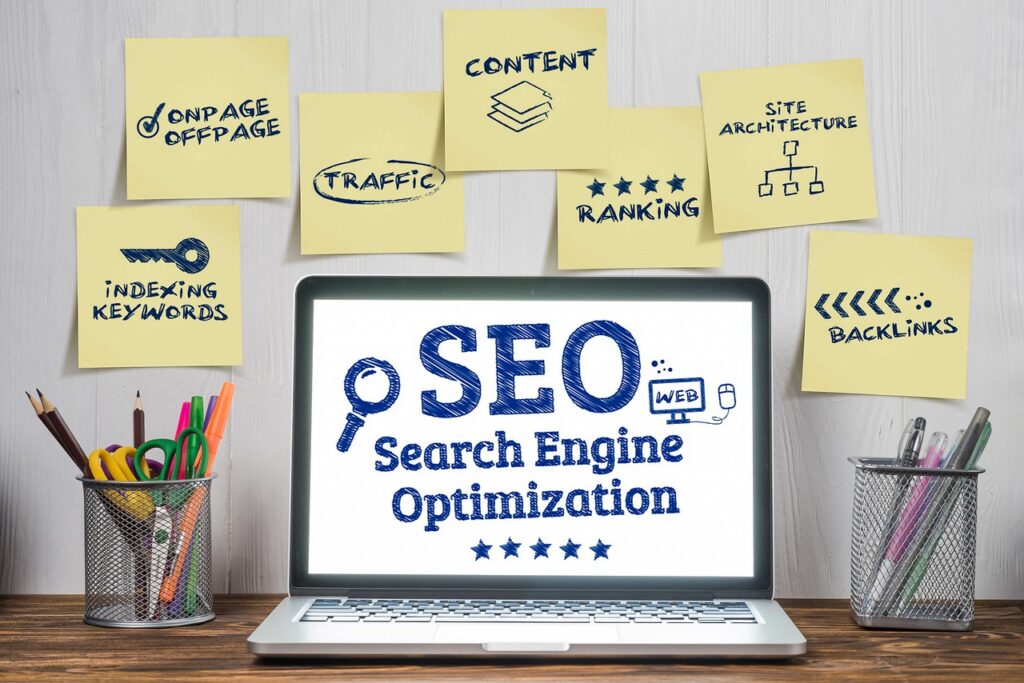
Before we get into the tools, let’s clear up what these three terms mean and why they’re different.
SEO: Search Engine Optimization
SEO is the classic approach to getting your website ranked on Google, Bing, and other search engines. You optimize your content with keywords, build backlinks, and improve your site’s technical performance. The goal is simple: show up higher in search results so more people click through to your website.
SEO focuses on rankings, keywords, and driving traffic to your site. It’s been the foundation of digital marketing for over two decades, and it still matters in 2026.
GEO: Generative Engine Optimization
GEO is the newest player in the game. It stands for Generative Engine Optimization, and it’s all about getting your brand mentioned when AI systems like ChatGPT, Claude, or Perplexity generate answers.
When someone asks ChatGPT “What’s the best project management tool?” the AI doesn’t show a list of links. It creates a response that mentions specific brands and explains why they’re good. GEO is about making sure your brand gets cited in those AI-generated answers.
Research from Princeton University shows that GEO strategies can boost visibility by up to 40% in generative engine responses. That’s a huge deal when millions of people are asking AI for recommendations.
AEO: Answer Engine Optimization
AEO sits somewhere between SEO and GEO. It focuses on getting your content featured in answer boxes, featured snippets, and voice search results. When you ask Google a question and see an answer at the top of the page (above all the regular results), that’s what AEO targets.
AEO also covers voice assistants like Siri, Alexa, and Google Assistant. When these devices read answers out loud, they’re pulling from optimized content that follows AEO principles.
How They Work Together
Here’s the key point: you need all three. SEO gets you ranked, AEO puts you in answer boxes, and GEO makes sure AI engines cite you. They complement each other rather than compete.
Think of it this way:
- SEO = Being in the phone book
- AEO = Being the quick answer someone gets
- GEO = Being the brand AI recommends
Why These Three Matter in 2026
You might be wondering: why do I need to worry about all this now? Here’s the reality of what’s happening in 2026.
The Numbers Don’t Lie
According to recent data, 27% of U.S. consumers now use chatbots over traditional search engines. That number was basically zero three years ago. And Semrush found that 13.14% of queries triggered AI Overviews in March 2025, up from 6.49% in January 2025. That’s doubling every few months.
Traffic from large language models (LLMs) is expected to overtake traditional organic search by early 2028. If you’re not preparing now, you’ll be playing catch-up when it’s already too late.
Users Search Differently Now
People under 44 use an average of five different platforms to search. They’re checking TikTok, asking ChatGPT, reading Reddit threads, watching YouTube tutorials, and yes, still using Google sometimes. Your content needs to show up across all these channels.
Voice search has exploded too. People ask full questions instead of typing keywords. “What’s the best budget laptop for college students under $500?” instead of “budget laptop college.” This conversational style needs different optimization.
Zero-Click Searches Are Taking Over
Over 60% of searches now end without a click. That means people get their answer directly from the search result or AI response without ever visiting a website. If you’re only optimized for clicks, you’re missing most of your potential audience.
This is where GEO and AEO become critical. You need to be the source that gets cited even when people don’t click through.
Early Movers Win Big
Here’s the important part: the companies that start optimizing for AI search now are building advantages that compound over time. Industry analysts project that by mid-2026, dominant positions will have solidified around brands that implemented comprehensive GEO strategies during 2024-2025.
If you wait another year, you’ll be fighting established players who already have authority signals built up across AI platforms.

25 Best AI Tools for SEO, GEO, and AEO
Now let’s get into the actual tools. Each one brings something different to the table, and you’ll likely need a combination depending on your goals and budget.
1. AI Free Forever – Free AI Tools Suite
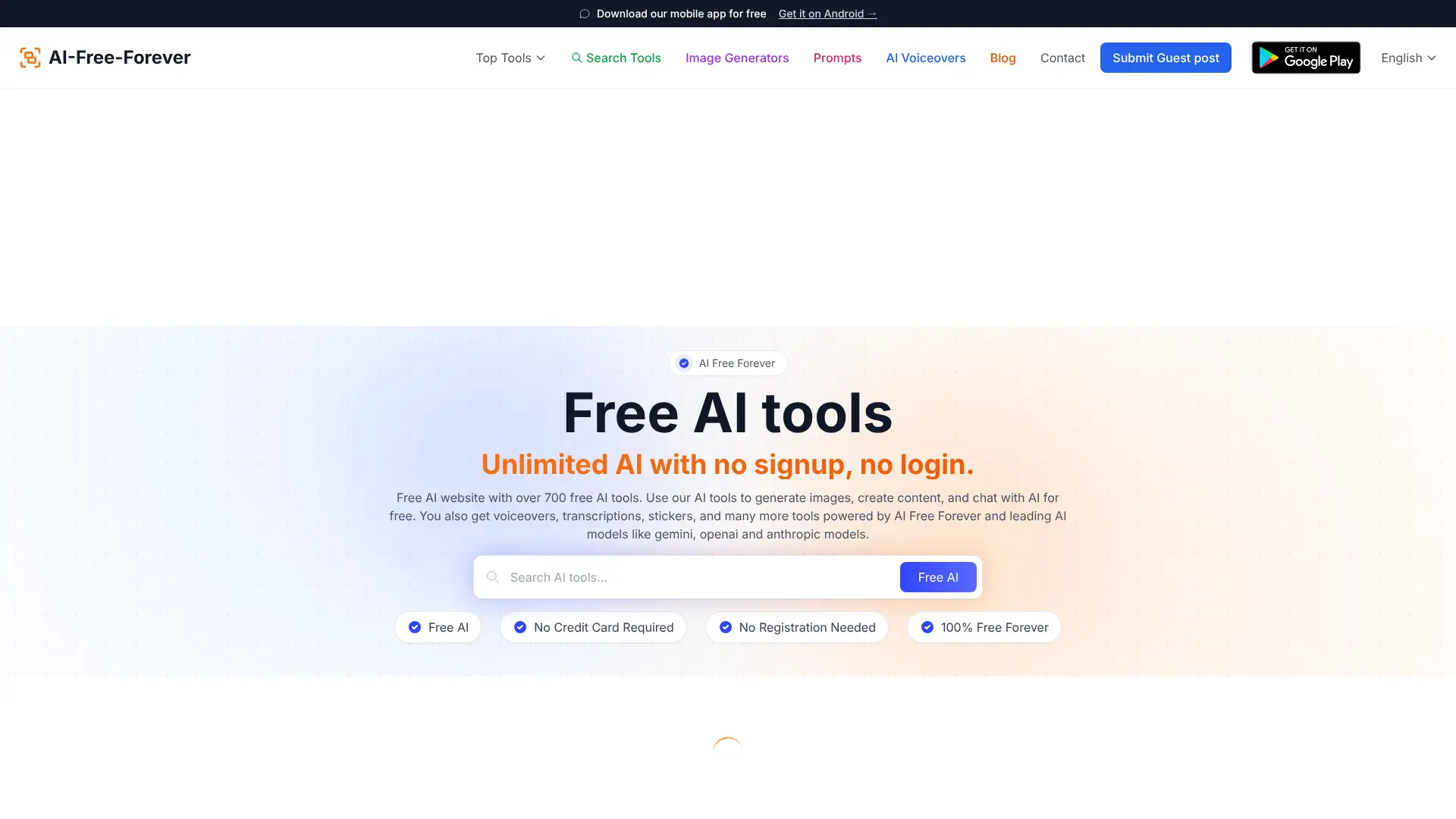
Before we talk about paid tools, let’s start with AI Free Forever. This platform offers a wide range of free AI tools that help with content creation, which is the foundation of any SEO, GEO, or AEO strategy.
The platform includes tools like an AI answer generator, content topics generator, and various writing assistants that help you create the kind of content AI engines love to cite.
What makes it useful: You get access to multiple AI tools without paying monthly fees. This is perfect if you’re just starting out or testing different content strategies. The AI prompt generator helps you craft better queries, while the article rewriter lets you refresh old content.
Pricing: Free
Who should use it: Small businesses, bloggers, and startups who need quality AI tools without budget constraints.
2. Semrush – All-in-One SEO Platform
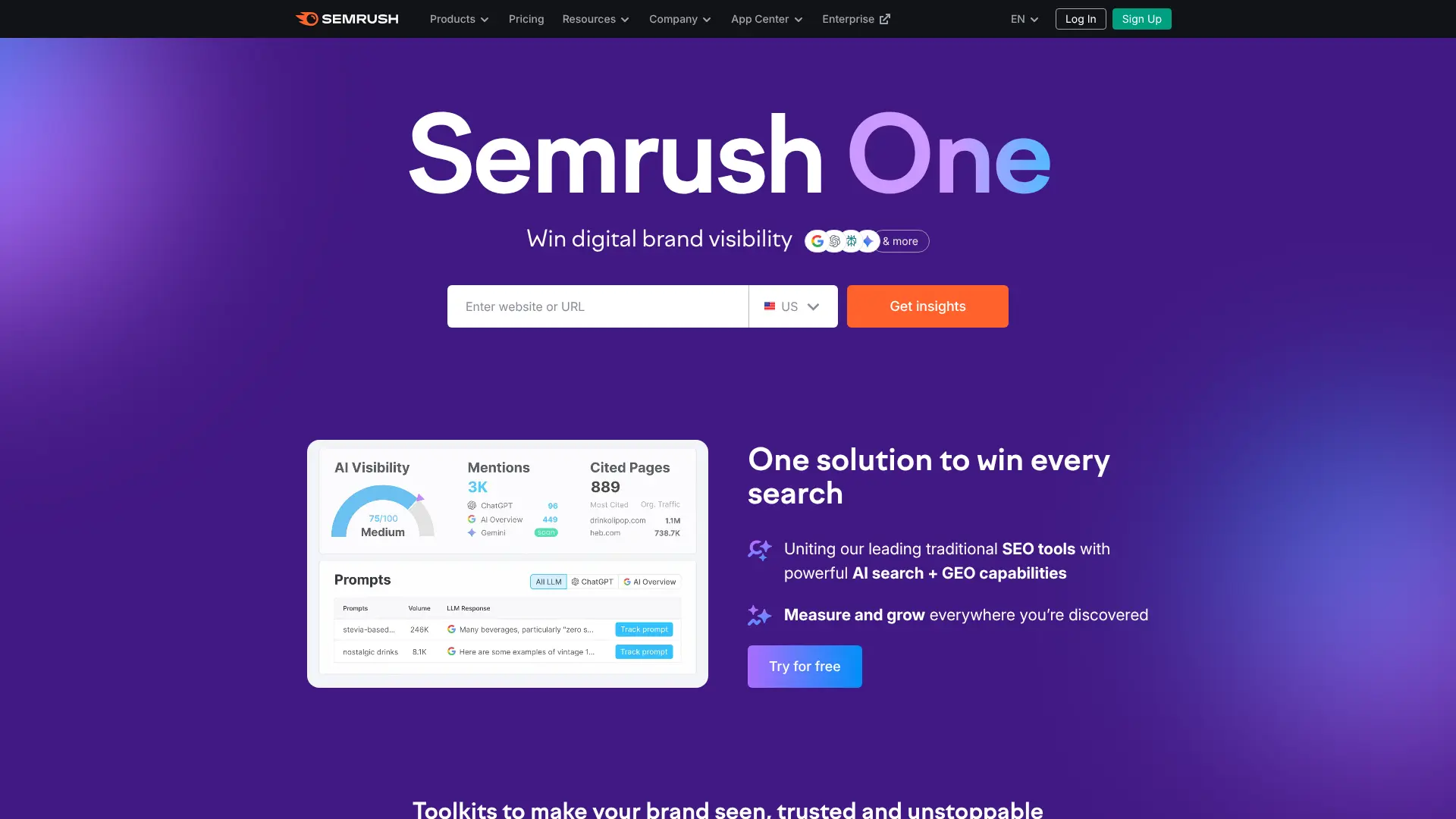
Semrush has been a leader in SEO tools for years, and in 2026, they’ve added comprehensive AI visibility tracking. Their new AI SEO Toolkit monitors how your brand appears across ChatGPT, Perplexity, Google AI Overviews, and other generative engines.
Key features: The platform combines traditional SEO data with AI visibility analysis. You can track your “AI share of voice,” see which competitors appear in AI responses, and get recommendations for improving your content’s discoverability.
The Keyword Magic Tool helps you find over 25 billion keywords, while the On-Page SEO Checker analyzes your content against top-ranking pages. The AI SEO Toolkit adds visibility tracking across major LLMs.
Pricing: SEO Toolkit starts at $139.95/month. AI SEO Toolkit is an additional $99/month per domain. Semrush One bundles both starting at $165/month.
Who should use it: Marketing teams, agencies, and businesses that need comprehensive data across both traditional and AI search.
3. Surfer SEO – Content Optimization Tool
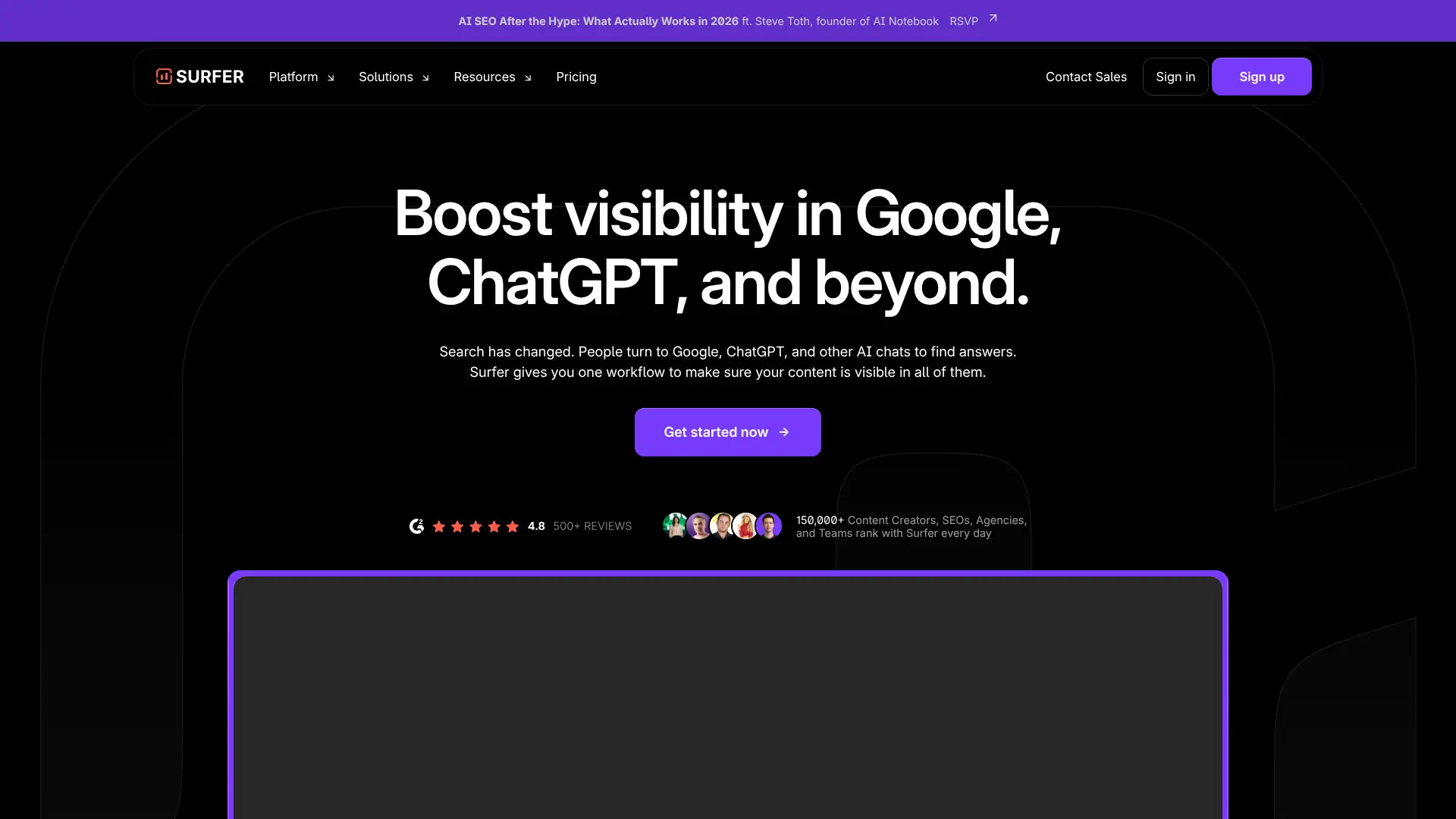
Surfer SEO specializes in on-page optimization. It analyzes top-ranking pages for your target keywords and gives you specific recommendations for headings, keywords, and content structure.
Key features: The Content Editor compares your draft to competitors in real-time and suggests improvements. Surfer AI can generate optimized articles, while the Content Audit tool helps you identify which existing pages need updates.
The Topical Map feature helps you build content clusters, which is important for establishing topical authority (something AI engines value highly).
Pricing: Starts at $99/month for 30 content optimizations and 5 AI articles.
Who should use it: Content writers, SEO specialists, and anyone publishing regular blog content.
4. Ahrefs – Backlink and Keyword Research
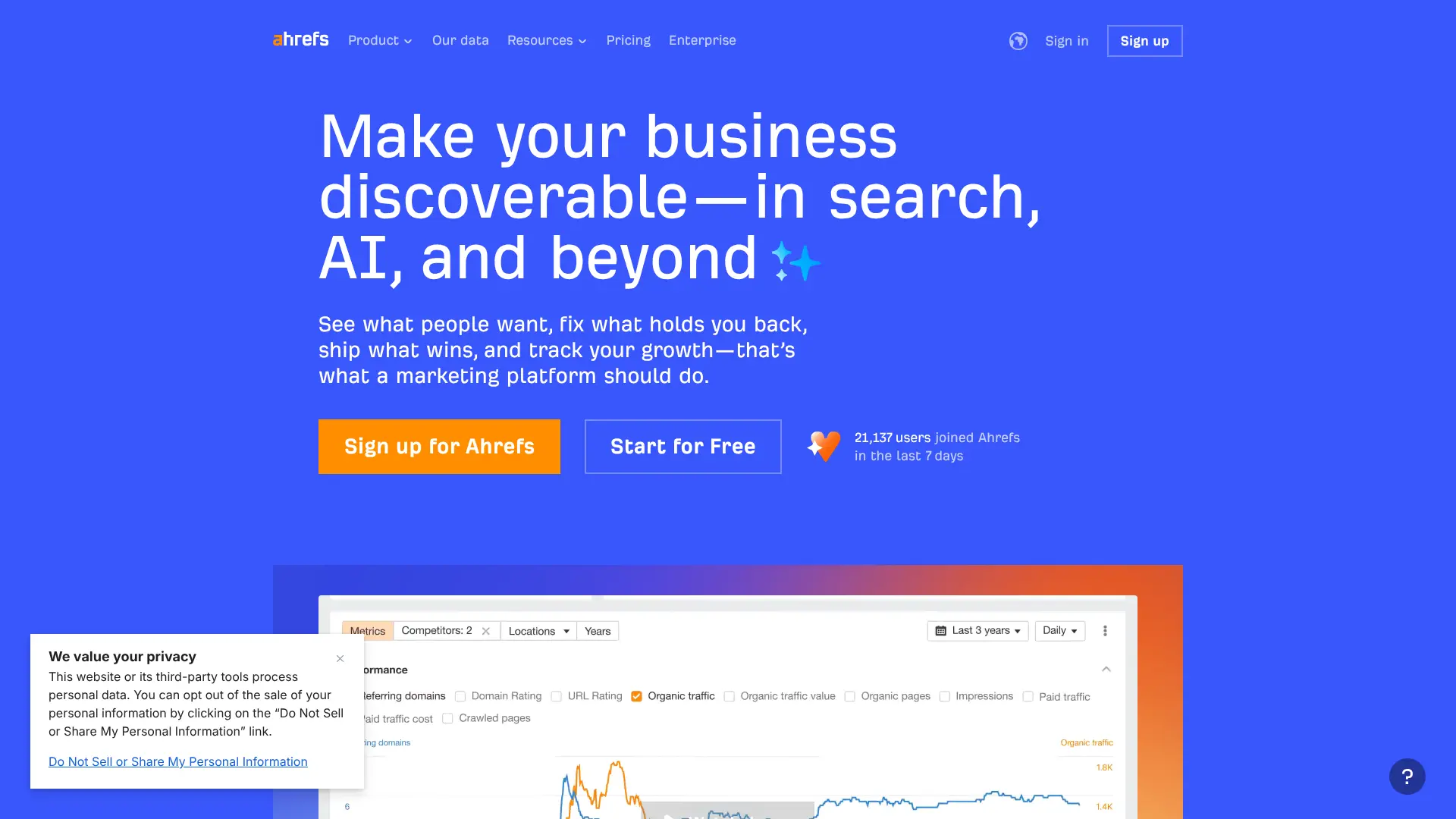
Ahrefs is known for having one of the largest backlink databases available. In 2026, they’ve integrated AI-powered insights that help you identify link opportunities and content gaps.
Key features: Site Explorer shows you detailed backlink profiles, while Keywords Explorer gives you search volumes and difficulty scores. The Content Explorer helps you find popular content in your niche.
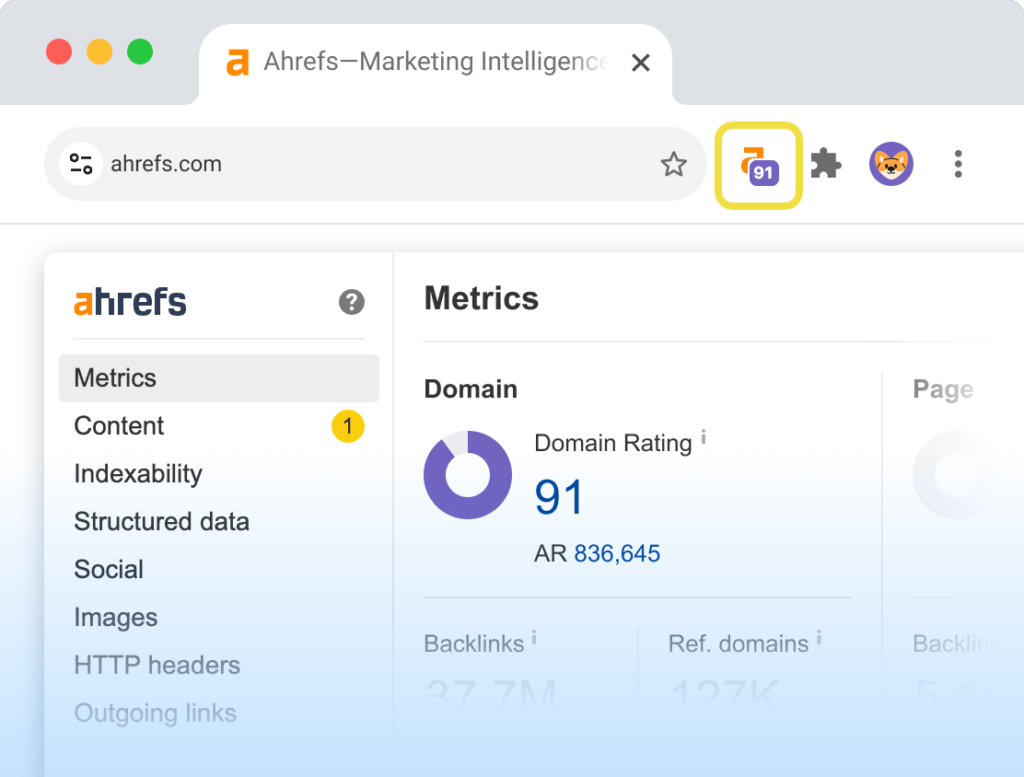
Their AI features now predict which keywords are worth targeting based on your site’s current authority and competition levels.
Pricing: Starts at $129/month for the Lite plan.
Who should use it: SEO professionals who focus on link building and competitive analysis.
5. ChatGPT Plus – AI Search Assistant
ChatGPT isn’t just for having conversations. ChatGPT Plus includes search capabilities that let you research topics, analyze content, and generate SEO-friendly drafts. You can create custom GPTs for specific SEO tasks like writing meta descriptions or generating schema markup.
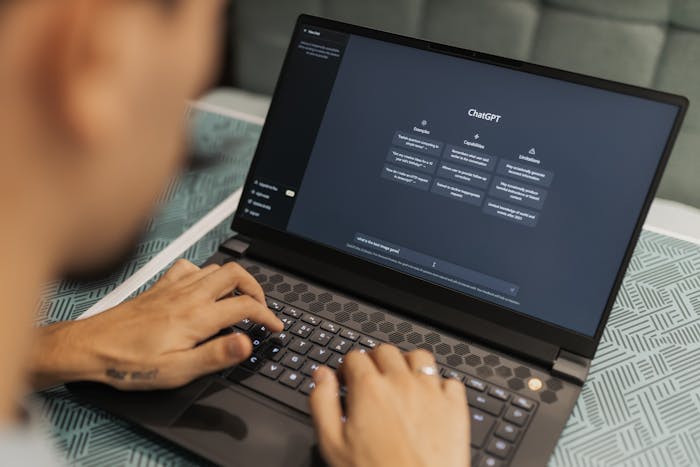
Key features: Real-time web browsing, custom instructions, and the ability to create specialized GPTs for your workflow. The Memory feature learns your preferences over time.
Pricing: $20/month
Who should use it: Everyone. At this price point, it’s an essential tool for content research and generation.
6. Rankscale.ai – GEO Tracking Platform

Rankscale.ai focuses specifically on Generative Engine Optimization. It tracks how your brand appears across ChatGPT, Claude, Perplexity, and Google AI Overviews.
Key features: Prompt-level tracking shows you exactly which queries mention your brand. Competitive insights reveal where competitors are getting cited instead of you. Readiness audits identify technical issues blocking AI crawlers.
The platform uses a pay-as-you-go model rather than fixed monthly subscriptions, which gives you flexibility.
Pricing: Pay-as-you-go with various credit packages. Free trial available.
Who should use it: Brands wanting to monitor and grow their presence in AI-generated search results.
7. Perplexity Pro – AI Search Engine
Perplexity is an AI search engine that provides cited answers. Using Perplexity Pro helps you understand what sources AI engines prefer and how they construct responses.
Key features: Unlimited searches with GPT-4 and Claude, file uploads for analysis, and API access. Every answer includes citations to original sources, showing you what content AI engines trust.

Pricing: $20/month
Who should use it: Content strategists researching how AI engines cite sources in their niche.
8. Ubersuggest – Budget-Friendly SEO
Neil Patel’s Ubersuggest offers solid SEO features at a lower price point than competitors. In 2026, it includes AI-driven insights without overwhelming users with complexity.
Key features: Keyword research, site audits, backlink data, and rank tracking. The AI features highlight “almost there” pages that could rank with small improvements.
Pricing: Starts at $29/month
Who should use it: Solo consultants, small businesses, and bloggers who need essential SEO tools.
9. Writesonic – AI Content Platform
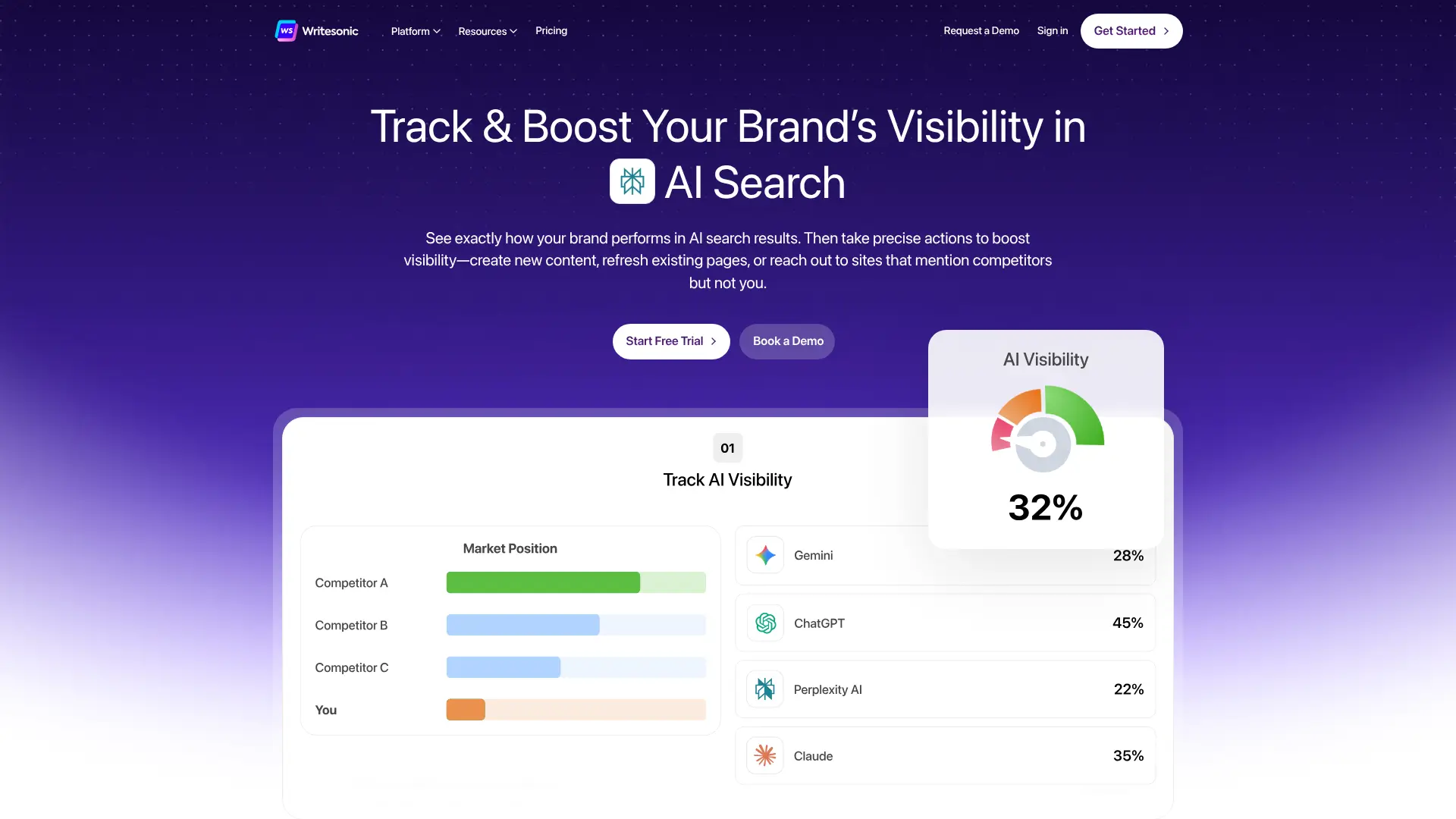
Writesonic combines content generation with SEO optimization. Their Chatsonic feature lets you query multiple LLMs (GPT-4, Claude, Gemini) and get real-time data from connected SEO tools.
Key features: AI article writer, SEO optimizer, factual content generation with sources, and integration with SEO platforms. The tool can research, write, and optimize articles in one workflow.
Pricing: Starts at $19/month
Who should use it: Content teams that need to produce high volumes of SEO-optimized articles.
10. MarketMuse – Content Intelligence
MarketMuse uses AI to analyze content quality and identify gaps in your topical coverage. It’s particularly good for building topical authority, which matters for both SEO and GEO.
Key features: Content briefs based on competitive analysis, topic modeling, and content inventory analysis. The platform shows you which topics you need to cover to be seen as an authority.
Pricing: Custom pricing based on needs (typically starts around $149/month)
Who should use it: Content strategists and editorial teams focused on comprehensive topic coverage.
11. Alli AI – Technical SEO Automation
Alli AI focuses on automating technical SEO fixes. It can detect and resolve issues that prevent both traditional search engines and AI crawlers from properly indexing your content.
Key features: Automated on-page optimization, bulk changes across multiple pages, and AI-driven recommendations for technical improvements. The platform can implement fixes without requiring developer resources.
Pricing: Starts at $249/month
Who should use it: Agencies and businesses managing large websites with technical SEO needs.
12. Copy.ai – Workflow Automation
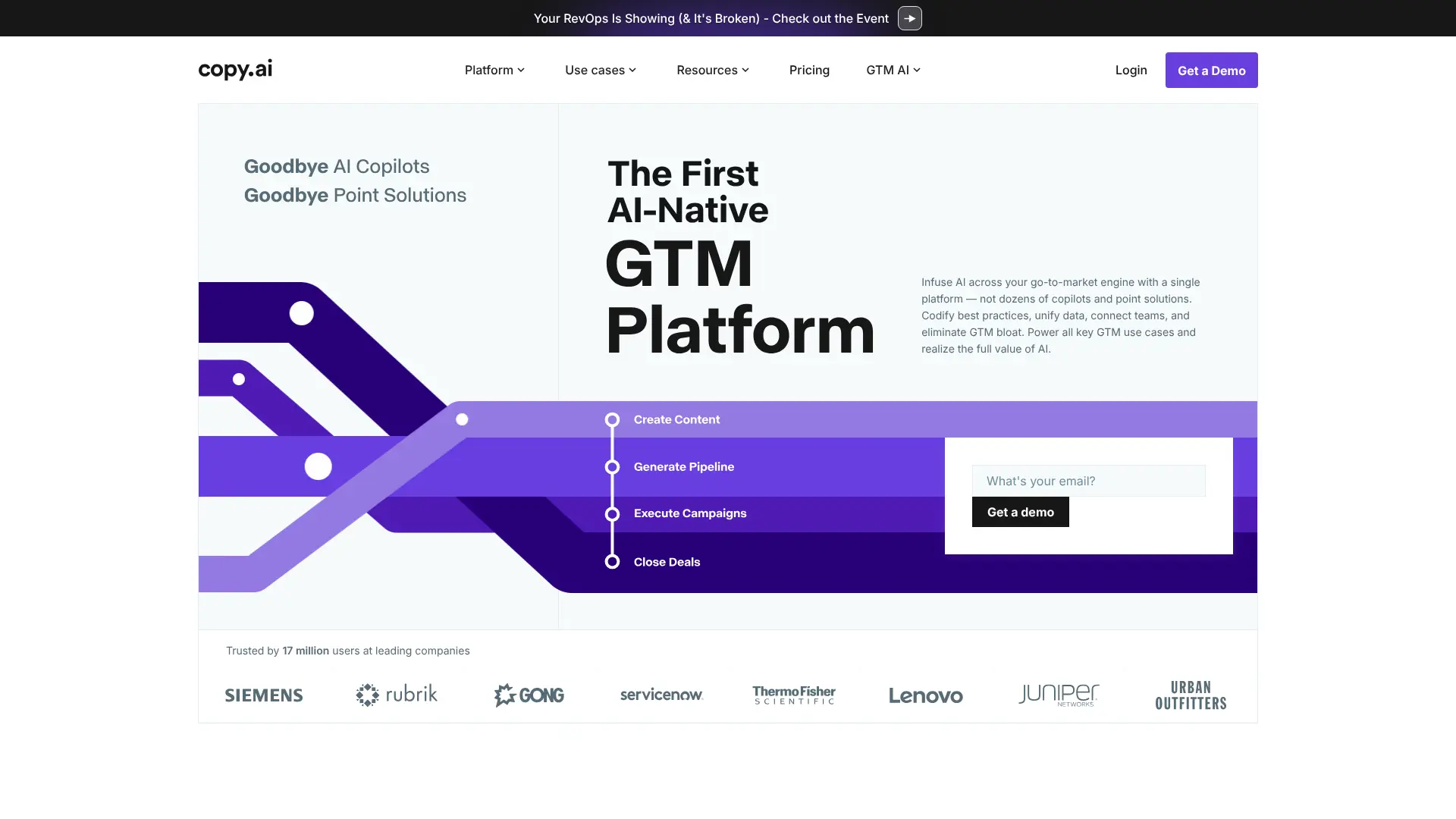
Copy.ai has evolved from a simple writing tool to a workflow automation platform. You can create multi-step processes for SEO tasks like research, brief creation, writing, and optimization.
Key features: Workflow templates, custom automation builders, SERP analysis, and AI-powered content generation. The tool connects different steps of content creation into automated sequences.
Pricing: Starts at $49/month
Who should use it: Teams that want to automate repetitive SEO processes.
13. Clearscope – Content Grading
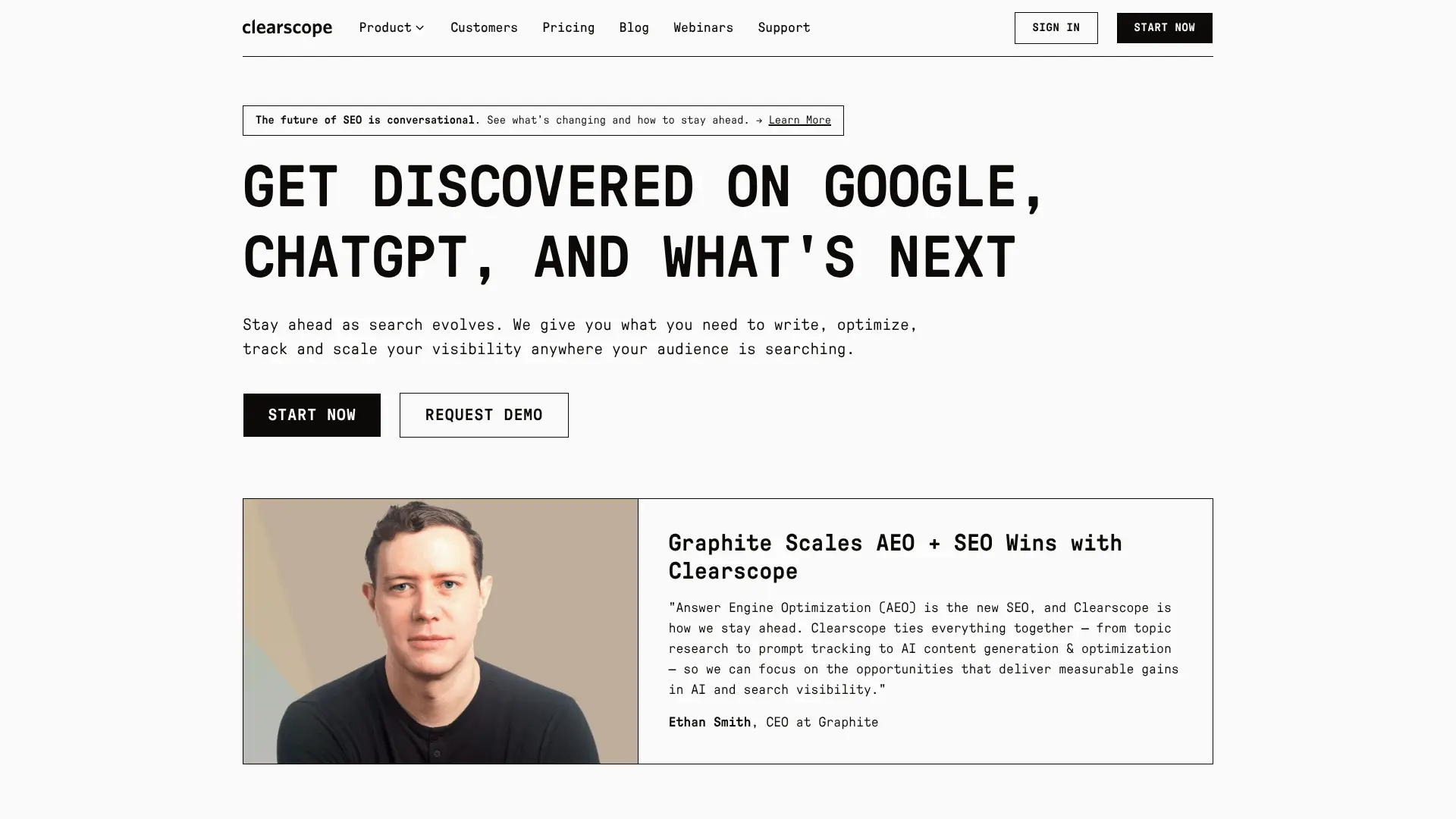
Clearscope analyzes your content and grades it based on how well it covers a topic compared to top-ranking pages. It’s straightforward and focused on content quality.
Key features: Content grading, keyword suggestions, readability scoring, and competitor analysis. The tool helps you ensure comprehensive topic coverage.
Pricing: Starts at $199/month
Who should use it: Content teams that prioritize quality over quantity.
14. Profound – AEO Analytics
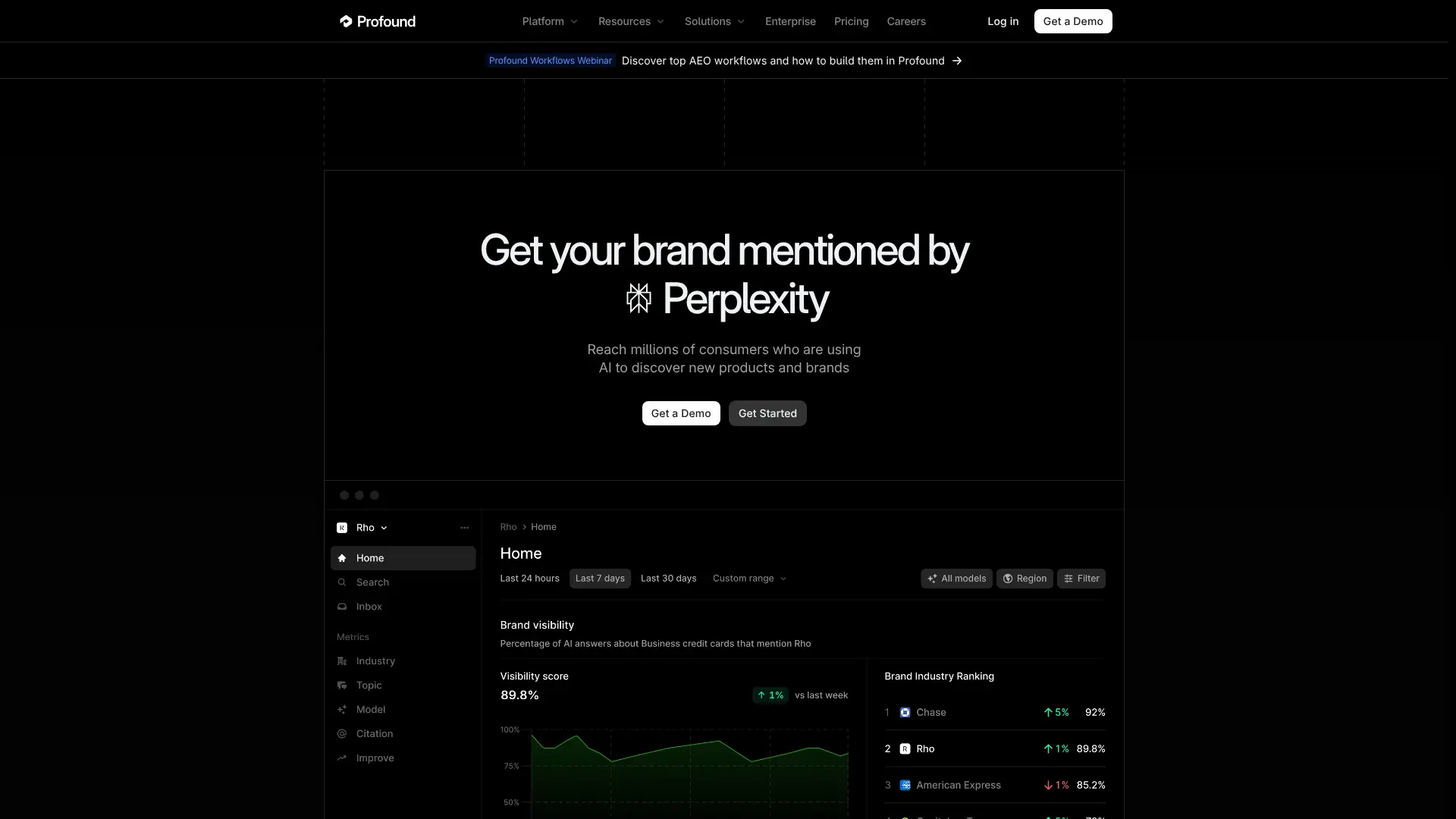
Profound specializes in Answer Engine Optimization. It tracks how your brand appears in AI-generated responses and provides recommendations for improving citation rates.
Key features: Multi-engine tracking, sentiment analysis, competitor benchmarking, and content recommendations specifically designed for AI visibility.
Pricing: Custom pricing (typically starts around $299/month)
Who should use it: Enterprise brands focused on AI search presence.
15. OmniSEO – Cross-Platform Tracking
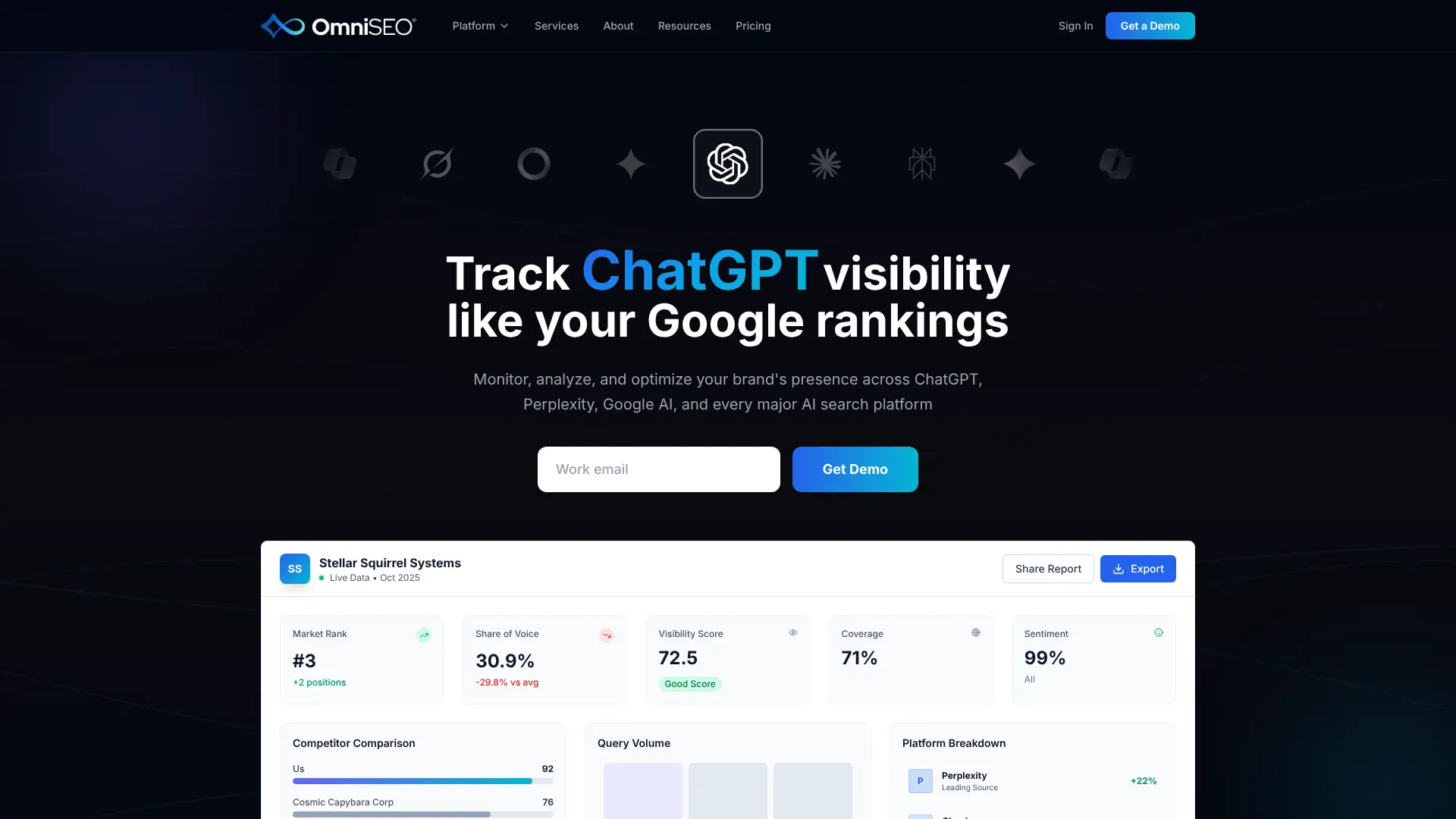
OmniSEO tracks your mentions across various AI platforms and answer engines. It helps you monitor where you’re being cited and where you’re missing opportunities.
Key features: Multi-platform monitoring, citation tracking, alert systems, and performance analytics across AI engines.
Pricing: Starts at $99/month
Who should use it: Marketers who need consolidated visibility across multiple AI platforms.
16. Frase – Answer-Focused SEO
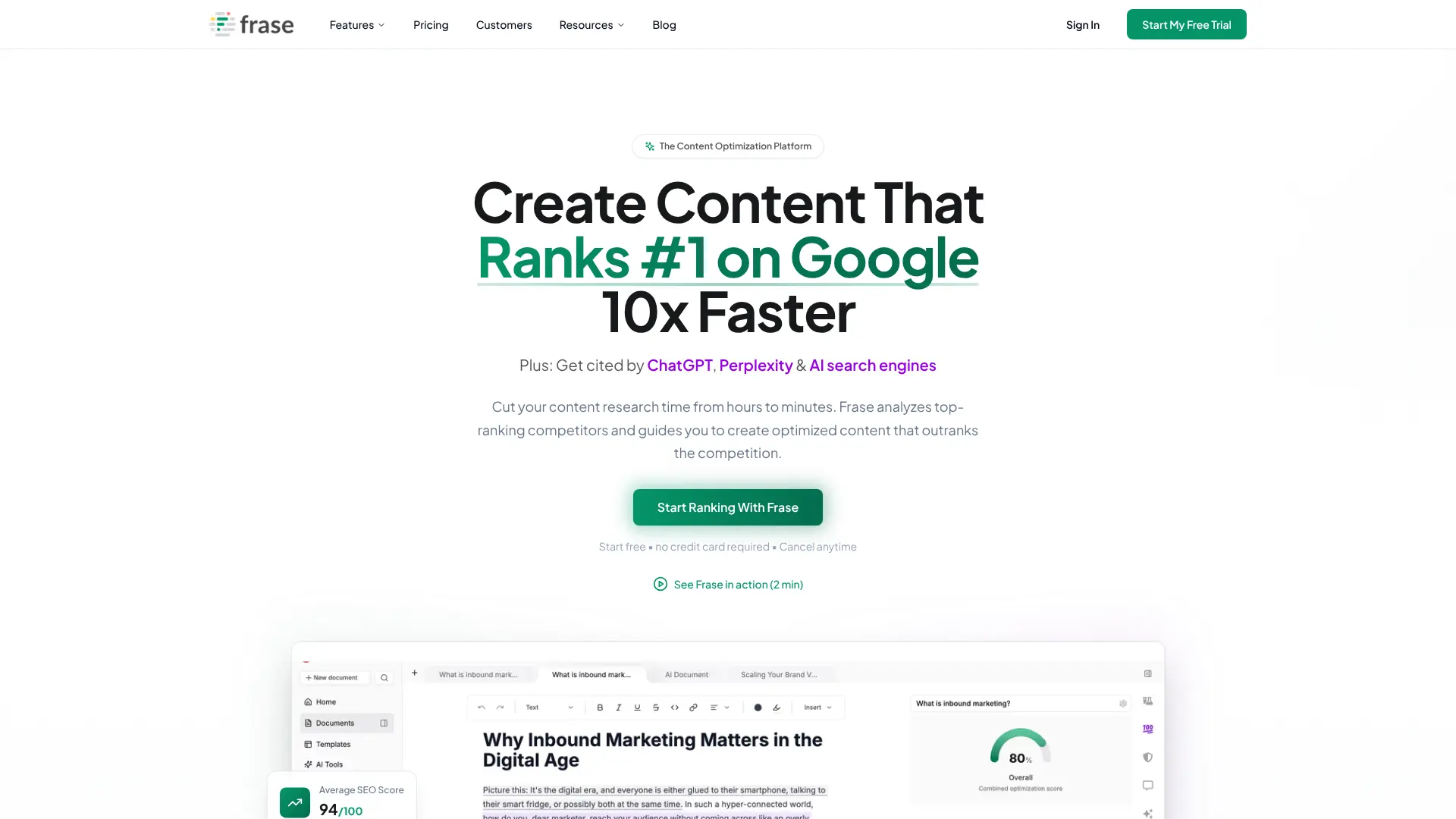
Frase specializes in creating content that answers specific questions. It’s built around the concept of matching your content to user intent, which is critical for AEO.
Key features: Question research, answer optimization, content briefs, and AI writing assistance. The tool identifies common questions in your niche and helps you create comprehensive answers.
Pricing: Starts at $15/month
Who should use it: Bloggers and content creators focused on informational content.
17. Jasper – Enterprise AI Writing
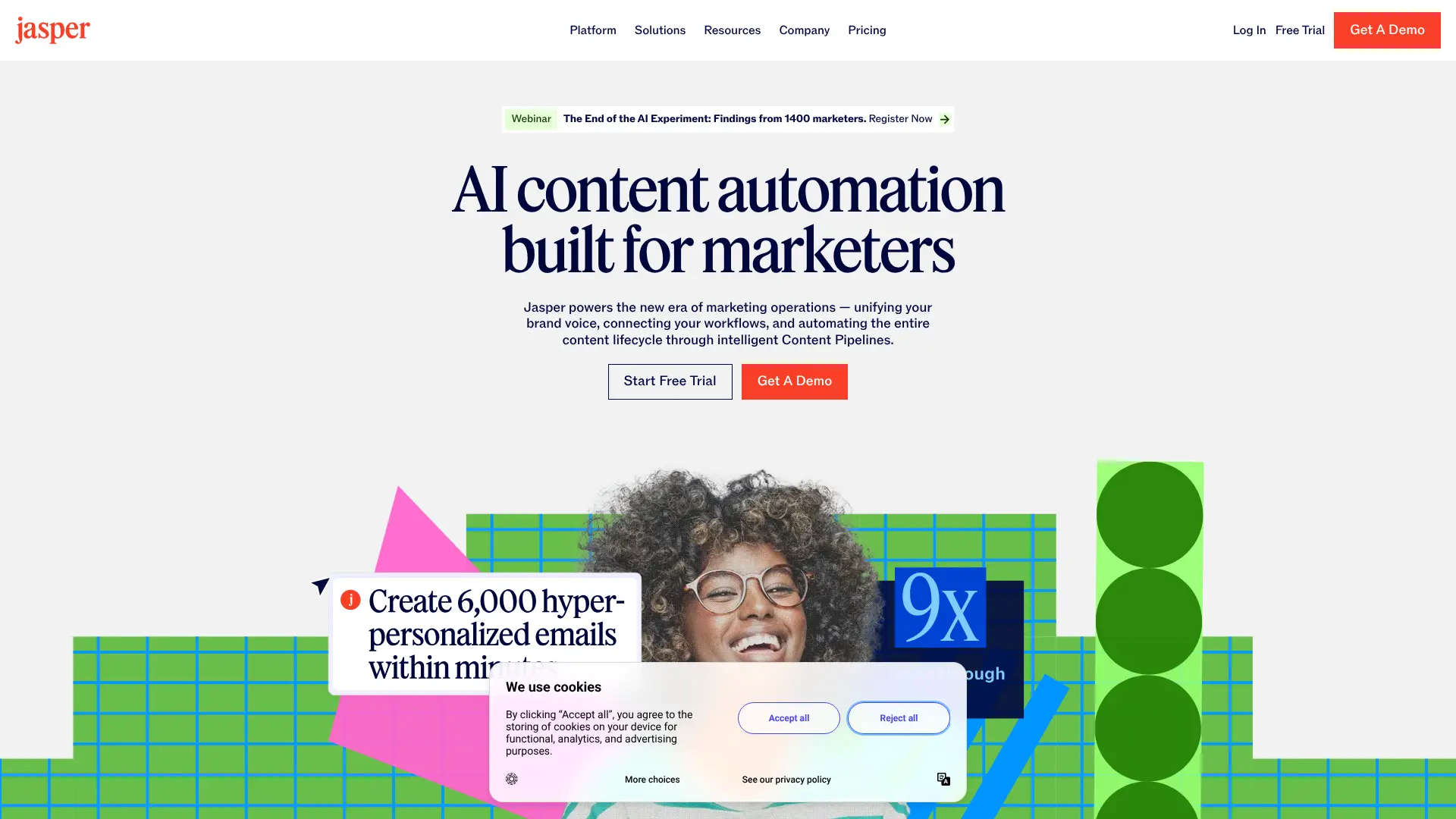
Jasper (formerly Jarvis) is one of the most popular AI writing tools, now with added SEO features. It’s designed for teams that need to produce large amounts of content while maintaining brand voice.
Key features: Brand voice customization, SEO mode, templates for different content types, and team collaboration features. The platform can generate long-form content optimized for search.
Pricing: Starts at $49/month
Who should use it: Marketing teams and agencies producing high volumes of branded content.
18. SE Ranking – Complete SEO Suite
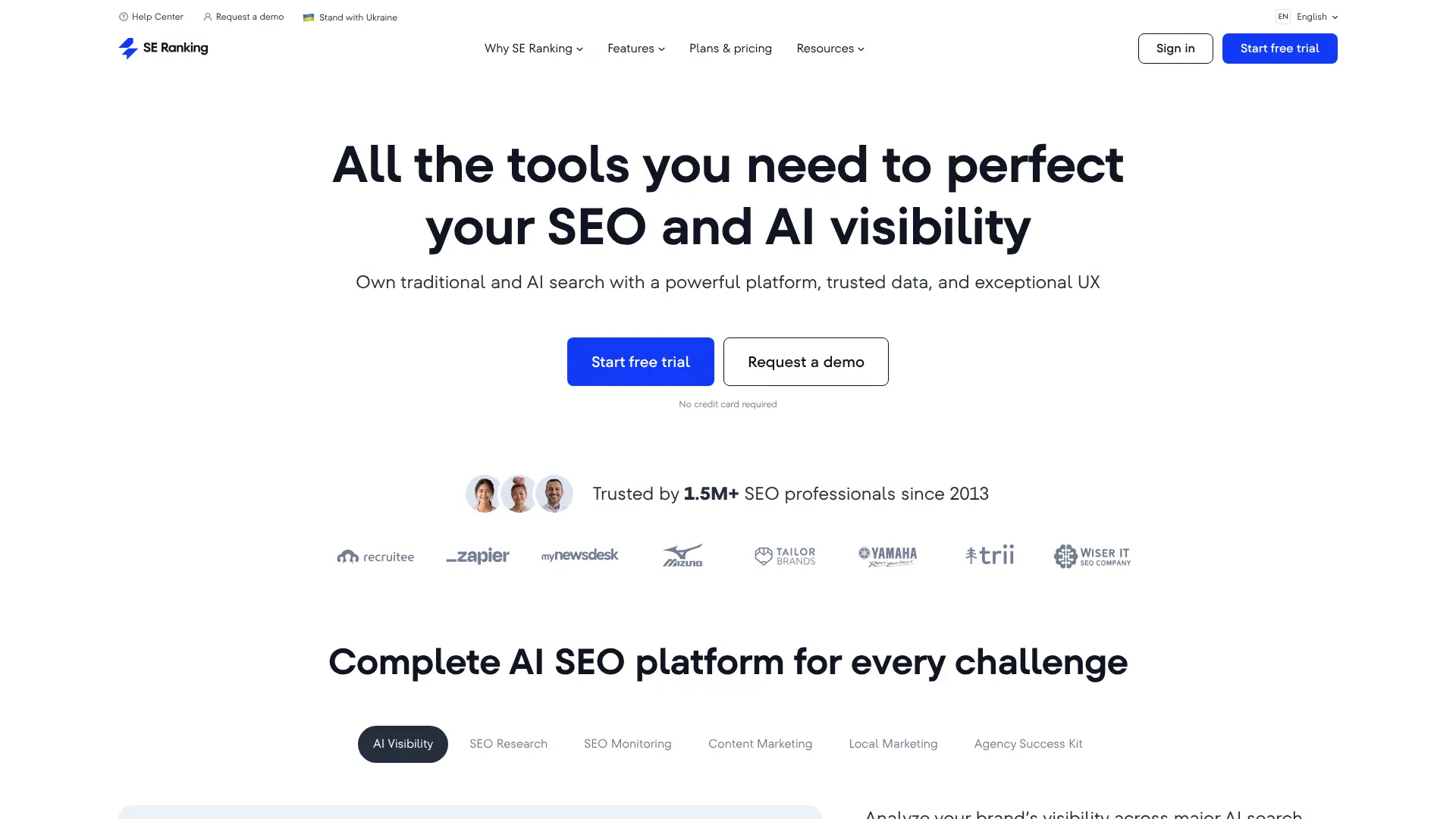
SE Ranking offers a comprehensive set of SEO tools at competitive pricing. In 2026, they’ve added AI-powered competitor analysis and content suggestions.
Key features: Rank tracking, keyword research, backlink monitoring, site audits, and AI-driven insights. The platform provides solid core SEO features without overwhelming complexity.
Pricing: Starts at $55/month
Who should use it: Small to mid-sized businesses wanting an affordable all-in-one solution.
19. Moz Pro – Local SEO Focus
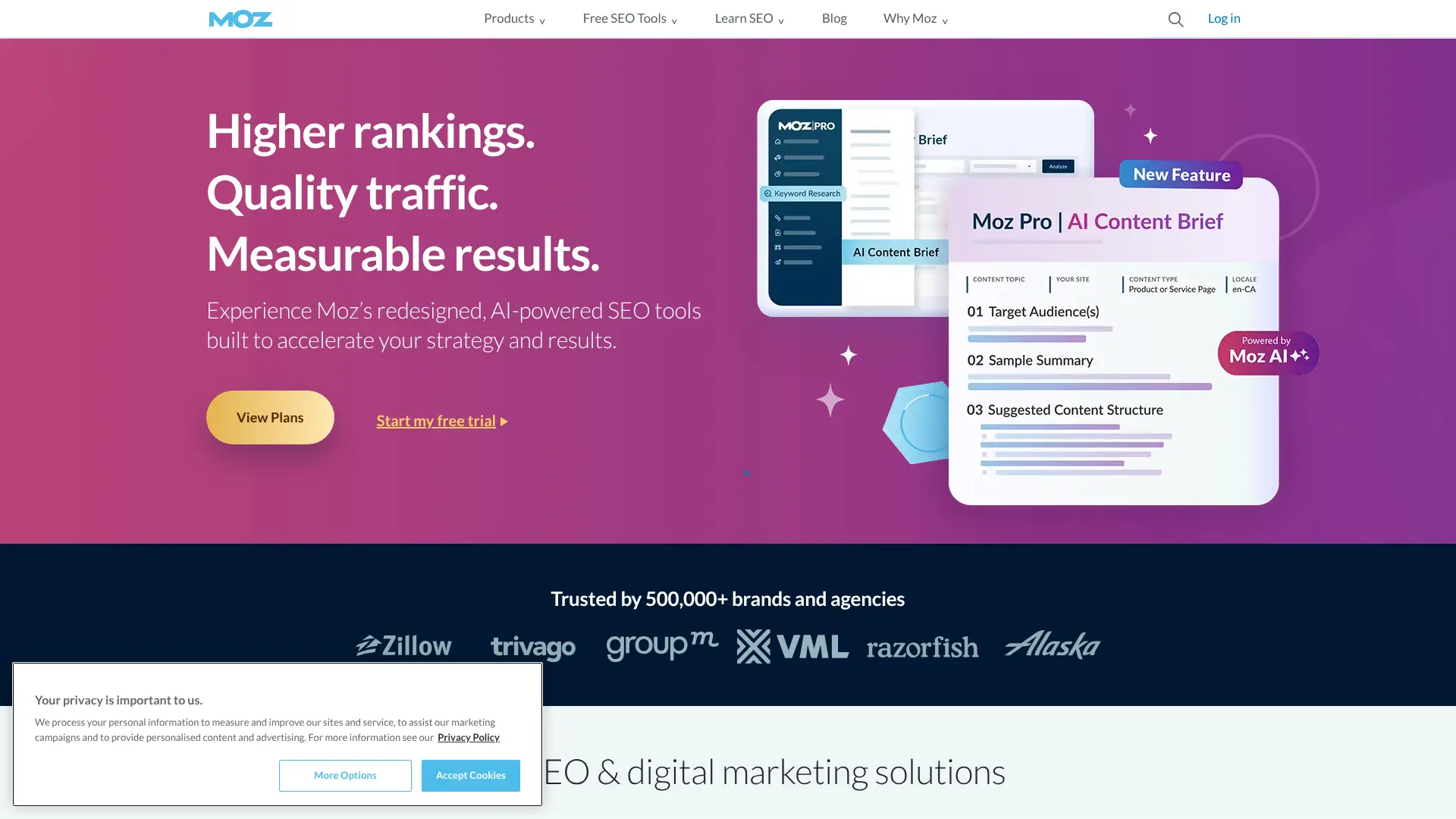
Moz Pro excels at local SEO, which matters increasingly for AEO and voice search. When people ask “best pizza place near me,” local optimization determines whether you appear.
Key features: Local listing management, rank tracking, site audits, keyword research, and link analysis. The Domain Authority metric is still widely used as a benchmark.
Pricing: Starts at $99/month
Who should use it: Local businesses and multi-location brands.
20. Nightwatch – Performance Monitoring
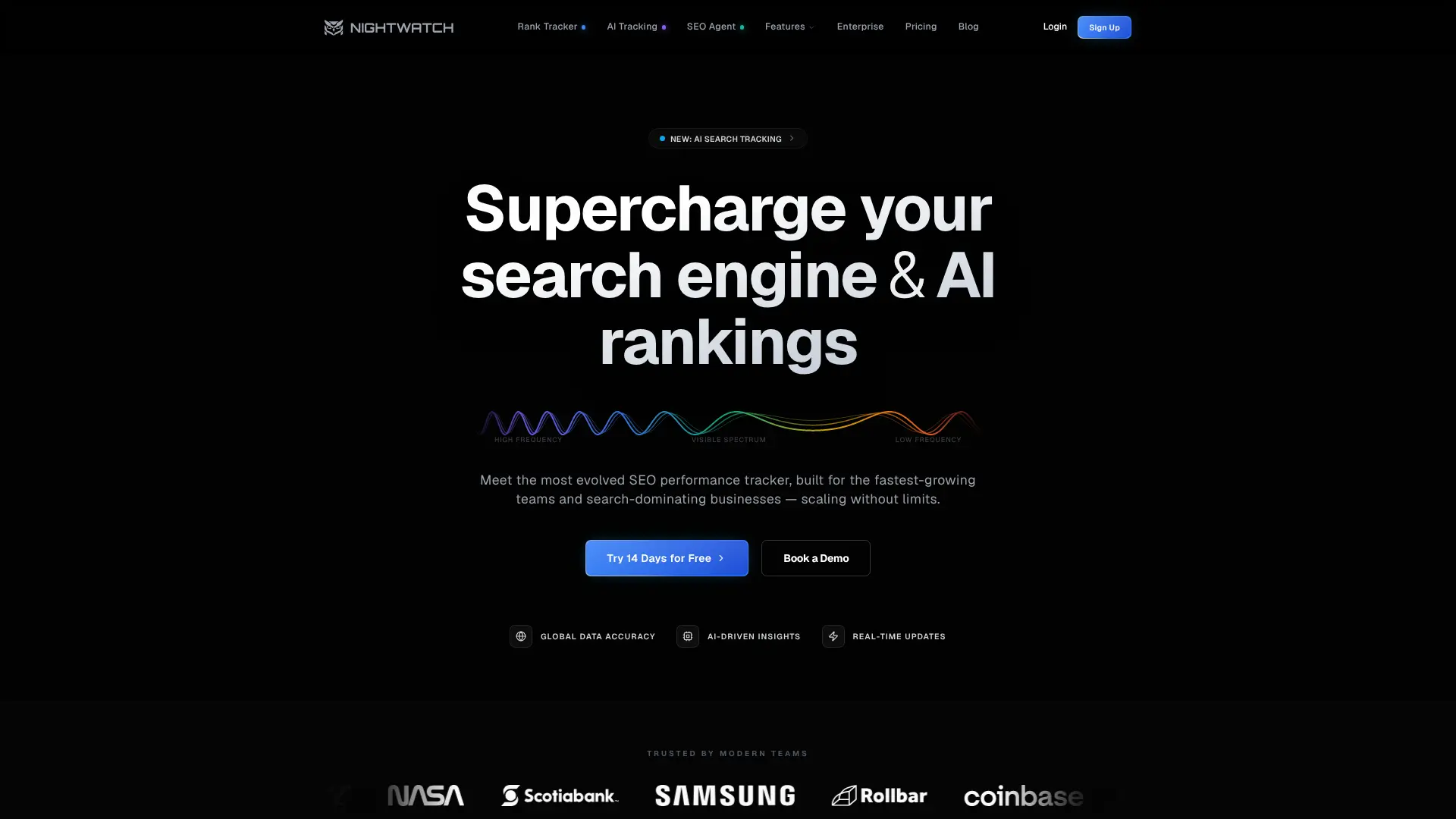
Nightwatch focuses on accurate rank tracking with location-specific data. This precision matters when optimizing for local AI search and voice queries.
Key features: Granular location tracking, SERP feature monitoring, competitor tracking, and white-label reporting. The tool specializes in detailed performance data.
Pricing: Starts at $49/month
Who should use it: Agencies and businesses that need precise ranking data.
21. Pitchbox – Outreach Automation
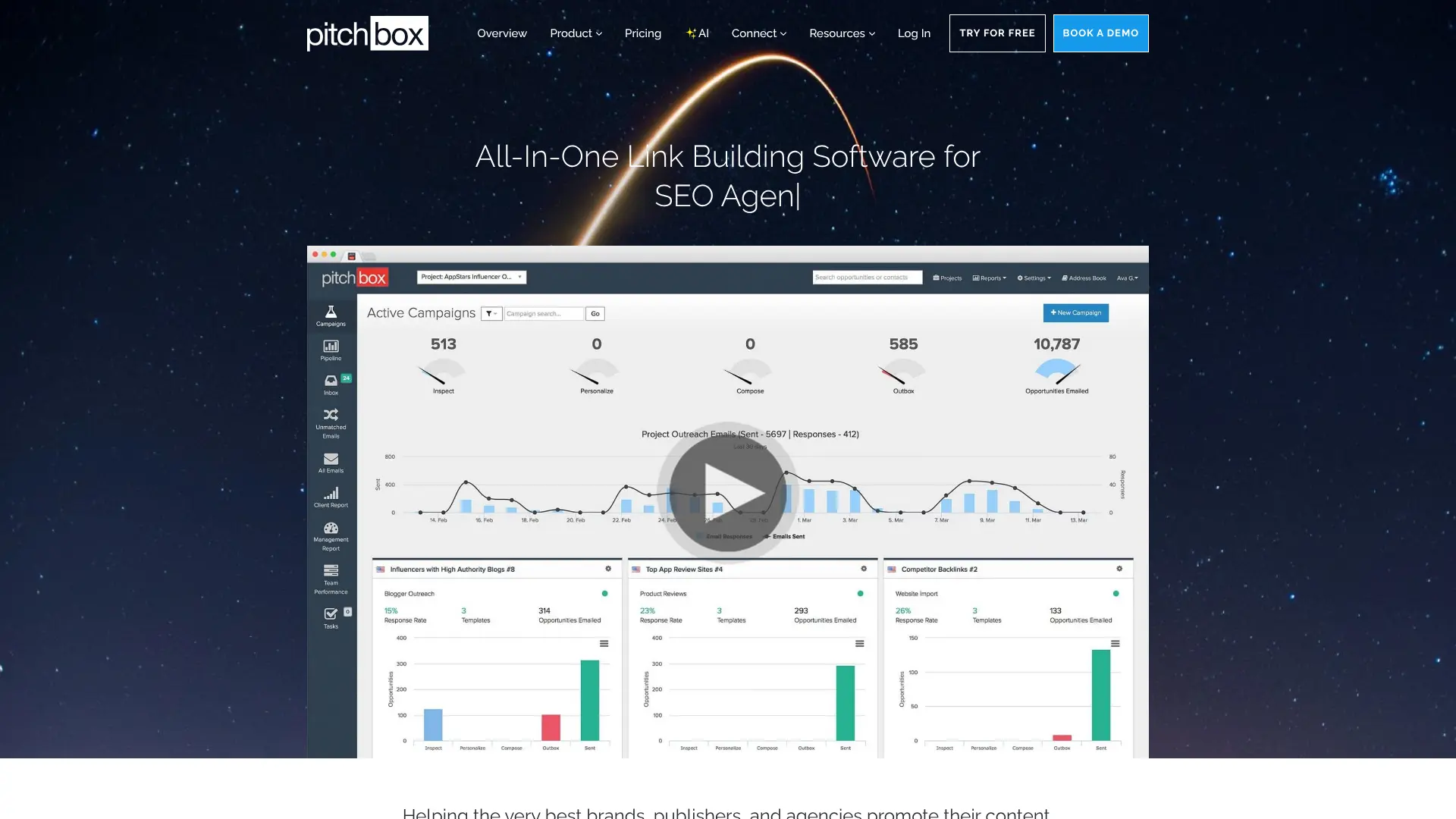
Pitchbox automates outreach for link building and digital PR. Getting cited by authoritative sites helps with both SEO and GEO (AI engines trust sources with strong backlink profiles).
Key features: Automated outreach sequences, personalization at scale, response tracking, and integration with SEO tools. The platform maintains quality while automating volume.
Pricing: Starts at $195/month
Who should use it: SEO agencies focused on link building and digital PR.
22. Indexly – Indexing Monitor
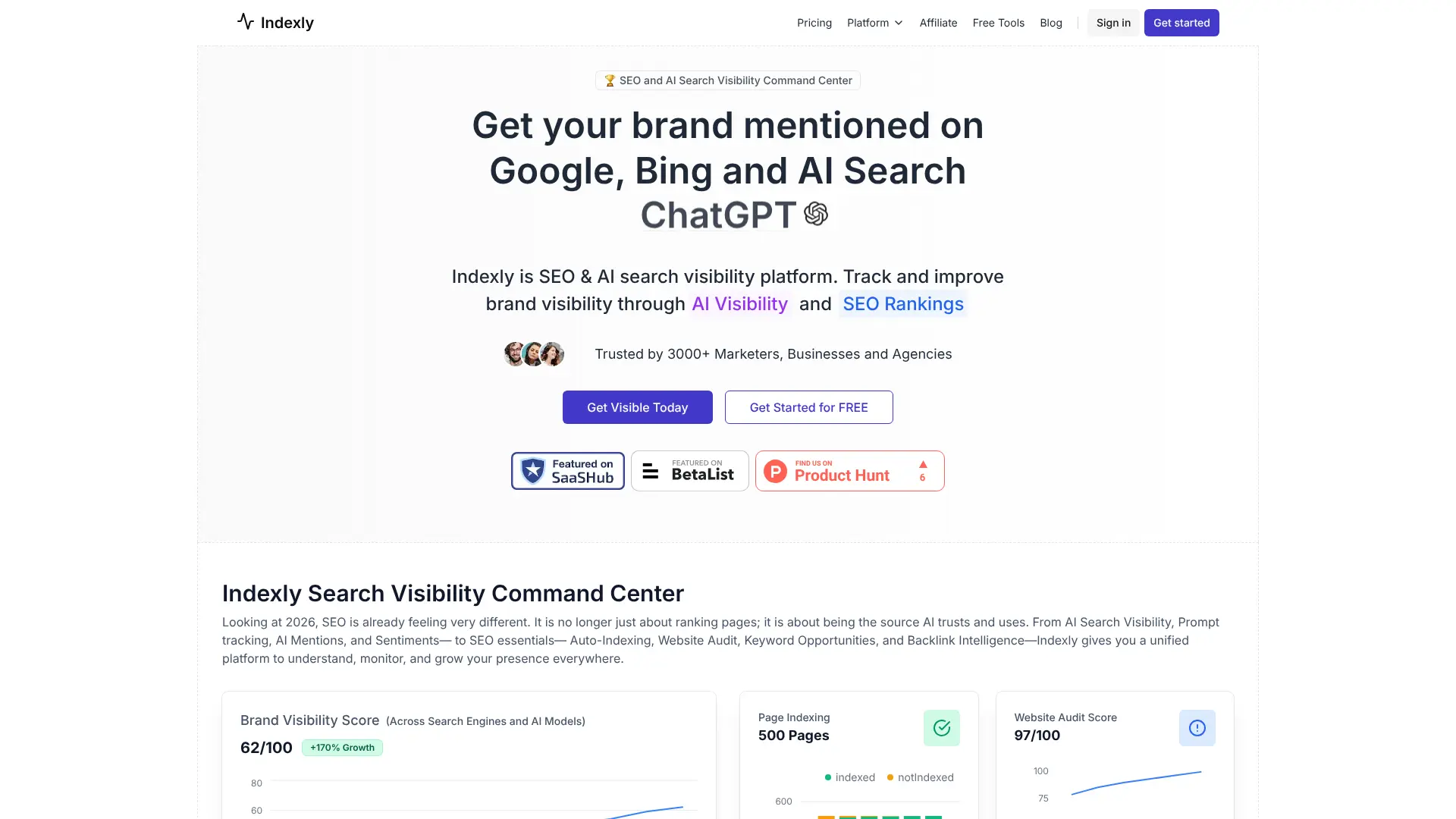
Indexly ensures your content gets indexed by search engines and can be discovered by AI crawlers. If your pages aren’t indexed, they can’t appear in any search results.
Key features: Auto-indexing, instant submission to search engines, indexing status monitoring, and performance analytics.
Pricing: Starts at $25/month
Who should use it: Sites with indexing issues or high-volume content publishing.
23. AthenaHQ – GEO Platform
AthenaHQ was one of the first purpose-built GEO platforms. It monitors brand appearance in AI-generated responses and provides actionable recommendations.
Key features: Multi-engine citation tracking, content gap analysis, action center with prioritized fixes, and real-time alerting when brand mentions change.
Pricing: Custom pricing (typically starts around $299/month)
Who should use it: Brands serious about AI search optimization.
24. Otterly.ai – AI Visibility Tracking
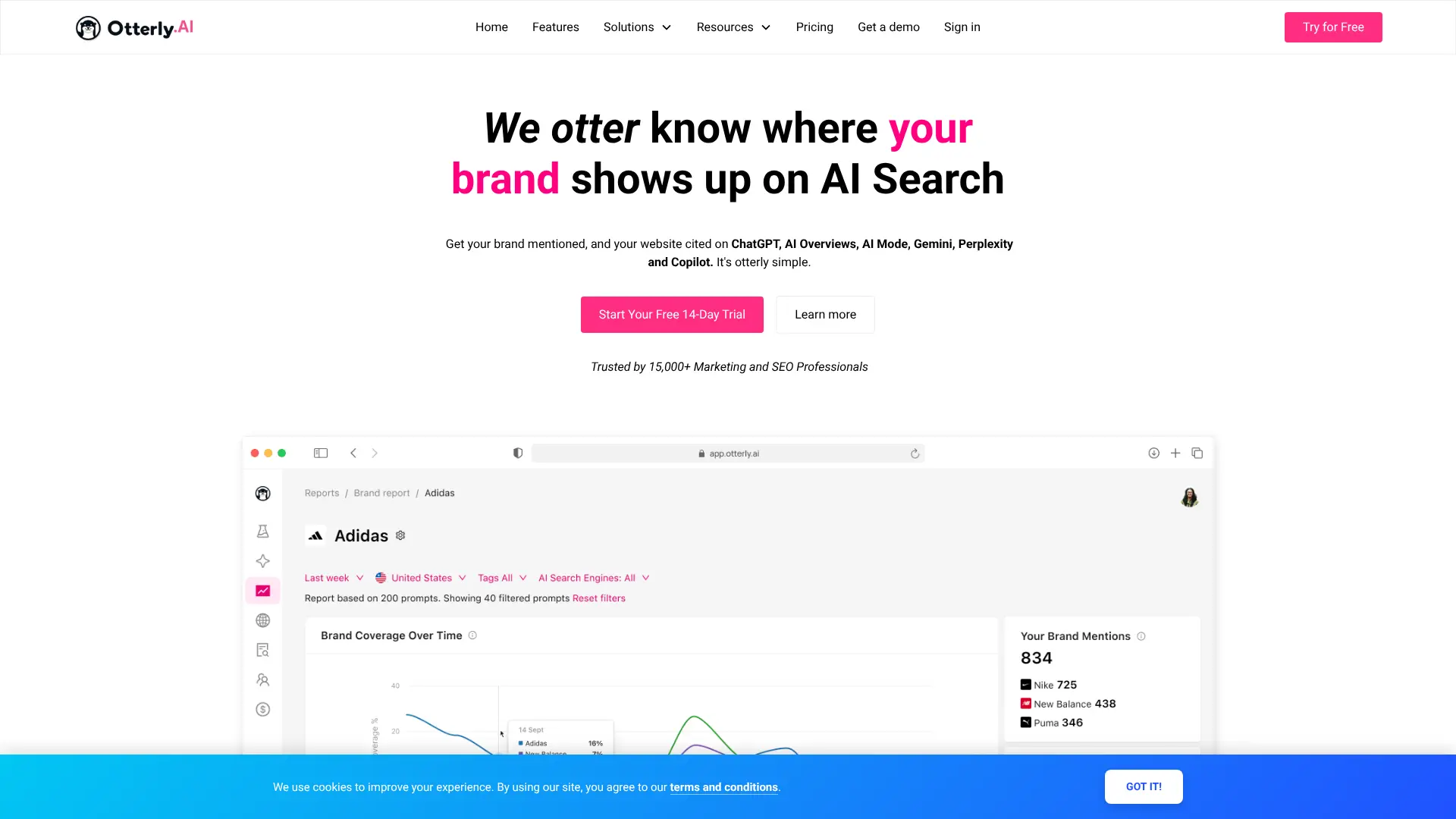
Otterly.ai monitors brand mentions and URL citations across AI-powered search platforms. It tracks ChatGPT, Google AI Overviews, Perplexity, and others.
Key features: Brand mention detection, URL citation tracking, competitor comparison, weekly reports, and dashboard exports.
Pricing: Starts at $25/month
Who should use it: Small businesses starting to monitor AI search presence.
25. Advanced Web Ranking – Enterprise Tracking
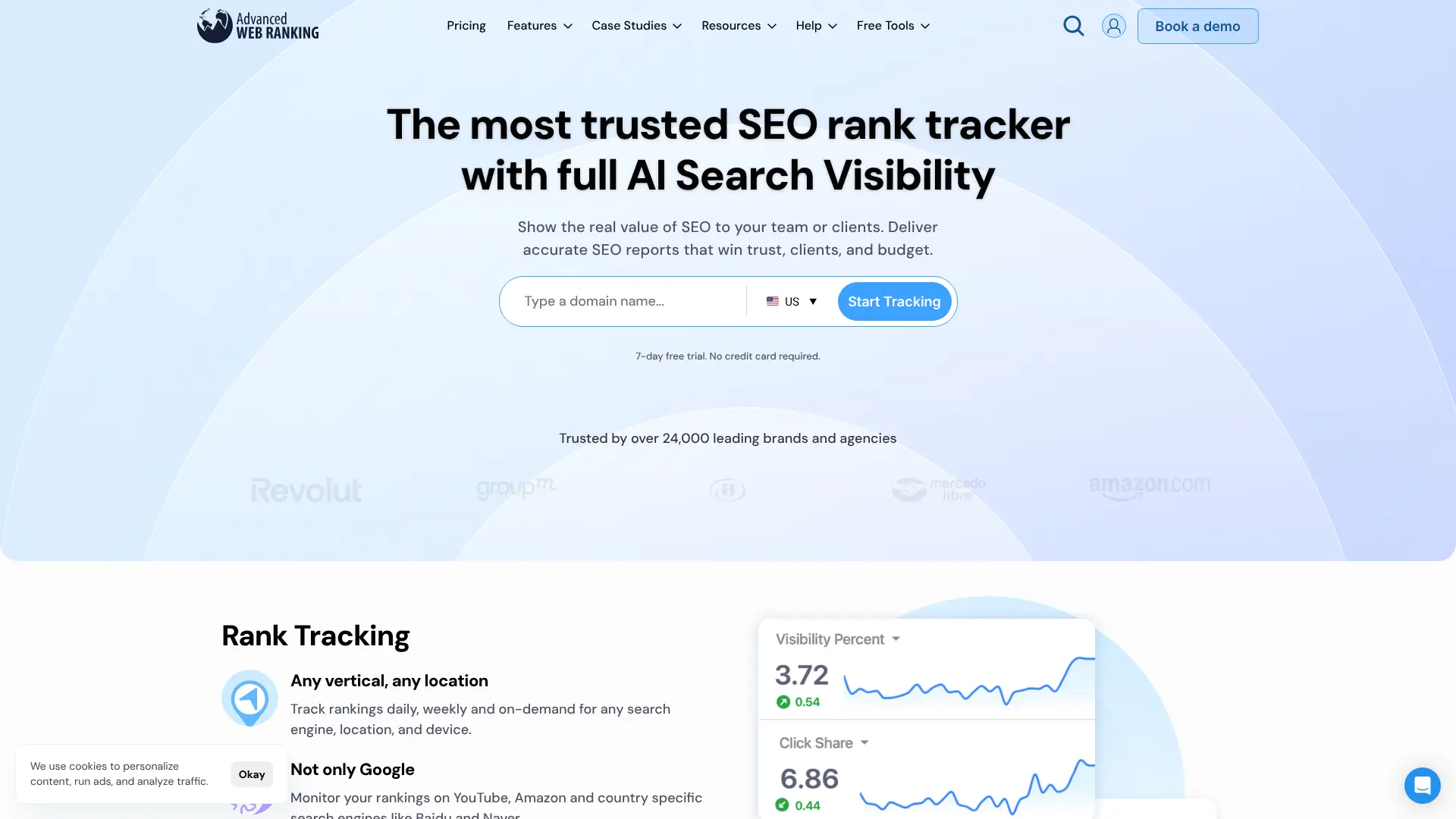
Advanced Web Ranking provides enterprise-level rank tracking with deep geographic coverage and historical data. The platform offers detailed SERP feature insights.
Key features: Precise geo-targeting, SERP feature tracking, historical visibility metrics, white-label reports, and API access.
Pricing: Custom pricing based on tracking needs
Who should use it: Large agencies and enterprises with complex tracking requirements.
How to Choose the Right Tool for Your Business
With 25 tools on this list, how do you pick the right ones? Here’s a practical framework.
Start with Your Budget
Be realistic about what you can afford monthly. Tools range from free (like AI Free Forever) to $500+ per month for enterprise solutions. Most small businesses do fine with $100-200/month across a couple of tools.
If budget is tight, combine free tools like AI Free Forever with one paid platform that covers your biggest need (usually keyword research or rank tracking).
Consider Your Team Size
Solo entrepreneurs need different tools than agencies managing 20 clients. If you’re alone, focus on tools with clean interfaces and good automation. If you have a team, look for collaboration features and user management.
Match Tools to Goals
What matters most to you right now?
- Traffic growth: Prioritize traditional SEO tools (Semrush, Ahrefs, SE Ranking)
- Content production: Focus on writing and optimization tools (Writesonic, Jasper, Surfer SEO)
- AI visibility: Invest in GEO platforms (Rankscale, AthenaHQ, Otterly)
- Local presence: Choose tools with local features (Moz Pro, Google Business Profile optimization)
Test Before Committing
Most tools offer free trials or demo accounts. Use them. Spend a week actually using each tool with your real projects. You’ll quickly figure out which interfaces make sense to you and which features you’ll actually use versus those that just sound good.
Don’t Overcomplicate It
You don’t need all 25 tools. A typical setup might look like:
- One comprehensive SEO platform (Semrush, Ahrefs, or SE Ranking)
- One content tool (Surfer SEO or Clearscope)
- One GEO tracking tool (Rankscale or Otterly)
- ChatGPT Plus for research and drafting
- Free tools from AI Free Forever for supplementary tasks
That’s five tools covering all your bases without breaking the bank.
Look for Integration
Tools that work together save time. Check if your SEO platform integrates with your content tools. Semrush, for example, connects with most major platforms. This matters more than having the “best” standalone tool for each task.
Frequently Asked Questions
Do I really need to optimize for AI search, or is regular SEO still enough?
You need both. Traditional SEO still drives traffic, but AI search is growing fast. By 2026, roughly 25% of search volume has shifted to AI platforms. If you ignore this channel, you’re leaving a quarter of potential visibility on the table.
Think of AI optimization as an addition to SEO, not a replacement.
How much should I budget monthly for these tools?
It depends on your size and goals. Small businesses can start with $100-150/month covering one main SEO tool plus ChatGPT Plus. Mid-sized companies typically spend $300-500/month across multiple tools. Enterprises often invest $1000+ monthly.
Start smaller and scale up as you see ROI.
Which matters more: GEO or AEO?
Both matter, but GEO is growing faster right now. AEO (featured snippets, voice results) has been around for a few years and is relatively stable. GEO (AI citations) is exploding and still has room for early movers to grab market share.
If you had to pick one, focus on GEO in 2026, but ideally do both.
Can I just use ChatGPT to write all my content?
No. AI-generated content needs human editing, fact-checking, and optimization. AI tools like ChatGPT are excellent for first drafts, research, and ideation, but publishing raw AI output usually produces generic content that doesn’t rank well or get cited.
Use AI to speed up the process, not replace quality control.
How long until I see results from these tools?
Traditional SEO results take 3-6 months typically. AI visibility can happen faster, sometimes within 4-8 weeks if you’re targeting the right queries. The timeline depends on your starting point, competition, and how consistently you create optimized content.
Set expectations for quarterly results, not weekly miracles.
Do free tools work as well as paid ones?
Free tools like AI Free Forever work well for specific tasks like content generation and rewriting. However, paid tools offer more comprehensive data, tracking, and analysis.
A good strategy is using free tools for content creation and one paid platform for analytics and tracking. This balances capability with cost.
Should small businesses invest in expensive enterprise tools?
Usually not. Small businesses do better with affordable, user-friendly tools. A $50-100/month platform that you actually use consistently beats a $500/month enterprise tool that’s too complex.
Start with simpler tools and graduate to advanced platforms as your needs and budget grow.
What’s the difference between AI SEO tools and regular SEO tools?
Regular SEO tools focus on traditional search engines like Google. AI SEO tools add tracking and optimization for generative engines like ChatGPT and Claude. Many platforms now combine both (like Semrush), but some specialize in just AI visibility (like Rankscale).
You ideally want tools that cover both areas.
How do I know if my content is being cited by AI engines?
Test manually by asking relevant questions to ChatGPT, Claude, and Perplexity. Check if your brand or content gets mentioned. For systematic tracking, use GEO platforms like Rankscale, Otterly, or Semrush’s AI Toolkit.
These tools monitor citations across multiple AI engines and alert you to changes.
Will AI search completely replace Google?
Not likely in the next few years. Google still processes over 400 billion searches monthly. AI platforms are growing fast, but they complement rather than replace traditional search.
By 2028, expect a mixed landscape where people use different tools for different queries. You need visibility across all of them.