Finding the right software for your business can feel like looking for a needle in a haystack. With thousands of tools available, how do you know which one fits your needs? That’s where software comparison sites come in. These platforms help businesses discover, compare, and choose the best tools while giving software vendors a powerful way to reach potential customers. In this guide, you’ll learn about the top software comparison sites where you can find the perfect tools for your business or list your own software product to reach millions of buyers.
Table of Contents
- What Are Software Comparison Sites?
- Why Businesses Need Software Comparison Platforms
- Top Software Comparison Sites to Find Software and List Your Business
- How to List Your Business on Software Comparison Sites
- Benefits for Software Vendors
- Maximizing Your Listing Performance
- Common Mistakes to Avoid
- Frequently Asked Questions
- Key Takeaways

What Are Software Comparison Sites?
Software comparison sites are online platforms that help people research, evaluate, and compare different software products. Think of them as shopping malls for business tools. Instead of visiting dozens of websites, you can see reviews, features, pricing, and ratings all in one place. These platforms work for two groups of people. First, business buyers use them to find solutions that match their needs. Second, software companies use them to showcase their products and connect with potential customers. Most comparison sites make money through affiliate marketing. When someone clicks on a software listing or makes a purchase, the platform earns a commission. Some also offer paid advertising spots and premium listings for vendors who want more visibility.
How These Platforms Help Buyers Make Decisions
According to research on comparison sites, over 55% of users feel more confident about their purchase after using a comparison site. These platforms give buyers a single spot to check out features, prices, and reviews from real users. The best part? They save you time and money. Instead of spending weeks researching different options, you can compare multiple tools side-by-side in minutes. You’ll see honest feedback from people who actually use the software every day.
Why Businesses Need Software Comparison Platforms
Picking the wrong software can cost your business thousands of dollars and countless hours. That’s why 71% of shoppers say their main goal when using comparison sites is to save money. Software comparison platforms solve several problems. They help you avoid buying tools that don’t fit your needs. They show you which features matter most based on real user experiences. And they help you spot potential issues before you commit to a purchase.
The Role of User Reviews in Software Selection
User reviews are gold when you’re choosing software. Research shows that 88% of buyers trust online reviews as much as personal recommendations. These reviews come from people who’ve used the software in real business situations. When you read reviews, you get the full picture. You’ll see what works well and what doesn’t. You’ll learn about customer support quality. And you’ll discover if the software actually delivers on its promises. This information is way more valuable than marketing materials from the vendor. 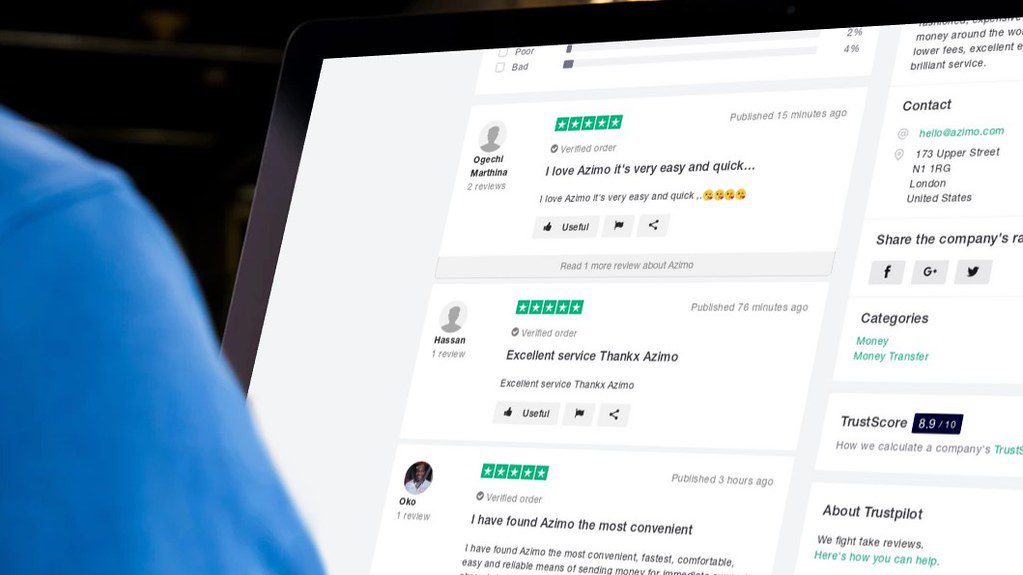
Top Software Comparison Sites to Find Software and List Your Business
Let’s look at the best platforms where you can find software or list your business. Each one has unique features that make it valuable for both buyers and vendors.
1. SourceForge
SourceForge is the heavyweight champion of software comparison sites. It attracts nearly 20 million monthly visitors, making it the most trafficked B2B software directory on the internet. The platform features over 100,000 software products across 4,000+ categories. Whether you’re looking for project management tools, accounting software, or specialized industry solutions, you’ll find them here. The site has been around since 1999, which gives it serious credibility in the tech community.  For vendors, SourceForge offers free product profiles where you can collect reviews and earn badges. High-rated products get “Top Performer” awards that you can use in your marketing. The platform also provides analytics and buyer intent data to help you improve your listings.
2. G2
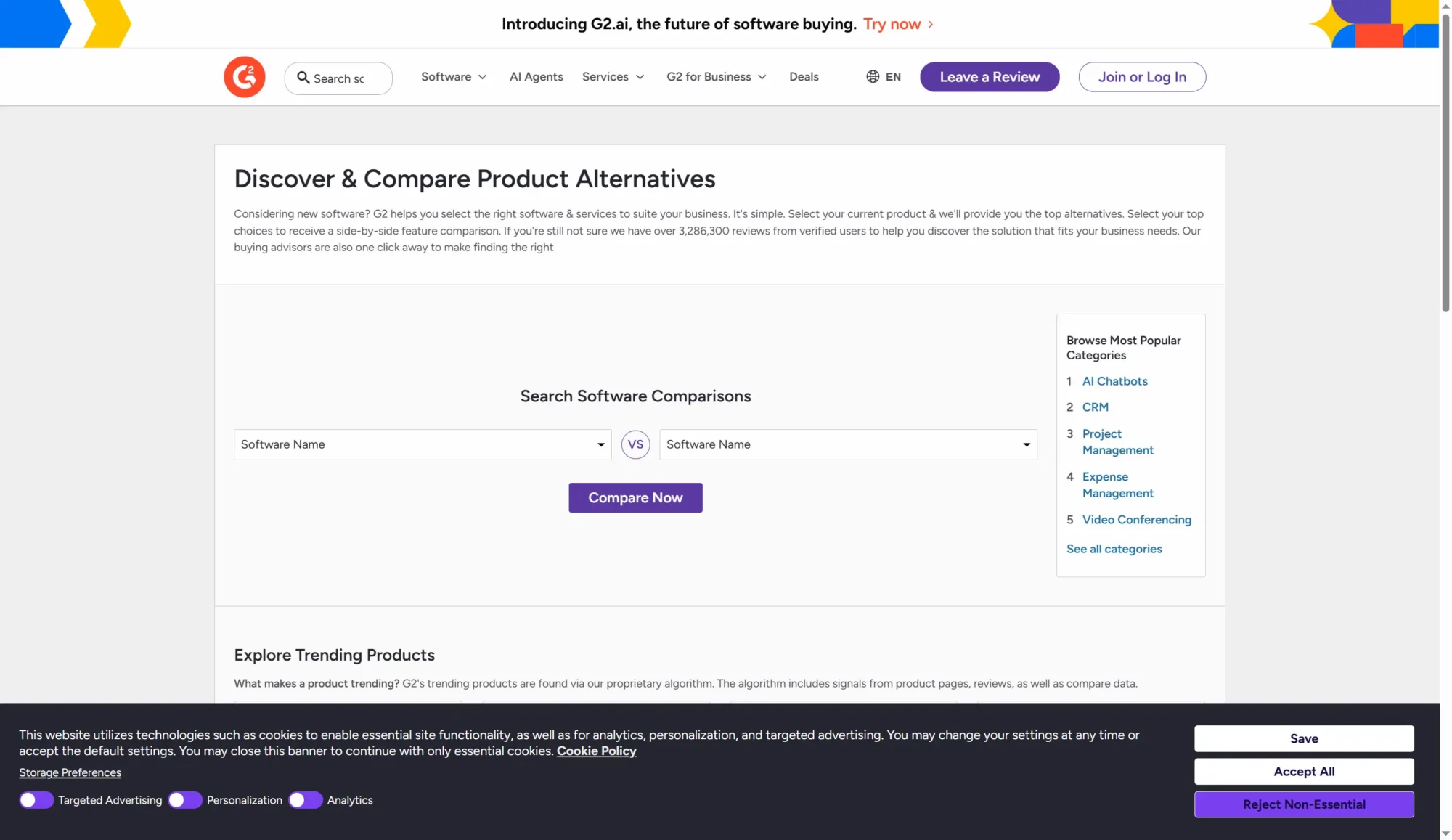
G2 has become one of the largest software marketplaces with 3.39 million visitors in February 2025. The platform hosts 2.9 million+ verified user reviews covering 180,000+ software products. What makes G2 special is its Grid Reports. Products are ranked based on user satisfaction and market presence. If your software lands in the “Leader” quadrant, it can significantly boost your credibility. The platform updates these rankings every quarter, so there’s always a chance to improve your position. G2 offers extensive filtering options. You can search by industry, company size, and specific features. The comparison tool lets you view up to four products side-by-side. You’ll see detailed scores for ease of use, customer support, and value for money.
3. Capterra
Capterra has been helping businesses find software since 1999. It’s part of the Gartner Digital Markets family, which also includes GetApp and Software Advice. When you list on Capterra, your product can appear across all three platforms. The site offers over 2.5 million verified reviews from real users. Capterra’s comparison tool is particularly useful because it lets you view detailed side-by-side comparisons of multiple products. You can see features, pricing, and user ratings all in one place. For vendors, Capterra provides marketing tools like comparison widgets and review badges. You can embed these on your own website to build trust with visitors. The platform also offers a pay-per-click lead program if you want to boost your visibility.
4. Software Advice
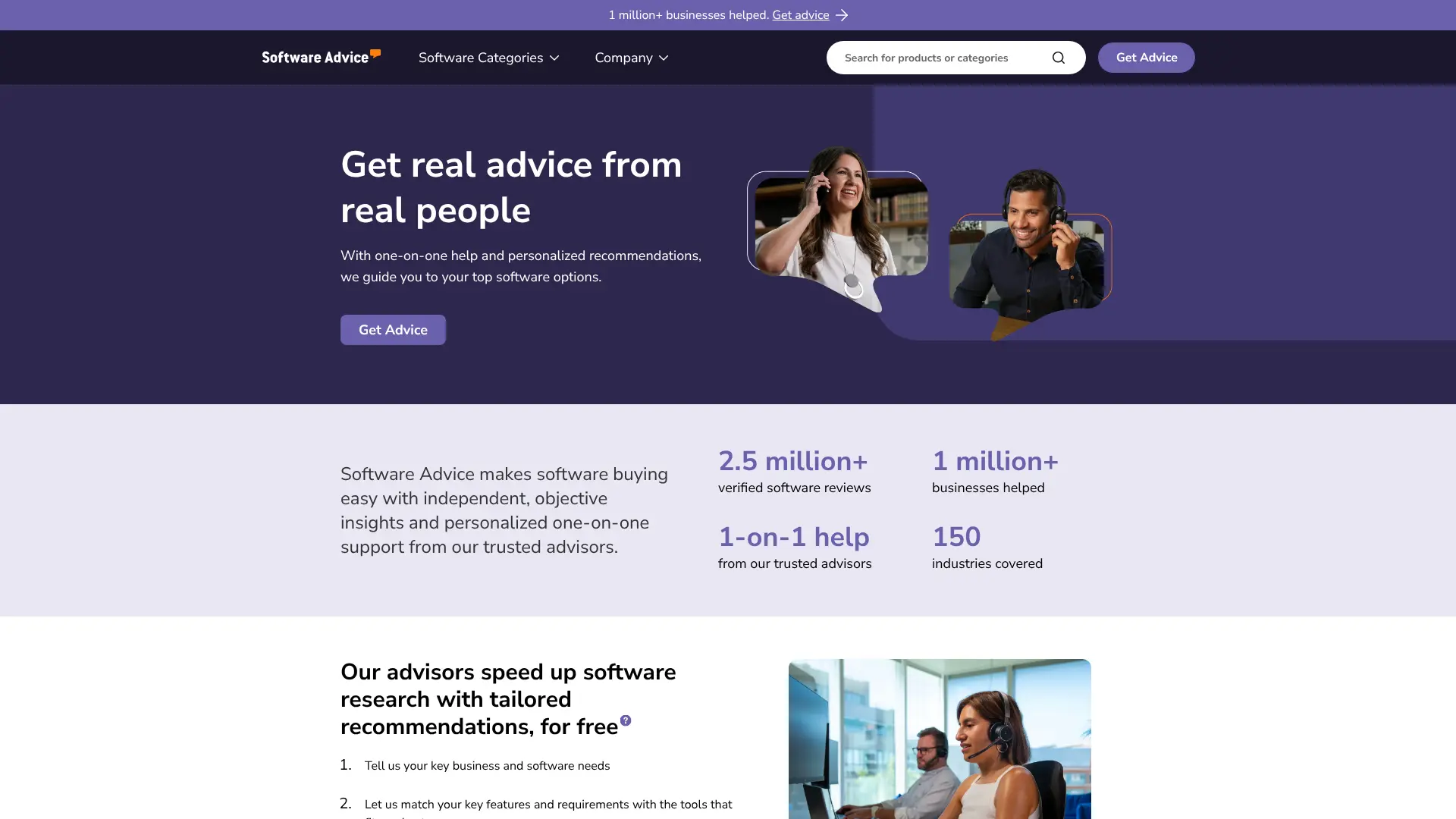 Software Advice takes a different approach by offering personalized recommendations. Instead of just browsing listings, you can talk to advisors who help match you with the right software for your specific needs. The platform includes over 390 detailed software guides with thorough descriptions and reviews. Each guide covers ease of use, functionality, quality, and support. You’ll also find screenshots showing the actual user interface of each product. Software Advice focuses heavily on honest, detailed reviews from actual users. The platform verifies all reviews to make sure they’re authentic. This helps you avoid fake reviews and get genuine insights into how software performs in real-world situations.
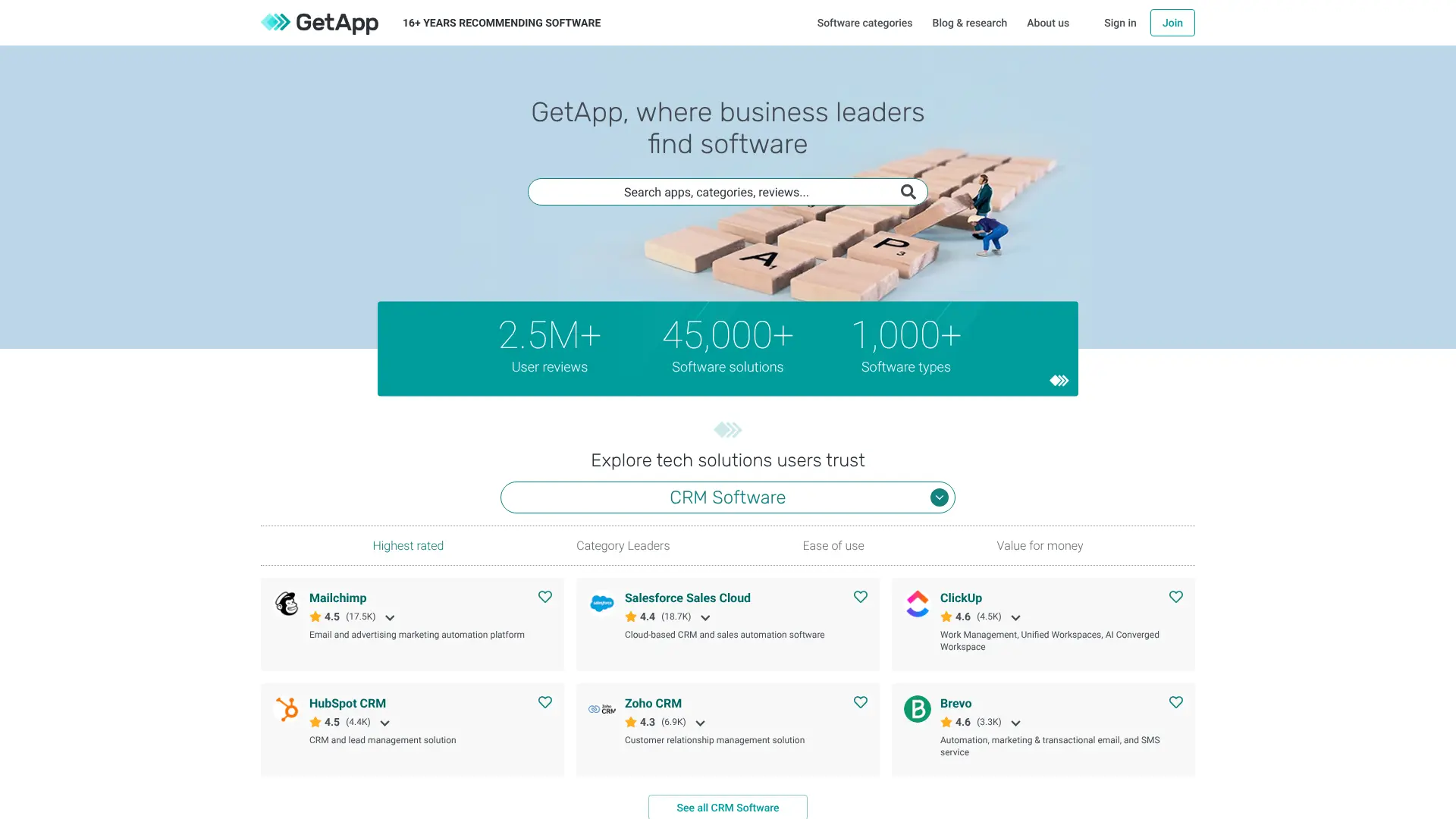
5. GetApp
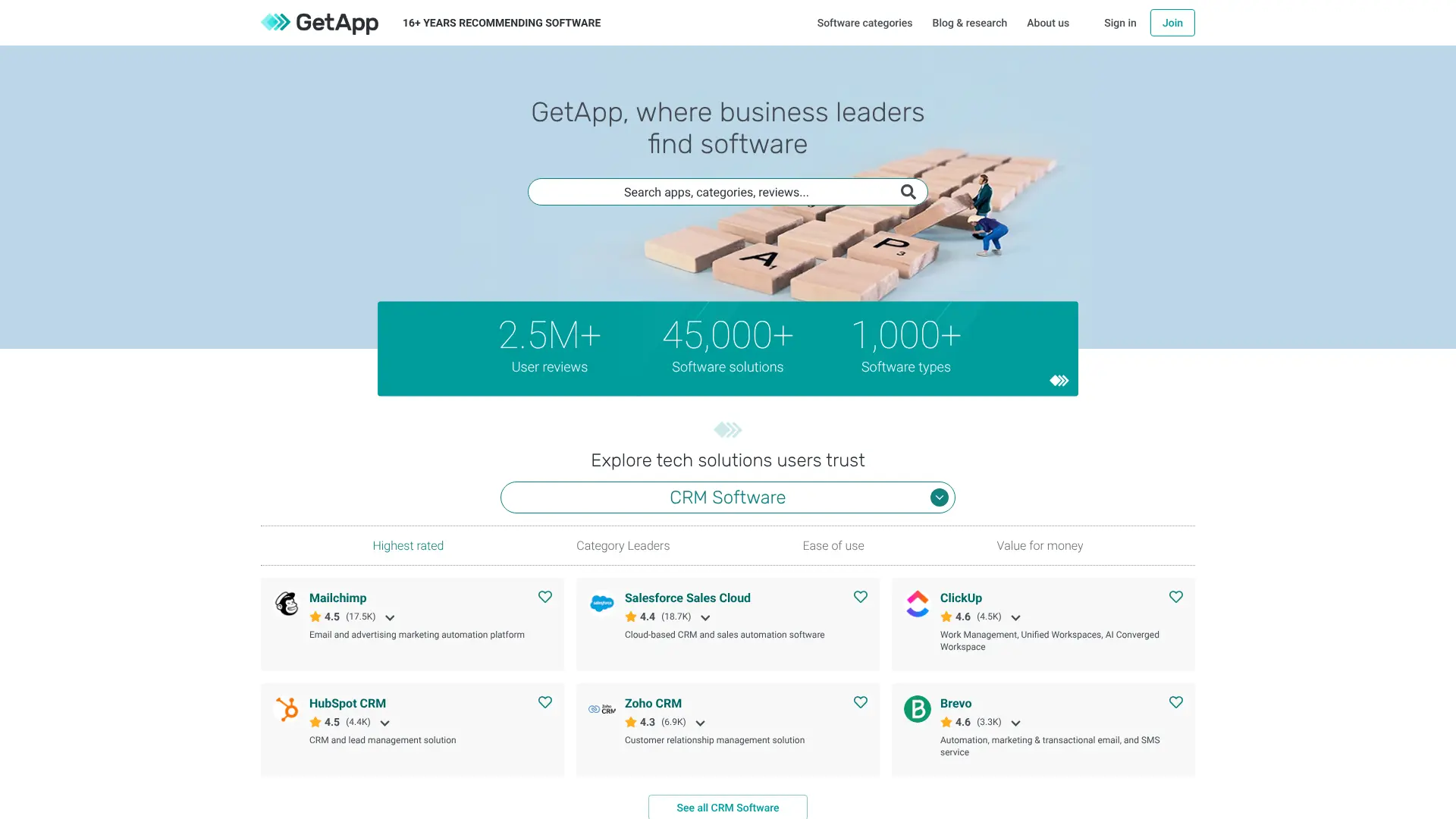 GetApp specializes in helping small to medium businesses find the right Software as a Service (SaaS) solutions. As part of Gartner Digital Markets, it shares data with Capterra and Software Advice. The platform offers a simple filtering process based on business size and industry. This makes it easy to find software that actually fits your company’s needs. GetApp also includes an integration comparison tool, which is super helpful when you need software that works with your existing tools. Reviews on GetApp include ratings for value for money, which is crucial when you’re watching your budget. The platform shows you exactly what you’re getting for your investment, not just a list of features.
6. TrustRadius
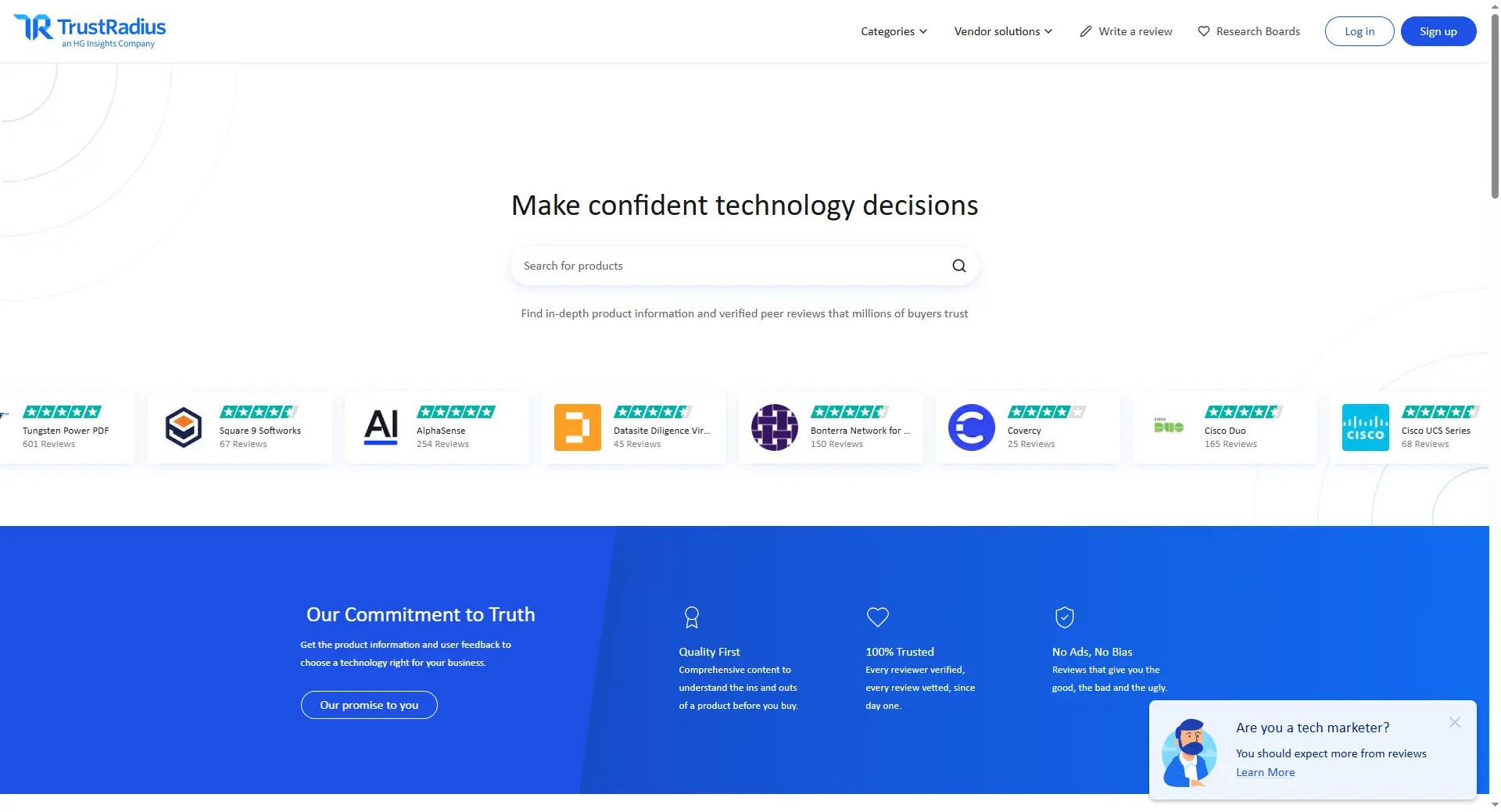
 TrustRadius focuses on providing detailed, trustworthy reviews from verified users. The platform doesn’t allow fake reviews and requires reviewers to list both pros and cons for balanced feedback. What sets TrustRadius apart is the depth of information. Reviews tend to be longer and more detailed than on other platforms. This gives you real insight into how software performs over time. You’ll learn about implementation challenges, customer support quality, and long-term value. The platform integrates with Salesforce, allowing vendors to track buyer intent. This helps software companies identify potential customers who are actively researching their products. For buyers, the detailed reviews make it easier to compare products and make informed decisions.
7. TopBusinessSoftware
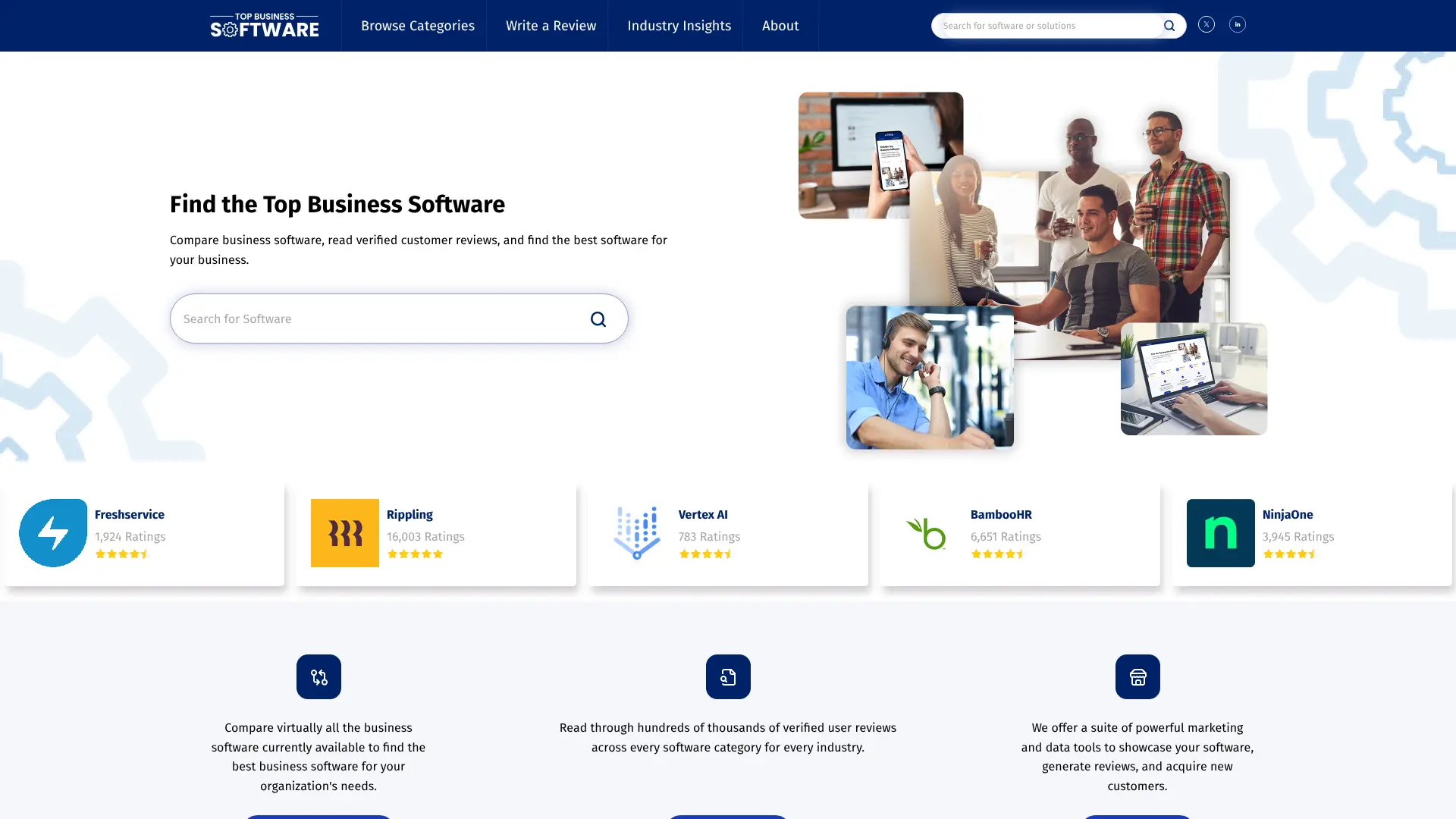 TopBusinessSoftware.com offers a straightforward experience for both buyers and vendors. The platform features an extensive directory of over 100,000 B2B software products across 4,100 categories. The site excels at making the software selection process simple and efficient. Whether you’re a small startup or a large enterprise, you’ll find tools that match your needs. The platform provides detailed product pages, user reviews, and comparison tools. For vendors, TopBusinessSoftware provides marketing opportunities and connects you with businesses actively seeking software solutions. The platform’s broad audience helps you reach potential customers across different industries and company sizes.
8. FinancesOnline – Fast-Growing Platform
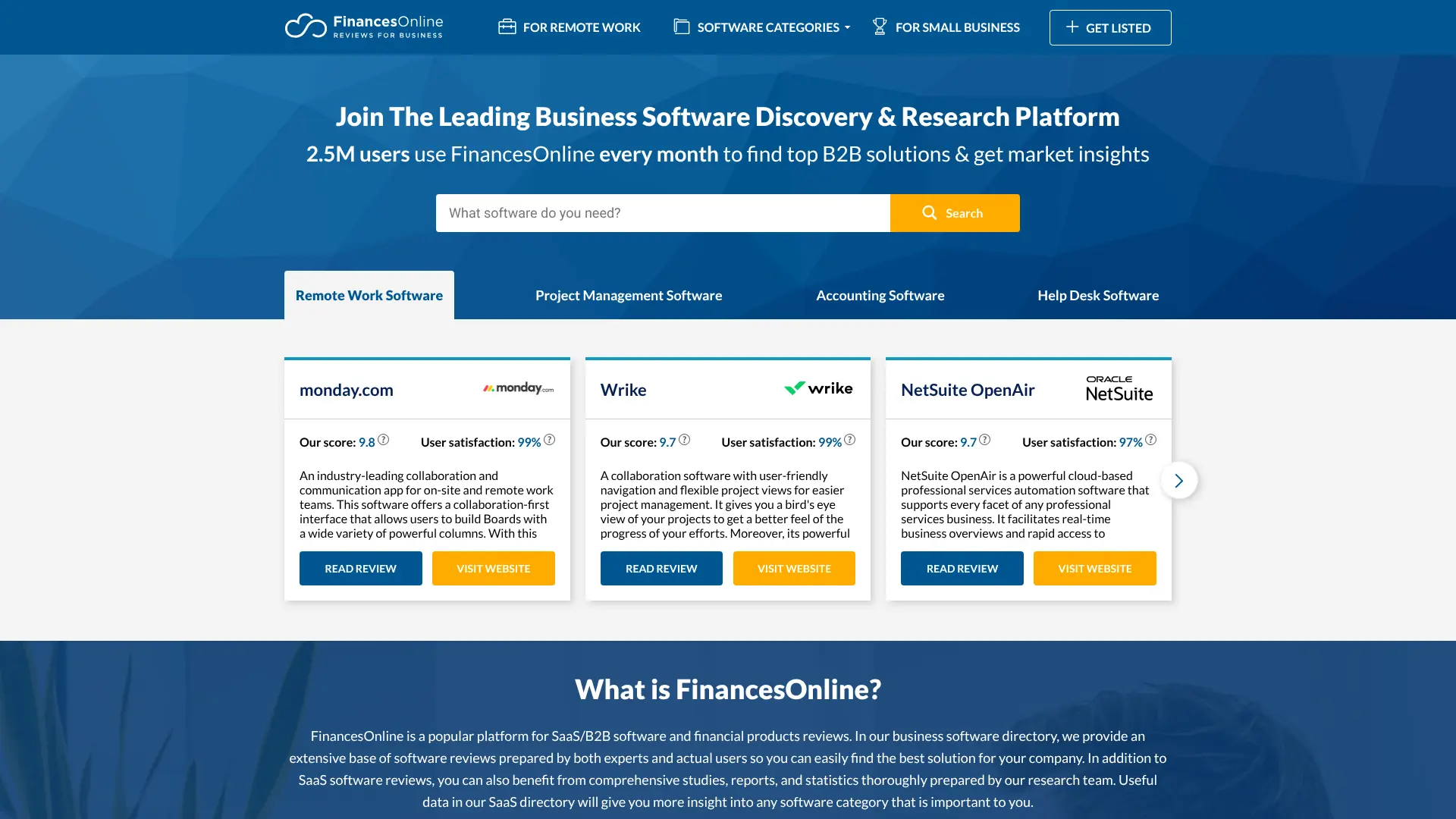 FinancesOnline is one of the fastest-growing B2B software review websites. The platform helps businesses find and compare software solutions across multiple categories. The site offers detailed product information, user feedback, and comparison tools. You can easily compare different software options to find the best fit for your business needs. FinancesOnline also provides expert analysis and market reports.
9. PCMag
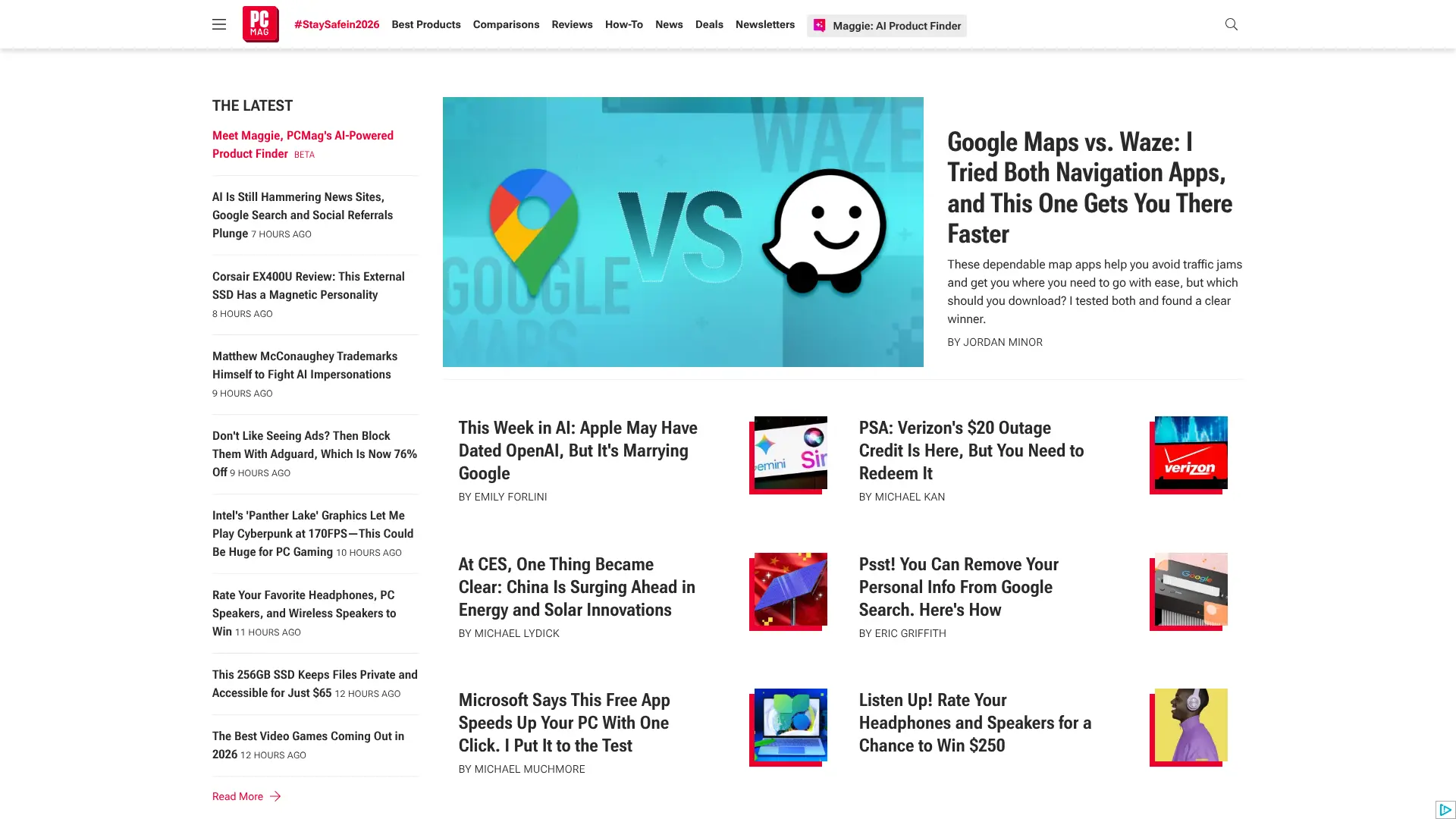 PCMag stands out for its professional, in-depth reviews written by industry experts. The platform has been reviewing technology products for decades, building a reputation for unbiased, thorough analysis. PCMag provides detailed performance breakdowns and comparison charts. You’ll find coverage of both popular software and newly launched products. The “What’s New Now” section keeps you updated on trending topics and the latest software releases. The expert reviews complement user feedback found on other platforms. When you combine professional analysis with user experiences, you get a complete picture of how software performs in different situations.
10. Slashdot
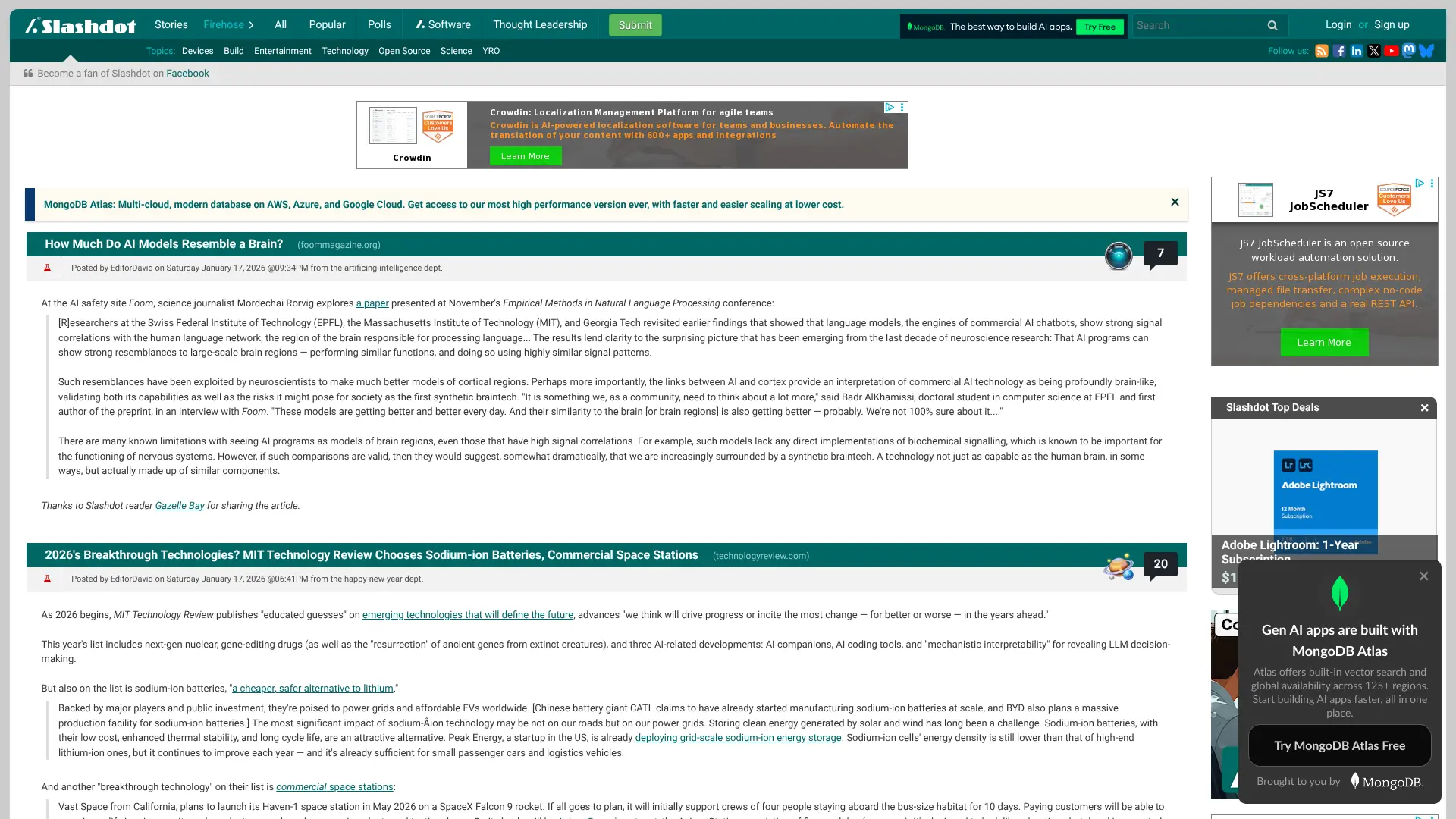 Slashdot offers a business software directory with thousands of B2B software products across thousands of categories. The platform’s audience includes business and technical professionals who value transparency and robust features. Appearing on Slashdot gives you credibility with tech-savvy decision-makers. The platform’s users appreciate detailed technical specifications and honest feedback. Positive ratings from Slashdot users can validate your product in the eyes of serious buyers.
How to List Your Business on Software Comparison Sites
Listing your software on comparison sites is easier than you might think. Most platforms offer free basic listings that let you create a company profile, add product information, and start collecting reviews.
Creating Your Profile
Start by choosing the platforms that match your target audience. If you’re selling to small businesses, focus on GetApp and Capterra. For enterprise software, prioritize G2 and TrustRadius. When creating your profile, include complete information about your product. Add screenshots, videos, pricing details, and a clear description of what your software does. The more information you provide, the easier it is for buyers to decide if your product fits their needs. Make sure to claim your product listing even if it already exists. Many platforms allow users to add products, so you might already have a listing with basic information. Claiming it gives you control over the content and lets you respond to reviews.
Gathering Reviews
Reviews are the lifeblood of your listing. Without them, potential customers won’t trust your product. Start by reaching out to your existing customers and asking them to share their experiences. Make the review process easy. Send direct links to your product page on each platform. Explain why reviews matter and how they help other businesses make informed decisions. Some platforms even offer incentive programs where reviewers can earn gift cards for detailed feedback. Respond to every review, both positive and negative. Thank customers for positive feedback and show you’re listening. When you get negative reviews, address the concerns professionally and explain what you’re doing to fix the problems. This shows potential customers that you care about their experience.
Benefits for Software Vendors
Listing your software on comparison sites offers several major advantages. Let’s look at why these platforms are essential for growing your business.
Increased Visibility and Traffic
Software comparison sites attract millions of visitors every month. SourceForge alone drives 20 million monthly visitors, more than most individual company websites could ever achieve. When you list on these platforms, you’re putting your product in front of people who are actively looking for solutions. These aren’t random visitors – they’re potential customers researching software with the intent to buy. This targeted traffic is much more valuable than general website visitors.
Building Trust and Credibility
User reviews build trust faster than any marketing campaign. When potential customers see dozens or hundreds of positive reviews from real users, they feel confident about trying your product. Earning badges and awards from these platforms adds another layer of credibility. A “Leader” badge on G2 or “Top Performer” status on SourceForge shows that your software is among the best in its category. You can use these awards in your marketing materials to attract even more customers.
Lead Generation
Many comparison sites offer lead generation programs. When buyers show interest in your product, the platform can send you their contact information. This lets your sales team reach out to qualified prospects who are already interested in what you offer. Some platforms like Capterra offer pay-per-click programs where you only pay when someone clicks through to your website. This makes it easy to control your marketing budget while still reaching potential customers.
Competitive Intelligence
Comparison sites let you see how you stack up against competitors. You can read reviews of competing products to learn what users like and dislike. This information helps you improve your own product and marketing messages. You’ll also see which features matter most to buyers in your category. If everyone’s asking for a specific feature that you don’t offer, that’s valuable feedback for your product roadmap.
SEO Benefits
Listings on software comparison sites can improve your search engine rankings. These platforms have high domain authority, so links from them carry significant weight. When someone searches for your product category on Google, comparison site pages often rank at the top of results. Having your product listed on multiple authoritative sites creates more pathways for people to discover your business. This increases your overall online presence and makes it easier for potential customers to find you.
Maximizing Your Listing Performance
Simply creating a listing isn’t enough. You need to optimize it to stand out from competitors and attract more customers.
Optimize Your Product Description
Your product description needs to be clear and compelling. Start with a strong opening that explains what your software does and who it’s for. Avoid technical jargon that might confuse buyers. Focus on benefits, not just features. Instead of saying “our software has automated workflows,” say “save 10 hours per week by automating repetitive tasks.” This helps buyers imagine how your product will improve their business. Use the AI Bio Generator from AI FREE FOREVER to create compelling product descriptions that highlight your key benefits. This tool helps you craft professional copy that resonates with potential customers.
Use High-Quality Visuals
Screenshots and videos make a huge difference in how buyers perceive your product. Show your software in action solving real problems. Include images of your most impressive features and user interface. Make sure your visuals are professional and up-to-date. Outdated screenshots can make your product look neglected. If you’ve updated your interface, refresh your listing images right away.
Keep Information Current
Update your listing regularly with new features, pricing changes, and customer success stories. Stale information can cost you sales if buyers think your product hasn’t been updated in years. Monitor your listings on all platforms at least once a month. Check for new reviews, update your product information, and make sure all links work correctly. This ongoing maintenance keeps your listing competitive.
Common Mistakes to Avoid
Many software vendors make simple mistakes that hurt their performance on comparison sites. Here’s what to watch out for.
Ignoring Negative Reviews
Never ignore negative reviews or get defensive when responding to them. Buyers expect to see some negative feedback – no product is perfect. What matters is how you handle criticism. Respond promptly and professionally to negative reviews. Acknowledge the issue, apologize if appropriate, and explain what you’re doing to fix it. This shows potential customers that you take feedback seriously and care about improving.
Incomplete Profiles
Don’t leave sections of your profile blank. Missing information makes buyers wonder if your product is legitimate or if you’re hiding something. Fill out every field, even if it seems minor. Include pricing information whenever possible. 71% of shoppers use comparison sites primarily to save money, so they want to see prices upfront. If you have complex pricing, at least provide a starting range or contact option.
Failing to Encourage Reviews
Don’t wait for reviews to magically appear. You need to actively ask customers to leave feedback. Build review requests into your customer journey. Send a follow-up email a few weeks after someone starts using your product asking them to share their experience. Make it easy by including direct links to your listings on different platforms. The less friction involved, the more likely customers are to leave reviews.
Choosing the Wrong Platforms
Don’t try to be everywhere at once. Start with the platforms that matter most for your target audience. If you’re selling to developers, SourceForge and Slashdot might be more valuable than general business platforms. Research where your competitors have the most success. Look at which platforms drive the most traffic and conversions for similar products. Focus your efforts on the platforms that will give you the best return on investment.
Not Monitoring Competitor Activity
Keep an eye on what your competitors are doing on these platforms. Read their reviews to see what users like about their products. Look at how they describe features and position themselves in the market. This isn’t about copying competitors. It’s about learning from what works and finding opportunities to differentiate yourself. If everyone in your category focuses on the same features, you might find a niche by emphasizing something different.
Neglecting Analytics
Most platforms provide analytics showing how your listing performs. Track metrics like profile views, review counts, and click-through rates. This data helps you improve your listing over time. If your click-through rate is low, maybe your description isn’t compelling enough. If people view your profile but don’t click through to your website, perhaps your screenshots aren’t showing your best features. Use the data to make informed improvements.
Frequently Asked Questions
How much does it cost to list software on comparison sites?
Most software comparison sites offer free basic listings. You can create a profile, add product information, and collect reviews without paying anything. However, many platforms also offer paid options like premium listings, sponsored placements, and lead generation programs that can increase your visibility and bring in more qualified leads.
How long does it take to see results from listing on comparison sites?
You might see some traffic within days of creating your listing, but building a strong presence takes time. Focus on gathering at least 10-20 quality reviews in the first few months. Most vendors see meaningful results within 3-6 months as their review count grows and their listings gain visibility in search results.
Can I list my software on multiple platforms?
Yes, and you should. Each platform reaches different audiences and offers unique features. List your software on all relevant platforms to maximize your exposure. Just make sure to keep all your listings updated with consistent information across all sites.
How do I get more reviews for my software?
Ask your existing customers directly through email campaigns. Make the process easy by providing direct links to your product pages on each platform. Consider offering small incentives like extended trial periods or feature upgrades for customers who leave detailed reviews. Most importantly, provide excellent software and customer service – happy customers are much more likely to leave positive reviews.
What information should I include in my software listing?
Include your product name, detailed description, key features, pricing information, screenshots, demo videos, supported platforms, integration options, and customer support details. The more complete your listing, the easier it is for buyers to evaluate your product. Don’t forget to highlight what makes your software unique compared to competitors.
How should I respond to negative reviews?
Respond quickly and professionally. Thank the reviewer for their feedback, acknowledge their concerns, and explain what you’re doing to address the issues. Never get defensive or argue with reviewers. Use negative feedback as an opportunity to show potential customers that you care about improving your product and value customer input.
Do software comparison sites really help sales?
Yes, significantly. Research shows that 88% of buyers trust online reviews as much as personal recommendations. Comparison sites put your product in front of people actively searching for solutions, making them much more likely to convert than random website visitors. Many vendors report that comparison sites become one of their top sources of qualified leads.
Which software comparison site should I start with?
Start with the platform that best matches your target audience. For small businesses, begin with Capterra or GetApp. For enterprise software, focus on G2 or TrustRadius. If you have open-source or developer-focused tools, SourceForge is ideal. You can always expand to additional platforms once you’ve established a strong presence on your primary platform.