
What Makes Vermont Affordable Living Challenging?
Several forces drive Vermont’s housing crunch. Limited inventory, strong pandemic-era migration from urban centers, and environmental regulations that slow new construction have combined to squeeze supply. Apartments.com April 2025 data pegs the average Vermont rent at $1,814 monthly, making it the 8th most expensive state for renters.
But Orleans, Essex, and Caledonia counties offer home values 50-60% below the state median. Cost of living in these areas runs 9-12% cheaper than the national average according to BestPlaces cost of living data.
This guide pinpoints the 10 cheapest places to live in Vermont for 2026, drawing from current housing data, cost of living comparisons, and verified local insights.
1. Bennington
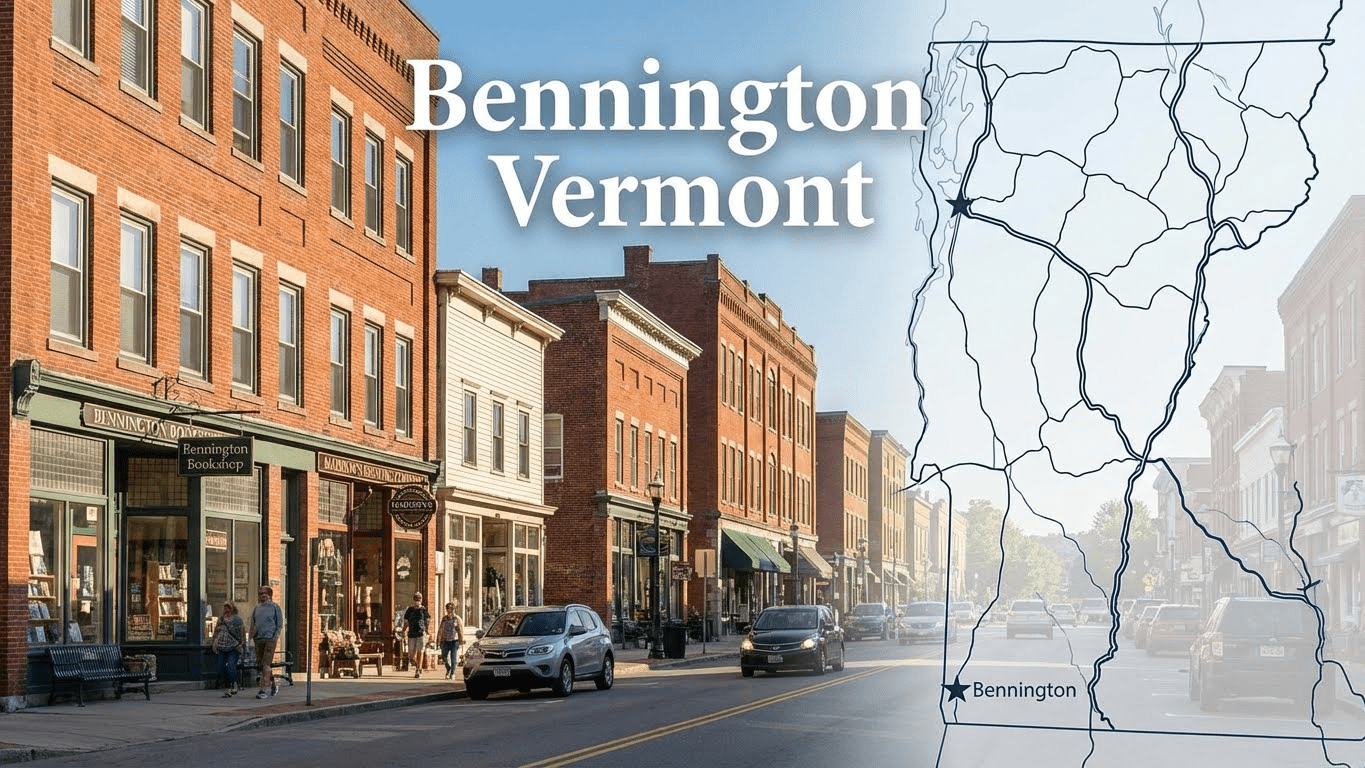
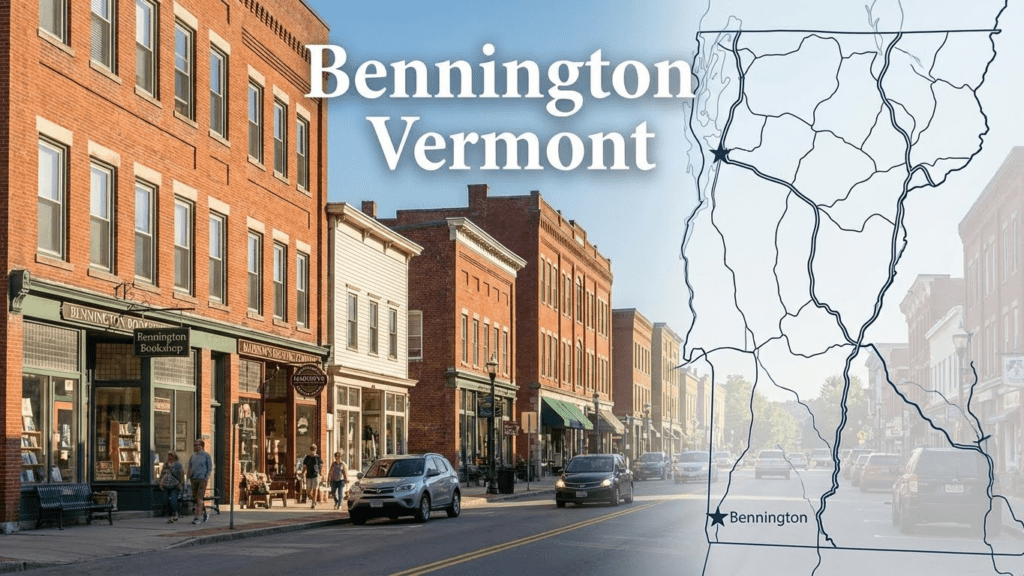
Historic brick storefronts, Revolutionary War history, and actual affordability: Bennington delivers the Vermont aesthetic without the Vermont price tag. This southwestern hub of 15,200 residents posts a cost of living 5.8% below the national average. Transportation costs? A remarkable 35.6% cheaper than typical American cities.
What Does Housing Cost in Bennington?
| Metric | Value | Source |
|---|---|---|
| Median Home Value | $231,843 | Zillow ZHVI 2025 |
| Median Rent | $1,250/month | Zillow Rental Trends |
| Cost of Living vs. National | 5.8% lower | BestPlaces |
| Median Household Income | $53,839 | U.S. Census Bureau |
Why Choose Bennington for Affordable Vermont Living?
Bennington offers cultural amenities that smaller affordable towns can’t match. Bennington College brings progressive arts programming and young energy to the community. The Bennington Battle Monument—the tallest structure in Vermont—commemorates a pivotal Revolutionary War battle and offers panoramic views across three states from its observation deck.
Geography works in Bennington’s favor for commuters and day-trippers: Albany, New York sits just 40 miles west, providing access to major employers, healthcare, and cultural destinations. The nearby Green Mountain National Forest offers year-round outdoor recreation, from skiing at nearby Prospect Mountain to hiking throughout the Taconic Range.
2. Newport
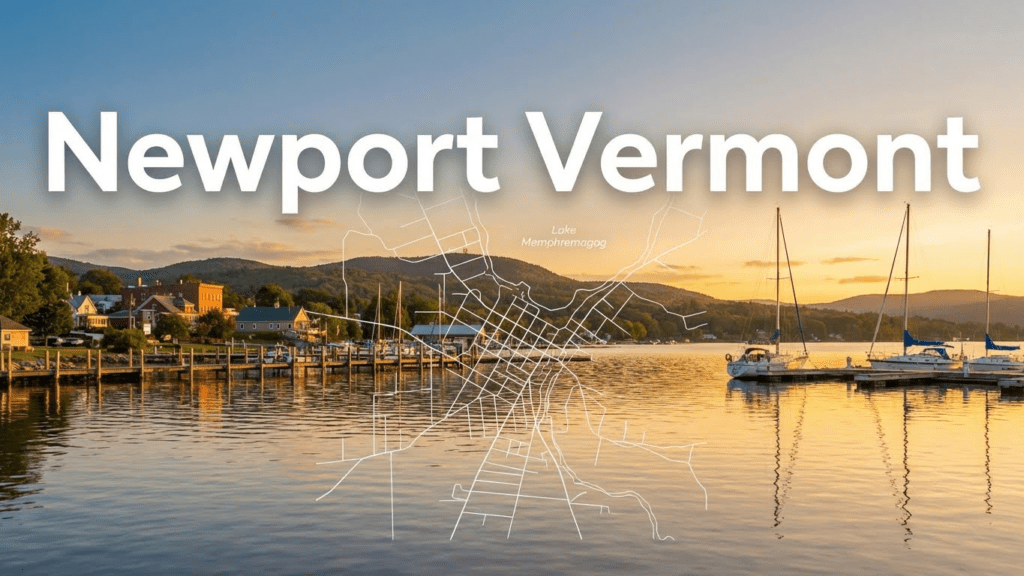
Lake Memphremagog stretches across the Canadian border, and Newport hugs its southern shore. Housing costs here plunge 41.4% below typical American communities. Overall cost of living runs 12.4% below national average, the steepest discount on this list.
What Does Housing Cost in Newport?
| Metric | Value | Source |
|---|---|---|
| Median Home Value | $245,017 | Zillow ZHVI 2025 |
| Median Rent | $1,895/month | Zillow Rental Trends |
| Cost of Living vs. National | 12.4% lower | BestPlaces |
| Median Household Income | $72,656 | U.S. Census Bureau |
What Lifestyle Does Newport Offer?
Newport’s lakefront location defines daily life here. Lake Memphremagog stretches north into Quebec, creating opportunities for boating, fishing, and swimming that few Vermont towns can match. The MAC Center for the Arts anchors a small but vibrant cultural scene, while the Newport Bike Path provides scenic car-free transportation along the waterfront.
The international border sits just minutes north, giving residents easy access to Canadian amenities in Magog and Sherbrooke, Quebec. This cross-border dynamic brings cultural diversity unusual for such a small American community (population approximately 4,336).
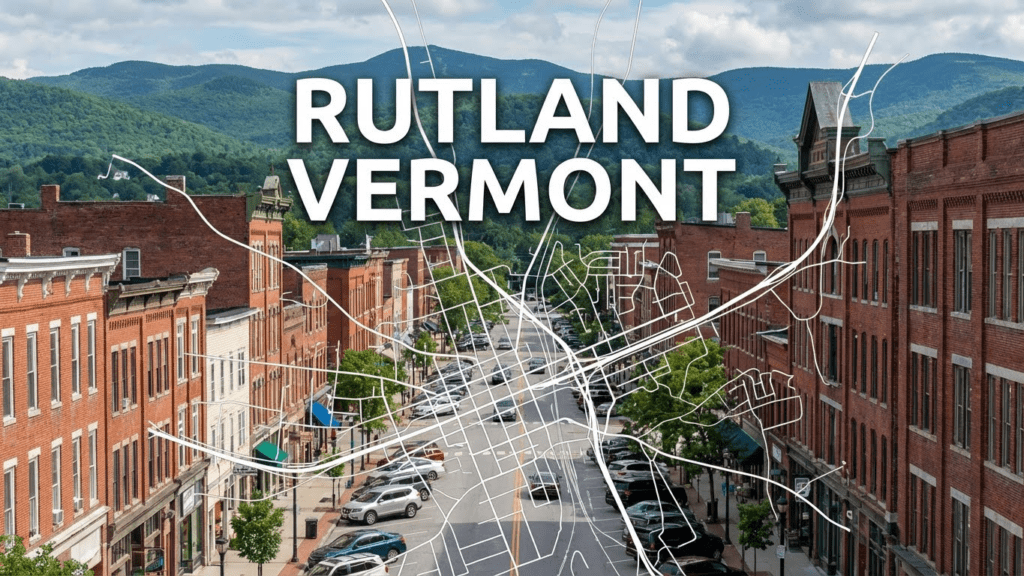
3. Rutland
Forget the sleepy village image. Rutland is Vermont’s second-largest city: 15,630 people, a walkable downtown, and cost of living 9.9% below the national average. No other Vermont municipality this size offers comparable value.
What Does Housing Cost in Rutland?
| Metric | Value | Source |
|---|---|---|
| Median Home Value | $258,267 | Zillow ZHVI 2025 |
| Median Rent | $1,450/month | Zillow Rental Trends |
| Cost of Living vs. National | 9.9% lower | BestPlaces |
| Median Household Income | $55,000 | U.S. Census Bureau |
What Amenities Does Rutland Provide?
Rutland punches above its weight in cultural offerings. The Paramount Theatre, a beautifully restored 1914 venue, hosts national touring acts alongside local performances. The Rutland Area Farm & Food Link supports one of Vermont’s strongest local food networks, connecting residents directly with regional farmers.
For outdoor enthusiasts, Pine Hill Park offers over 20 miles of trails for mountain biking and hiking directly adjacent to downtown. The Killington Resort—the largest ski area in eastern North America—sits just 20 minutes east, making Rutland an ideal base for winter sports enthusiasts seeking affordable housing near premium slopes.
4. Hardwick
Hardwick has pulled off something unusual: agricultural reinvention. Once a struggling mill town, it now anchors Vermont’s sustainable food movement. The 2,975 residents here benefit from cost of living 11.5% below national average, plus access to a thriving local food economy that most Vermont towns would envy.
What Does Housing Cost in Hardwick?
| Metric | Value | Source |
|---|---|---|
| Median Home Value | $251,269 | Zillow ZHVI 2025 |
| Median Rent | $1,150/month | Zillow Rental Trends |
| Cost of Living vs. National | 11.5% lower | BestPlaces |
| Median Household Income | $66,075 | U.S. Census Bureau |
Why Is Hardwick Attracting New Residents?
The Center for an Agricultural Economy has transformed Hardwick from a struggling mill town into a model for sustainable rural development. Major food businesses including Vermont Food Venture Center, Jasper Hill Farm, and High Mowing Organic Seeds call this tiny town home, creating employment opportunities in sectors beyond traditional rural industries.
Safety adds to Hardwick’s appeal: crime rates run 13.9 points below the national average of 22.7, according to local data. The Lamoille Valley Rail Trail passes through town, offering 93 miles of car-free recreation for biking, skiing, and walking.
5. Barre
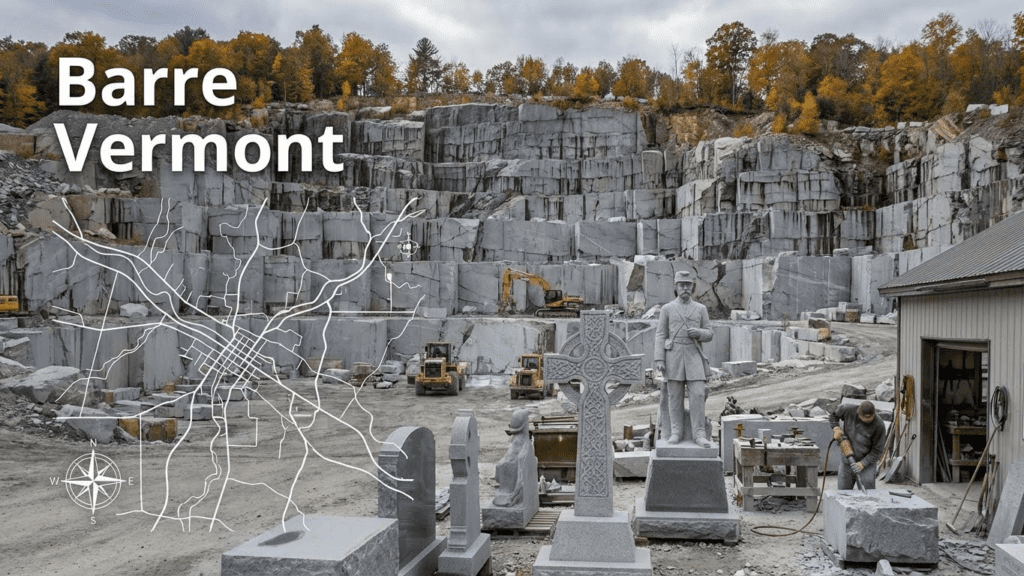
“Granite Center of the World.” Barre earned that nickname through generations of stonecutting, and the working-class ethos persists. This city of 8,037 posts cost of living 1.1% below the national average. Modest savings compared to rural towns, but Barre compensates with urban conveniences that small villages lack.
What Does Housing Cost in Barre?
| Metric | Value | Source |
|---|---|---|
| Median Home Value | $296,046 | Zillow ZHVI 2025 |
| Median Rent | $1,325/month | Zillow Rental Trends |
| Cost of Living vs. National | 1.1% lower | BestPlaces |
| Median Household Income | $53,288 | U.S. Census Bureau |
What Makes Barre Unique?
Barre’s granite quarrying legacy shaped both its architecture and identity. Italian immigrant stonecutters who arrived in the late 1800s established the industry and community that persists today. Studio Place Arts occupies a converted industrial building downtown, supporting local artists in a space that reflects the town’s creative-industrial heritage.
The practical advantage of Barre is proximity to Vermont’s capital region: Montpelier sits just six miles north, providing access to state government employment, dining, and cultural venues. Yet Barre’s housing costs run significantly lower than the capital’s, making it an attractive commuter option.
6. Brandon
Picture-perfect New England, minus the premium. Brandon sits in Rutland County with 4,106 residents, a cost of living 9.9% below national average, and transportation costs 27.2% cheaper than typical American communities.
What Does Housing Cost in Brandon?
| Metric | Value | Source |
|---|---|---|
| Median Home Value | $289,808 | Zillow ZHVI 2025 |
| Median Rent | $900/month | Zillow Rental Trends |
| Cost of Living vs. National | 9.9% lower | BestPlaces |
| Median Household Income | $64,778 | U.S. Census Bureau |
Why Is Brandon Popular with Families?
Brandon’s $900 median rent represents the lowest on this list, making it exceptional for renters seeking affordable entry into Vermont living. The Neshobe River Park provides riverside recreation directly in town, while the scenic Route 73 corridor connects to Green Mountain hiking and the Moosalamoo National Recreation Area.
The downtown Brandon area hosts a thriving arts scene centered around Brandon Artists Guild and regular concerts at Brandon Town Hall. Café Provence serves acclaimed French-inspired cuisine, demonstrating the culinary quality increasingly common in Vermont’s small towns.
7. Randolph
University town, hospital access, and genuine affordability rarely overlap. Randolph manages all three. The 4,849 residents here get cost of living 9.9% below the national average alongside amenities that most budget-friendly Vermont towns lack entirely.
What Does Housing Cost in Randolph?
| Metric | Value | Source |
|---|---|---|
| Median Home Value | $325,225 | Zillow ZHVI 2025 |
| Median Rent | $895/month | Zillow Rental Trends |
| Cost of Living vs. National | 9.9% lower | BestPlaces |
| Median Household Income | $77,328 | U.S. Census Bureau |
What Services Does Randolph Offer?
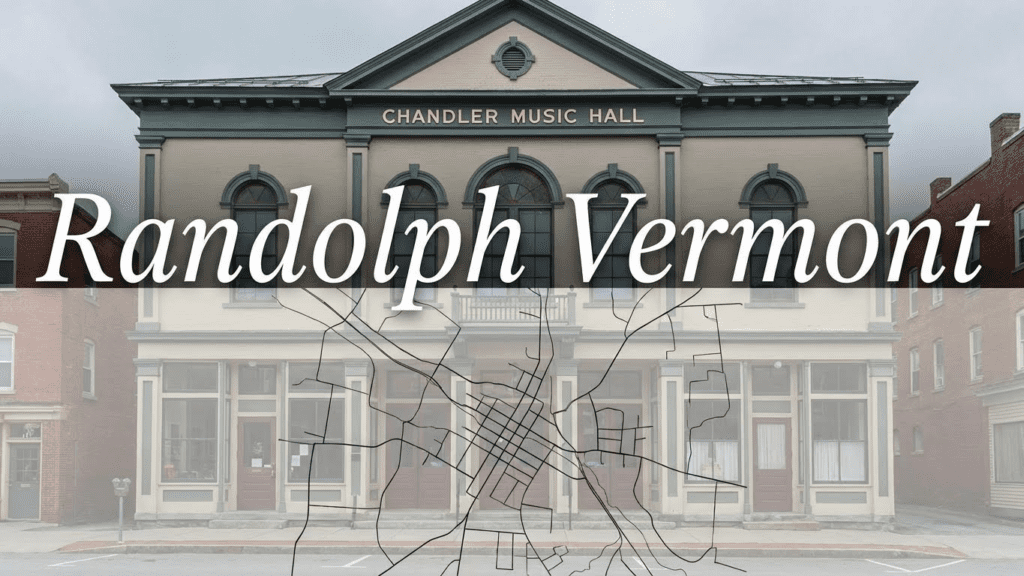
Vermont State University maintains a campus in Randolph, offering technical and professional programs while bringing educational opportunities and young energy to the community. The Chandler Center for the Arts hosts regional performances in a renovated 1907 opera house, serving as the cultural anchor for surrounding communities.
Healthcare access sets Randolph apart from more remote affordable towns. Gifford Medical Center provides comprehensive hospital services, creating both local employment and peace of mind for residents concerned about rural healthcare access. Major employers beyond healthcare include education and agriculture-related businesses.
8. Brattleboro
Where the Connecticut and West Rivers meet, Brattleboro has built something unexpected: a genuine arts scene in rural New England. The 12,110 residents here pay for that cultural richness. Cost of living runs just 0.3% below national average, the thinnest margin on this list. Artists and writers accept the trade.
What Does Housing Cost in Brattleboro?
| Metric | Value | Source |
|---|---|---|
| Median Home Value | $325,905 | Zillow ZHVI 2025 |
| Median Sale Price | $195,000 | Redfin April 2025 |
| Median Rent | $1,950/month | Zillow Rental Trends |
| Cost of Living vs. National | 0.3% lower | BestPlaces |
| Median Household Income | $46,972 | U.S. Census Bureau |
What Cultural Scene Does Brattleboro Offer?
Brattleboro’s median sale price of $195,000 (per Redfin data) versus the higher ZHVI estimate reflects a market with significant variation—meaning deals exist for patient buyers. The town’s artistic reputation draws creative professionals who’ve established galleries, studios, and performance venues throughout the walkable downtown.
The Brattleboro Museum & Art Center anchors the visual arts scene, while the annual Brattleboro Literary Festival brings nationally recognized authors each October. Major employers include Brattleboro Memorial Hospital and the Community College of Vermont, providing stable employment in healthcare and education.
9. Northfield
Norwich University, the nation’s oldest private military college, anchors life in Northfield. The 5,935 residents live alongside cadets, professors, and military families, giving this town a younger vibe than most Vermont communities. Cost of living runs 1.1% below national average.
What Does Housing Cost in Northfield?
| Metric | Value | Source |
|---|---|---|
| Median Home Value | $308,009 | Zillow ZHVI 2025 |
| Median Rent | $975/month | Zillow Rental Trends |
| Cost of Living vs. National | 1.1% lower | BestPlaces |
| Median Household Income | $79,853 | U.S. Census Bureau |
What Makes Northfield Appealing for Young Adults?
Norwich University brings not just students but professors, staff, and military-connected families to Northfield, creating a younger demographic than typical Vermont towns. The school’s engineering and nursing programs feed directly into regional employment needs, while ROTC programs produce officers for all U.S. military branches.
The Northfield Winter Carnival showcases Vermont’s seasonal culture with ice skating, winter sports, and family activities. For daily life, local establishments like Main Street Grill and Northfield Café provide dining options, while Montpelier sits just 10 miles north for additional shopping and entertainment.
10. Orleans (Barton)
The numbers don’t lie: Orleans (a village within Barton) posts Vermont’s absolute lowest housing costs. Zillow Home Value Index data shows median values dropped 9.25% over the past year to just $160,682. For pure affordability, nowhere else in Vermont comes close.
What Does Housing Cost in Orleans?
| Metric | Value | Source |
|---|---|---|
| Median Home Value | $160,682 | Zillow ZHVI 2025 |
| Year-Over-Year Change | -9.25% | Zillow ZHVI |
| County Cost of Living | Lowest in Vermont | Niche 2025 |
What Should Buyers Know About Orleans?
That sharp price decline reflects typical Northeast Kingdom dynamics: limited local employment, seasonal population fluctuations, and housing stock that skews toward older properties. Interstate 91 passes through the area, connecting to St. Johnsbury (30 minutes south) and the Canadian border (25 minutes north).
For remote workers, retirees, or anyone prioritizing value over urban amenities, Orleans represents genuine opportunity. The village maintains basic services, and the surrounding lakes and forests offer recreation that wealthier Vermonters drive hours to access. Crystal Lake and Lake Willoughby—often called Vermont’s most beautiful—sit within easy driving distance.
Vermont Affordability: Quick Comparison
| Town | Median Home Value | Median Rent | Cost of Living vs. National |
|---|---|---|---|
| Orleans | $160,682 | N/A | Lowest in VT |
| Bennington | $231,843 | $1,250 | 5.8% lower |
| Newport | $245,017 | $1,895 | 12.4% lower |
| Hardwick | $251,269 | $1,150 | 11.5% lower |
| Rutland | $258,267 | $1,450 | 9.9% lower |
| Brandon | $289,808 | $900 | 9.9% lower |
| Barre | $296,046 | $1,325 | 1.1% lower |
| Northfield | $308,009 | $975 | 1.1% lower |
| Randolph | $325,225 | $895 | 9.9% lower |
| Brattleboro | $325,905 | $1,950 | 0.3% lower |
Understanding Vermont Taxes and Living Costs
Affordability in Vermont extends beyond housing costs. The state’s tax structure and living expenses significantly impact overall budget planning for prospective residents.
What Are Vermont’s Tax Rates?
Vermont imposes a progressive state income tax ranging from 3.35% to 8.75%, with the top rate applying to incomes above $229,500 (single filers) according to the Vermont Department of Taxes. Property taxes vary significantly by municipality but average around 1.86% of assessed value—among the highest in the nation.
However, Vermont offers substantial property tax relief for lower-income residents through the Homestead Declaration and Property Tax Credit programs. Retirees benefit from Social Security income being taxed only above certain thresholds, with exemptions available based on filing status and total income.
What Additional Costs Should You Expect?
| Expense Category | Vermont vs. National Average | Notes |
|---|---|---|
| Utilities | +16% | Heating costs significant due to winters |
| Groceries | +6% | Local food options can offset |
| Healthcare | Varies | Strong preventive care tradition |
| Transportation | -10% to -35% | Lower in rural areas |
Data from PayScale’s Burlington analysis shows the state’s largest city runs 15% above national average, but rural communities on this list typically fall below national norms for overall cost of living.
Healthcare Access in Affordable Vermont Towns
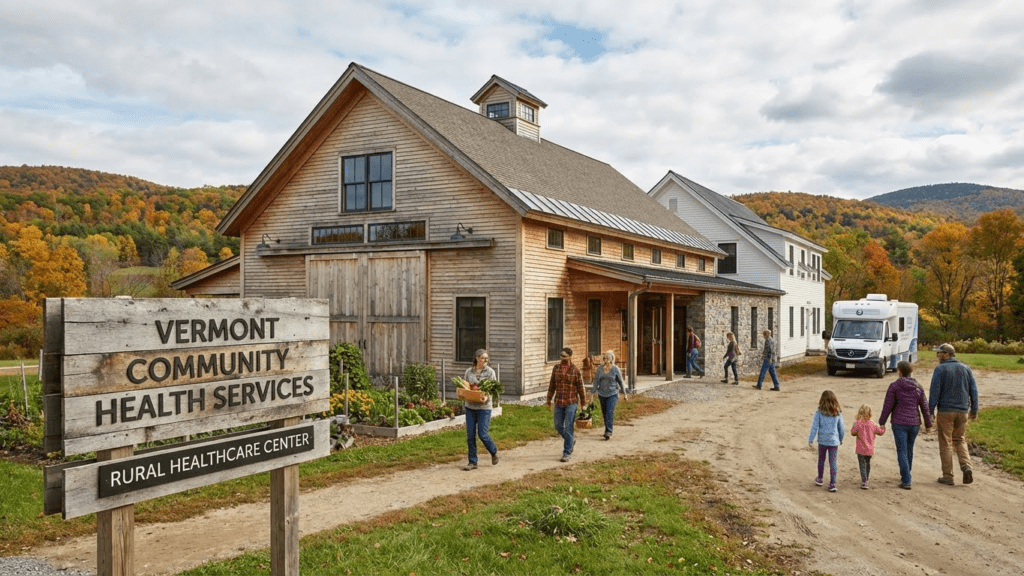
Vermont’s rural healthcare infrastructure has faced challenges common throughout New England, with the Northern Vermont Area Health Education Center reporting that independent physicians have increasingly consolidated into larger health systems. However, the state maintains strong hospital networks accessible to most affordable communities.
Which Towns Have Best Healthcare Access?
- Randolph: Gifford Medical Center provides comprehensive hospital services
- Brattleboro: Brattleboro Memorial Hospital serves southern Vermont
- Rutland: Rutland Regional Medical Center is the largest hospital outside Burlington
- Bennington: Southwestern Vermont Medical Center covers the southern Green Mountains
- Newport: North Country Hospital serves the Northeast Kingdom
Vermont is actively pursuing federal funding to strengthen rural healthcare. The state submitted a $500 million Rural Health Transformation Program application to CMS in late 2025, seeking resources to maintain and expand healthcare access in underserved areas.
Frequently Asked Questions About Affordable Vermont Living
What is the cheapest town to buy a house in Vermont?
Orleans (within Barton) offers Vermont’s lowest median home value at $160,682 as of 2025, according to Zillow Home Value Index data. Home prices there dropped 9.25% over the past year, making it the most affordable entry point for Vermont homeownership.
Is Vermont more affordable than New Hampshire or Maine?
Vermont generally costs more than Maine and slightly less than New Hampshire’s southern tier. The cheapest Vermont towns (Orleans, North Troy, Lunenburg) offer housing comparable to affordable Maine communities but with higher property taxes. New Hampshire’s lack of income and sales taxes creates different trade-offs.
Can you live in Vermont on $50,000 a year?
Yes, particularly in the affordable towns listed here. A $50,000 income exceeds median household income in Brattleboro ($46,972) and Bennington ($53,839). Housing costs in towns like Orleans, Hardwick, or Newport make comfortable living possible at this income level, especially for individuals or couples without children.
What is the cost of living in rural Vermont?
Rural Vermont communities on this list run 1-12% below national cost of living averages, with the greatest savings in Newport (12.4% lower), Hardwick (11.5% lower), and Rutland/Brandon (9.9% lower). Housing represents the largest savings category, while utilities tend to run higher due to heating needs.
Are there jobs in Vermont’s affordable towns?
Employment varies significantly by location. Towns with colleges (Northfield, Randolph), hospitals (Rutland, Brattleboro, Randolph), or strong local food economies (Hardwick) offer more opportunities. Remote work has expanded options dramatically, making affordable towns viable for workers employed outside the state.
How cold are Vermont winters in affordable areas?
Vermont’s cheapest towns—particularly those in the Northeast Kingdom (Newport, Orleans)—experience some of New England’s coldest winters. Average January temperatures range from 10-20°F, with significant snowfall. Heating costs represent a meaningful portion of annual budgets, making energy-efficient housing important.
Is Vermont a good state for retirees?
Vermont offers retirees natural beauty, strong community bonds, and quality healthcare access, but higher-than-average taxes. Affordable towns like Brattleboro, Brandon, and Randolph provide good retirement value with cultural amenities and medical facilities. The state’s progressive politics and environmental focus appeal to many retirees.
What are property taxes like in Vermont’s affordable towns?
Vermont property taxes average around 1.86% of assessed value—among the nation’s highest. However, the Homestead Declaration program provides credits for Vermont residents, and towns on this list have lower assessed values that reduce total tax burden despite higher rates.
Can you find homes under $200,000 in Vermont?
Yes, though inventory is limited. Orleans, North Troy ($174,836 median), Lunenburg ($192,421 median), and West Rutland ($206,636 median) regularly list homes under $200,000. According to Houzeo data, homes for sale under $200K appear regularly in Bennington, Rutland, and Northfield as well.
What’s the best affordable Vermont town for families?
Rutland and Bennington offer the best combination of affordability, schools, and family amenities. Hardwick stands out for families interested in sustainable living and agricultural education. Randolph’s Vermont State University campus and Gifford Medical Center make it attractive for families prioritizing education and healthcare access.
Finding Your Affordable Vermont Home
Vermont’s most affordable communities require trade-offs—remote locations, older housing stock, or limited local employment. But for remote workers, retirees, or anyone willing to embrace rural New England living, these ten towns offer genuine value in one of America’s most beautiful states.
The Northeast Kingdom (Newport, Orleans, Hardwick) delivers the deepest savings for those comfortable with genuine remoteness. Central Vermont (Randolph, Northfield, Barre) balances affordability with access to Montpelier and state employment. Southern Vermont (Bennington, Brattleboro) offers cultural amenities and proximity to larger metros at prices below the state average.
Whatever your priorities, visiting prospective communities in winter as well as summer provides essential perspective. Vermont’s affordable towns reveal their true character during the long, cold months when maple syrup flows, wood stoves burn, and tight-knit communities prove their value.