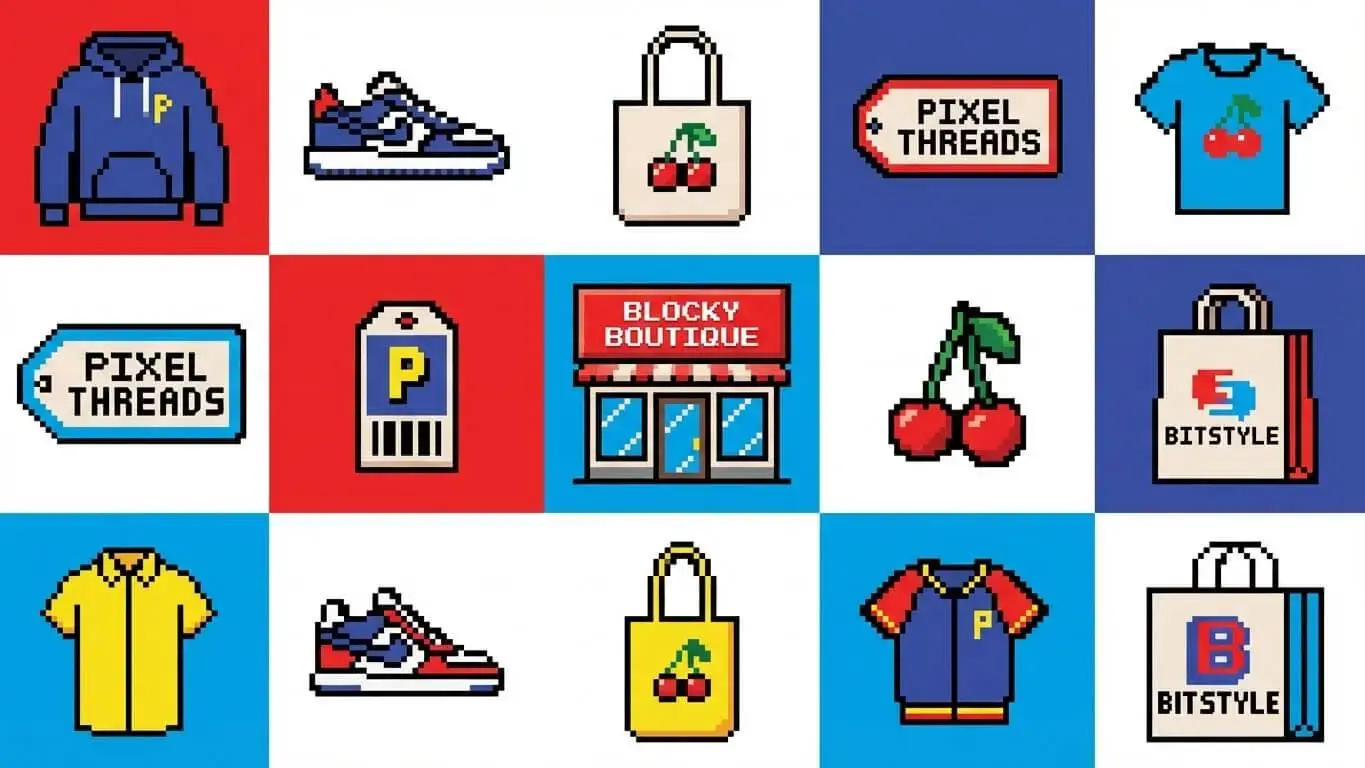
Pixelated retro art is everywhere. From video games to fashion brands, the blocky graphics that once defined early digital technology have returned as a major design trend. This comeback is not just about remembering old games. It represents a cultural shift where people are choosing simplicity and authenticity over perfect, AI-generated images.
The rise of 8-bit aesthetics and 16-bit art shows that retro visuals are more than nostalgia. They are a creative choice that connects different generations and offers a fresh alternative to modern design.
Table of Contents
- What is Pixel Art?
- 1. The Nostalgia Factor Drives the Revival
- 2. A Rebellion Against AI Perfection
- 3. Indie Games Are Leading the Charge
- 4. Cost-Effective for Creators
- 5. Social Media and Meme Culture
- Types of Pixel Art Styles in 2025
- Modern Applications Beyond Gaming
- How to Create Your Own Pixel Art
- FAQ
- Key Takeaways
What is Pixel Art?
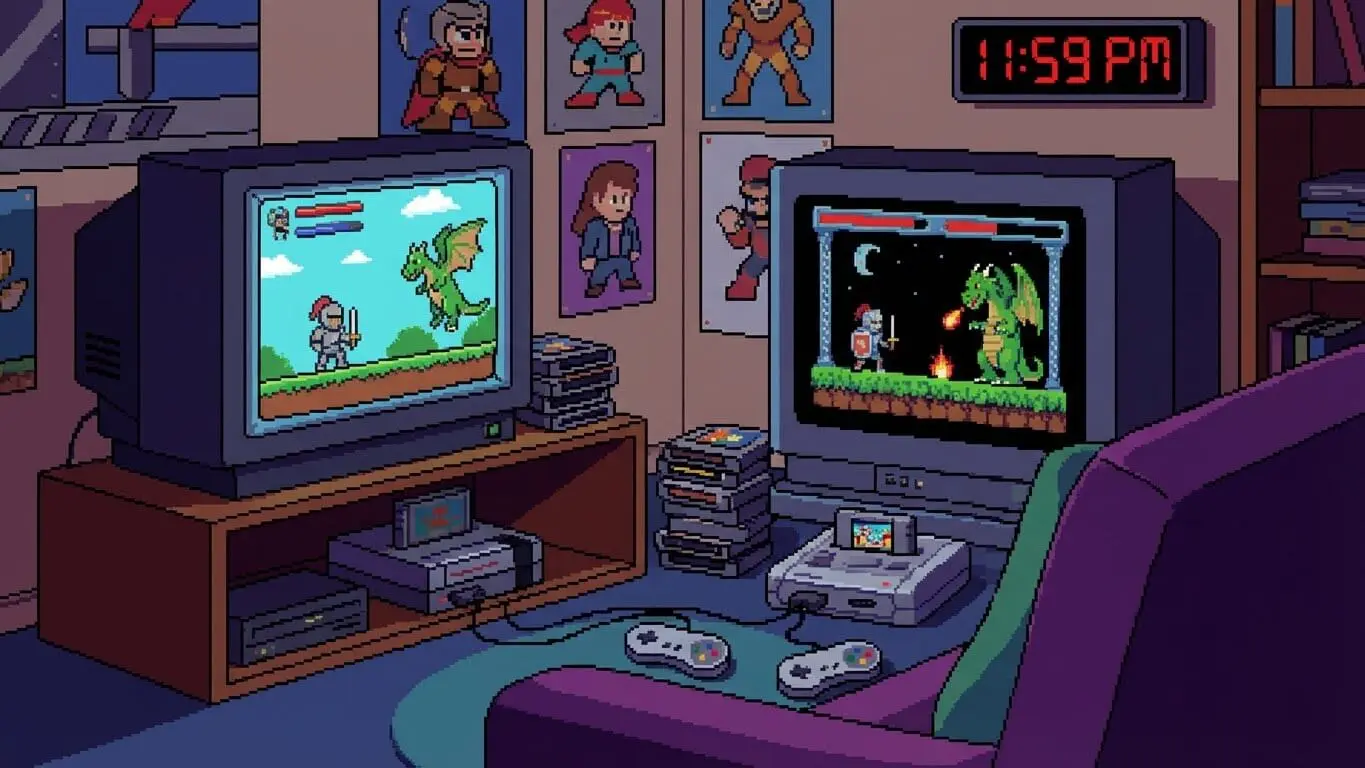
Pixel art is a digital art style where images are created using individual square pixels. Each pixel acts as a building block, forming characters, backgrounds, and objects with a deliberately low-resolution look. This style comes from early video game consoles like the Nintendo Entertainment System (NES) and Sega Genesis, where technical limitations forced developers to work with limited colors and resolution.
In the 1980s and 1990s, pixel art was not a choice but a necessity. Games like Super Mario Bros., Pac-Man, and The Legend of Zelda used this style because the hardware could not handle more detailed graphics. But what started as a constraint became an iconic visual language that defined gaming for generations.
Today, pixel art is a conscious artistic decision. Developers and designers choose this style to evoke emotion, create memorable characters, and stand out in a world filled with realistic graphics. The charm lies in how much personality and detail can be expressed with so few pixels.
1. The Nostalgia Factor
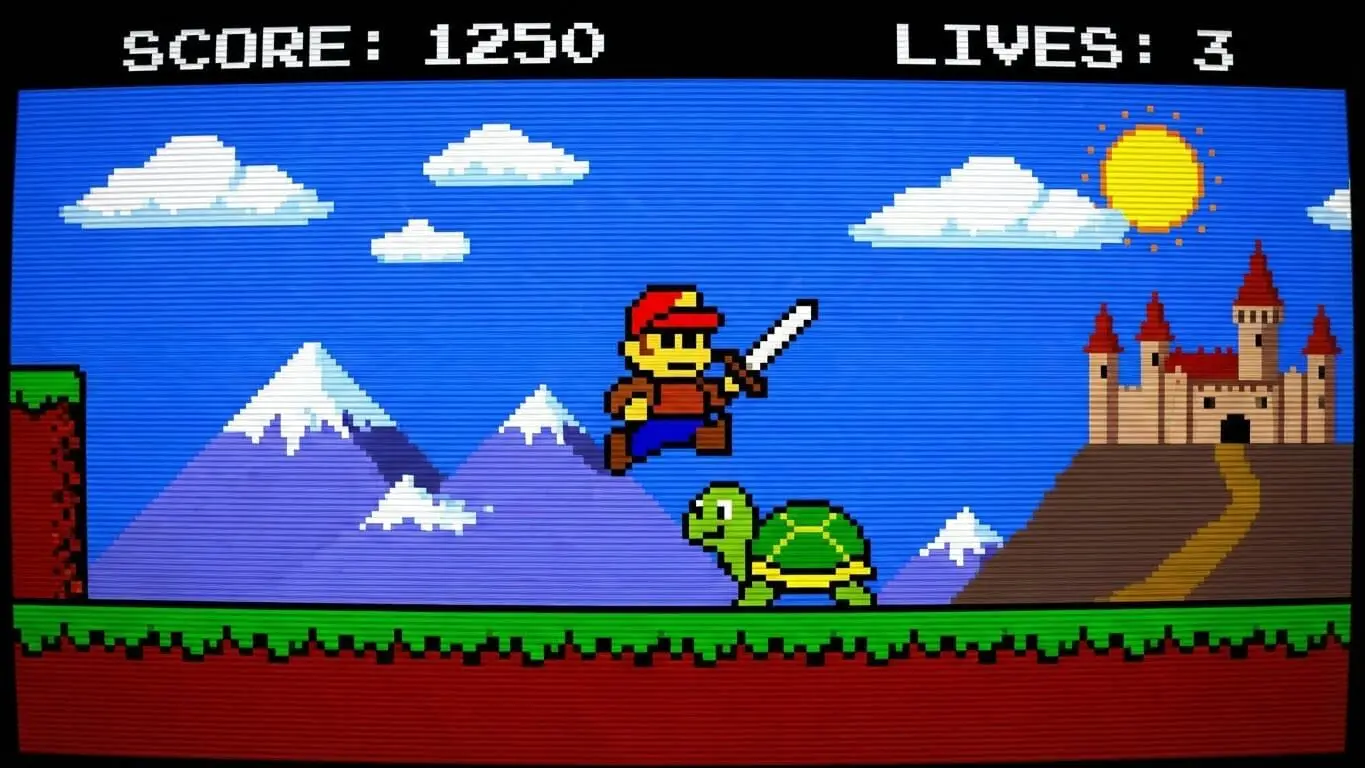
Nostalgia is the biggest reason pixel art has made such a strong comeback. For many people who grew up in the 1980s and 1990s, these blocky graphics bring back memories of childhood gaming. Titles like Super Mario Bros., Sonic the Hedgehog, and Street Fighter are cultural icons that shaped an entire generation.
What makes this interesting is that even younger players born after the pixel art era are embracing it. Gen Z has developed what experts call “secondhand nostalgia”, longing for a simpler digital age they never experienced firsthand. They encounter pixel art through retro games, pop culture references, and online communities.
Games like Stardew Valley, Undertale, and Celeste have introduced pixel aesthetics to millions of new players. These games prove that retro visuals can still captivate modern audiences when combined with engaging gameplay and storytelling.
Why Nostalgia Sells
According to research on retro gaming trends, adults who grew up with early video games now have disposable income and are eager to relive those experiences. This has created a massive market for retro-inspired products, from video games to clothing lines featuring pixelated designs.
The emotional connection to these visuals is powerful. When people see pixel art, they are transported back to a time that felt simpler and more carefree. This psychological effect makes pixel art a valuable tool for marketers and creators looking to connect with their audience on an emotional level.
2. A Rebellion Against AI Perfection
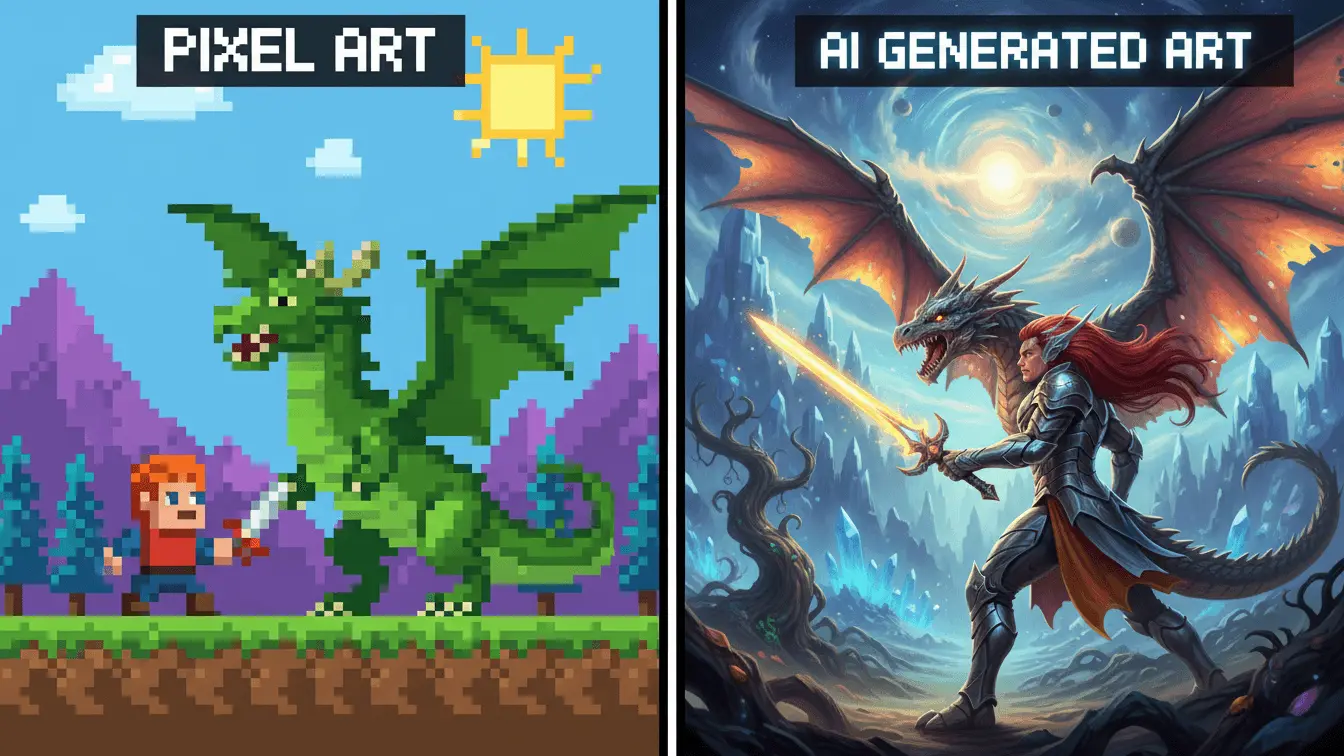
In 2025, AI tools can generate hyper-realistic images in seconds. Photo filters can smooth every imperfection. But this perfection has created a backlash. Many people crave something that feels more human and authentic.
Pixel art represents the opposite of AI-generated perfection. Its blocky, imperfect nature is intentional. It says “I made this” rather than “a machine made this.” Adobe’s design trend reports for 2025 highlight that designers are actively seeking raw, handcrafted aesthetics to counter the overly polished look of AI art.
This trend extends beyond gaming. Graphic designers are incorporating pixel art elements into logos, marketing materials, and branding to convey authenticity. The style’s limitations actually force more creativity, as artists must convey emotion and detail with fewer resources.
The Human Touch
When you look at a piece of pixel art, you can see the craft behind it. Each pixel is placed deliberately. This transparency in creation resonates with audiences tired of content that looks mass-produced. The rise of voxel art and other deliberately simplistic styles shows this is not just about pixels but about choosing visible craftsmanship over invisible algorithms.
3. Indie Games Are Leading the Charge
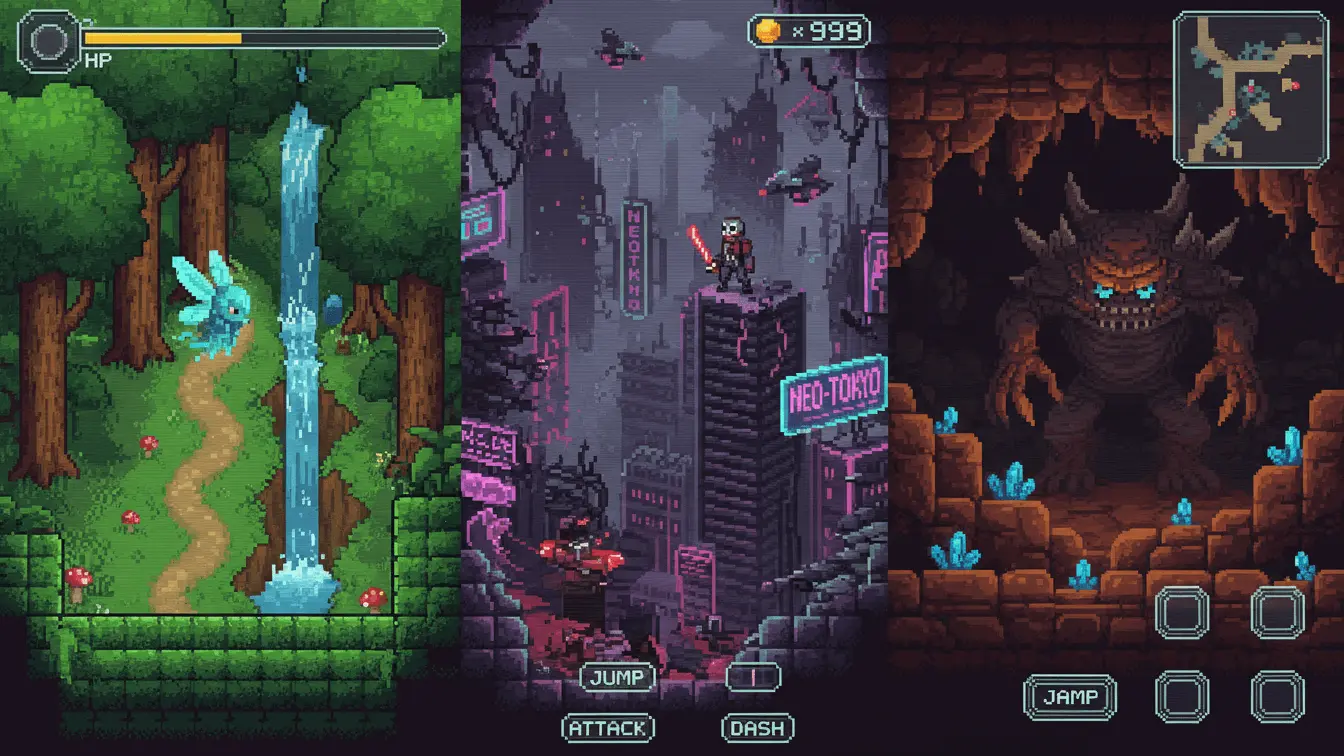
The indie game industry has been the primary driver of the pixel art revival. Without the budgets of major studios, indie developers turned to pixel art as a practical solution. What started as a cost-saving measure became a signature style that helped indie games stand out.
Games like Shovel Knight, Celeste, Hollow Knight, and Terraria have achieved massive commercial success using pixel graphics. Shovel Knight, The Red Strings Club, and Vampire Survivors have proven that pixel art can compete with high-budget, realistic graphics when the gameplay and story are strong.
According to market data from 2025, the indie game sector continues to grow, with a significant portion using retro-inspired visuals. Games like Octopath Traveler introduced the “HD-2D” style, combining pixel art sprites with modern 3D environments and lighting effects. This hybrid approach has inspired countless developers to experiment with blending old and new.
Why Indie Developers Choose Pixel Art
Several factors make pixel art attractive to indie developers:
- Lower production costs compared to 3D modeling and realistic rendering
- Faster development time with smaller teams
- Easier to iterate and make changes during development
- Distinctive visual identity that helps games stand out in crowded marketplaces
- Performance-friendly, running smoothly on various devices including mobile
Poland and India have become major hubs for indie pixel art game development, with government funding supporting small studios taking creative risks. This has led to a diverse range of innovative titles that push the boundaries of what pixel art can achieve.
4. Cost-Effectiveness
One practical reason for pixel art’s comeback is accessibility. You do not need expensive software or deep technical skills to start creating pixel art. Basic programs like MS Paint or free tools like Aseprite and Piskel are enough to begin.
This democratization of art creation empowers young creators who want to make things without spending months learning complex 3D modeling software. Pixel art has lower barriers to entry, making it perfect for hobbyists, students, and anyone starting their creative journey.
For professional designers, pixel art offers efficiency. Animations require fewer frames, and changes can be made quickly. This speed advantage is valuable in fast-paced development environments where time equals money.
Tools That Make Pixel Art Accessible
Modern tools have made pixel art creation easier than ever:
- Aseprite – Professional tool specifically designed for pixel art and animation
- Piskel – Free, browser-based editor perfect for beginners
- GIMP – Free alternative to Photoshop with pixel art capabilities
- Adobe Illustrator – Can create vector-based pixel art that scales without quality loss
- AI FREE FOREVER – Our 8-bit image generator and 16-bit image generator let you create retro art instantly
These tools, combined with countless online tutorials and communities, mean anyone can start creating pixel art today regardless of budget or experience level.
5. Social Media and Meme Culture
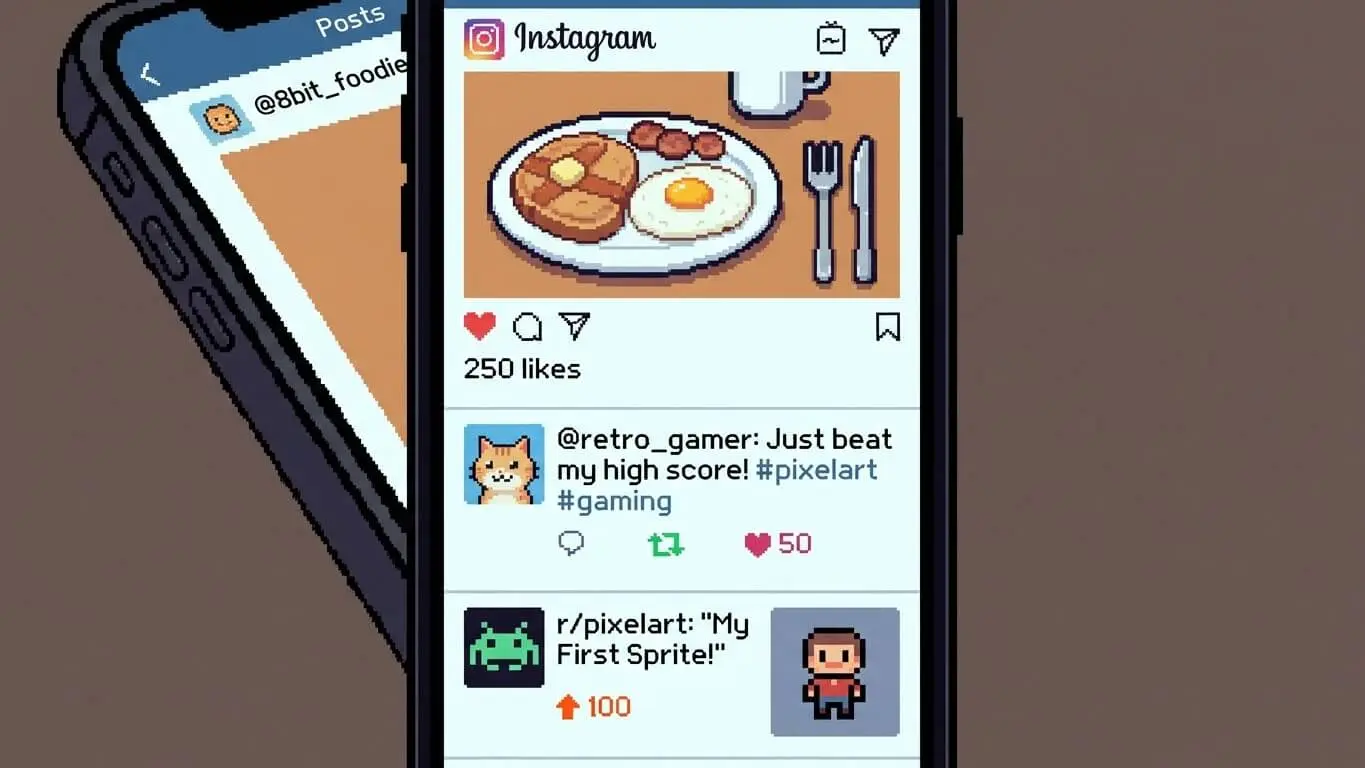
Social media platforms like Instagram, TikTok, and Twitter have played a huge role in spreading pixel art culture. Pixel art is highly shareable, visually distinctive, and perfect for the square format of social media posts.
Meme culture has embraced pixel aesthetics. Retro game characters and 8-bit graphics frequently appear in viral content. Digital artists on platforms like TikTok create pixelated diary comics exploring modern emotions in retro form, connecting with millions of viewers.
NFT projects in 2025 have shifted focus toward nostalgic, handmade pixel art over flashy animations. Collections featuring pixel characters have sold for significant amounts, proving there is real market value in this aesthetic. Fashion brands collaborate with digital artists to create pixel-themed streetwear, where avatars and icons look like they came from a Game Boy screen.
Influencers Driving the Trend
Several creators have become figureheads in the pixel art revival:
- @PixelPunkDaisy on TikTok creates pixelated comics about Gen Z experiences
- RetroMuse on Behance produces short films using only pixel art and chiptune music
- Glitchboy2025 on Instagram curates fashion and visuals inspired by retro computer aesthetics
These creators are not just copying the past but remixing it into something new that resonates with contemporary audiences.
Types of Pixel Art Styles in 2026
Pixel art has evolved into several distinct styles, each with unique characteristics and applications. Here are the main types you will see in 2025:
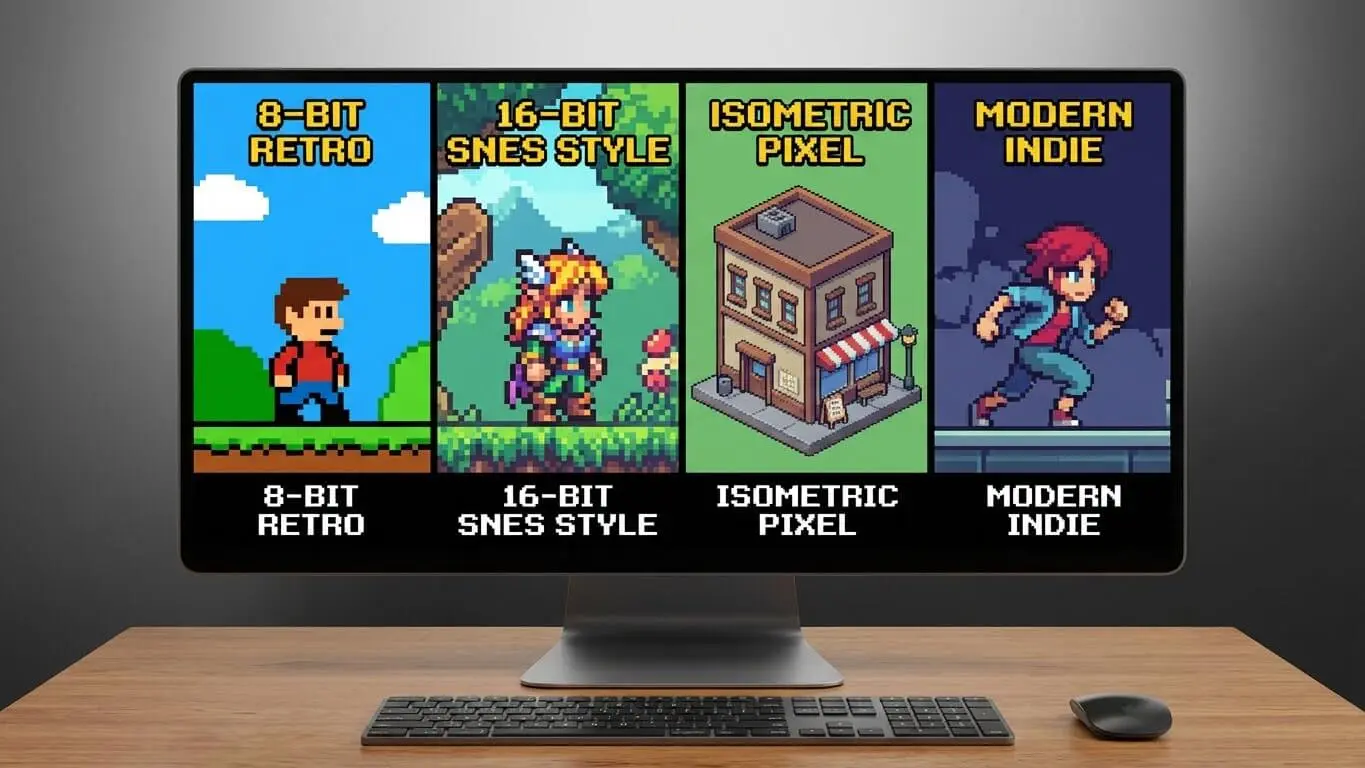
1. 8-Bit Pixel Art
The 8-bit style comes from consoles like the NES and uses very limited color palettes (typically 16-256 colors) and low resolution. Characters and objects are simple and blocky. This style is perfect for creating nostalgic content or projects that need to run on minimal hardware.
Games using 8-bit style include the original Super Mario Bros., Mega Man, and modern titles like Downwell. The simplicity forces strong design principles where every pixel must count. You can explore this style using our 8-bit image generator or try the retro image generator for authentic old-school looks.
2. 16-Bit Pixel Art
The 16-bit era brought consoles like the Super Nintendo and Sega Genesis, which allowed more colors (thousands instead of hundreds) and higher resolution. This style features more detailed sprites, smoother animations, and richer environments.
Games like Sonic the Hedgehog, The Legend of Zelda: A Link to the Past, and modern titles like Octopath Traveler showcase what 16-bit art can achieve. The added detail allows for more expression while maintaining the charming pixel aesthetic. Check out our 16-bit image generator to create graphics in this beloved style.
3. Isometric Pixel Art
Isometric pixel art creates a 3D effect using a specific 45-degree viewing angle. This style is popular in strategy games and simulation titles where you need to see multiple sides of objects simultaneously. Games like SimCity 2000 and modern titles like Hades use isometric perspectives.
The isometric image generator can help you create this style, which is particularly useful for game development and architectural visualization.
4. HD-2D (Hybrid Pixel Art)
HD-2D is Square Enix’s term for combining high-quality 2D pixel sprites with 3D environments, modern lighting, and depth-of-field effects. Octopath Traveler demonstrated how this style could marry nostalgia with modern visual effects, achieving both critical and commercial success.
This approach shows pixel art does not have to be limited to purely retro techniques. By adding modern rendering technology, developers create visuals that feel both familiar and fresh.
5. Minimalist Pixel Art
Minimalist pixel art uses extremely limited color palettes and simple shapes. Games like LIMBO and Inside have shown how powerful minimalism can be in creating atmosphere and emotion. This style often focuses on silhouettes and high contrast rather than detailed textures.
Try our minimalist image generator or monochrome image generator to explore this stripped-down aesthetic.
Modern Applications of pixel arts
While gaming remains the primary home for pixel art, the style has spread into many other areas in 2025:
Fashion and Streetwear
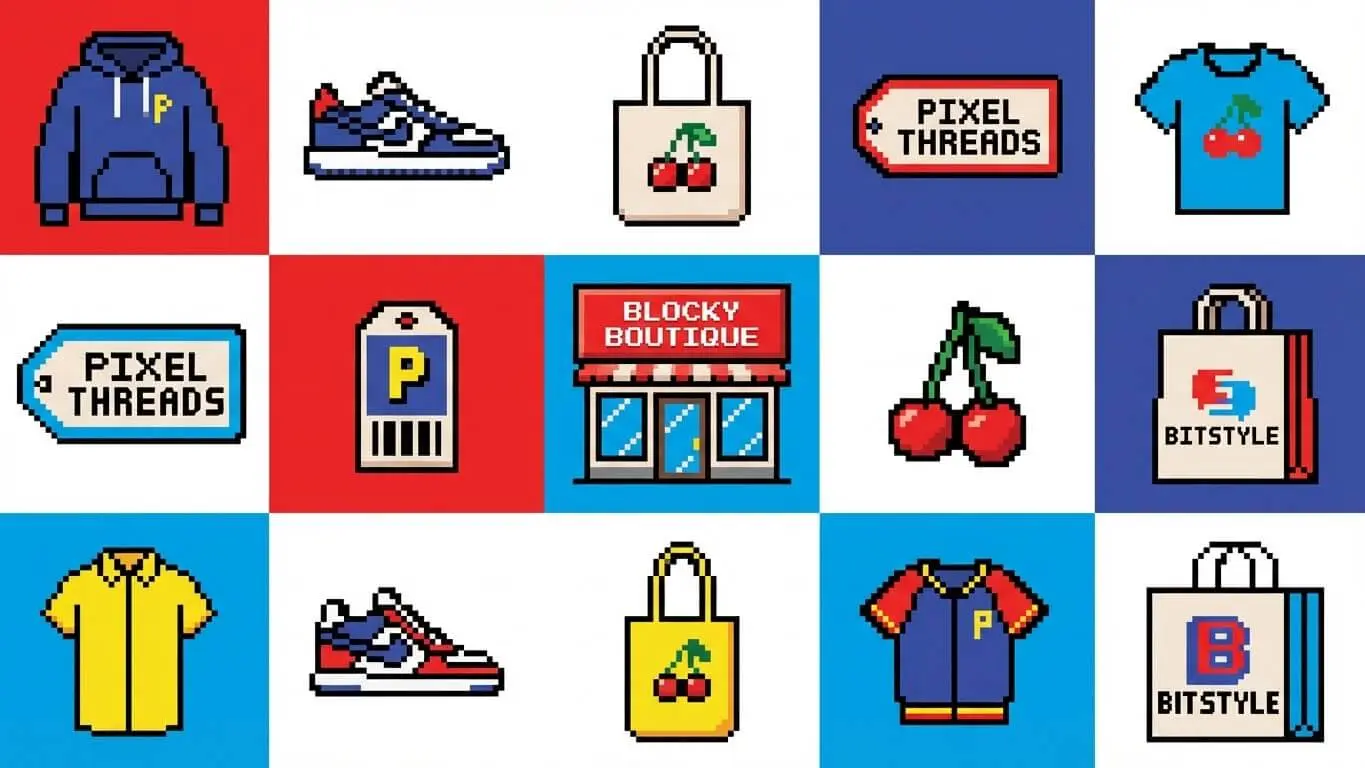
Clothing brands are printing pixel art designs on everything from t-shirts to high-end streetwear. Pixel hearts, 1UP mushrooms, and glitchy patterns appear on garments that sell at premium prices. The contrast between digital aesthetics and physical clothing creates an appealing tension that fashion brands exploit effectively.
Branding and Logo Design
Companies looking to convey playfulness, technological relevance, or nostalgia are incorporating pixel elements into their branding. Pixel art in logos and corporate design helps brands stand out and connect with audiences who appreciate retro aesthetics.
Our logo design image generator can create pixel-style branding elements perfect for this purpose.
Marketing and Advertising
Marketers use pixel art to cut through the noise of polished advertising. The style grabs attention because it looks different from typical marketing materials. Search data from August 2025 shows significant spikes in demand for pixel art stickers and posters, indicating strong consumer interest in physical pixel art products.
Web Design and UI
Some websites are embracing pixel art for interactive elements, creating playful user experiences. Pixelated navigation menus, game-inspired layouts, and retro icons make websites memorable. This trend works particularly well for creative agencies, gaming companies, and youth-oriented brands.
Music Videos and Animation
Musicians and animators are using pixel art to create distinctive visual content. The VHS aesthetic and CRT screen effects combined with pixel art create a complete retro package that appeals to multiple generations.
How to Create Your Own Pixel Art
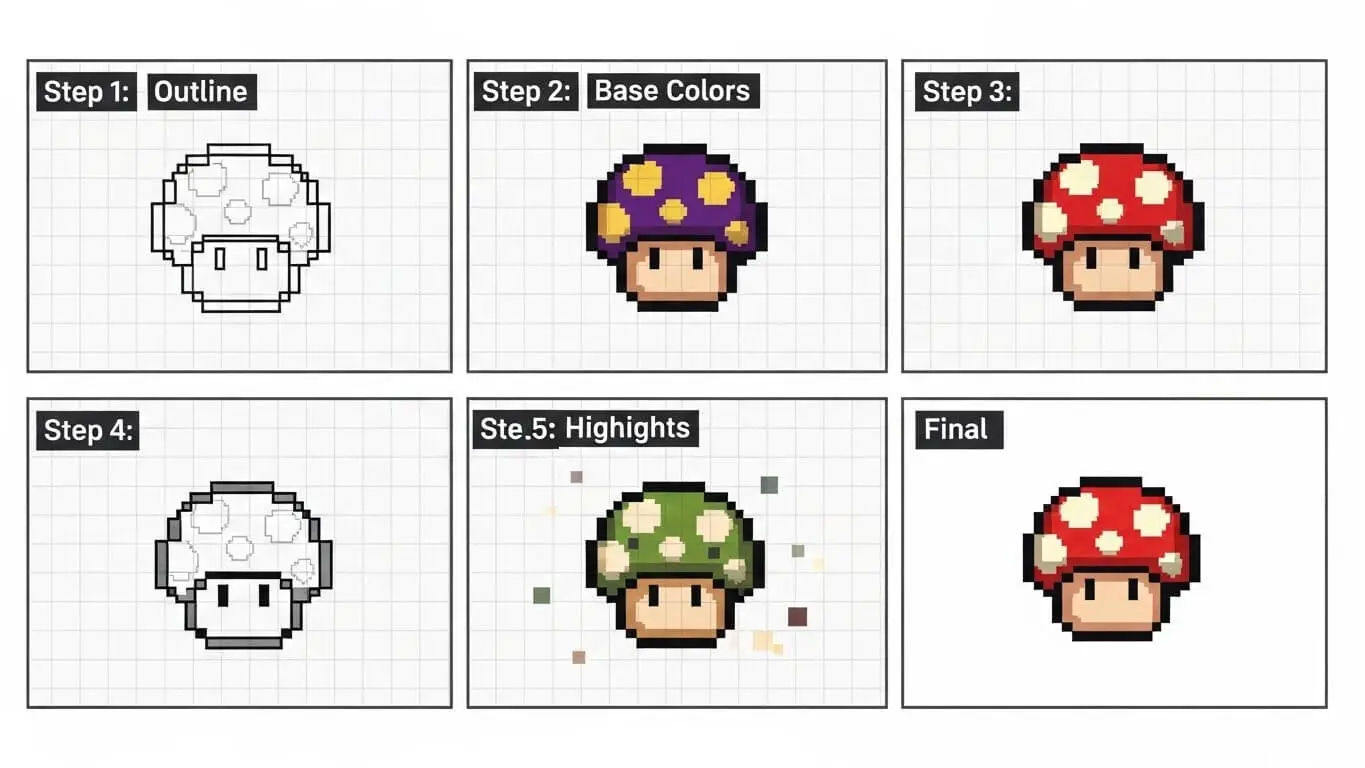
Getting started with pixel art is easier than you might think. Here is a step-by-step approach for beginners:
Step 1: Choose Your Tools
Start with free or low-cost software. Piskel is excellent for beginners because it runs in your browser and has a simple interface. Aseprite is affordable and specifically designed for pixel art. For AI-assisted creation, AI FREE FOREVER offers instant generation through our pixel art image generator.
Step 2: Start Small
Begin with tiny canvases like 16×16 or 32×32 pixels. This forces you to think about every pixel and learn the fundamentals without getting overwhelmed. Create simple objects like fruits, basic characters, or icons.
Step 3: Use Limited Color Palettes
Restrict yourself to 4-8 colors when starting out. This constraint helps you focus on form and composition rather than getting lost in color choices. Many classic games used very limited palettes and still created memorable visuals.
Step 4: Study Classic Games
Look at games like Super Mario Bros., The Legend of Zelda, and Sonic the Hedgehog. Analyze how the artists used limited pixels to create recognizable characters and environments. Pay attention to how they handled shading, outlines, and animation.
Step 5: Join Communities
Platforms like Reddit’s r/PixelArt, Discord servers, and forums provide feedback and inspiration. Seeing what others create and receiving constructive criticism will accelerate your learning dramatically.
Step 6: Experiment with Different Styles
Try creating art in different retro styles. Make an 8-bit character, then recreate it in 16-bit style. Experiment with anime-influenced pixel art or cyberpunk aesthetics.
Advanced Techniques
Once you have mastered basics, explore advanced concepts:
- Dithering – Creating gradients by alternating pixels of different colors
- Anti-aliasing – Smoothing edges by using intermediate colors
- Pixel-perfect animation – Creating smooth movement with minimal frames
- Lighting effects – Adding atmosphere through careful shading
- Tile-based design – Creating modular pieces that fit together seamlessly
FAQ
Why is pixel art making a comeback in 2025?
Pixel art is returning because people want authenticity in a world filled with AI-generated perfection. The style evokes nostalgia, is cost-effective for creators, and offers a distinctive visual identity that stands out in crowded digital spaces. Indie games, social media, and fashion trends have all contributed to its revival.
Is pixel art easier to create than realistic graphics?
Pixel art has a lower barrier to entry, requiring less expensive software and technical knowledge to start. However, creating high-quality pixel art that effectively conveys emotion and detail within strict limitations is challenging. The simplicity is deceptive – every pixel must be placed intentionally.
What is the difference between 8-bit and 16-bit pixel art?
8-bit art uses fewer colors (typically 16-256) and lower resolution, resulting in simpler, blockier graphics like early NES games. 16-bit art allows thousands of colors and higher resolution, enabling more detailed sprites and smoother animations like those seen in Super Nintendo games. Both styles have their own aesthetic appeal.
Can pixel art be used for commercial projects?
Absolutely. Many successful commercial games like Stardew Valley, Celeste, and Shovel Knight use pixel art. The style is also popular in branding, marketing materials, fashion, and NFT projects. The key is executing it well and ensuring it fits your project’s goals and audience.
Do I need artistic skills to create pixel art?
While artistic fundamentals like composition and color theory help, pixel art is accessible to beginners. The limited resolution and color palette actually make it easier to start compared to traditional digital art. Many successful pixel artists learned through practice and online tutorials rather than formal art training.
What software is best for creating pixel art?
Popular choices include Aseprite for dedicated pixel art creation, Piskel for free browser-based work, GIMP as a free Photoshop alternative, and Adobe Illustrator for vector-based pixel art. AI FREE FOREVER also offers instant pixel art generation through specialized tools for 8-bit and 16-bit styles.
Is pixel art only for retro-themed projects?
No. While pixel art evokes nostalgia, it is used in contemporary projects that have nothing to do with retro themes. Modern games combine pixel art with current gameplay mechanics, and designers use the style for its aesthetic appeal and efficiency regardless of whether the project is retro-themed.
Will pixel art remain popular beyond 2025?
Industry experts predict pixel art will remain relevant well beyond 2025. The style has proven its staying power through multiple decades and continues to evolve with new hybrid approaches like HD-2D. As long as creators value artistic expression and audiences appreciate handcrafted aesthetics, pixel art will have a place in digital culture.