You’re probably scrolling through YouTube late at night, searching for something to help you unwind. You stumble across someone whispering into a microphone or tapping on various objects. Suddenly, you feel this strange tingling sensation starting at the top of your head and flowing down your spine. Welcome to the world of ASMR.
What started as a niche internet community has exploded into a multibillion-dollar industry. The global ASMR content market reached $1.42 billion in 2024 and shows no signs of slowing down. Even more impressive? ASMR was the most searched term on YouTube in 2024, with over 25 million monthly searches.
If you’re thinking about creating ASMR content or just want to understand this fascinating phenomenon better, this guide covers everything you need. From the most popular triggers and trending content ideas to the essential equipment and software tools that’ll help you produce professional-quality relaxing audio.
Table of Contents
- What Is ASMR and Why Does It Work?
- ASMR Trends Taking Over in 2025
- The Most Popular ASMR Triggers
- 75+ ASMR Content Ideas That Actually Work
- Essential ASMR Recording Equipment
- Best Software Tools for ASMR Creation
- Professional Recording Tips
- How to Monetize Your ASMR Channel
- Common Mistakes to Avoid
- Frequently Asked Questions
What Is ASMR?
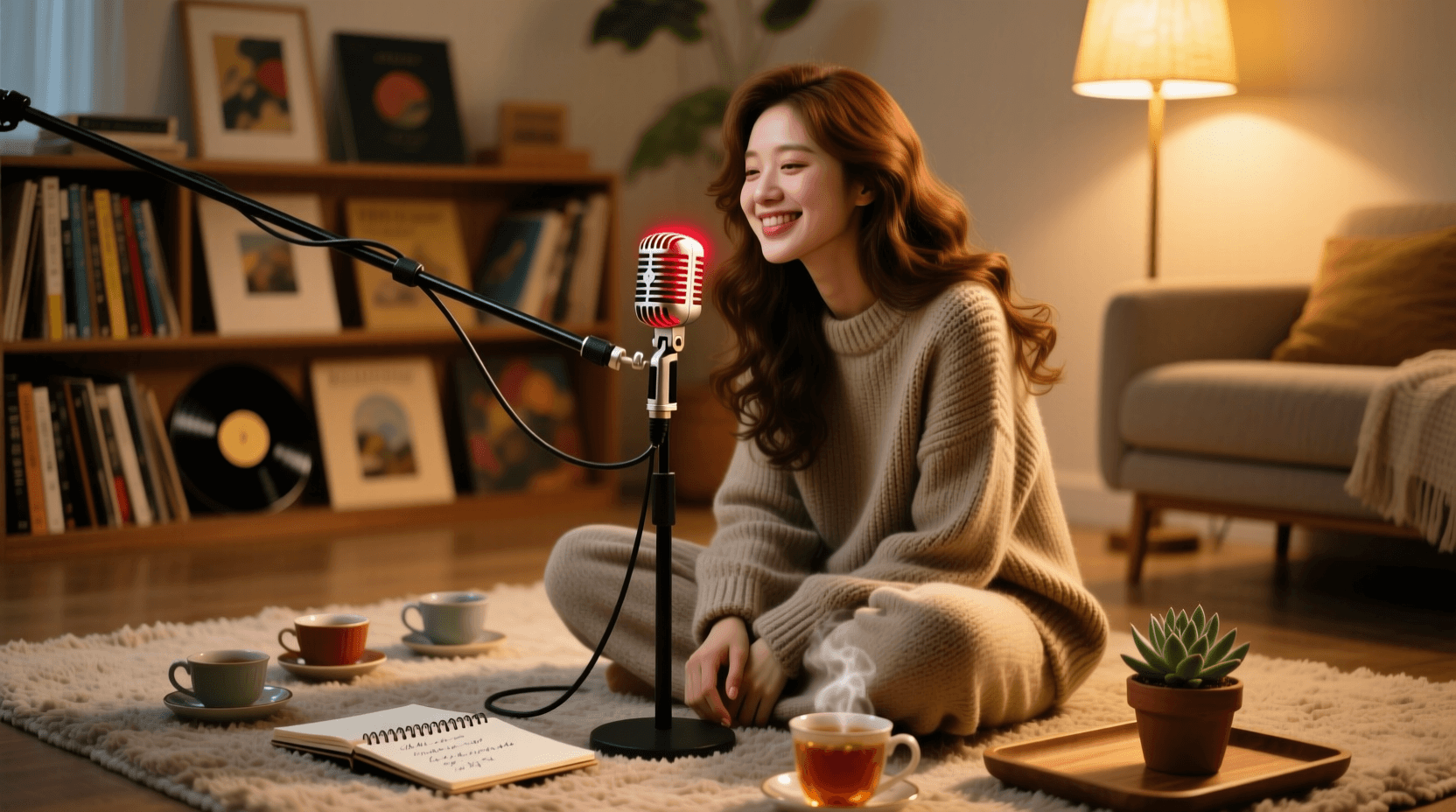
ASMR stands for Autonomous Sensory Meridian Response. It’s that pleasant tingling sensation some people experience in response to specific audio or visual triggers. The feeling typically starts at the scalp and travels down the back of the neck and spine.
Research from the University of Sheffield found that ASMR videos genuinely produce relaxing effects, but only in people who experience the sensation. The study showed measurable reductions in heart rate comparable to other stress-reduction techniques like music and mindfulness.
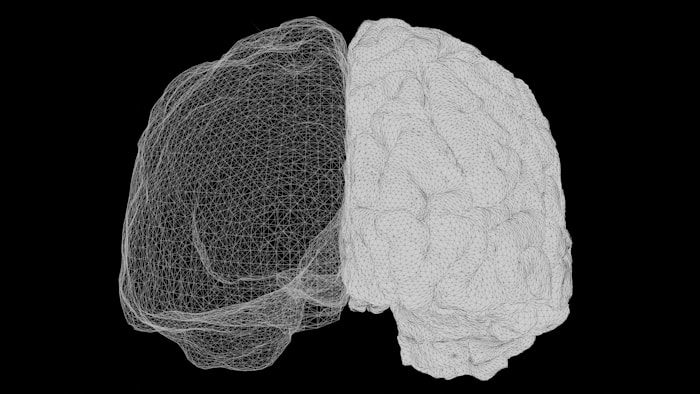
What makes ASMR particularly interesting is how it affects the brain. When you experience ASMR, your theta brain waves increase. These are the same brain waves that become active during meditation and deep focus. That’s why so many people use ASMR videos to help them sleep, relax, or concentrate on tasks.
Not everyone experiences ASMR the same way. Some people feel intense tingles from whispering, while others respond better to tapping sounds or visual triggers. About 20% of YouTube users watch ASMR content regularly, and most viewers tune in between 9 PM and 2 AM, looking for help with sleep or relaxation.
The Science Behind the Tingles
Scientists are still studying exactly why ASMR works, but current research suggests it activates brain regions associated with pleasure, relaxation, and social bonding. Some researchers believe ASMR taps into the same neural pathways activated during grooming behaviors in primates or parent-child bonding.
The most fascinating part? ASMR can reduce anxiety, help with insomnia, and even alleviate symptoms of depression for some people. Many viewers report that ASMR videos help them manage chronic pain or fall asleep within minutes when traditional methods haven’t worked.
ASMR Trends Taking Over in 2026
The ASMR landscape keeps evolving. What worked two years ago might not resonate with audiences today. Let’s look at what’s actually trending right now.
Food ASMR Dominates Social Platforms
Mukbang and eating sounds continue to rule TikTok and YouTube. Food-focused ASMR creators like Zach Choi have amassed over 32 million subscribers by combining high-sensitivity audio with visually appealing meals. The key? Crystal-clear capture of every crunch, slurp, and chew.
What’s different in 2025 is the emphasis on unusual recipes and cultural authenticity. Viewers want to see street food from different countries, traditional cooking methods, and ingredients they’ve never encountered before. Channels featuring authentic cultural food experiences generate 40% higher engagement than generic eating videos.
Cultural Exploration ASMR
This emerging niche combines relaxation with cultural education. Think traditional Japanese tea ceremonies, Nordic fiber arts, or Middle Eastern calligraphy. These videos capture both the sounds of cultural practices and educate viewers about different traditions.
The numbers don’t lie. Cultural ASMR content sees 40% higher engagement rates compared to generic trigger videos. Plus, this niche opens unique monetization opportunities through cultural sponsorships and heritage organization partnerships.
High-Energy ASMR Goes Mainstream
Traditional ASMR was all about whispers and calm environments. Now we’re seeing creators like Bayashi blend energetic personalities with satisfying sounds. His cooking videos feature playful expressions and quick edits while still delivering those relaxing audio triggers.
This shift proves ASMR doesn’t have to be slow and minimal anymore. You can be entertaining and relaxing at the same time.
AI-Generated ASMR Content
Technology is changing how ASMR gets created. AI tools now help with everything from generating ambient soundscapes to creating abstract visual ASMR experiences. Some creators use AI to enhance sound quality or even generate entirely new trigger combinations.
The ASMR market is projected to grow at a CAGR of 16.8% through 2033, reaching $5.21 billion. Much of this growth connects to technological innovation and new creation tools becoming accessible to everyday creators.
The Most Popular ASMR Triggers
Understanding which triggers resonate with audiences helps you plan better content. Research identifies these as the most commonly enjoyed ASMR triggers across the community.
Sound-Based Triggers
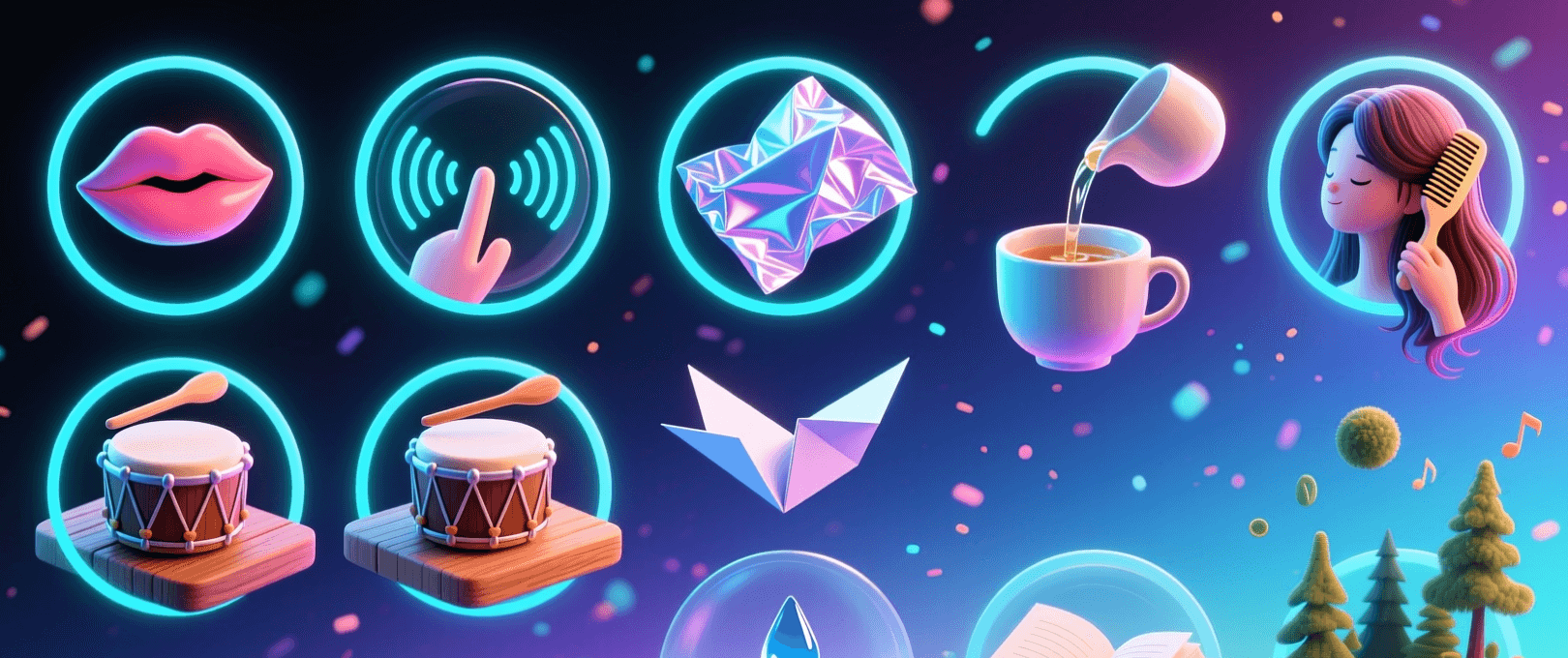
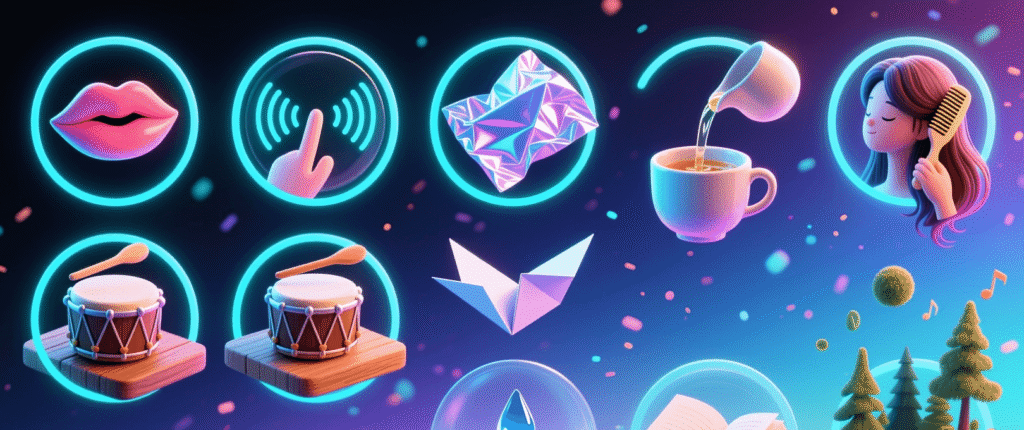
Whispering and Soft Speaking: The foundation of ASMR. Gentle, deliberate whispers remain the most widely enjoyed trigger. Some creators emphasize specific sounds like “S” and “P,” while others focus on slow, calming speech patterns.
Tapping: Rhythmic fingernail tapping on glass, wood, plastic, or metal surfaces creates predictable, soothing sounds. The key is consistency and variety in texture.
Scratching: Similar to tapping but with a different texture. Scratching on rough surfaces, fabrics, or directly on microphones can trigger strong responses.
Page Turning: The soft rustle of turning book pages combines gentle movement with crisp paper sounds. This works especially well for long-form content.
Crinkling: Plastic wrappers, aluminum foil, and packaging materials produce satisfying crispy sounds that many find intensely relaxing.
Eating and Drinking Sounds: Chewing, slurping, crunching, and liquid pouring sounds trigger strong responses. This category exploded in popularity through mukbang content.
Keyboard Typing: The rhythmic clicking of mechanical keyboards appeals to both ASMR enthusiasts and productivity communities.
Visual Triggers
Not everyone responds to sound alone. Visual ASMR has its own dedicated following.
Hand Movements: Slow, deliberate hand motions near the camera create a sense of personal attention. This works particularly well in roleplay scenarios.
Painting and Mixing: Watching paint mix, colors blend, or brushstrokes glide across canvas provides visual satisfaction. Bob Ross’s “The Joy of Painting” became an unintentional ASMR classic for this reason.
Slicing and Cutting: Clean cuts through soft objects like kinetic sand, soap, or sponges provide oddly satisfying visual experiences.
Tactile and Interpersonal Triggers
Research shows physical touch actually ranks as both the most endorsed (98%) and intense ASMR trigger. While you can’t physically touch viewers through a screen, you can simulate these experiences.
Hair Brushing: The visual and audio of hairbrushes moving through hair creates strong relaxation responses.
Massage Simulations: Watching massage techniques, even as an observer, triggers relaxation for many viewers.
Personal Attention Roleplays: Scenarios like spa treatments, haircuts, medical exams, or skin care routines make viewers feel cared for and attended to.
75+ ASMR Content Ideas That Actually Work
Starting an ASMR channel but stuck on what to create? Here are proven content ideas organized by category.
Classic Sound Assortments
- Tapping on different surfaces for 20 minutes
- Whispering bedtime stories or poetry
- Page turning through vintage books
- Crinkling various packaging materials
- Brushing different textures on binaural mics
- Scratching on textured objects
- Water sounds: pouring, dripping, bubbling
- Keyboard typing sessions
Roleplay Scenarios
- Spa facial treatment
- Haircut and scalp massage
- Medical examination (cranial nerve exam is popular)
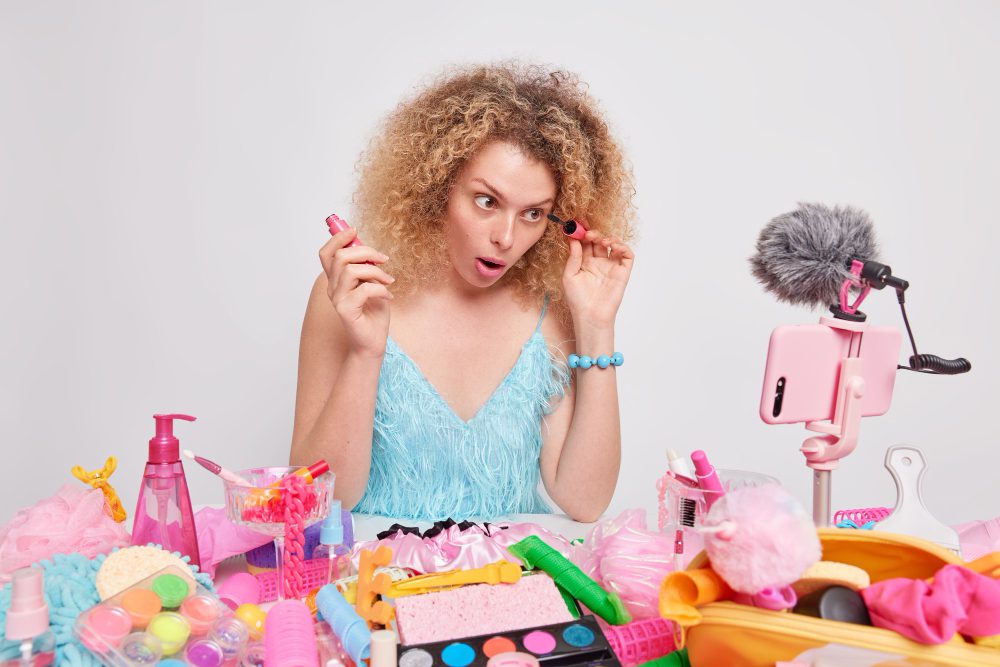
- Makeup application tutorial
- Personal shopper experience
- Library assistance roleplay
- Hotel check-in experience
- Art gallery curator tour
- Flight attendant pre-flight service
- Tailor measuring for custom clothing
Food and Cooking ASMR
- Traditional cultural cooking
- Street food preparation
- Baking bread from scratch
- Chocolate making process
- Sushi rolling techniques
- Pasta making by hand
- Ice cream creation
- Candy making and breaking
Cultural and Educational
- Japanese tea ceremony
- Calligraphy from different cultures
- Traditional craft demonstrations
- Bookbinding process
- Pottery wheel throwing
- Textile weaving
- Origami folding instructions
- Meditation and mindfulness guidance
Nature and Ambient
- Forest walk soundscapes
- Rain on different surfaces
- Ocean waves and seashore sounds
- Campfire crackling
- Thunderstorm recordings
- Bird song compilations
- Wind chimes in gentle breeze
- Garden sounds and nature exploration
Creative and Artistic
- Watercolor painting process
- Sketching and drawing sessions
- Polymer clay crafting
- Soap carving
- Resin art pouring
- Embroidery and needlework
- Bullet journaling
- Lettering and hand writing practice
Personal Care and Self-Care
- Skincare routine application
- Nail care and polish application
- Facial massage techniques
- Hair oiling and braiding
- Makeup brush cleaning
- Organization and decluttering
- Self-massage demonstrations
- Aromatherapy sessions
Unique and Trending
- Unboxing with focus on packaging sounds
- Book haul with page flipping
- Plant care and repotting
- Candle making process
- Crystal and stone sorting
- Vintage item examination
- Fabric swatching and sorting
- Stationery testing
- Vinyl record playing
- Antique restoration
- Puzzle solving
- Card shuffling and dealing
- Typewriter typing
- Film camera operation
- Watch repair close-ups
- Aquarium maintenance
The key to successful ASMR content? Pick triggers that feel natural to you. Your authentic enthusiasm translates through the microphone and resonates with viewers. Start with one or two content types and expand as you discover what your audience enjoys most.
Essential ASMR Recording Equipment
You don’t need thousands of dollars to start creating ASMR content, but investing in the right equipment makes a noticeable difference in sound quality.
Microphones: Your Most Important Investment
Budget-Friendly Options ($50-$200):
The Blue Yeti USB Microphone consistently ranks as the top choice for beginning ASMR creators. It plugs directly into your computer, offers multiple recording patterns, and captures clear audio without requiring additional equipment. Price ranges from $100-$130.
The Audio-Technica AT2020USB+ offers another solid entry point. It balances affordability with professional sound quality and includes built-in headphone monitoring.
Mid-Range Professional Options ($200-$600):
The Sennheiser MKE 600 shotgun microphone delivers precision and control with its super-cardioid polar pattern. It’s perfect for isolating specific sounds and capturing delicate whispers. Frequency response spans 40 Hz to 20 kHz, ensuring no subtle details get missed.
High-End Binaural Setup ($600+):
The 3Dio Free Space XLR represents the gold standard for binaural ASMR recording. This specialized microphone uses ear-shaped designs to capture 3D audio exactly as human ears would hear it. The result? Immersive, lifelike sound that creates that signature ear-to-ear ASMR experience.
Binaural microphones should be positioned exactly 7 inches apart (the average distance between human ears) to create authentic 3D sound experiences.
Audio Interfaces
If you’re using XLR microphones (like the 3Dio or Sennheiser MKE 600), you need an audio interface to connect them to your computer.
The Focusrite Scarlett 2i2 leads the pack with high-quality preamps and rock-solid reliability. Most professional ASMR creators use Focusrite interfaces.
The PreSonus AudioBox USB 96 offers a more budget-friendly alternative while still delivering clean audio conversion. It works well for beginners who want professional XLR microphone capabilities without breaking the bank.
Headphones for Monitoring
You need good headphones to hear exactly what you’re recording. This lets you catch issues during recording rather than discovering them during editing.
The CB3 Audio Hush headphones provide excellent noise cancellation, allowing you to evaluate the full audio picture without external interference. Any quality studio monitoring headphones in the $100-$300 range will serve you well.
Avoid using the same earbuds you use for casual listening. You need flat frequency response headphones that reproduce sound accurately rather than enhancing bass or treble.
Camera and Lighting
While ASMR focuses on audio, visual quality matters for viewer engagement and platform algorithms.
You don’t need a professional camera to start. Modern smartphones shoot excellent video. What matters more is lighting and composition.
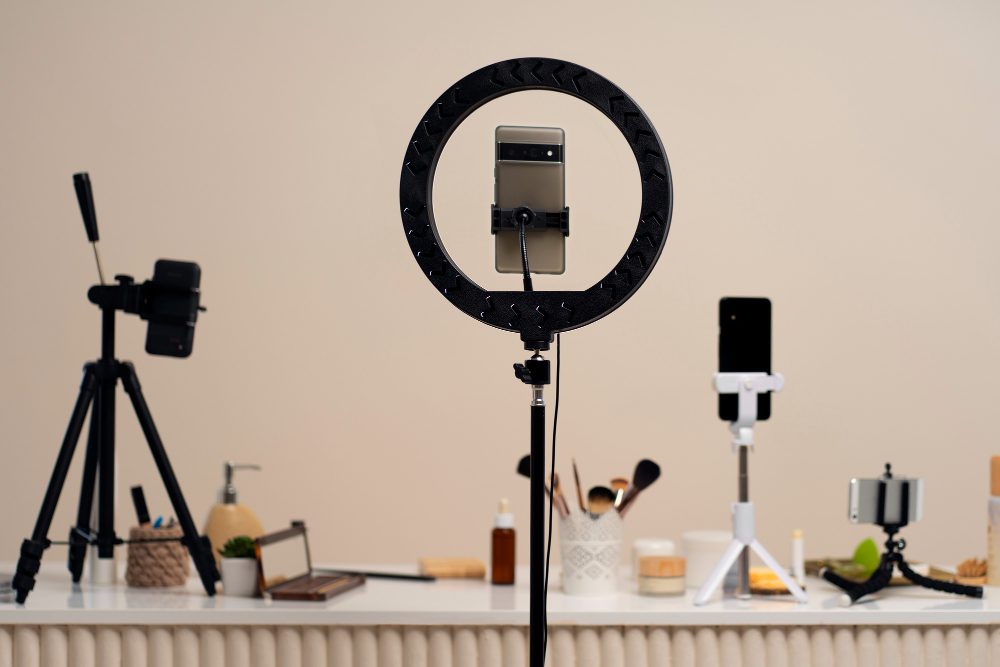
Soft, diffused lighting creates calm, atmospheric moods that complement ASMR experiences. The Neewer Ring Light Kit remains popular among creators for providing even, flattering light. Softbox lights offer another option for gentle, diffused illumination.
Keep lighting warm and low-intensity. Harsh overhead lights contradict the relaxing atmosphere you’re trying to create.
Additional Accessories
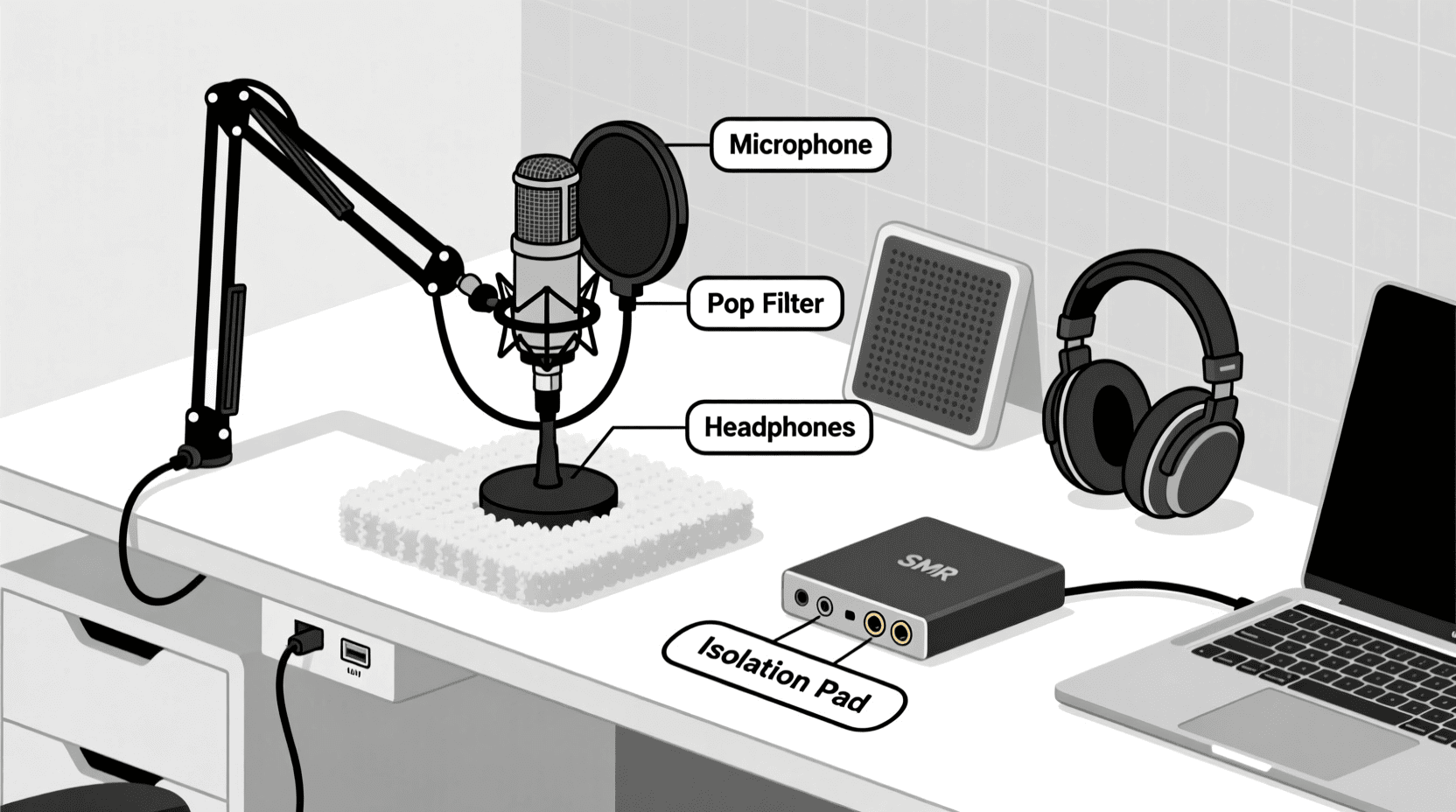
Pop Filters: Essential for preventing explosive plosive sounds (P’s and B’s) from distorting your audio. Place these between your mouth and microphone.
Shock Mounts: These suspend your microphone to prevent vibrations from desks or floor movements from reaching your recording.
Boom Arms or Stands: Proper microphone positioning requires flexible, stable mounting. Desktop boom arms offer the best positioning control.
Acoustic Treatment: You don’t need a professional studio, but acoustic foam panels or even blankets hung on walls help absorb echoes and create cleaner recordings.
Props and Trigger Objects: Build a collection of items that produce interesting sounds. Brushes, paper, plastic containers, glass objects, fabric samples, and wooden items all create unique audio textures.
Best Software Tools for ASMR Creation
The right software helps you record, edit, and polish your ASMR content. Here’s what professional creators actually use.
Recording Software (DAW – Digital Audio Workstation)
Free Options:
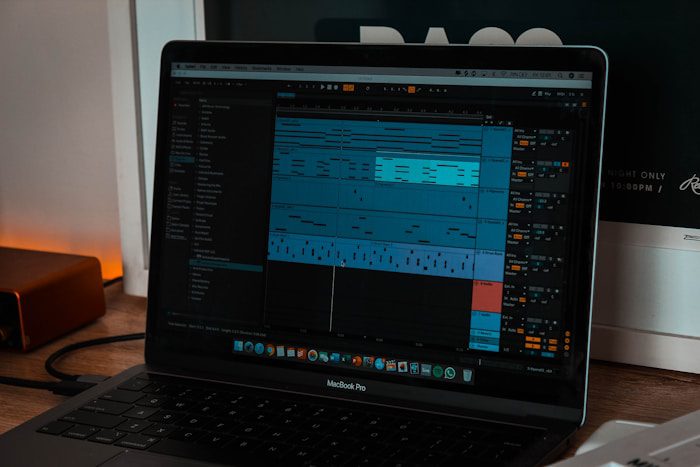
Audacity remains the most popular free recording software. It handles multi-track recording, noise reduction, and basic editing. Perfect for beginners who want to learn audio editing fundamentals.
Cakewalk offers professional-level features at no cost. It includes MIDI capabilities, virtual instruments, and advanced mixing tools.
GarageBand (Mac only) provides an intuitive interface with built-in effects and instruments. Many Mac-based creators start here.
Paid Professional Options:
Adobe Audition delivers industry-standard audio editing with spectral frequency display, advanced noise reduction, and precise audio repair tools. Monthly subscription runs around $20-30.
Logic Pro X (Mac only) combines powerful audio editing with music production capabilities. One-time purchase of $199.
Video Editing Software
ASMR videos need synchronized audio and video with smooth transitions that maintain the relaxing atmosphere.
Free Options:
DaVinci Resolve provides professional-grade color correction and editing tools without charging a penny. The learning curve is steeper, but the results are worth it.
iMovie (Mac only) offers simple, intuitive video editing perfect for ASMR content that doesn’t require complex effects.
Paid Professional Options:
Adobe Premiere Pro remains the industry standard. It handles long-form content well and integrates seamlessly with Adobe Audition for audio work.
Final Cut Pro (Mac only) provides powerful editing with optimized performance on Apple hardware.
VSDC Video Editor specializes in multi-track projects and offers precise audio-video synchronization crucial for ASMR work.
AI-Powered Tools
Filmora now includes AI Text to Video and AI Image to Video features, letting creators generate ASMR-style content from prompts. This opens new possibilities for creating visual backgrounds or abstract ASMR experiences.
PowerDirector offers AI-powered speech enhancement tools that can clean up dialogue and reduce background noise automatically. The Audio Tool feature makes quick audio corrections accessible even to beginners.
Speechify Studio provides advanced AI features for video editing, including AI voiceovers and easy audio enhancement. The drag-and-drop interface works well for creators who want professional results without technical expertise.
Mobile Apps for ASMR Creation
MPC Pads – ASMR Creator lets you create ASMR sessions on iOS devices. Mix sounds, record with effects, and export in WAV or MP3 formats to share directly to social platforms.
Filmora for Mobile (formerly FilmoraGo) simplifies advanced video editing on smartphones, making it easier to edit ASMR content on the go.
Essential Software Features for ASMR
Whatever software you choose, make sure it includes these capabilities:
- Noise Reduction: Remove background hum, computer fan noise, or street sounds
- EQ (Equalization): Balance frequencies to enhance clarity and warmth
- Compression: Control volume fluctuations between whispers and louder sounds
- Multi-track Editing: Layer multiple audio sources or sounds
- Precise Audio-Video Sync: Keep mouth movements perfectly matched to audio
Professional tip: Use minimal de-noise effects. Going beyond 10% noise reduction often introduces artifacts that clip or distort the quiet sounds crucial to ASMR. Sometimes 5% is enough to clean up audio without damaging the subtle details.
Professional Recording Tips
Having great equipment means nothing if you don’t know how to use it effectively. These tips separate amateur recordings from professional ASMR content.
Optimize Your Recording Environment
Eliminate Background Noise: Record in the quietest room available. Turn off air conditioning, computers, fans, and refrigerators. Close windows to block street noise. Many creators record late at night (between 11 PM and 3 AM) when ambient noise reaches its lowest levels.
Treat Your Space: You don’t need a professional studio. Hang blankets or moving blankets on walls to absorb echo. Position your recording setup away from hard, reflective surfaces. Closets filled with clothes make surprisingly good recording spaces.
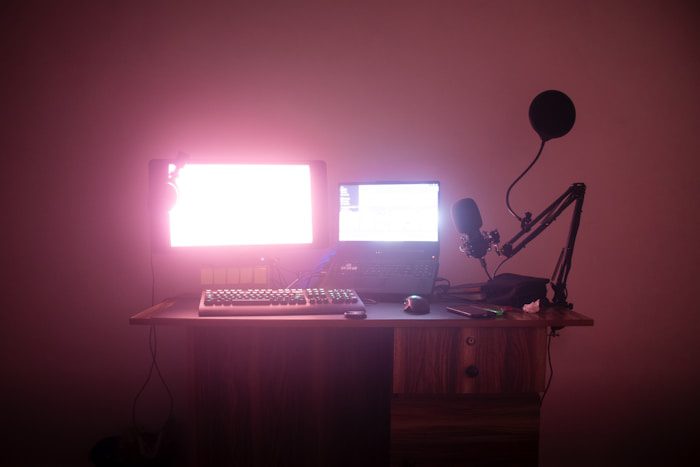
Control Your Lighting: Keep lights warm and dim. Avoid harsh overhead fluorescents. Candles, salt lamps, or warm-toned LED bulbs create the right atmosphere.
Microphone Technique
Maintain Consistent Distance: Moving between 2-12 inches from the mic creates disorienting volume changes. Pick a distance (usually 6-8 inches) and stay there.
Use a Pop Filter: Always. Plosive sounds (P, B, T) create pops that can’t be fully removed in post-production.
Angle Awareness: Speaking directly into a mic captures different characteristics than speaking across it. Experiment with angles to find what sounds best for your voice.
Binaural Positioning: When using binaural mics, position them exactly 7 inches apart to match human ear spacing. This creates authentic 3D sound.
Audio Level Management
Aim for -12dB to -6dB peak audio levels. This gives you the perfect balance: loud enough that viewers don’t constantly adjust volume, quiet enough to maintain that whisper-quiet ASMR feeling.
Monitor your levels during recording. If you’re clipping (hitting the red), you can’t fix that distortion later. Record at slightly lower levels and boost in post if needed.
Performance Tips
Slow Down: Take at least 4-5 seconds for each trigger action. Rushing breaks the relaxation state. Most successful ASMR maintains speaking paces of 100-120 words per minute.
Be Consistent: Develop your signature style and stick with it. Consistency builds audience loyalty. Channels that maintain 90% upload consistency see 45% better subscriber retention.
Test Everything: Before recording your actual content, spend 5-10 minutes testing audio levels, trigger sounds, and camera angles. This saves editing time and ensures better results.
Stay Groomed: Even though ASMR focuses on audio, your appearance matters for viewer comfort. Dress neatly, check your hair, and ensure your background looks tidy.
Recording Length Strategy
Research shows the average ASMR video length sits around 20 minutes, with roleplay scenarios extending to 25 minutes. Don’t create marathon 60+ minute videos when starting out. Begin with 15-20 minute videos that you can perfect, then expand as you discover what your audience prefers.
Viewers access ASMR content mostly between 9 PM and 2 AM, with average watch times around 15 minutes. This tells you most people don’t finish extremely long videos. Focus on quality over duration.
Post-Production Balance
Apply effects with restraint. ASMR recordings should sound natural and intimate, not heavily processed.
- Light EQ: Gently boost warmth in the 200-500 Hz range, reduce harshness around 3-5 kHz
- Subtle Compression: Use low ratios (2:1 or 3:1) to even out volume without making it sound squashed
- Minimal Reverb: If you add reverb at all, keep it barely noticeable. ASMR should feel close and intimate
- Noise Reduction: Maximum 5-10% reduction to preserve natural sound character
How to Monetize Your ASMR Channel
Creating ASMR content takes time and investment. Here’s how successful creators turn their channels into income sources.
YouTube Ad Revenue
The most straightforward monetization method. Once you reach 1,000 subscribers and 4,000 watch hours, you can join the YouTube Partner Program.
ASMR videos typically see higher average view durations (15+ minutes compared to 3-5 minutes for most content), which means more ad opportunities and higher CPM rates. Creators report ASMR CPMs ranging from $2-$8 per 1,000 views, with premium content hitting even higher rates.
Brand Partnerships and Sponsorships
Wellness companies, sleep products, aromatherapy brands, and audio equipment manufacturers actively seek ASMR creator partnerships. Cultural ASMR channels attract tourism boards and heritage organizations.
Focus on authentic partnerships. Your audience trusts your recommendations, so only promote products you genuinely use and believe in.
Patreon and Membership Programs
Dedicated fans will pay for exclusive content. Offer extended versions, early access, custom ASMR sessions, or behind-the-scenes content. Many successful ASMR creators earn more from Patreon than YouTube ads.
YouTube’s membership feature lets you create tiered supporter programs directly on the platform without sending viewers elsewhere.
Merchandise
Once you build brand recognition, merchandise becomes viable. ASMR creators successfully sell branded relaxation items like sleep masks, aromatherapy products, or specialty audio equipment.
Affiliate Marketing
Link to equipment you use in video descriptions. Amazon Associates, audio equipment affiliate programs, and software referral programs can generate consistent passive income.
Always disclose affiliate relationships. Transparency builds trust.
Therapeutic ASMR Services
As ASMR gains recognition for therapeutic benefits, some creators offer personalized ASMR sessions, coaching, or therapeutic consultations. This works particularly well for creators with backgrounds in wellness, psychology, or meditation.
Don’t make this mistakes in ASMR Niche
Learn from others’ errors rather than making them yourself.
Poor Audio Quality
This kills ASMR channels faster than anything else. You can have mediocre video quality and succeed, but poor audio? Viewers leave immediately.
Invest in at least a decent USB microphone before publishing content. Your phone’s microphone won’t capture the subtle sounds ASMR depends on.
Inconsistent Uploads
Channels that upload sporadically struggle to build audiences. Set a realistic schedule (even weekly) and maintain it. Consistency matters more than frequency. One quality video per week beats three rushed videos published randomly.
Ignoring Audience Retention Data
YouTube Analytics shows exactly where viewers stop watching. Use this data to improve. If retention drops during specific triggers, those triggers aren’t working for your audience. If viewers leave after 10 minutes, consider shorter videos.
Track which videos perform best and create more content in those styles.
Copying Others Instead of Finding Your Voice
Study successful creators for inspiration, but don’t copy their exact style. Audiences connect with authenticity. Your unique personality, voice, and approach will attract viewers who resonate with you specifically.
Neglecting SEO and Metadata
ASMR is highly searchable. Use relevant keywords in titles, descriptions, and tags. “ASMR” plus your specific trigger or theme (like “ASMR Rain Sounds for Sleep” or “ASMR Haircut Roleplay”) helps viewers find your content.
Create compelling thumbnails that convey the relaxing nature of your content while standing out in search results.
Rushing Through Triggers
The most common performance mistake. ASMR requires patience and deliberate pacing. Each trigger action should take at least 4-5 seconds. Rushing breaks the relaxation state viewers seek.
Excessive Noise Reduction
Over-processing audio with noise reduction destroys the natural quality that makes ASMR effective. Keep noise reduction under 10%, preferably around 5%.
Ignoring Community Engagement
Respond to comments, ask for feedback, and build relationships with viewers. ASMR audiences tend to be particularly engaged and appreciative. This community connection drives channel growth.
Frequently Asked Questions
What equipment do I need to start creating ASMR content?
At minimum, you need a decent microphone (Blue Yeti USB mic is the most recommended starter option at around $100-130), headphones for monitoring, and basic video recording capability (your smartphone works fine). For audio editing, free software like Audacity handles most needs. As you grow, invest in better microphones, audio interfaces, and professional editing software.
How long should ASMR videos be?
Research shows the average ASMR video runs 20 minutes, with roleplay videos extending to 25 minutes. However, start with 15-20 minute videos when beginning. This length is easier to maintain quality throughout. Average viewer watch time hovers around 15 minutes, so extremely long videos see significant drop-off. Quality matters more than duration.
Can I make money creating ASMR content?
Absolutely. The ASMR content market reached $1.42 billion in 2024 and continues growing. Monetization options include YouTube ad revenue (ASMR videos see higher CPMs due to longer watch times), brand partnerships, Patreon memberships, merchandise sales, and affiliate marketing. Many creators earn full-time incomes from ASMR content.
What are the most popular ASMR triggers?
According to community surveys and research data, the most popular triggers are: whispering (featured in most ASMR videos), tapping, personal attention roleplays, crinkling sounds, eating sounds, page turning, brushing, scratching, and soft-spoken voices. Physical touch is actually rated as the most intense trigger (98% endorsement rate), though this is simulated in videos through massage or hair care content.
Do I need a binaural microphone for ASMR?
Not necessarily for starting out. Many successful creators use standard condenser microphones. However, binaural microphones create that immersive 3D “ear-to-ear” sound that defines premium ASMR content. If you’re serious about ASMR creation and can invest $600+, a binaural setup like the 3Dio Free Space XLR significantly improves audio quality.
How do I deal with background noise in my recordings?
Prevention beats correction. Record in the quietest room available, turn off all electronics that create noise (computers, fans, AC), close windows, and record during nighttime hours when ambient noise is lowest (11 PM – 3 AM). Use acoustic treatment like blankets or foam panels on walls. In editing, apply noise reduction sparingly (maximum 5-10%) to avoid damaging the subtle sounds ASMR depends on.
What’s the best platform for ASMR content?
YouTube remains the primary platform, with ASMR being the most searched term on YouTube in 2024. However, TikTok and Instagram show rapid growth for short-form ASMR content. Many creators maintain presence on multiple platforms: YouTube for long-form content, TikTok and Instagram for promotional clips and audience growth, and Patreon for exclusive content and community support.
How often should I upload new ASMR content?
Consistency matters more than frequency. Channels that maintain 90% upload consistency see 45% better subscriber retention. Set a realistic schedule you can maintain. Even weekly uploads work well if you stick to it religiously. Starting creators often burn out trying to upload daily. Pick a sustainable schedule (weekly or bi-weekly) and prioritize quality over quantity.
Can anyone experience ASMR?
Not everyone experiences the tingling sensation, though approximately 20% of YouTube users watch ASMR content regularly. Those who don’t experience classic “tingles” still often find ASMR content relaxing and helpful for sleep, stress relief, or focus. The physiological benefits (reduced heart rate, increased theta brain waves) occur even in people who don’t report the tingles.
What are the biggest mistakes new ASMR creators make?
The top mistakes include poor audio quality (using phone mics instead of proper recording equipment), rushing through triggers instead of maintaining slow, deliberate pacing, inconsistent upload schedules, over-processing audio with excessive noise reduction, and copying others instead of developing a unique style. Start with decent equipment, practice patience, and maintain consistency to avoid these pitfalls.
How do I find my ASMR niche?
Experiment with different trigger types and content styles to discover what feels natural and authentic to you. Pay attention to which videos generate the best audience retention and engagement. Cultural ASMR, food ASMR, roleplay scenarios, and nature sounds each attract different audiences. Your unique combination of personality, triggers, and presentation style becomes your niche. Don’t force yourself into categories that don’t feel genuine.
Is ASMR just a trend or is it here to stay?
ASMR has shown sustained growth for over a decade and continues expanding. The market is projected to reach $5.21 billion by 2033 with a CAGR of 16.8%. Scientific research increasingly recognizes ASMR’s therapeutic benefits for stress reduction, sleep improvement, and anxiety management. As mental health and wellness focus grows globally, ASMR content becomes more mainstream rather than remaining niche.
The trend shows no signs of slowing. With over 25 million monthly searches on YouTube alone and growing recognition from mental health professionals, ASMR has evolved from internet curiosity to established content category with real therapeutic applications.