Torque Converter
A torque converter transforms measurements between Newton-meters (Nm), foot-pounds (ft-lbs), inch-pounds (in-lbs), kilogram-force meters (kgf-m), kilogram-force centimeters (kgf-cm), and dyne-centimeters (dyn-cm). Enter a value and select your units to convert instantly for automotive, engineering, or mechanical applications.
What Is Torque?
Torque is a measure of rotational force — the tendency of a force to cause rotation around a fixed point or axis. It is calculated as the product of the applied force and the perpendicular distance (moment arm) from the axis of rotation to the line of action of the force. The SI unit of torque is the Newton-meter (Nm), which represents a force of one Newton applied at a perpendicular distance of one meter from the axis. The equivalent in the US customary system is the foot-pound (ft-lb), using one pound of force at one foot from the pivot.
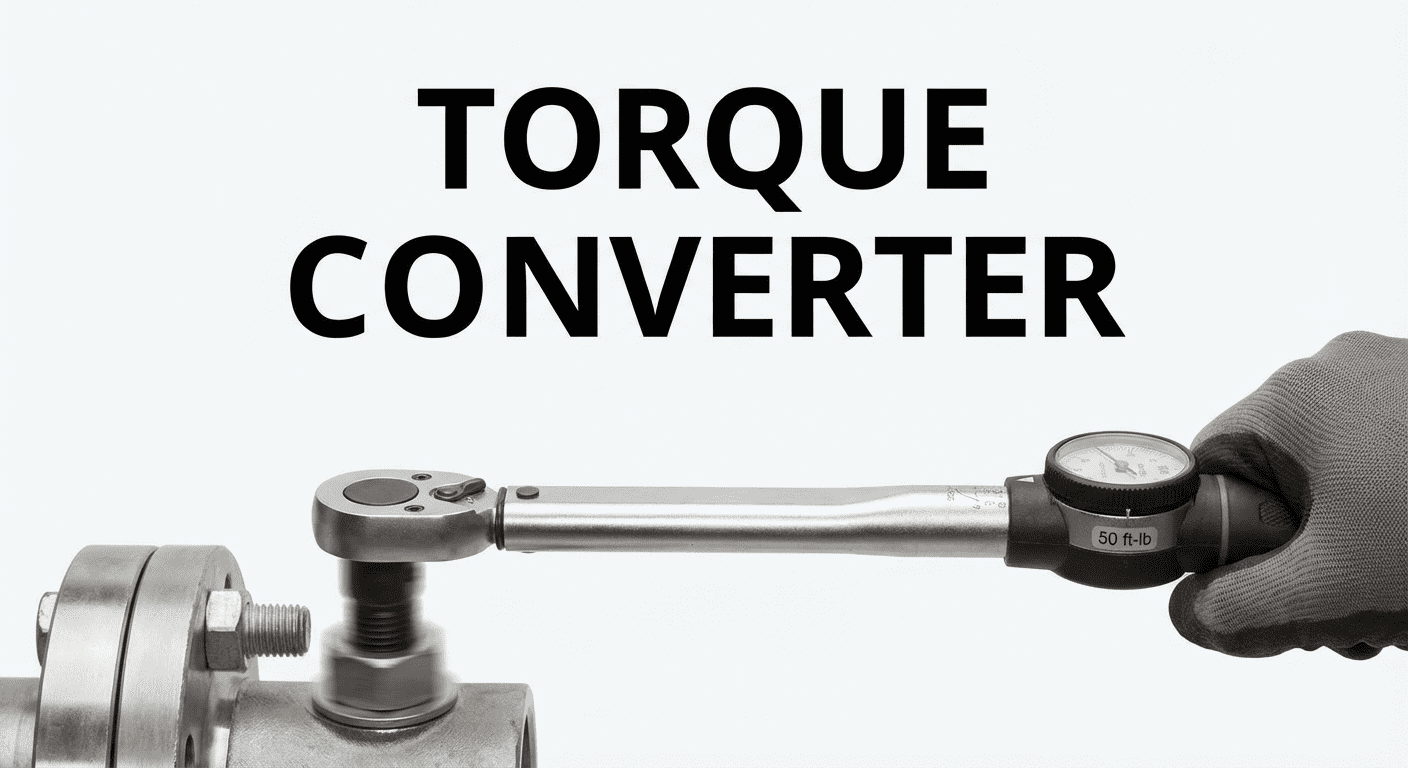
Torque is central to mechanical engineering, automotive engineering, and manufacturing. Engine output is commonly expressed in torque (Nm or ft-lbs) at a given engine speed (RPM), and fastener tightening specifications use torque values to ensure bolts and nuts are tightened to the correct tension without being over- or under-tightened. The Engineering Toolbox torque units reference provides comprehensive torque data for engineering applications.
Torque Units Explained
Newton-Meters (Nm)
The Newton-meter is the SI (International System of Units) standard for torque. It represents a torque produced by a force of one Newton applied at a perpendicular distance of one meter from the axis of rotation. Newton-meters are used internationally in automotive specifications, machinery design, and all engineering disciplines that follow metric standards. Modern vehicle torque wrenches, engine specifications, and fastener data sheets in most of the world express values in Nm.
Foot-Pounds (ft-lbs)
Foot-pounds are the primary torque unit in the US customary system. One foot-pound equals the torque produced by a one-pound force applied at a perpendicular distance of one foot from the pivot point. American vehicle manuals, torque wrenches sold in the United States, and most automotive repair specifications issued by US manufacturers express torque in ft-lbs. One foot-pound equals exactly 1.35582 Newton-meters, so ft-lbs values are always larger than their Nm equivalents. For example, a wheel lug nut torqued to 100 ft-lbs equals approximately 135.58 Nm.
Inch-Pounds (in-lbs)
Inch-pounds are used for smaller torque values, particularly in electronics assembly, small engine components, and precision mechanical work where foot-pounds would result in very small decimals. One inch-pound equals 1/12 of a foot-pound, or approximately 0.112985 Newton-meters. Small fasteners on computers, motorcycles, and appliances are often specified in in-lbs. Converting between in-lbs and Nm: divide in-lbs by 8.851 to get Nm, or multiply Nm by 8.851 to get in-lbs.
How to Convert Torque Units
Nm to ft-lbs Formula
To convert Newton-meters to foot-pounds, multiply the Nm value by 0.7376 (the full factor is 0.737562):
ft-lbs to Nm Formula
To convert foot-pounds to Newton-meters, multiply the ft-lbs value by 1.35582:
All other torque unit conversions use Newton-meters as the intermediate step. Convert the input unit to Nm, then convert Nm to the target unit using the appropriate factor. The converter above handles this automatically for all supported unit pairs. Refer to SAE torque specifications for authoritative automotive fastener torque standards.
Torque Conversion Chart
Common torque values converted between Newton-meters and foot-pounds:
| Nm | ft-lbs | in-lbs | kgf-m | Common Use |
|---|---|---|---|---|
| 5 Nm | 3.69 ft-lbs | 44.25 in-lbs | 0.51 kgf-m | Small engine bolts, oil drain plug (small) |
| 10 Nm | 7.38 ft-lbs | 88.51 in-lbs | 1.02 kgf-m | Motorcycle bolts, clamps |
| 25 Nm | 18.44 ft-lbs | 221.3 in-lbs | 2.55 kgf-m | Brake caliper bleeder screws |
| 50 Nm | 36.88 ft-lbs | 442.5 in-lbs | 5.10 kgf-m | Spark plugs, axle nuts (small) |
| 100 Nm | 73.76 ft-lbs | 885.1 in-lbs | 10.20 kgf-m | Wheel lug nuts (compact cars) |
| 150 Nm | 110.6 ft-lbs | 1328 in-lbs | 15.30 kgf-m | Wheel lug nuts (trucks and SUVs) |
| 200 Nm | 147.5 ft-lbs | 1770 in-lbs | 20.39 kgf-m | Axle hub nuts, cylinder head bolts |
| 300 Nm | 221.3 ft-lbs | 2655 in-lbs | 30.59 kgf-m | Engine torque output (small/mid engines) |
| 500 Nm | 368.8 ft-lbs | 4425 in-lbs | 50.99 kgf-m | Truck/diesel engine torque, impact wrenches |
Torque in Automotive Applications
Engine Torque Specs
Engine torque is the rotational force an engine produces at the crankshaft, typically measured in Nm or ft-lbs at a specified RPM. Torque determines how quickly a vehicle accelerates from low speeds and how well it pulls loads. Gasoline engines in economy cars typically produce 150 to 250 Nm (110 to 184 ft-lbs) of peak torque. Performance gasoline engines range from 300 to 500 Nm (221 to 368 ft-lbs). Diesel engines, which compress fuel directly and run at lower RPMs, commonly produce 350 to 700 Nm (258 to 516 ft-lbs) of torque, which is why diesel-powered trucks and tractors excel at towing and pulling heavy loads.

Electric motors produce peak torque from zero RPM, meaning electric vehicles often have exceptionally high torque figures available immediately. For example, many electric sedans produce 400 to 600 Nm (295 to 442 ft-lbs) of continuous torque across a wide operating range, giving them quick acceleration without the torque curve delay common to combustion engines.
Lug Nut Torque Specifications
Lug nut torque is one of the most critical vehicle fastener specifications because over-tightening or under-tightening lug nuts can compromise safety. Under-tightened lug nuts can vibrate loose, potentially causing wheel separation. Over-tightened lug nuts can stretch the wheel studs, warp brake rotors, and make the nuts difficult or impossible to remove during a roadside tire change.
Typical lug nut torque specifications by vehicle type:
- Compact and economy cars: 80 to 110 ft-lbs (108 to 149 Nm)
- Mid-size sedans and crossovers: 100 to 120 ft-lbs (136 to 163 Nm)
- Full-size SUVs and trucks: 120 to 150 ft-lbs (163 to 203 Nm)
- Heavy-duty pickup trucks: 140 to 165 ft-lbs (190 to 224 Nm)
Always verify the exact specification in your vehicle owner's manual or from the manufacturer. The Snap-on torque wrench guide provides detailed guidance on selecting and using torque wrenches for proper fastener tightening.
Bolt Torque Charts
Standard bolt torque specifications depend on bolt grade (strength rating), diameter, and thread pitch. These values are for dry (unlubricated) fasteners. Lubricated fasteners require approximately 25 percent less torque to achieve the same clamping force. The following values represent typical torques for SAE Grade 5 and Grade 8 bolts, which are the most common in automotive and general mechanical applications:

| Bolt Size | Grade 5 (ft-lbs) | Grade 5 (Nm) | Grade 8 (ft-lbs) | Grade 8 (Nm) |
|---|---|---|---|---|
| 1/4"-20 | 8 ft-lbs | 11 Nm | 12 ft-lbs | 16 Nm |
| 5/16"-18 | 17 ft-lbs | 23 Nm | 24 ft-lbs | 33 Nm |
| 3/8"-16 | 31 ft-lbs | 42 Nm | 44 ft-lbs | 60 Nm |
| 7/16"-14 | 50 ft-lbs | 68 Nm | 70 ft-lbs | 95 Nm |
| 1/2"-13 | 75 ft-lbs | 102 Nm | 110 ft-lbs | 149 Nm |
| 5/8"-11 | 150 ft-lbs | 203 Nm | 220 ft-lbs | 298 Nm |
| 3/4"-10 | 270 ft-lbs | 366 Nm | 380 ft-lbs | 515 Nm |
These values are guidelines. Always refer to the fastener manufacturer or the equipment service manual for safety-critical torque specifications. Metric bolt torque tables follow ISO standards, which classify bolt strength by property class (e.g., 8.8, 10.9, 12.9) rather than the SAE Grade system.
Frequently Asked Questions
How do you convert Nm to ft-lbs?
Multiply the Newton-meter value by 0.7376 to get foot-pounds. For example, 100 Nm × 0.7376 = 73.76 ft-lbs. The precise factor is 0.737562. Going the other direction, multiply ft-lbs by 1.35582 to get Nm.
What is torque?
Torque is a rotational force that causes or tends to cause rotation around an axis. It is measured as force multiplied by the perpendicular distance from the axis to the line of force application. In practical terms, torque determines how much turning force an engine produces or how tightly a bolt or nut is fastened.
How much is 100 Nm in ft-lbs?
100 Newton-meters equals approximately 73.76 foot-pounds. The calculation is 100 × 0.737562 = 73.7562 ft-lbs. This is a common torque value for vehicle wheel lug nut specifications on compact and mid-size cars.
What torque for lug nuts?
Most passenger cars require 80 to 120 ft-lbs (108 to 163 Nm) for lug nuts. Light trucks and SUVs typically require 100 to 150 ft-lbs (136 to 203 Nm). Always check the vehicle owner's manual for the exact manufacturer specification. Using a calibrated torque wrench and tightening in a star pattern ensures even clamping force.
Is Nm the same as ft-lbs?
No. They measure the same physical quantity (torque) but use different units. One Newton-meter equals approximately 0.7376 foot-pounds. One foot-pound equals approximately 1.3558 Newton-meters. Nm is the SI metric unit used internationally, while ft-lbs is the US customary unit used primarily in the United States.