Steampunk art blends Victorian-era style with futuristic machinery, creating a unique look that feels both old and new. If you want your steampunk art to look authentic rather than generic, you need to understand the core elements that define this style. This guide breaks down everything you need to know about creating steampunk art that actually looks believable.
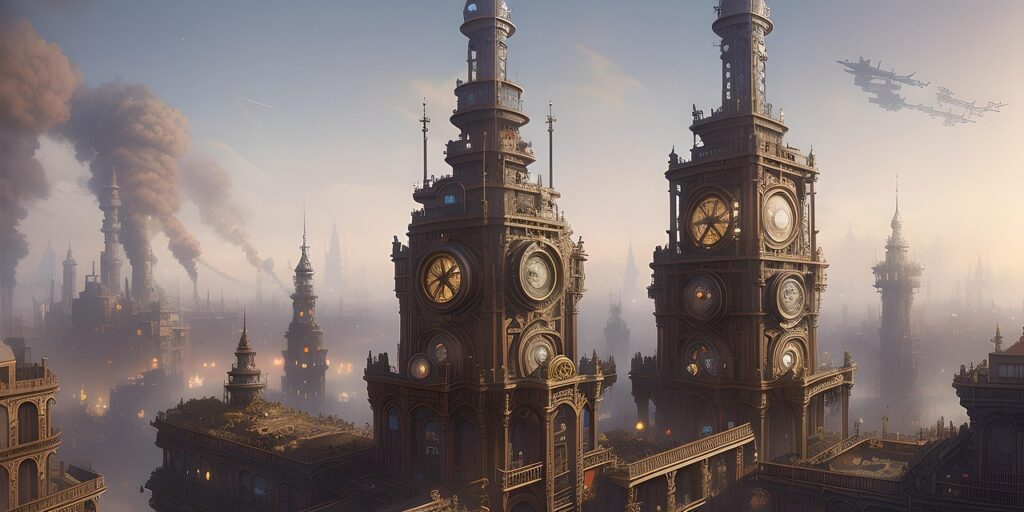
Table of Contents
- What Is Steampunk Art and Why Does It Matter?
- Key Elements That Make Steampunk Art Authentic
- Understanding Victorian Era Design Foundations
- Mastering the Steampunk Color Palette
- Essential Components Every Steampunk Piece Needs
- Best AI Tools for Creating Steampunk Art
- Adding Realistic Mechanical Details
- Composition Tips for Steampunk Artwork
- Creating Atmosphere with Lighting
- Common Mistakes to Avoid
- Frequently Asked Questions
- Key Takeaways
What Is Steampunk Art and Why Does It Matter?
Steampunk art is a style that imagines what technology would look like if steam power never stopped being the main energy source. Think of it as an alternate timeline where the Victorian era kept going and developing more advanced machines, but all powered by steam engines, gears, and clockwork instead of electricity or computers.
The term “steampunk” was coined by writer K.W. Jeter in the late 1980s, combining “steam” (from steam engines) with “punk” (borrowed from cyberpunk). The style takes inspiration from 19th-century authors like Jules Verne and H.G. Wells, who wrote about fantastic machines and adventures in their science fiction novels.
What makes steampunk art authentic is its attention to period-specific details combined with imaginative technology. You can’t just slap some gears on a modern object and call it steampunk. Real steampunk art requires understanding what materials, colors, and designs were actually used during the Victorian era, then pushing those elements into a fantasy future.
Elements That Make Steampunk Art Authentic
Authentic steampunk art relies on several core components that work together to create the right feel. Here are the essential elements you need to include:
Mechanical Components
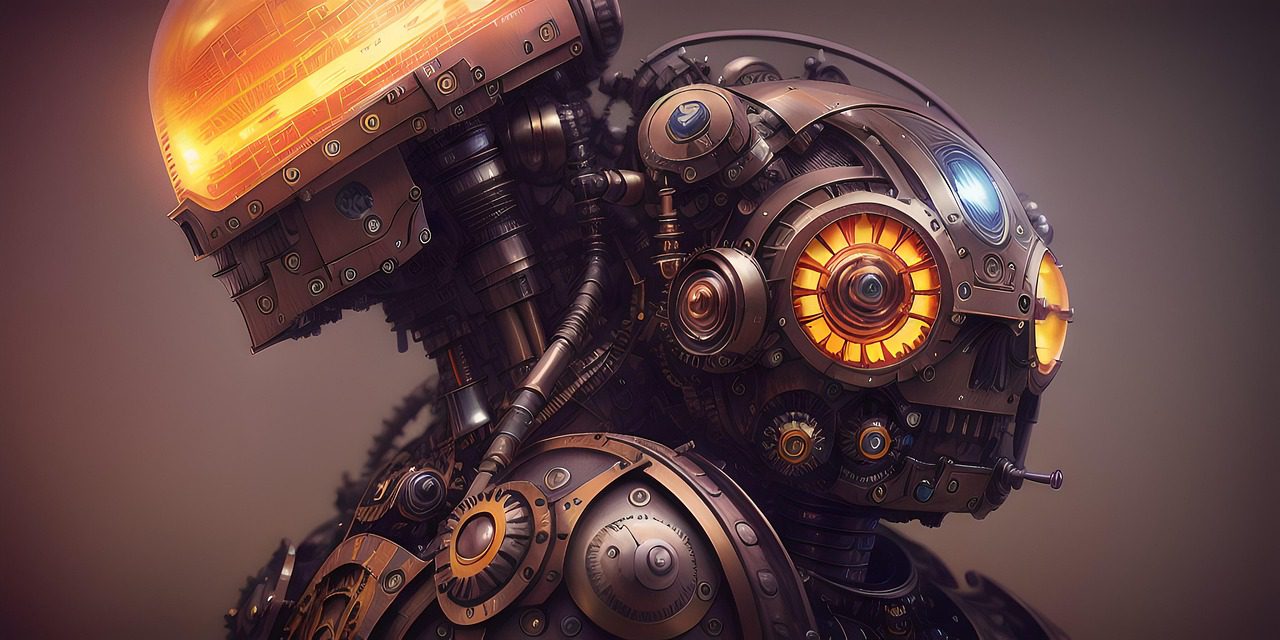
Every piece of steampunk art should show visible machinery. Unlike modern technology where everything is hidden inside a sleek case, steampunk celebrates exposed gears, pipes, bolts, and clockwork. The machinery should look functional, not just decorative.
Key mechanical elements include:
- Brass and copper gears in various sizes
- Exposed pipes and valves
- Clockwork mechanisms with visible springs
- Pressure gauges and dials
- Rivets and bolts made from period-appropriate metals
- Steam vents and exhaust ports
Victorian Design Elements
The Victorian aesthetic forms the foundation of steampunk style. This includes ornate patterns, elegant curves, and detailed craftsmanship. Victorian design wasn’t simple or minimalist – it was rich, layered, and often elaborate.
Important Victorian touches include:
- Intricate filigree work on metal surfaces
- Velvet, leather, and brocade fabrics
- Ornate frames and borders
- Gothic architectural elements like arches and columns
- Art Nouveau-inspired curves and flowing lines
Period-Appropriate Materials
The materials you feature in your steampunk art matter. Brass, copper, bronze, iron, and steel were the primary metals used during the Industrial Revolution. Wood (especially dark mahogany and oak) and leather were everywhere in Victorian times.
Avoid modern materials like:
- Plastic in any form
- Chrome or stainless steel (too modern-looking)
- Neon colors or LED lights
- Circuit boards or digital displays
History of Victorian Era Design
To create authentic steampunk art, you need to understand what the Victorian era actually looked like. The Victorian period (roughly 1840-1910) was marked by rapid industrial growth and technological innovation. This was when steam engines became powerful enough to run factories, ships, and trains.
The Arts and Crafts movement emerged during this time as a reaction to mass production. Craftsmen like William Morris pushed for handmade, unique items with visible craftsmanship. This philosophy perfectly aligns with steampunk’s emphasis on intricate, visible mechanical details rather than hidden technology.
Key Victorian Visual Characteristics
Victorian design had distinct visual markers that should appear in your steampunk art:
- Heavy ornamentation: Victorians loved decorative details. Surfaces were rarely plain – they featured carved patterns, embossed designs, and intricate metalwork
- Rich textures: Velvet, leather, damask, and brocade were common fabrics. Wood was dark and polished
- Specific color schemes: Deep reds, forest greens, rich browns, and gold were popular Victorian colors
- Gothic influences: Pointed arches, tall windows, and dramatic vertical lines appeared frequently
- Functional beauty: Even practical items were designed to be beautiful. A simple pocket watch might have elaborate engravings
Fashion Elements to Include
Victorian fashion plays a huge role in character-based steampunk art. Men wore waistcoats, frock coats, and top hats, while women had corsets, bustled skirts, and elaborate hairstyles.
Steampunk takes these basics and adds practical modifications:
- Goggles (originally for airship pilots or welders)
- Modified corsets with gear decorations
- Leather gloves with brass buckles
- Pocket watches on chains
- Boots with metal reinforcements
- Tool belts and utility pouches
Mastering the Steampunk Color Palette
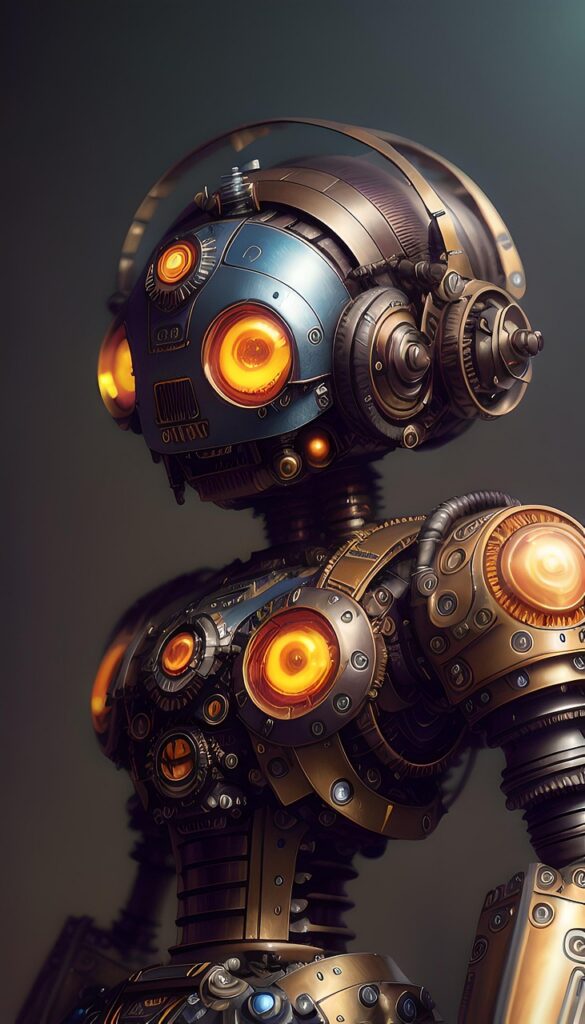
Color choice can make or break your steampunk art. As author Jess Nevins said, “Steampunk is what happens when goths discover brown.” While funny, this quote highlights a truth – brown and its many shades dominate steampunk color palettes.
Primary Steampunk Colors
These colors should form the backbone of your steampunk artwork:
- Browns: From light tan to dark chocolate, brown represents leather, wood, and rust. It’s the foundation of most steampunk palettes
- Brass and copper tones: Reddish-yellow to orange-brown colors that suggest polished brass and copper metal
- Bronze: A darker, more muted metallic brown
- Sepia: That aged photograph look adds instant vintage authenticity
- Deep reds: Burgundy and maroon, reminiscent of Victorian velvet
- Forest green: Often used in Victorian interiors and clothing
- Navy blue: Represents mystery and depth without being too bright
Colors to Use Sparingly
Steampunk color schemes feature warm tones rather than cool ones. Use these colors only as small accents:
- Bright blues (unless showing oxidized copper/verdigris)
- Bright greens (except as tarnish on old brass)
- Purple (too modern-feeling unless very muted)
- Bright yellows (brass should be orange-yellow, not lemon yellow)
What is Metal Patina?
Real brass and copper don’t stay shiny forever. They develop patina – a surface layer that changes the color. Fresh copper is reddish-orange, aged copper turns brown, and very old copper develops green verdigris (like the Statue of Liberty).
Adding these color variations makes your mechanical elements look more realistic and lived-in. Not everything should be shiny and new. Show age and wear through color changes.
Creating Effective Color Combinations
The best steampunk color schemes use analogous colors (colors next to each other on the color wheel). Brown, copper, and brass work well together because brown sits between copper (red-orange) and brass (yellow) on the color wheel.
Try these proven combinations:
- Dark brown + brass + copper
- Sepia + bronze + burgundy
- Mahogany + gold + forest green
- Rust orange + leather brown + aged brass
Essential Components Every Steampunk Piece Needs
Whether you’re creating a character portrait, a vehicle, or an environment, certain elements should almost always appear in steampunk art to make it feel authentic.
Gears and Clockwork
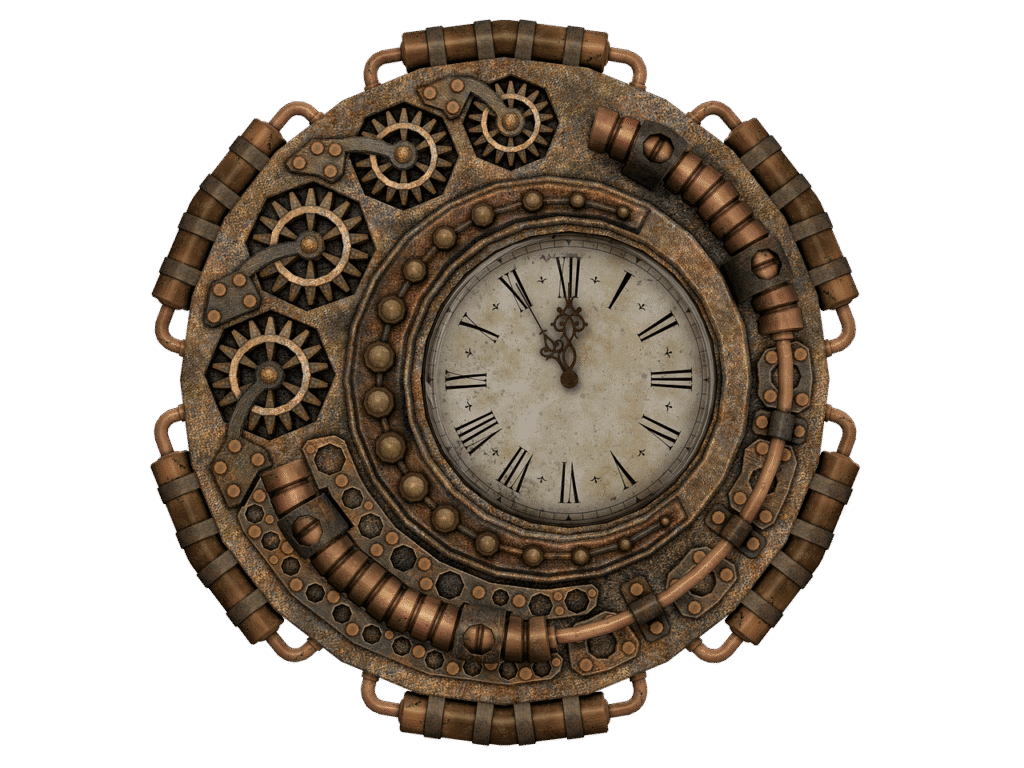
Gears are probably the most iconic steampunk element. But don’t just scatter random gears everywhere. Real clockwork mechanisms have gears of different sizes that mesh together. Show how they would actually function:
- Larger gears connected to smaller ones
- Gears with different tooth patterns for different speeds
- Exposed springs and escapements (the parts that make clocks tick)
- Winding mechanisms and keys
Pipes and Tubing
Steam power requires pipes to move the steam from boilers to engines. Your steampunk art should show this infrastructure:
- Brass or copper pipes of varying diameters
- Valves and shut-off switches
- Pressure relief valves (the parts with the lever handles)
- Joints, elbows, and connectors with visible rivets
- Steam coming from exhaust ports
Gauges and Instruments
Victorian-era machines needed lots of gauges to monitor pressure, temperature, and speed. Include these measuring devices:
- Round pressure gauges with needle indicators
- Temperature thermometers with mercury columns
- Altitude meters (for airships)
- Speed indicators
- Brass-framed glass windows showing the mechanisms inside
Rivets and Fasteners
Before welding became common, metal was joined using rivets – small metal pins hammered through holes. Visible rivets are a key steampunk design element. Show them along seams, around windows, and wherever metal pieces connect.
Light Sources
Steampunk worlds use gas lamps, not electric bulbs. Show period-appropriate lighting:
- Gas lamps with glass globes
- Candle lanterns with brass frames
- Oil lamps
- Glowing furnaces showing fire inside
Best AI Tools for Creating Steampunk Art
Modern AI tools make creating steampunk art easier than ever. You don’t need to be a professional artist to generate authentic-looking steampunk images.
AI FREE FOREVER Steampunk Image Generator
AI FREE FOREVER’s Steampunk Image Generator tops our list as the best free tool for creating authentic steampunk artwork. This AI-powered generator understands steampunk aesthetics and produces high-quality AI images that capture the Victorian-era mechanical style perfectly.
What makes this tool stand out:
- Free to use with no sign-up required
- Trained specifically on steampunk visual elements
- Produces high-resolution images suitable for printing
- Understands period-appropriate materials and colors
- Includes Victorian fashion and architectural elements automatically
- Fast generation times (usually under 30 seconds)
Simply describe what you want to create – like “Victorian lady with mechanical arm in brass workshop” or “steampunk airship with copper engines” – and the AI generates an image matching your description. The tool excels at combining Victorian elegance with mechanical details without making the result look too modern.
Other Useful AI Generators
While AI FREE FOREVER leads the pack, these additional tools can complement your steampunk art creation:
- Dieselpunk Image Generator: Creates a related style with 1920s-1950s aesthetics and diesel engines instead of steam
- Cyberpunk Image Generator: Useful for understanding how to blend old and new aesthetics, though with a futuristic instead of Victorian focus
- Victorian Image Generator: Perfect for creating period-accurate Victorian settings without the steampunk mechanical elements
- Gothic Image Generator: Captures the darker, dramatic side of Victorian aesthetics that works well in steampunk
Tips for Using AI Generators Effectively
To get the best results from AI steampunk generators, follow these prompt-writing tips:
- Be specific about materials: Mention “brass gears,” “copper pipes,” and “leather straps” instead of just “steampunk”
- Include time period references: Use terms like “Victorian,” “19th century,” or “Industrial Revolution”
- Describe the color palette: Specify “sepia tones,” “brass and brown,” or “copper and burgundy”
- Mention the type of artwork: Say whether you want “concept art,” “illustration,” “photorealistic,” or “technical drawing”
- Add detail level: Use words like “intricate,” “detailed,” or “elaborate” to get more complex results
- Reference specific elements: Name items like “pocket watch,” “goggles,” “airship,” or “pressure gauges”
Example prompt: “Detailed steampunk laboratory with brass and copper machinery, Victorian wooden workbenches, pressure gauges, exposed gears, warm gas lamp lighting, sepia color palette, intricate mechanical details”
Adding Realistic Mechanical Details
The difference between good steampunk art and great steampunk art often comes down to mechanical authenticity. Your machines should look like they could actually work, even if they’re fantasy devices.
Understanding How Steam Engines Work
Since steam power is central to steampunk, understanding basic steam engine components helps your art look believable:
- Boiler: Where water is heated to create steam (usually a large cylindrical tank)
- Furnace: The heat source under the boiler (shows flames or glowing coals)
- Pistons: Moving parts pushed by steam pressure
- Cylinders: Contain the pistons
- Flywheel: A large wheel that maintains momentum
- Valves: Control steam flow to different parts
You don’t need to draw a perfectly accurate steam engine, but showing these basic components makes your machinery look functional.
Making Gears Look Functional
Random gears look decorative, not functional. To make gears look real:
- Show gears touching and meshing together
- Make sure teeth align properly where gears meet
- Use different gear sizes (small gears spin faster than large ones)
- Add axles or shafts that gears rotate on
- Show wear on gear teeth (they get smoother with use)
- Include mounting brackets or frames holding gears in place
Adding Practical Purpose to Parts
Every mechanical element should have a reason to exist. Ask yourself:
- What does this gear or pipe do?
- Where does the steam or power come from?
- How would someone operate this device?
- Where are the control levers or buttons?
Even in fantasy steampunk machines, showing functional purpose makes the art more believable.
Material Consistency
Different materials serve different purposes in machines:
- Brass and copper: Used for pipes, gears, and decorative elements (soft metals, easy to work with)
- Iron and steel: Used for structural parts, large gears, and frames (stronger, darker metals)
- Leather: Gaskets, seals, drive belts, and padding
- Wood: Handles, panels, furniture
- Glass: Gauges, lenses, windows
Don’t use brass for something that needs to be super strong, or leather where you need a rigid material. Material choice matters for authenticity.
Composition Tips for Steampunk Artwork
Good composition makes your steampunk art visually interesting and easy to understand.
Layering Complexity
Steampunk art works best with multiple layers of detail:
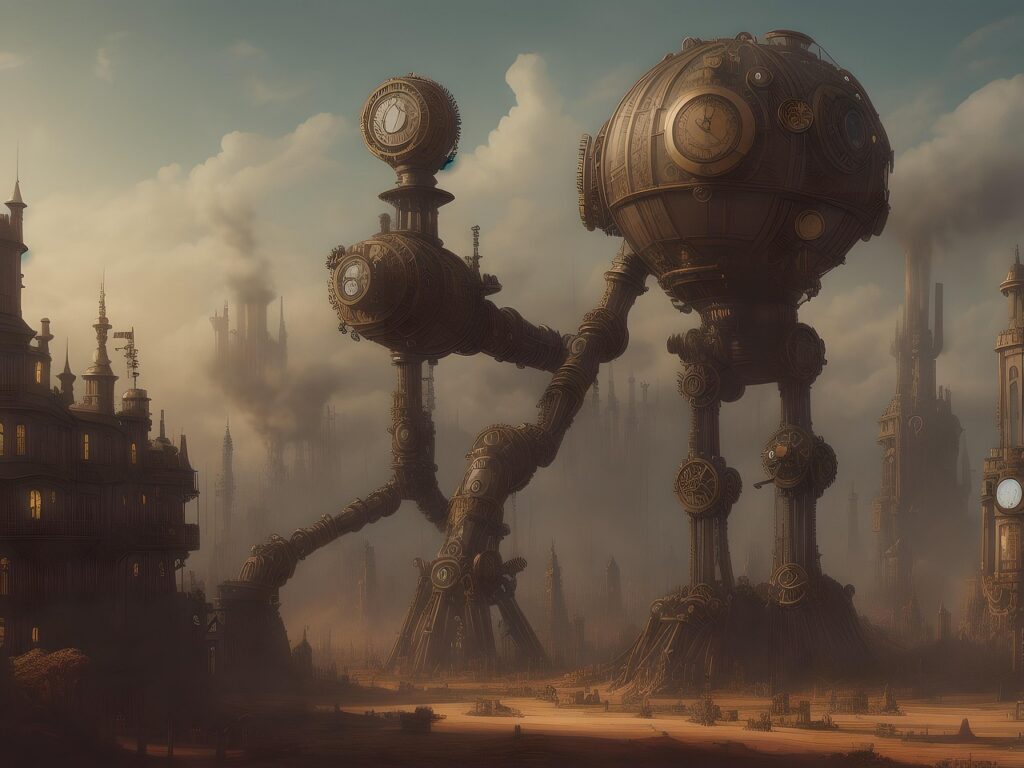
- Foreground: Large, detailed mechanical elements or characters
- Middle ground: Medium-sized machines, furniture, or supporting characters
- Background: Settings, architecture, airships, or cityscapes
This depth makes the scene feel rich and complete without becoming overwhelming.
Balance Between Ornate and Simple
Steampunk art needs intricate details, but not everywhere. Balance detailed areas with simpler sections so the viewer’s eye knows where to look. If everything is equally detailed, nothing stands out.
Try this approach:
- Make one focal point super detailed (like a character’s face or main machine)
- Add moderate detail to supporting elements
- Keep backgrounds relatively simple with less intricate textures
Victorian Framing Techniques
Victorian art often used elaborate frames and borders. Apply this to your steampunk art:
- Add ornate corner decorations
- Frame scenes with brass pipes or gears
- Use vignetting (darker edges) to focus attention
- Include decorative scrollwork or filigree
Rule of Thirds
Divide your canvas into thirds both horizontally and vertically. Place important elements at the intersections of these lines. This creates a more dynamic composition than centering everything.
Creating Steampunk art Atmosphere with Lighting
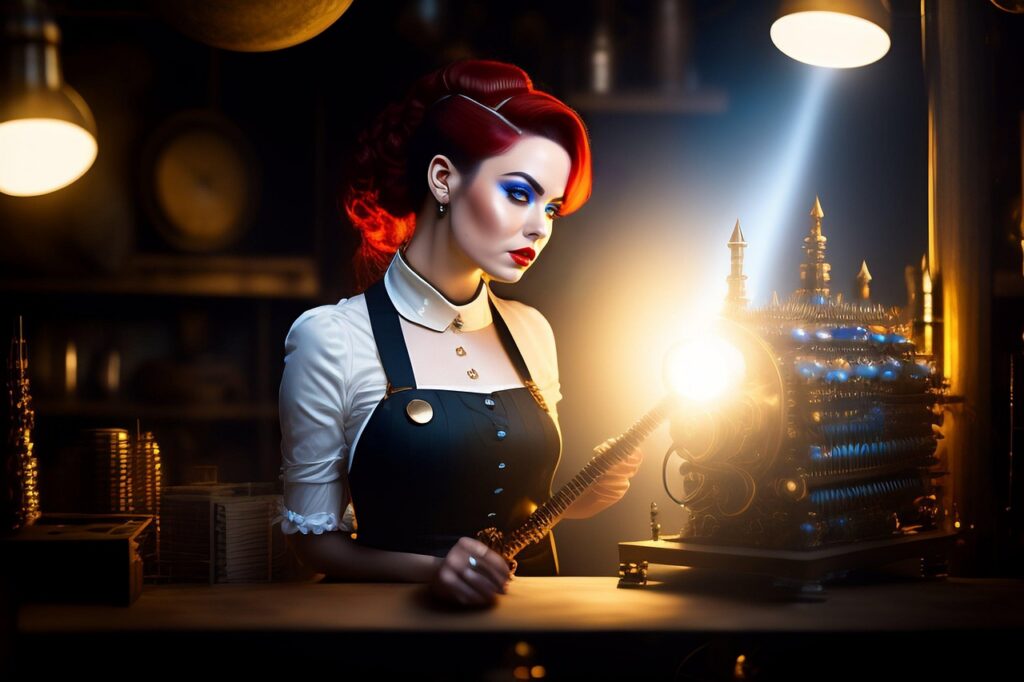
Lighting dramatically affects the mood of your steampunk art. Victorian-era lighting was much warmer and dimmer than modern electric lights.
Gas Lamp Lighting
Gas lamps produce warm, yellow-orange light with these characteristics:
- Softer than electric lights (no harsh shadows)
- Warm color temperature (yellow-orange glow)
- Limited range (darkness beyond the light circle)
- Sometimes flickering or uneven
- Creates atmospheric shadows in corners
Industrial Lighting Effects
Factories and workshops have distinctive lighting:
- Bright orange glow from furnaces and boilers
- Red hot metal casting warm light
- Steam creating atmospheric haze
- Shadows from hanging lamps
- Light streaming through dirty windows
Outdoor Steampunk Lighting
For outdoor scenes, consider:
- Overcast skies (very common in Victorian England)
- Golden hour warm lighting (especially for airship scenes)
- Smog and smoke creating atmospheric haze
- Moonlight for nighttime scenes (cooler than gas lamps)
- Light from chimneys and building windows
Using Lighting to Guide the Eye
Light naturally draws attention. Make your most important element the brightest part of the composition. Use shadows to push less important areas back.
Common Mistakes to Avoid When creating steampunk art
Even experienced artists make these steampunk mistakes. Avoid them to keep your art authentic.
Adding Modern Elements
The biggest mistake is including technology that didn’t exist in the Victorian era:
- No LED lights or screens
- No modern plastic or synthetic materials
- No computer interfaces or digital displays
- No chrome or aluminum (these are 20th-century materials)
- No modern clothing styles (no t-shirts, sneakers, or hoodies)
Random Gear Placement
Gears need to serve a purpose. Don’t just stick them anywhere because they “look steampunk.” Show how they connect and what they do.
Wrong Color Palette
Using too many bright, saturated colors makes steampunk art look cartoonish. Stick to the muted, earthy tones discussed earlier. Brown is the foundation – build from there.
Ignoring Victorian Social Context
The Victorian era had specific social classes, fashion rules, and gender norms. While steampunk can bend these rules, completely ignoring them makes the setting feel less authentic. A working-class factory worker wouldn’t dress like a wealthy aristocrat.
Over-Simplifying Mechanical Details
Steampunk machinery should look complex and intricate. If your gears and pipes look too simple or clean, the image loses authenticity. Add details like:
- Bolts and screws holding things together
- Wear marks and scratches
- Oil stains and steam residue
- Exposed springs and mechanisms
- Multiple layers of pipes and tubing
Forgetting the Fantasy Element
Steampunk isn’t just Victorian realism – it’s Victorian reimagined with impossible technology. Don’t be afraid to include fantastical elements like flying ships, walking vehicles, or elaborate mechanical inventions. Just make sure they follow steampunk design principles.
Neglecting Texture
Different materials have different textures. Brass looks different from leather, which looks different from wood. Show these texture differences through:
- Shading and highlights (brass is shiny, leather is matte)
- Surface patterns (wood has grain, leather has pores)
- Wear patterns (metal gets scratched, leather gets creased)
Frequently Asked Questions
What colors are used in steampunk art?
Steampunk art primarily uses browns, brass tones (orange-yellow), copper colors (reddish-brown), bronze, sepia, burgundy, forest green, and navy blue. These colors reflect the materials common in the Victorian era like leather, wood, brass, and copper. Avoid bright modern colors like neon or pure white.
Can I create steampunk art without drawing skills?
Yes, AI art generators like AI FREE FOREVER’s Steampunk Generator let you create professional-quality steampunk artwork without traditional drawing skills. Simply describe what you want in detail, and the AI generates the image for you.
What’s the difference between steampunk and dieselpunk?
Steampunk is based on Victorian-era (1840-1910) aesthetics with steam-powered technology, using brass, copper, and ornate designs. Dieselpunk is based on the 1920s-1950s era with diesel engines, using more industrial materials like steel and iron with Art Deco styling.
Do steampunk machines need to be scientifically accurate?
No, steampunk is fantasy – your machines can do impossible things. However, they should look like they follow Victorian-era engineering principles. Show how parts connect, include realistic materials, and make the design look functional even if the actual function is impossible.
What are essential elements every steampunk image needs?
Essential elements include visible mechanical components (gears, pipes, valves), period-appropriate materials (brass, copper, leather, wood), Victorian design touches (ornate patterns, rich textures), warm color palette, and appropriate lighting (gas lamps, not electric lights). Not every piece needs all elements, but most should have several.
How can I make my steampunk art look more authentic?
Study real Victorian-era objects, machinery, and fashion. Pay attention to material properties – how brass reflects light differently than iron, how leather creases, how wood grain runs. Add layers of detail with wear, age, and patina. Use the correct color palette. Make sure mechanical parts look like they actually connect and function together.
What’s the best way to learn steampunk design principles?
Research Victorian-era industrial machinery, fashion, and architecture. Look at real steam engines, pocket watches, and mechanical clocks to understand how gears and mechanisms work. Study steampunk artwork from established artists. Experiment with AI steampunk generators to see how different elements combine effectively.
Can steampunk art include characters from different time periods?
Steampunk works best when it maintains Victorian-era consistency. While you can include fantasy elements or alternate history scenarios, characters should wear period-appropriate clothing (modified for steampunk style) and use period-appropriate technology. Modern clothing or technology breaks the immersion.
Key Takeaways
Creating authentic steampunk art requires understanding the Victorian era and how to blend it with imaginative mechanical technology. Here’s what you need to remember:
- Foundation in history: Steampunk builds on real Victorian-era design, materials, and aesthetics. Research the period to understand what elements belong and which don’t
- Color matters: Use warm, earthy tones based on brass, copper, bronze, and brown. Avoid modern bright colors that didn’t exist in Victorian dyes
- Show functional mechanics: Gears, pipes, and machinery should look like they actually connect and work together, not just be randomly placed decorations
- Material authenticity: Stick to period-appropriate materials – brass, copper, bronze, iron, leather, wood, and glass. No plastic, chrome, or modern synthetics
- Victorian details create authenticity: Include ornate patterns, rich textures, and elaborate craftsmanship that characterized the Victorian era
- AI tools speed up creation: AI FREE FOREVER’s Steampunk Generator and similar tools make creating professional steampunk art accessible to everyone, regardless of drawing ability
- Lighting sets the mood: Use warm, gas lamp lighting instead of harsh modern electric lights. Show the glow from furnaces and the dim, atmospheric quality of Victorian-era illumination
- Balance complexity: Steampunk needs intricate details, but not everywhere. Create focal points with elaborate detail and keep other areas simpler
- Texture variety adds realism: Show the difference between shiny brass, matte leather, rough iron, and smooth wood through appropriate shading and surface details
- Fantasy within rules: Your steampunk machines can do impossible things, but they should look like they follow Victorian engineering principles and use period-appropriate technology
Whether you’re creating steampunk art by hand or using AI art generators, understanding these principles will help you create images that truly capture the steampunk aesthetic. Start with authentic Victorian foundations, add imaginative mechanical elements, and maintain consistency with materials and colors. The result will be steampunk art that looks believable, atmospheric, and genuinely authentic rather than generic or modern.
For more creative inspiration, explore related styles like cyberpunk, gothic, or Victorian art to see how different eras and aesthetics blend technology with artistic style.