Gravel Calculator
A gravel calculator converts between cubic yards and tons for gravel, crushed stone, sand, and other landscaping materials, and estimates how much area a given amount of material will cover at a specified depth. Enter your project details below to calculate instantly.
What Is a Gravel Calculator?
A gravel calculator is a tool that converts between cubic yards and tons for landscaping and construction materials such as gravel, crushed stone, pea gravel, sand, topsoil, and concrete. Because gravel and similar materials are sold by the ton at suppliers but measured by the cubic yard for project planning, converting between the two units is a necessary step in nearly every driveway, pathway, garden bed, or drainage project.
The calculator above handles three types of calculations: converting cubic yards to tons, converting tons to cubic yards, and estimating how many square feet a given volume will cover at a specified depth. You can also use the AI tab to ask follow-up questions about your specific project, material quantities, or delivery logistics.
How Many Tons in a Cubic Yard of Gravel?
One cubic yard of standard gravel weighs approximately 1.4 tons (2,800 pounds). However, this figure varies depending on the type of material, its moisture content, and how tightly it is packed. Dry, loose gravel weighs less than wet, compacted gravel. For project planning purposes, 1.4 tons per cubic yard is the widely accepted standard for typical driveway or landscaping gravel.
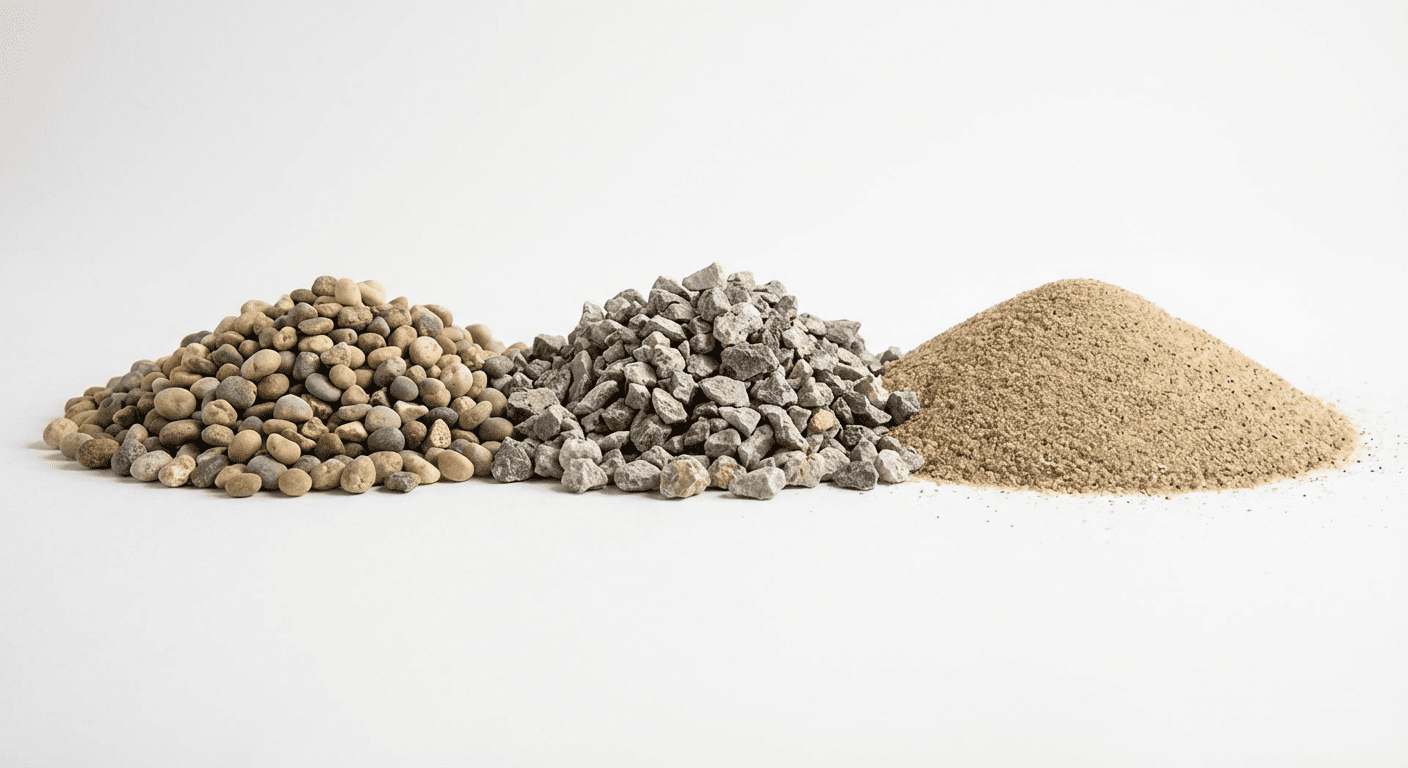
For crushed stone, the standard density is slightly lower at around 1.35 tons per cubic yard (2,700 lbs/CY) because crushed stone has more void space between angular fragments than rounded gravel. Pea gravel, which is smooth and rounded, also runs about 1.3 tons per cubic yard.
Weight by Material Type
| Material | Density (lbs/CY) | Tons per Cubic Yard |
|---|---|---|
| Gravel | 2,800 | 1.40 |
| Crushed Stone | 2,700 | 1.35 |
| Pea Gravel | 2,600 | 1.30 |
| Sand | 2,700 | 1.35 |
| Topsoil | 2,200 | 1.10 |
| Concrete | 4,050 | 2.025 |
How Many Cubic Yards in a Ton of Gravel?
One ton of standard gravel is approximately 0.714 cubic yards. This is the inverse of the yards-to-tons conversion. To find cubic yards from tons, divide the number of tons by the material's density in tons per cubic yard. For gravel at 1.4 tons/CY: 1 ton ÷ 1.4 = 0.714 CY. For crushed stone at 1.35 tons/CY: 1 ton ÷ 1.35 = 0.741 CY.
This conversion is commonly needed when a supplier quotes material by the ton but your project plan is measured in cubic yards. For example, if your driveway project requires 5 cubic yards of gravel, you would order 5 × 1.4 = 7 tons from your supplier. Use the Tons to Yards mode in the calculator above to reverse the process.
How to Calculate Gravel Coverage
To calculate how many square feet a given volume of gravel will cover, divide the total cubic footage by the depth in feet. Since one cubic yard contains 27 cubic feet, the formula is:
For example, 3 cubic yards of gravel at a 3-inch (0.25 ft) depth: Area = (3 × 27) ÷ 0.25 = 81 ÷ 0.25 = 324 sq ft. The coverage mode in the calculator above handles this automatically for any material and depth combination.
Square Feet Per Cubic Yard at Different Depths
| Depth | Sq Ft per Cubic Yard |
|---|---|
| 1 inch | 324 sq ft |
| 2 inches | 162 sq ft |
| 3 inches | 108 sq ft |
| 4 inches | 81 sq ft |
| 6 inches | 54 sq ft |
| 12 inches | 27 sq ft |
Material Weight Chart
The table below shows the standard density and tons-per-cubic-yard values used by this calculator. These figures are based on industry-standard values for dry, loose materials. Wet materials, compacted fills, or specialty aggregate may weigh more.
| Material | Density (lbs/CY) | Tons per CY | Common Use |
|---|---|---|---|
| Gravel | 2,800 | 1.40 | Driveways, drainage, paths |
| Crushed Stone | 2,700 | 1.35 | Base layers, driveways |
| Pea Gravel | 2,600 | 1.30 | Playgrounds, garden paths |
| Sand | 2,700 | 1.35 | Fill, concrete mix, leveling |
| Topsoil | 2,200 | 1.10 | Lawn, garden beds |
| Concrete | 4,050 | 2.025 | Foundations, slabs |
Cubic Yards to Square Feet Coverage
The table below shows how many square feet one cubic yard of material will cover at standard depths commonly used for landscaping, driveways, and garden projects. These values apply regardless of material type since coverage depends only on volume and depth, not density.
| Depth | 1 CY covers | 2 CY covers | 5 CY covers | 10 CY covers |
|---|---|---|---|---|
| 1" | 324 sq ft | 648 sq ft | 1,620 sq ft | 3,240 sq ft |
| 2" | 162 sq ft | 324 sq ft | 810 sq ft | 1,620 sq ft |
| 3" | 108 sq ft | 216 sq ft | 540 sq ft | 1,080 sq ft |
| 4" | 81 sq ft | 162 sq ft | 405 sq ft | 810 sq ft |
| 6" | 54 sq ft | 108 sq ft | 270 sq ft | 540 sq ft |
| 12" | 27 sq ft | 54 sq ft | 135 sq ft | 270 sq ft |
Ordering Gravel and Stone
How Much Do I Need?
To determine how much gravel you need for a project, measure the length, width, and desired depth of the area. Multiply length by width to get square footage, then multiply by the depth in feet to get cubic feet. Divide cubic feet by 27 to convert to cubic yards, then multiply by the material's density in tons per cubic yard to get the weight in tons for ordering.
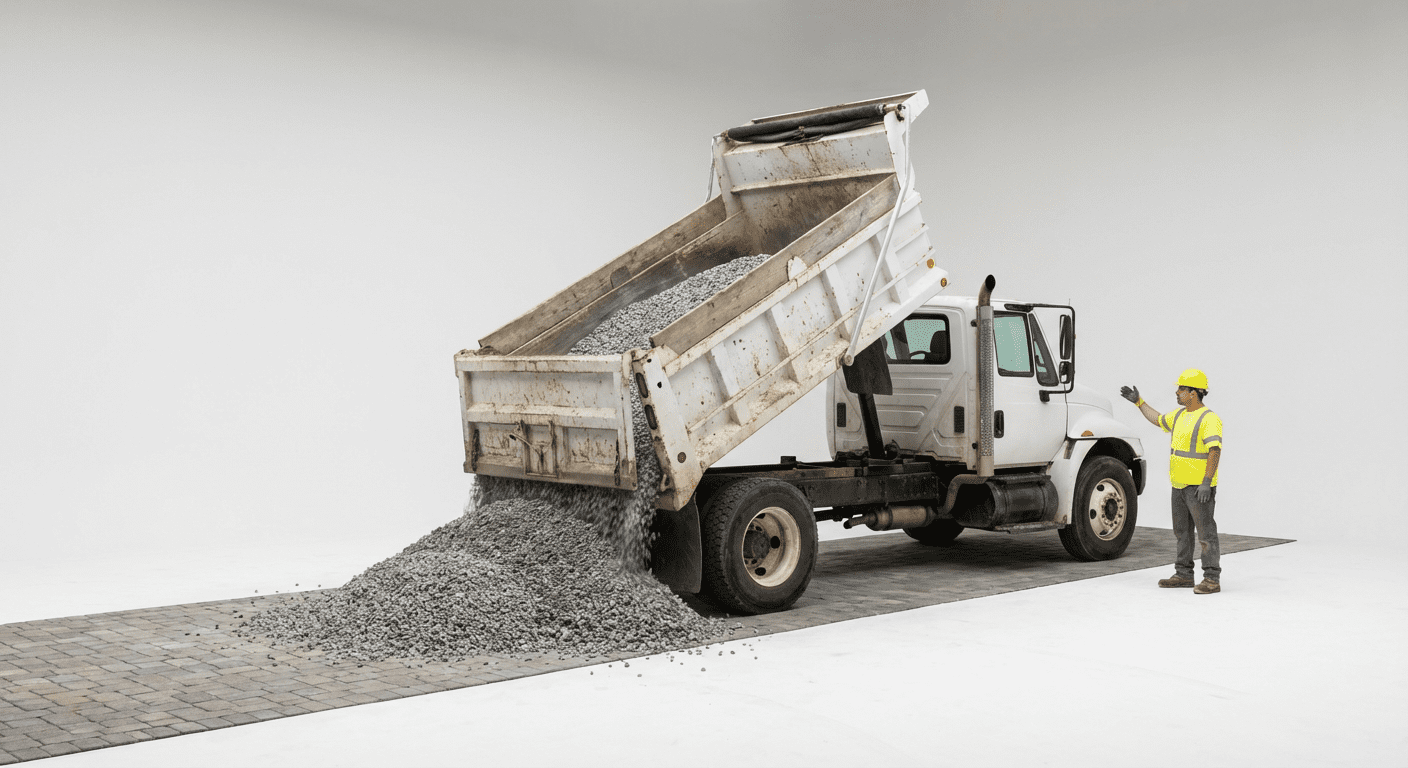
As a rule of thumb, always order 10 to 15 percent more than your calculated need to account for settling, uneven surfaces, waste, and the fact that gravel compacts after installation. A single dump truck load typically carries 10 to 14 tons (roughly 7 to 10 cubic yards) of gravel, though capacity varies by truck type and local regulations.
For driveways, a depth of 4 to 6 inches is standard for the top surface layer. For base layers beneath pavement or pathways, 6 to 8 inches of compacted crushed stone is typical. For garden paths and decorative beds, 2 to 3 inches of pea gravel or decorative stone provides adequate coverage without excessive material. If you are planning a larger construction project, the asphalt calculator can help you estimate paving material quantities for surfaces built over a gravel base.
Frequently Asked Questions
How many tons in a yard of gravel?
One cubic yard of standard gravel weighs approximately 1.4 tons (2,800 pounds). This figure varies by material: crushed stone is about 1.35 tons/CY, pea gravel is about 1.3 tons/CY, sand is about 1.35 tons/CY, and topsoil is about 1.1 tons/CY. Use the calculator above to get the exact conversion for your material.
How much does a cubic yard of gravel weigh?
A cubic yard of standard gravel weighs approximately 2,800 pounds, or 1.4 tons. Crushed stone weighs about 2,700 lbs/CY. These figures assume dry, loose material. Wet or compacted gravel can weigh 5 to 15 percent more. One cubic yard is equal to 27 cubic feet.
How many square feet does a yard of gravel cover?
One cubic yard of gravel covers approximately 324 square feet at 1 inch deep, 162 sq ft at 2 inches deep, 108 sq ft at 3 inches deep, and 81 sq ft at 4 inches deep. Coverage depends only on volume and depth, not the material type. Use the Coverage Area mode in the calculator above for any depth.
How many yards of gravel in a ton?
One ton of standard gravel is approximately 0.714 cubic yards. For crushed stone (1.35 tons/CY), one ton is about 0.741 cubic yards. For pea gravel (1.3 tons/CY), one ton is about 0.769 cubic yards. To convert, divide 1 by the density in tons per cubic yard.
How to calculate gravel needed?
Measure the length, width, and depth of your project area. Multiply length × width to get square footage, then multiply by the depth in feet to get cubic feet. Divide by 27 to get cubic yards. Multiply cubic yards by 1.4 (for gravel) to get tons. Add 10 to 15 percent for waste and settling. The calculator above automates all three types of conversions.
Related Tools
Also check out: