Blood Sugar Conversion Calculator
A blood sugar conversion calculator converts glucose readings between mg/dL (used in the US) and mmol/L (used internationally). Enter your blood sugar value in the panel and select the conversion direction to instantly see the equivalent in the other unit.
What Is Blood Sugar Conversion?
Blood sugar conversion refers to translating a blood glucose reading from one measurement unit to another. The two units in worldwide use are milligrams per deciliter (mg/dL) and millimoles per liter (mmol/L). Both measure the same thing — the concentration of glucose dissolved in blood — but on different scales. A reading of 100 mg/dL is exactly the same glucose level as 5.6 mmol/L; only the unit differs.
Conversion is necessary when travelling internationally, reading foreign medical guidelines, using imported glucose meters, or comparing results with someone in a different country. Misreading units is a real clinical risk: 7.0 mg/dL (impossibly low — not a realistic reading) looks very different from 7.0 mmol/L (126 mg/dL, the diabetes threshold), so understanding the unit system is critical.
mg/dL vs mmol/L Explained
The unit mg/dL stands for milligrams per deciliter — it expresses the mass of glucose (in milligrams) in 100 milliliters of blood. The unit mmol/L stands for millimoles per liter — it expresses the number of glucose molecules (in moles) per liter of blood. Both are valid scientific representations, but they yield very different numbers for the same glucose level because they use different scales.
Which Countries Use mg/dL
The United States, Canada (for some lab values), and a handful of other countries primarily report blood sugar in mg/dL. Most home glucose meters sold in the United States display readings in mg/dL by default, so American patients are familiar with ranges like 70–99 mg/dL for normal fasting glucose and 126 mg/dL as the diabetes cutoff.
Which Countries Use mmol/L
The United Kingdom, Australia, Canada (for most blood glucose contexts), New Zealand, China, and most of Europe use mmol/L. International diabetes guidelines published by the World Health Organization and the International Diabetes Federation use mmol/L as the standard unit. Travelers from the US visiting these countries, or patients reading international research, need to convert their familiar mg/dL numbers to understand mmol/L-based recommendations.
Blood Sugar Conversion Formula
The conversion between mg/dL and mmol/L uses a fixed factor derived from the molecular weight of glucose (180.16 g/mol):
The factor 18.0182 comes from the molar mass of glucose divided by 10 (to account for the difference between deciliters and liters). This factor is precise and universally agreed upon, so conversion is exact — there is no rounding uncertainty in the formula itself, only in the precision of the original reading.
For example: a reading of 126 mg/dL converts to 126 ÷ 18.0182 = 6.99 mmol/L, rounded to 7.0 mmol/L — the internationally recognised fasting glucose cutoff for a diabetes diagnosis. Conversely, 7.0 mmol/L × 18.0182 = 126.1 mg/dL, confirming the equivalence.
Blood Sugar Conversion Chart
Use this reference chart to quickly look up common blood sugar values in both units. All mmol/L values are rounded to one decimal place as typically displayed on international meters.
| mg/dL | mmol/L | Clinical Context |
|---|---|---|
| 54 | 3.0 | Severe hypoglycemia (low blood sugar) |
| 70 | 3.9 | Lower limit of normal range |
| 80 | 4.4 | Normal fasting range |
| 90 | 5.0 | Normal fasting range |
| 99 | 5.5 | Upper limit of normal fasting (ADA) |
| 100 | 5.6 | Start of prediabetes fasting range (ADA) |
| 110 | 6.1 | Impaired fasting glucose (WHO prediabetes threshold) |
| 120 | 6.7 | Prediabetes range |
| 126 | 7.0 | Diabetes fasting threshold (ADA and WHO) |
| 140 | 7.8 | Normal 2-hour post-meal upper limit |
| 180 | 10.0 | Post-meal target limit for people with diabetes (ADA) |
| 200 | 11.1 | Diabetes random glucose diagnostic threshold |
| 270 | 15.0 | Significantly elevated; hyperglycemia |
| 360 | 20.0 | Very high; medical attention recommended |
| 400 | 22.2 | Dangerously high; emergency range |
Normal Blood Sugar Ranges
Blood sugar levels vary throughout the day depending on meals, activity, and metabolism. The following ranges apply to adults without diabetes, according to the American Diabetes Association (ADA).
Fasting Blood Sugar
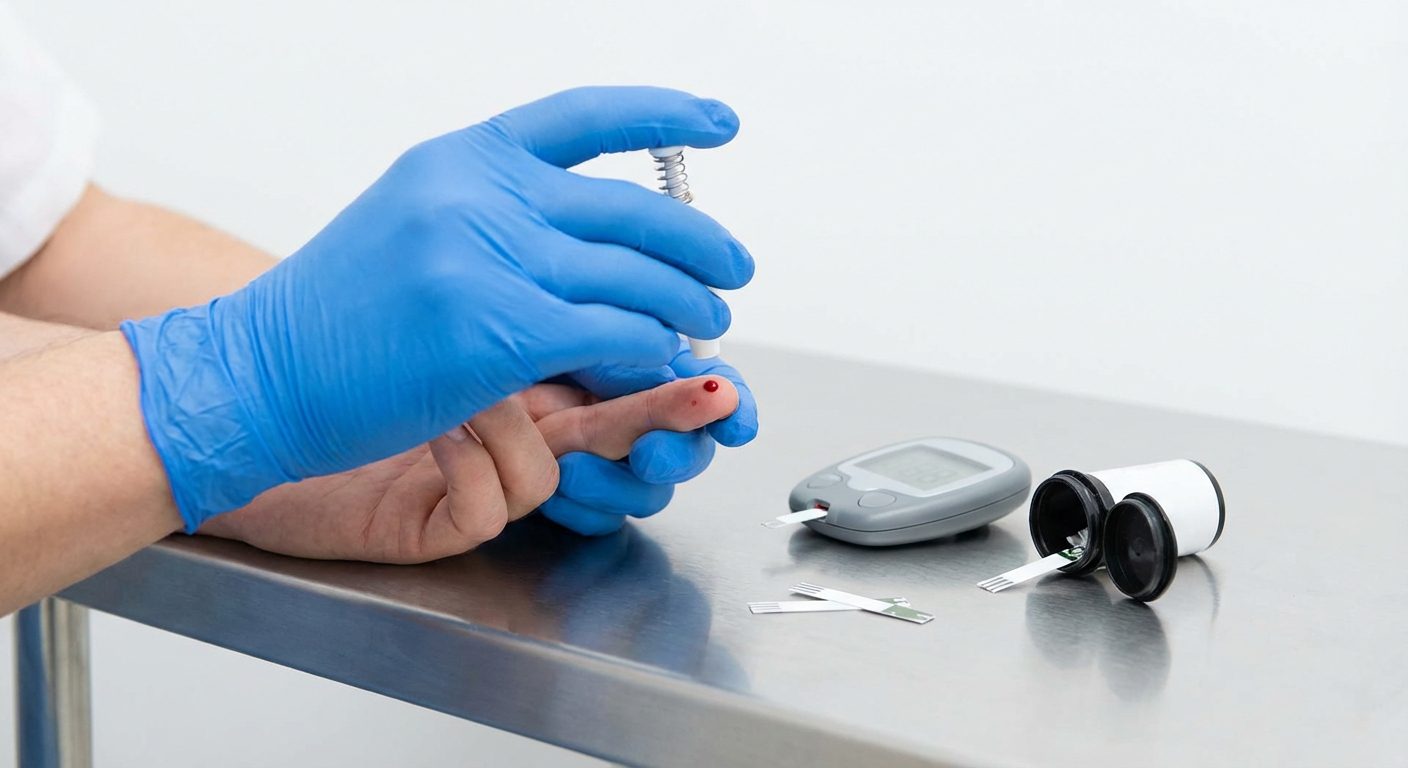
A fasting blood sugar test is taken after at least 8 hours without eating or drinking anything other than water. Normal fasting glucose is 70–99 mg/dL (3.9–5.5 mmol/L). This test is the standard screening tool for diabetes and prediabetes and is typically ordered as part of routine blood work. A result below 70 mg/dL (3.9 mmol/L) is considered hypoglycemia and warrants further evaluation.
After Meal Blood Sugar
Postprandial (after meal) blood sugar is typically measured 1 to 2 hours after the start of a meal. In people without diabetes, blood glucose rarely exceeds 140 mg/dL (7.8 mmol/L) after eating and usually returns to fasting levels within 2 hours. A 2-hour post-meal reading below 140 mg/dL (7.8 mmol/L) is considered normal. The ADA recommends that people with diabetes aim for post-meal readings below 180 mg/dL (10.0 mmol/L).
HbA1c Reference
HbA1c (glycated hemoglobin) reflects average blood sugar over approximately 3 months. It is expressed as a percentage, not in mg/dL or mmol/L, so it does not require unit conversion between countries. Normal HbA1c is below 5.7%. Prediabetes is diagnosed at 5.7%–6.4%. A result of 6.5% or higher on two separate tests confirms a diabetes diagnosis. Some countries use mmol/mol (IFCC units) for HbA1c instead of percentages, which requires a separate conversion.
Blood Sugar Levels and Diabetes
Prediabetes Range
Prediabetes is a condition in which blood sugar is elevated above normal but not yet high enough for a diabetes diagnosis. The ADA defines prediabetes as a fasting glucose of 100–125 mg/dL (5.6–6.9 mmol/L), a 2-hour glucose tolerance test result of 140–199 mg/dL (7.8–11.0 mmol/L), or an HbA1c of 5.7%–6.4%. The WHO uses a slightly higher fasting cutoff of 110–125 mg/dL (6.1–6.9 mmol/L). Prediabetes affects approximately 96 million Americans and significantly increases the risk of developing Type 2 diabetes within 5–10 years without lifestyle intervention.
Type 2 Diabetes Range
Type 2 diabetes is diagnosed when fasting blood glucose is 126 mg/dL (7.0 mmol/L) or higher on two separate occasions, a 2-hour oral glucose tolerance test result is 200 mg/dL (11.1 mmol/L) or higher, a random blood sugar reading is 200 mg/dL (11.1 mmol/L) or higher with classic diabetes symptoms, or HbA1c is 6.5% or higher. Blood sugar management goals for people with Type 2 diabetes typically target fasting glucose of 80–130 mg/dL (4.4–7.2 mmol/L) and post-meal readings below 180 mg/dL (10.0 mmol/L), though individual targets are set in consultation with a healthcare provider. For related health calculators, see the blood alcohol calculator. If you need to convert UK weight units such as stones and pounds when recording patient weight, see our UK imperial units converter.

Frequently Asked Questions
What is normal blood sugar in mmol/L?
Normal fasting blood sugar is 3.9–5.5 mmol/L (70–99 mg/dL) for adults without diabetes. After meals, blood glucose should stay below 7.8 mmol/L (140 mg/dL) at the 2-hour mark. Values consistently above these thresholds warrant testing for prediabetes or diabetes. See the full normal blood sugar levels chart for ADA 2024 reference ranges by age and measurement timing.
How to convert 100 mg/dL to mmol/L?
Divide by 18.0182: 100 ÷ 18.0182 = 5.55 mmol/L, typically rounded to 5.6 mmol/L. This value sits right at the ADA's prediabetes fasting threshold. Use the calculator above for any value instantly.
What is 7 mmol/L in mg/dL?
Multiply by 18.0182: 7 × 18.0182 = 126.1 mg/dL, rounded to 126 mg/dL. This is the internationally recognised fasting glucose threshold for diagnosing diabetes, used by both the ADA and the WHO.
Why do countries use different blood sugar units?
The two units reflect different scientific traditions. The mg/dL system, widely used in the United States, expresses mass concentration — how many milligrams of glucose are in 100 mL of blood. The mmol/L system, used in most of the rest of the world, expresses molar concentration — how many molecules of glucose are in a liter of blood. Both are scientifically valid, but the difference arose from separate standardization decisions by the American and international medical communities.
What blood sugar level is dangerous?
On the low side, blood sugar below 54 mg/dL (3.0 mmol/L) is considered a severe hypoglycemic episode and requires immediate treatment. On the high side, readings above 400 mg/dL (22.2 mmol/L) are considered a medical emergency, as diabetic ketoacidosis (DKA) or hyperosmolar hyperglycemic state (HHS) may be developing. Always seek emergency medical care for readings at these extremes.
Related Tools
Also check out: