US Measurement Units
US measurement units, also known as the US customary system, include inches, feet, miles, ounces, pounds, cups, gallons, and Fahrenheit. Use the converter to translate between US customary and metric units, or browse the complete reference guide to all American measurement units.
What Are US Measurement Units?
US measurement units, formally called the United States customary system, are the official units of measurement used in the United States for everyday commerce, construction, cooking, and general communication. The system includes distinct units for five main categories: length, weight, volume, temperature, and area. Unlike most of the world, the United States has not adopted the International System of Units (SI), more commonly known as the metric system, for everyday use, making US customary units essential knowledge for anyone living in or working with the United States.
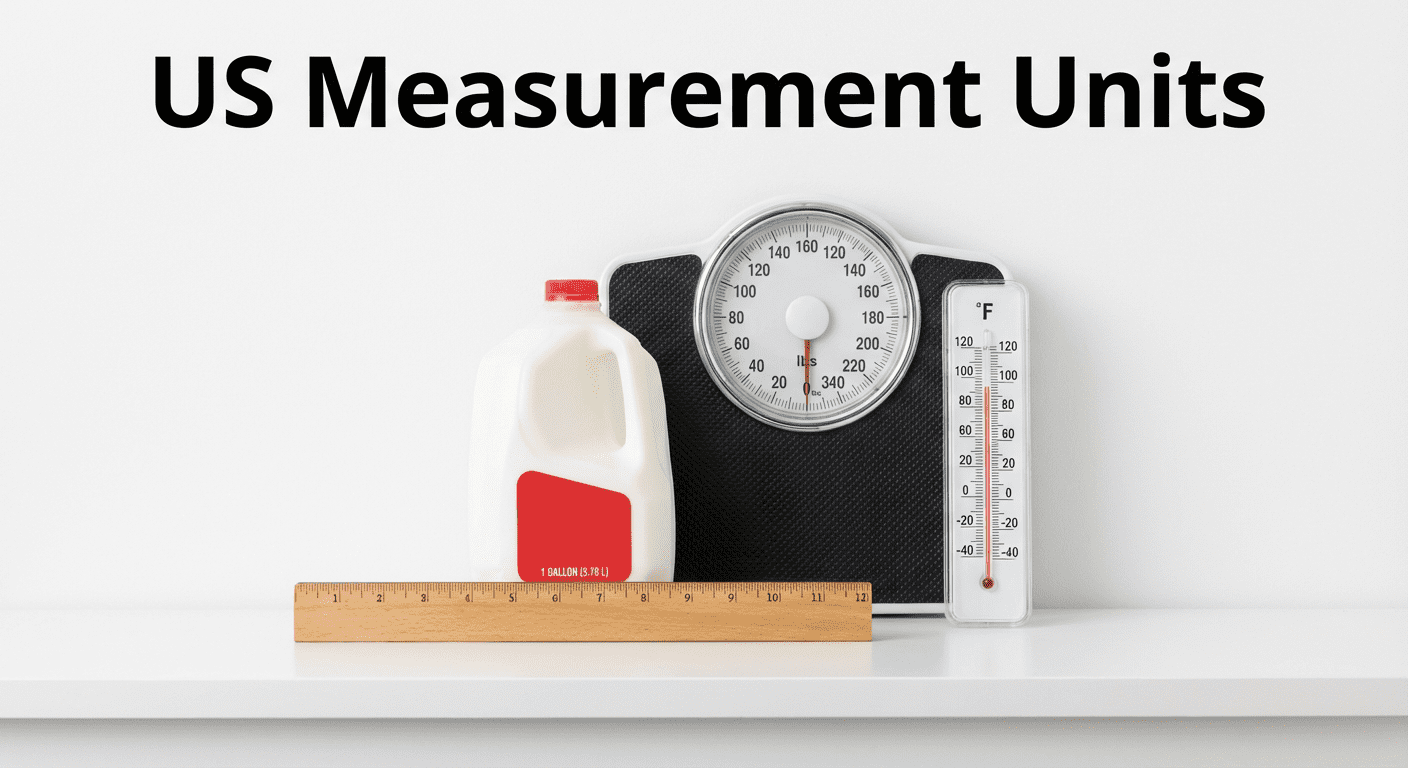
The US customary system evolved from British Imperial units brought by English settlers during the colonial period. While the two systems share many units, they differ in several volume measurements. For example, a US gallon equals 3.785 liters while a British Imperial gallon equals 4.546 liters. This distinction matters when converting recipes, fuel quantities, or any volume-related measurement between the US and UK systems. For kitchen-specific conversions, our kitchen conversion tool covers cooking measurements in detail.
US Customary System vs Metric System
The primary difference between the US customary system and the metric system is the basis of unit relationships. The metric system uses powers of 10 to relate units, making conversion straightforward: 1 kilometer = 1,000 meters = 100,000 centimeters. The US customary system uses irregular ratios: 1 mile = 5,280 feet = 63,360 inches. This makes US unit conversion more difficult to memorize but does not affect the precision of measurements.
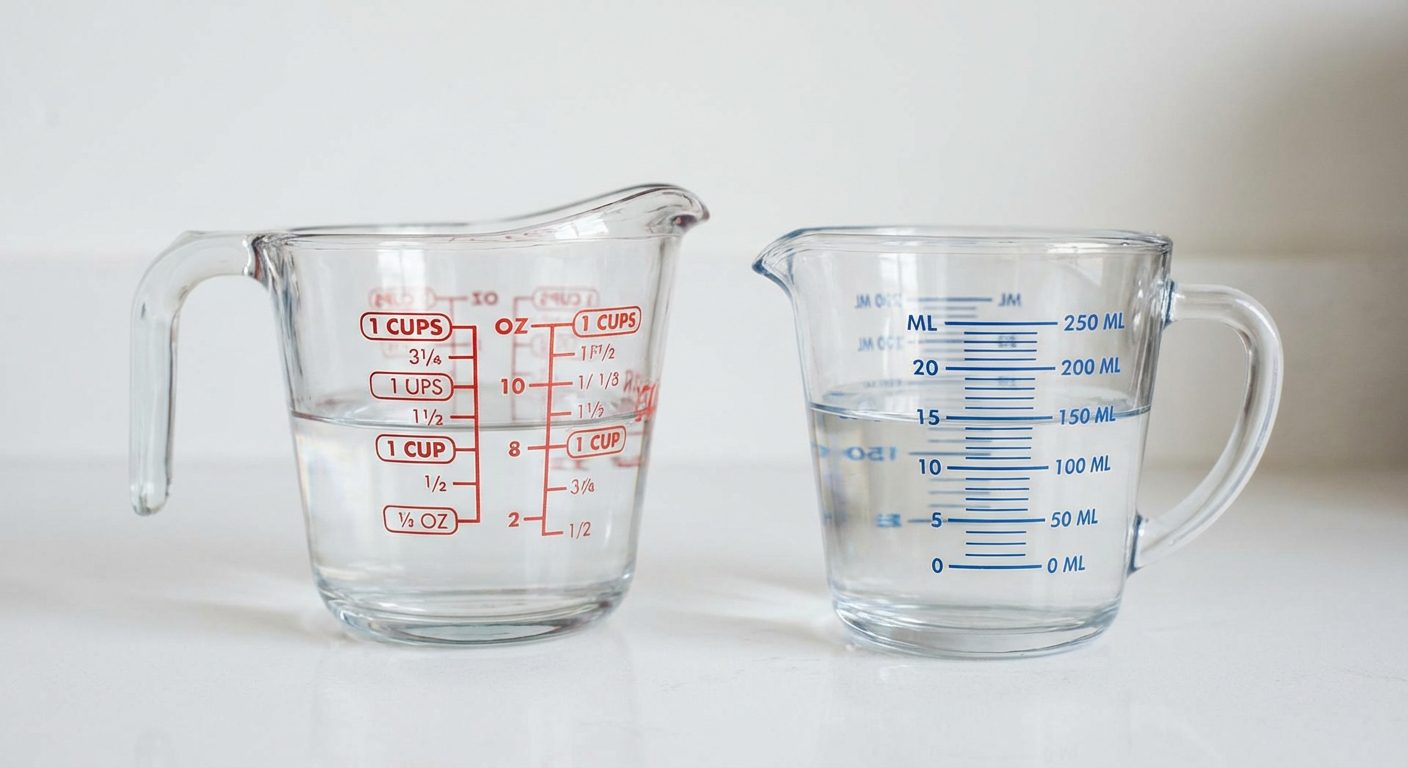
| Category | US Customary | Metric Equivalent |
|---|---|---|
| Length | 1 inch | 2.54 centimeters |
| Length | 1 foot | 30.48 centimeters |
| Length | 1 mile | 1.609 kilometers |
| Weight | 1 pound | 453.592 grams |
| Weight | 1 ounce | 28.35 grams |
| Volume | 1 gallon | 3.785 liters |
| Volume | 1 cup | 236.588 milliliters |
| Temperature | 32°F (freezing) | 0°C |
| Area | 1 acre | 4,046.86 square meters |
US Length Units
Length is the most commonly encountered measurement category in everyday life. US customary length units are used for everything from measuring a person's height to specifying road distances. The NIST official US measurement units reference provides the exact legal definitions for all US customary units.
Inches, Feet, Yards, Miles
The inch is the base unit of US length measurement for small distances. It is defined as exactly 2.54 centimeters. Twelve inches make one foot, which is the standard unit for measuring human height and room dimensions. Three feet make one yard, used in sports fields such as American football. One mile equals 5,280 feet or 1,760 yards, used for road distances and running events.
For very small measurements, the US system uses fractions of an inch (half-inch, quarter-inch, eighth-inch, sixteenth-inch) rather than the metric approach of smaller base units. This fractional approach is still standard in construction, carpentry, and manufacturing in the United States.
Length Conversion Table
| US Unit | Inches | Feet | Metric |
|---|---|---|---|
| 1 Inch | 1 | 0.0833 ft | 2.54 cm |
| 1 Foot | 12 | 1 | 30.48 cm |
| 1 Yard | 36 | 3 | 91.44 cm |
| 1 Mile | 63,360 | 5,280 | 1.609 km |
US Weight Units
The US customary weight system uses the avoirdupois system, which is the same system used for most everyday goods. Weight units determine how food is sold, how packages are labeled, and how medical dosages are specified in the United States.
Ounces, Pounds, Tons
The ounce is the smallest commonly used weight unit, equaling 28.35 grams. Sixteen ounces equal one pound (453.59 grams), which is the primary unit for food products, body weight, and general merchandise. Two thousand pounds equal one short ton, the US unit for heavy cargo and industrial materials. This differs from the metric tonne (1,000 kg = 2,204.6 lbs) and the British long ton (2,240 lbs).
Weight Conversion Table
| US Unit | Ounces | Pounds | Metric |
|---|---|---|---|
| 1 Ounce | 1 | 0.0625 lb | 28.35 g |
| 1 Pound | 16 | 1 | 453.59 g |
| 1 Short Ton | 32,000 | 2,000 | 907.18 kg |
US Volume Units
US volume units are heavily used in cooking, beverage labeling, and fuel measurement. The US system has separate units for liquid volume and dry volume in some cases, though liquid measurements are the most commonly encountered. For a dedicated cooking converter, see our kitchen conversion tool.
Teaspoons, Tablespoons, Cups, Pints, Quarts, Gallons
The smallest common US volume unit is the teaspoon (4.93 ml), followed by the tablespoon (14.79 ml, equal to 3 teaspoons). Eight fluid ounces make one cup (236.59 ml), two cups make one pint, two pints make one quart, and four quarts make one gallon. A US gallon equals 3.785 liters and is the standard unit for gasoline and milk in the United States.
Volume Conversion Table
| US Unit | Fluid Oz | Cups | Metric |
|---|---|---|---|
| 1 Teaspoon | 0.167 fl oz | 0.021 cups | 4.93 ml |
| 1 Tablespoon | 0.5 fl oz | 0.063 cups | 14.79 ml |
| 1 Cup | 8 fl oz | 1 | 236.59 ml |
| 1 Pint | 16 fl oz | 2 | 473.18 ml |
| 1 Quart | 32 fl oz | 4 | 946.35 ml |
| 1 Gallon | 128 fl oz | 16 | 3.785 L |
US Temperature (Fahrenheit)
The United States uses the Fahrenheit scale for everyday temperature measurement, making it one of only a few countries that do not use Celsius. On the Fahrenheit scale, water freezes at 32°F and boils at 212°F at standard atmospheric pressure. Normal human body temperature is 98.6°F (37°C). Comfortable room temperature is typically 68°F to 72°F (20°C to 22°C).
The Fahrenheit scale was created by Daniel Gabriel Fahrenheit in 1724. To convert Fahrenheit to Celsius: subtract 32, then multiply by 5/9. For example, 77°F becomes (77 - 32) × 5/9 = 25°C. To convert Celsius to Fahrenheit: multiply by 9/5, then add 32. For example, 25°C becomes 25 × 9/5 + 32 = 77°F. Scientific contexts in the US use Celsius and Kelvin as in the rest of the world.
| Reference Point | Fahrenheit | Celsius | Kelvin |
|---|---|---|---|
| Water freezes | 32°F | 0°C | 273.15 K |
| Room temperature | 72°F | 22.2°C | 295.37 K |
| Body temperature | 98.6°F | 37°C | 310.15 K |
| Water boils | 212°F | 100°C | 373.15 K |
US Area Units
Area measurement in the US uses square versions of the linear units, plus the acre, which is the primary unit for land area in the United States. Real estate listings, farm sizes, and land surveys all use acres as the standard unit.
Square Feet, Acres
The square foot is the standard unit for measuring the floor area of homes and commercial spaces. A typical US single-family home ranges from 1,500 to 2,500 square feet. The acre, equal to 43,560 square feet, is used for land parcels, farms, and parks. One square mile equals 640 acres. A hectare (metric unit) equals approximately 2.471 acres.
| US Unit | Square Feet | Metric |
|---|---|---|
| 1 Square Inch | 0.00694 ft² | 6.452 cm² |
| 1 Square Foot | 1 | 0.0929 m² |
| 1 Square Yard | 9 | 0.836 m² |
| 1 Acre | 43,560 | 4,046.86 m² |
| 1 Square Mile | 27,878,400 | 2.59 km² |
Why Does the US Use Different Units?
The United States retained the British customary measurement system that colonists brought from England in the 17th and 18th centuries. When the metric system was developed in France in the late 18th century and adopted internationally through the 19th and 20th centuries, the US made several attempts at metrication. The Britannica United States customary system reference details the historical development of these units.
Congress passed the US Metric Conversion Act history in 1975, which declared the metric system the preferred measurement system for US trade and commerce but made its use voluntary. The Omnibus Trade and Competitiveness Act of 1988 required federal agencies to use metric units in procurement, grants, and business activities, but consumer-facing businesses were not required to convert. The result is a hybrid environment where some industries (science, medicine, military, international trade) use metric, while everyday consumer life continues in US customary units.
Frequently Asked Questions
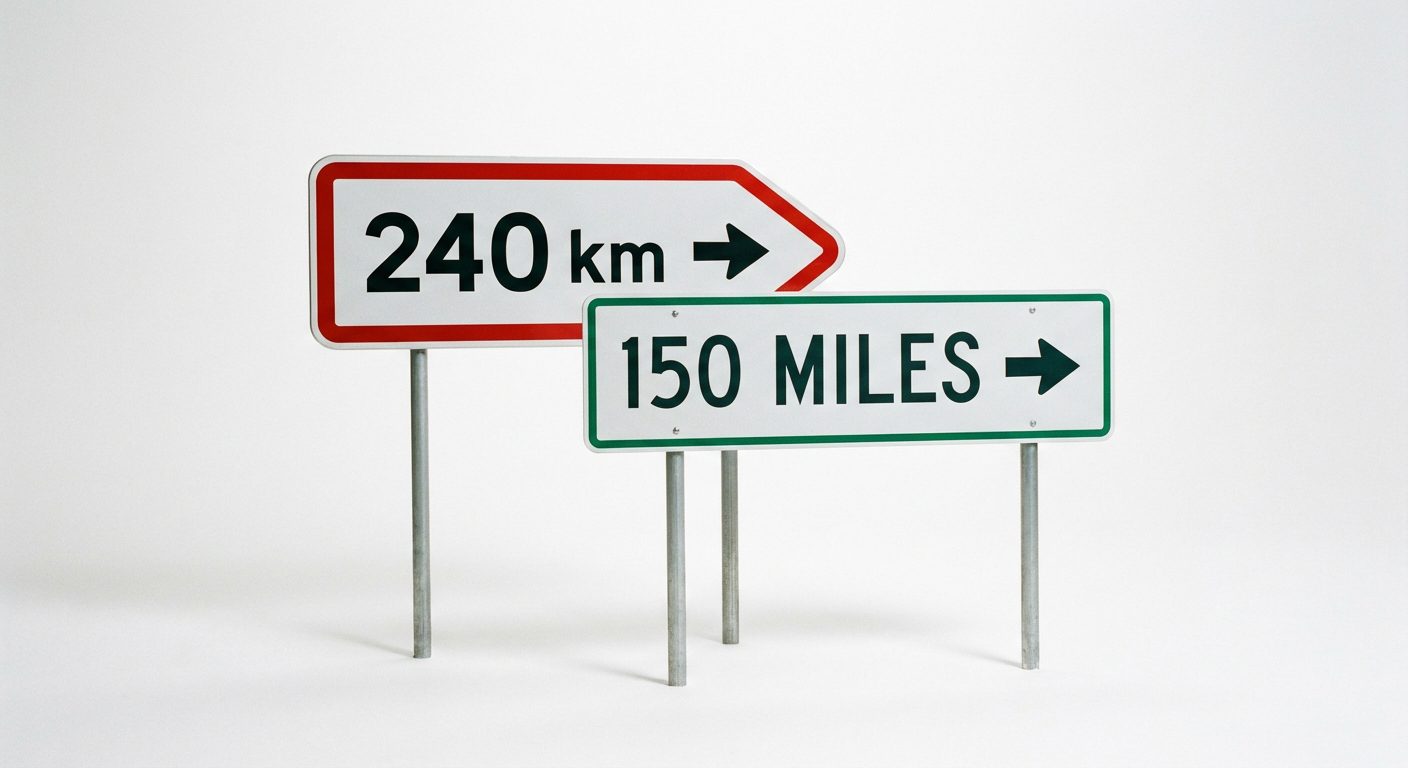
Why doesn't the US use the metric system?
The US uses the customary system due to historical ties with Britain before international metric adoption, the high economic cost of converting all infrastructure and labeling, and sustained public resistance to change. Congress made metric use voluntary in 1975, and most everyday commerce continued using customary units. Industries that require international compatibility, such as science and medicine, use metric internally.
What is the US customary system?
The US customary system is the official measurement system used in the United States for everyday commerce and communication. It includes inches, feet, yards, and miles for length; ounces, pounds, and tons for weight; teaspoons, cups, pints, quarts, and gallons for volume; Fahrenheit for temperature; and square feet and acres for area. It evolved from British imperial units used during the colonial period.
How many feet are in a mile?
There are exactly 5,280 feet in one US statute mile. This comes from the old English measurement system: 1 mile = 8 furlongs, 1 furlong = 660 feet, so 8 × 660 = 5,280 feet. One mile also equals 1,760 yards or 1,609.344 meters.
How many ounces are in a pound?
There are 16 avoirdupois ounces in one pound. This is the standard US weight measurement used for food products, body weight, and general goods. One pound equals 453.592 grams. Note that a fluid ounce is a volume unit and is not the same as a weight ounce, even though both share the name "ounce."
What countries still use imperial or US customary units?
The United States is the primary country using US customary units for everyday life. Myanmar and Liberia officially use non-metric systems but are transitioning. The United Kingdom uses a mix of metric and imperial, retaining miles for road distances and pints for draught beer while using metric for most other measurements — see our UK imperial units guide for a full breakdown of British measurement units. Nearly all other countries use the metric system exclusively.
How do you convert Fahrenheit to Celsius?
To convert Fahrenheit to Celsius: subtract 32, then multiply by 5/9. The formula is C = (F - 32) × 5/9. For example, 98.6°F = (98.6 - 32) × 5/9 = 66.6 × 0.5556 = 37°C. To go the other way, use F = C × 9/5 + 32. You can use the temperature converter above for instant results.