Meeting Room Size Calculator
A meeting room size calculator estimates the ideal room dimensions based on the number of attendees and seating arrangement. Enter your group size and preferred layout in the panel to find the recommended square footage for your meeting, conference, or event space.
What Is a Meeting Room Size Calculator?
A meeting room size calculator determines the minimum square footage required to comfortably seat a given number of people in a specific arrangement. Rather than guessing or relying on rough estimates, a room size calculator applies industry-standard space-per-person guidelines used by architects, event planners, and facility managers. The result is a reliable recommended square footage and a suggested room dimension that ensures attendees have adequate space to sit, move, and interact without the room feeling cramped or wasted. If you are also planning the agenda for the meeting, use the AI meeting agenda generator to structure your session with timed agenda items and discussion objectives.
Room Size Per Person by Seating Style
The amount of space needed per person varies significantly depending on how the room is arranged. Each seating style has a different footprint because of the furniture required and the circulation space needed between seats.
Boardroom Style
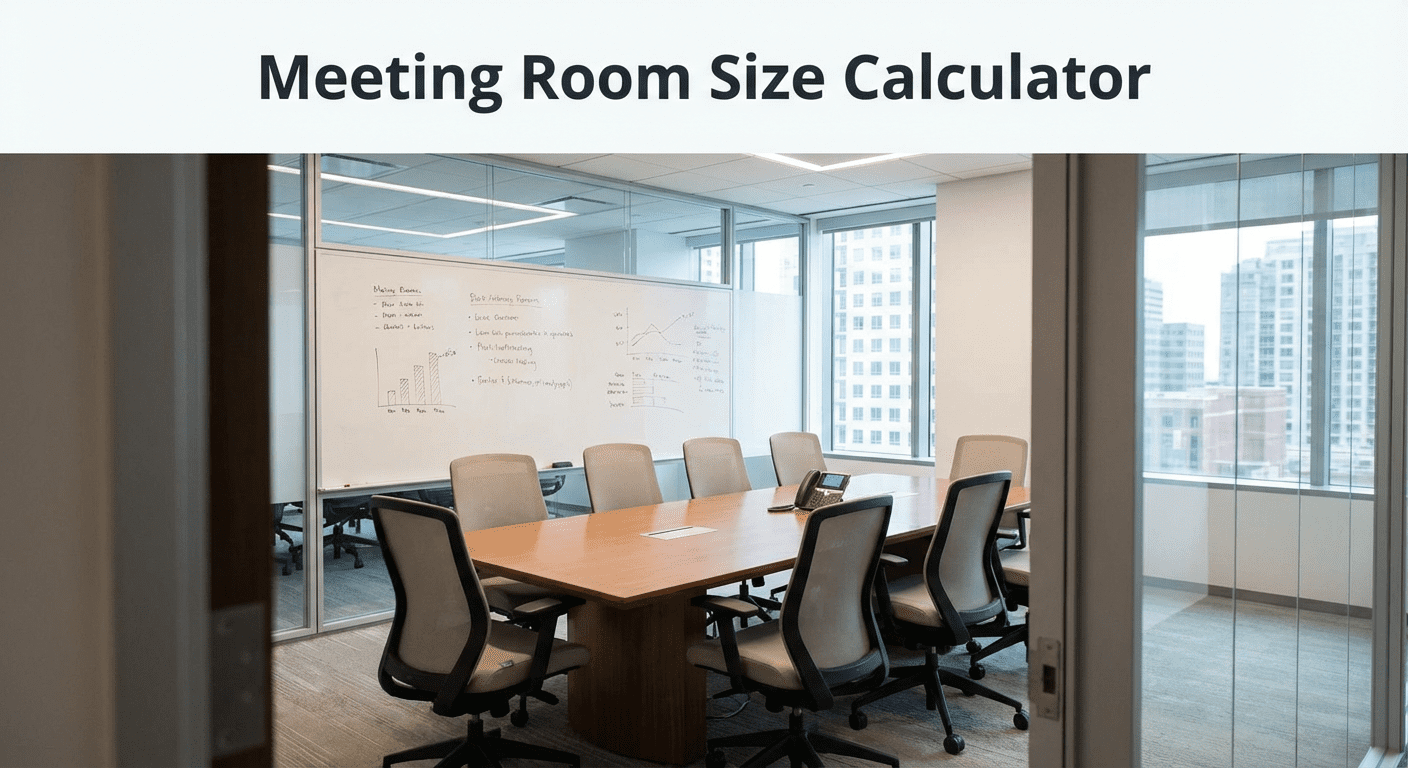
Boardroom style seats attendees around a large central conference table with chairs on all sides. It is the most space-intensive arrangement per person, requiring approximately 25 square feet per person. This higher allowance accounts for the width of the table itself, the chair position behind the table, and enough clearance for people to enter and exit their seats without disturbing others. Boardroom seating is best for executive meetings, strategy sessions, and decision-making meetings with 8 to 20 participants.
Classroom Style
Classroom style uses rows of tables with chairs all facing the same direction, typically toward a presenter, screen, or whiteboard. Each person has a table surface for notes or a laptop. This arrangement requires approximately 18 square feet per person. Classroom style is ideal for training sessions, workshops, seminars, and any format where attendees need a writing surface but do not need to face each other.
Theater Style
Theater style uses rows of chairs with no tables. It is the most space-efficient seating arrangement for a fixed audience, requiring only about 10 square feet per person. Since there are no tables, the density is higher and the room can accommodate significantly more people than other arrangements. Theater style is appropriate for presentations, keynote speeches, product demos, and lectures where attendees are primarily listening and watching rather than writing or collaborating.
U-Shape Style
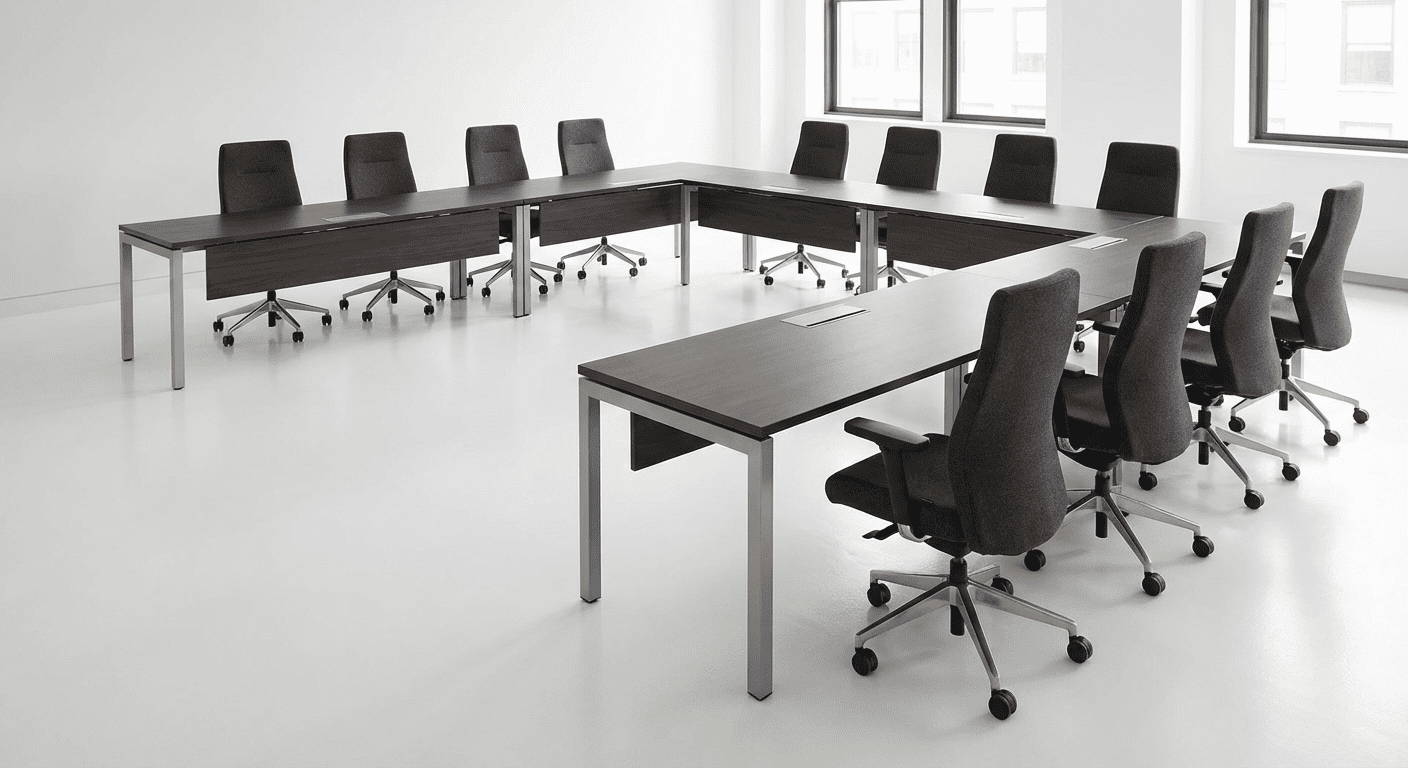
U-Shape style arranges tables in the shape of the letter U with chairs on the outside of the U, facing inward. This leaves the center of the room open for a presenter and creates good sight lines between participants. U-Shape is the most spacious arrangement per person at approximately 30 square feet per person, because of the large open space in the center and the additional table length required. It works well for interactive workshops, training sessions with discussion components, and meetings where all participants need to see each other and a facilitator.
Banquet Style
Banquet style places people at round tables spread throughout the room. Each table typically seats 6 to 10 people. The space requirement is approximately 15 square feet per person, accounting for the table diameter, chairs, and aisle clearance between tables. Banquet style is most commonly used for dining events, galas, award ceremonies, and team-building events where small-group conversations and meals are part of the program.
How to Calculate Meeting Room Size
The formula for calculating meeting room size is straightforward:
Square Meters = Square Footage × 0.0929
For example, a boardroom meeting with 12 attendees requires 12 × 25 = 300 square feet (27.9 square meters). A theater-style presentation for 100 people requires 100 × 10 = 1,000 square feet (92.9 square meters). The space-per-person standards used in this calculator are consistent with guidelines from the American Society of Interior Designers (ASID) and widely adopted event planning resources. To plan and manage the full timeline of a meeting-intensive project, pair this calculator with the lead time calculator.
Meeting Room Capacity Chart
The table below shows recommended room sizes for common group sizes across all six seating styles. All values are in square feet.
| Attendees | Boardroom | Classroom | Theater | U-Shape | Banquet | Standing |
|---|---|---|---|---|---|---|
| 10 | 250 sq ft | 180 sq ft | 100 sq ft | 300 sq ft | 150 sq ft | 60 sq ft |
| 20 | 500 sq ft | 360 sq ft | 200 sq ft | 600 sq ft | 300 sq ft | 120 sq ft |
| 30 | 750 sq ft | 540 sq ft | 300 sq ft | 900 sq ft | 450 sq ft | 180 sq ft |
| 50 | 1,250 sq ft | 900 sq ft | 500 sq ft | 1,500 sq ft | 750 sq ft | 300 sq ft |
| 75 | 1,875 sq ft | 1,350 sq ft | 750 sq ft | 2,250 sq ft | 1,125 sq ft | 450 sq ft |
| 100 | 2,500 sq ft | 1,800 sq ft | 1,000 sq ft | 3,000 sq ft | 1,500 sq ft | 600 sq ft |
| 150 | 3,750 sq ft | 2,700 sq ft | 1,500 sq ft | 4,500 sq ft | 2,250 sq ft | 900 sq ft |
| 200 | 5,000 sq ft | 3,600 sq ft | 2,000 sq ft | 6,000 sq ft | 3,000 sq ft | 1,200 sq ft |
ADA Accessibility Considerations
The Americans with Disabilities Act (ADA) sets minimum clearance requirements for public spaces that directly affect meeting room sizing. ADA guidelines require at least 44 inches of clear floor space for wheelchair accessible aisles and 60 inches for turning radius in open areas. Meeting rooms in public buildings must provide accessible seating positions — typically one wheelchair space per 25 seats or fraction thereof — with adjacent companion seating. ADA accessible seating must be on accessible routes without steps or barriers.
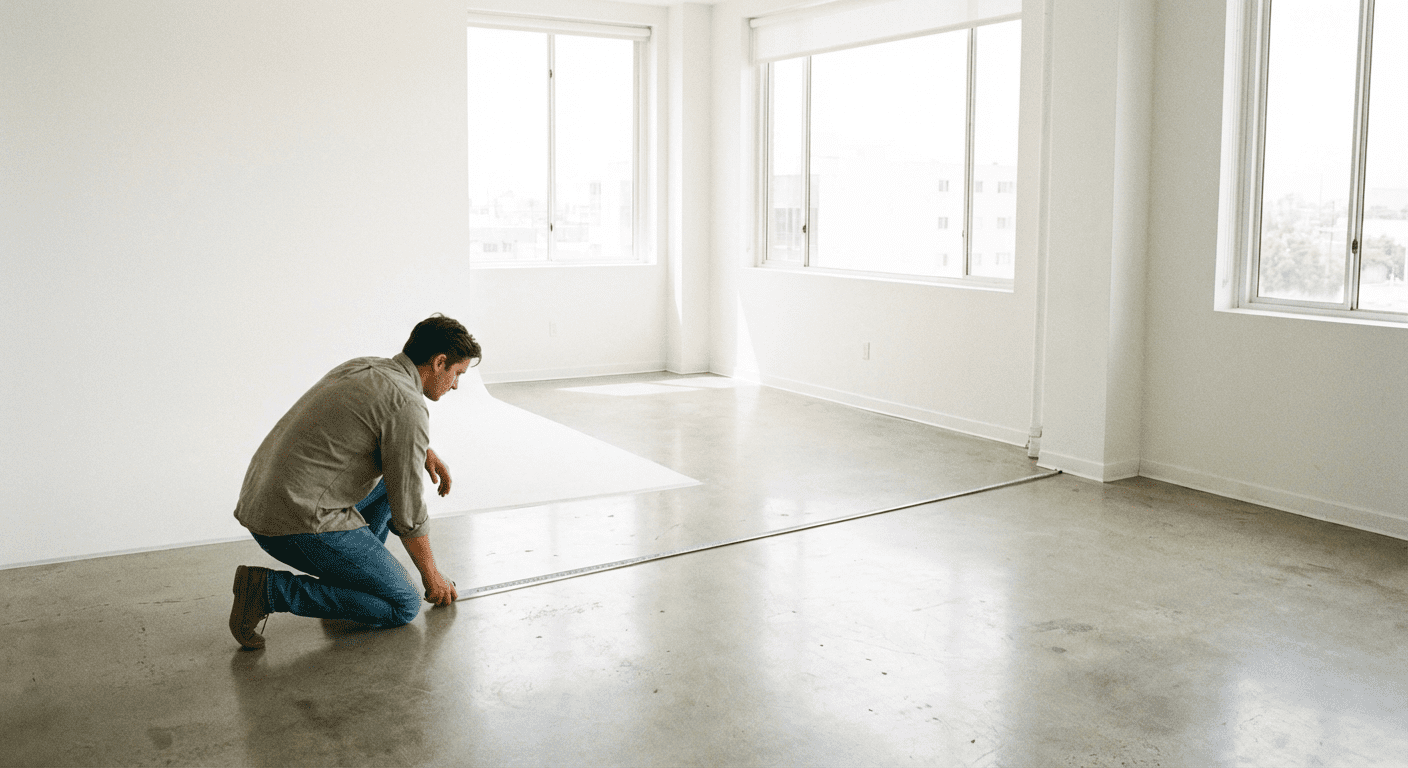
Practically, ADA compliance for meeting rooms means adding 10 to 15 percent more square footage than the base formula suggests, particularly for boardroom, classroom, and U-Shape configurations where aisle clearance is critical. For large venues, consult the full ADA standards and a licensed architect before finalizing room dimensions. The calculator results on this page represent minimum functional sizing and should be treated as a starting point, not the final specification for a construction or renovation project.
Tips for Choosing the Right Meeting Space
Calculating the required square footage is only the first step in selecting an appropriate meeting space. Consider these additional factors when evaluating a room or venue:
- Ceiling height: Low ceilings in large rooms can feel claustrophobic. For theater or banquet style with over 100 attendees, a ceiling height of at least 12 to 14 feet is recommended for sight lines and ventilation.
- Natural light: Rooms with windows reduce fatigue in long meetings. However, windows facing a projector screen create glare. Consider adjustable blinds or a room orientation where screens are perpendicular to windows.
- Audio and acoustics: Larger rooms may require microphones and speakers for effective communication. Hard-surfaced rooms amplify echo, which reduces intelligibility. Carpet, curtains, and acoustic panels improve sound quality.
- Temperature control: People generate heat. Rooms at full capacity can become uncomfortably warm quickly. Ensure the HVAC system can handle the load at maximum occupancy.
- Buffer space: Always add 10 to 20 percent to the calculated square footage for a registration desk, refreshment table, or networking space near the entrance.
For event and meeting planning workflows, the AI productivity planner helps schedule and prioritize preparation tasks before an event, while the AI project plan generator is useful for coordinating multi-venue or multi-day events.
Frequently Asked Questions
How many sq ft per person for a meeting?
The square footage per person depends on the seating style. Boardroom style requires 25 sq ft per person, classroom style 18 sq ft, theater style (chairs only) 10 sq ft, U-Shape 30 sq ft, banquet (round tables) 15 sq ft, and standing / cocktail events 6 sq ft. Use the calculator above to get an exact recommendation for your group size and layout.
What size room for 20 people?
For 20 people, the recommended room size depends on the arrangement: boardroom style requires 500 sq ft, classroom style 360 sq ft, theater style 200 sq ft, U-Shape 600 sq ft, banquet 300 sq ft, and standing cocktail 120 sq ft. For a standard business meeting in boardroom or classroom style, a room between 300 and 500 square feet is appropriate for 20 attendees.
What is boardroom style seating?
Boardroom style seating places all attendees around a single large rectangular or oval conference table with chairs on all sides. It is the most formal arrangement and encourages direct eye contact and discussion among all participants. It is best suited for small to medium groups of 6 to 20 people and requires approximately 25 square feet per person due to the table width and chair clearance required.
How big is a conference room for 10 people?
A conference room for 10 people typically needs 200 to 300 square feet in boardroom or classroom style. Specifically: boardroom style requires 250 sq ft, classroom style 180 sq ft, and theater style 100 sq ft. Most small conference rooms in office buildings are sized at 200 to 300 square feet, which works comfortably for 10 to 12 people in a standard meeting arrangement.
What is theater style seating?
Theater style seating uses rows of chairs with no tables, similar to a cinema or auditorium. It is the most space-efficient arrangement, fitting more people into a given room than any other style at only 10 square feet per person. Theater style is appropriate when attendees are primarily watching and listening rather than taking notes or working. It is not suitable for workshops, training sessions, or meetings requiring writing surfaces.
Also check out: